Former President’s visit to Japan 4

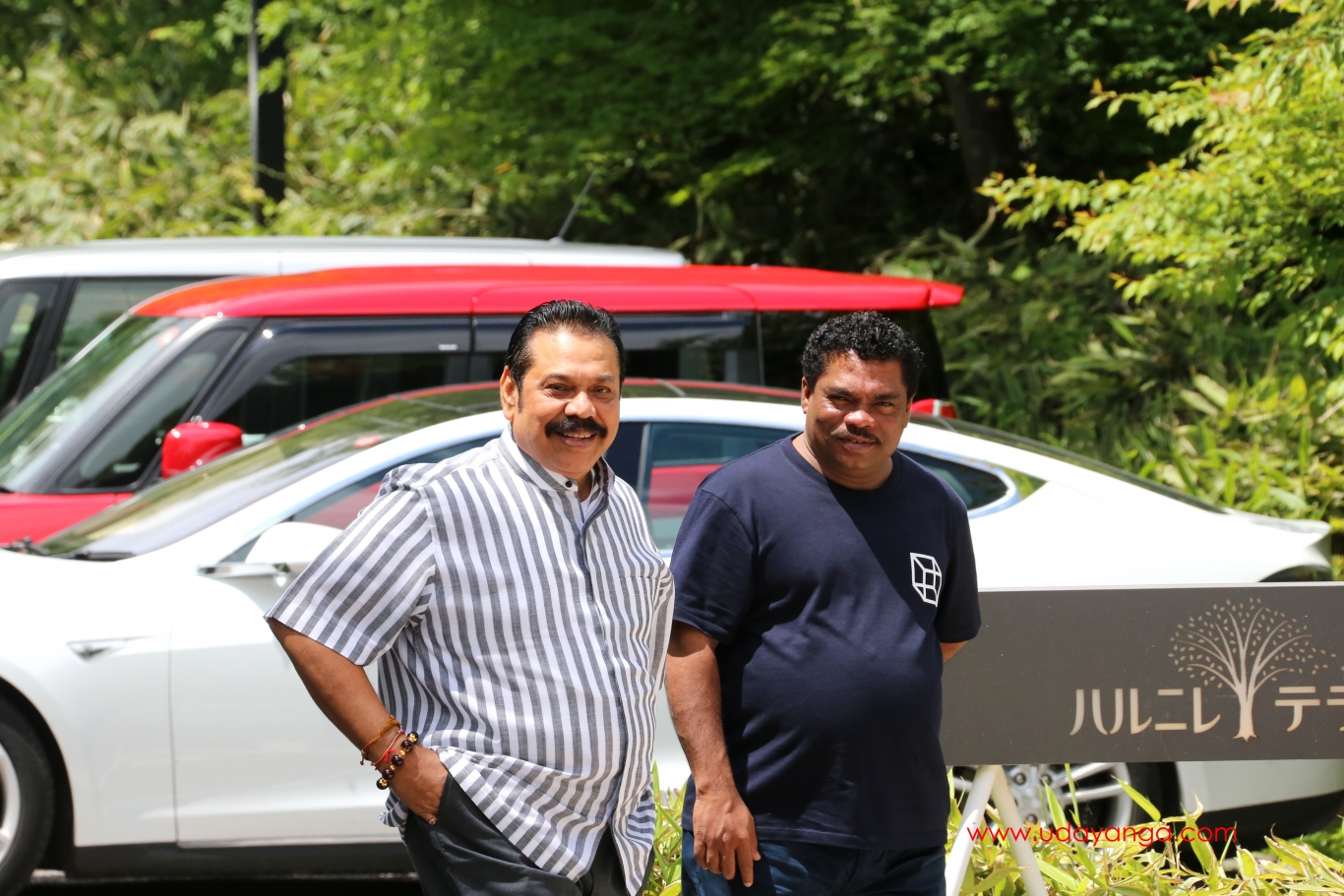
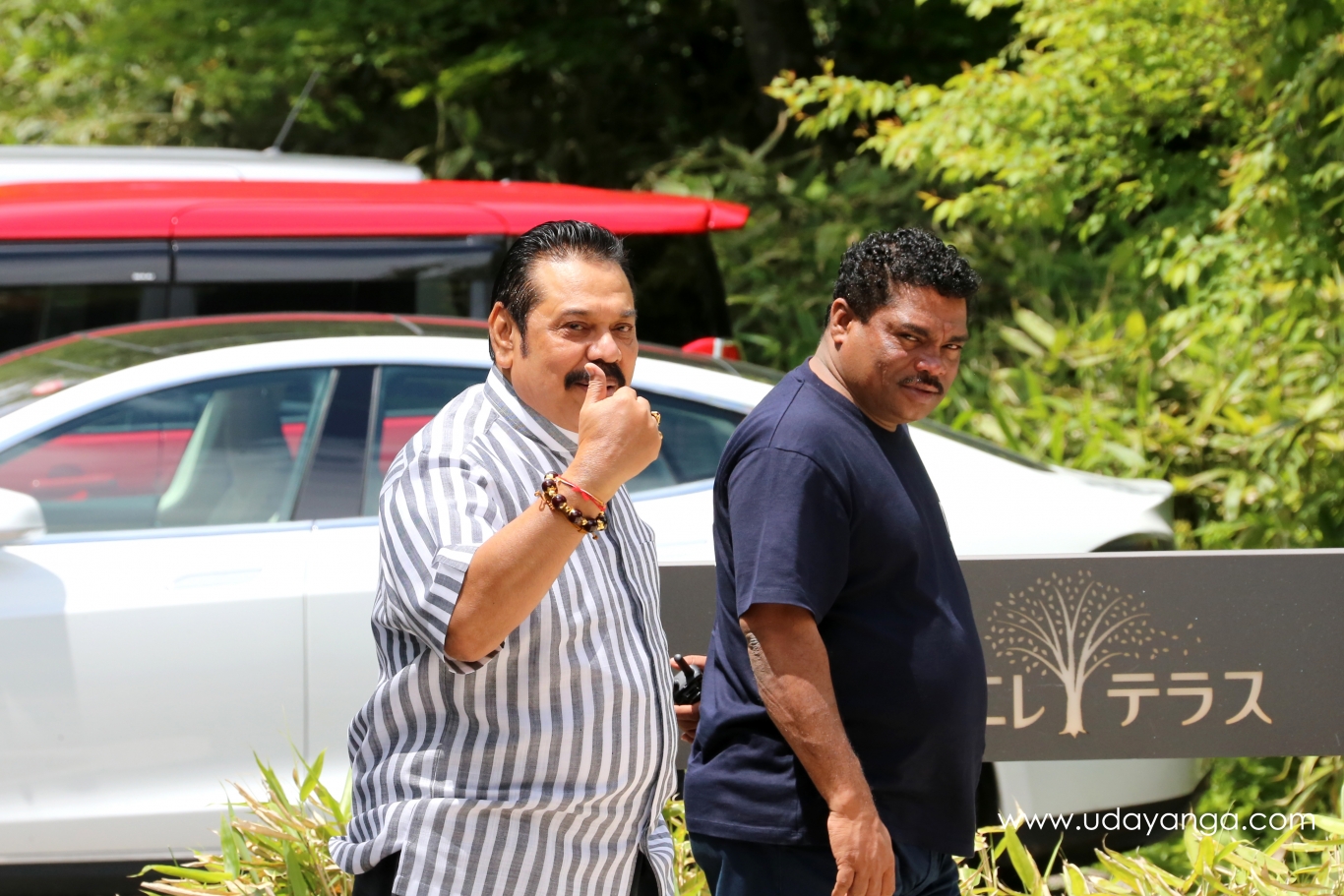
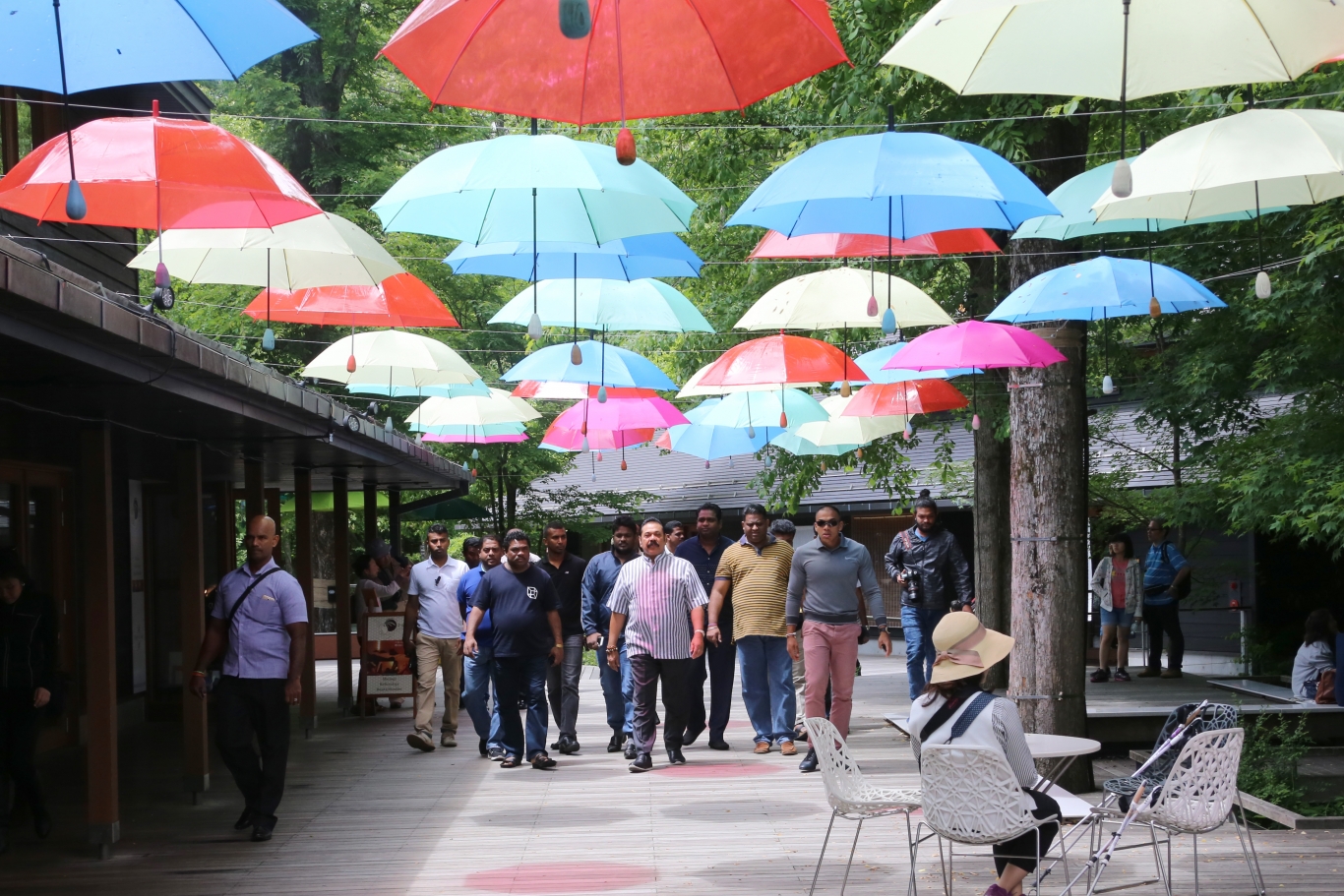
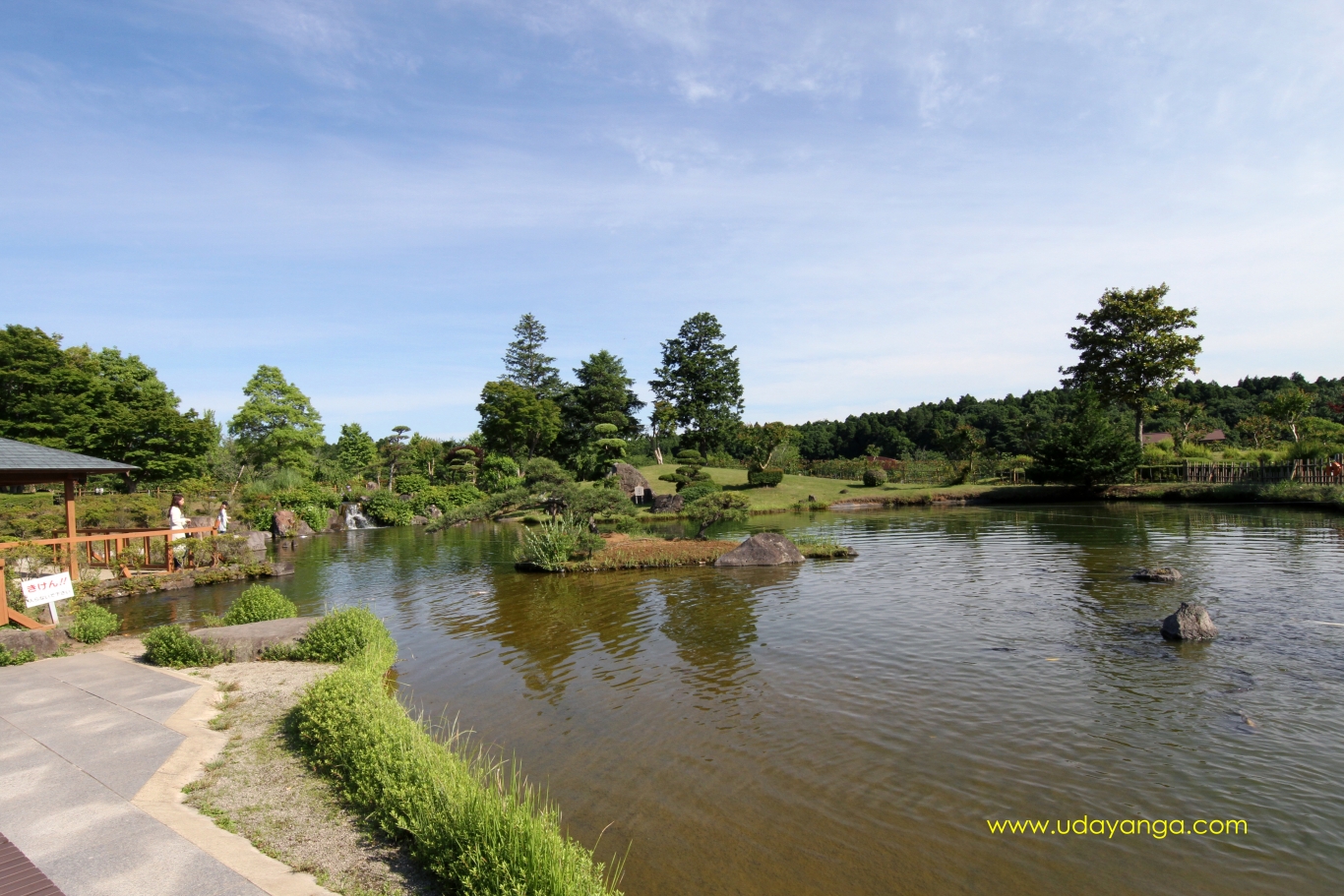
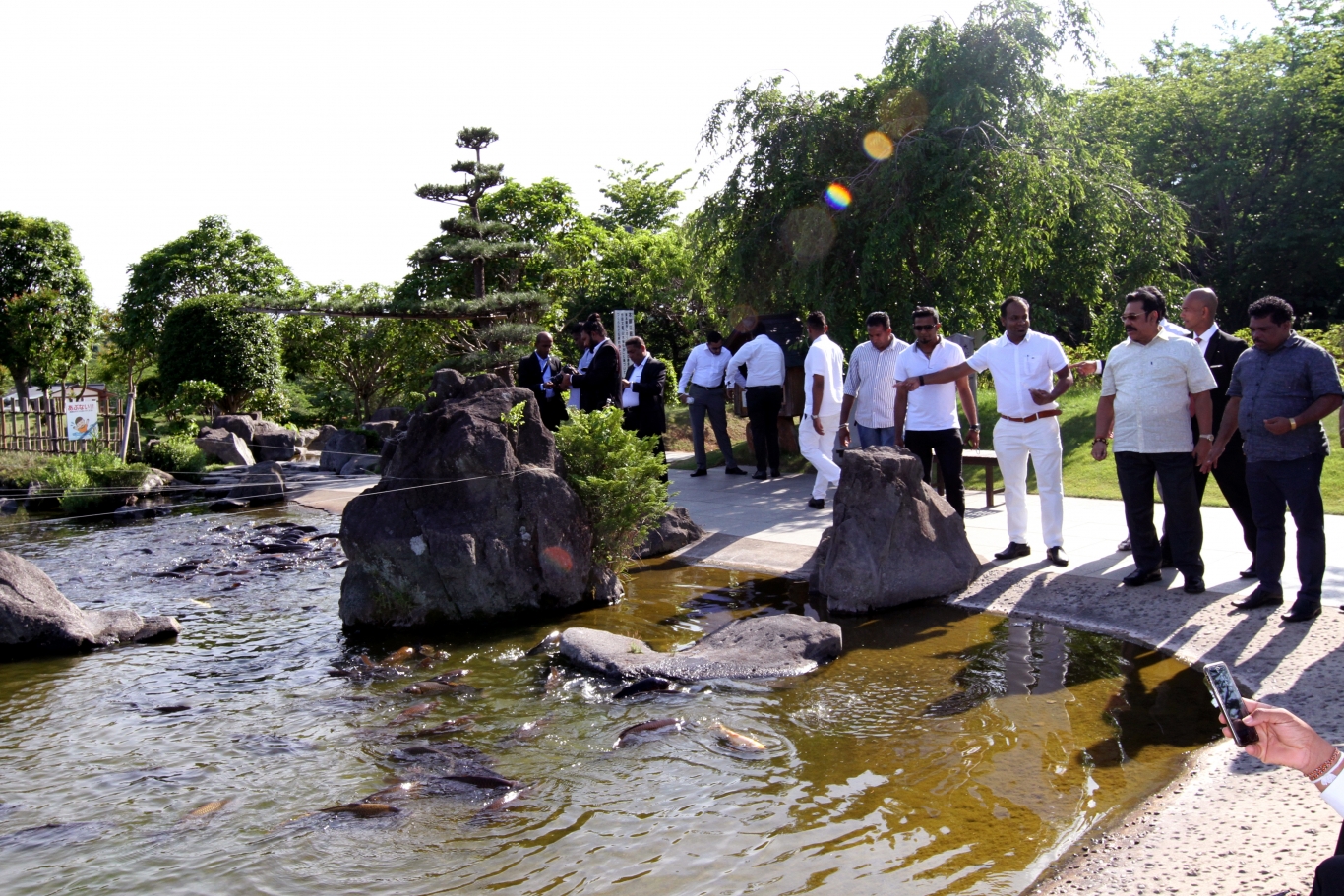
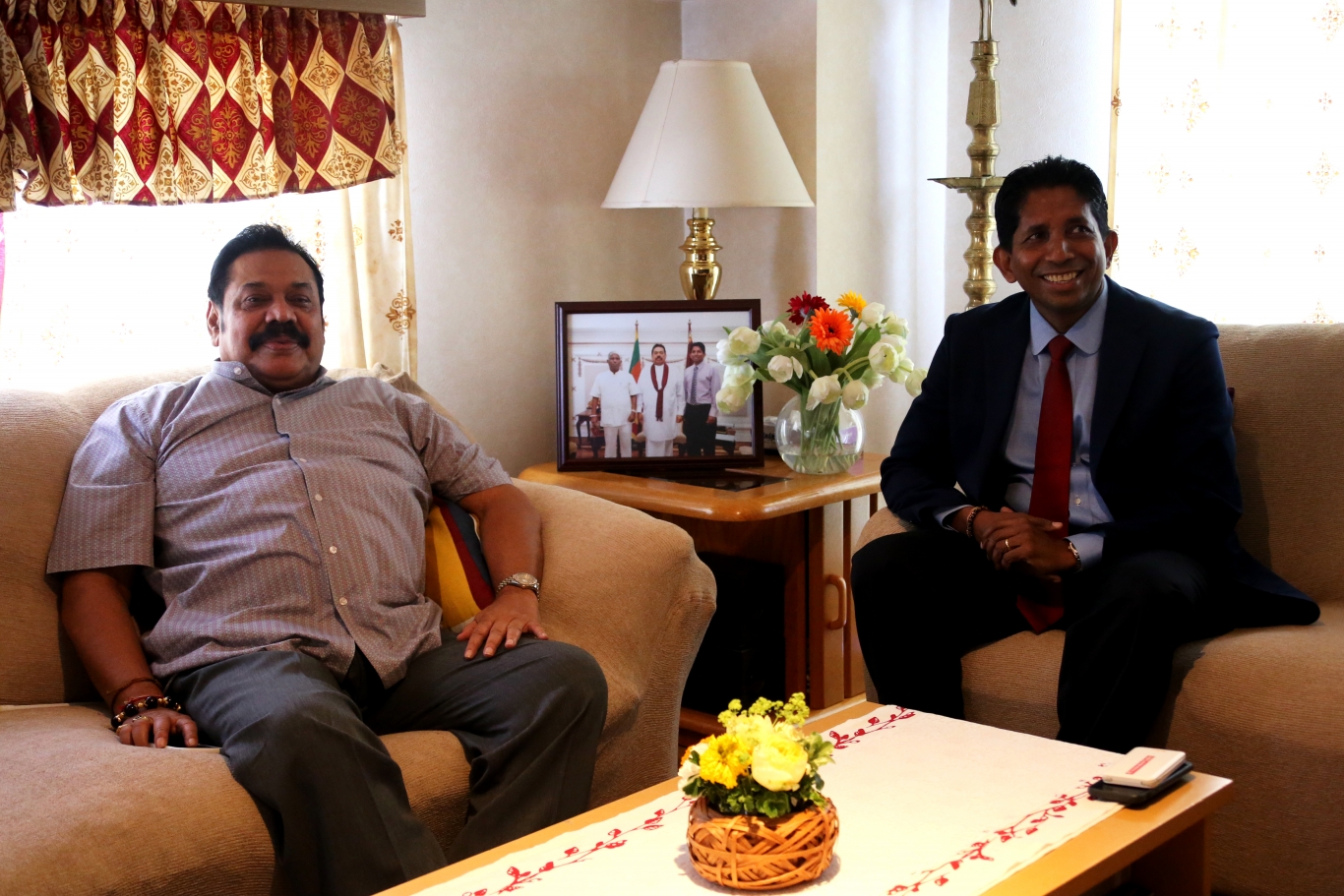
At Kuruisawa, Japan …

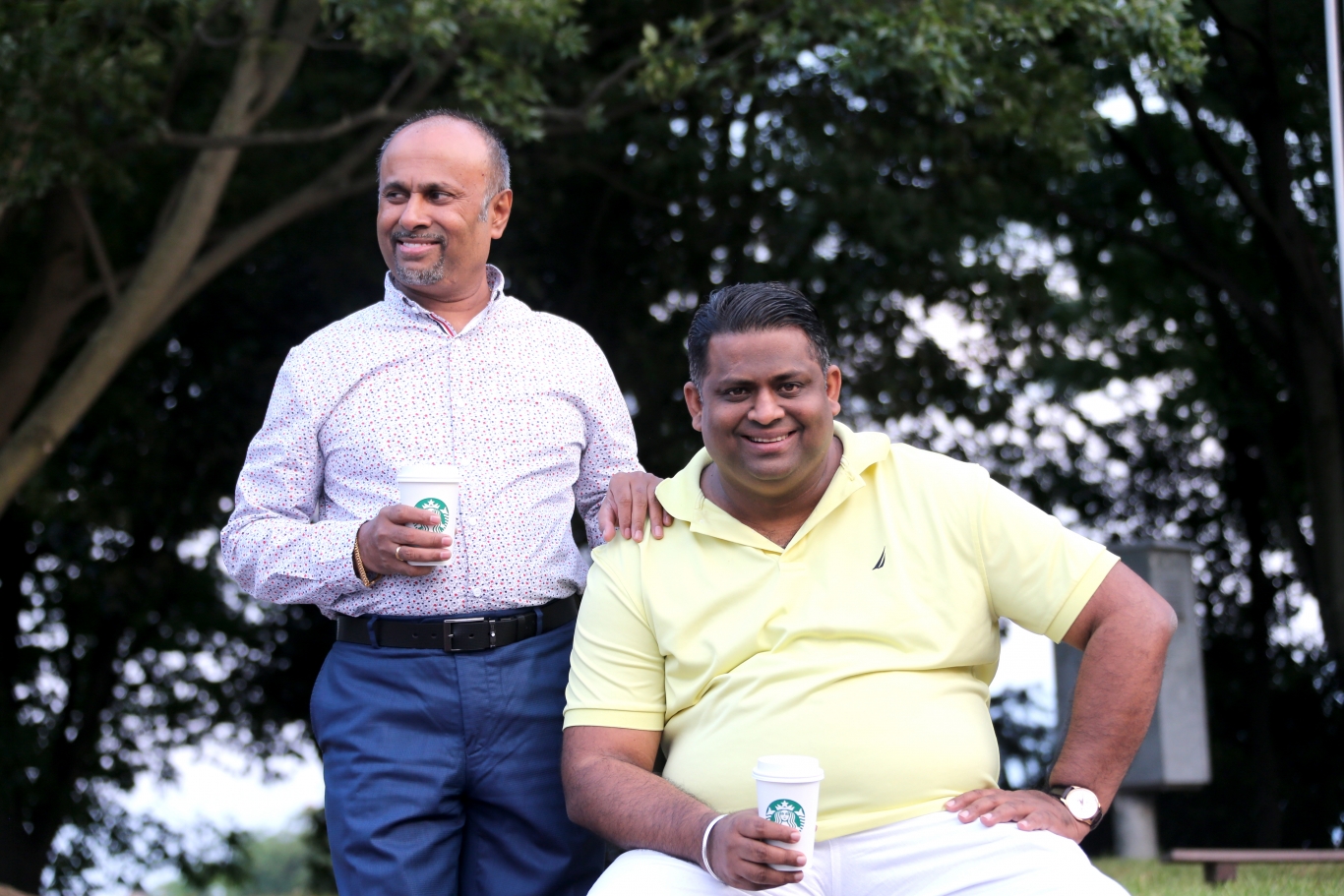
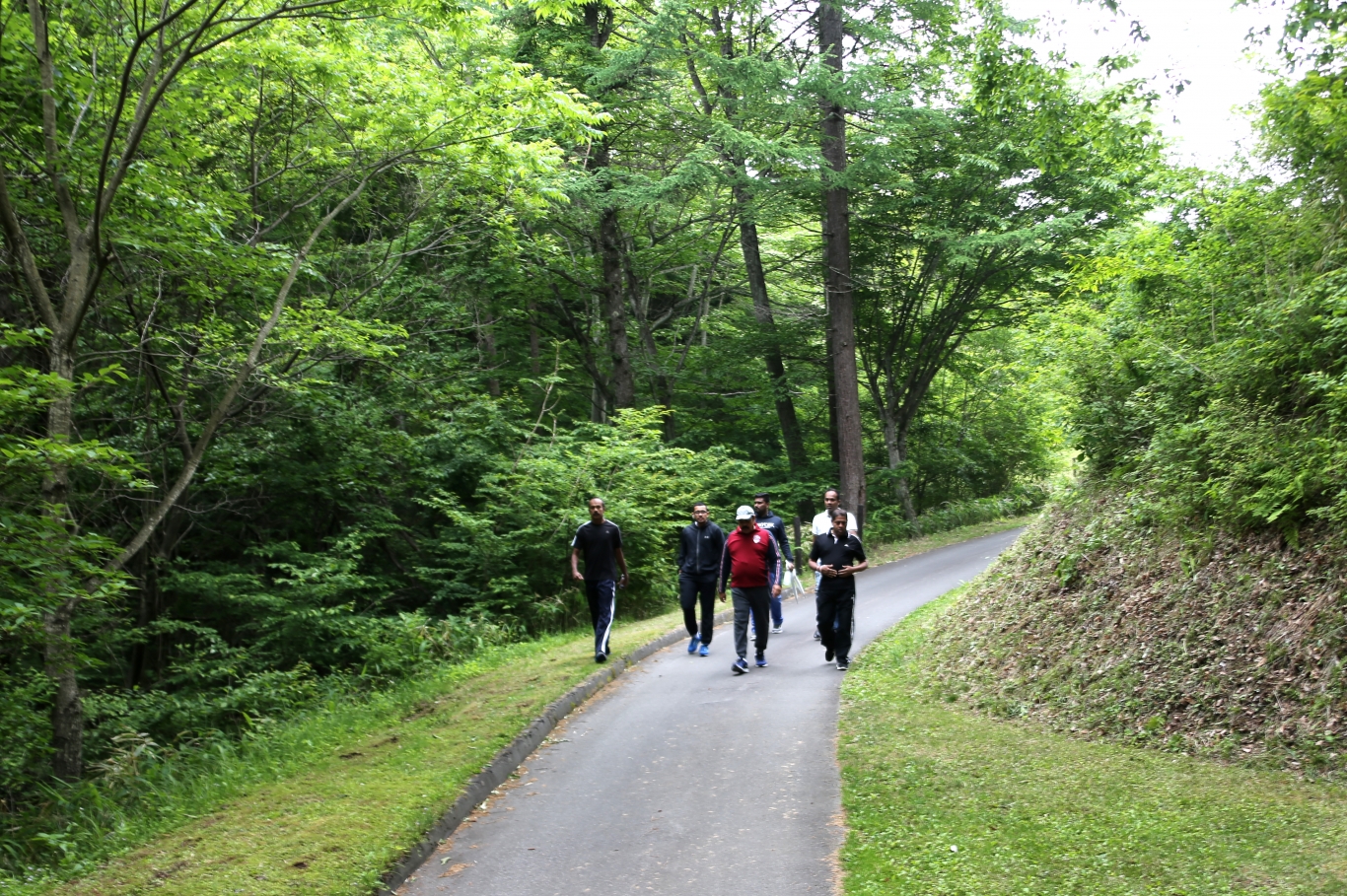
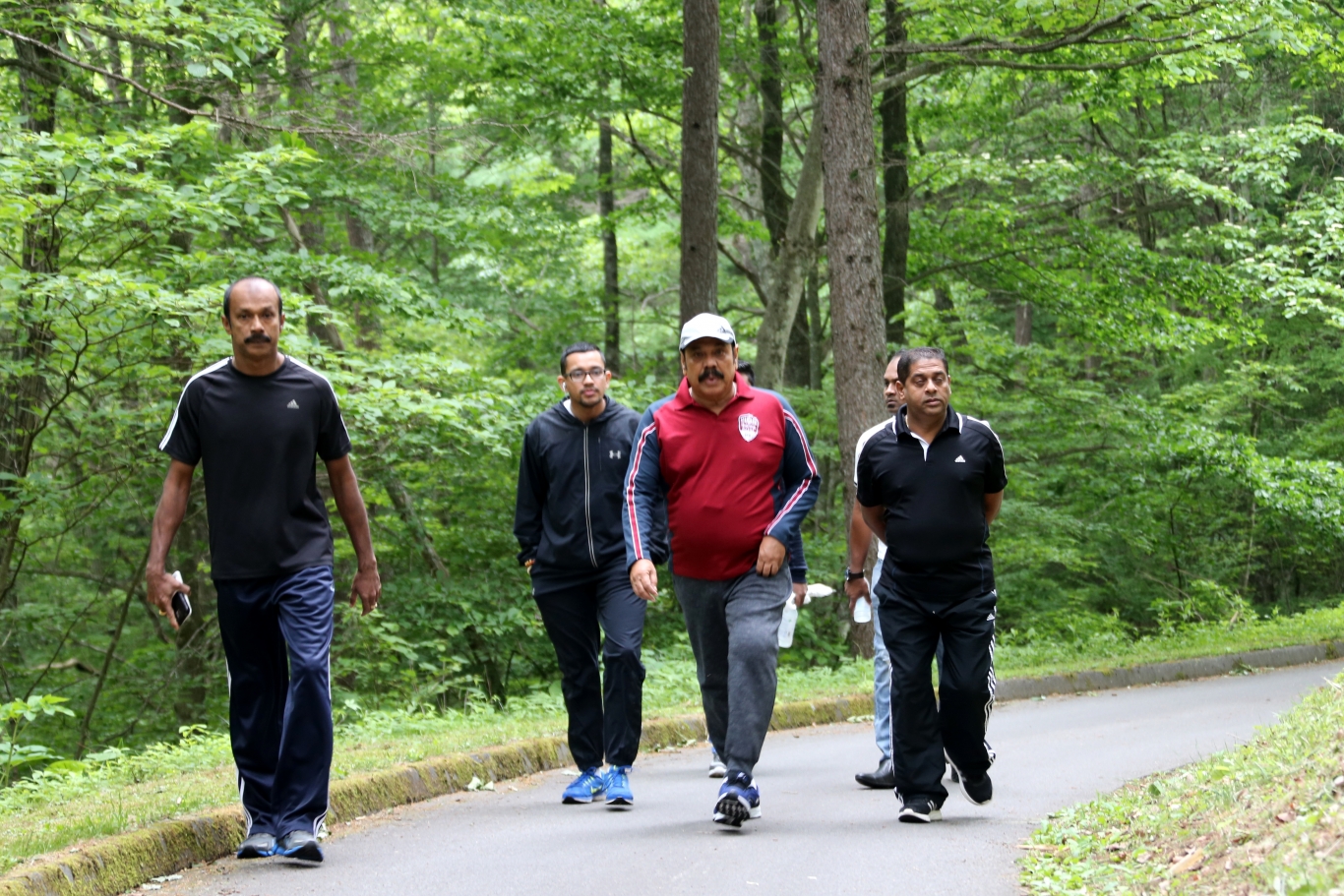
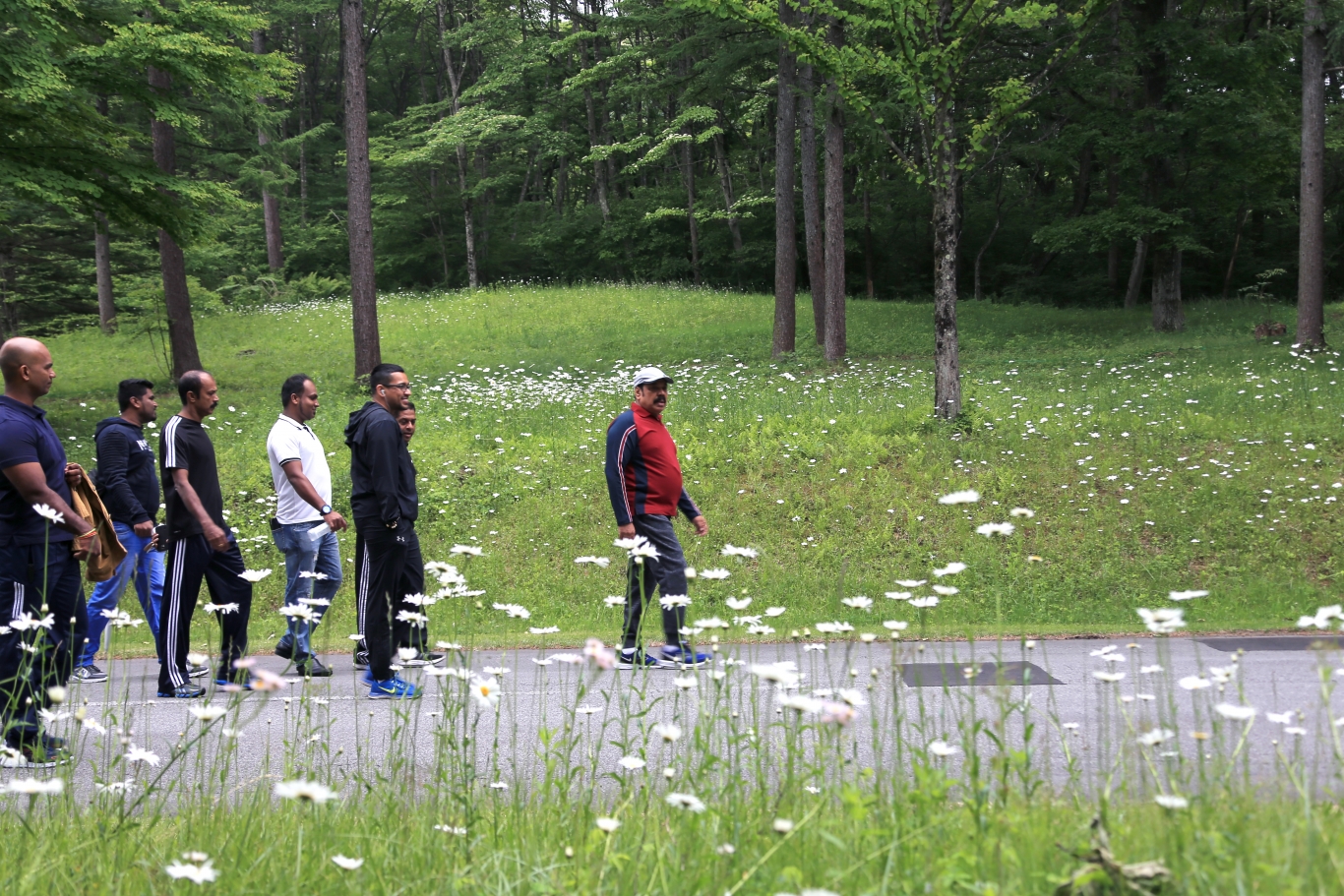
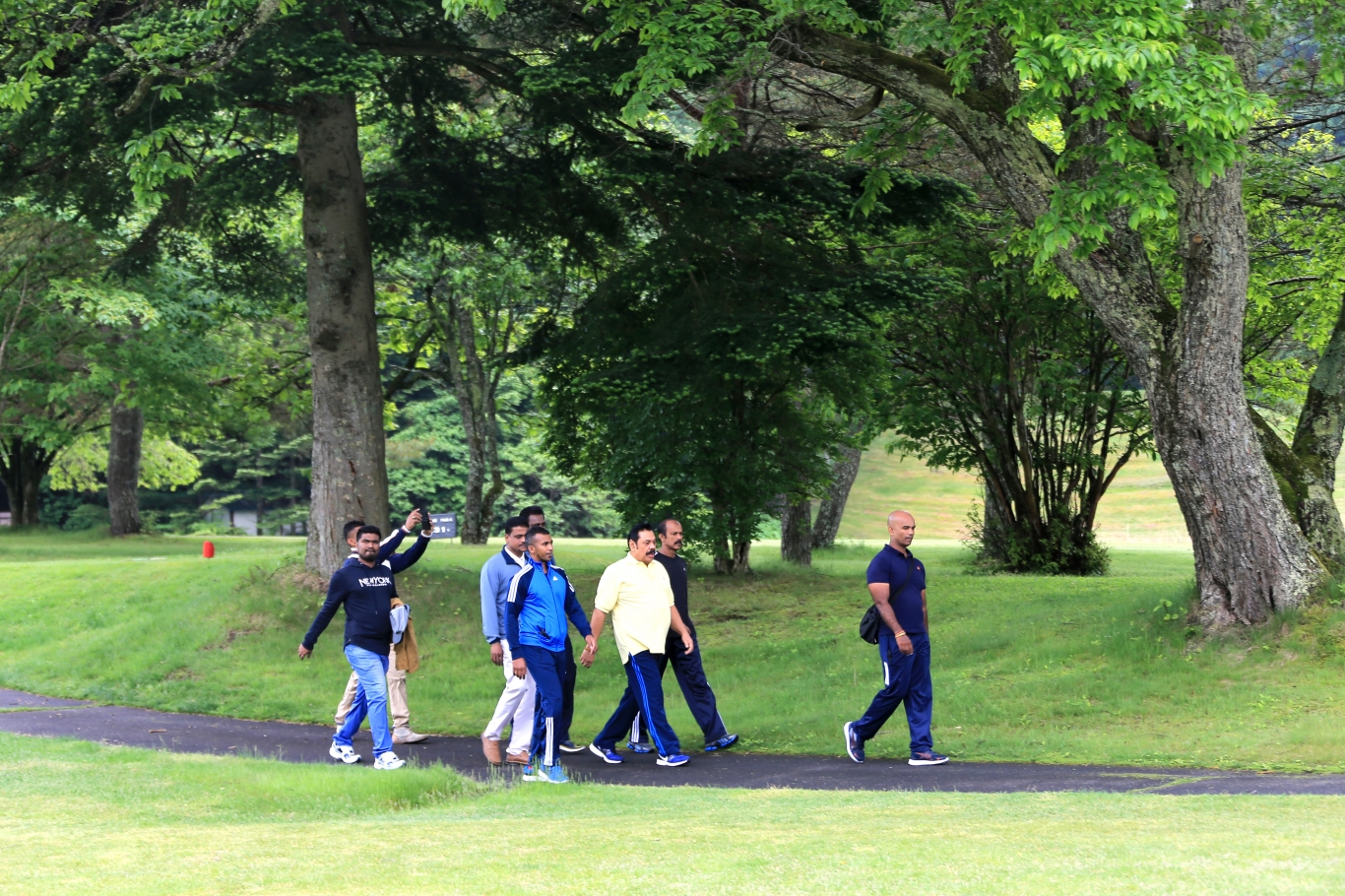
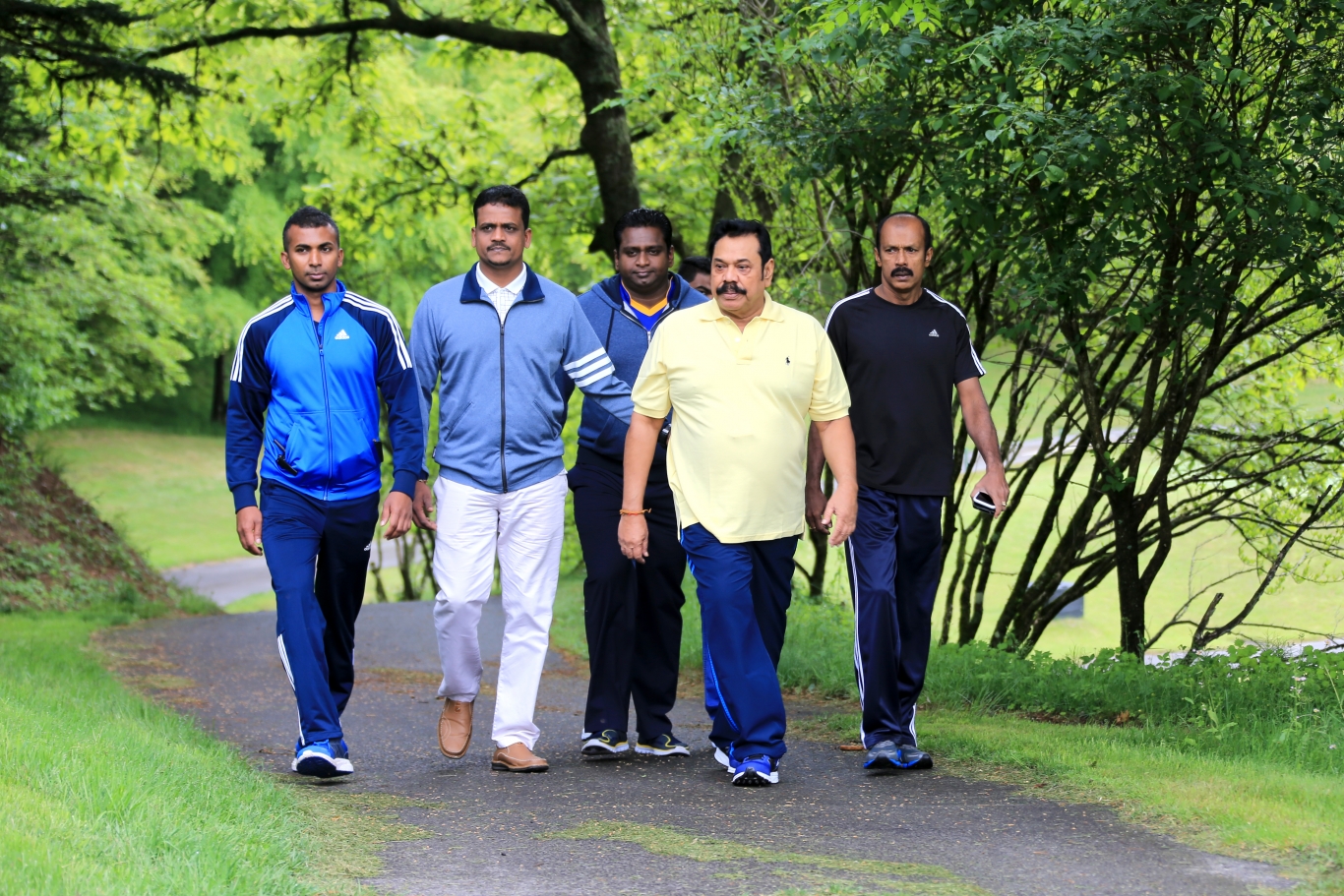
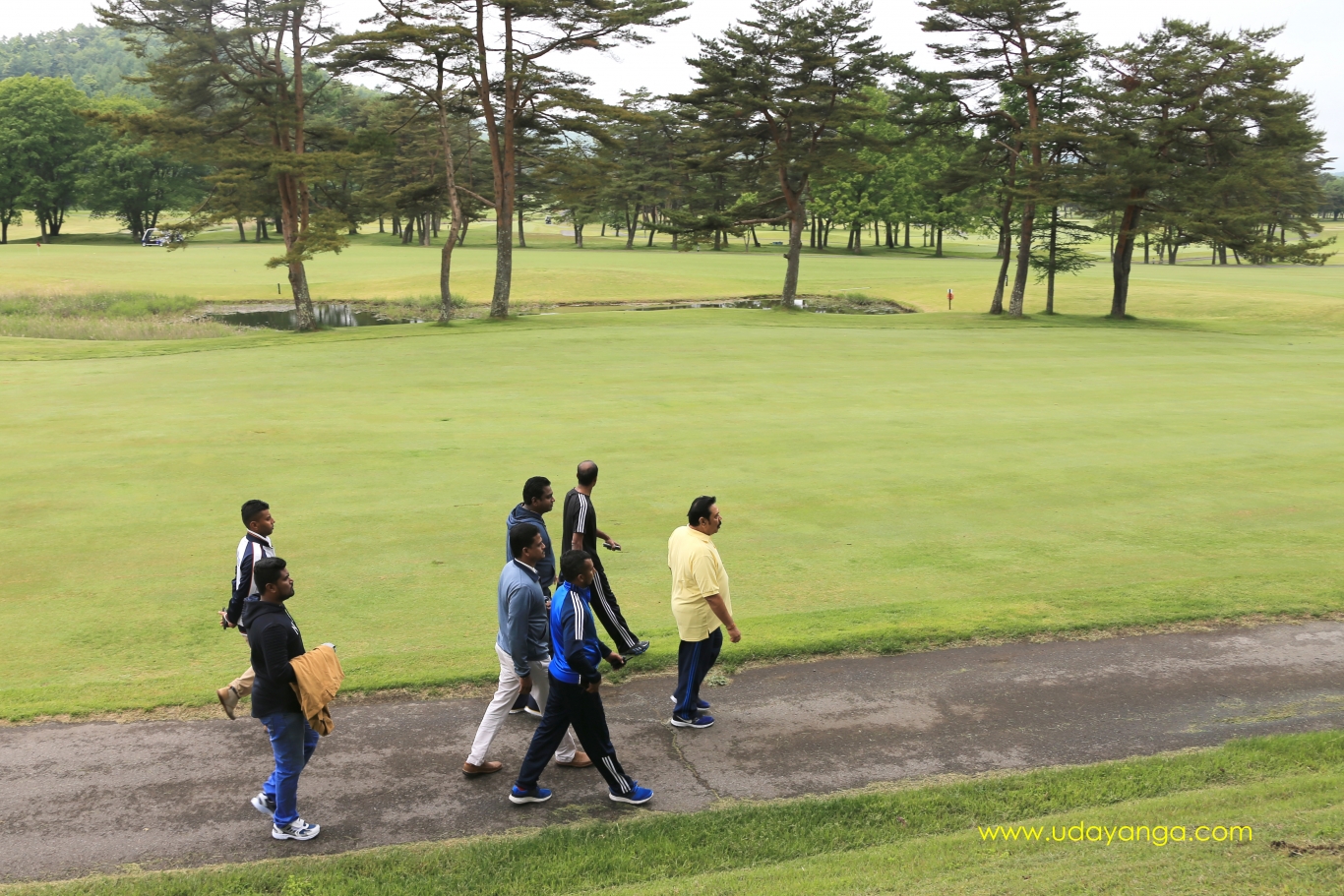
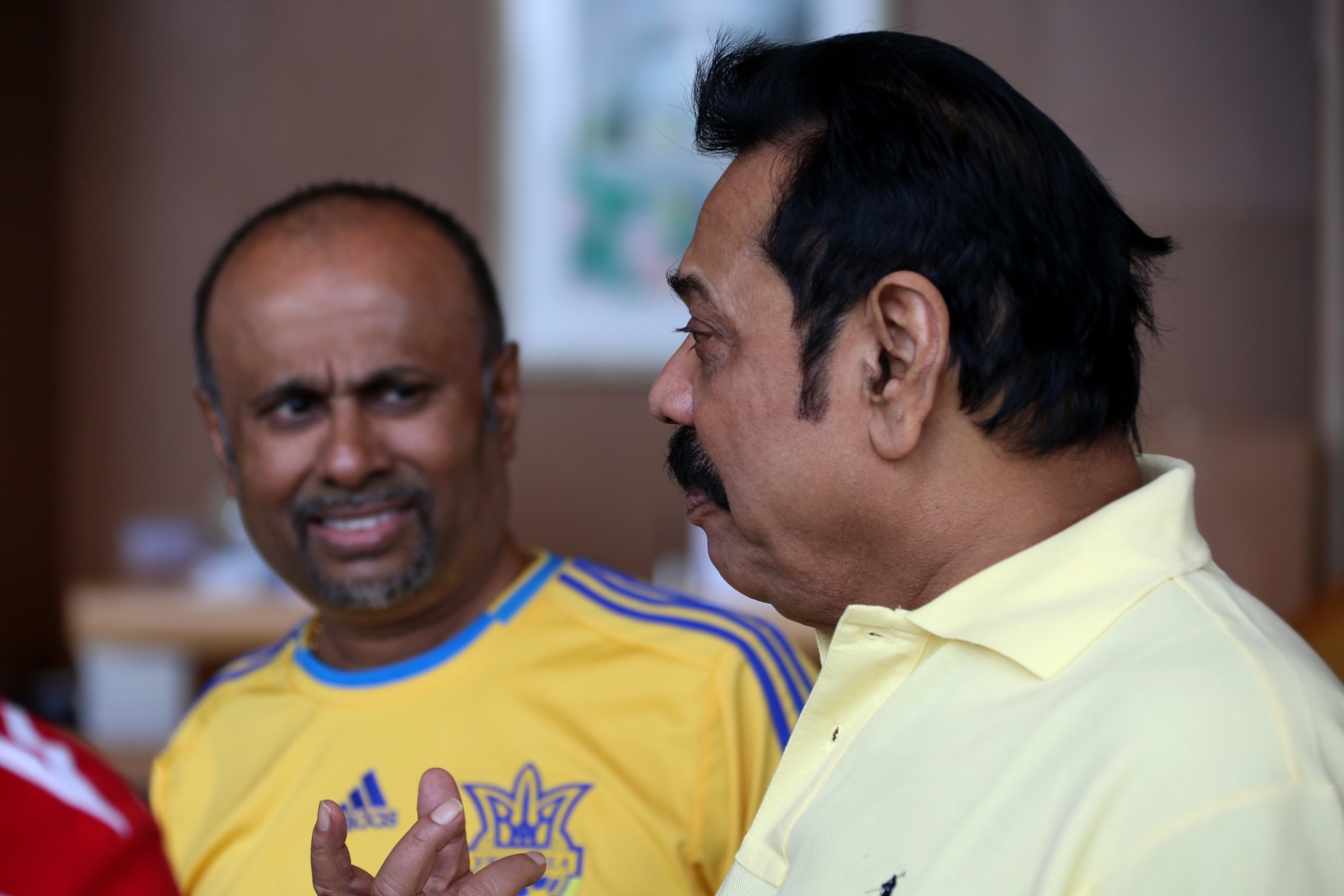
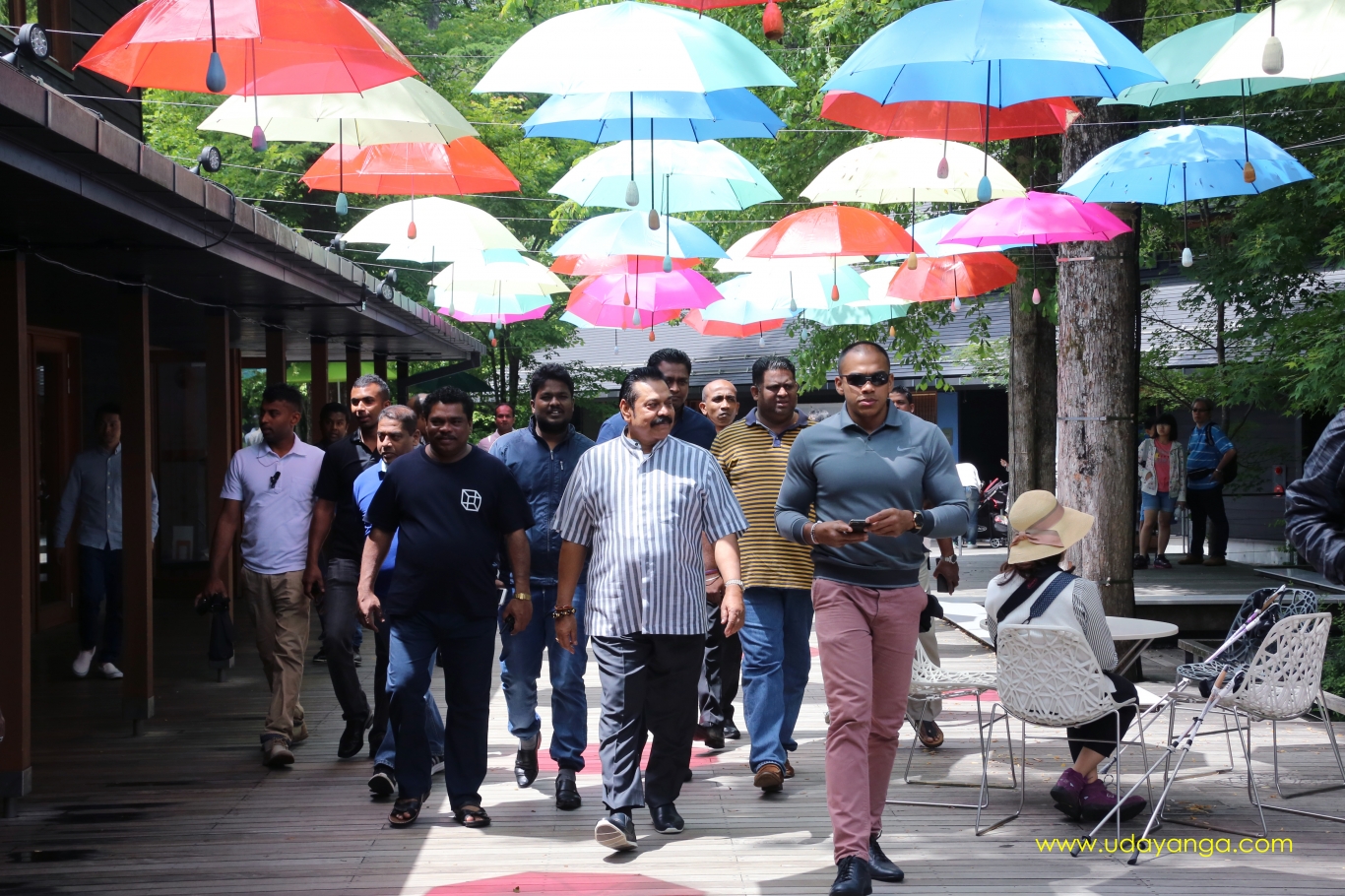
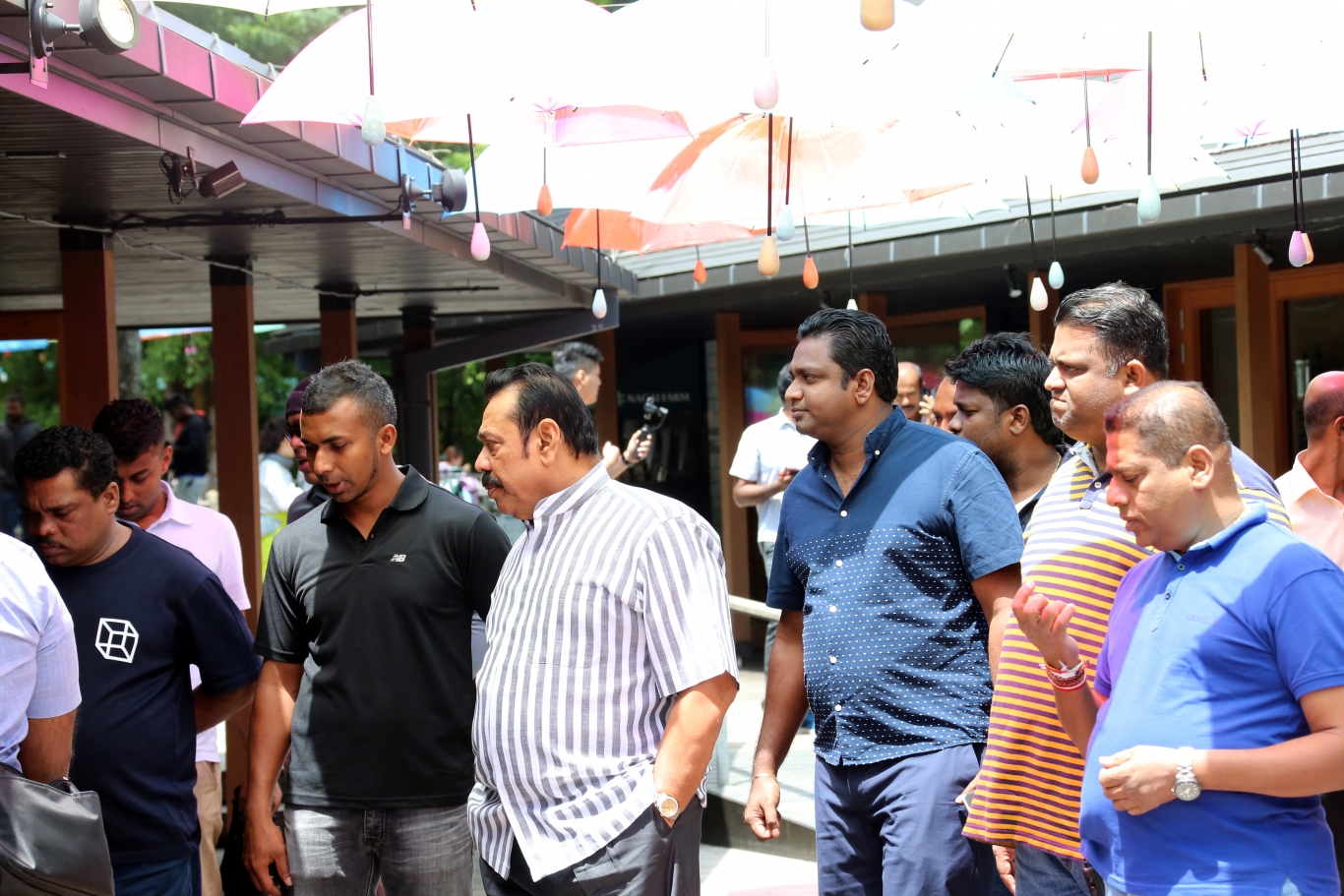
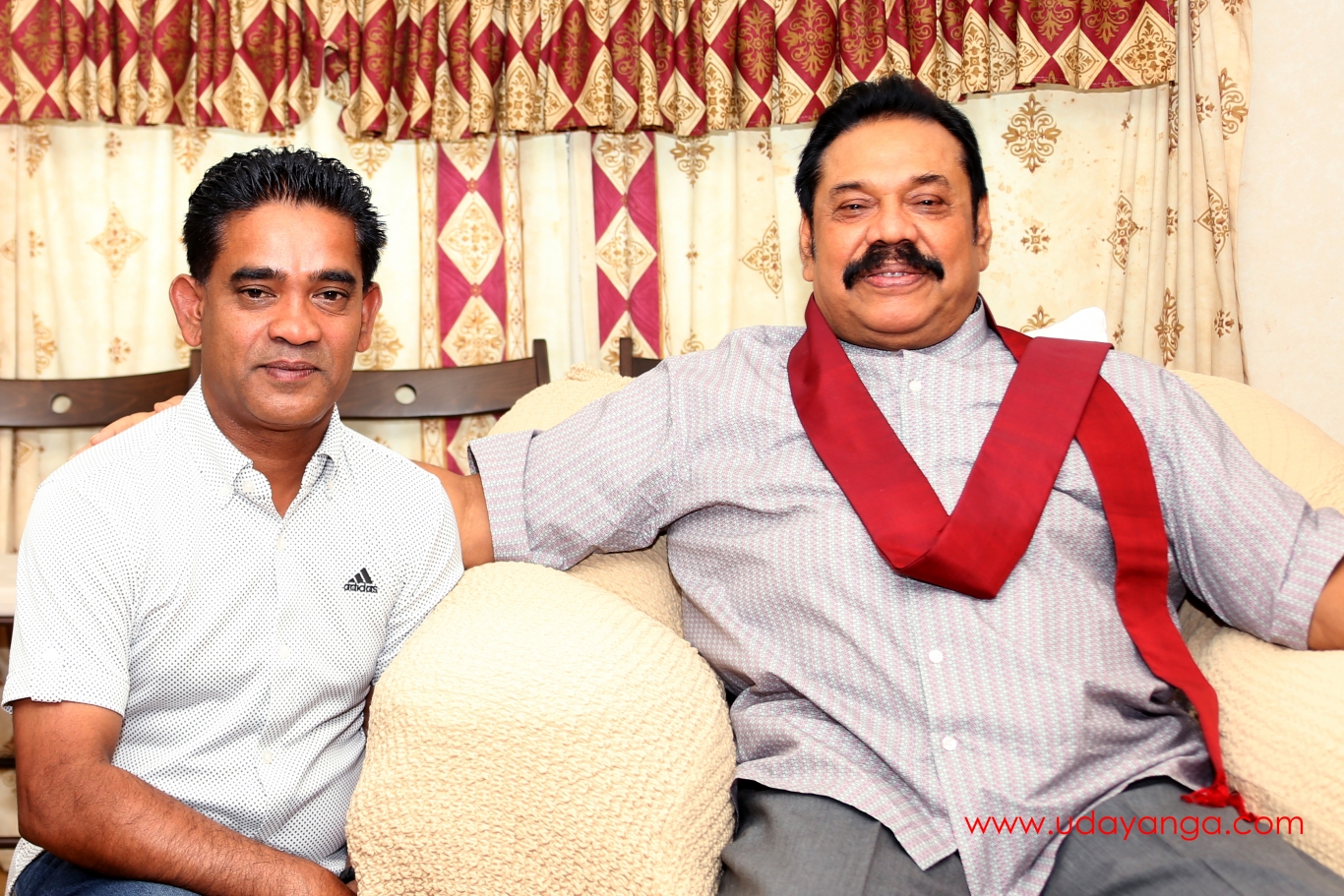
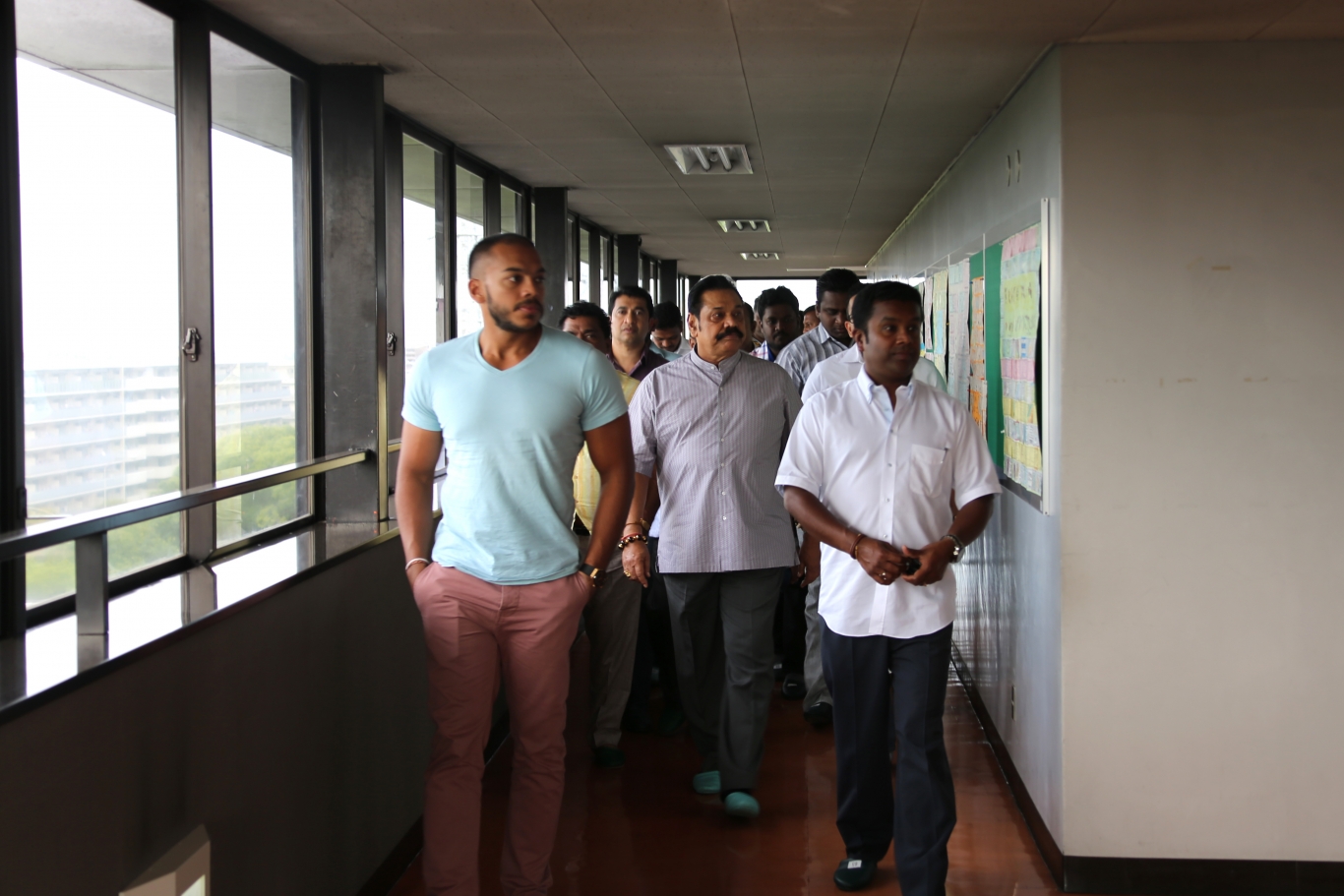
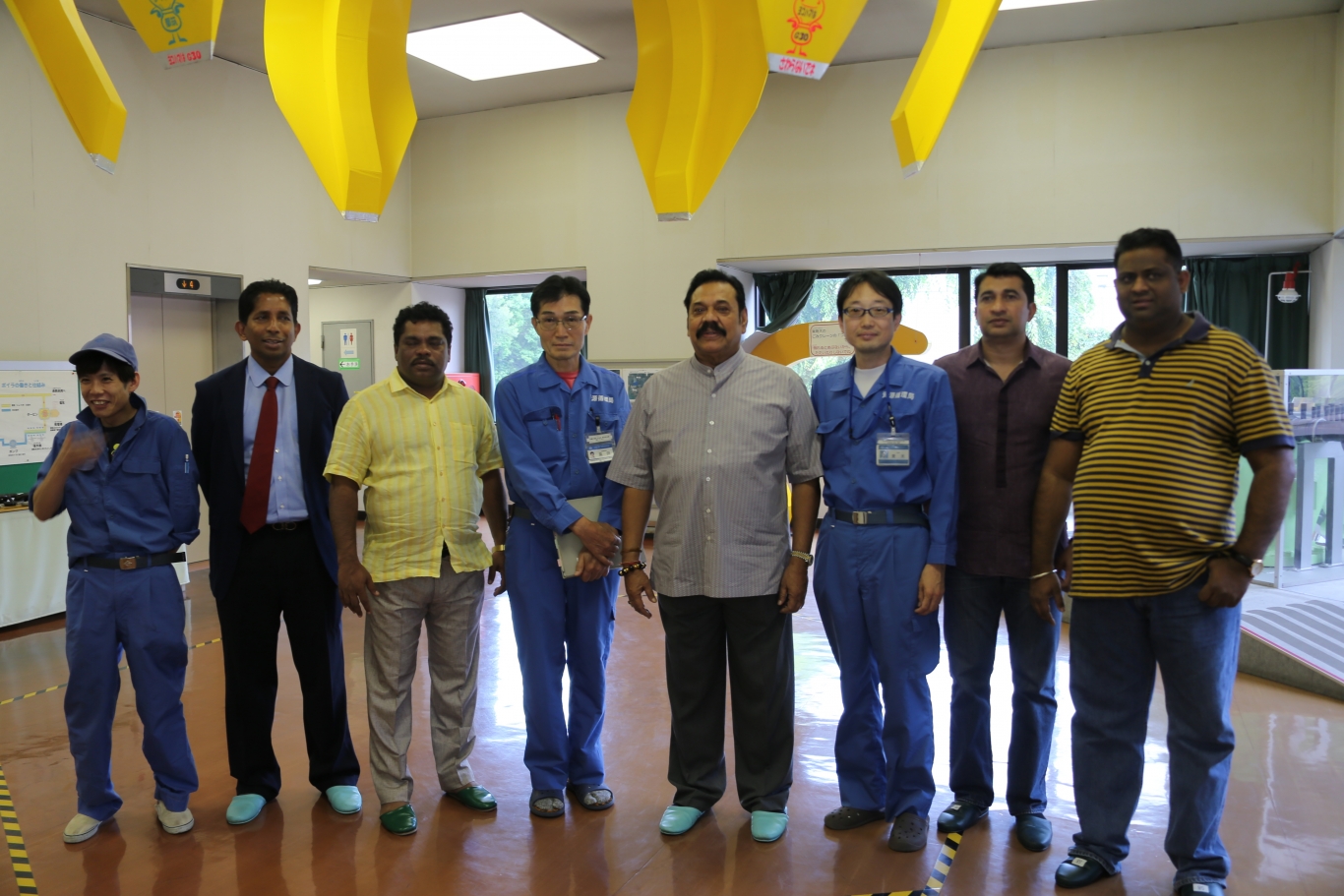
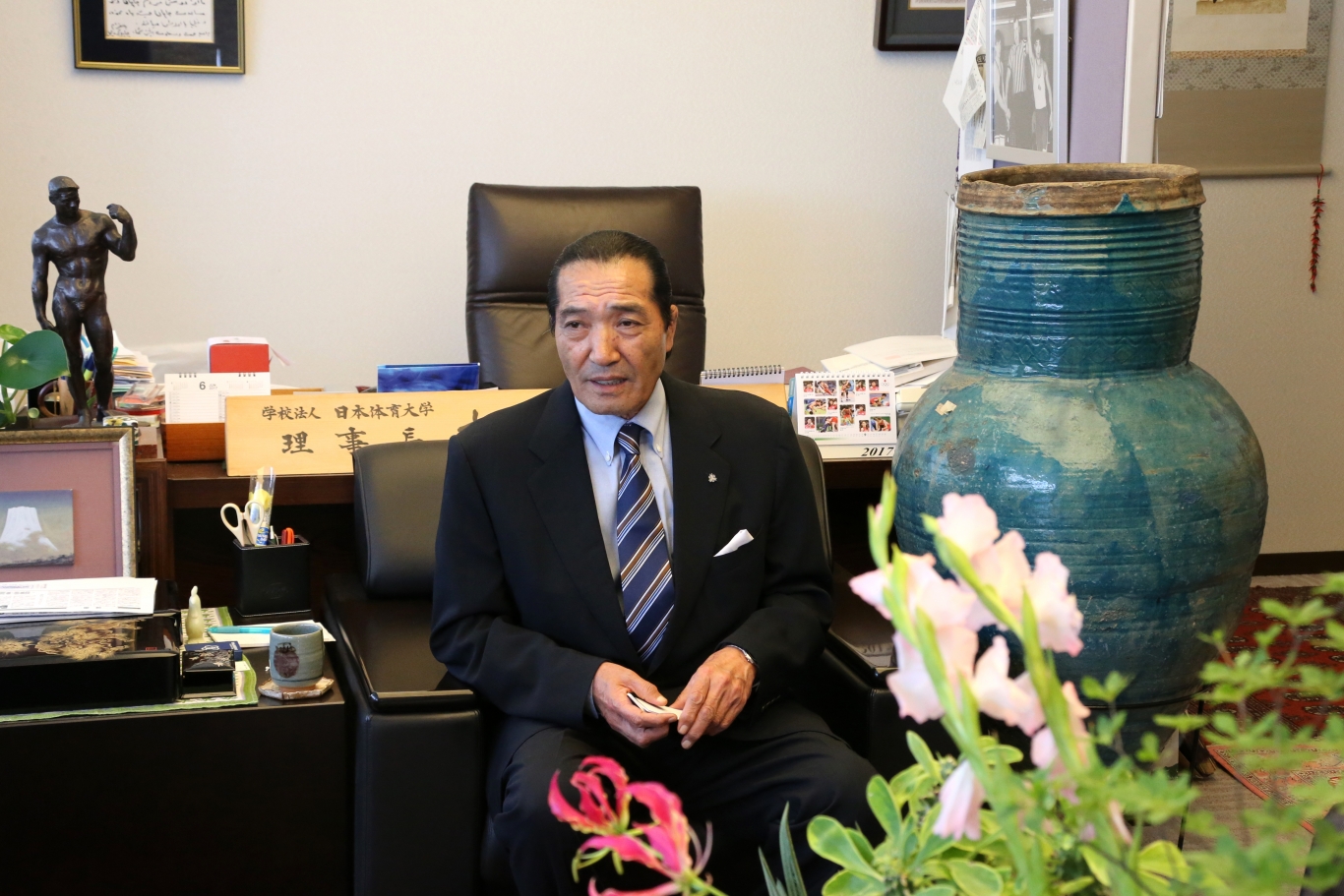
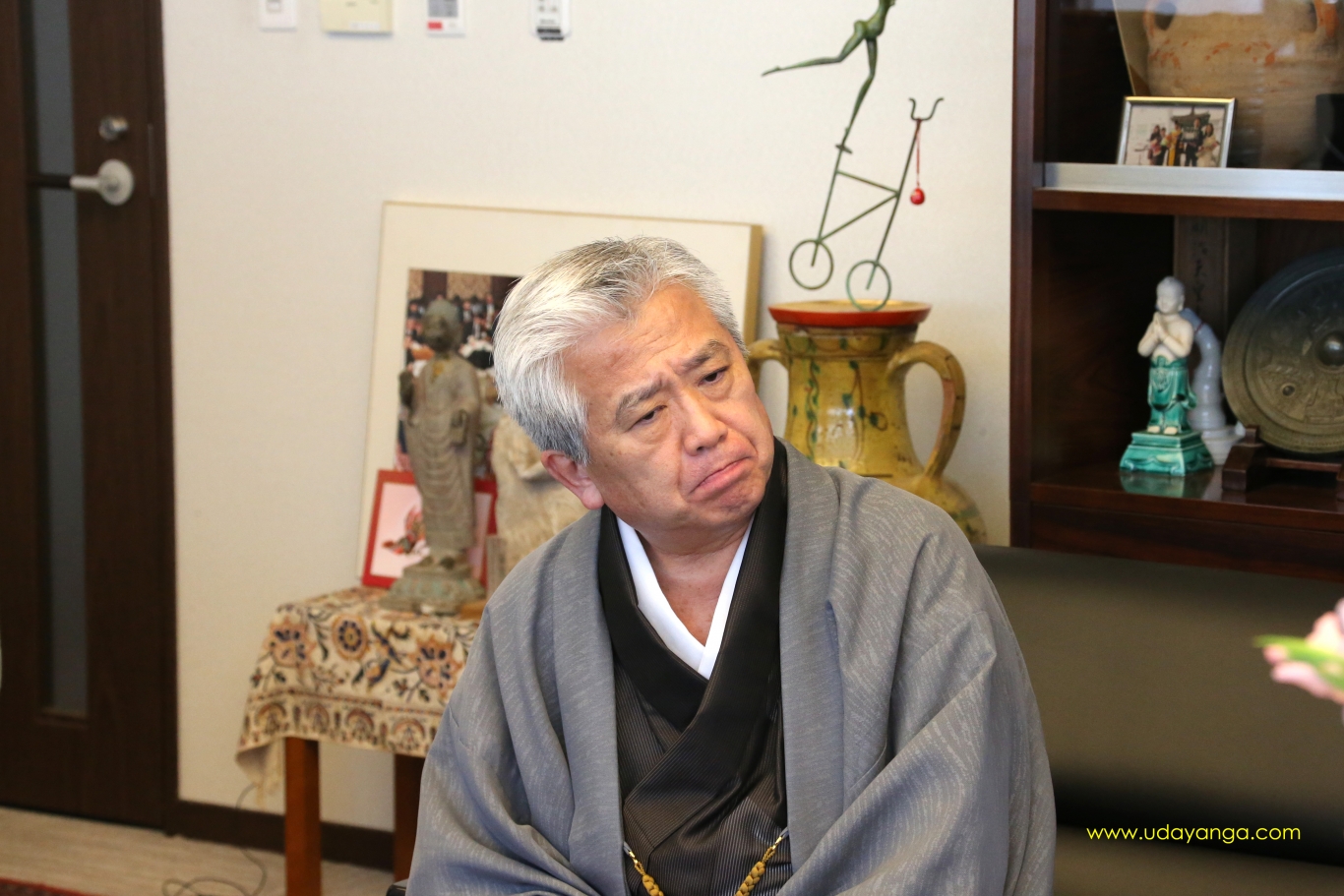
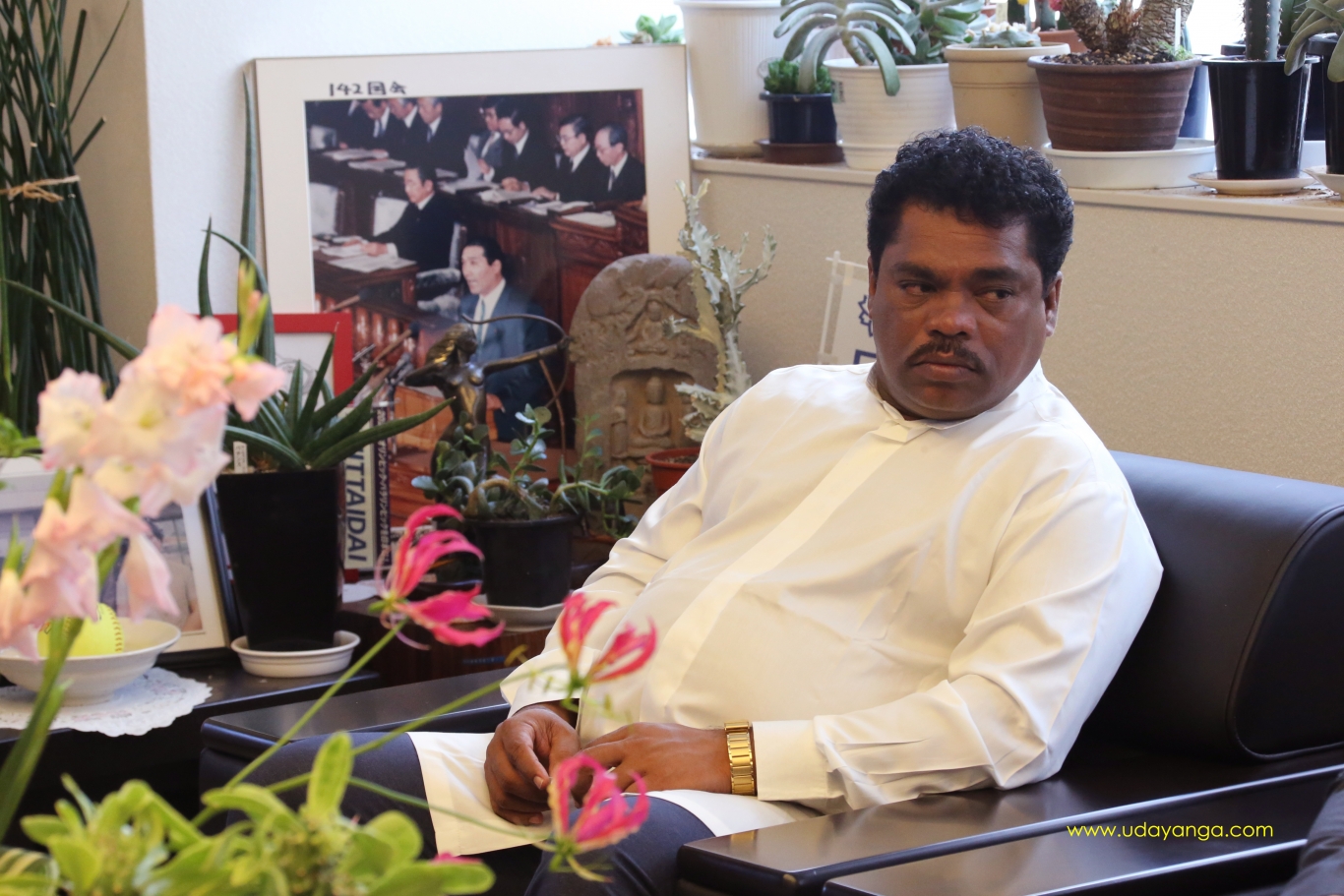
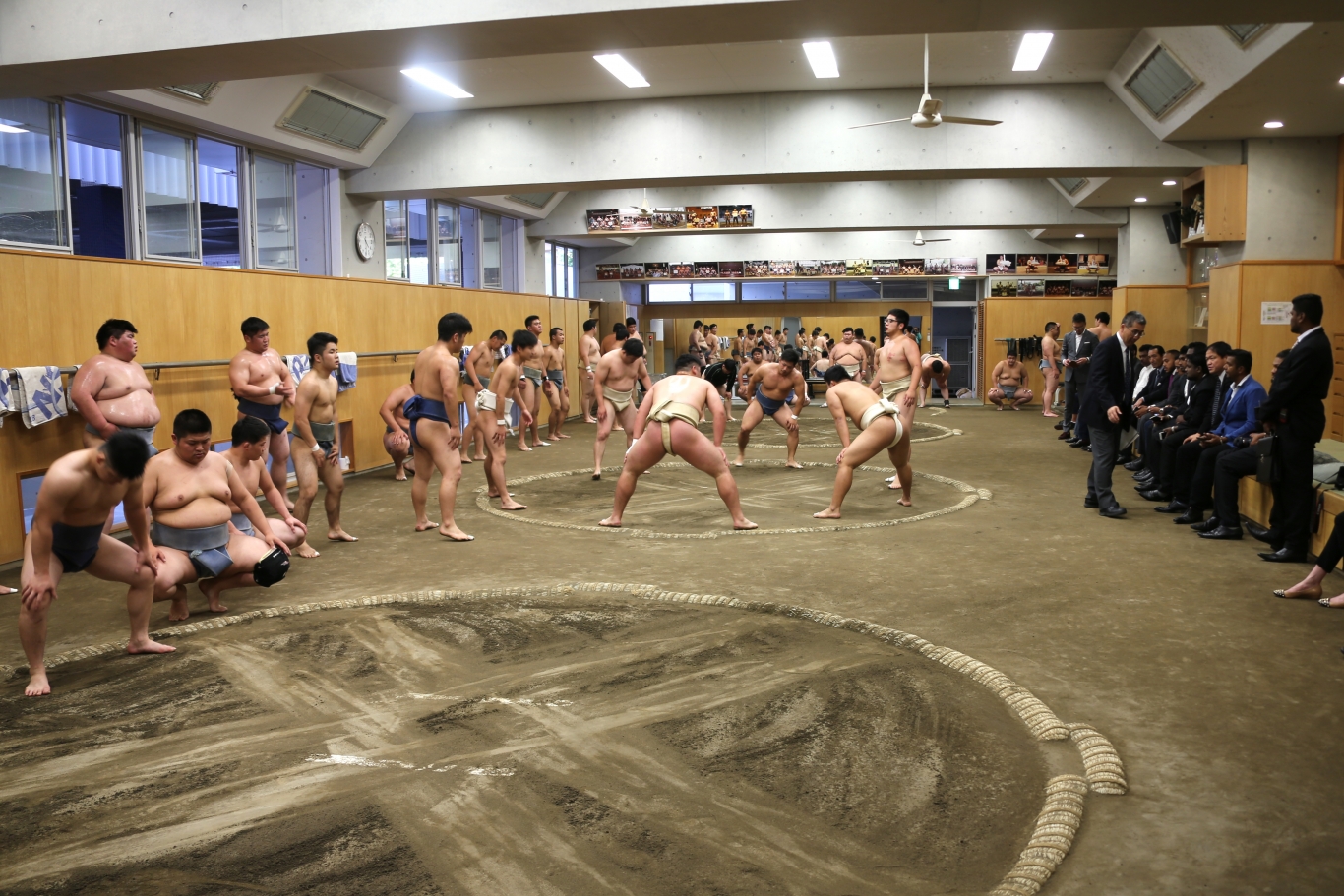
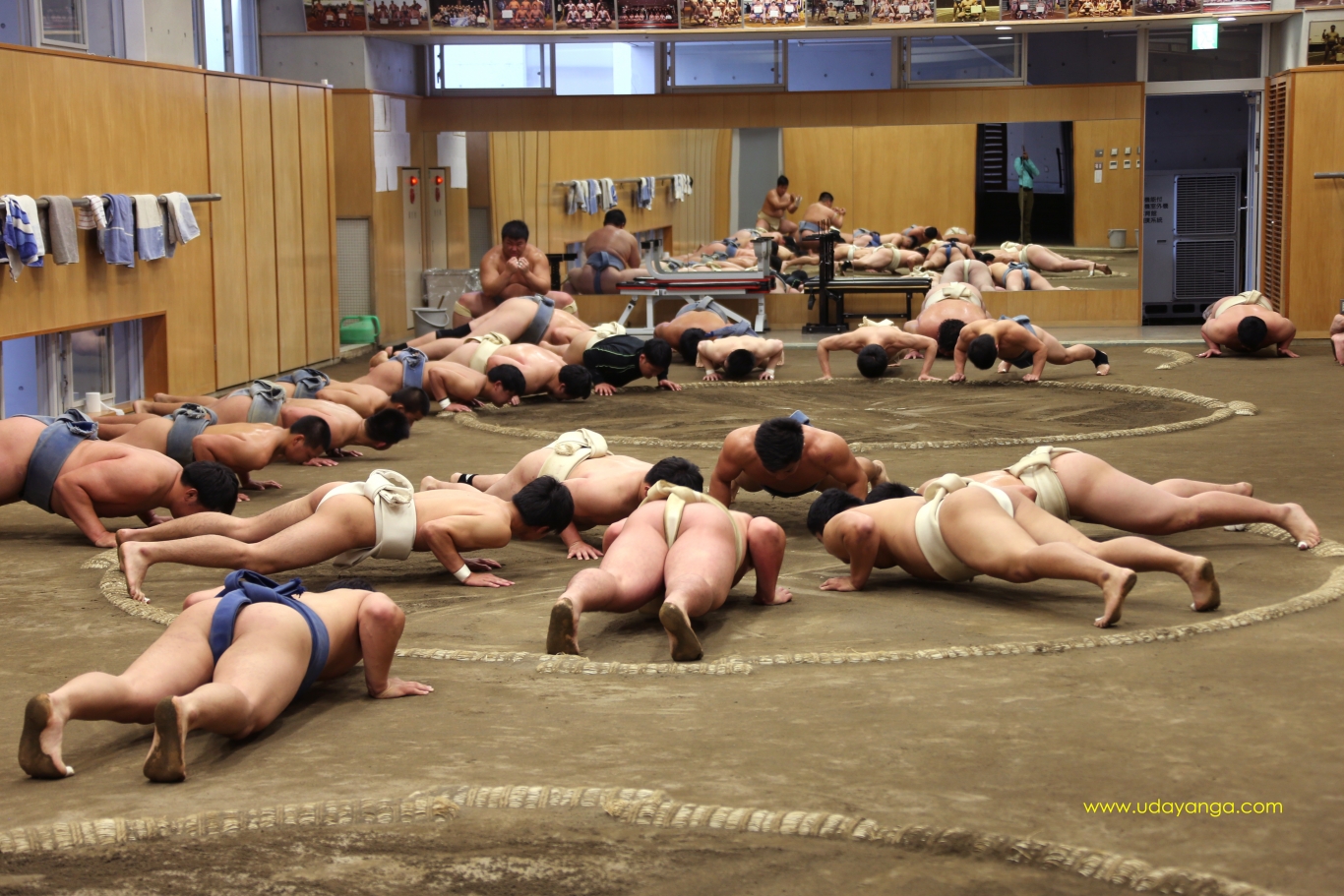
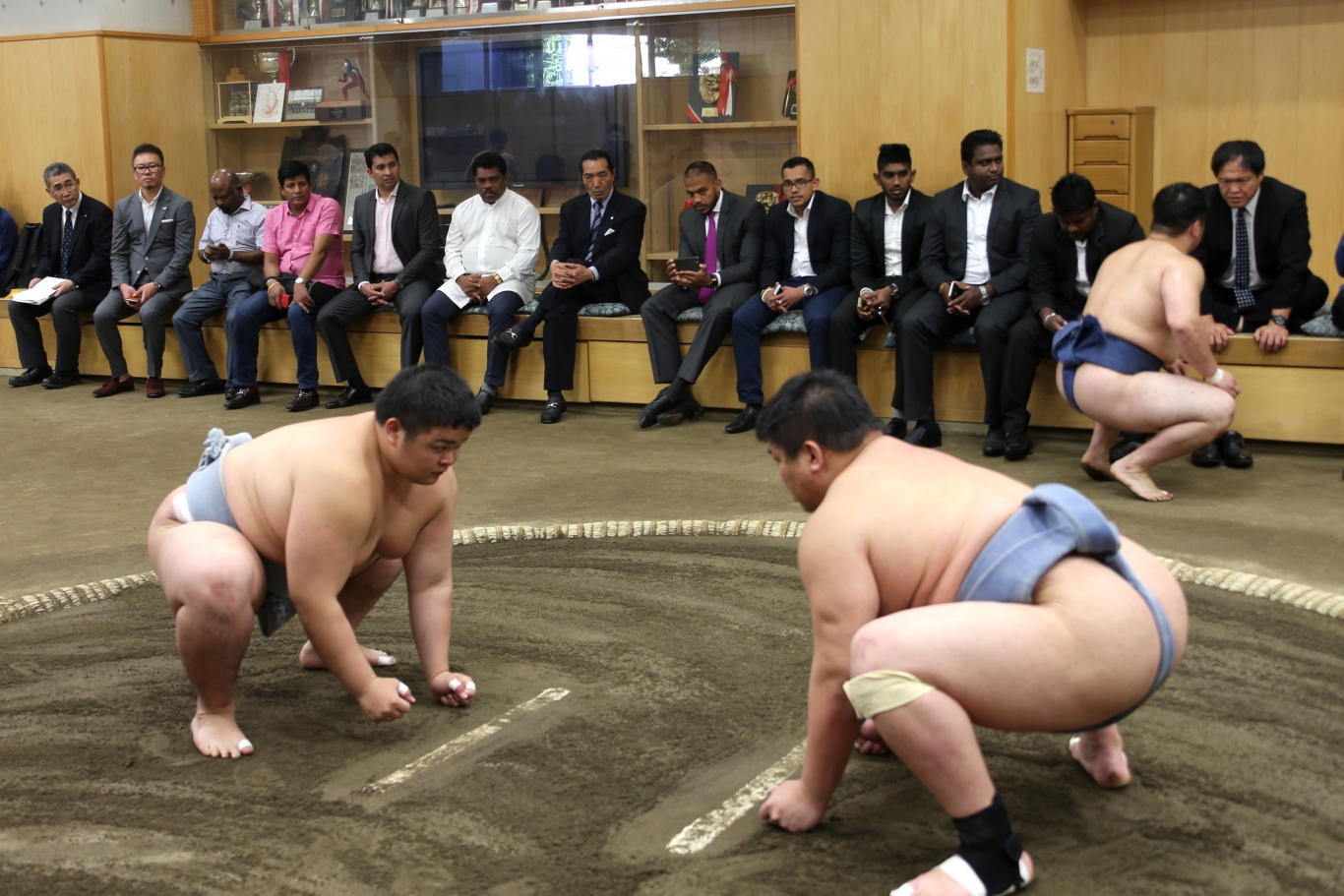
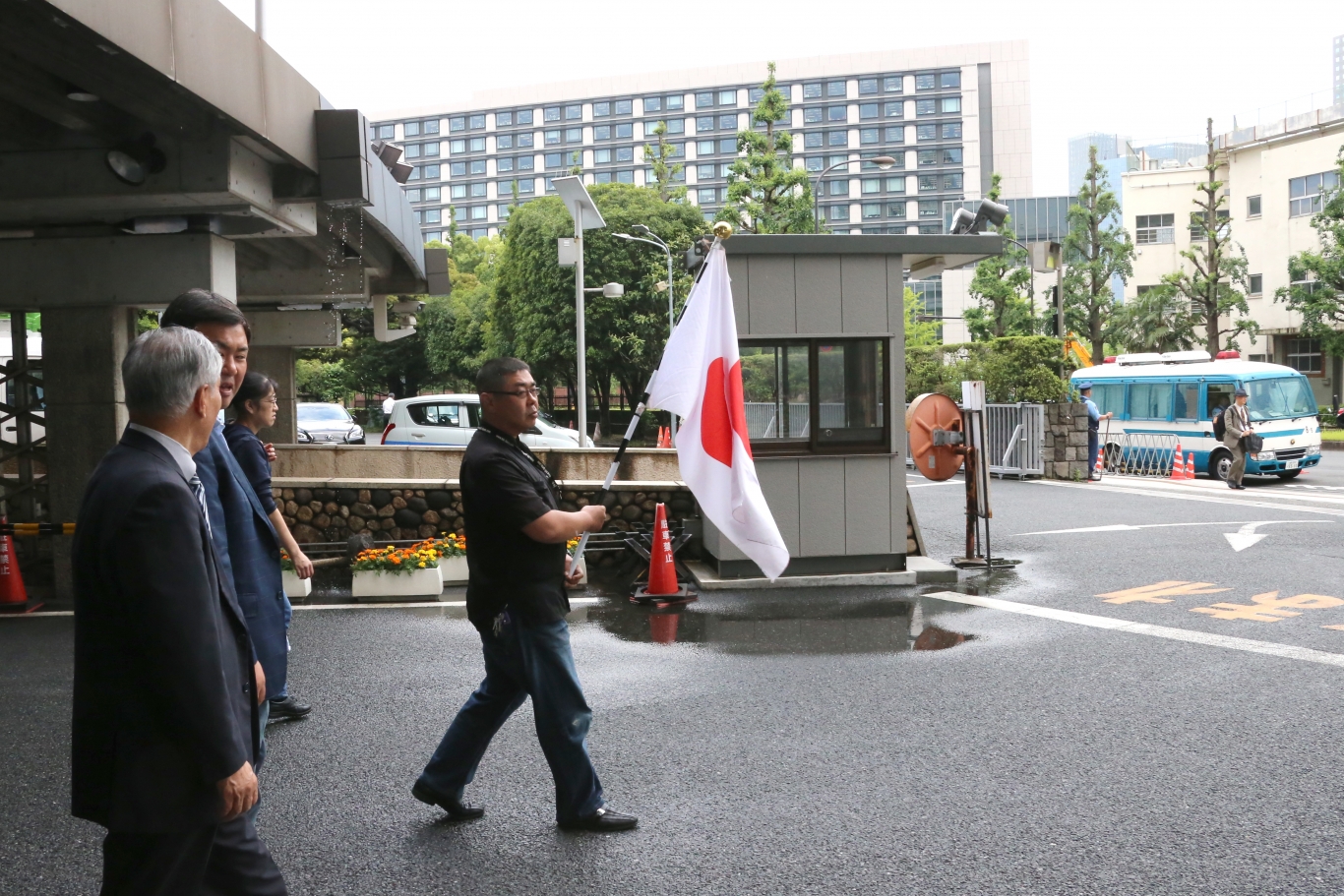
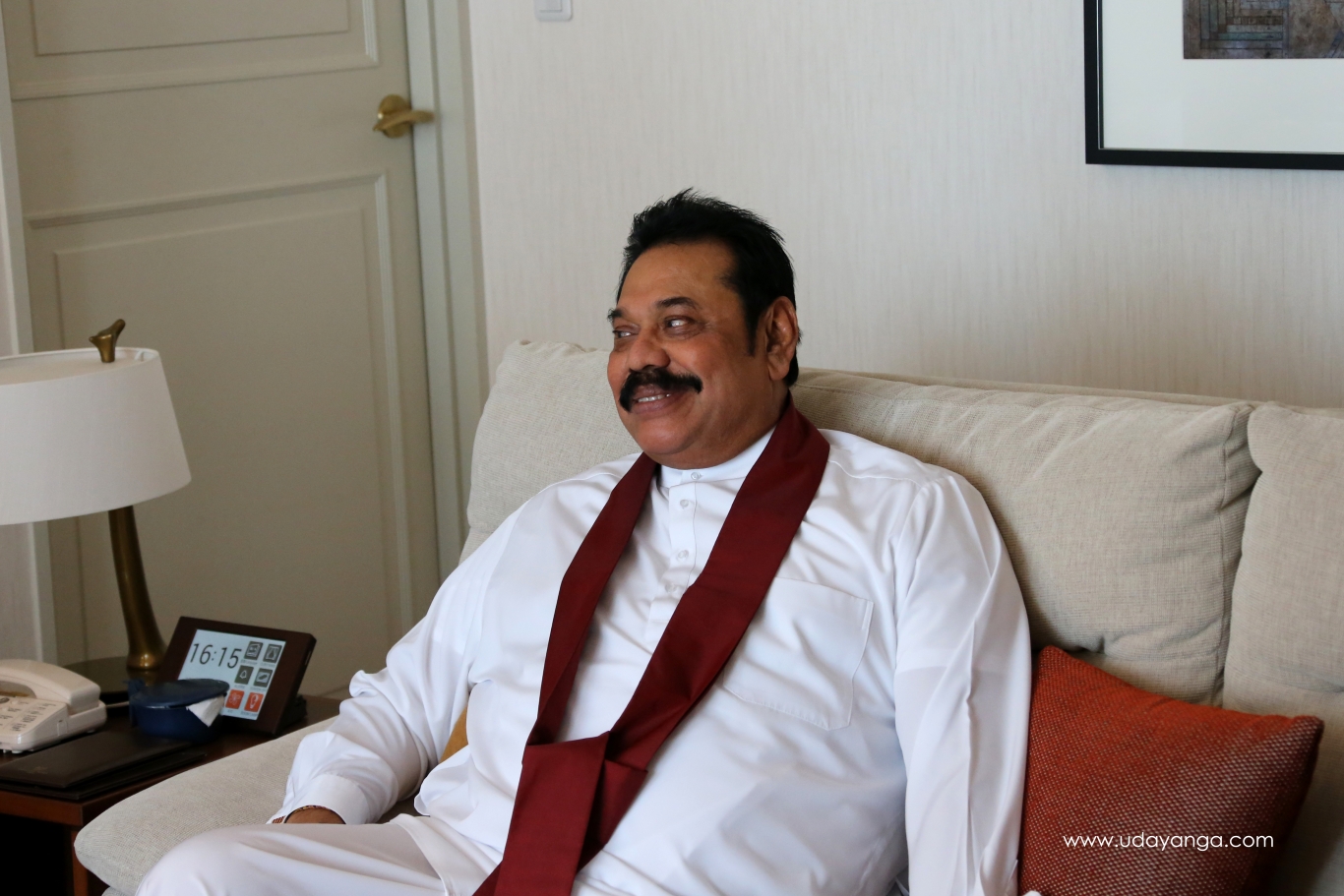
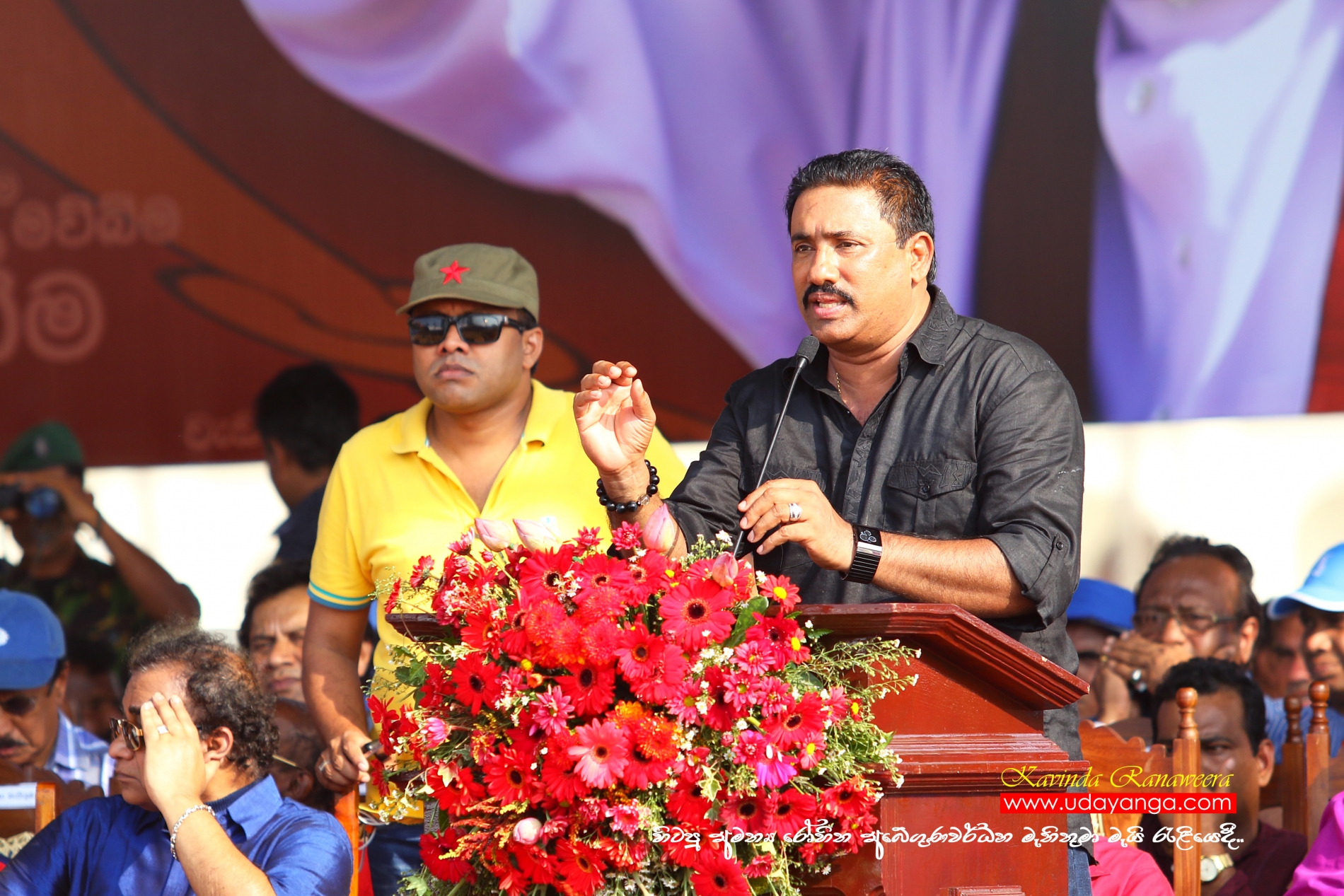
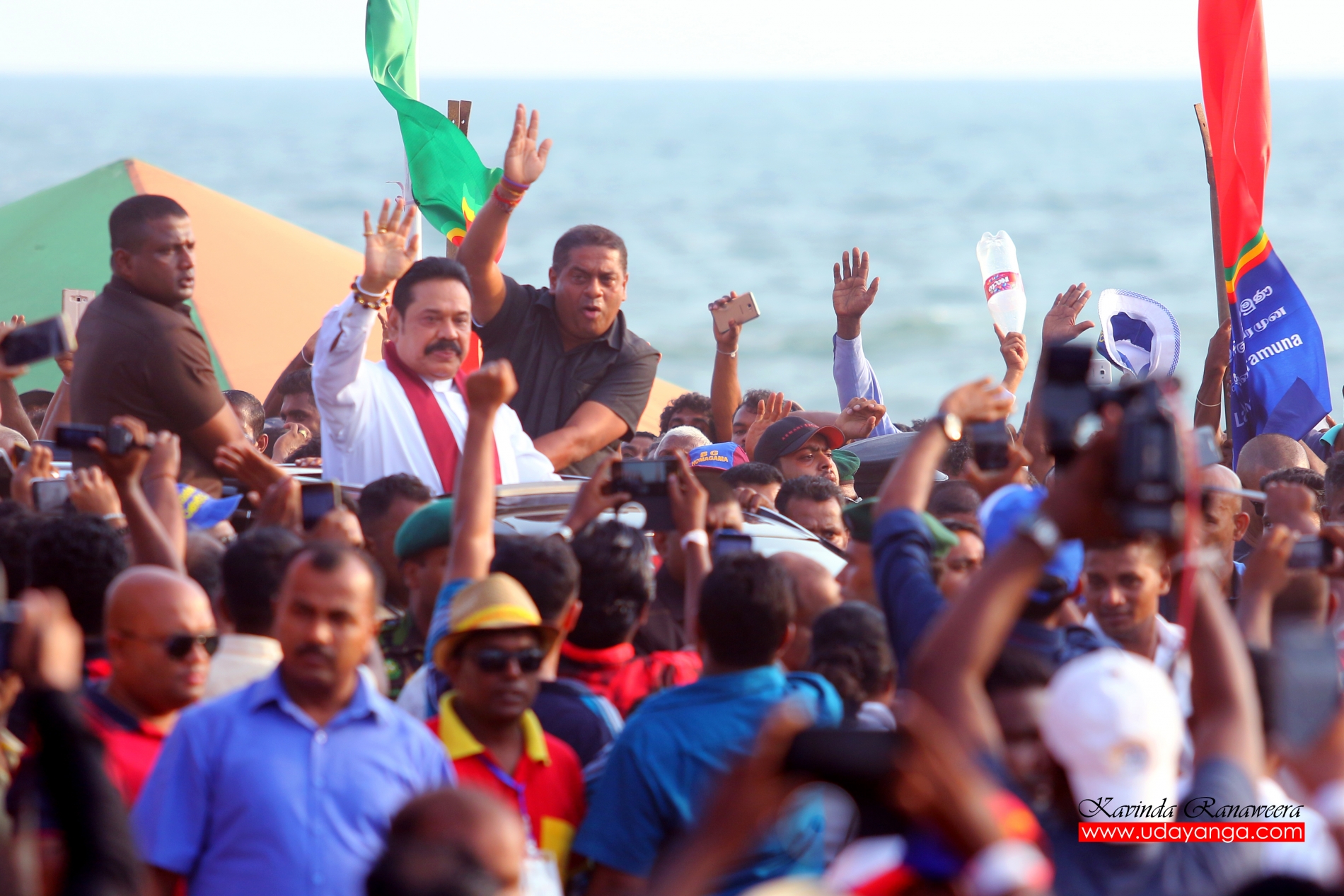
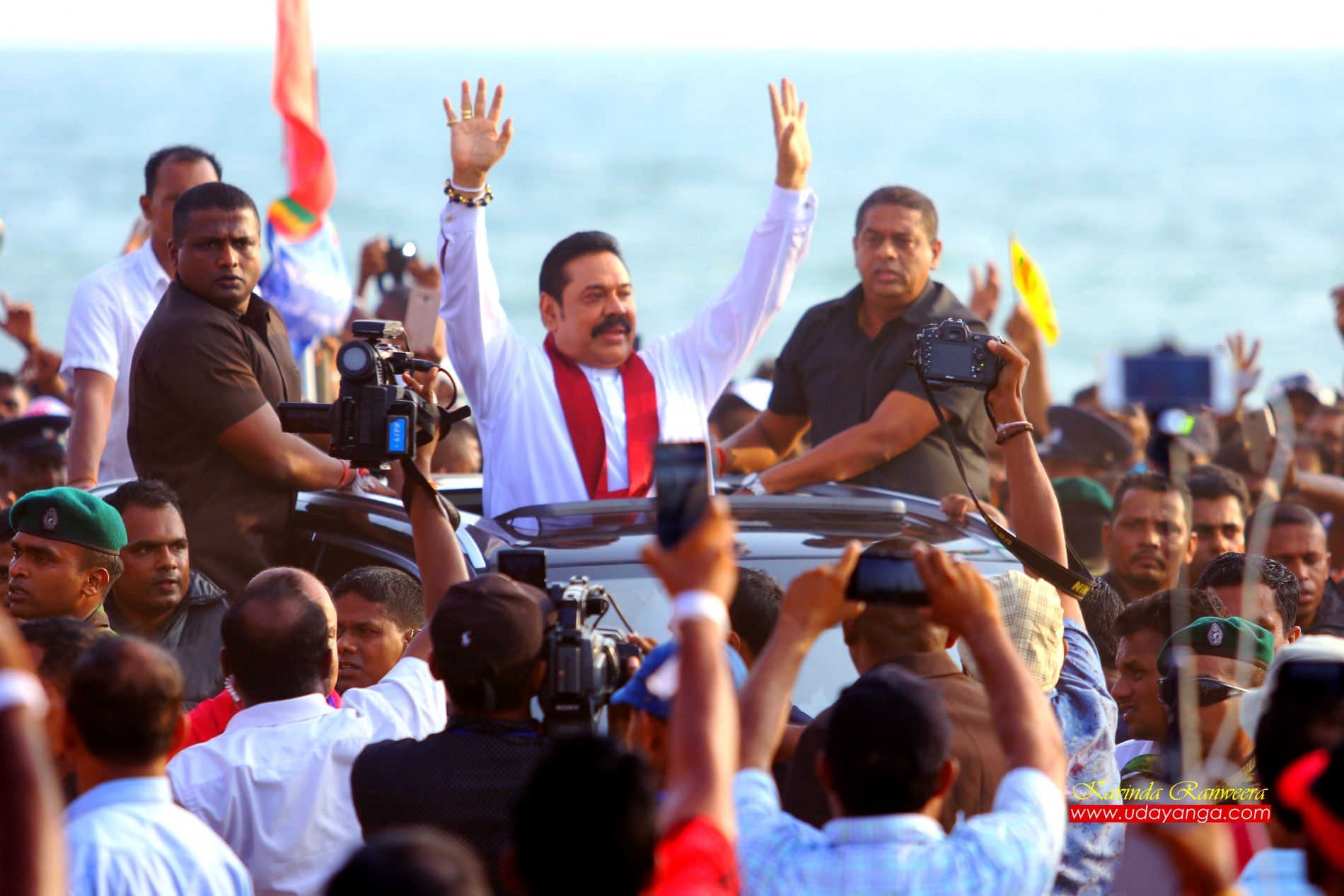
Hon. Mahinda Rajapaksa, who is today at the leisure of Kuruysava, in Japan, is doing physical exercises ….
In the aftermath of Sri Lanka’s tsunami disaster, when the then Prime Minister of the Government of the Democratic Socialist Republic of Sri Lanka Japan was intervened promptly, the essential items and drugs were sent to Sri Lanka for the needs of those affected. The US $ 1 million emergency tsunami aid 80 million projects were donated . It should be noted in particular that US $ 250 million in assistance from the United States for the repair of tsunami damage to Sri Lanka is unique.

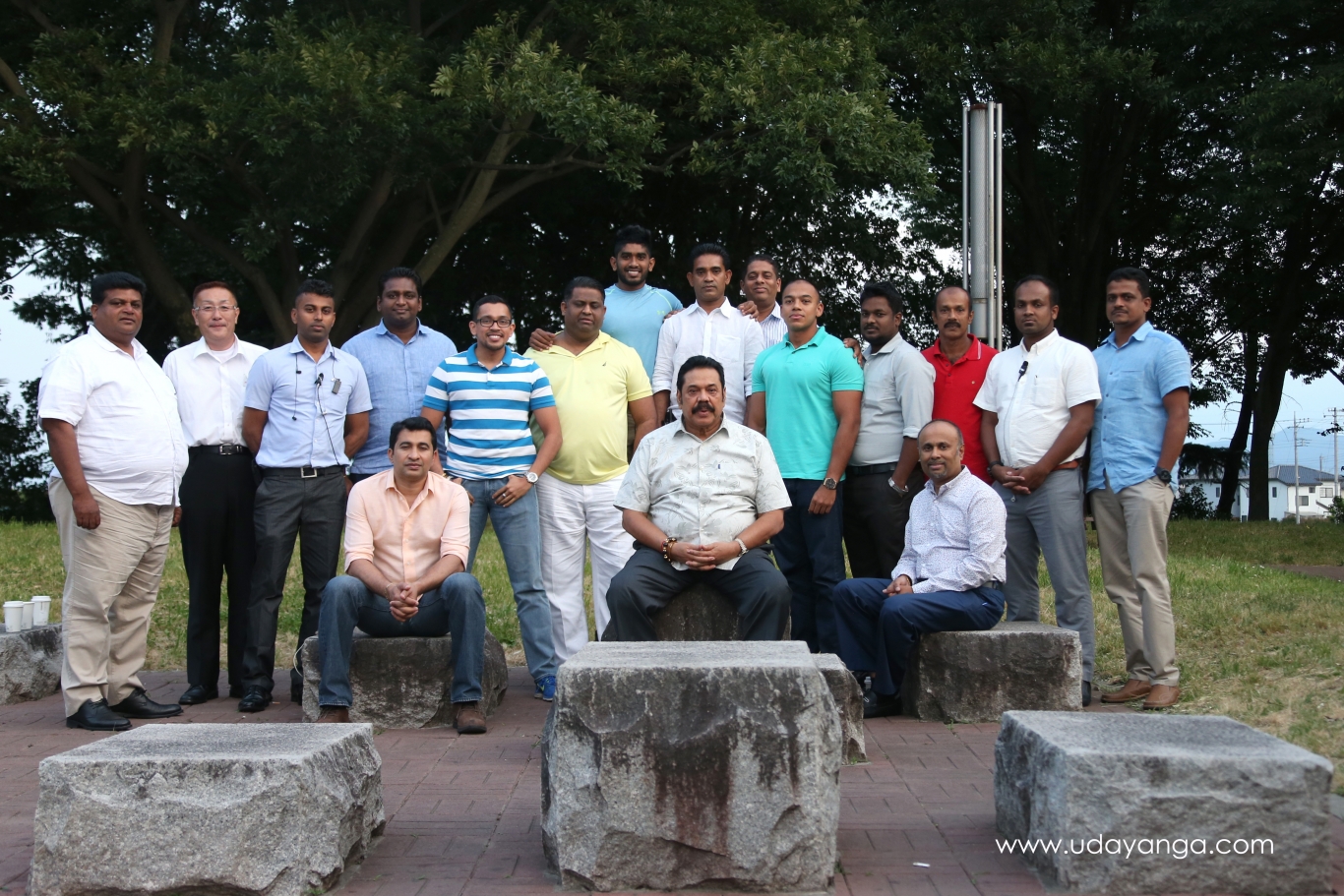
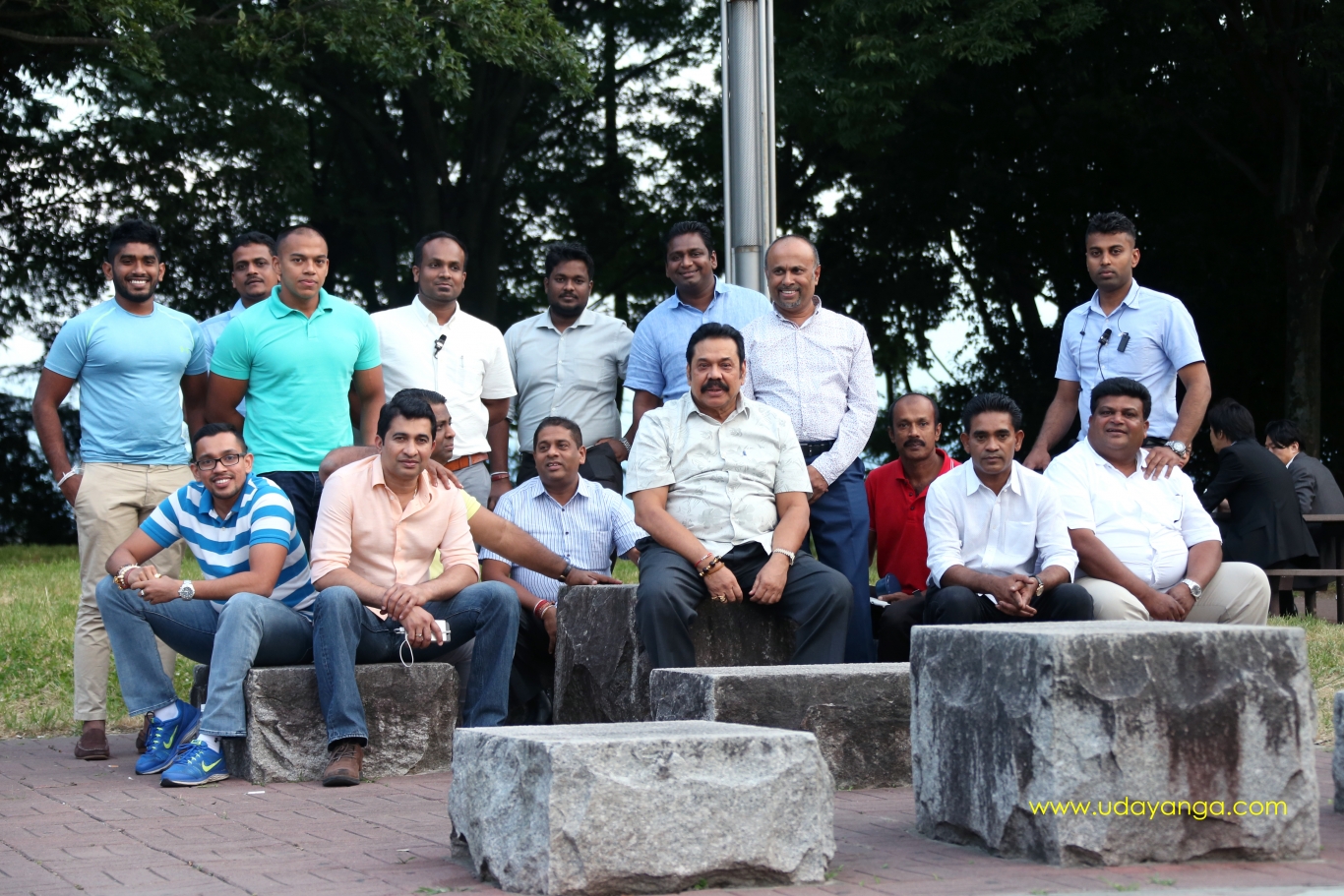
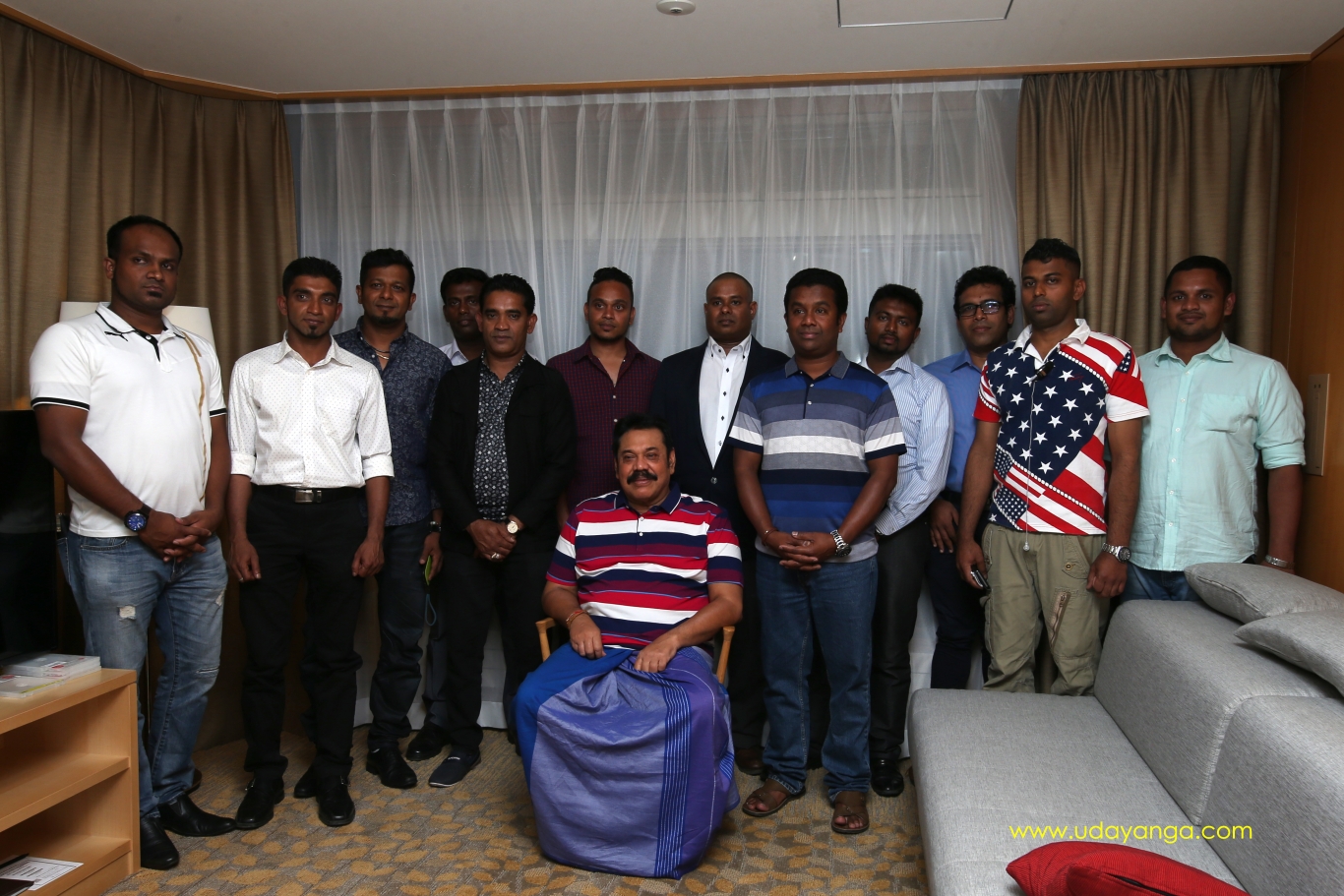
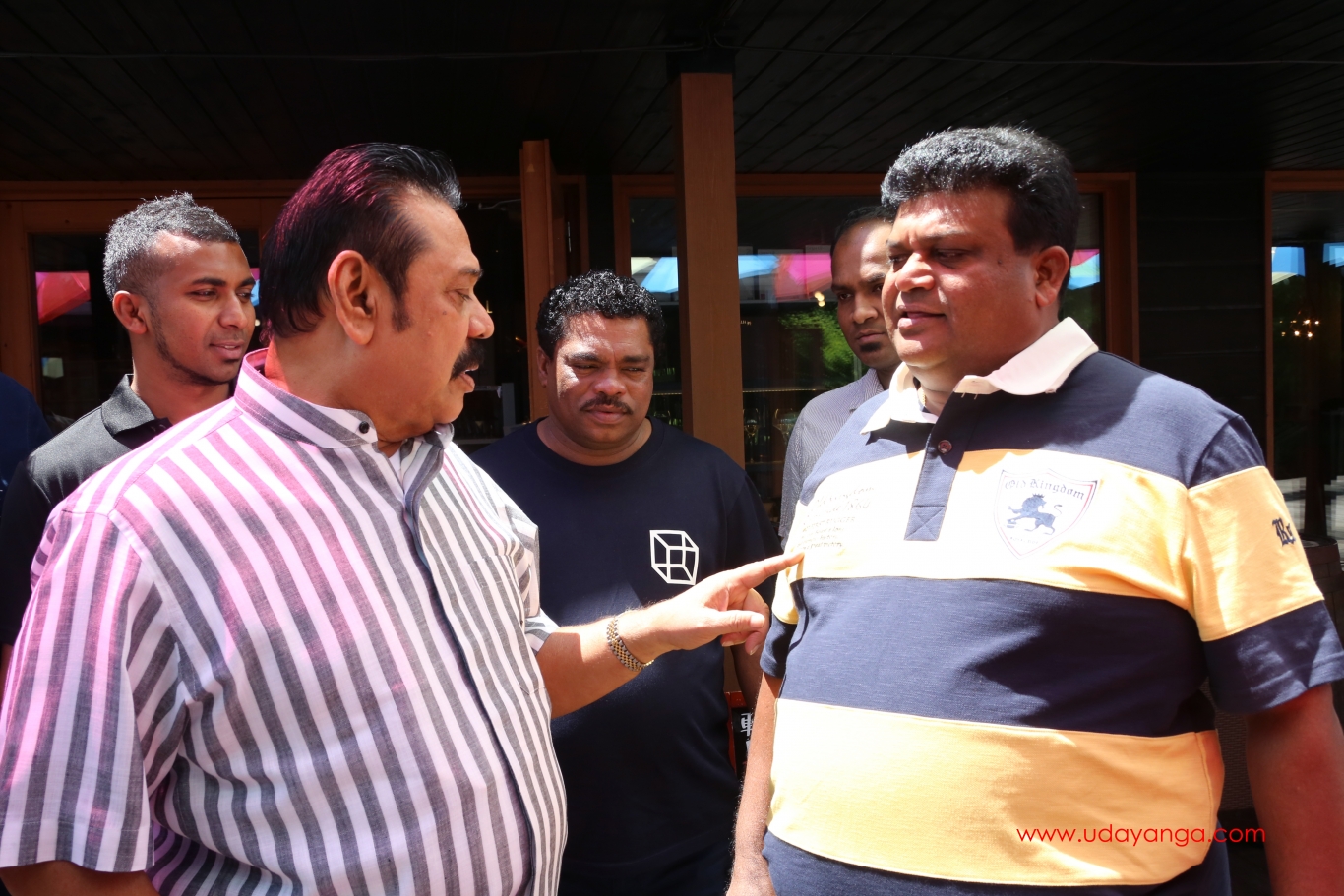
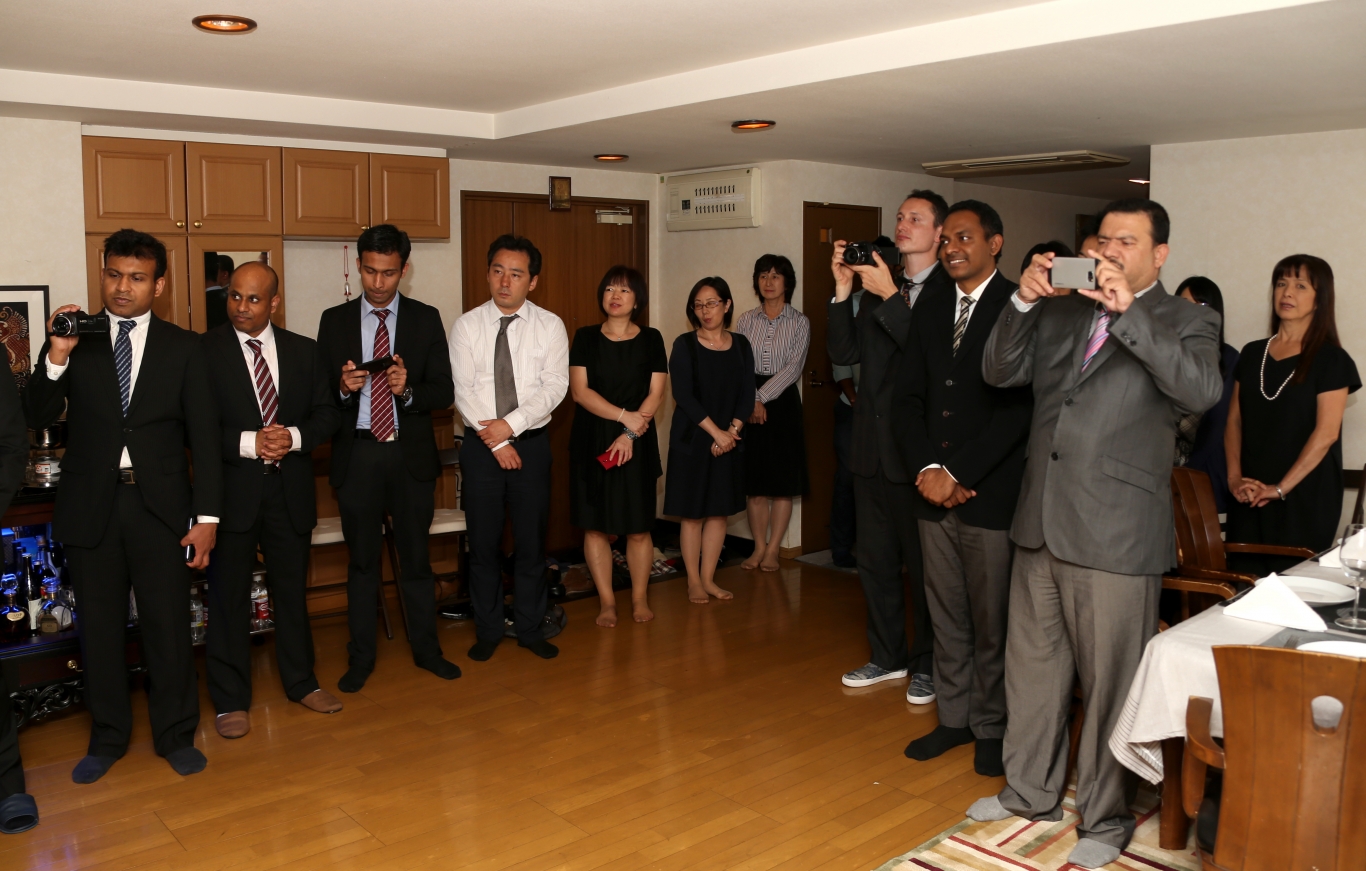
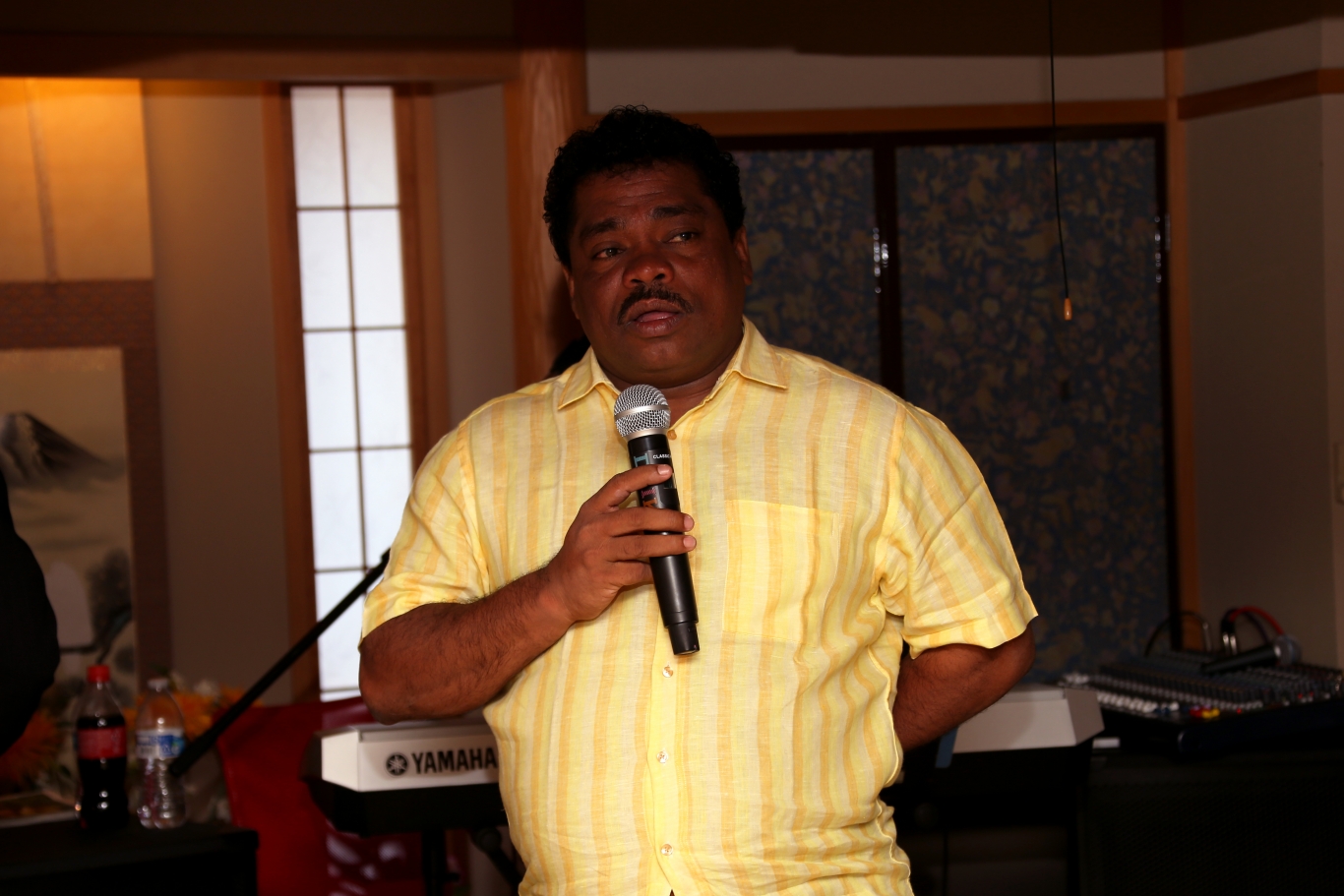
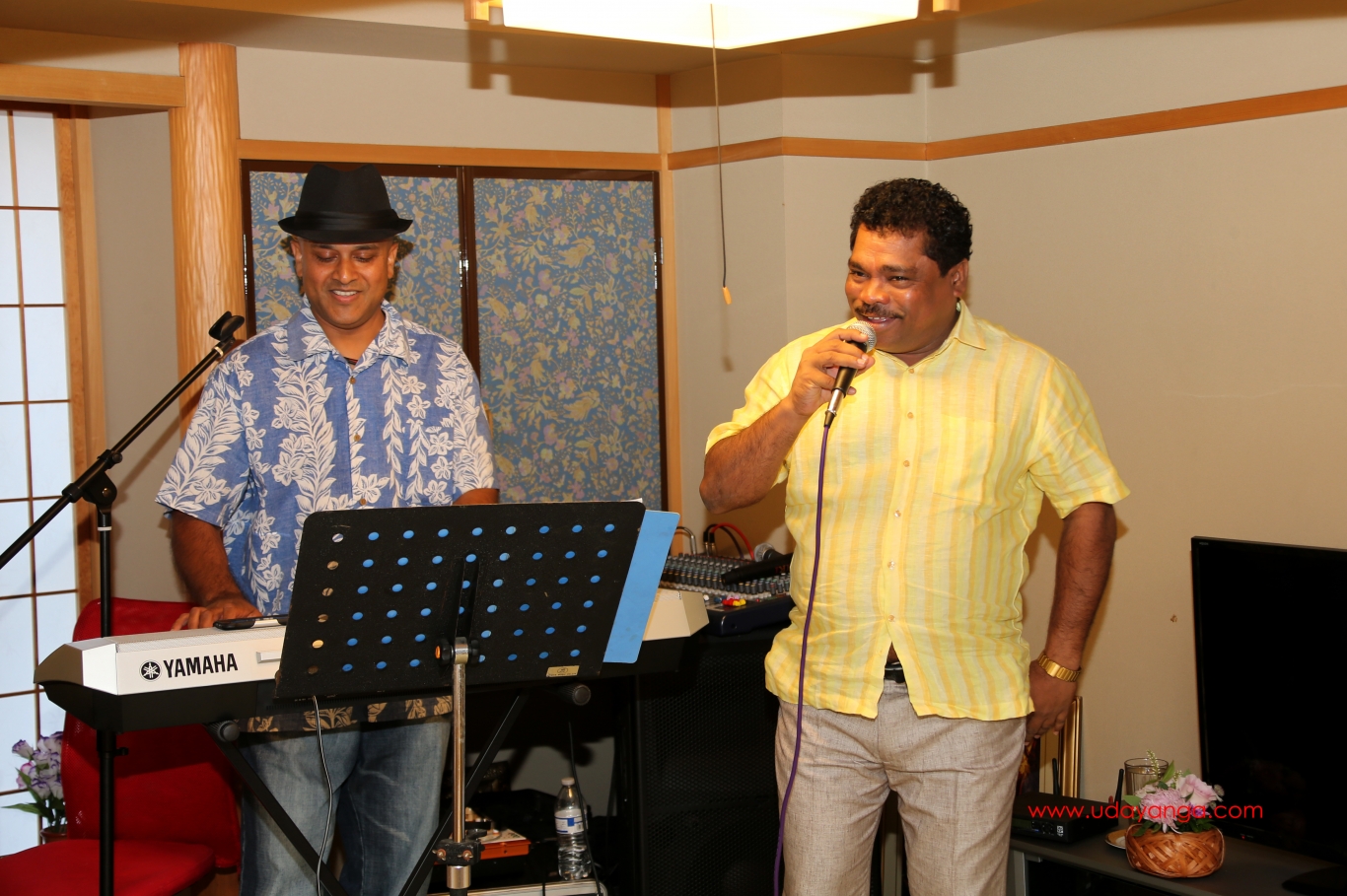
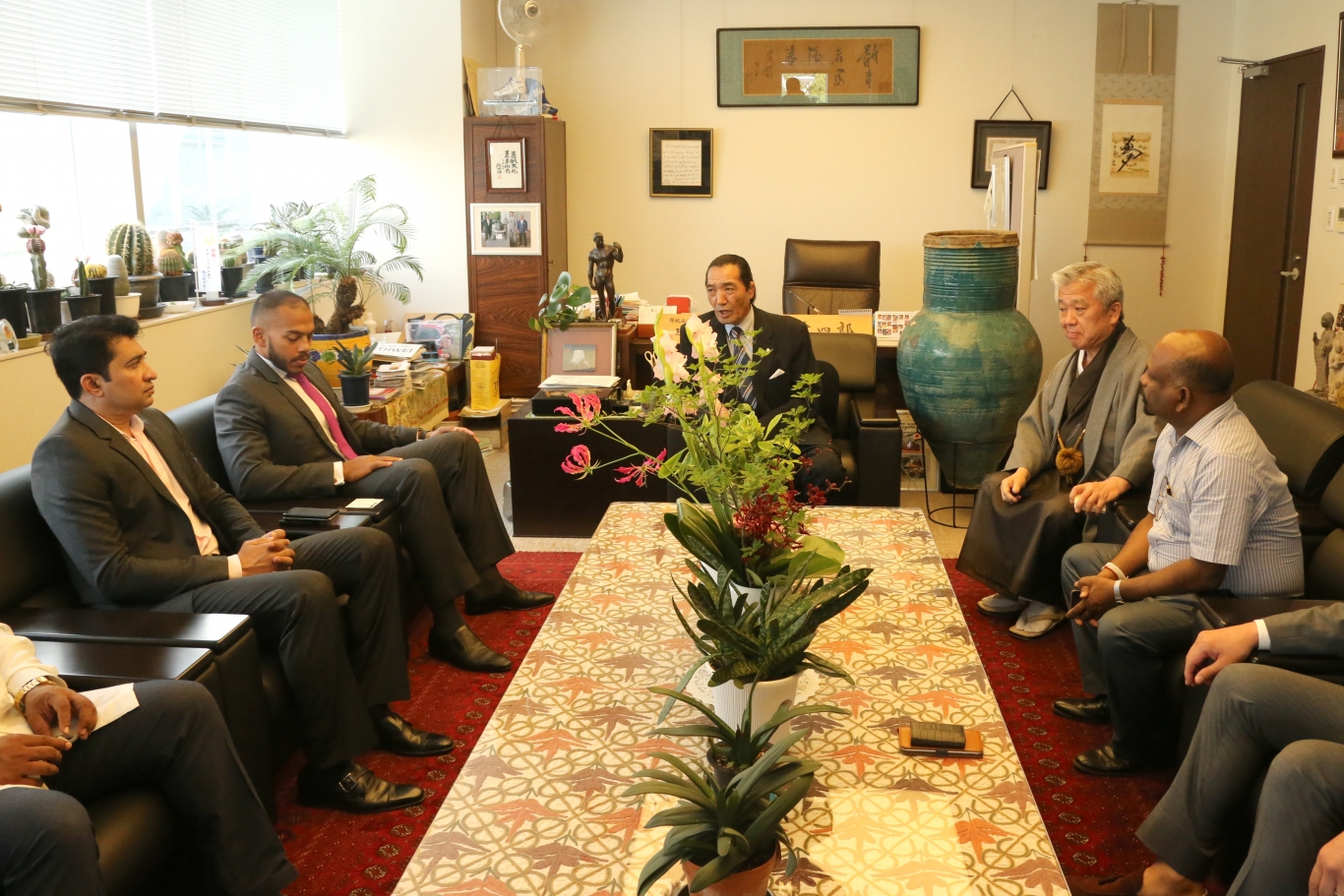
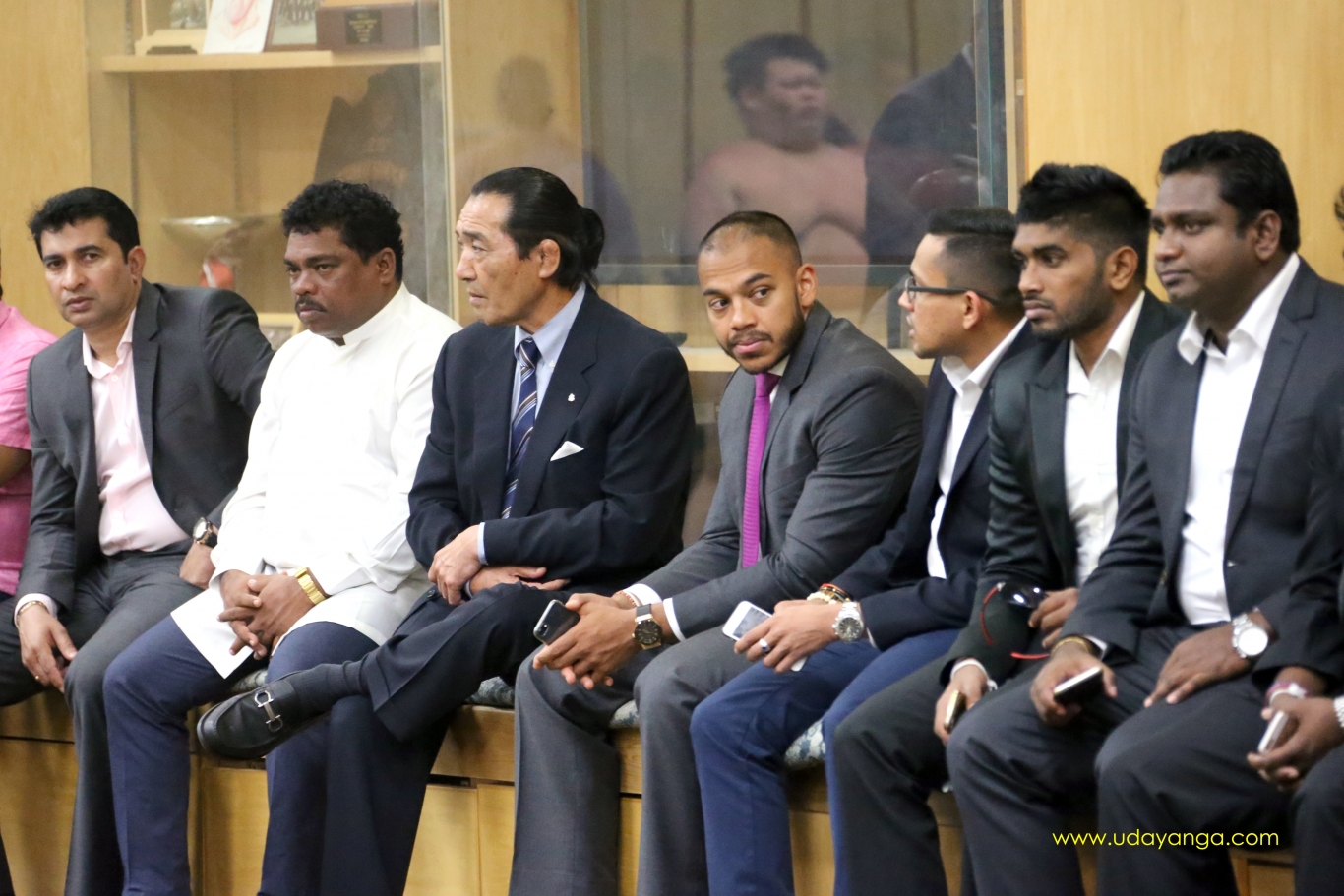
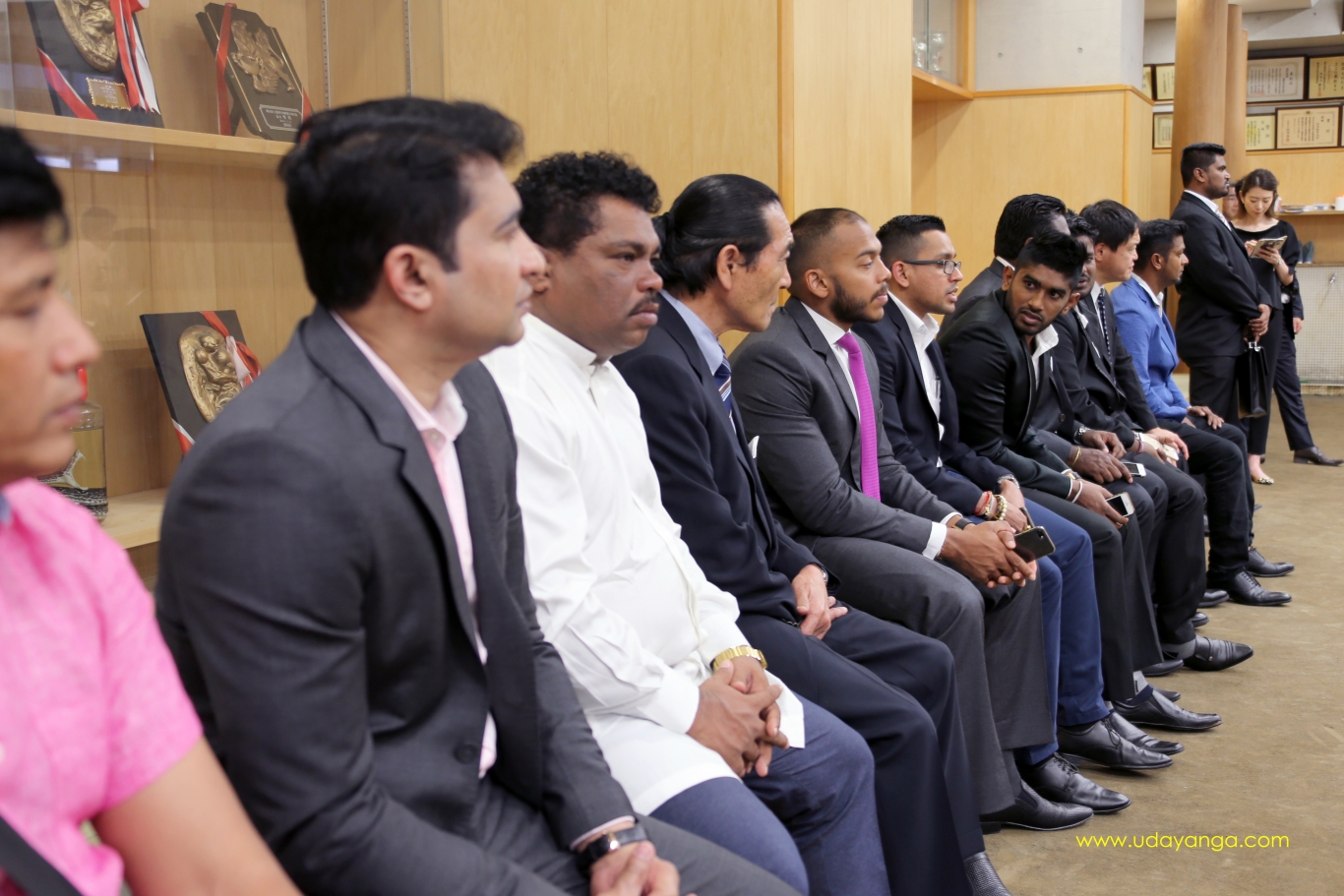
Meeting of Committee Committees of the “Mahinda Samoodi” organization in Japan ….
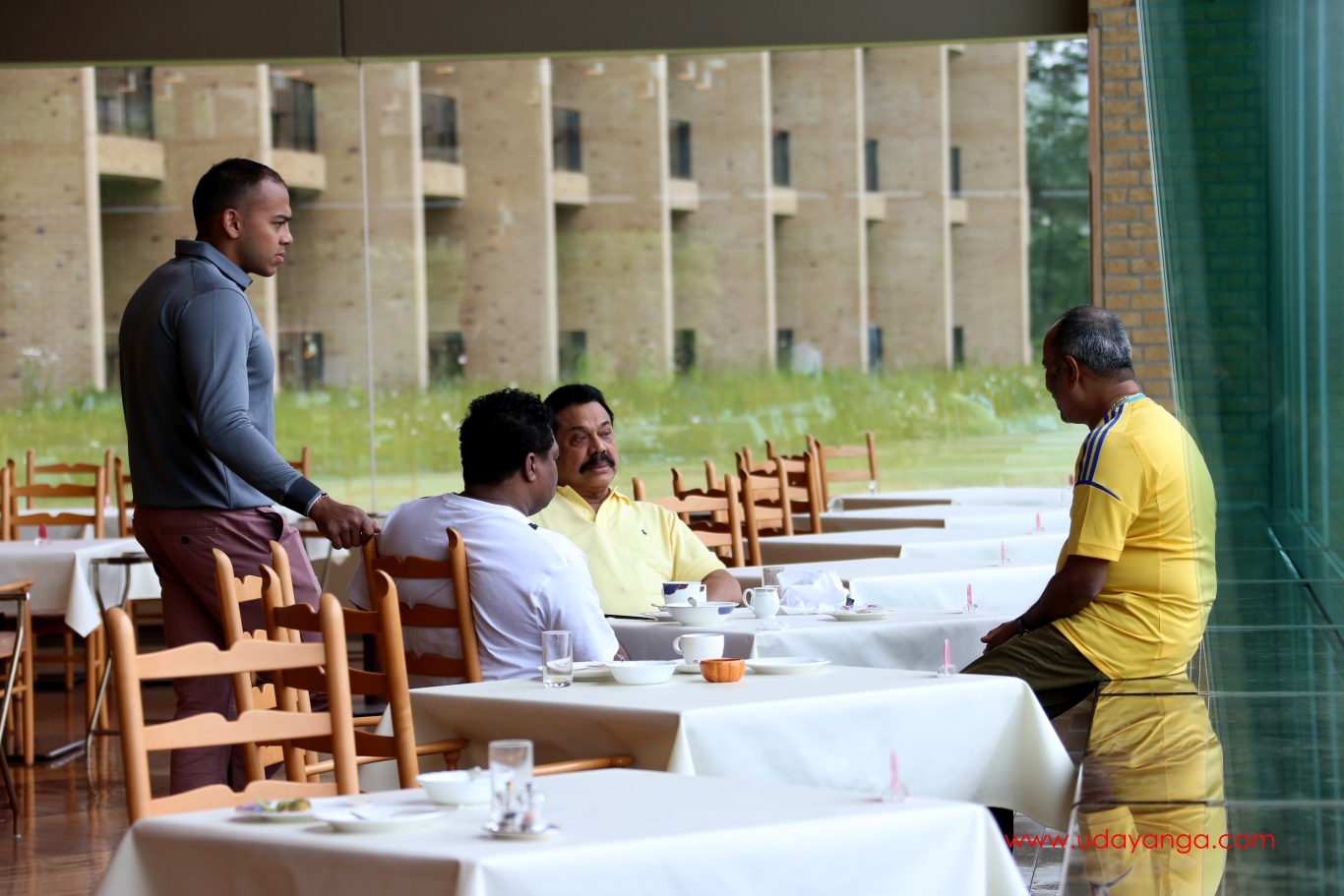
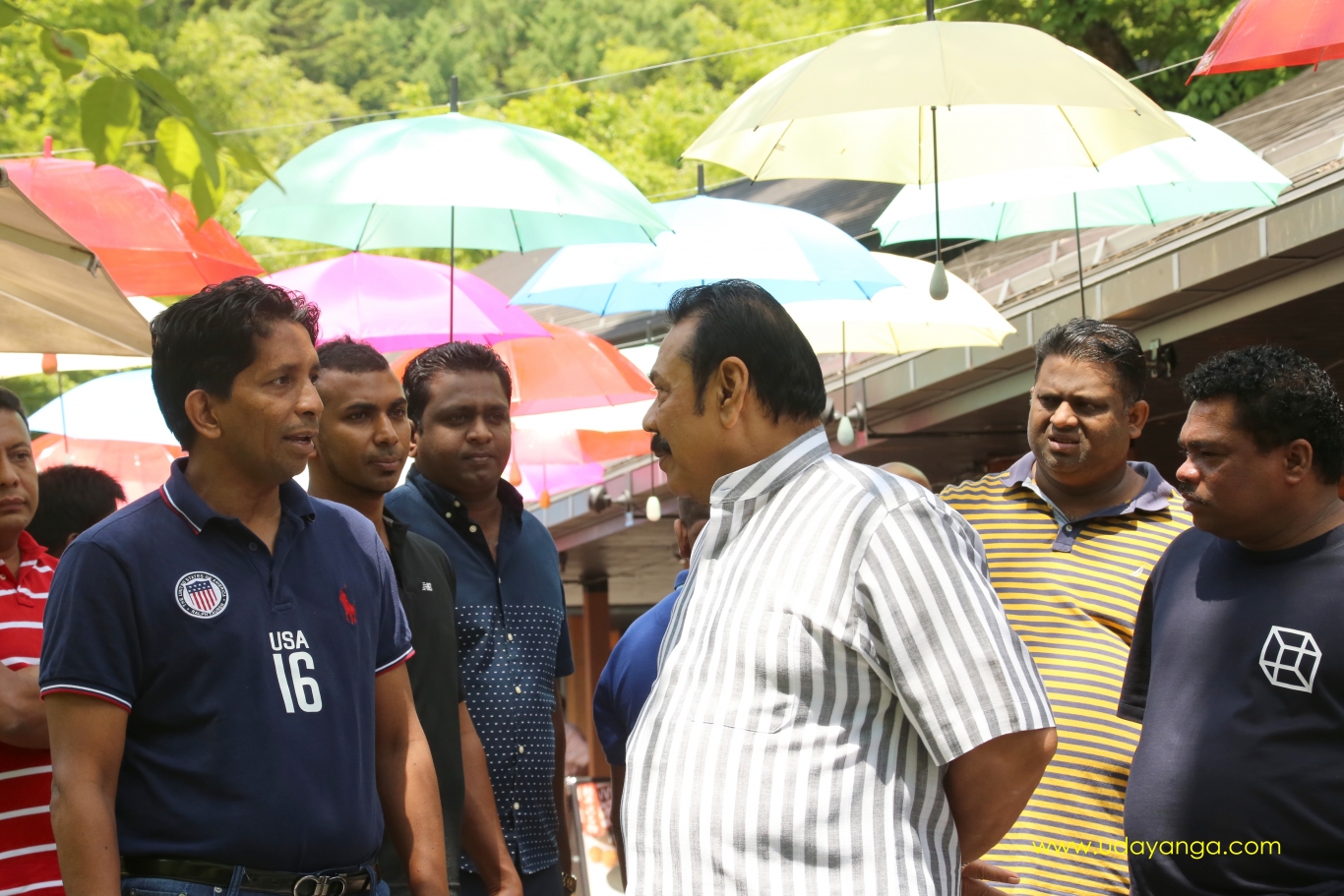
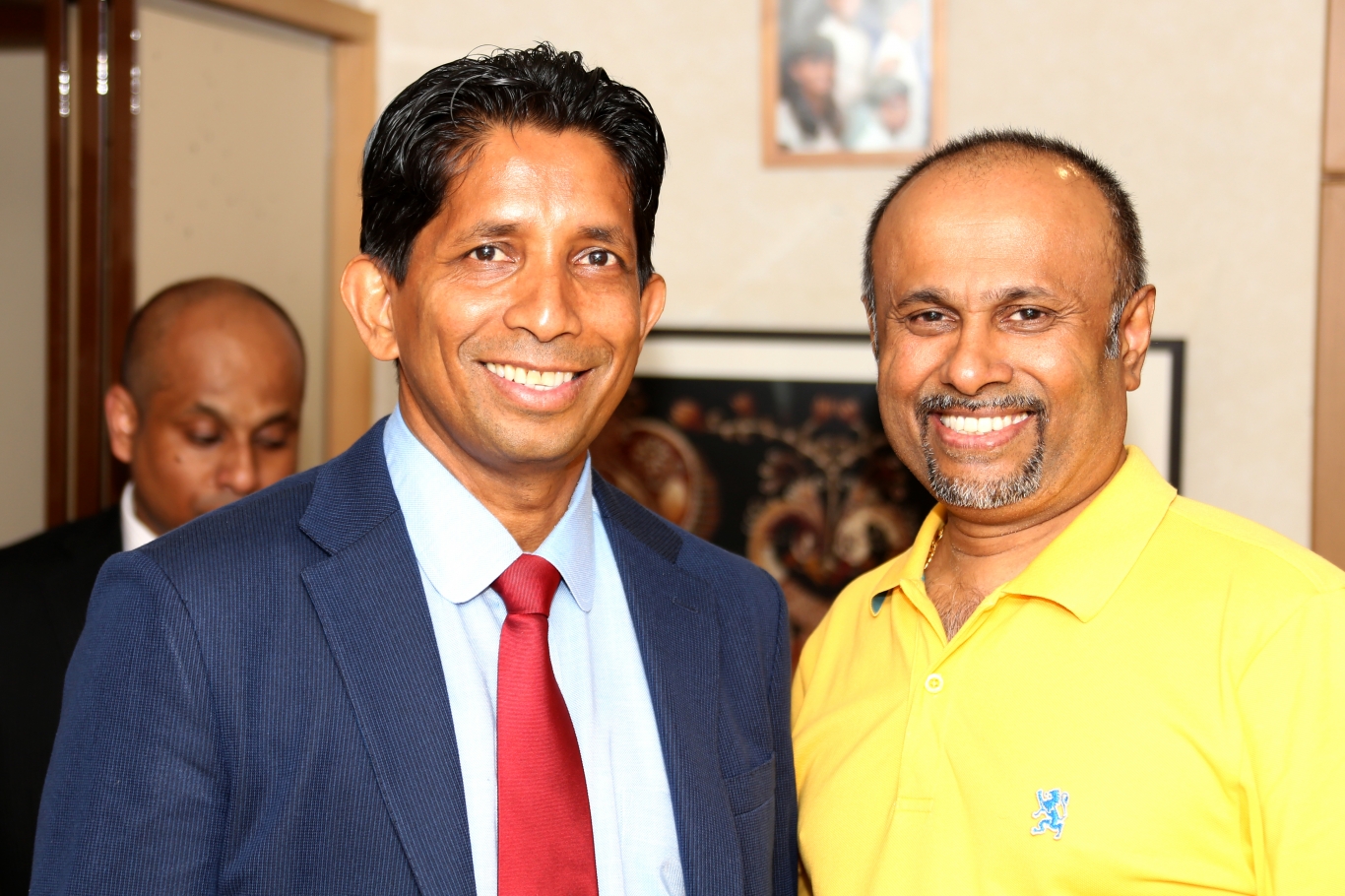
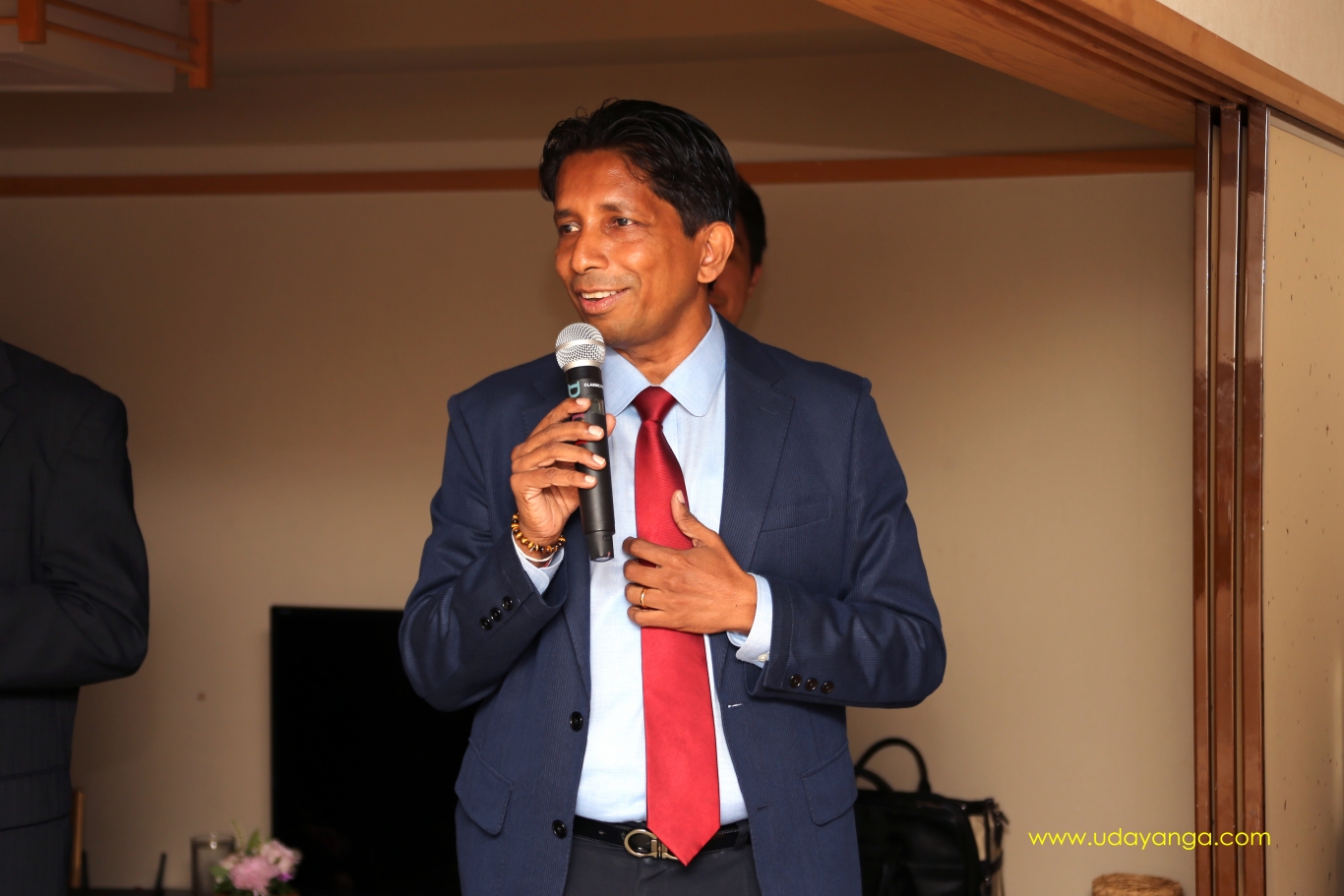
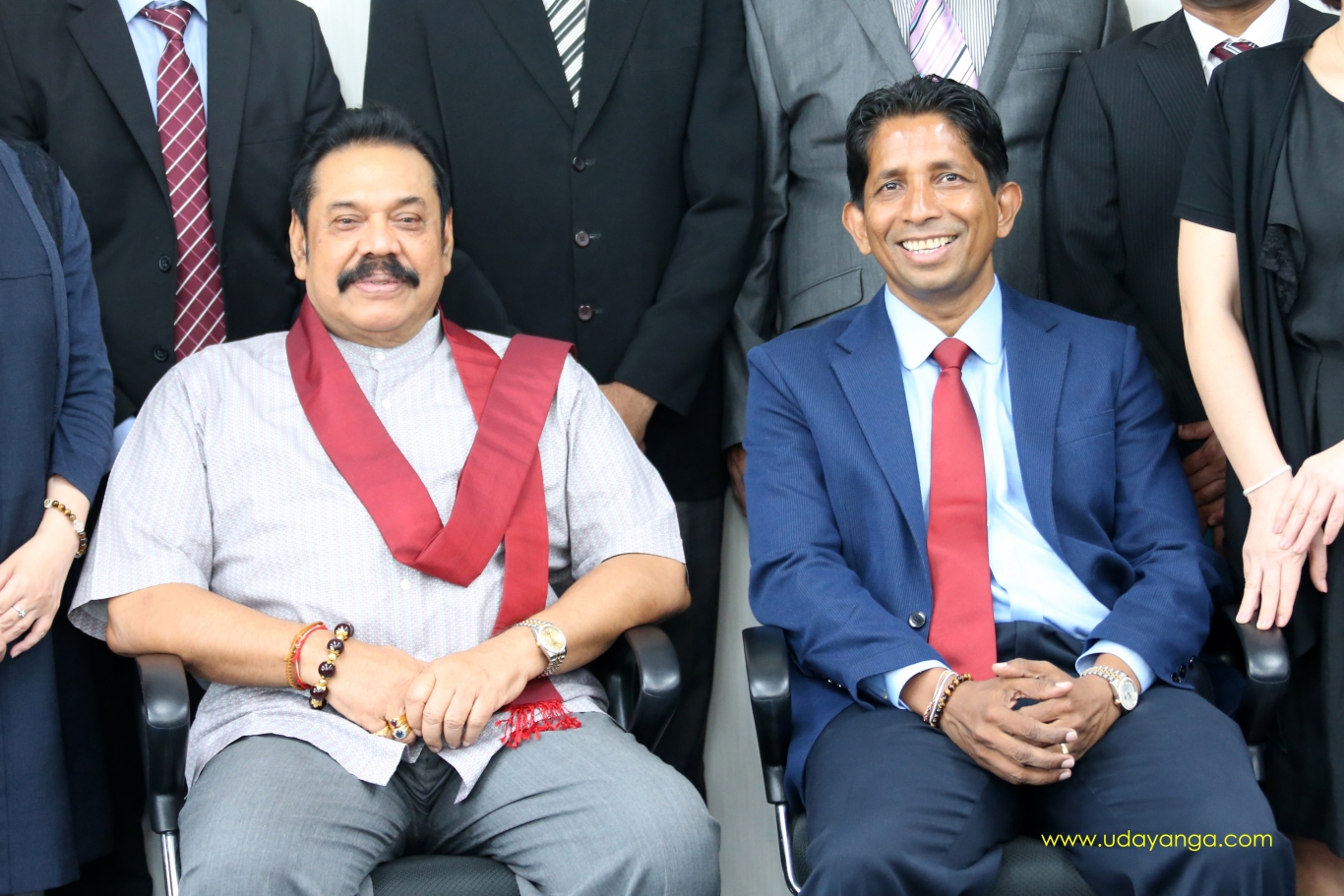
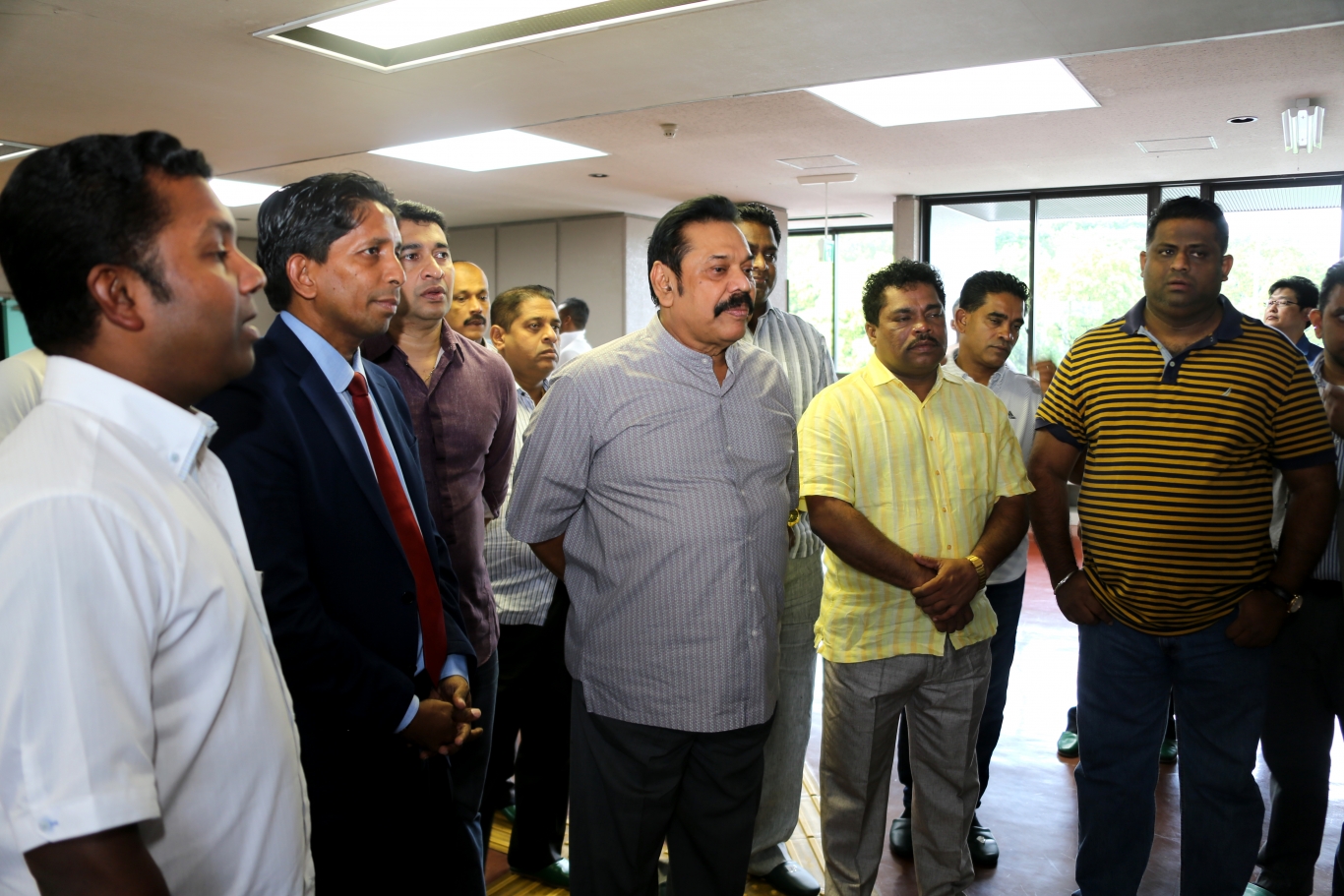
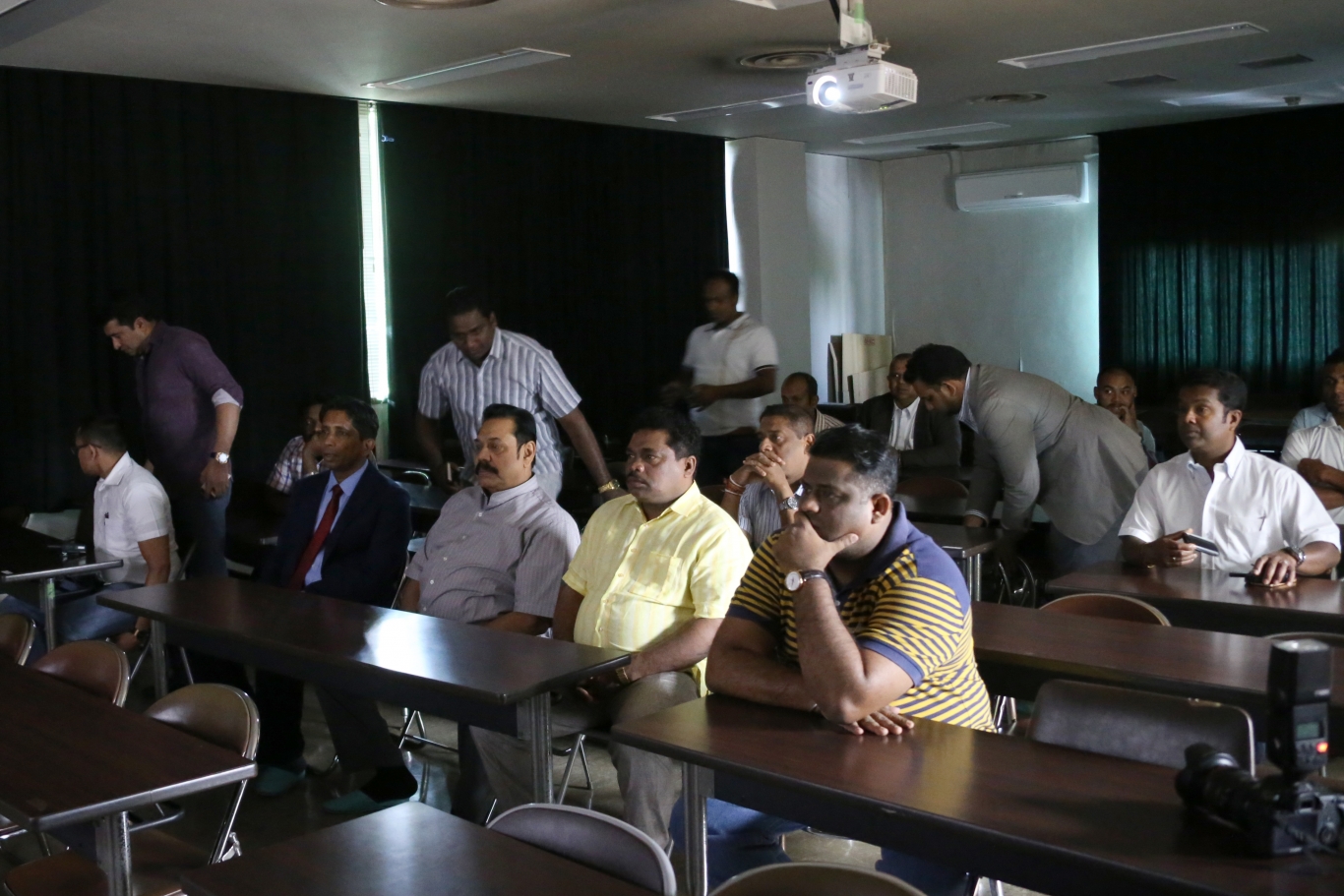
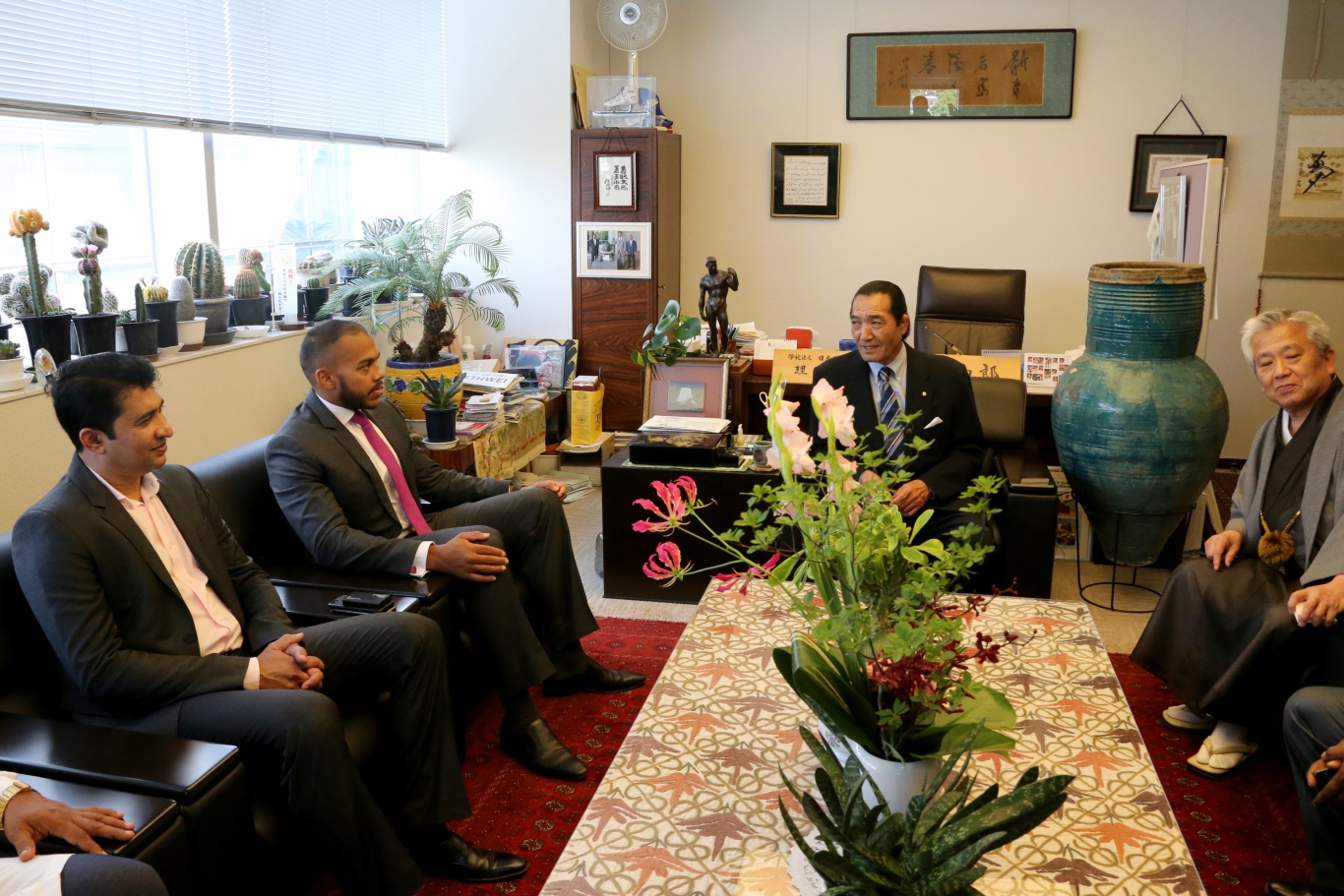
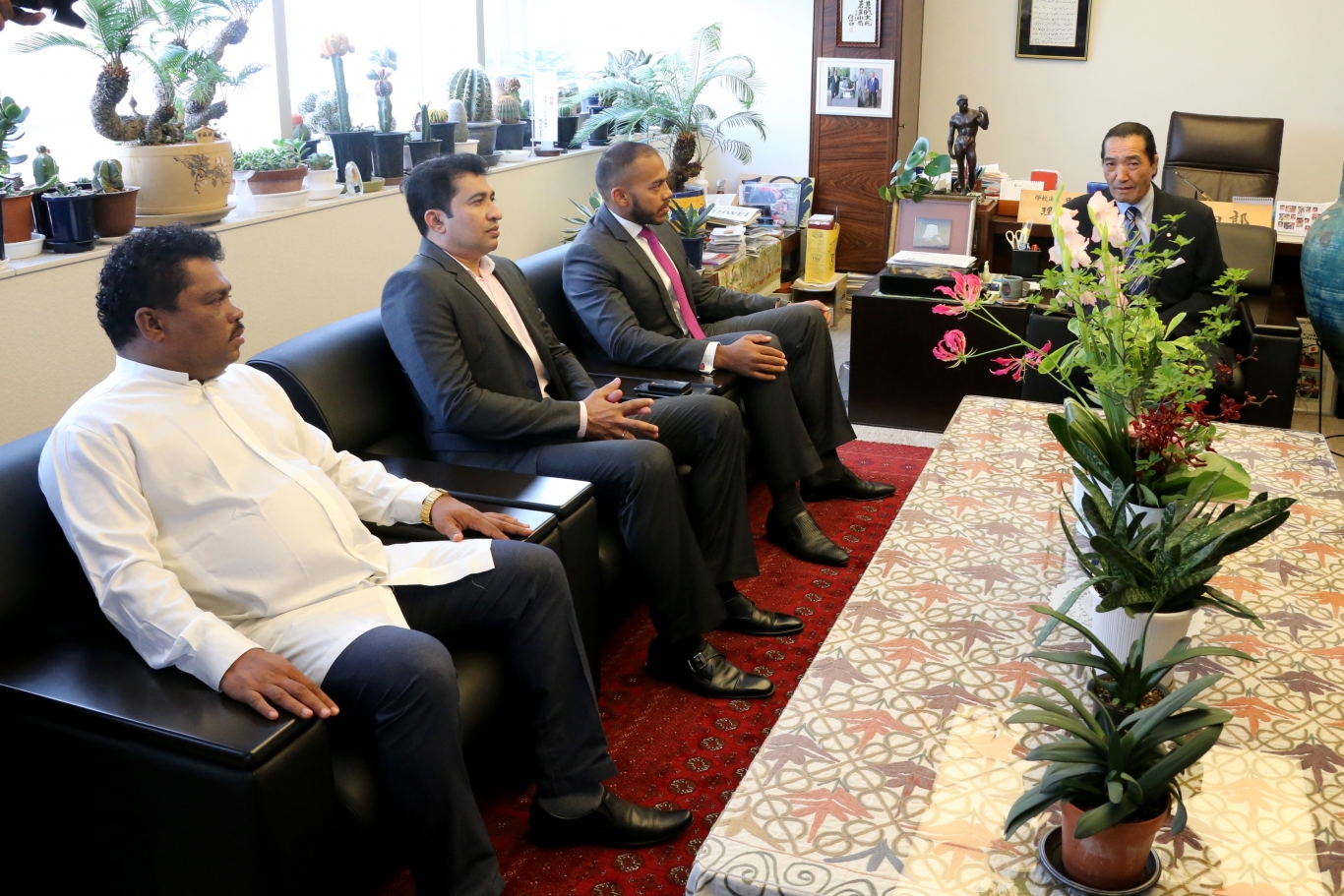
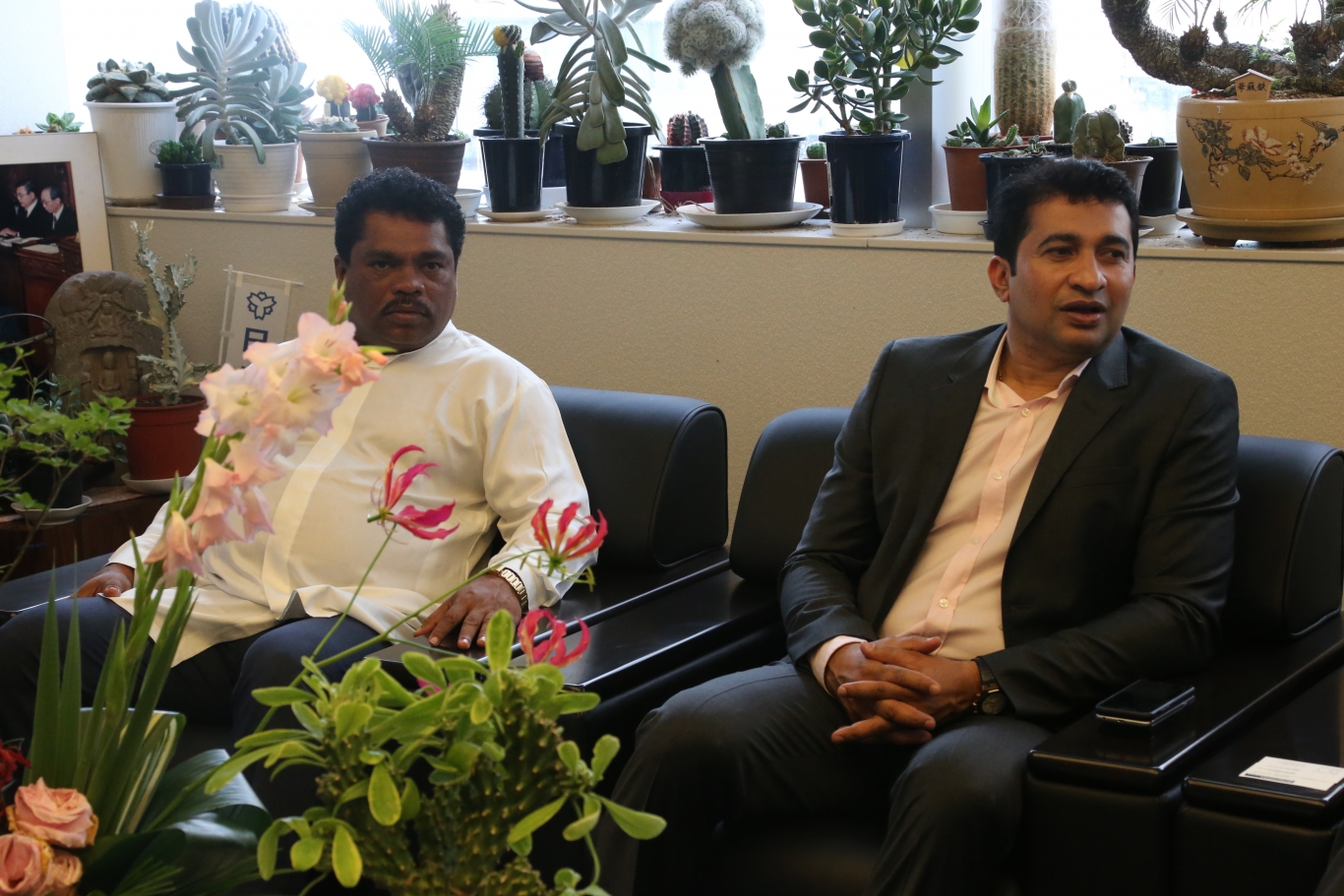
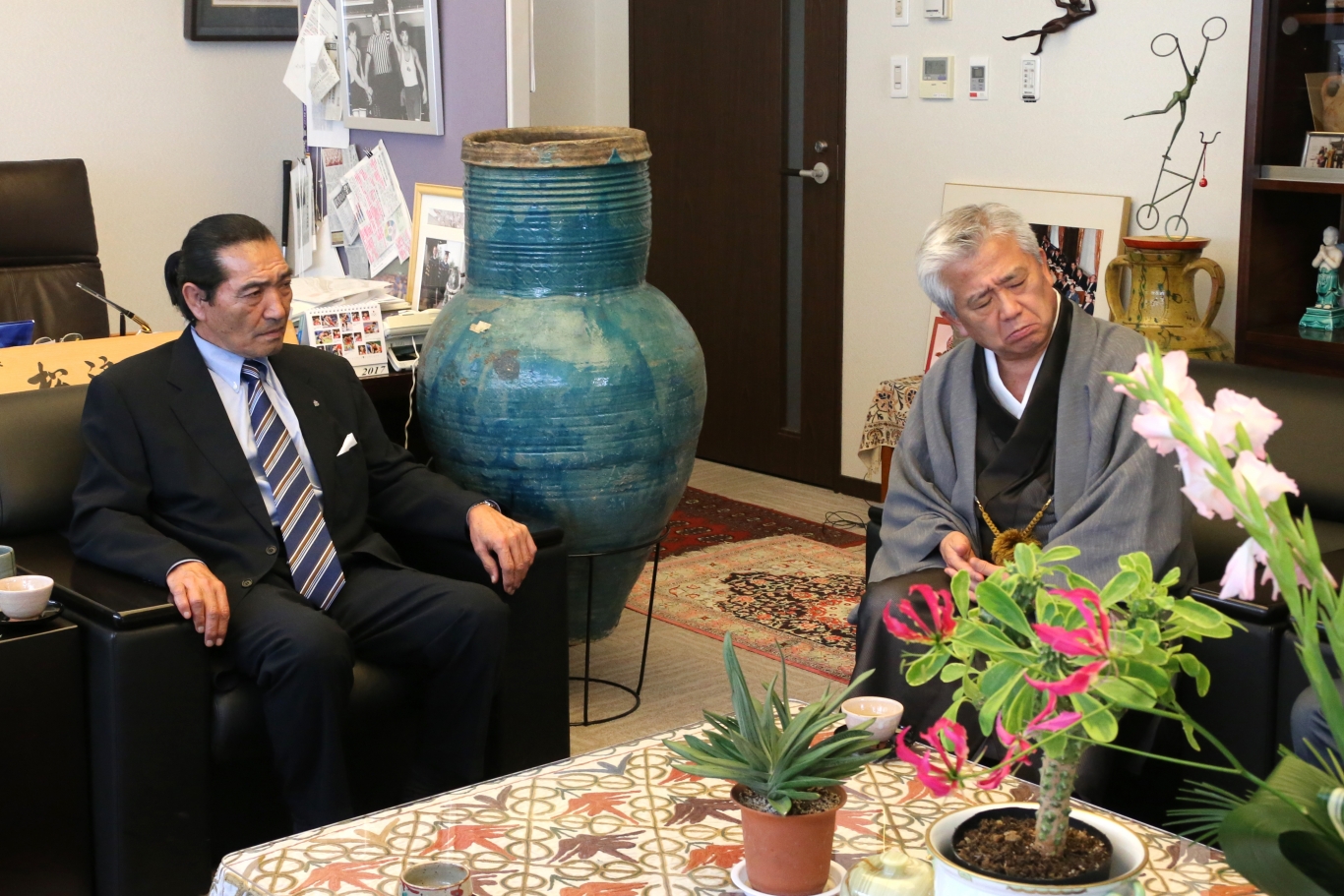
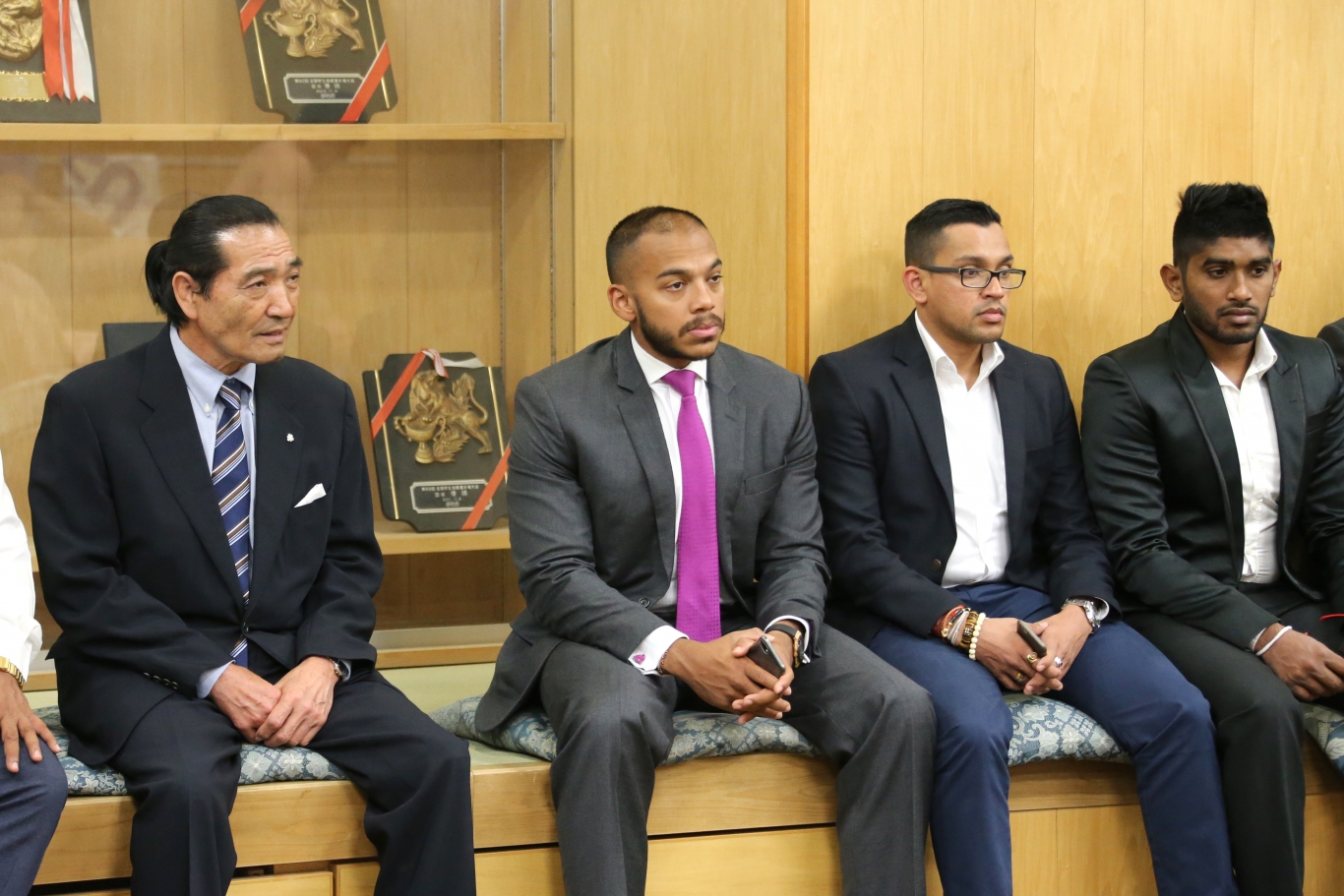
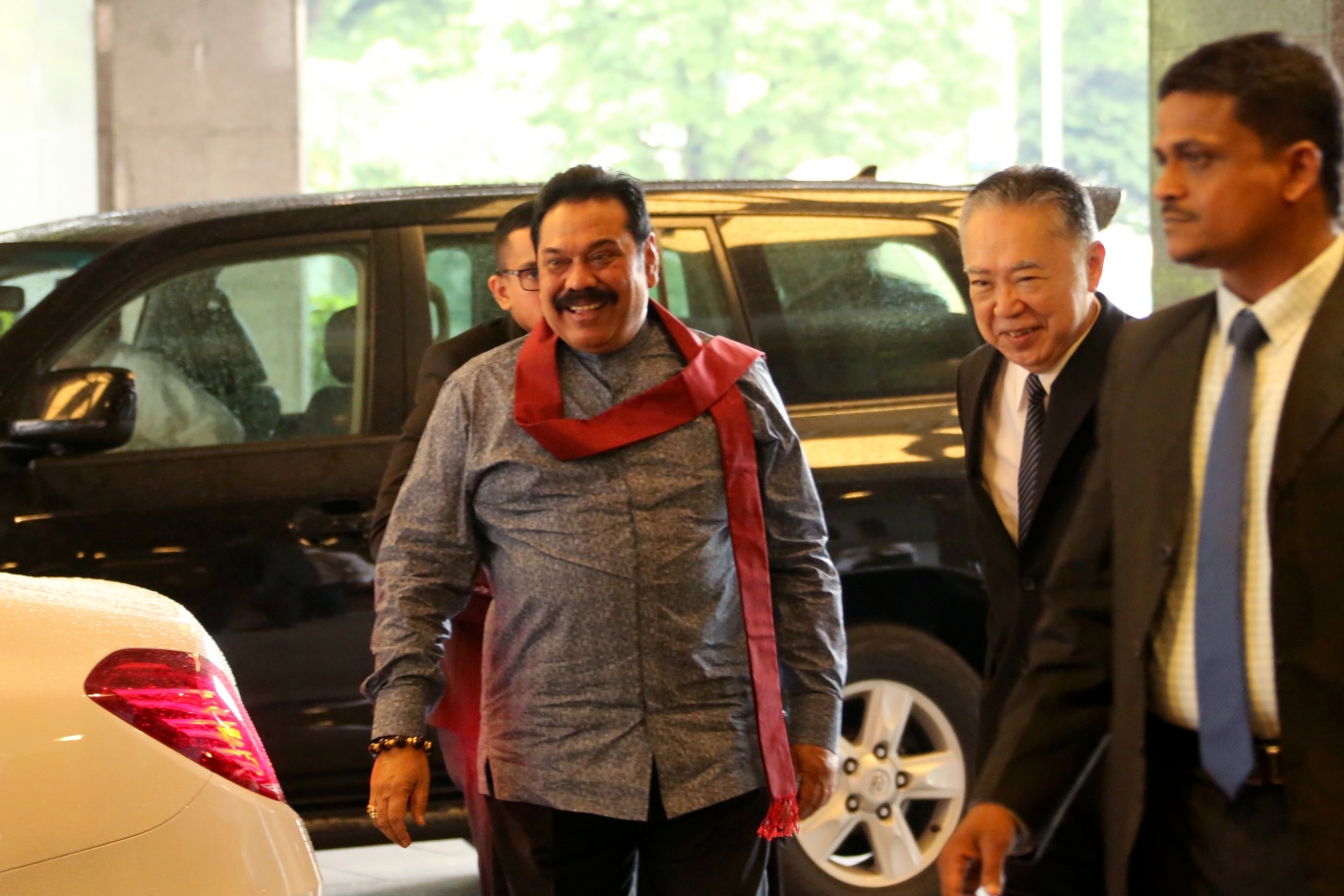
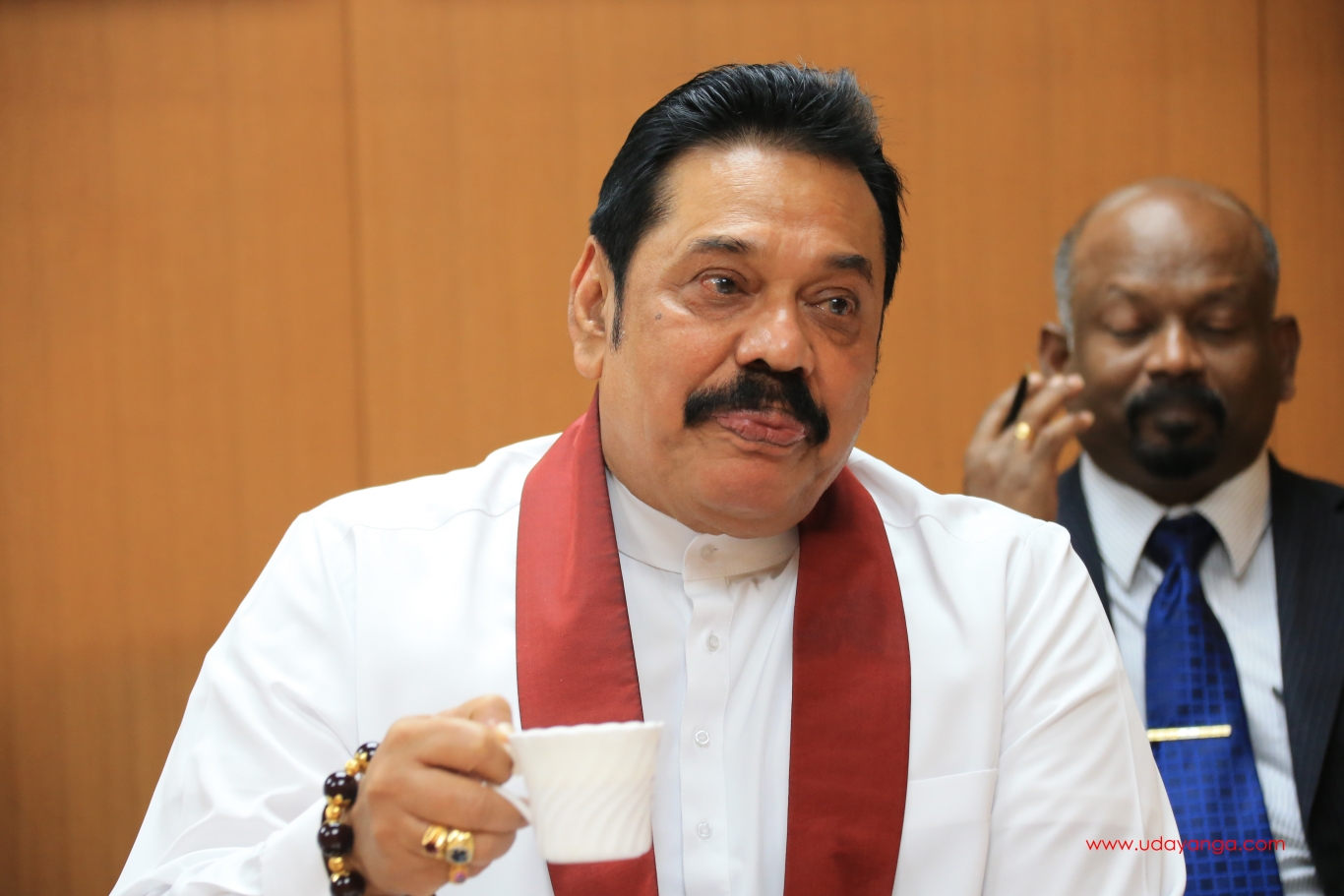
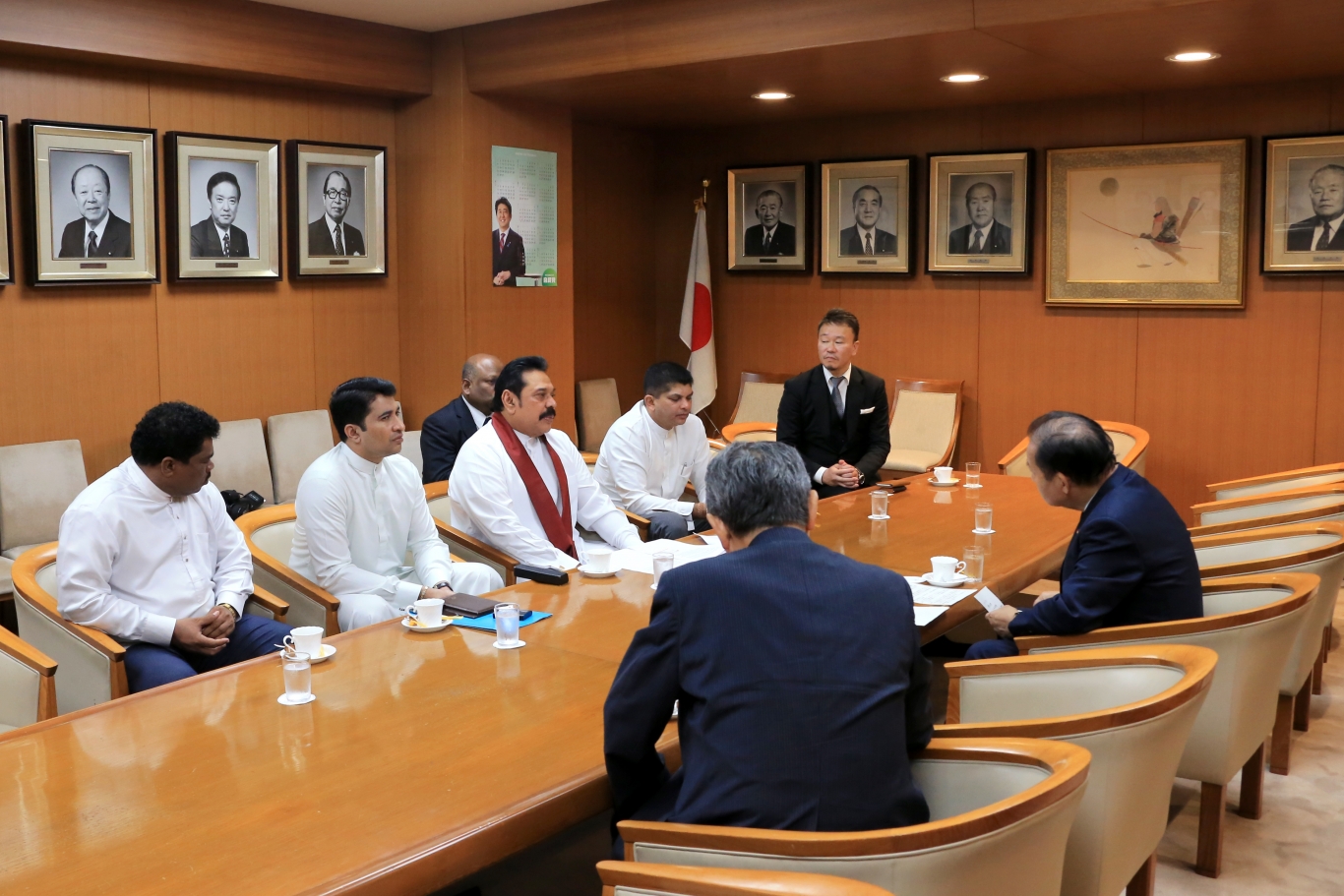
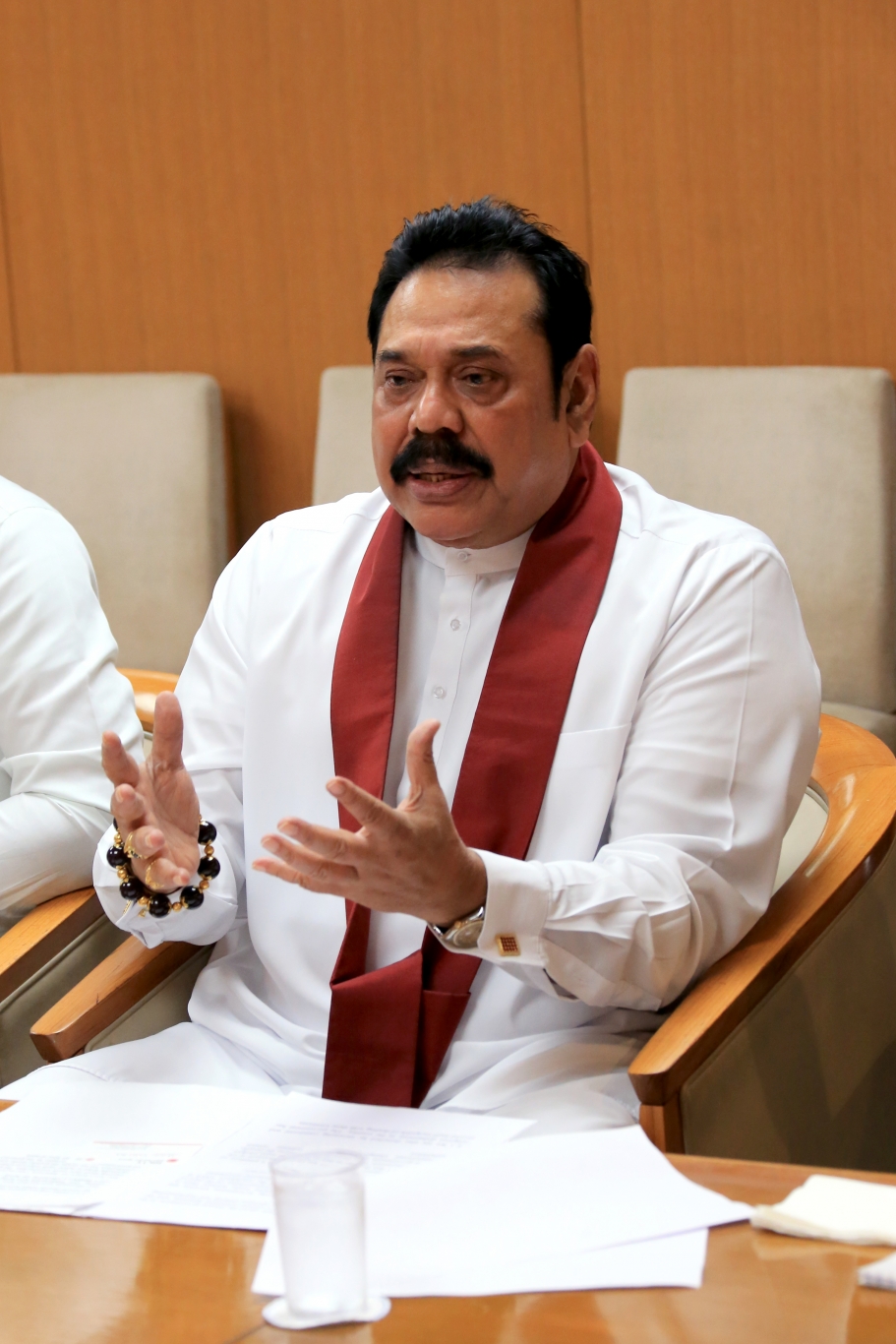
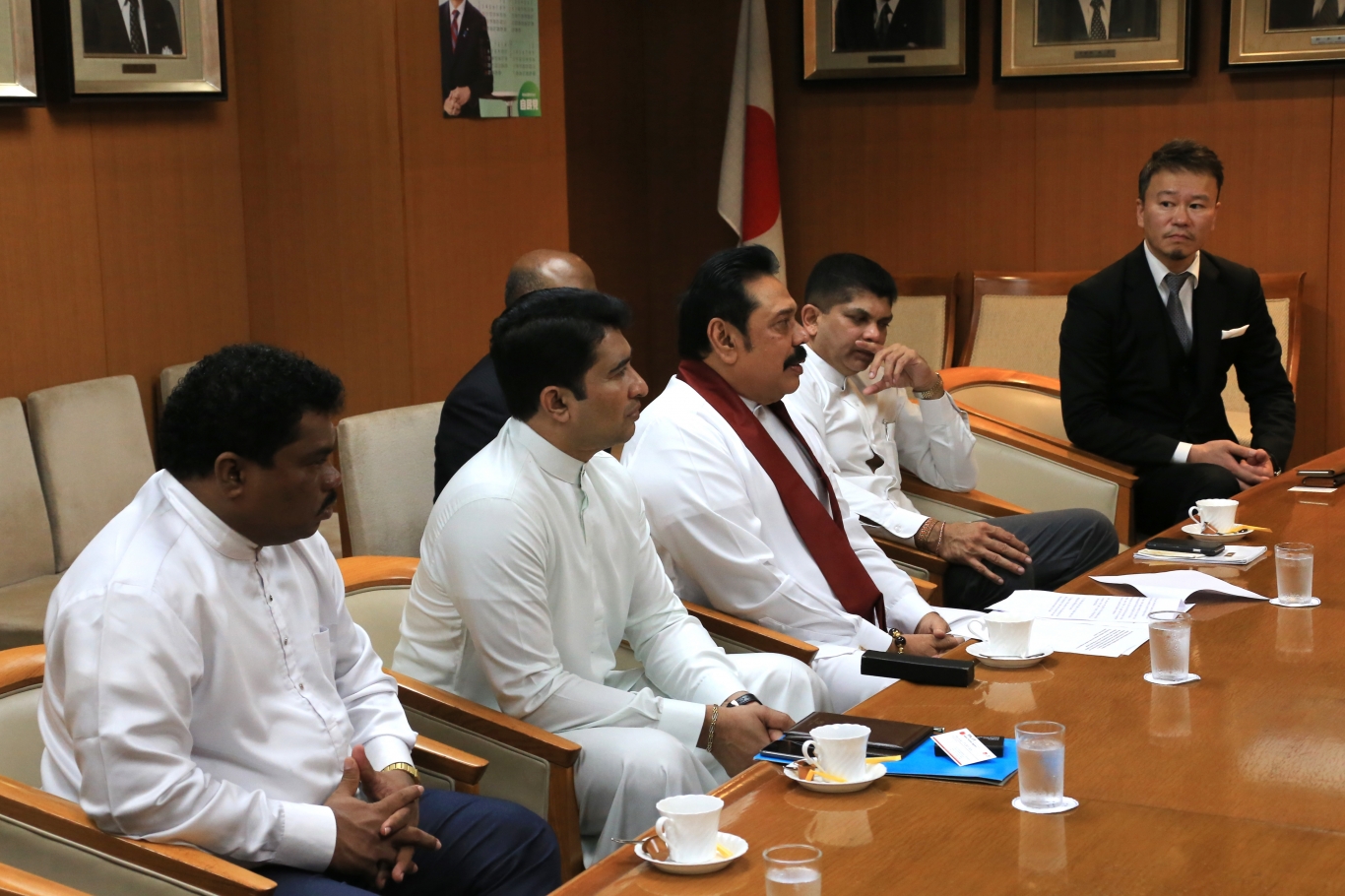
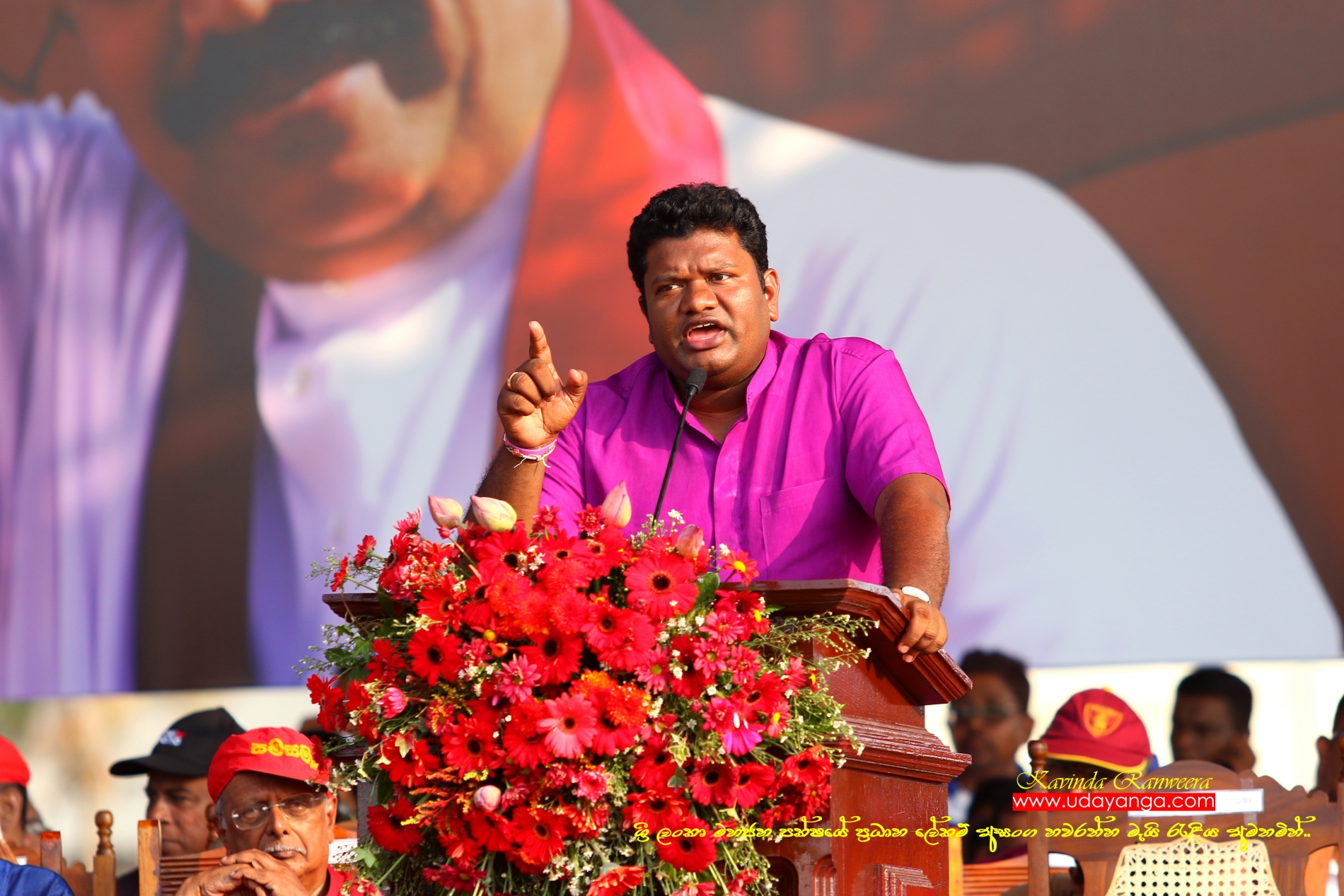
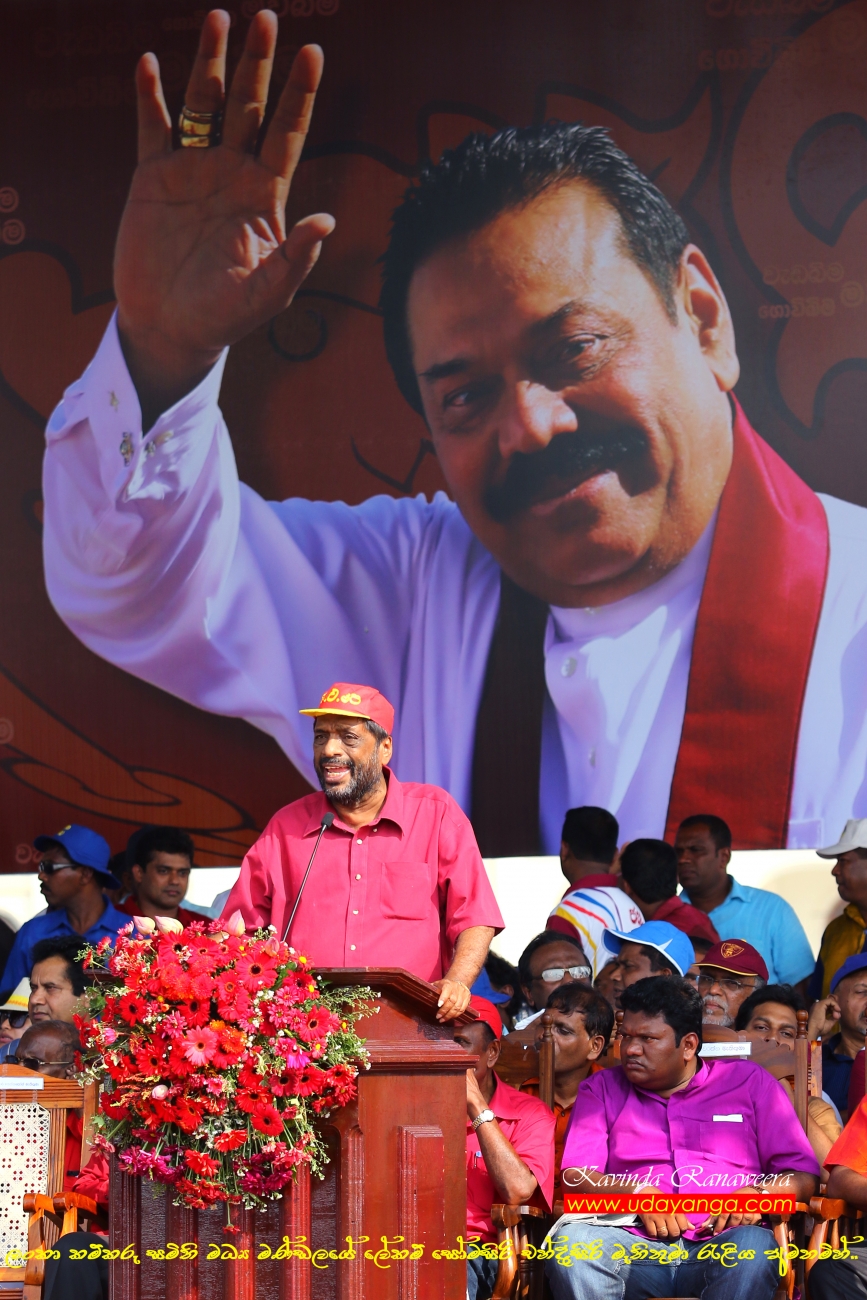
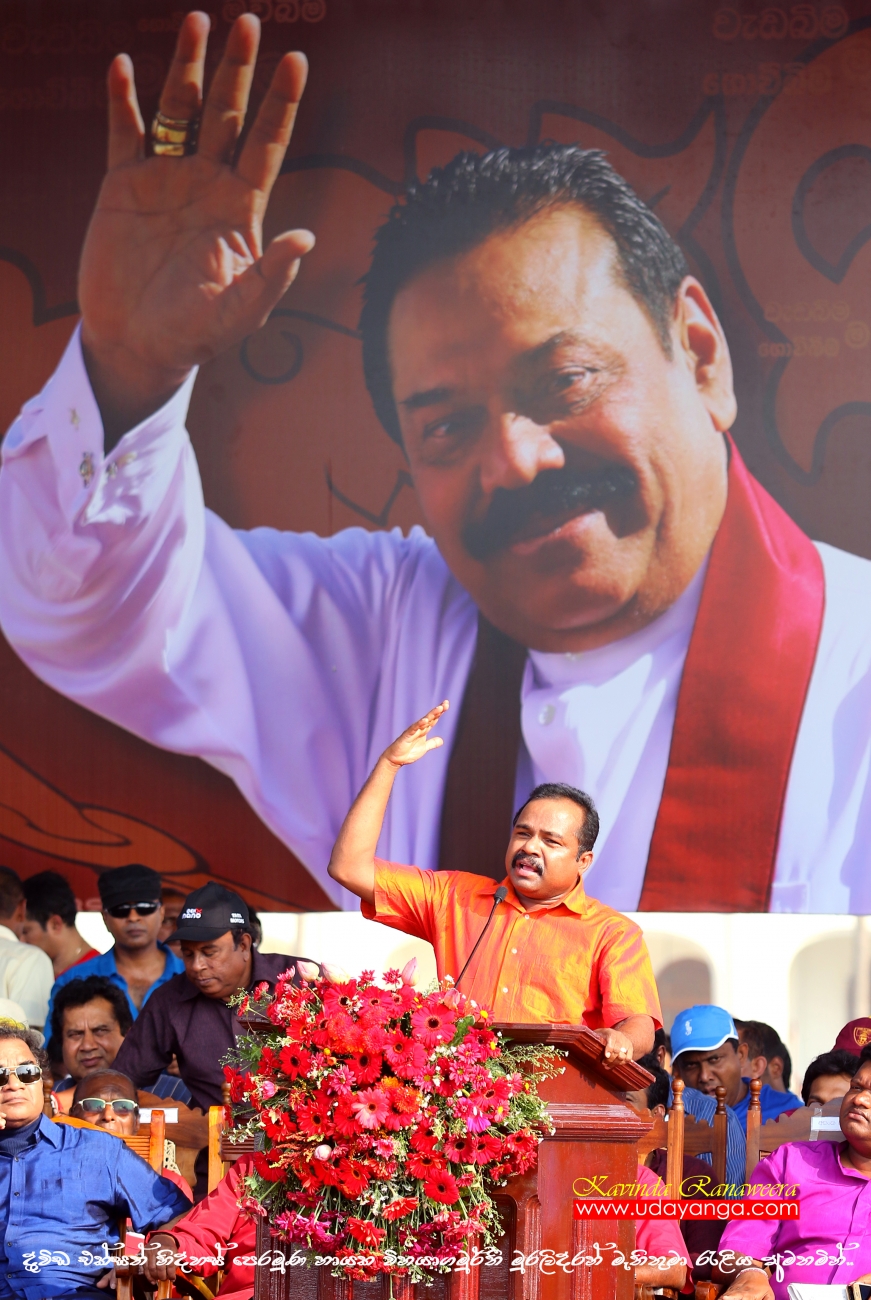
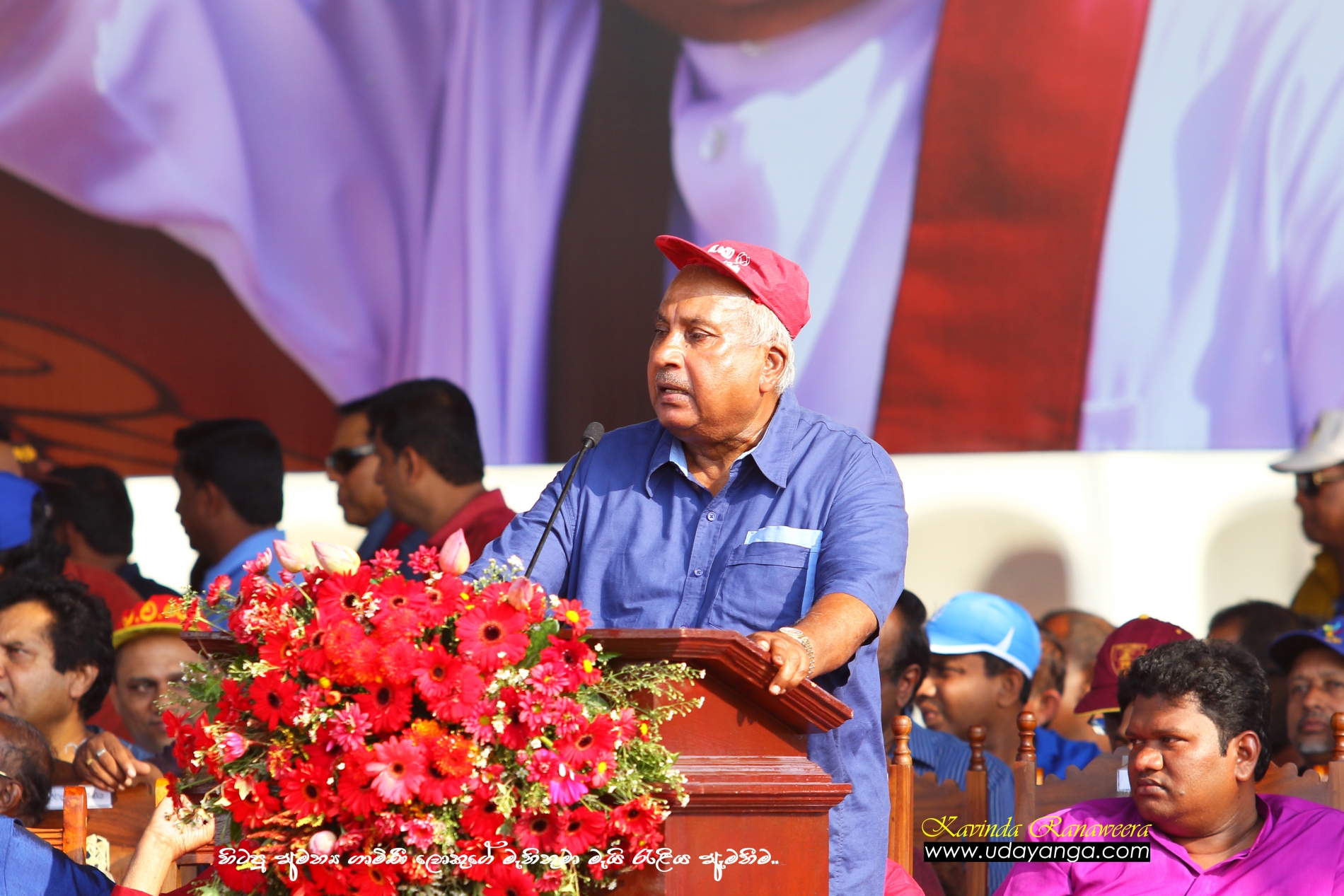
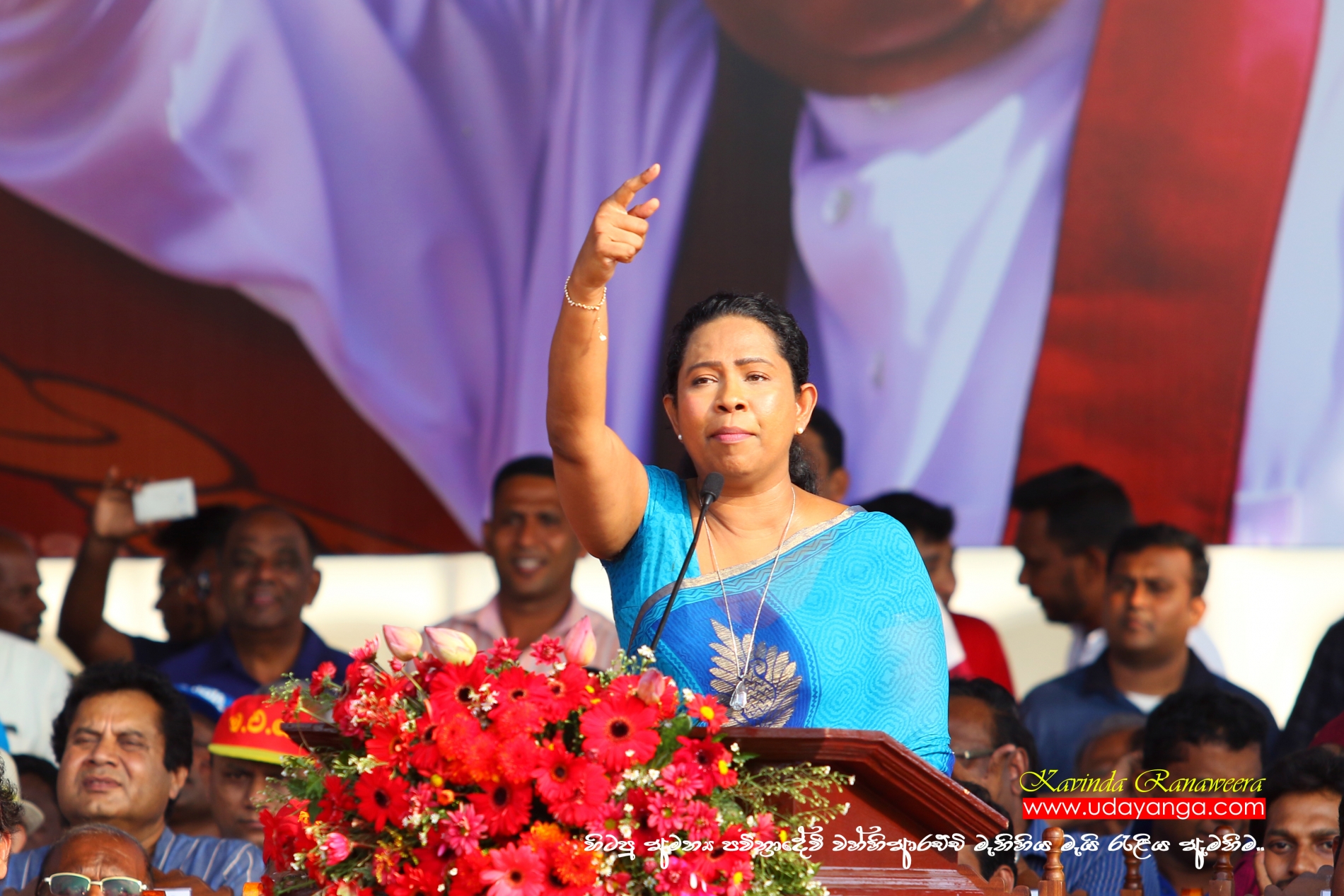
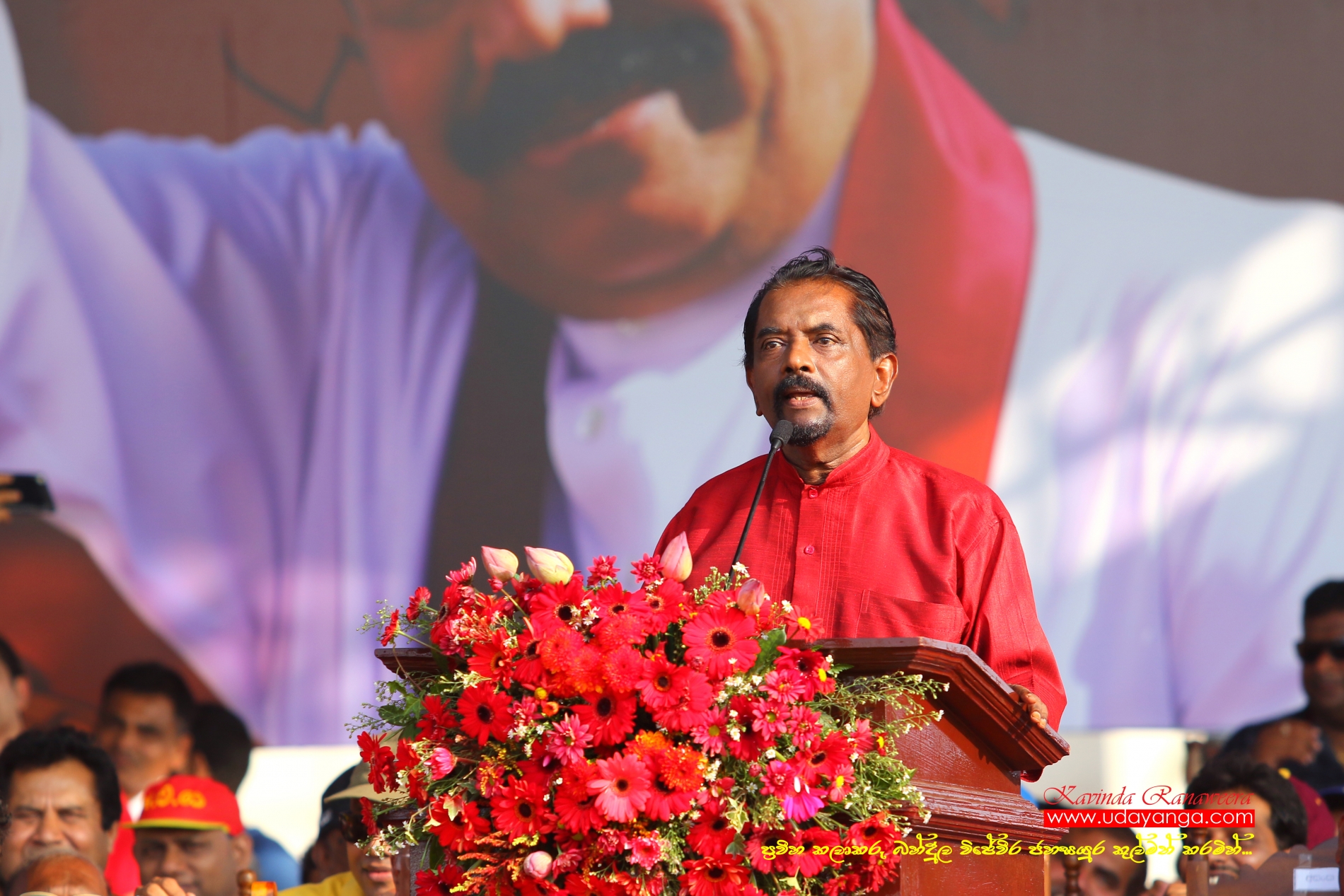
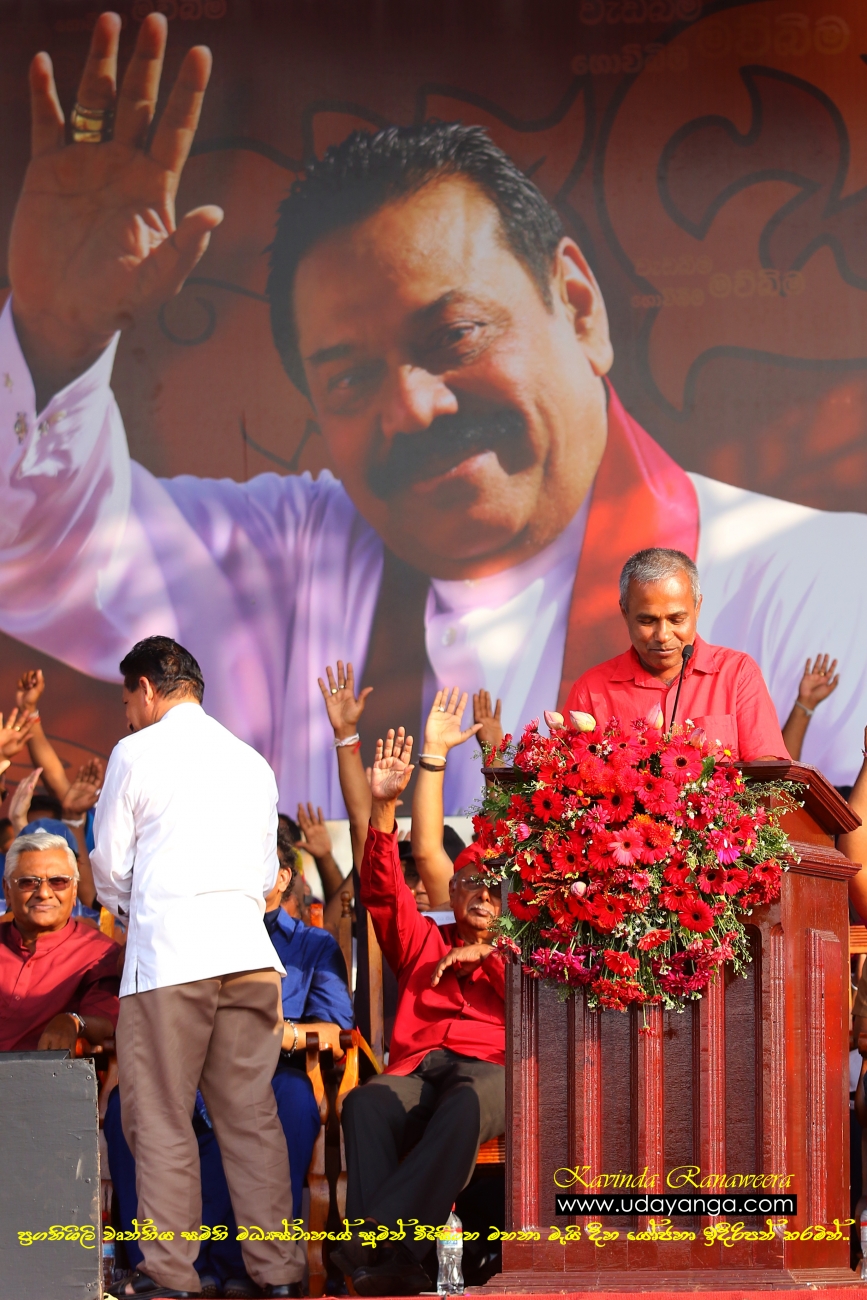
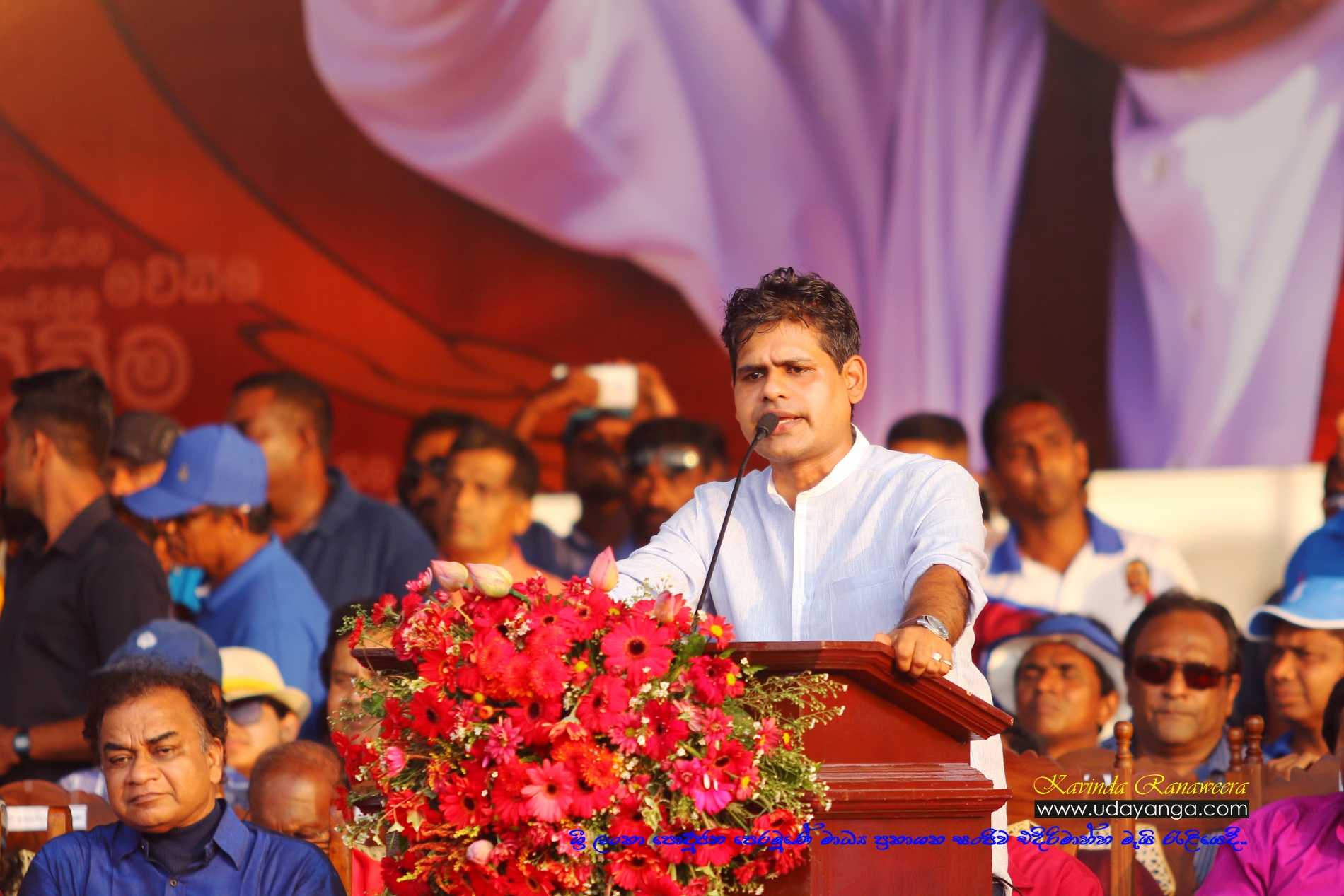
On June 7, a meeting was held in Karuyasawa, Japan, former President Mahinda Rajapaksa among the Action Committees of the “Mahinda Samband” Organization in Japan. Last year, Jayantha Hettiarachchi briefed on the service rendered by “Mahinda Samoodi”. Mahinda Rajapaksa was not forgotten about Mahinda Rajapaksa’s future plans for the future political work of Mahinda Rajapaksa. While noting the political and economic situation in Sri Lanka today, President Rajapaksa insisted that he was able to help all Sri Lankans to work together and work together. He also said that he was very pleased with the activities of the organization “Mahinda Samoodi” and that he was grateful to all its members.

Mahinda is the adversary of the deceased who has pawned the country and has gained control of power, because everyone loves Mahinda more than anyone else. It is because of that love that people are rallying around Mahinda without power. There is no adversary to the people who rally around the true leader.

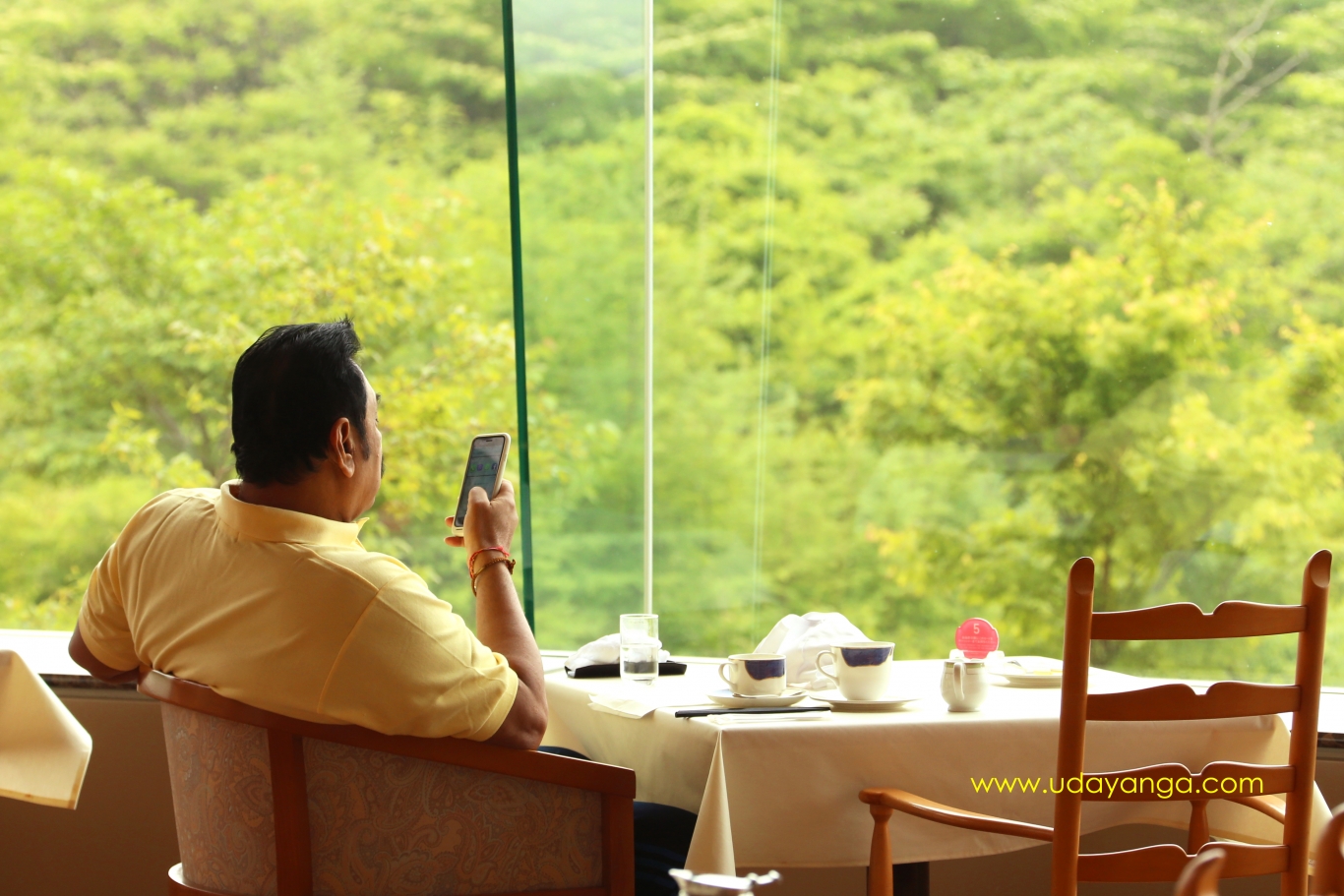
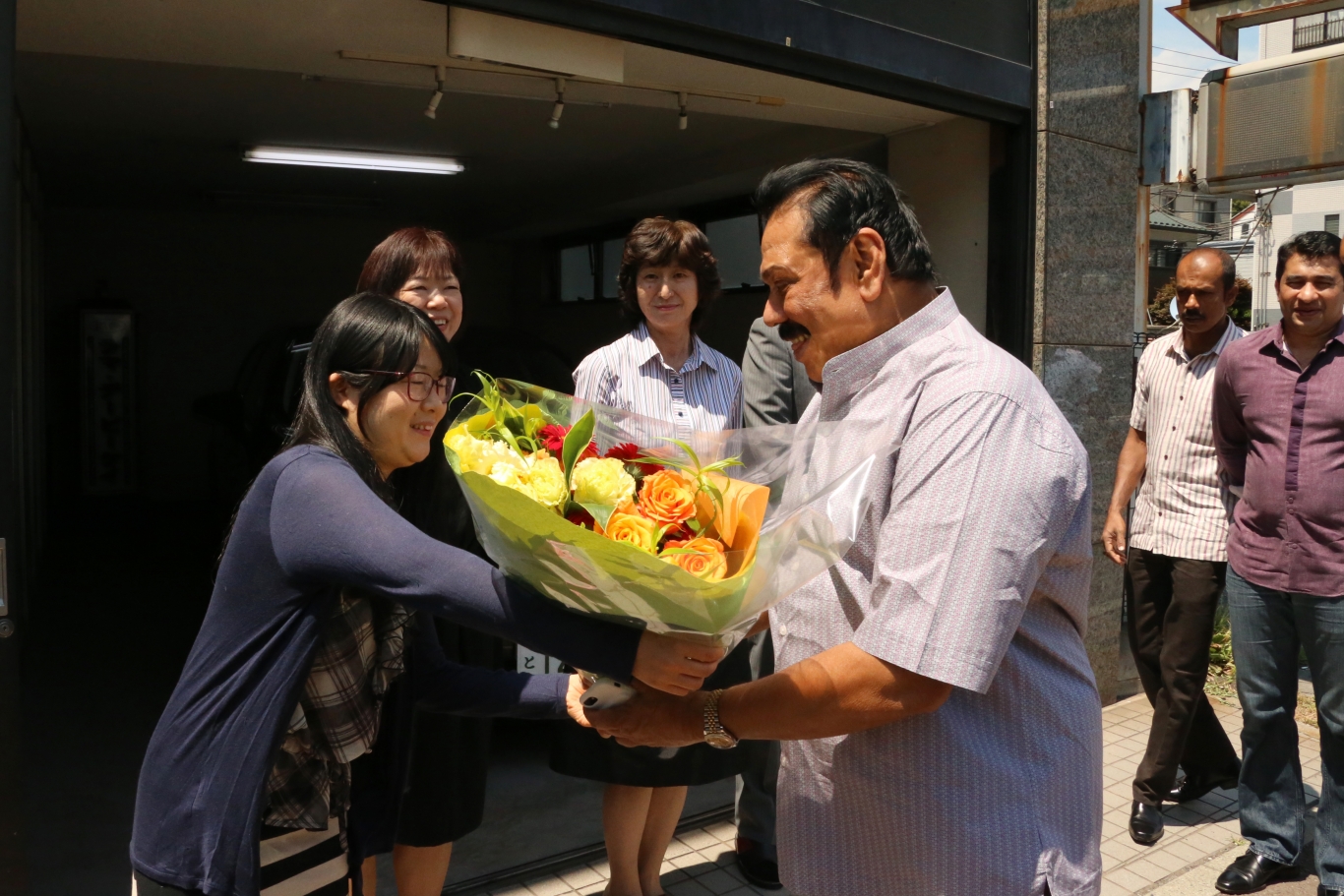
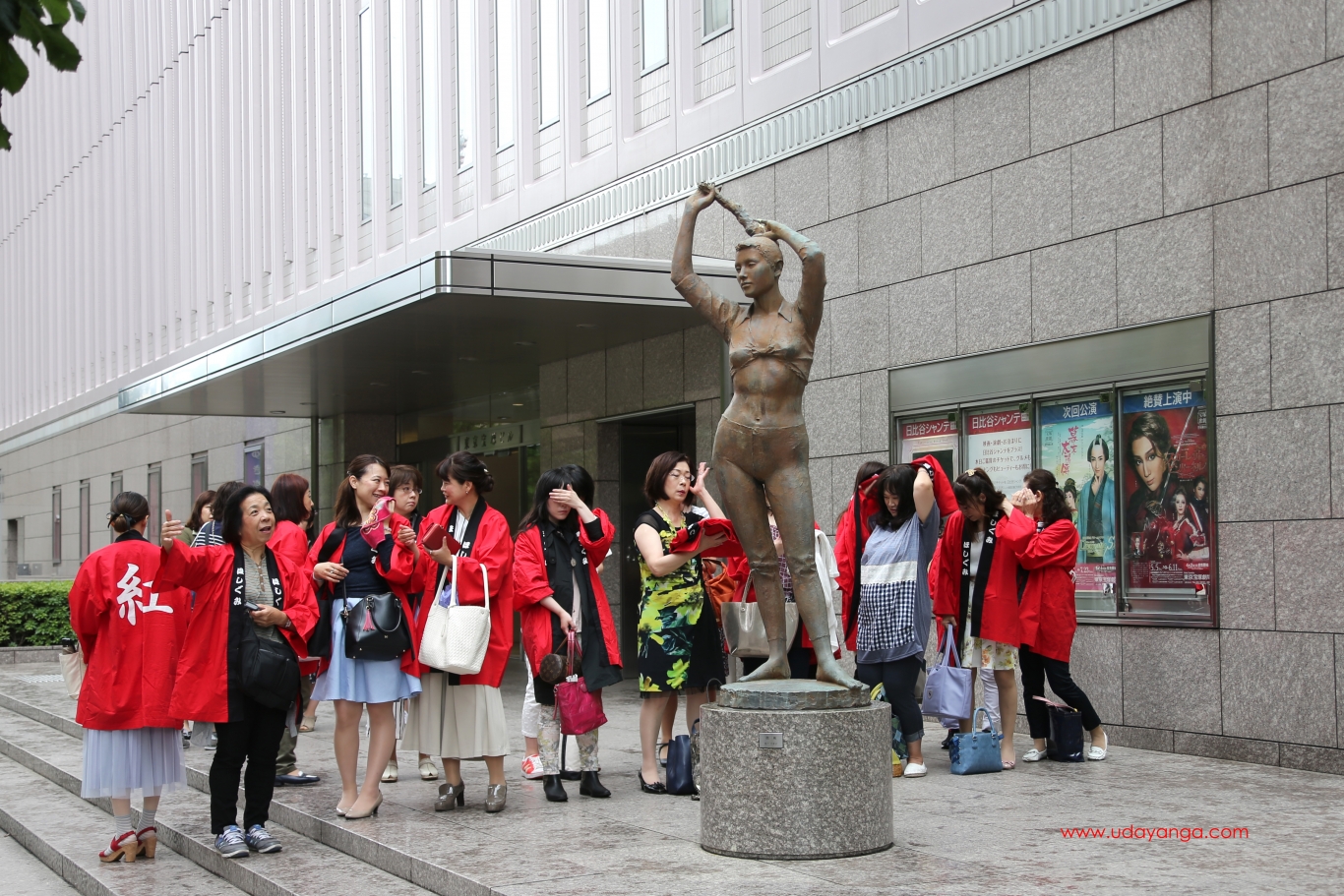
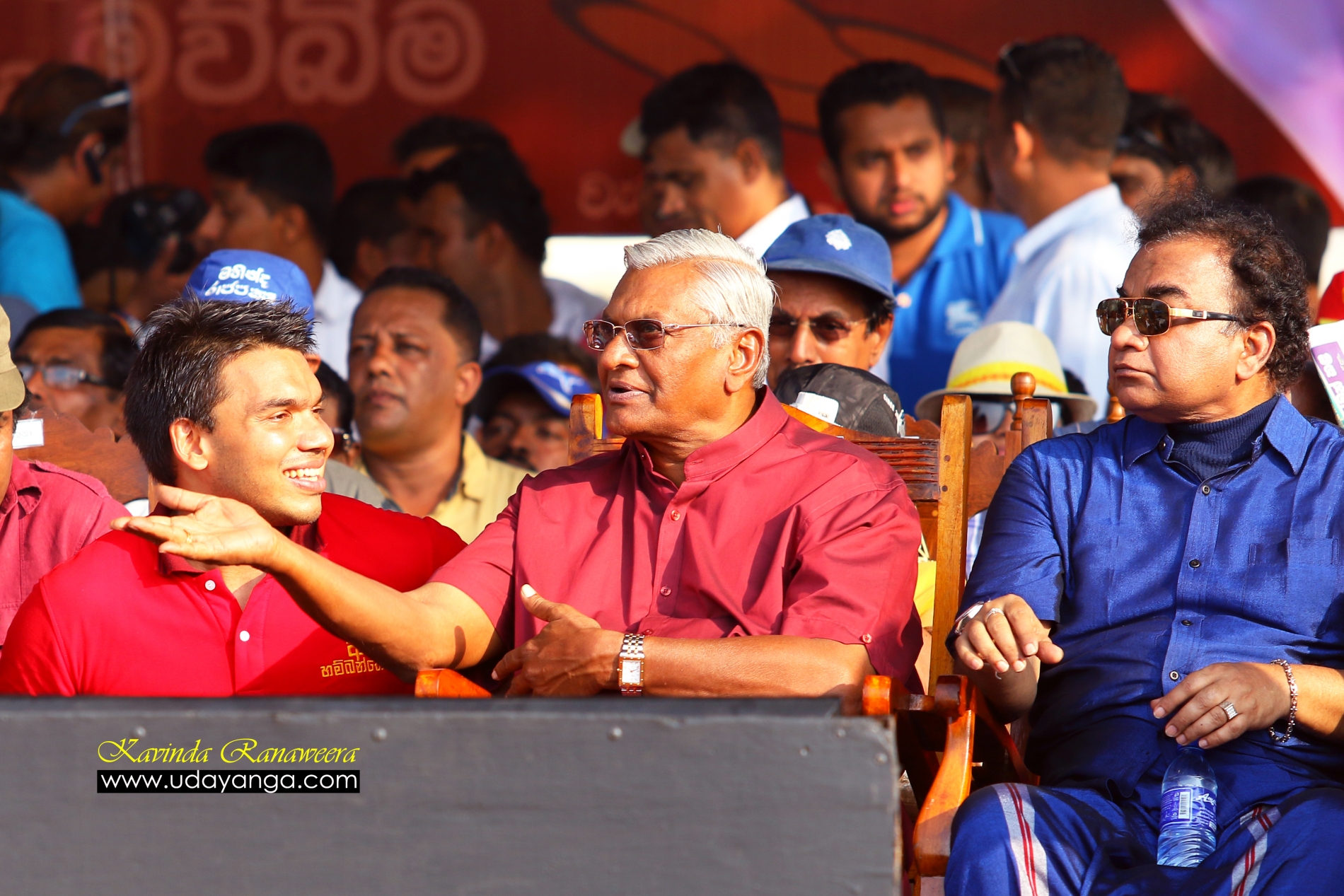
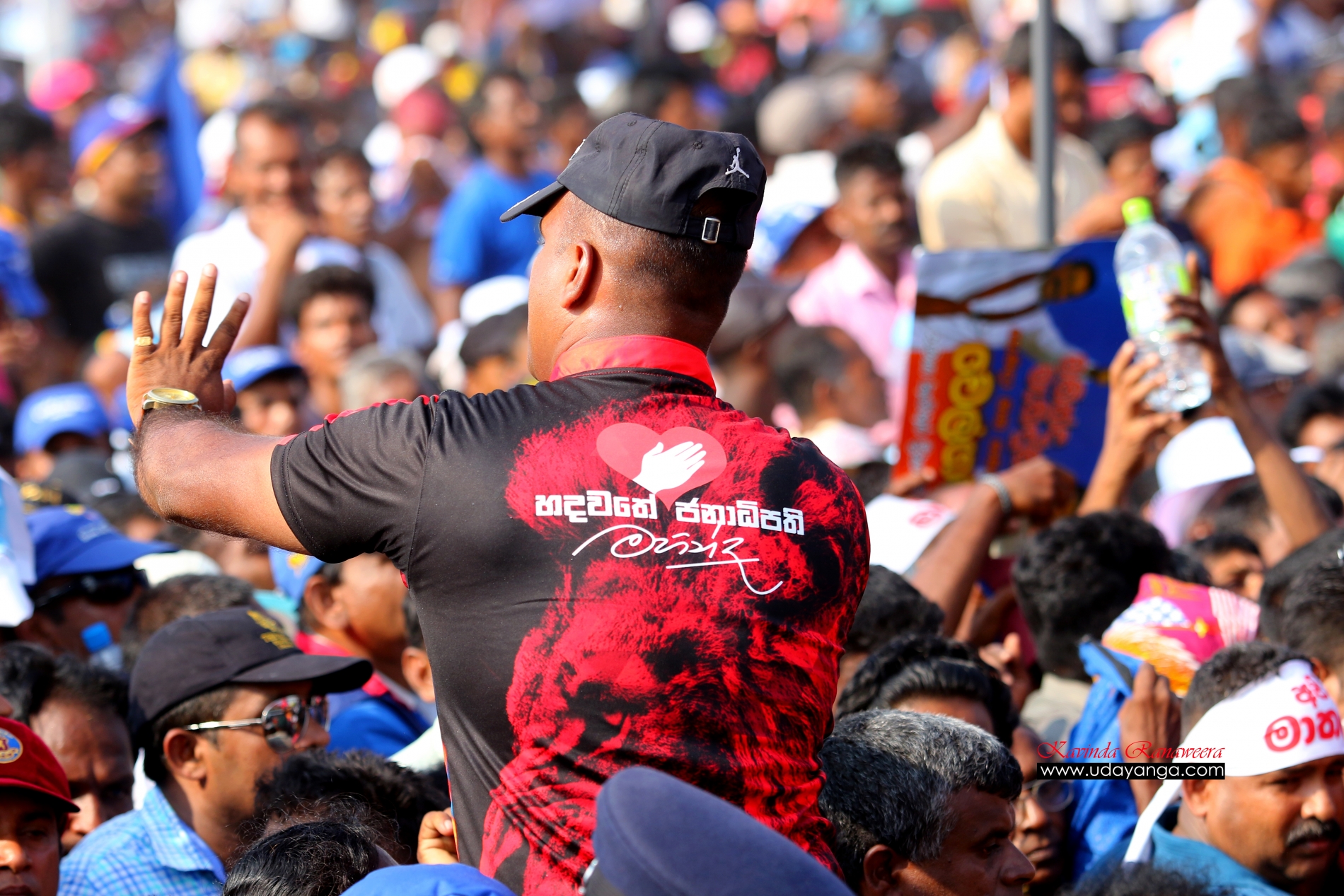
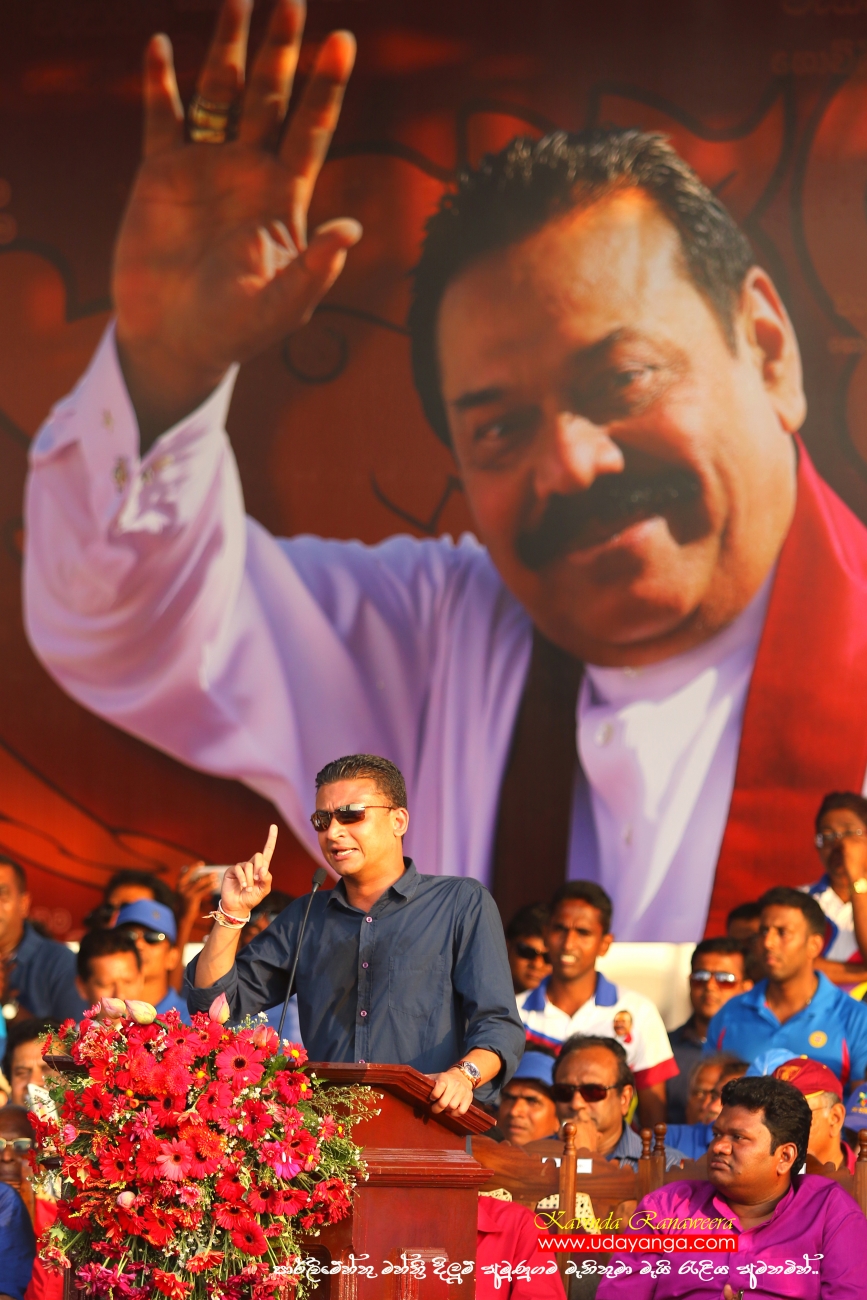
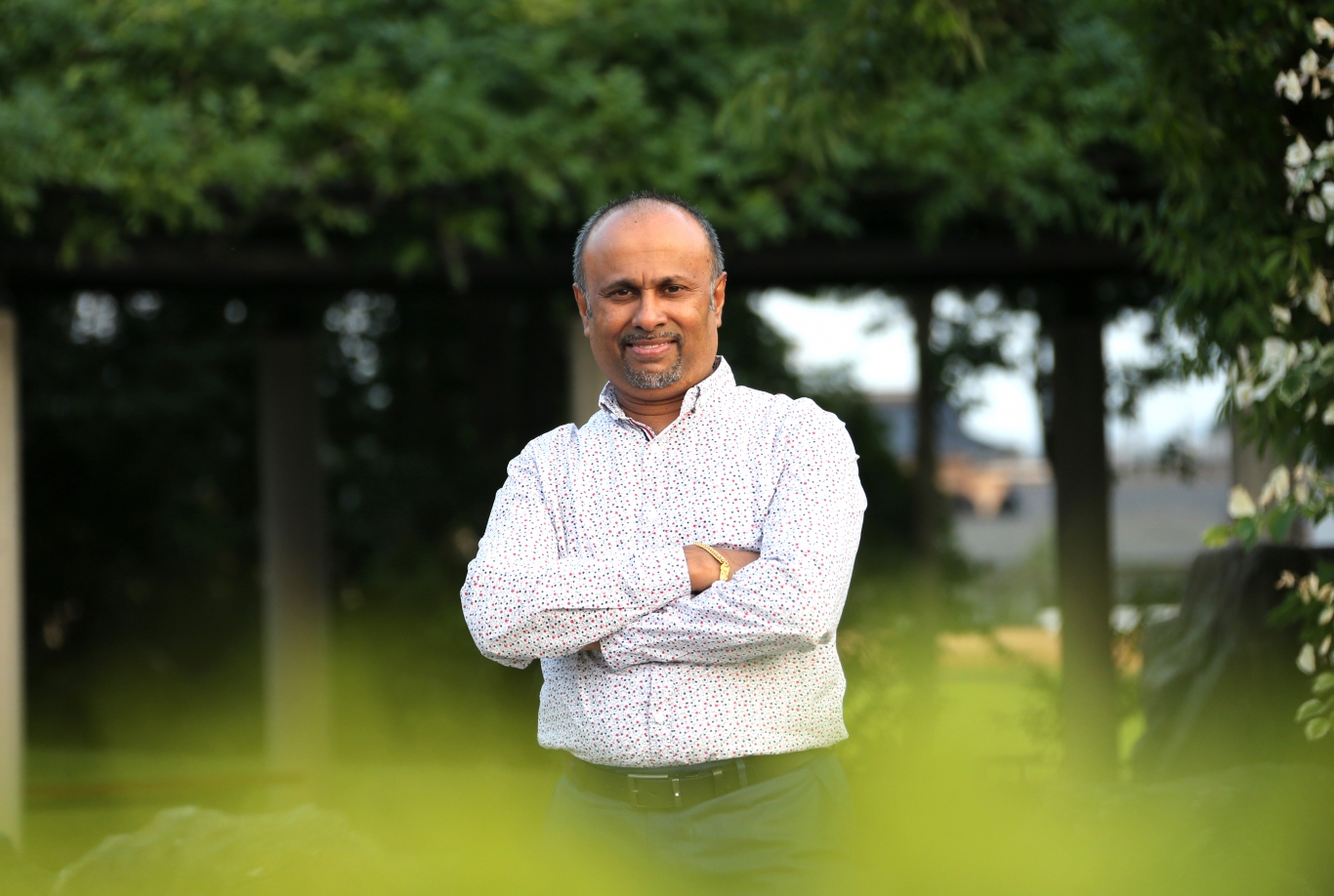
This beloved dancer we saw today in Kuruysava, Japan … ..
Related Images:

Former President’s visit to Japan 3

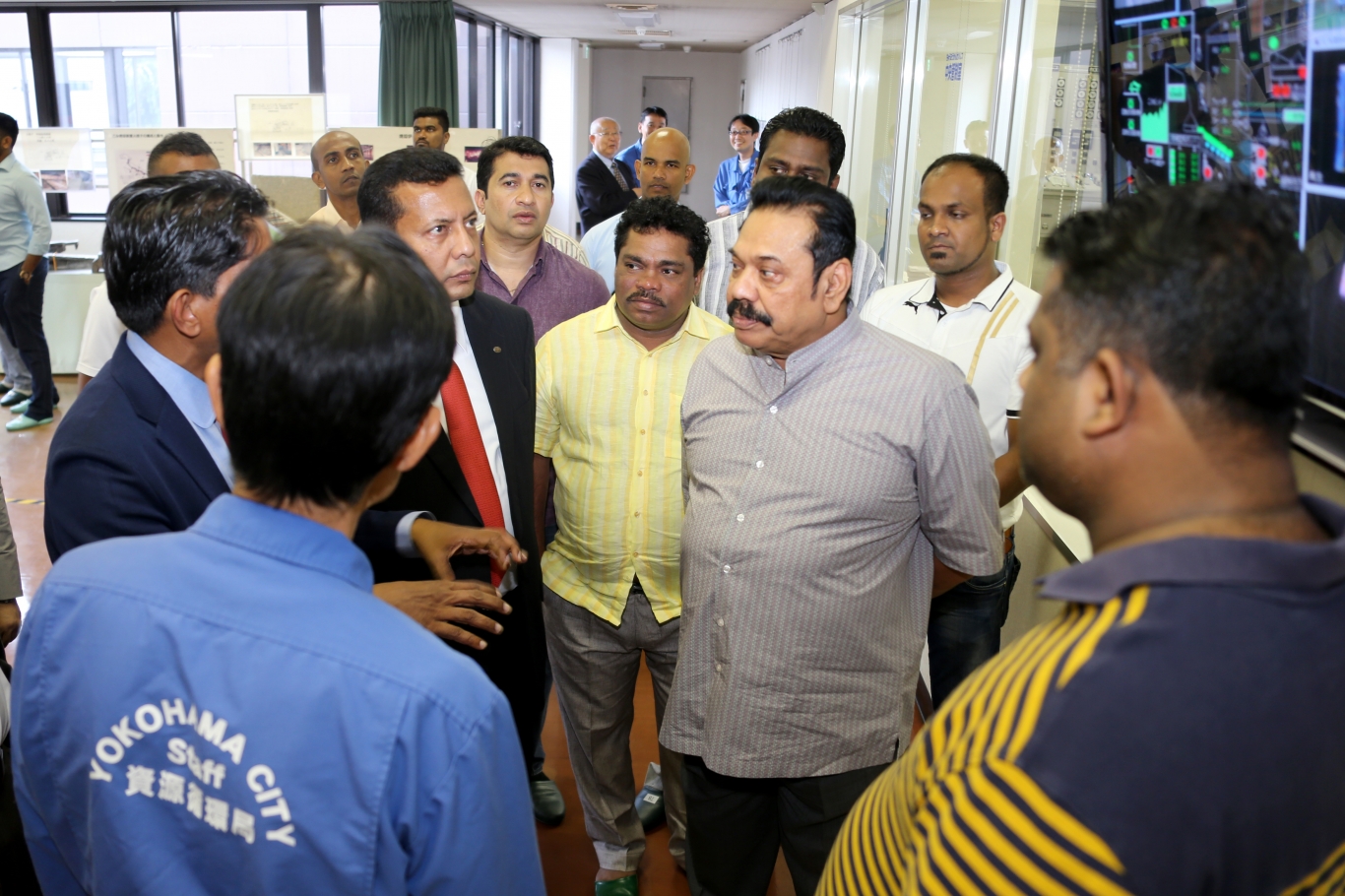
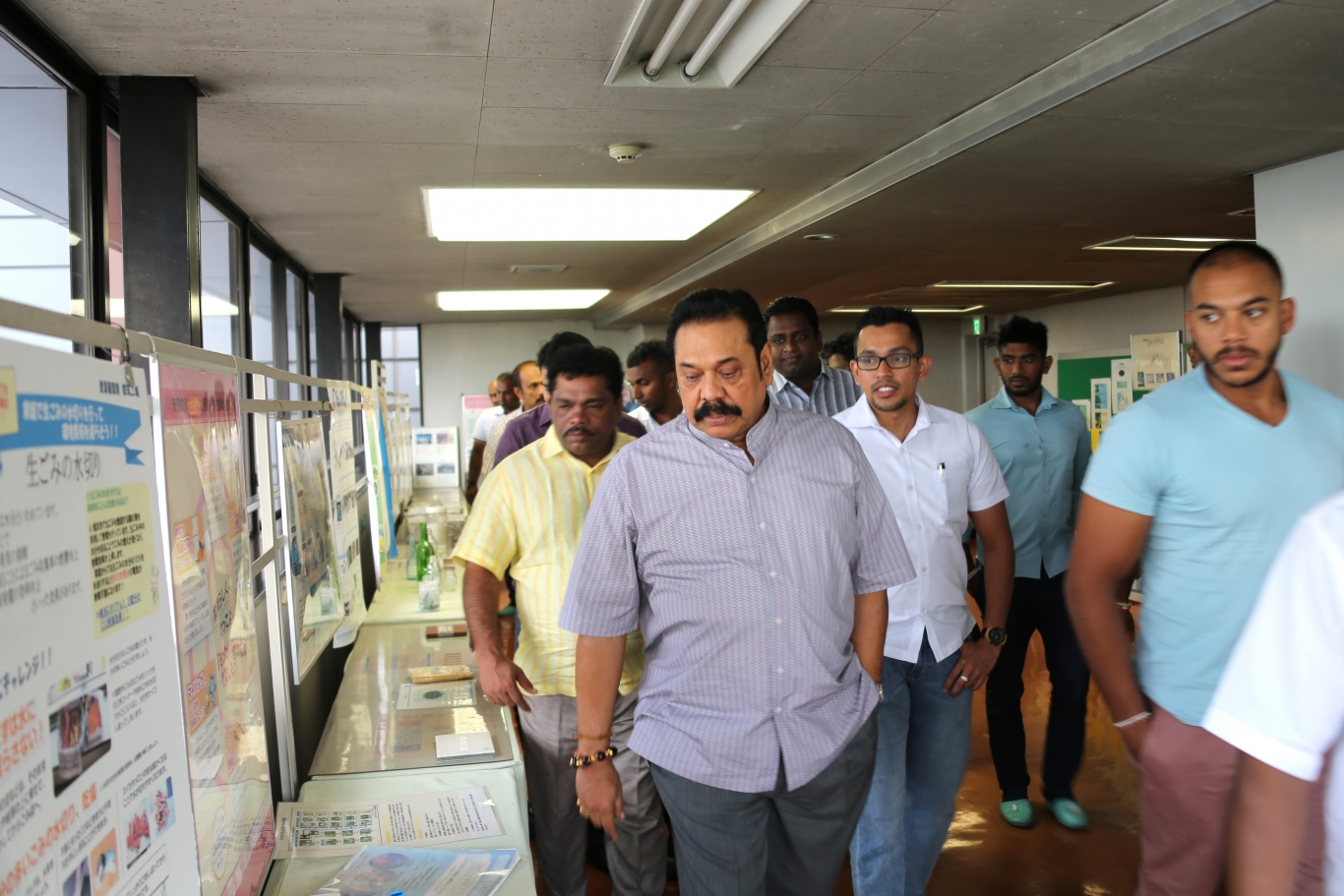
At Yakoomasa Tsuki Recycling Plant ...
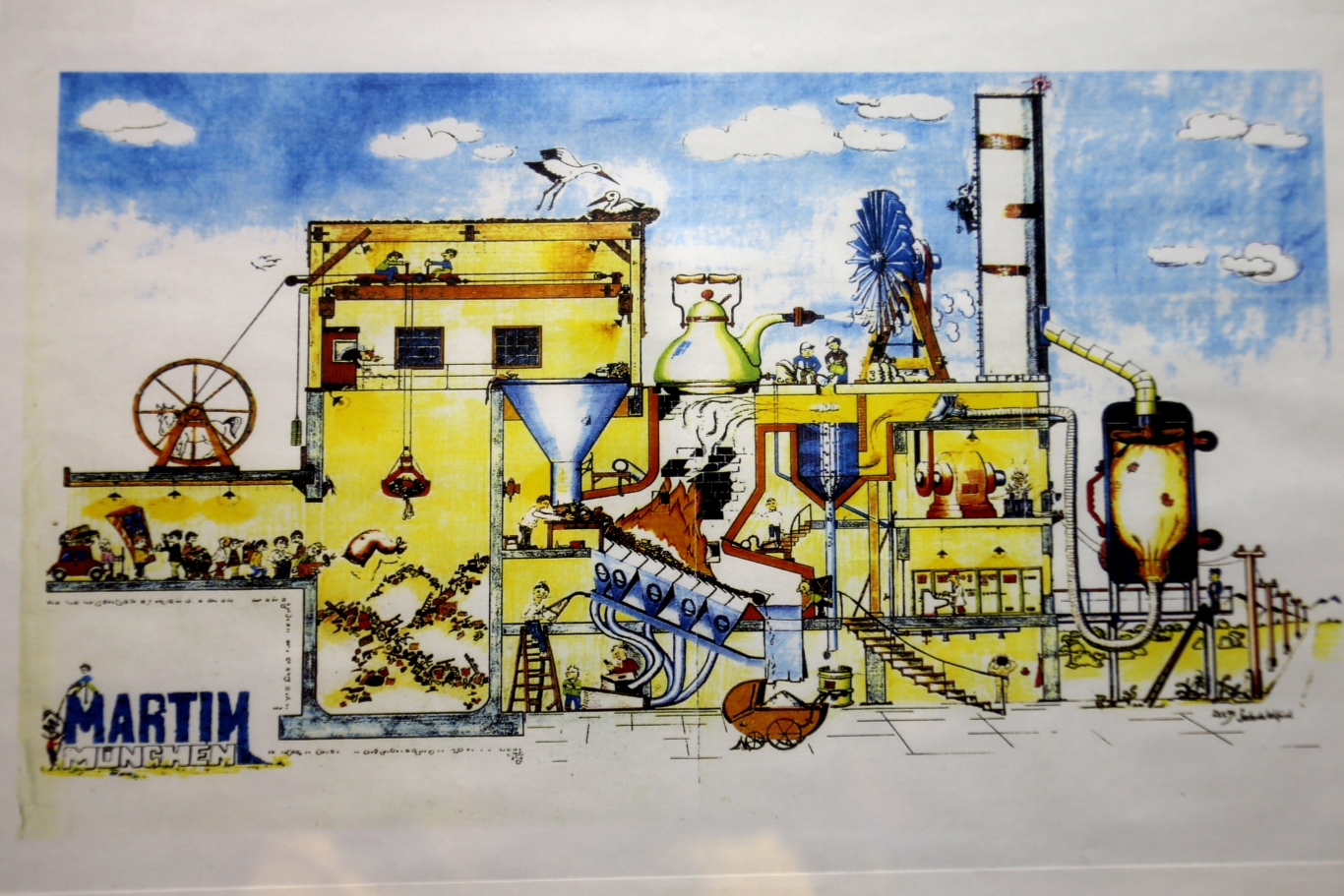
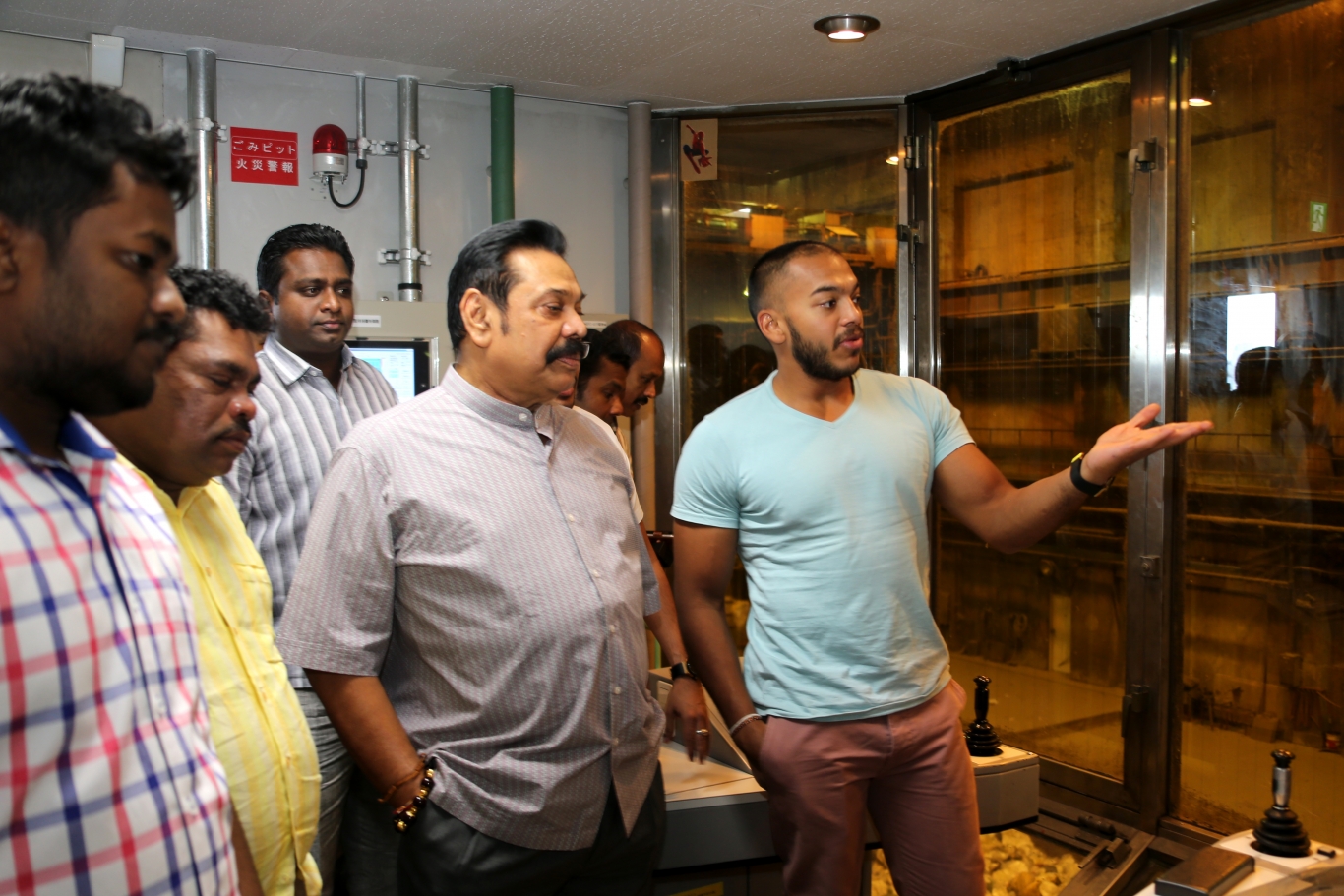
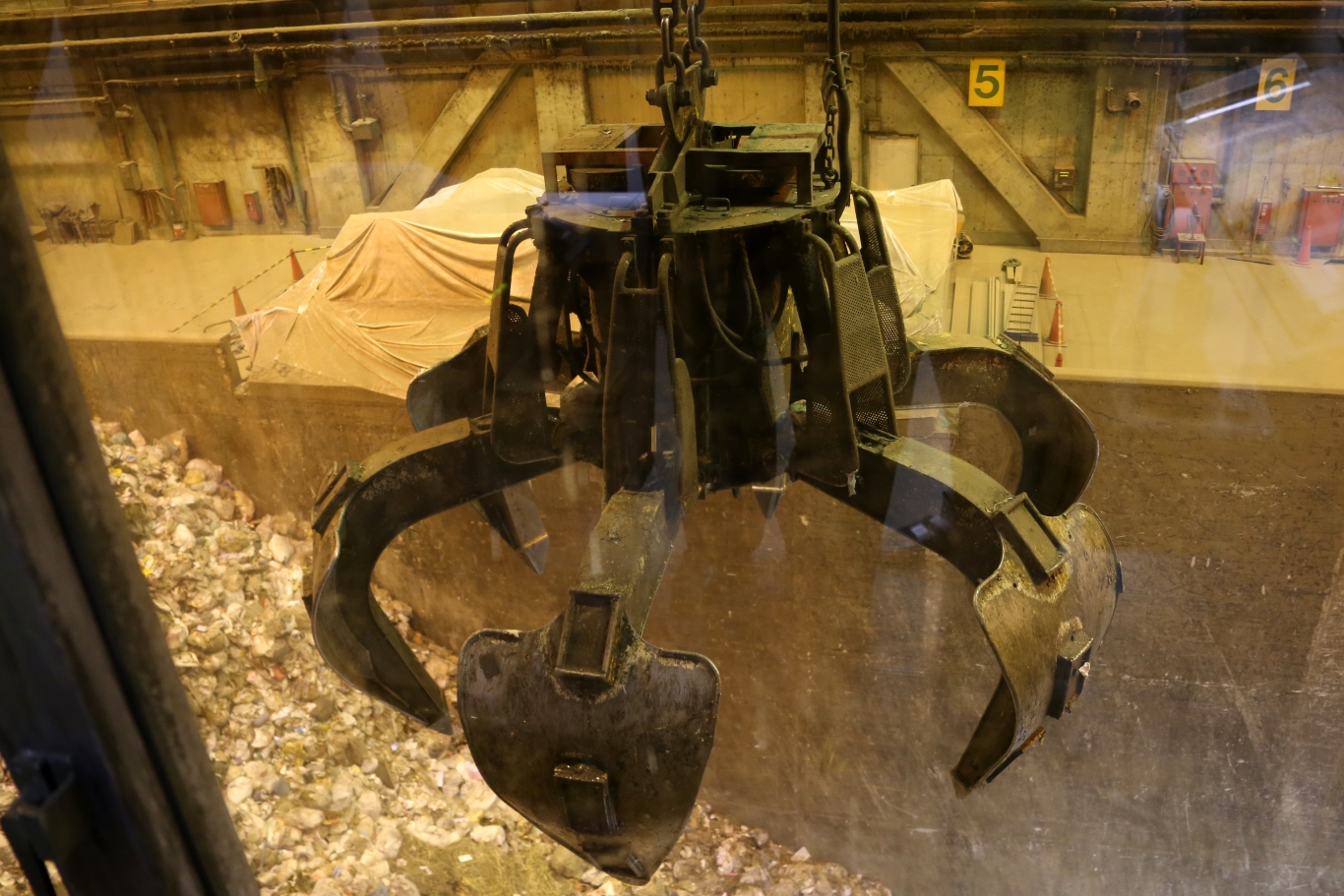
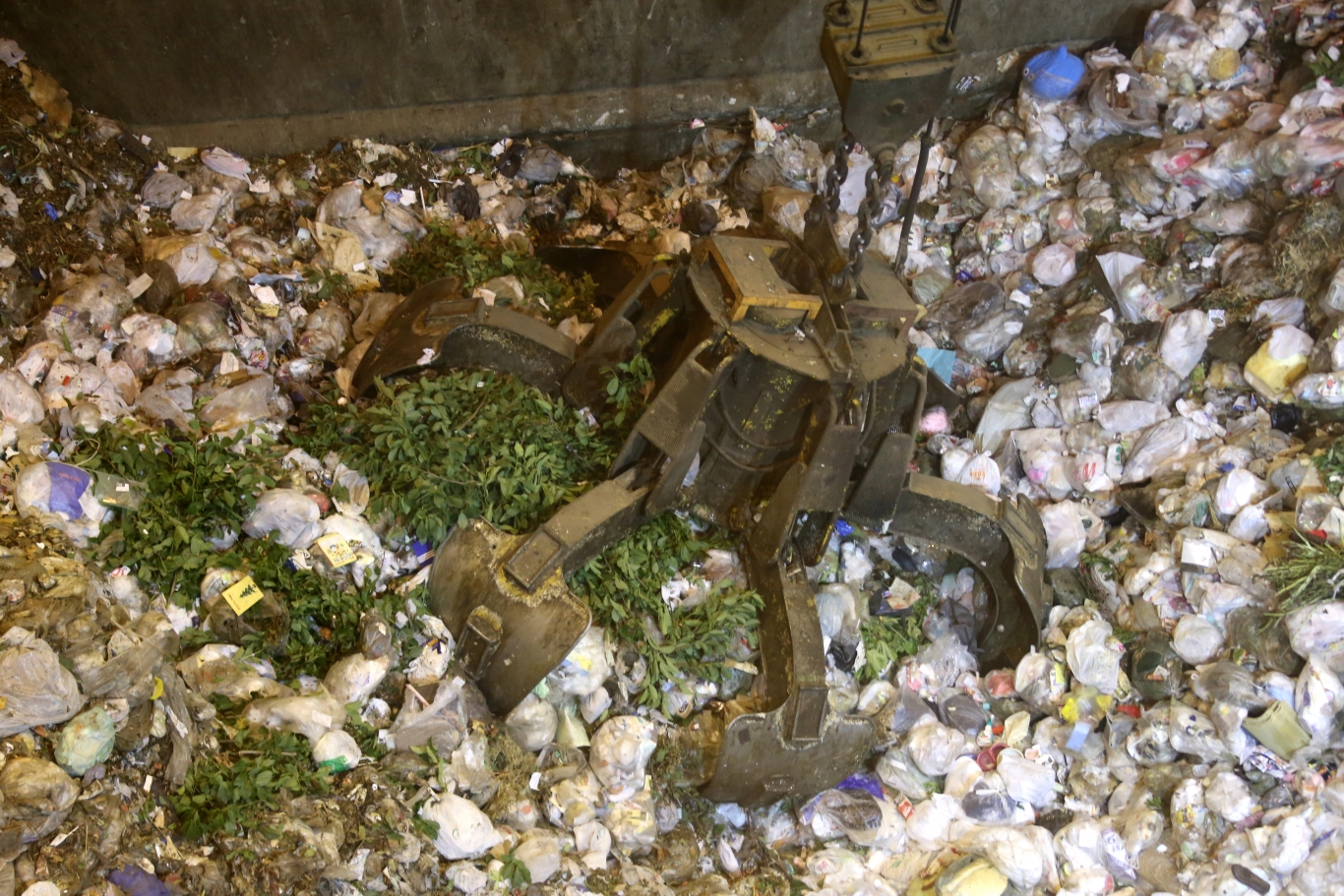
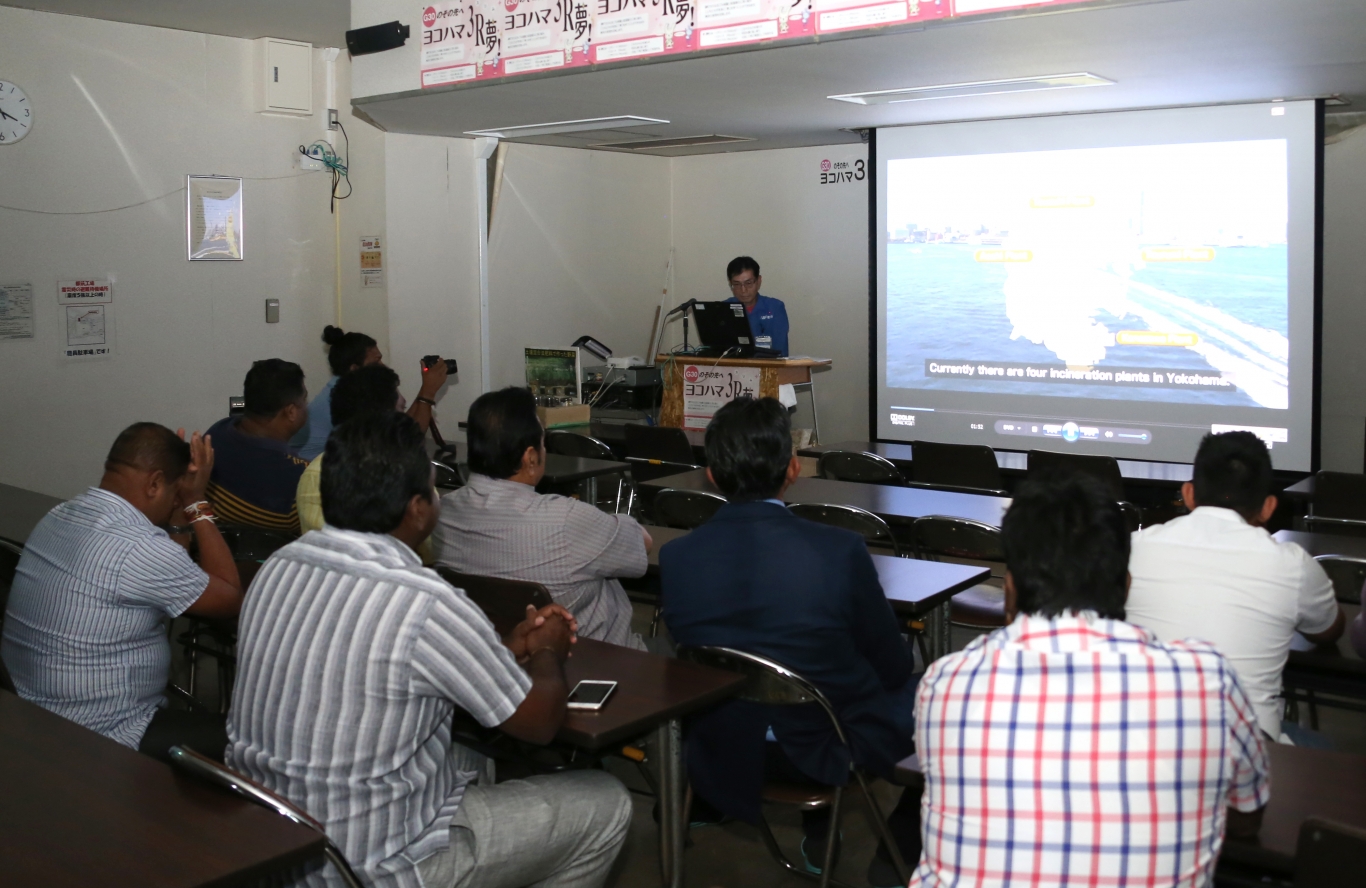
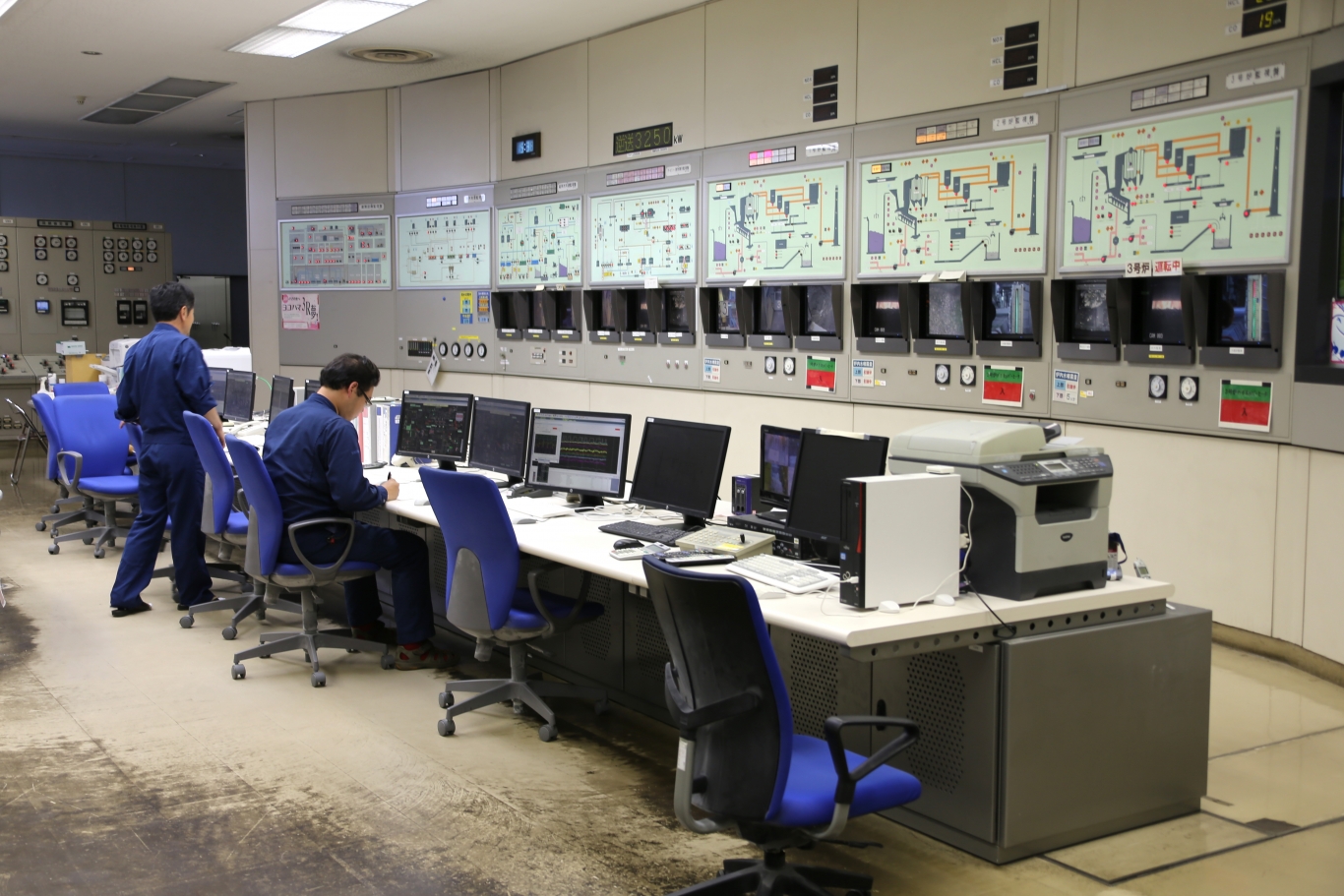
President Mahinda Rajapaksa intervened to find a solution to the problem of rubbish in Sri Lanka during his tour of Japan to study the drug recycling project in Yokohama, Turkey.

Coming to Japan’s Rama Dibie Vehicle Institute … ..
Former President Mahinda Rajapaksa arrived in Yokohama, Japan on June 5, on the invitation of the Chairman of the Rama Dibey Institute, Jagath Kamalakmana. Ramanayaka introduced his employees by giving his employees a clarification of his past and present history. He said that he would work with everyone in all aspects of his commitment to Japan, without any discrimination. He and his staff are very happy with the visit of President Rajapaksa to this place today and thanked the President for giving us an opportunity. Parliamentarian for Kalutara District Priyar Nishantha congratulated the President on behalf of the former President. All the visitors showed enthusiasm for the transfusions of the President, and in Japan, they were lunch there.
 

Related Images:

Former President’s visit to Japan 2

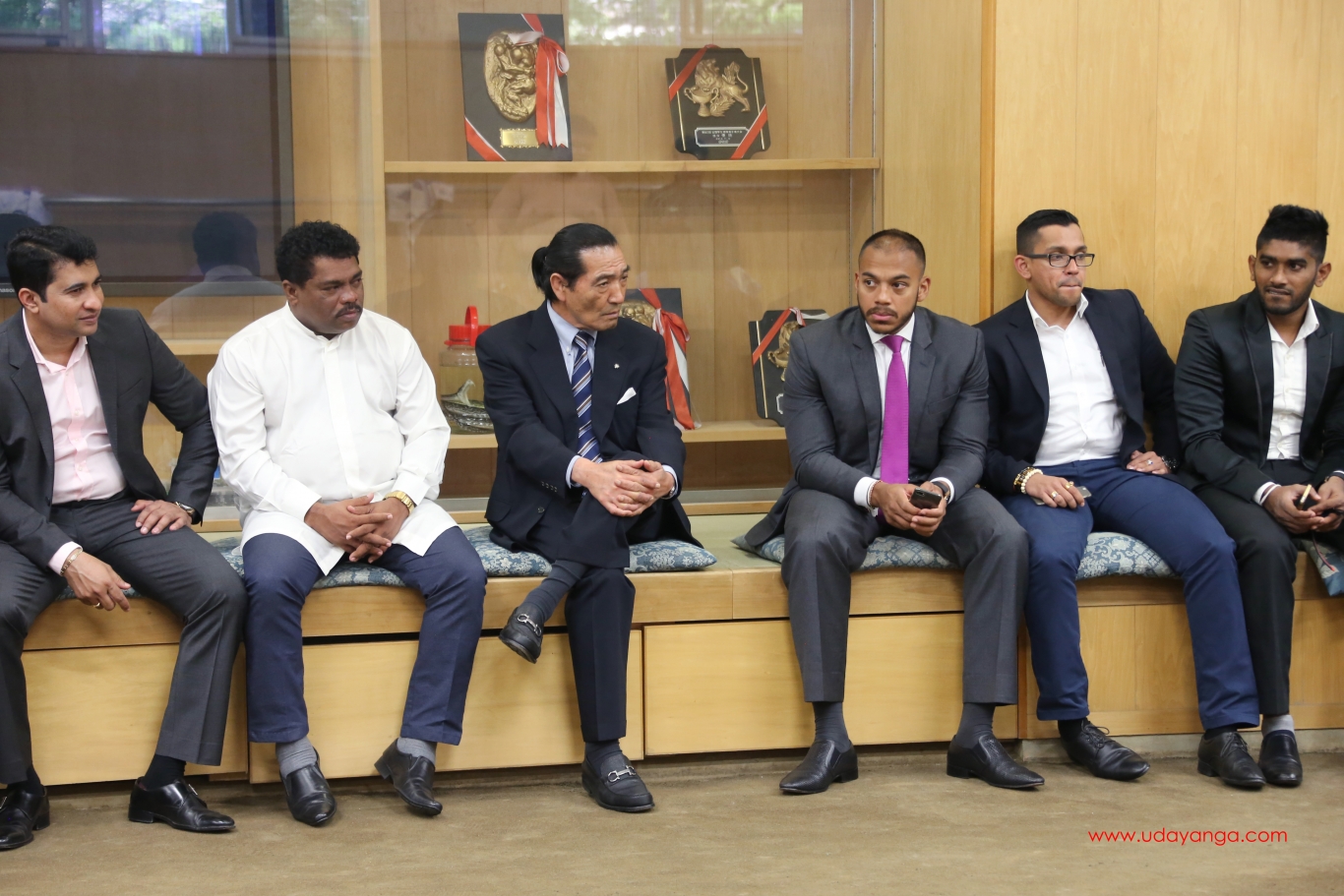
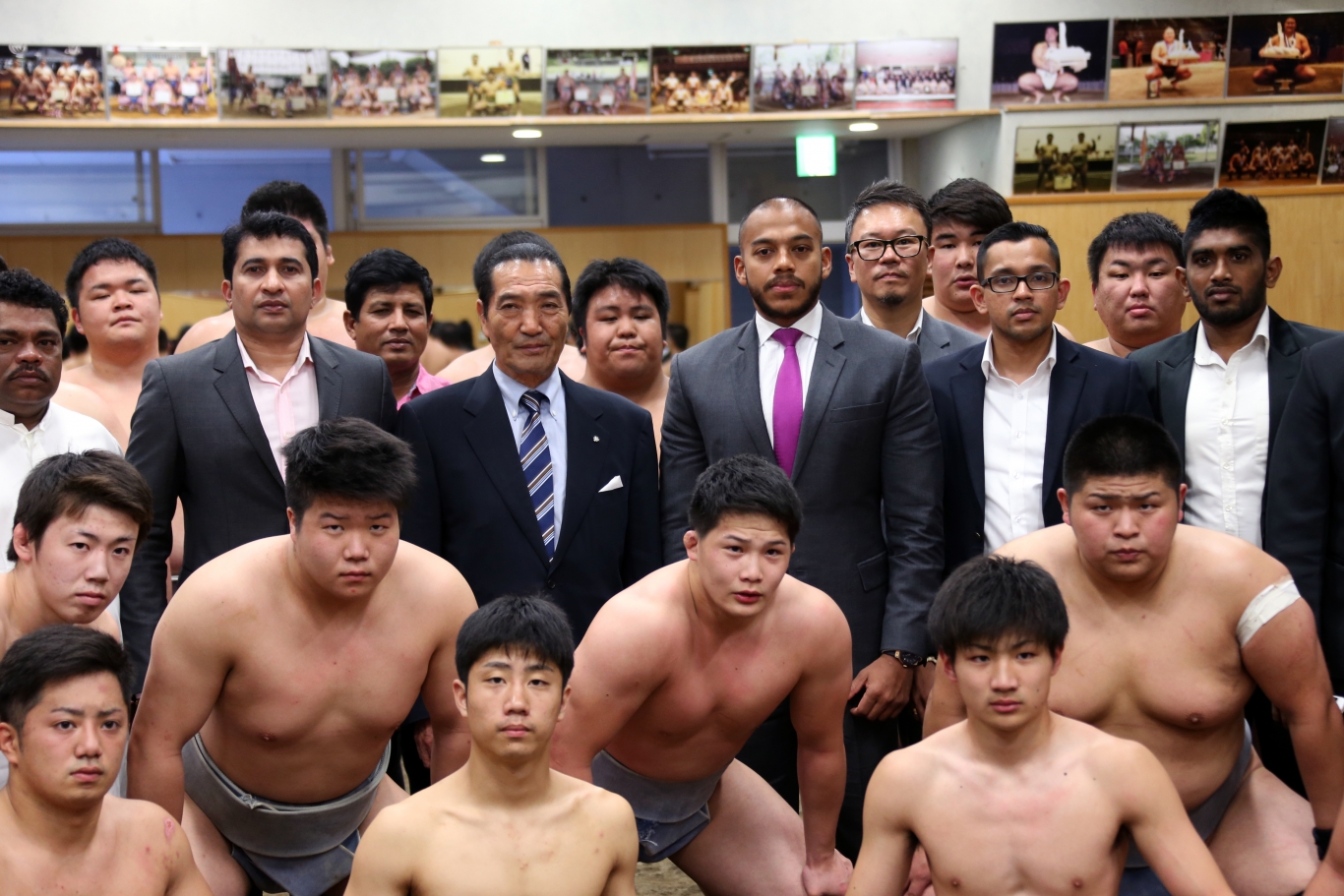
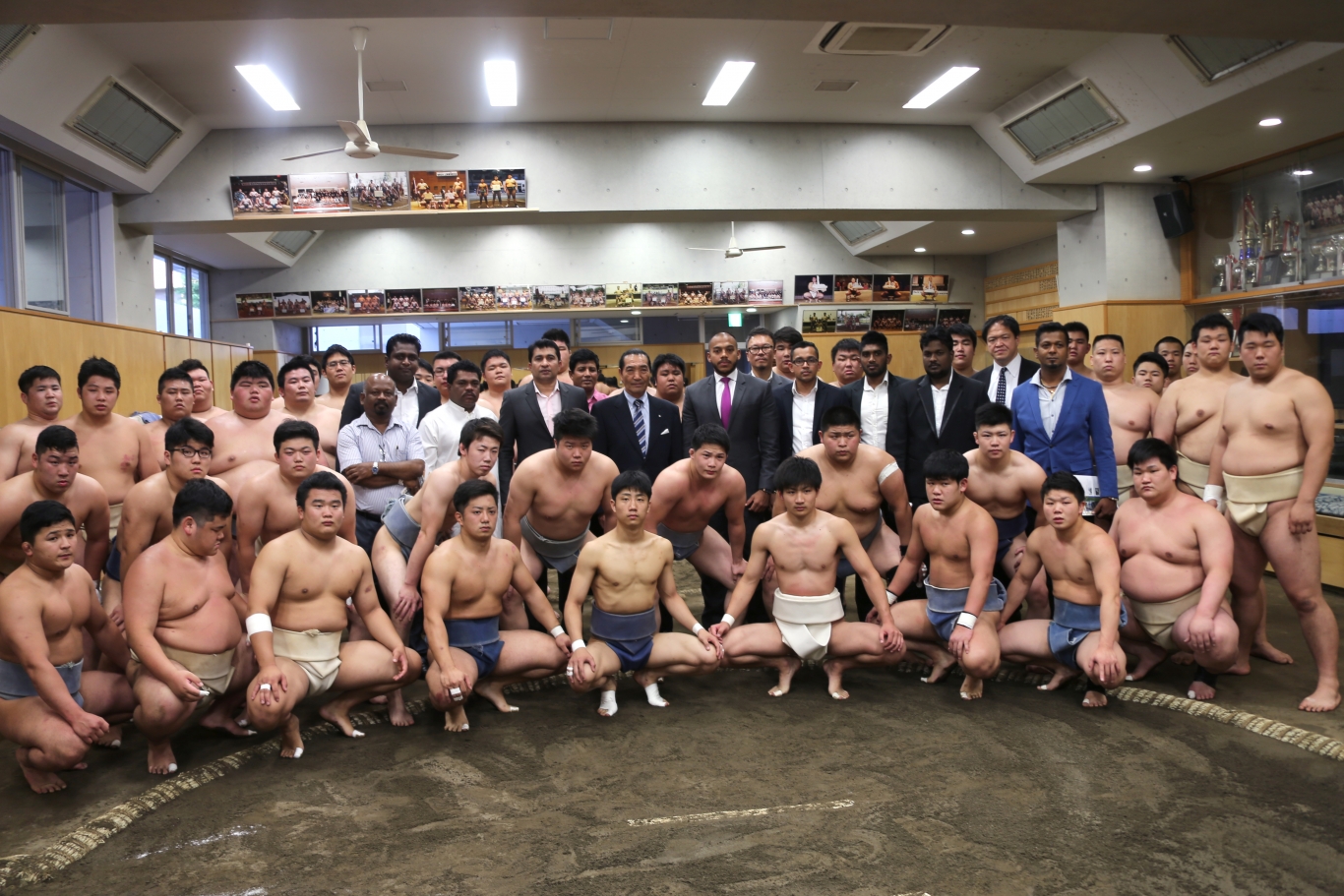
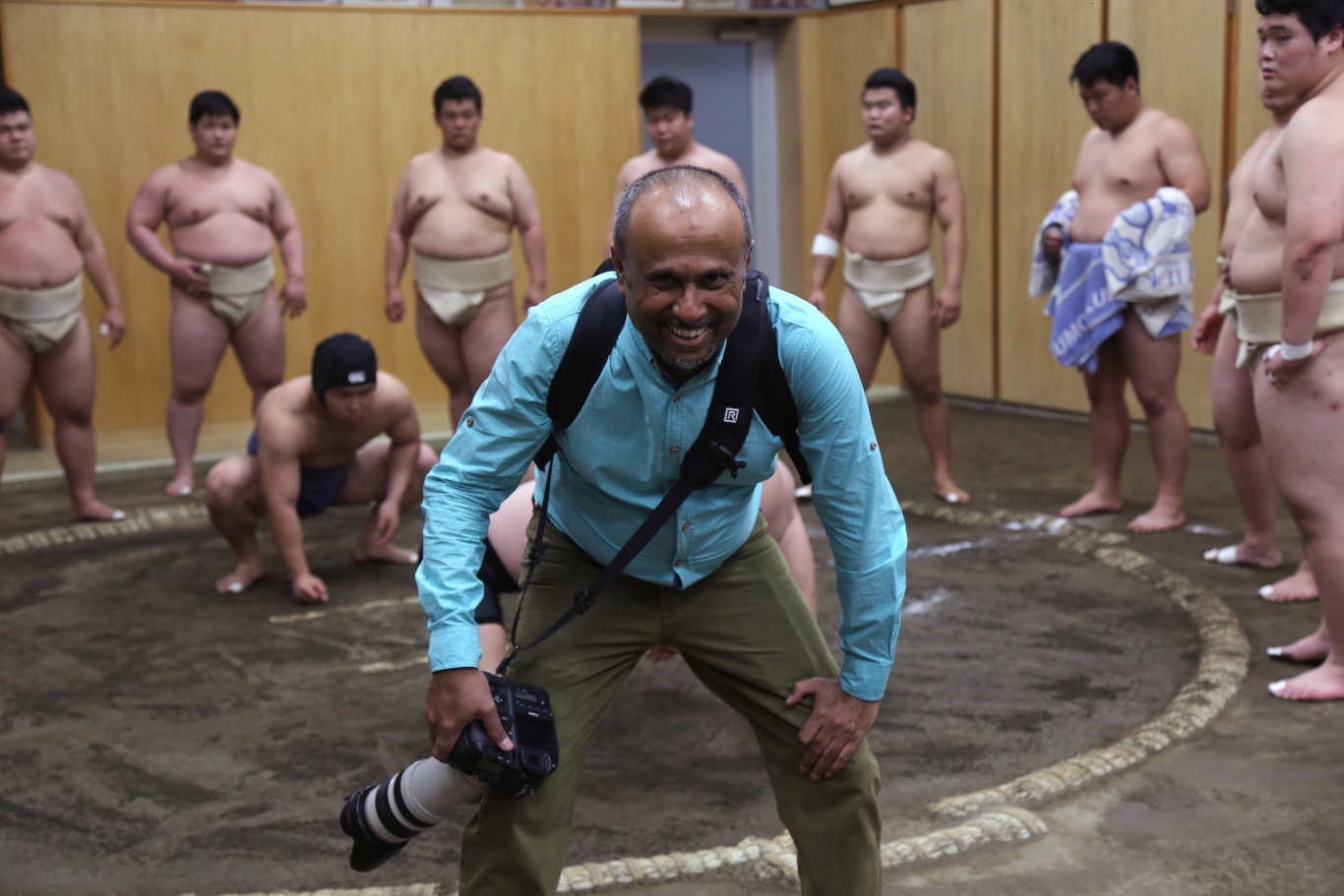
At the Tokyo Nippon Sports and Science University …
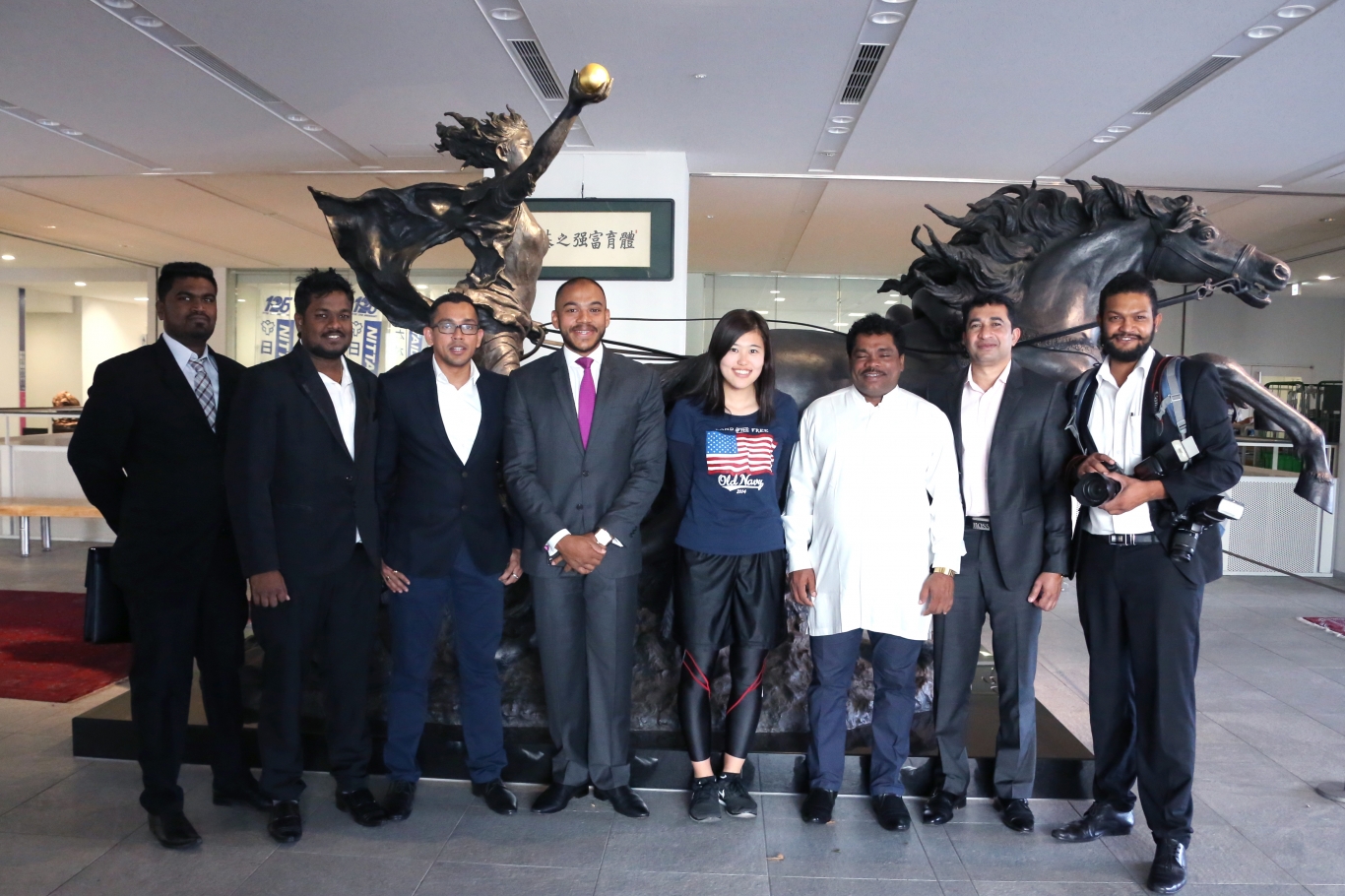
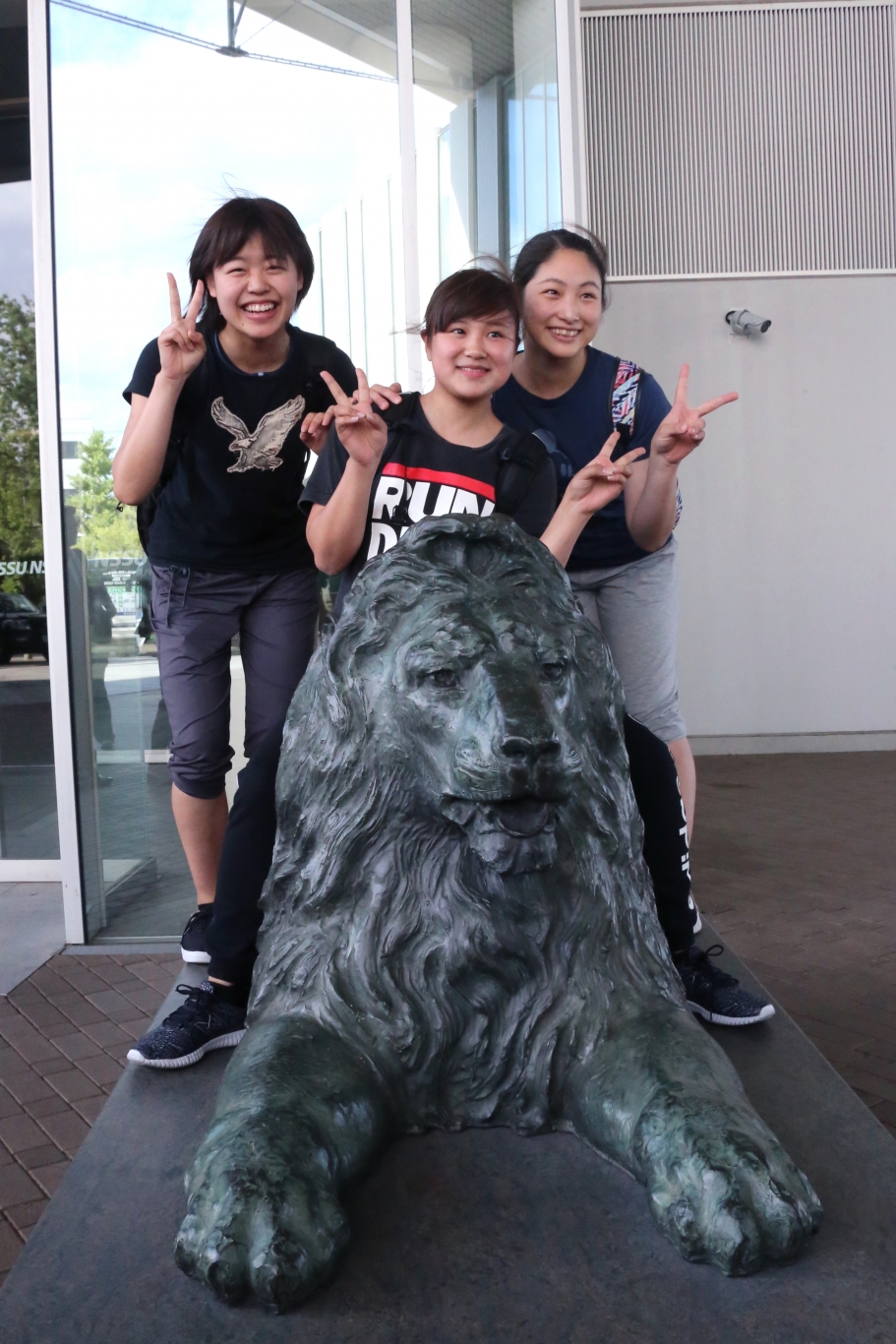
On the invitation of the Nippan Sport Science University which won 128 Olympic medals for the Olympic Games, MP Roshan Ranasinghe, Member of Parliament, Piyal Nishantha and Yoshitha Rajapakse visited the sports complex on June 2. arrived.
Kenshiro Matsunami, Chairman of this university, also held a special discussion. The chancellor added that he was ready to extend the support of the University of Japan for the development of sports in Sri Lanka.

They were even encouraged by the Lankans who came to Japan’s “Ceylon In” restaurant.
It is from Mahinda’s real habit ever that he appreciated the big bag of the Sri Lankans always. President Mahinda Rajapaksa arrived at the Ceylon’s cafeteria that provides delicious meals to the Sri Lankan system in Japan. All the family members are delighted with Mahinda’s arrival at the venue and thanked the president for giving him an opportunity for us. All were received briefly in the “Mahinda Sathyagraha” for Jayantha Hettiarachchi. Even the Japanese were even eating the Sri Lankan system while they were portrayed by the President with the President. Then, on a voluntary basis, President Rajapaksa congratulated them on the wall, praising them at the invitation of the “Ceylon In” restaurant as a pamphlet.

Related Images:

Former President’s visit to Japan 1

Former President for Tokyo Airport …
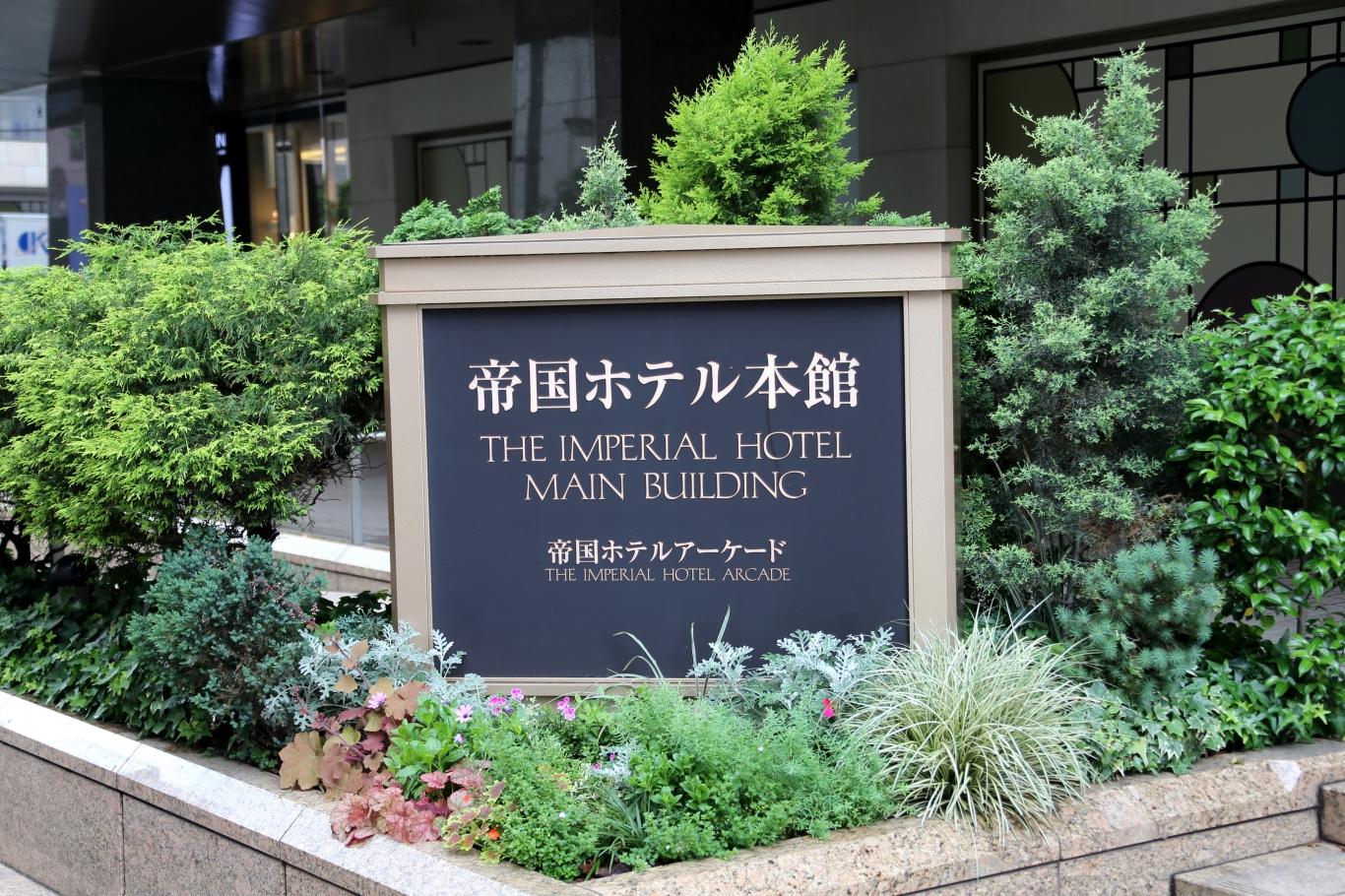
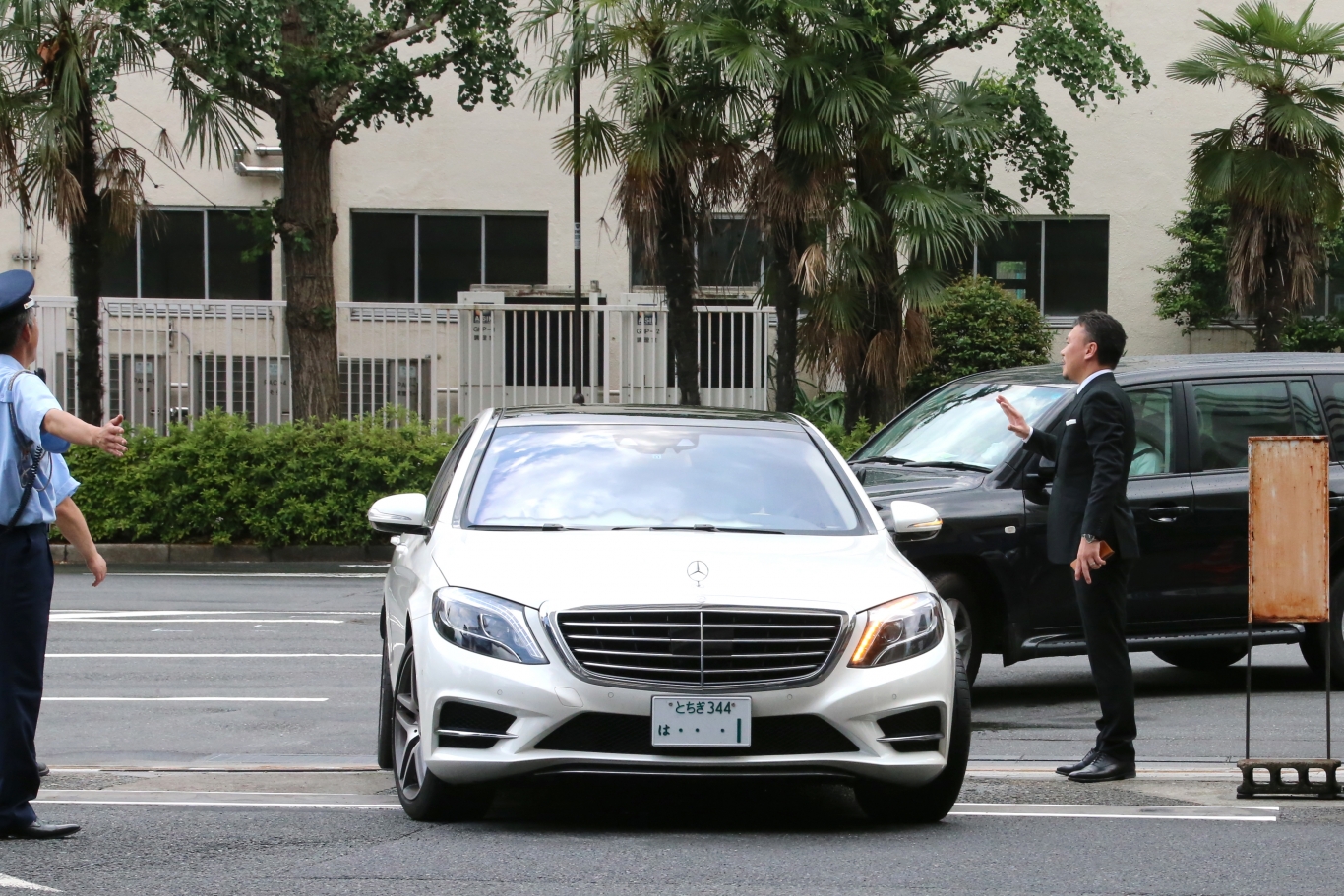
On April 1, 2017, President Mahinda Rajapaksa, the President of Sri Lanka and the President of Sri Lanka, arrived at Narita International Airport with an A330 type Sri Lankan airliner. President Mahinda Rajapaksa and the Sri Lankan delegation were welcomed by the Sri Lankan community in Japan, headed by officials of the Ministry of Foreign Affairs and Trade and the Ministry of Finance of Japan. Then the angel left for the Tokyo Imperial Hotel.
The Japanese invite the Japanese and Sri Lankan friendships to celebrate 66 years of diplomatic relations with the sacred Jaya Sri Bodhisvath of the Vihara Sri Maha Bodhi in Yakkha area in the evening of June 3.

Today we welcome you as an exemplary leader, not the former president – Toshirohiro Nikaya
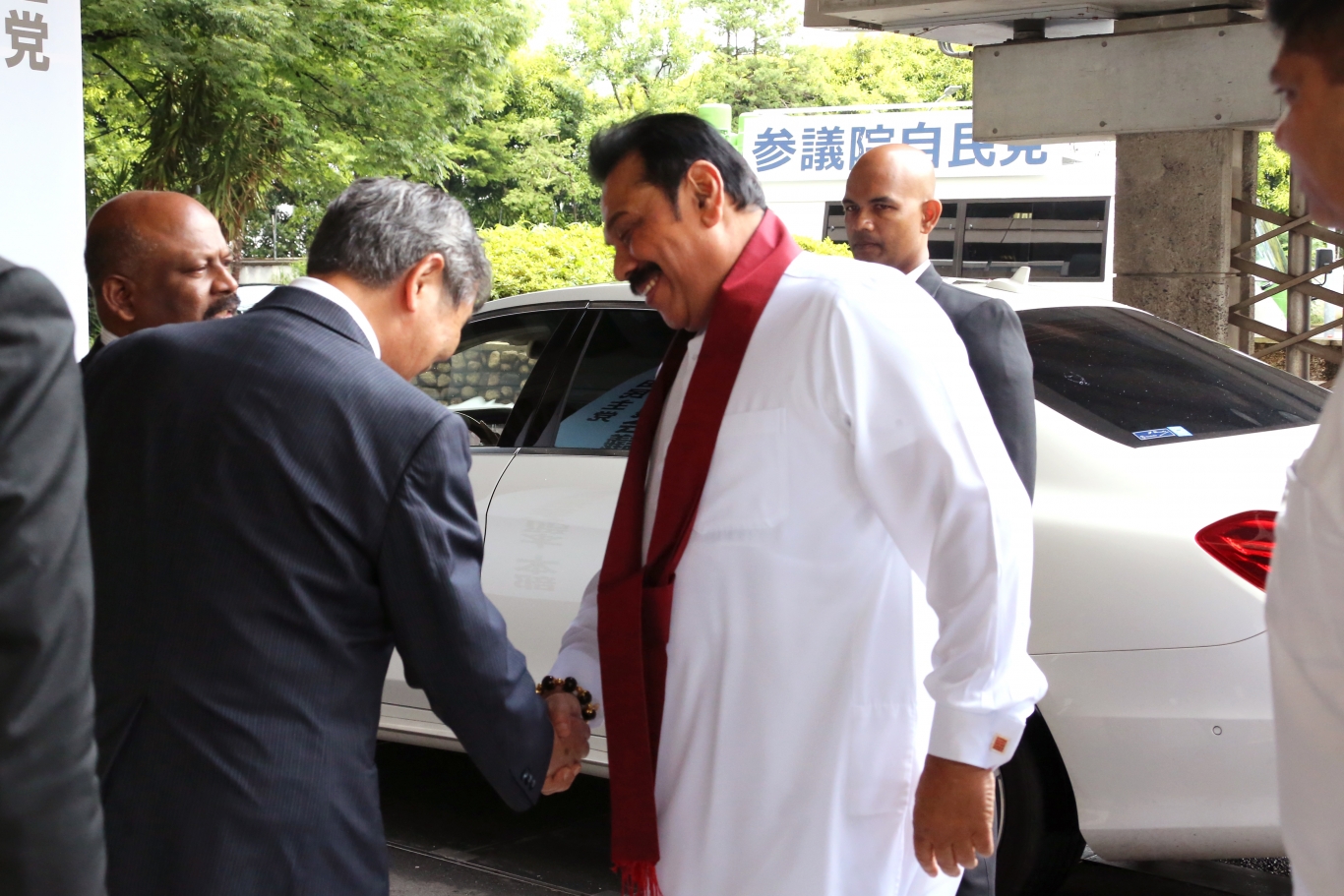
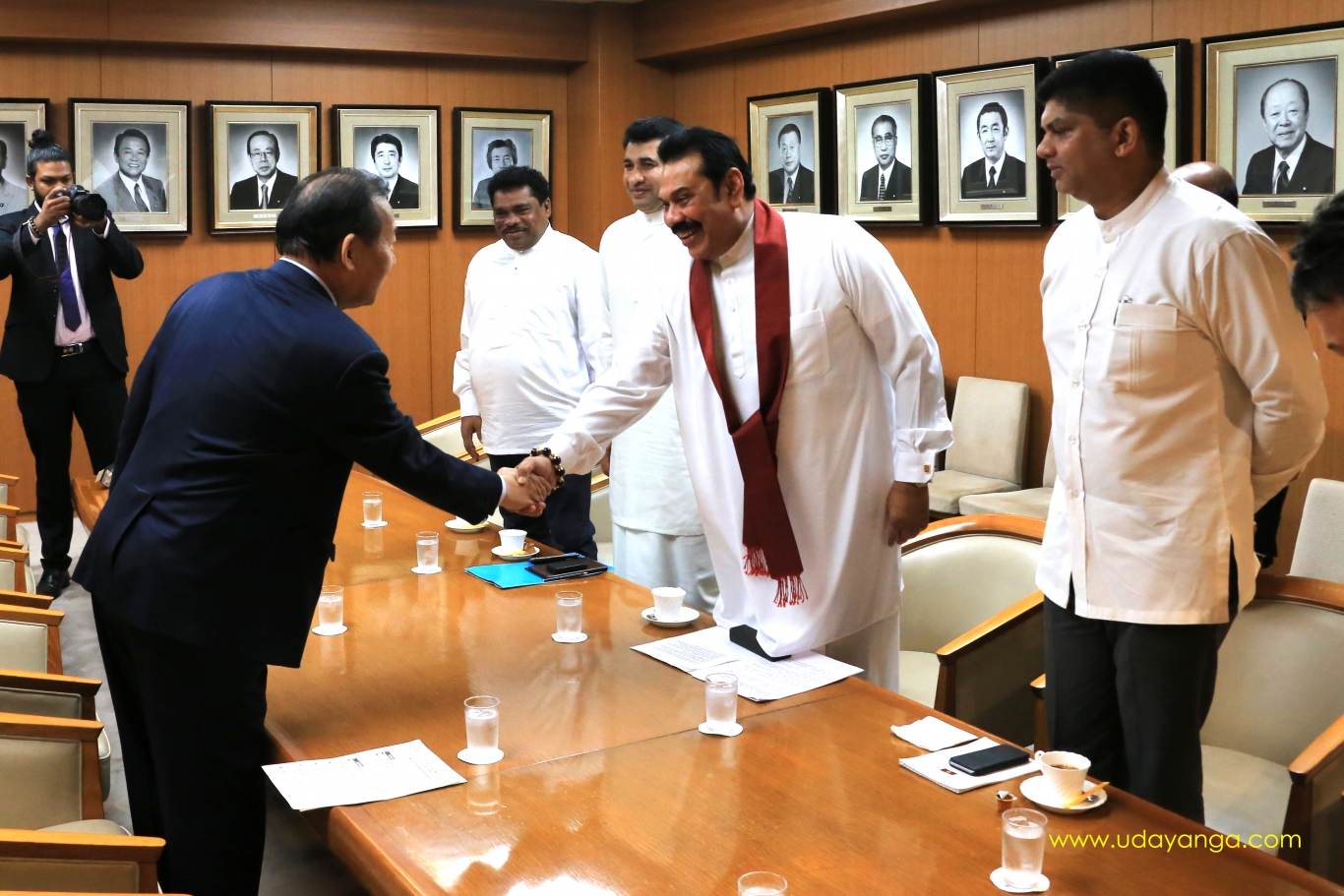
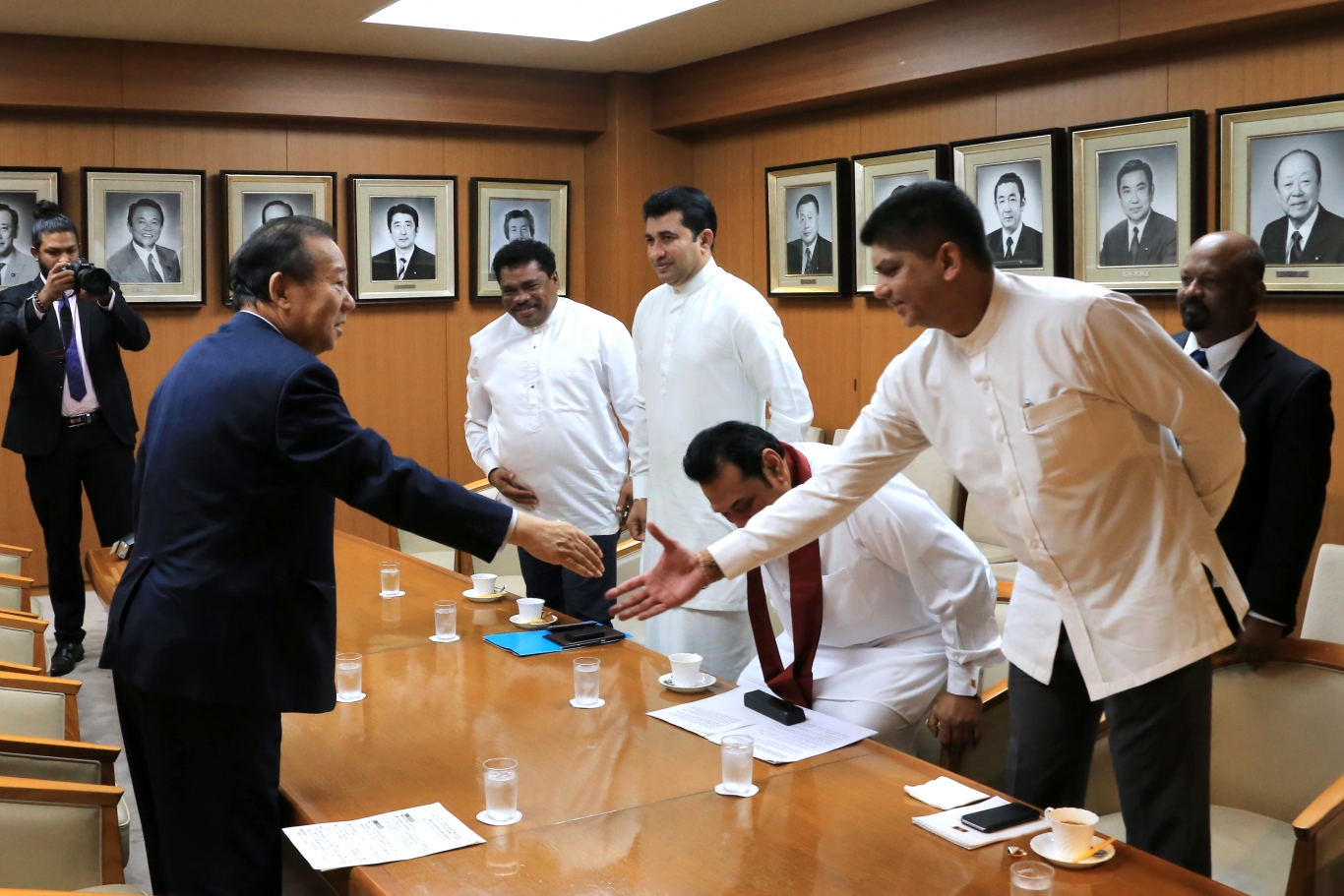
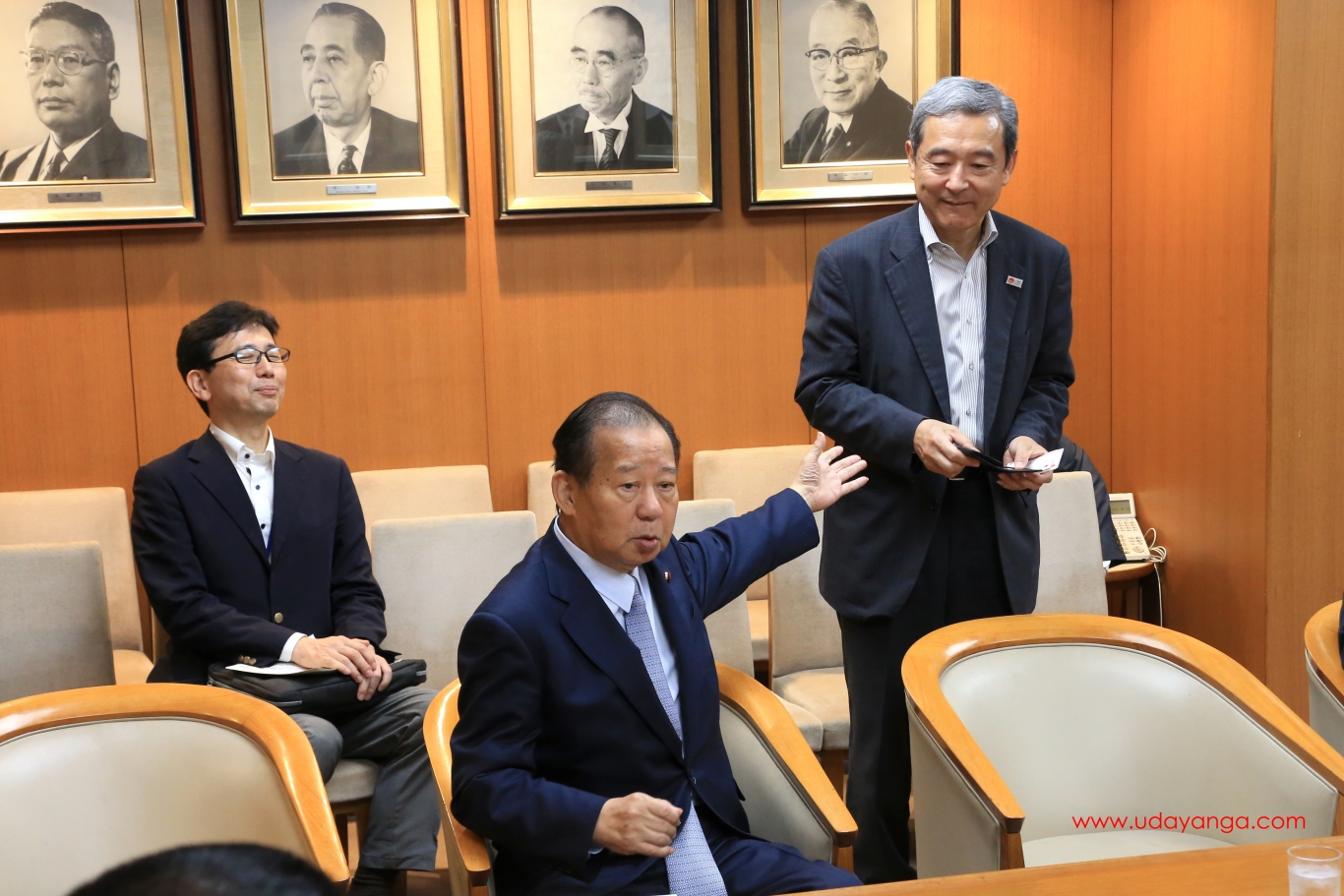
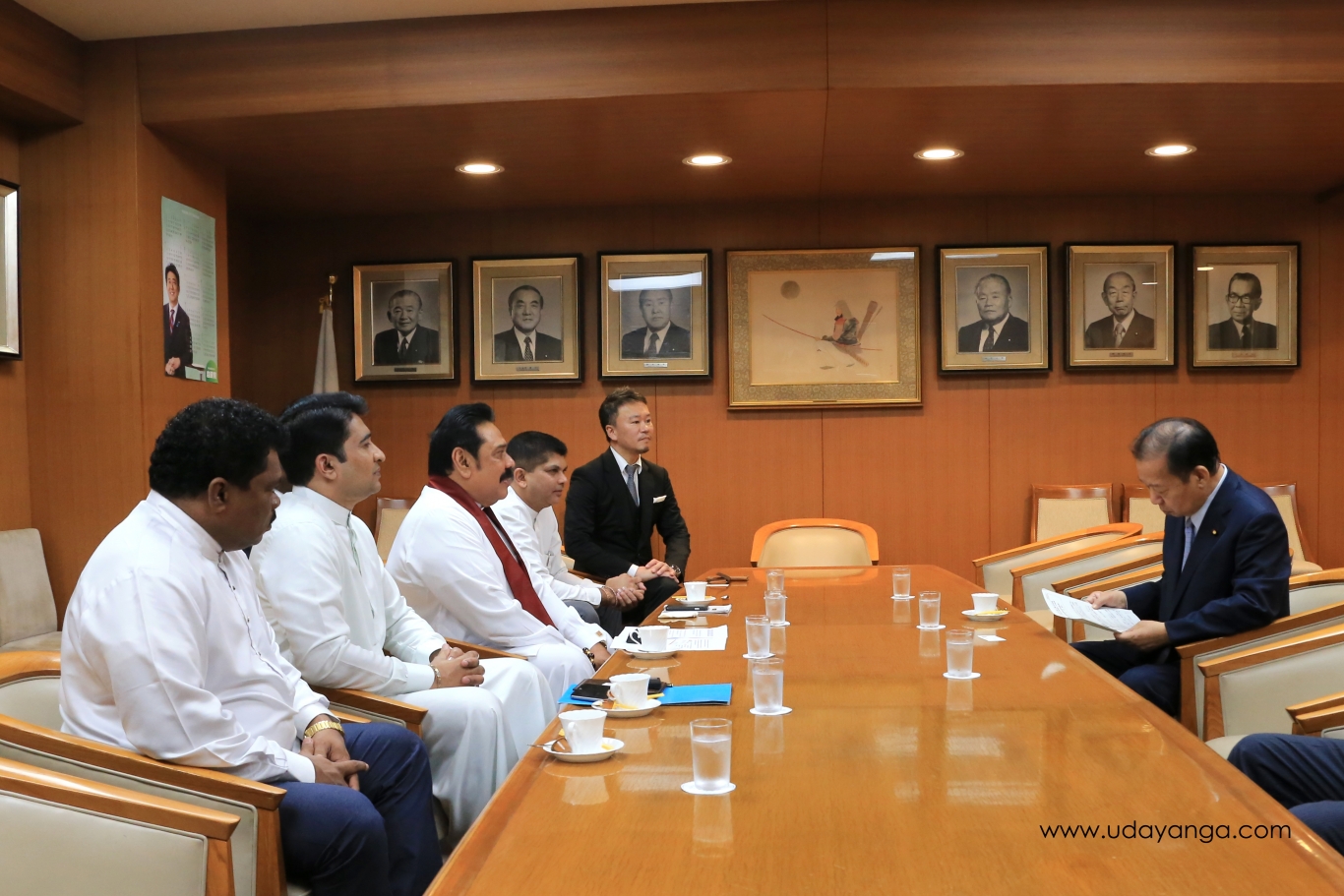
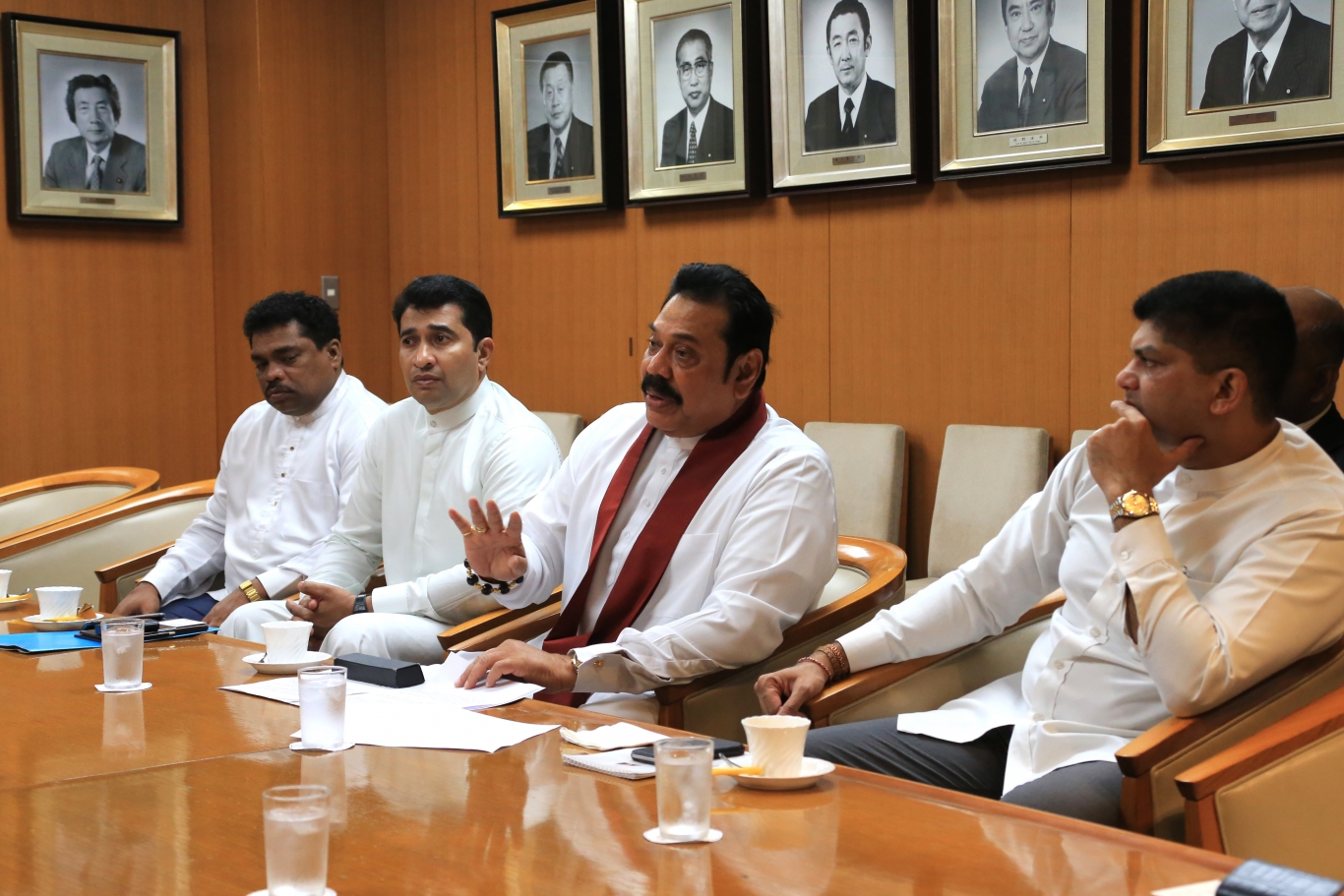
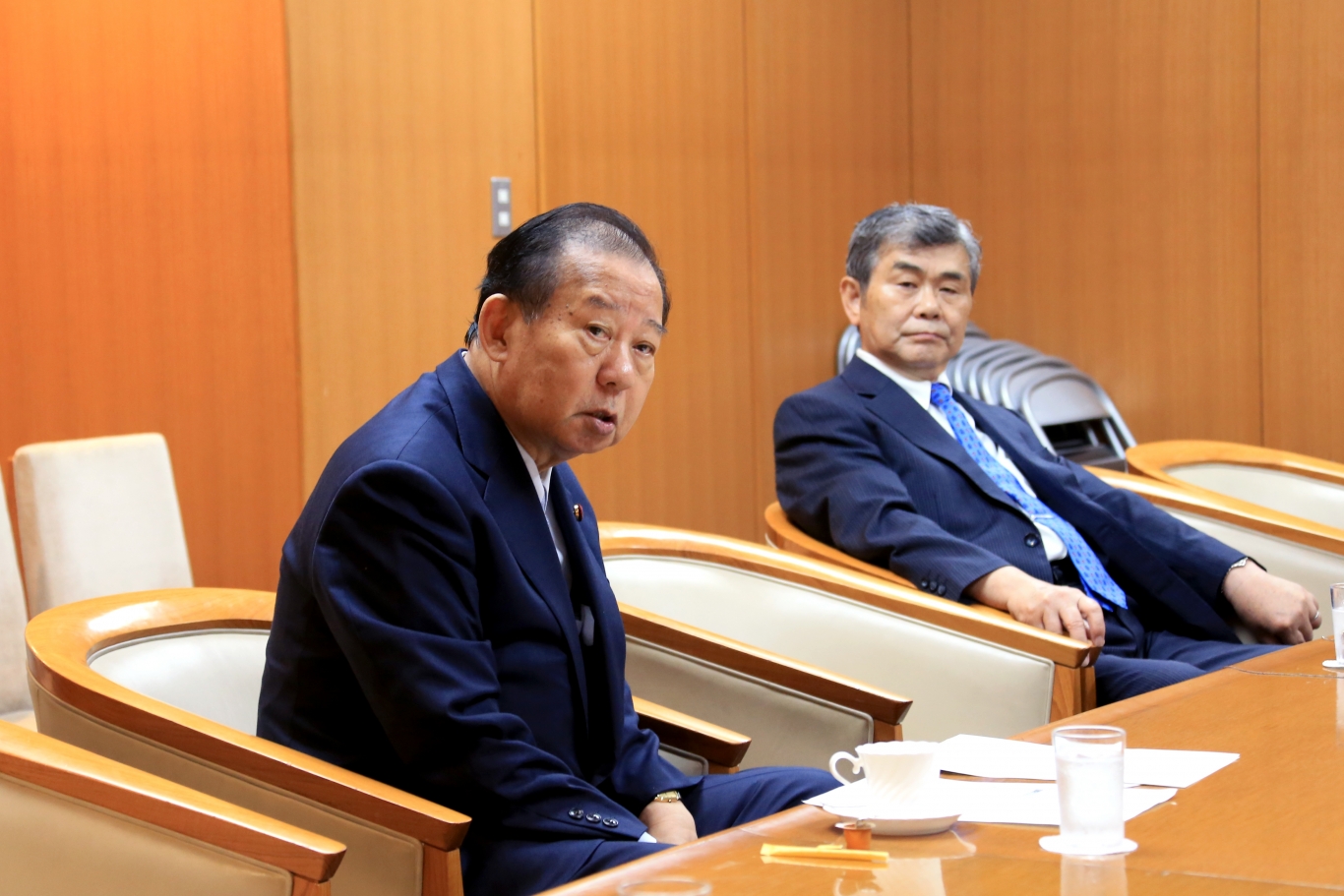
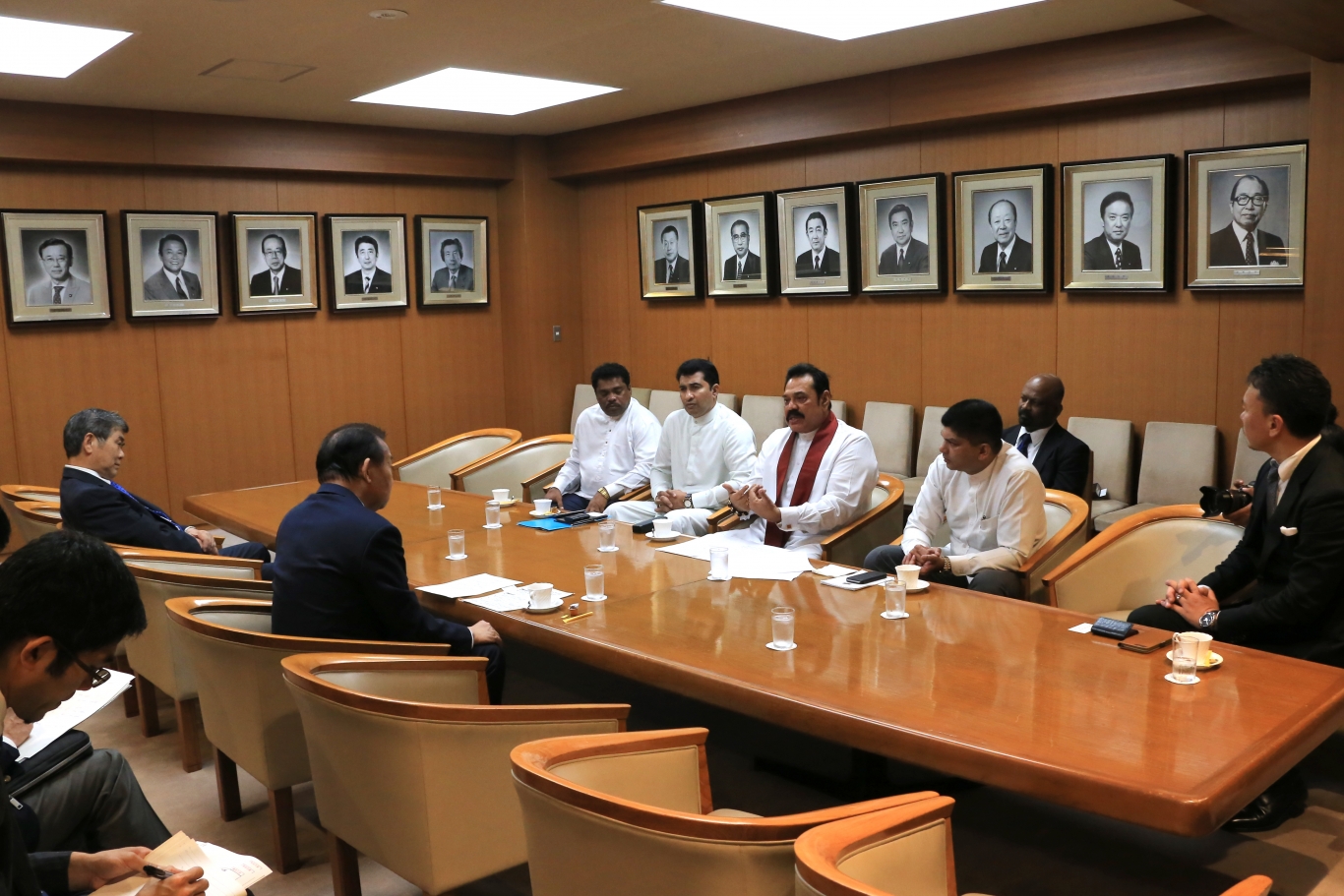
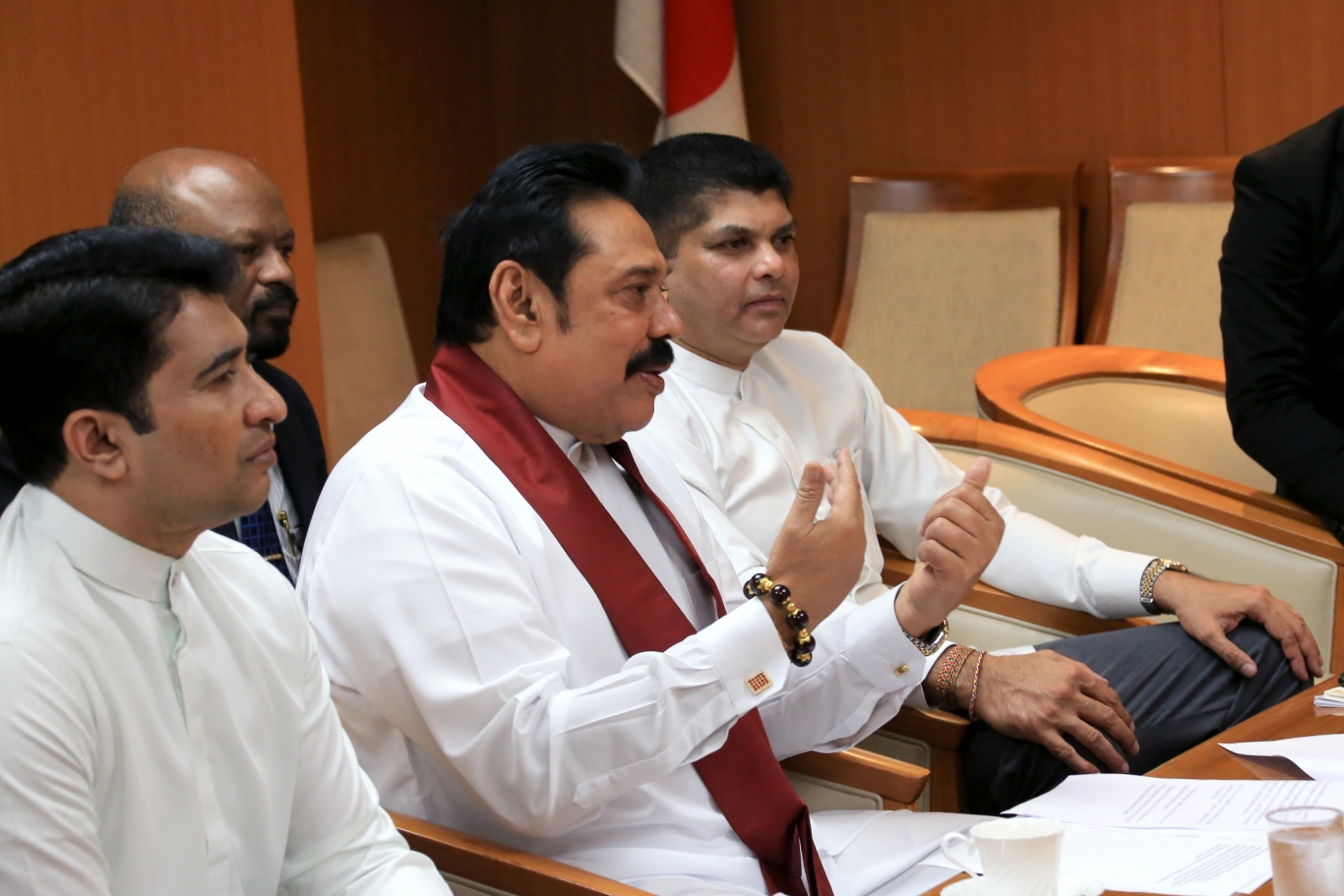
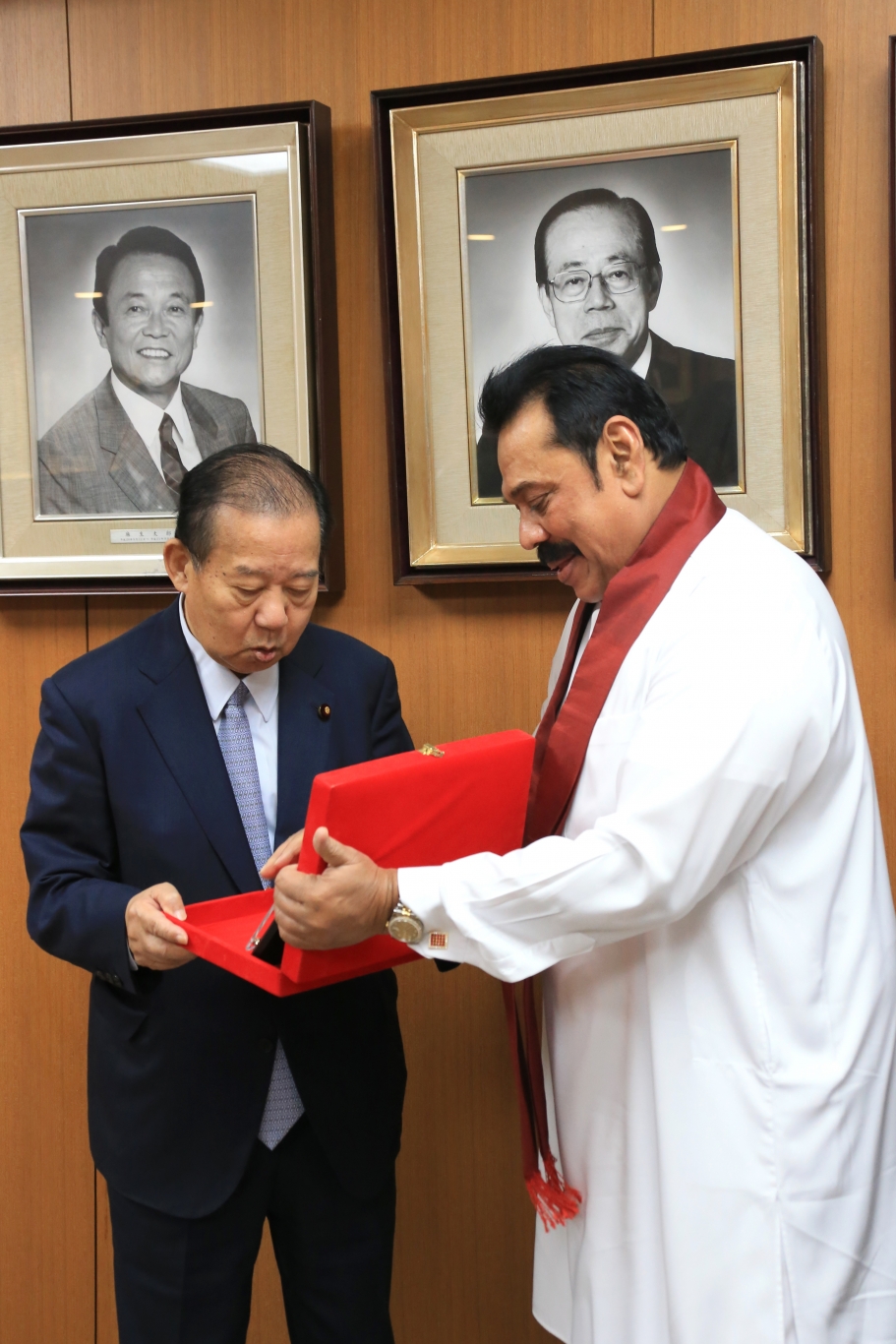
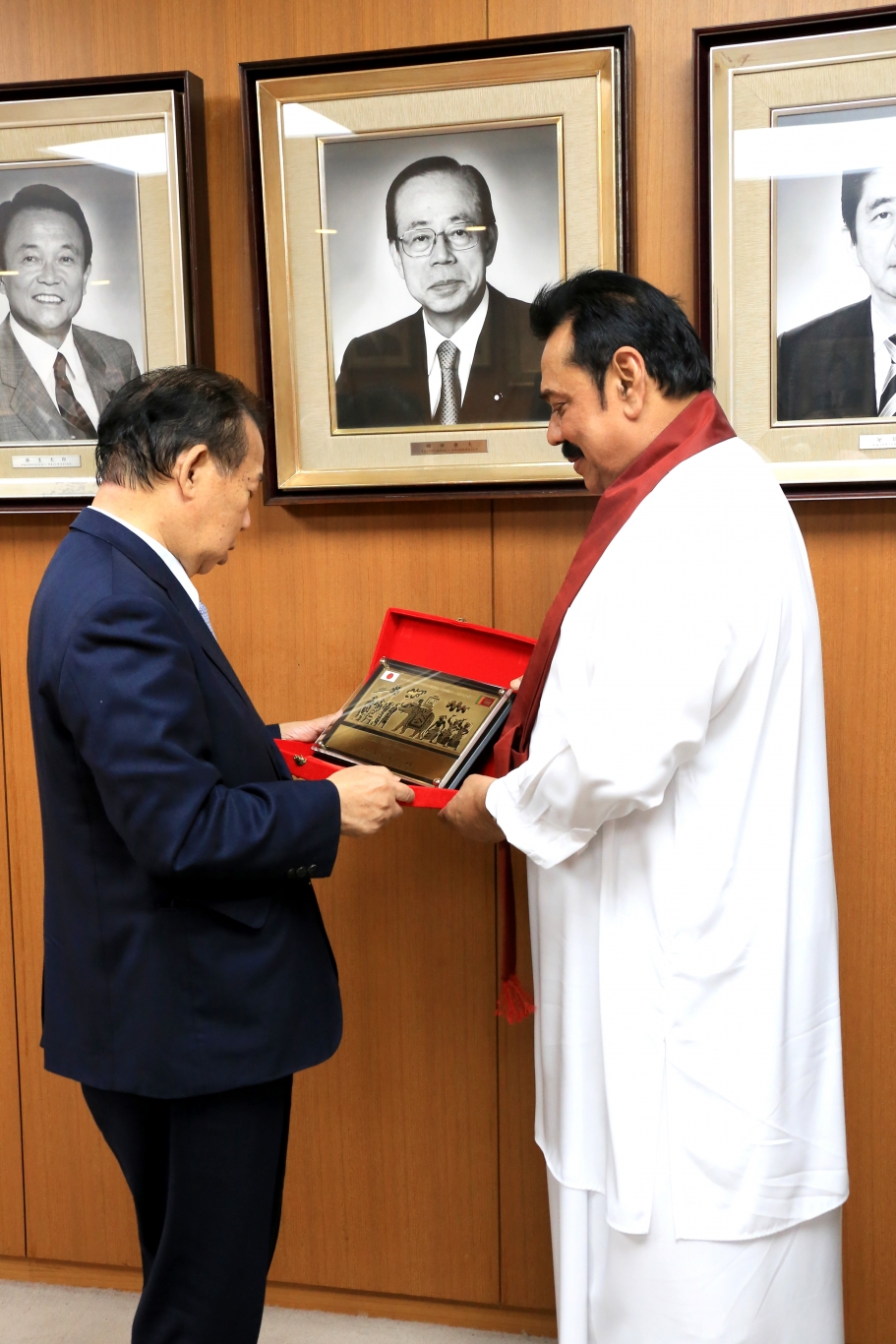
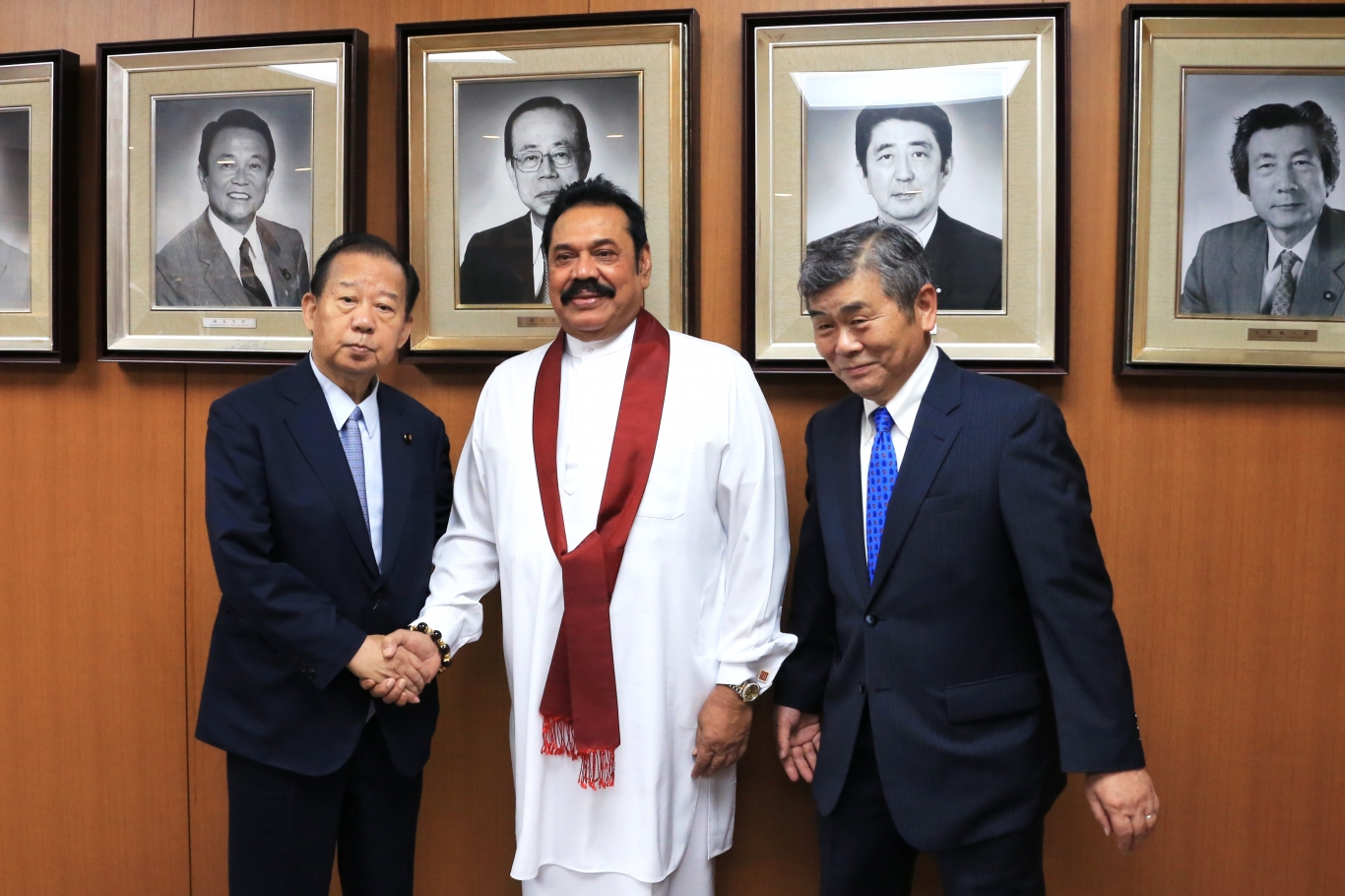
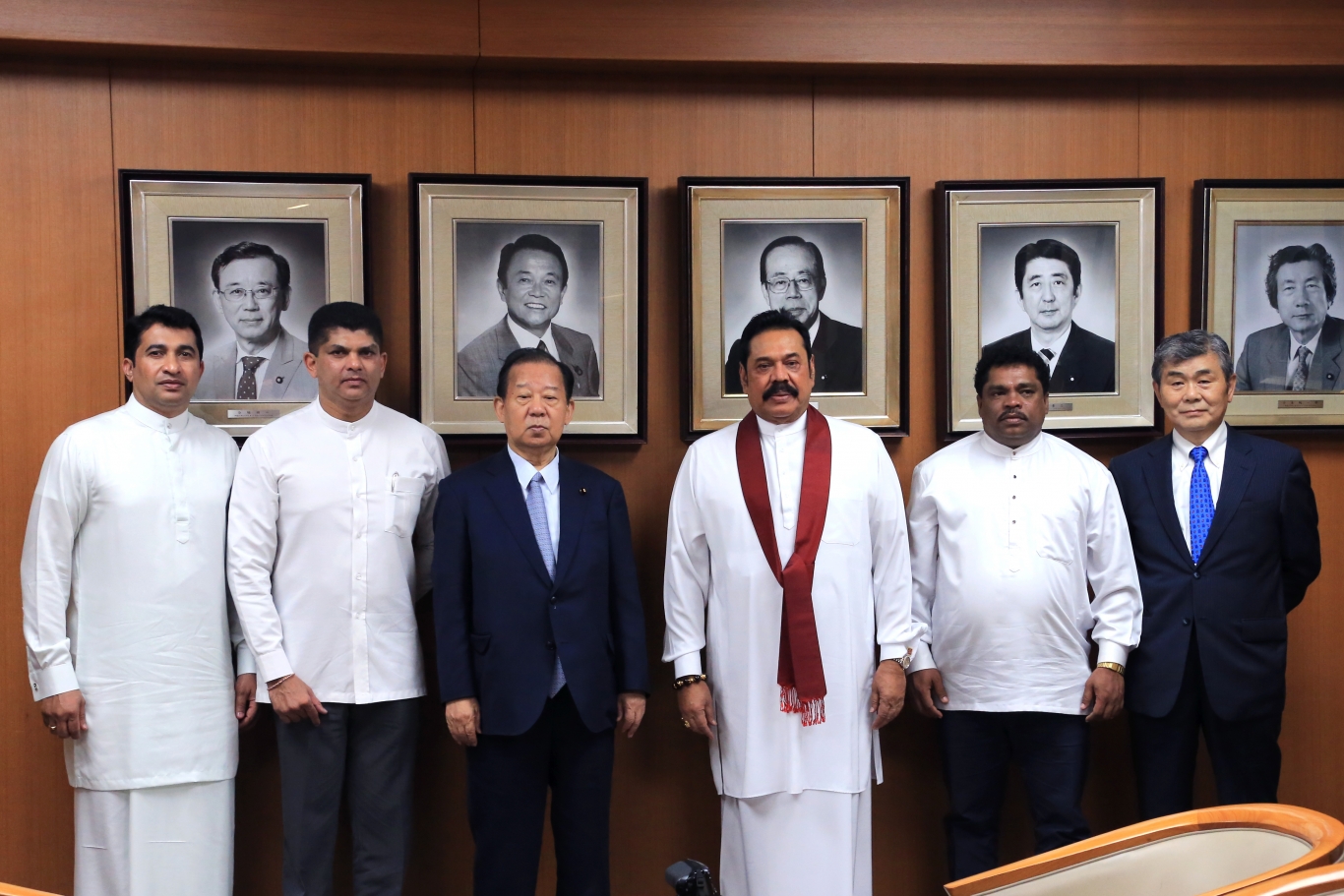
A friendly meeting between the Japanese ruling Liberal Democratic Party and a member of the Japan-based House of Representatives, Trade and Economic Affairs Minister Nikai Toshihiro and a cordial meal at the Head Office of the Tokyo Liberal Party on the 1st of June. Expressing satisfaction on the peace and development that has taken place in Sri Lanka, Minister Rajapaksa said that under the leadership of President Rajapaksa, the development of Sri Lanka was enormous. Here he commended the development achieved in Sri Lanka after the end of the conflict.
He also thanked the President for providing two baby elephants in the past and it was a correct decision to increase the link between the people of Sri Lanka and the people of Sri Lanka, Toshihiro said. President Rajapaksa thanked Japan for its support to Sri Lanka’s development and of its support to the present day support, and said that world leaders and people should come to Sri Lanka to witness the progress made in all aspects of Sri Lanka’s administration during the last period. Sri Lanka Rupavahini Corporation donated the Japanese Government’s donation to the Sri Lankan government. The Sri Lanka Rupavahini Corporation also appreciates the Sri Lankan government’s huge investments in the infrastructure facilities of the Peradeniya, Jayawardenapura and Medical Research Centers. In addition, the Japanese Government has provided assistance for the development of the Upper Kotmale Power Project, the Colombo Port Expansion Project, a part of the Mahaweli Development Project, Samanalawewa and Kukuleganga Projects, Katunayake Airport Development and Telecom Projects and Railways Bridges and Road Development Projects Formerly, he should be forgotten Nādhipati said.
He said that a large number of people have been affected by the recent floods in Sri Lanka. Toshihiro, thanking President Rajapaksa for his support for the 2011 earthquake and tsunami disaster, thanked President Rajapaksa for continuing to keep his ambassadors in the country despite the withdrawal of their ambassadors from Japan, while Japan He added that Sri Lanka did not stop with the flight. Mr. Toshiroiro said that “your support for the people of Japan was great.” Toshihiro said that he understands Sri Lanka’s difficulties at present and that he will continue to pave the way for leading Sri Lankans to Sri Lanka to achieve remarkable results. Today, we were not accepting you as the former president, but as a great leader who completed 30 years of war, Mr. Toshirohi stressed.
E.sa.ni.ja. Kandy District Parliamentarian Lohan Ratwatte, Kalutara District Parliamentarian Piyal Nishantha, Polonnaruwa District Parliamentarian Roshan Ranasinghe and Uditha Lokubandara were also present.
Although many countries withdrew their ambassadors from Japan after the earthquake and tsunami in Japan in 2011, President Rajapaksa recalled that Sri Lankan ambassadors have continuously been in the country and did not stop Sri Lanka flights with Japan. Mr. Toshiroiro said that “your support for the people of Japan was great.” Toshihiro said that he understands Sri Lanka’s difficulties at present and that he will continue to pave the way for leading Sri Lankans to Sri Lanka to achieve remarkable results. Today, we were not accepting you as the former president, but as a great leader who completed 30 years of war, Mr. Toshirohi stressed.

Related Images:

Controversial MiG-27 Deal – Part III

Money from Panama and Latvia in Udayanga’s accounts

Rajapaksa govt.’s controversial MiG deal – Part III

article_image

Today, anything that the public sees in the media about the MiG deal, would invariably centre around Udayanga Weeratunga. In the past months and weeks, the media has reported that Weeratunga had 16 bank accounts in Sri Lanka (which have since been frozen) with total deposits equivalent to about USD 1.5 million. According to a recent media report the FCID has claimed that money was credited to these accounts at various times from Panama and Latvia. In addition to involvement in the MiG deal, the yahapalana authorities have accused Udayanga of killing a subordinate and even stealing furniture from the residence of the Sri Lankan Ambassador in Russia. Weeratunga, for his part, has charged that a witch hunt is being carried out against him and publicly refused to make things easier for the hunters by presenting himself in Sri Lanka to be victimised.

Today, with an international arrest warrant hanging over him, Weeratunga is a fugitive from the FCID and it is through him that the MiG matter is being kept alive in the media. Weeratunga was, in fact, involved in the MiG deal as a facilitator. As Sri Lanka’s Honorary Consul in Ukraine at the time and later as the Ambassador to Russia, it was inevitable that he would play some role in facilitating a government to government deal between Sri Lanka and Ukraine. On 26 March 2015, the FCID first stuck to the parameters of the original newspaper reports about the MiG deal of 2006 and was all about the difference in the price between the MiG-27s bought in 2000 and in 2006, and the payment thereof being made to Bellimissa Holdings instead of direct to UKRINMASH.

However from laster things took a different turn. The FCID said that the 2006 contract for the supply of four MiG-27s and the overhaul of four other MiG aircraft had been signed in two different places with UKRINMASH and Bellimissa Holdings signing the contract at the official residence of Udayanga Weeratunga, the Sri Lankan Ambassador to Russia, with the contracts being thereafter brought to Colombo by Weeratunga to be signed by the Air Force Commander. From this point, the entire focus of the FCID investigation shifted to Udayanga Weeratunga. As the previous parts of this article would indicate, the facts do not allow for the allegations about the price difference or the payment of the purchase price to a party other than UKRINMASH to be sustained.

Weeratunga on the other hand would appear to provide much better grist for the mill. Even Weeratunga’s posture and body language during these ‘sightings’ received wide publicity. It was claimed in October 2016 that Weeratunga had brought the 2006 MiG contract in quadruplicate to be signed by the Air Force Commander after it had been signed by the representatives of UKRINMASH and Bellimissa Holdings in Russia.

Upon the Air Force Commander placing his signature on it, he had left one copy with the Air Force and had taken away the other three copies saying that they had to be given to UKRINMASH and Bellimissa Holdings.

How the contract became a forgery

Most importantly, the FCID said it had contacted the Ukrainian Justice Ministry through the Sri Lankan Justice Ministry and that the Ukrainian Attorney General’s Department had informed Sri Lanka by letter dated 24 June 2016 that no contract had been signed between the Sri Lankan Air Force and UKRIMNASH and that UKRINMASH had not signed any contract with Bellimissa Holdings either. Based on this letter, the FCID said the 2006 contract bearing No: SLAF/2006/07/AIR for the supply of four MiG-27 aircraft and the overhaul of four other MiG aircraft was a forged one, which Weeratunga had presented to the Air Force Commander and obtained his signature on it through misrepresentation.

To bolster the forgery charge, the FCID claimed that when examining the previous correspondence pertaining to this transaction the signature of UKRINMASH Director D. A. Peregudov in the contract appears different to his signature in other correspondence with the Air Force. The embassy official in Russia who had witnessed the signatures on the 2006 MiG contract had also told the FCID that he did not know the persons who had signed on behalf of UKRINMASH and Bellimissa Holdings and that there appeared to be a difference between the signature of D.A.Peregudov as it appears in the contract and his earlier correspondence with the government of Sri Lanka. On this basis, the FCID claimed that Weeratunga had committed the offence of forgery under Sections 454 and 457 of the Penal code.

Furthermore, the FCID said the money paid for the MiG aircraft had not been sent to the UKRINMASH account by the Sri Lankan government but to the account of Bellimissa Holdings Ltd and further that Bellimissa Holdings had not sent the money to UKRINMASH and, therefore, Weeratunga was complicit in preparing a forged document and defrauding money from the state which amounts to the offences of ‘cheating’ and the use of forged documents coming under Sections 400 and 459 of the Penal Code. The FCID is also investigating Weeratunga under Section 5 of the Offences Against Public Property Act No: 12 of 1982 which is about the dishonest misappropriation of public property through the falsification of documents.

The FCID claimed that the original contract No: SLAF/2006/07/AIR for the supply of four MiG-27 aircraft and the overhaul of four other MiG aircraft had been in the possession of the Air Force until 4 June 2009 when it was taken into the custody of now retired Air Vice Marshall Jayanath Kumarasiri to be produced as evidence and that it had been in the possession of this officer until 12 September 2014 when he retired but that there is no evidence to show that it had been handed over to the clerks in his department when he retired and that the original copy is now missing.

Thus, the investigation into the MiG deal has strayed very far from the original issues raised by a section of the press about the difference in the prices of the aircraft and the payment of the money to a party other than UKRINMASH.

It’s being said that there was no contract between UKRINMASH and the Air Force when four fully overhauled MiG-27s were delivered to Sri Lanka and four other MiG aircraft already in the possession of the Air Force were taken from Sri Lanka all the way to Ukraine for overhaul and brought back and all eight planes are still in the possession of the Air Force.

Other than the contract itself, there are many other letters exchanged between UKRINMASH and the Sri Lanka Air Force pertaining to this transaction. It was after perusing this documentation that the FCID claimed that the signature of UKRINMASH Director D. A. Peregudov on the contract and in other correspondence do not match. With regard to the alleged mismatch between Peregudov’s signatures, Weeratunga has said the contract for the purchase of four MiG-27s and the overhaul of four other MiG aircraft of 26 July 2006 had been signed by Gennadii Studenikin the then Deputy Director of UKRINMASH, who was authorised to sign on behalf of D. A.Peregudov, Director of UKRINMASH.

This Studenikin had come to Sri Lanka to negotiate the contract with the Air Force and it had been he who had taken Air Commodore E.G.I.P De Silva the head of aeronautical engineering of the Air Force and Air Vice Marshall W. D. R. M. J. Goonetillke at different times to inspect the UKRINMASH facilities and it was he who had also signed the final acceptance certificates for all eight aircraft along with E. G. I. P De Silva of the Air Force.

The Ukrainian AG’s department may have written back saying that they have no evidence of a contract between UKRINMASH and the SLAF but it has to be remembered that after the MiG transaction of 2006, Ukraine experienced a violent and disruptive political coup with an elected President being forcibly deposed and the country itself being dismembered.

The present holders of power in Ukraine are the mortal enemies of the previous powers that were. Control over UKRINMASH, a state owned enterprise has also obviously changed. This background has to be taken into account when evaluating the veracity of the letter received from the Ukrainian AG’s Department. The fact that the present authorities in Ukraine cannot find any contract between the SLAF and UKRINMASH does not mean that it did not exist. The FCID’s own reports indicate that the copy of the original contract is a genuine copy of the original. In any event, there are many other documents that prove that a contract existed between UKRINMASH and the SL Air Force.

Kickbacks and the Panama connection

For example, there is the ‘letter of guarantee’ dated 9 June 2006 written by Air Force Commander Donald Perera to UKRINMASH Director D.A.Peregudov guaranteeing that the contract for the supply of four MiG-27s and the overhaul of four other MiG aircraft will be signed before 30 June 2006. This letter guaranteed payment terms in the UKRINMASH letter of 26 April 2006 and requested them to begin the overhaul of the planes without waiting for the contract to be signed in view of the possibility of the resumption of war in Sri Lanka. This was sent off by the Air Force Commander without any intervention from Weeratunga. UKRINMASH had in fact started overhauling the aircraft on the strength of this letter and a team from the SL Air Force had been stationed at the plant in Ukraine to observe the overhaul process every step of the way.

Getting a government to government agreement signed by the foreign party at the Sri Lankan Ambassador’s premises in the presence of the Ambassador is also an accepted practice and is one of the purposes for which countries maintain embassies in foreign countries.

The FCID’s report stating that there was more than USD 1.5 million in Weeratunga’s Sri Lankan accounts was published in the media in a manner suggesting that this could be the kickbacks from the MiG deal. However, Weeratunga has said that this money represents his savings which he has remitted to Sri Lanka from time to time over the past two decades. His NRFC accounts in the Commercial Bank and HSBC had been started in 1990 and 1999 respectively. The factors that would give Weeratunga the benefit of the doubt in this regard is that he had been a businessman in Ukraine for many years and from the early 1990s, he had taken it upon himself to entertain visiting Sri Lankan ministers – an exercise that people of restricted means would not undertake. His appointment as Sri Lanka’s Honorary Consul in Ukraine after a personal interview with Lakshman Kadirgarmar in 1999 also indicates that he was deemed to have the means to hold such a position.

Recent media reports said that the FCID had found that money had been credited to Weeratunga’s Sri Lankan accounts from Panama and Latvia. The name ‘Panama’ automatically conjures up images of black money and kick backs. However, offshore companies and bank accounts in places like Panama are perfectly legal and those who provide banking services to these front companies are top European banks such as Credit Suisse, HSBC and Societe Generale. These mechanisms are used mostly by legitimate businesses with crooks also using them to stash away ill-gotten gains. Weeratunga has said that the money that has come into his accounts from places like Panama are the proceeds of his tea export business. In Ukraine and that he has been remitting money to Sri Lanka through the same channels as other Sri Lankan exporters of tea to Russia and Ukraine.
That our export trade receives payments through the offshore accounts of their buyers overseas is well known. If an exporter has money remitted to his account from Panama, that by itself is no indication that it has been illegitimately earned. Merely stating that Weeratunga had money remitted to his account from Panama is not going to get anyone anywhere unless it is specifically proved that the said money was the kickback received from the MiG deal. It is very unlikely that anyone trying to hide his money would get it openly remitted to his Sri Lankan accounts from an account in Panama. In any event all such remittances to Sri Lanka are scrutinized by the Financial Intelligence Unit of the Central bank and if there had been anything suspicious about these remittances, it would have come to the notice of the FIU long ago.
Concluded

The Island MIG 27 18.05.2017

Rajapaksa govt.’s controversial MiG deal – Part III

Related Images:

Controversial MiG-27 deal – Part II

Purchase money paid to shadowy offshore company

Rajapaksa govt.’s controversial MiG deal – Part II

article_image

The other key question in relation to the purchase and overhaul of MiG aircraft in 2006 was that the payment had not been made to the supplier – the Ukrainian state owned company UKRINMASH, but to a front company by the name of Bellimisa Holdings Ltd. In 2000 when the Chandrika Kumaratunga government bought six MiG-27s and one MiG-23UB trainer, the supplier was DS Alliance of Singapore. However DS Alliance was a middleman and all the MiG aircraft purchased in 2000 were actually supplied by UKRINMASH the manufacturers of MiG planes in Ukraine. The policy of the Rajapaksa government was to eliminate the middleman so they directly approached UKRINMASH. In the ‘letter of offer’ handed over by UKRINMASH to the Ministry of Defence on 6 February 2006, it was specifically stated that this offer for the supply and overhaul of aircraft was being made in conjunction with a financier providing financing to the manufacturer and that the payment should be made to the financier.

The UNP government of 2001-2004 had also made overtures to UKRINMASH for the supply of four MiG- 27 aircraft and in the letter of offer they had sent to the then Defence Minister Tilak Marapone on 22 April 2003, UKRINMASH had specified that the payment should be made to a finance company and that they will inform Sri Lanka of the name of this company within three days of signing the contract. The method of payment laid out in the offer made to the then Defence Minister in 2003 is word for word the same as the offer made to the Rajapaksa government in 2006. D.A.Peregudov a Director of UKRINMASH wrote to the Defence Ministry explaining that UKRINMASH is a fully state owned enterprise and that according to Ukrainian law, they cannot trade on credit terms and they cannot provide credit facilities for two years as requested by Sri Lanka. Hence a financier by the name of Bellimissa Holdings Ltd would provide financing for the transaction.

The contract of 26 July 2006 for the supply of four MiG-27 aircraft and the overhaul of four other MiG aircraft, had three signatories – the Commander of the Sri Lanka Air Force as the buyer, UKRINMASH as the seller and Bellimissa Holdings Ltd as the designated party which was to receive the payment. This is a legally binding contract under Ukrainian, Sri Lankan and international law between two government agencies in Sri Lanka and Ukraine. The reason why a financier was not necessary when seven MiG aircraft were bought in 2000 was because the middleman DS Alliance of Singapore functioned as the financier. Section 23.1 of the contract signed on 26 July 2006 specified that the buyer and the seller are aware that Bellimissa Holdings Ltd shall be involved to provide financing to facilitate the transaction and that all payments under this contract including freight charges shall be paid to Bellimissa Holdings Ltd.

When the Invoice for the purchase and overhaul of the MiG aircraft was sent by UKRINMASH to the Commander of the Air Force on 31 July 2006, it was once again specified that the Bank of Ceylon should open letters of credit in favour of Bellimissa Holdings Ltd. When a state owned enterprise in a foreign country enters into a legally binding contract for the supply of aircraft, the buyer has to make the payment as the seller specifies. There was nothing secret about the payment being made to Bellimissa Holdings Ltd, because they too were a signatory to the legal contract. These MiG aircraft were purchased directly from the manufacturers in Ukraine, the payment was made, the aircraft were delivered, they were used in the war and those aircraft are still in the possession of the Air Force. Of the MiG aircraft bought or overhauled in 2006, not a single was lost due to terrorist attacks or flying accidents.

Govt. procurement procedure

The 2006 newspaper articles about irregularities in this deal appeared to suggest that this was a shady deal furtively carried out between Gotabhaya Rajapaksa and the Ukrainian Company with Udayanga Weeratunga acting as the go-between. However, from the beginning to the end, all the proper procedures were adhered to in this transaction. Many state officials were involved and it was a proper government procurement. There was the special three member Cabinet Appointed Tender Board (CATB) to evaluate whole the transaction. As is the usual practice, the CATB in the MiG transaction was headed by the Secretary of a different ministry – M.S.Jayasinghe, Secretary to the Ministry of the Nation Building and Economic Development. Gotabhaya Rajapaksa Secretary to the Ministry of Defence and S.B.Divaratne Deputy Secretary to the Ministry of Finance were the other members of the CATB.

Then there was the Technical and Financial Evaluation Committee (TEC) appointed by the National Procurement Agency which was headed by Air Vice Marshall W.D.R.M.J. Goonetillke, and made up of Air Commodore E.G.I.P De Silva – Director Aeronautical Engineering of the Sri Lanka Air Force, H.D.Weerasiri – Accountant Ministry of Defence, Dr D.P.T.Nanayakkara – Senior Lecturer University of Moratuwa, J.V.Premaratne – Deputy Director (Airworthiness) Civil Aviation Authority and Mrs K.D.R. Olga – Accountant Department of National Budget, Ministry of Finance. When the Cabinet Appointed Tender Board met on 5 May 2006, it was observed that UKRINMASH had further to a request made by the Air Force agreed to give the government of SL a discount of USD 40,000 on the cost of the whole transaction.

However the CATB was not satisfied with this discount and recommended to Cabinet that a negotiating committee be appointed to obtain a further discount. Accordingly, the Cabinet appointed a negotiating committee headed by P.A.Prematilleke – Director General Department of State Accounts of the General Treasury. On 16 May 2006, Prematilleke wrote to UKRINMASH drawing attention to the fact that this was a government to government transaction and that UKRINMASH had a long term relationship with the SLAF (on account of the MiG-27s bought previously). He pointed out that the discount offered by them amounted to only 0.27% of the total price and asked for a discount equal to 0.84% of the total price. Furthermore Prematilleke requested UKRINMASH to reduce the interest rate on the deferred payment terms from 1.5% to 0.75%.

On 20 May 2006, UKRINMASH wrote back to the head of the Cabinet Appointed Negotiating Committee stating that the finance package was worked out jointly with their financier (Bellimissa Holdings) and that this included pre-payments that had to be made to suppliers to prevent price inflation and therefore they were unable to make any further reductions in the price. The four MiG-27s that were going to be purchased from UKRINMASH in 2006 needed an ‘end user certificate’ so that the international community knows who will be using these weapons. The four MiG aircraft that were already in the possession of the air Force and were to be overhauled had been issued with their end user certificates at the time they were bought in 2000 and therefore did not need fresh end user certificates.

The End User Certificate No: SLAF/J-45001106 issued by T.M.P.D. Tennakoon the Chief Purchasing Officer of the Air Force on 15 July 2006 states clearly that the Sri Lanka Air Force authorises M/s Bellimissa Holdings Ltd to purchase from Ukraine four MiG-27 aircraft after overhaul and that the Sri Lanka Air Force confirms that the aircraft purchased from Ukraine are intended solely for use by Sri Lanka and will not be re-exported, sold, leased or transferred to any third party without the permission of the export control authorities in Ukraine. Thus the End User Certificate also makes clear the role of Bellimissa Holdings in this transaction.

According to the reports that appeared in the print media about the MiG deal back in 2006, Udayanga Weeratunga the former Sri Lankan Ambassador in Russia and a close kinsman of the Rajapaksas had been involved in this transaction as an intermediary. It was said that in February 2006, Weeratunga had met the Chairman of DS Alliance, T.S. Lee in Singapore and had requested that Lee introduce him to UKRINMASH to discuss the acquisition of four additional MiG-27s and the overhaul of four other MiG aircraft for the SL Air Force. Thereafter, Weeratunga had allegedly been involved in the MiG deal every step of the way and he had been present on 6 February 2006, at a meeting between Defence Secretary Gotabaya Rajapaksa, and UKRINMASH Director D.A. Peregudov where the latter had personally presented the UKRINMASH ‘offer letter’ to the Sri Lankan side. It was even said that Weeratunga had been in and out of Air Force Headquarters on no less than 25 occasions to facilitate the MiG deal.

Udayanga Weeratunga’s role

The assertion that Udayanga Weeratunga had approached the owner of DS Alliance to obtain an introduction to UKRINMASH sounds odd because Weeratunga had lived the better part of his life in Ukraine and knew the language, so why would he need to be introduced to UKRINMASH by a Singaporean? UKRINMASH is not an underground arms dealer but a legitimate State owned entity in Ukraine. Besides, Udayanga Weeratunga had been a businessman and a prominent member of the small Sri Lankan community in Ukraine and he maintained close contact with the successive Sri Lankan Ambassadors in Russia who were accredited to Ukraine. UKRINMASH had been selling weapons to Sri Lanka since the early 1990s, and Weeratunga knew UKRINMASH well and did not need any introduction from the owner of DS Alliance.

Sri Lanka never had close relations with Ukraine, so few politicians visited that country. In 1991 A.R.Mansoor the Minister of Trade in the Premadasa government had visited Ukraine and met the Ukrainian Minister of Trade. At that time, as a member of the Sri Lankan community living in Ukraine, Weeratunga had helped Minister Mansoor’s delegation and given them a dinner at his house. In 1999, the then Foreign Minister Lakshman Kadirgarmar had issued letters to the Sri Lankan embassy in Russia appointing Weeratunga as Sri Lanka’s Honorary Consul in Ukraine. (Though he had been appointed Honorary Consul by the Sri Lankan side, he needed to obtain Ukrainian citizenship to be acknowledged as the Honorary Consul for Sri Lanka, by the Ukrainian side. Since he never applied for Ukrainian citizenship, his appointment as Honorary Consul remained without diplomatic formalisation, but he played the role on behalf of the Sri Lankan government.)

Weeratunga was no stranger to the Air Force. As a member of the Sri Lankan community living in Ukraine, he had been meeting Air Force officers who had been visiting Ukraine from the time the first AN-32 aircraft had been bought from that country in 1992, and most if not all such visitors to Ukraine had been either to his home or his restaurant to have Sri Lankan meals. One important incident that had taken place when Weeratunga was the Honorary Consul in Ukraine in 2004 was the detaining of two AN-32 planes that had been repaired at the Kiev Aviation repair Plant 410 and was returning to Sri Lanka via Russia at the Rostov airport because no permission had been granted to the government of Sri Lanka to transport ‘weapons’ across Russian territory. Around 30 Sri Lankan Air Force personnel had been on board the detained aircraft.

At the time of the incident President Chandrika Kumaratunga had not been in SL and neither had the Russian Ambassador in Colombo. Prime Minister Mahinda Rajapaksa had immediately summoned the Acting Russian Ambassador in Colombo and explained matters to him and put Weeratunga in contact with the Russian authorities to sort the matter out. The Russians had reversed the process by preparing paperwork to convey the impression that no such examination or detention of SL aircraft had taken place, and the AN-32s had been sent back to Kiev.

In 2002, the then Minister of Plantation Industries Lakshman Kiriella had turned up in Ukraine with a delegation from the tea trade. One of the purposes of his visit had been to get the Ukrainian special customs levy on tea packages of less than three kilos removed. Kiriella had failed in the attempt but later in 2004 when Mahinda Rajapaksa had been Prime Minister, the Deputy Minister of trade in Ukraine had visited Sri Lanka and at a request made by MR on Weeratunga’s intervention, the levy had been abolished. In 2003, the Interior Minister in the UNP government John Amaratunga had visited Ukraine and had been taken to UKRINMASH by Udayanga Weeratunga. At this meeting the then Director of UKRINMASH had suggested to Minister Amaratunga that Sri Lanka should have a satellite based maritime surveillance system covering Sri Lanka’s territorial waters so as to be able to cut off the LTTE’s arms supplies.

On Kiriella’s and Amaratunga’s visits, Weeratunga had assembled other members of the Sri Lankan community living in Ukraine and accorded the delegations a dinner at his restaurant in Kiev. Back in 2006 when reports first started appearing about the MiG deal, Uadaynga Weeratunga was only a peripheral character in the controversy. At that time, the entire focus was on the issue of the price difference in the MiG-27s bought in 2000 and 2006 and the question of the money having been paid to Bellimissia Holdings instead of direct to UKRINMASH. Today however the main issues that were highlighted in the original newspaper reports back in 2006 have been pushed into the background and Udayanga Weeratunga and his involvement in the MiG deal has become the main focus of the ongoing FCID investigation.

Tomorrow: Why the FCID now focuses on Udayanga Weeratunga

The Island MIG 27 17.05.2017

https://www.island.lk/index.php?page_cat=article-details&page=article-details&code_title=165258

Related Images:

Controversial MiG-27 deal – Part I

MiG-27s bought at inflated prices

Rajapaksa govt.’s controversial MiG deal – Part I


article_image

In 2006, reports appeared in the print media about alleged irregularities in the purchase of four MiG-27s from Ukraine and the overhaul of four other MiG aircraft which were already in the possession of the Air Force. Since the change of government in January 2015, the new government has shown an interest in investigating the so-called ‘MiG deal’ and we have seen occasional reports in the media about the progress of the investigation. Back in 2006, the two most important allegations about this transaction centred around the difference in the price of the MiG-27s bought in 2000 and 2006, and the manner in which the payment was made. In 2000, the first four MiG-27 aircraft along with the accompanying ground equipment and spares had been bought at a total price of USD 8 million (or two million USD per package).

After some months, another two MiG-27s were bought at USD 1.6 million each. One MiG 23 UB trainer was also bought in 2000 for USD 900,000 and the cost of transporting all seven aircraft plus equipment to Sri Lanka had been USD 845,000. (The cost of the spares etc of the latter three aircraft were indicated separately in the second contract.) In 2006, when another four MiG- 27 aircraft were purchased, the cost of each aircraft was USD 2,462,000 and the cost of transporting the four planes to SL was USD 460,000. One specific allegation made back in 2006 was that the MiG-23 UB trainer that was bought in 2000 for USD 900,000 had been overhauled in 2006 at a cost of USD 1.1 million with the cost of the overhaul exceeding the original purchase price of the plane. Furthermore, it was stated that the payment for the purchase of four additional MiG-27s and the overhaul of the Air Force’s four existing MiG planes in 2006 was not paid directly to UKRINMASH the state owned Ukrainian company supplying the aircraft but to a third party called Bellimissa Holdings Limited which was discovered to be just a front company.

The allegation was that the money may have been paid to an offshore company to skim off a part of it as commissions. Before MiG-27s came into use by the Sri Lanka Air Force from 2000 onwards, the Air Force used Israeli built Kfir fighter jets. However, the MiG-27s turned out to be far superior to the Kfirs in that the MiG-27s could carry a payload well over twice that of the Kfirs and they could be used in night time operations. The MiG-27 could fly low even at night with the use of electronic equipment. Furthermore, the MiG 27 was available ex-stock for immediate purchase, whereas Kfirs were not, and MiG-27s cost much less than Kfirs. All these factors made the MiG-27 the preferred aircraft of the Air Force after the year 2000. The Chandrika Kumaratunga government, which bought the first MiG-27s for the Air Force was voted out and a UNP-led government came into power in December 2001.

Air Force’s repeated requests

In the meantime, one of the MiG-27s bought in 2000 had been destroyed on 24 July 2001 in the LTTE attack on the Katunayake Air Force base and another had been destroyed on 18 August 2001 due to a flying accident. By 2003, the remaining MiG-27s had been grounded as their service life had expired and they needed to be overhauled. In this situation, the then SL Air Force Commander wrote to the then Secretary of Defence on 12 March 2003 recommending that four more MiG-27s be purchased. Quotations for the supply of four MiG-27s were called, but before the transaction could be proceeded with, the UNP government that had been formed in December 2001 was voted out at the 2004 April Parliamentary election. Thereupon, on 19 May 2004, the then Air Force Commander Donald Perera wrote to the Secretary of Defence of the new Chandrika Kumaratunga-led government recommending that four more MiG-27s be purchased.

He had also recommended to the new government that the offer made on 22 April 2003 by UKRINMASH (to the previous government) to supply four MiG-27s be accepted. However, the planes were not purchased by the Kumaratunga government, which was in power between April 2004 and November 2005 either.

In November 2005, Mahinda Rajapaksa was elected President. The Air Force Commander wrote to the new Defence Secretary Gotabhaya Rajapaksa on 25 January 2006 once again making the request that four more MiG-27s be purchased. By that time, another MiG-27 had been destroyed in a flying accident on 9 July 2004 and the Air Force was left with three MiG-27s and one MiG-23 UB trainer, none of which were airworthy. Thus, the 2006 purchase of four additional MiG-27 aircraft fulfilled a need that had persisted through three changes of government.

However, when the four additional MiG-27s were purchased in 2006, they cost USD 2,462,000 each, which was significantly higher than the prices paid in 2000. A perusal of the documents pertaining to the purchase of MiG-27s in 2000 and 2006 reveal the reason for the price difference. The MiG-27s bought for the Sri Lankan Air Force in 2000 as well as in 2006 were second hand aircraft. There was no such thing as a new MiG-27, because this model had long since been superseded by the MiG-29 and MiG- 31. What was available on the market were second hand MiG-27s with varying service lives. The longer the service life, the higher the cost. Jayanath Kumarasinghe the Director Aeronautical Engineering of the Air Force giving evidence before the Mt Lavinia District Courts in the defamation case filed by Gotabhaya Rajapaksa against The Sunday Leader said that when six MiG aircraft were purchased in 2000, they had been bought ‘as it is’ in the condition they happened to be, without being overhauled.

Two contracts were signed in the year 2000 for the purchase of six MiG-27 aircraft. The first contract which was signed on 25 May 2000 guaranteed a service life of ‘not less than one year’ or 750 hours and the engines were guaranteed a service life in excess of 500 hours and the aircraft along with the accompanying ground equipment and spares cost USD two million each. The other contract signed on 24 October 2000 was for the purchase of two MiG-27 aircraft and one MiG-23 UB trainer and the service lives of the air frame as well as the engines of the latter three aircraft were guaranteed for two years till 2002. The latter MiG-27s cost USD 1.6 million with the MiG-23 UB trainer costing USD 900,000. The life span of an aircraft is determined by the Time Before Overhaul (TBO) of the air frame and the engines. The optimum TBO for MiG-27 aircraft is 850 hours/8 years for the air frame and 550 hours /7 years for the engines. While the Time Before Overhaul in terms of flying hours is important, the decay caused by the passing of calendar time is equally important in the TBO formula, which is why the TBO of a plane is expressed in flying hours as well as calendar years.

Even if the plane does not fly at all after overhaul, it will have to be overhauled again once the number of calendar years are up. After an overhaul, the aircraft will have the same TBO as a new aircraft. It may be the case that an aircraft is overhauled and then put into cold storage without being flown until the TBO in terms of calendar years has lapsed. In such cases, the company would recheck the plane and do what is necessary to bring it back to the level of an overhauled plane. In such instances, what is important is the service life or TBO of the plane guaranteed by the seller in the contract. In 2000, the seller guaranteed a maximum TBO life of two years and the price of those aircraft were fixed on that basis. However, the contract entered into on 26 July 2006 between the Air Force and UKRINMASH for the supply of four MiG-27s and the overhaul of three MiG-27s and one MiG-23 UB trainer clearly states that the air frames of all the aircraft will have a service life or TBO of 850 hours/8 years and the engines 550 hours/ 7 years, with the MiG-23 UB trainer having an engine service life of 400 hours. Such a service life is equal to a new plane – hence the price tag of over USD 2,462,000 each.

Quotations from Singapore,

India and Ukraine

The reason for the price difference becomes clearer when comparing the quotations the Air Force received for the overhaul of the three MiG-27s and one MiG-23 UB trainer that had been bought 2000. In 2004, DS Alliance of Singapore, the company that had originally sold these aircraft to Sri Lanka had given a quotation for the overhaul of the four aircraft as follows. (The cost of the overhaul differed from one aircraft to another.)

USD 1,299,045

USD 1,333,445

USD 1,333,445

USD 983,445

(The prices quoted by DS Alliance were taken from a letter written by the Air Force Commander to the Secretary to the President and the transport cost was not indicated in it. However, since DS Alliance is a middleman for UKRINMASH, one may assume that their transport cost for the overhaul and return of these four aircraft would be at least the same as that quoted by UKRINMASH.)

In 2006, Indo-Russia Aviation Ltd a subsidiary of Hindustan Aeronautics Ltd had given a quotation to the Air Force for the overhaul of these three MiG-27s and one MiG-23 UB trainer as follows.

USD 1,951,352

USD 1,626,127

USD 1,626,127

USD 1,375,054

(Plus transport costs of USD 650,216)

The quotation given by UKRINMASH in 2006 for the overhaul of these four MiG aircraft were as follows.

USD 1,160,000

USD 1,200,000

USD 1,240,000

USD 920,000

(The transport cost for the overhaul and return of the four aircraft was fixed at a fairly low USD 240,000 by UKRINMASH because the transportation of these planes to and from Sri Lanka were to be combined with the transportation of the four additional MiG-27s that were to be bought by the SLAF.)

Thus, the UKRINMASH quotation for the overhaul of the Air Force’s four existing MiG aircraft was, in fact, the lowest bid received. Even the Indian bid for the overhaul was much higher than the UKRINMASH quotation. One of the specific allegations made about this transaction was that the MiG-23 UB trainer bought for USD 900,000 in 2000 had been overhauled in 2006 at a cost of USD 1.1 million, with the cost of the overhaul exceeding the original purchase price of the plane. However, it can be seen from the foregoing that the quotation received for the overhaul of this MiG-23 UB trainer from DS Alliance Singapore, was USD 1,299,045 and from India it was USD 1,951,352 which makes the UKRINMASH quotation the lowest at USD 1,160,000.

A comparison of the prices quoted for the overhaul of the four MiG aircraft would explain the price difference between the MiG planes bought in 2000 with a two year TBO and those bought in 2006 with a full eight year TBO. The prices quoted for an overhaul represents the cost to get each plane back into an almost new condition. According to the Contract No: SLAF/2006/7/AIR between UKRINMASH and the Air Force for the supply of the four MiG-27s and the overhaul of three MiG-27s and one MiG-23 UB trainer, all planes supplied or overhauled were guaranteed a TBO of 850 hours/8 years for the airframe and 550 hours/7 years for the engines.

Sujeewa Hendavitarana, a qualified aeronautical engineer, who was one of the first SLAF pilots trained in India to fly MiG-27s in 2006, giving evidence before the Mt Lavinia District Court, said that the MiG-27s that he had flown in India during his training had been in very poor condition and could not fly straight and were leaking oil. He had been the first to fly the MiG 27s that had been bought in 2006 and he told the court that figuratively speaking, the comparison between the MiG-27s that he had flown in India, and the MiG-27s acquired by Sri Lanka in 2006 was similar to that of bullock carts to Mercedes Benz cars.

Tomorrow: Involvement of a ‘front company’ in the MiG transaction

The Island MIG 27 16.05.2017

Rajapaksa govt.’s controversial MiG deal – Part I

Related Images:

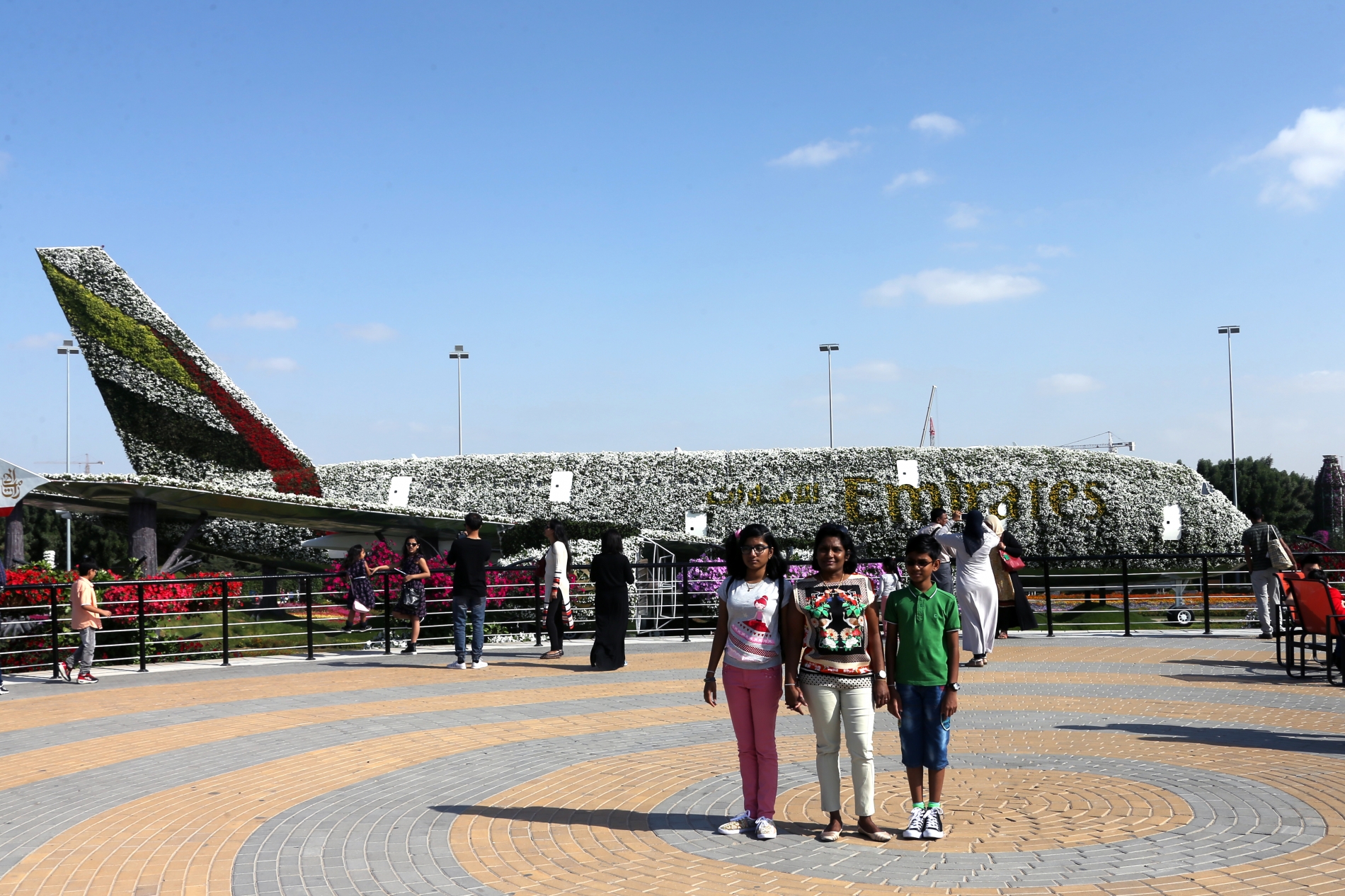
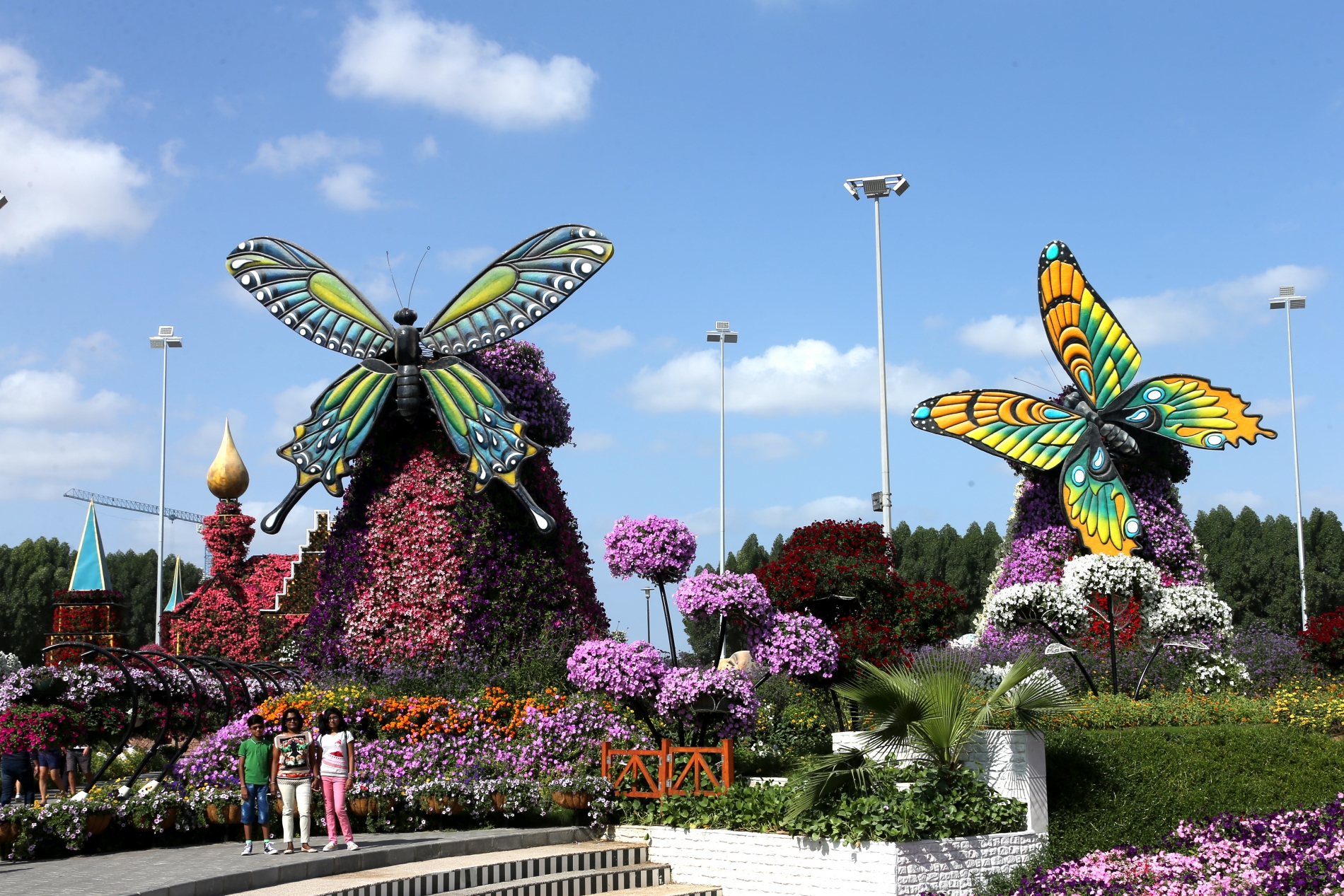
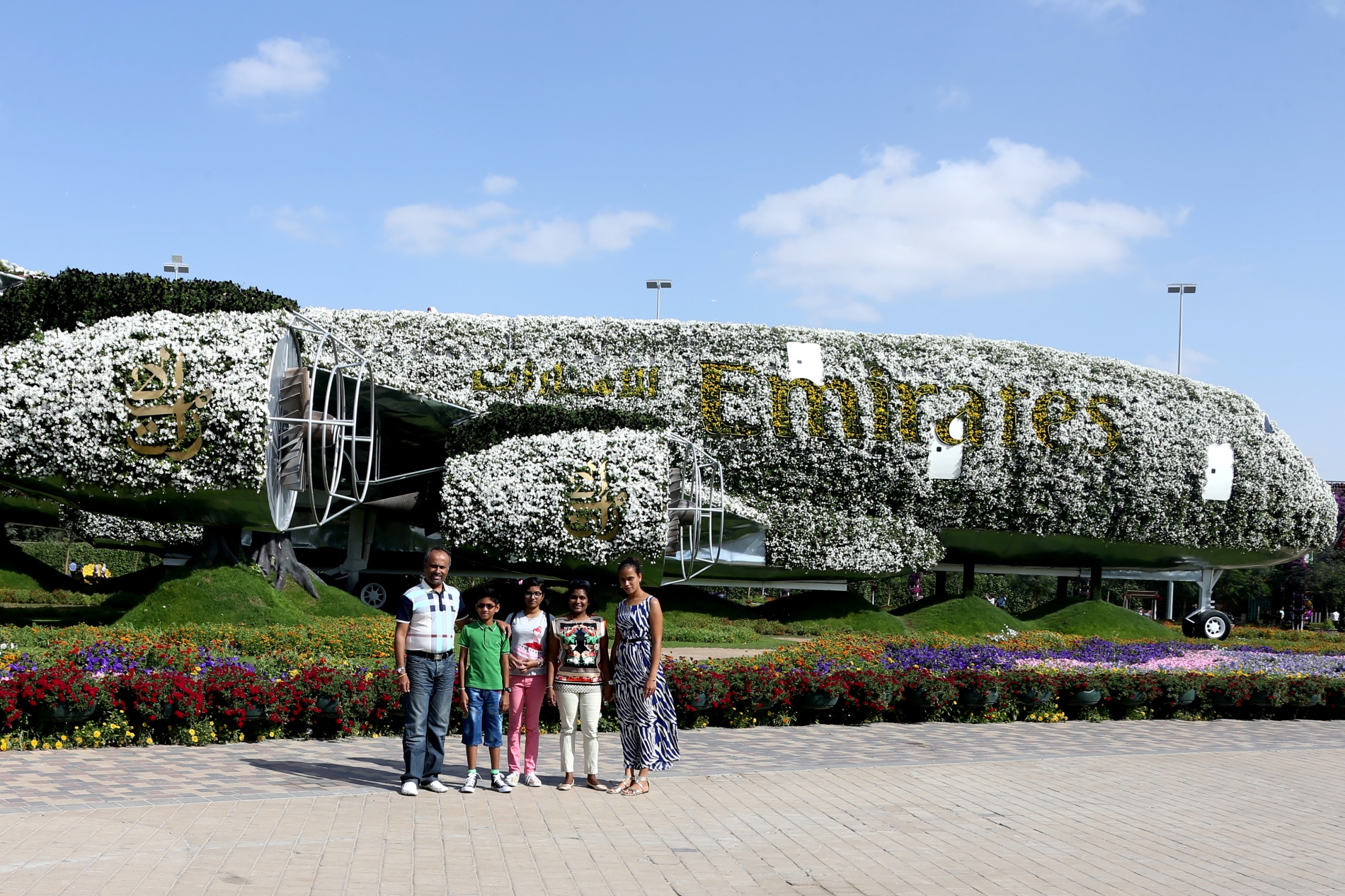
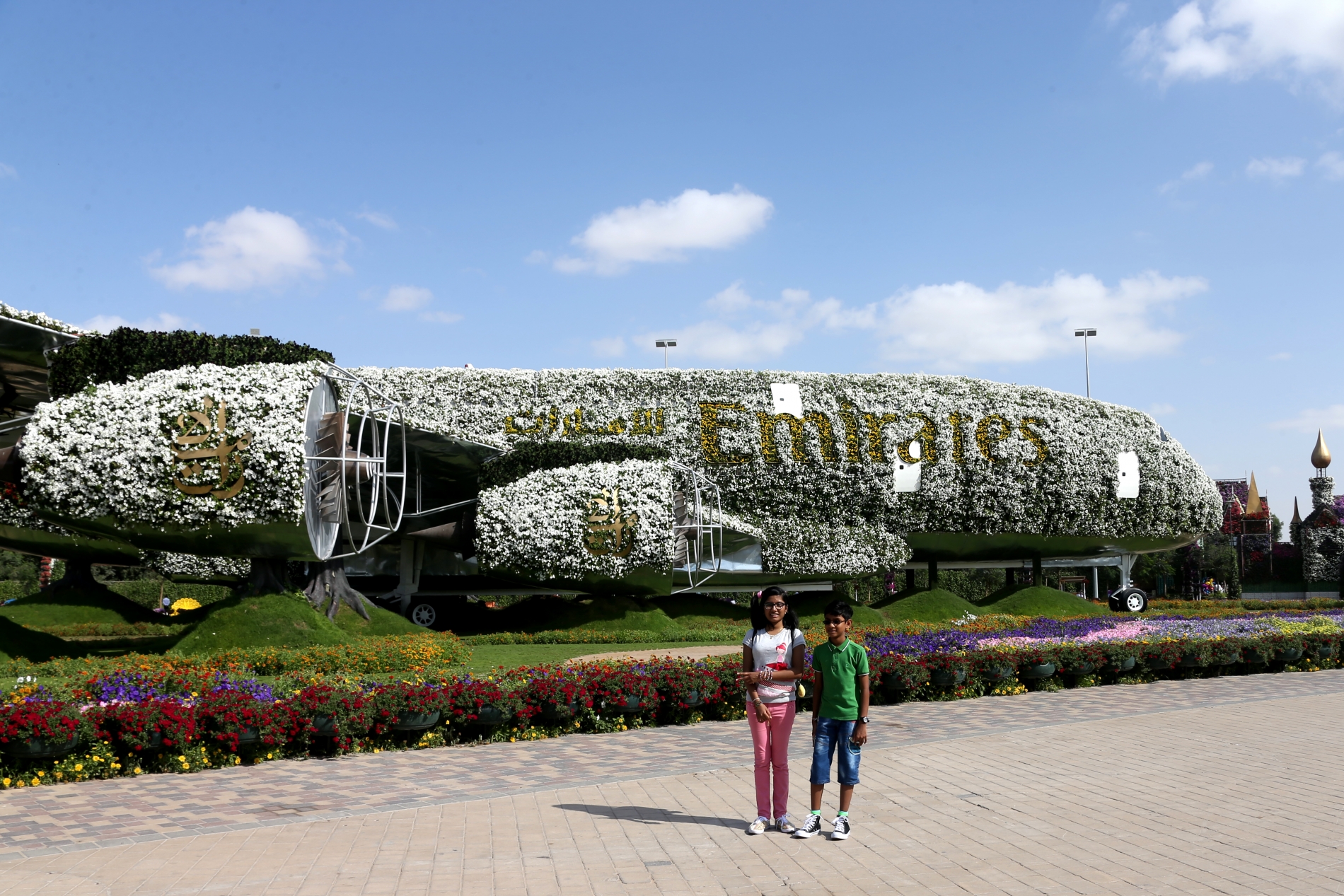
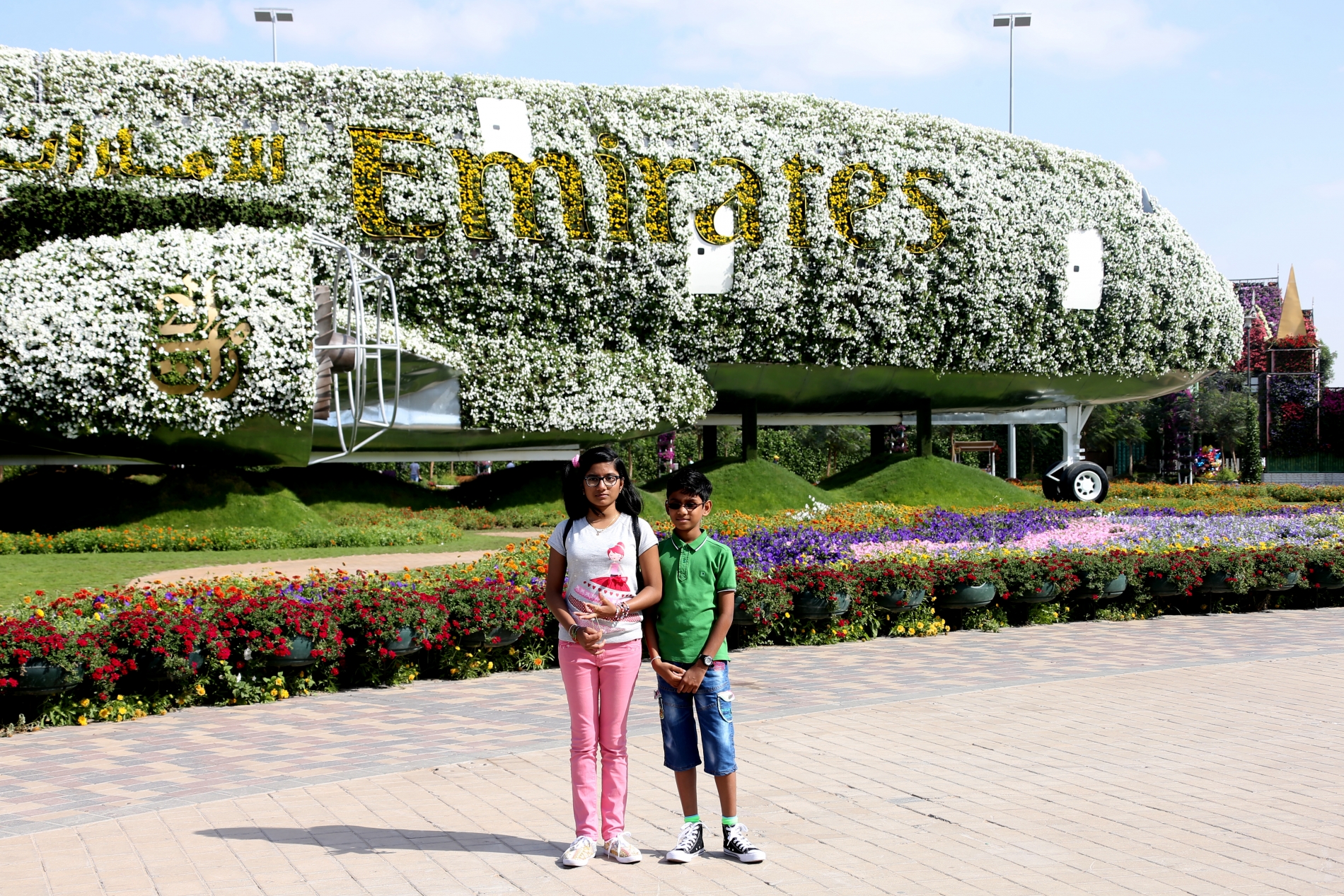
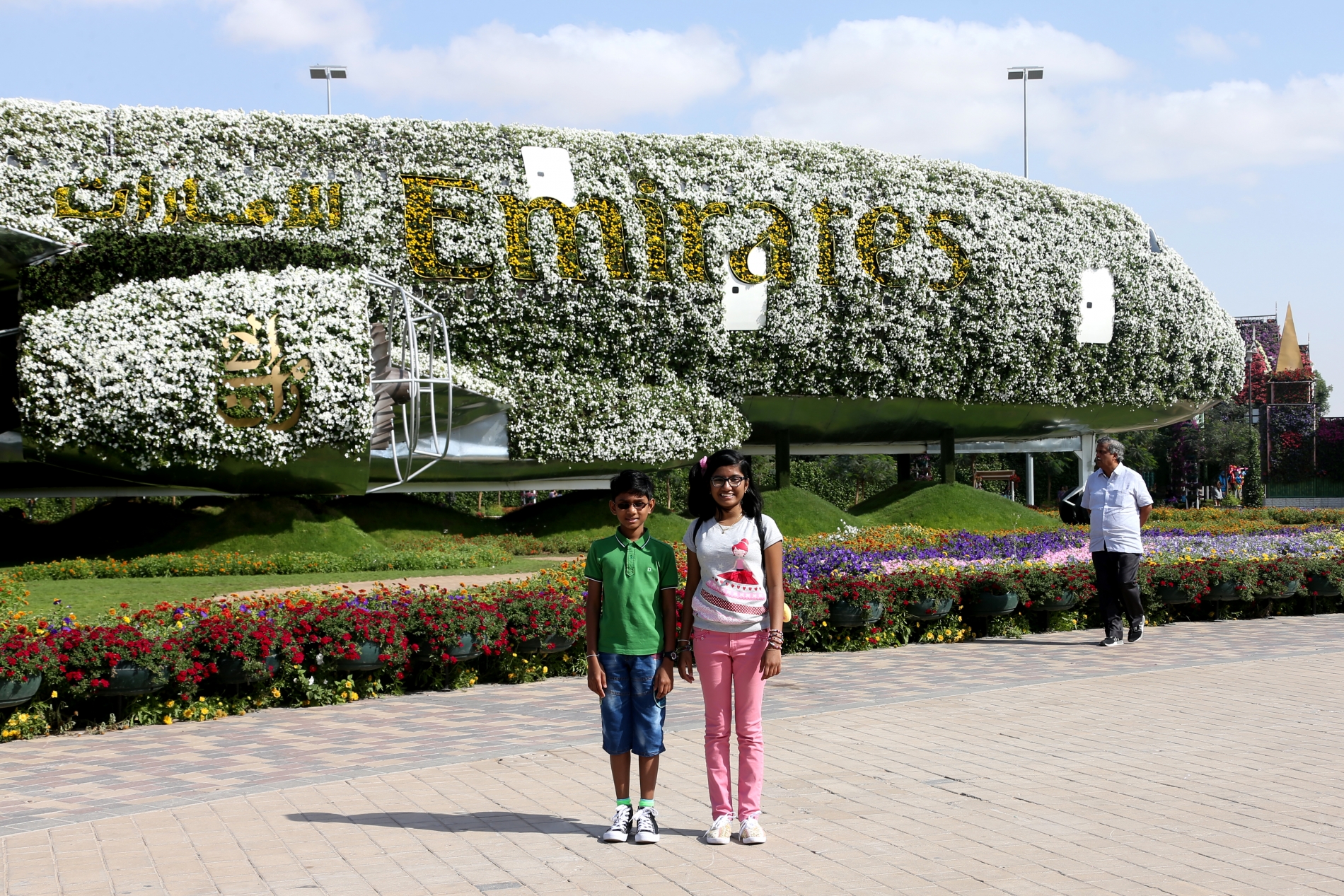
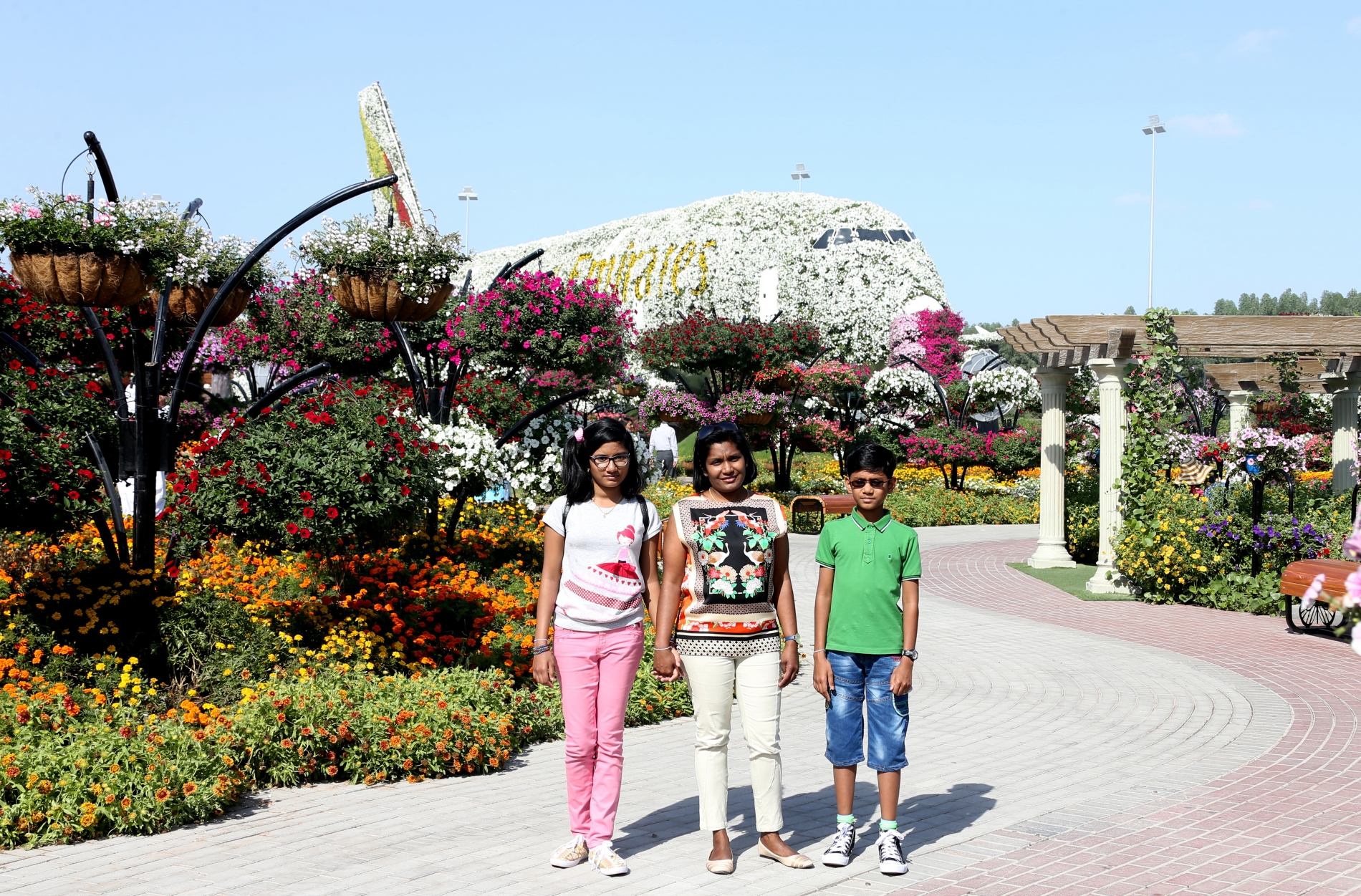
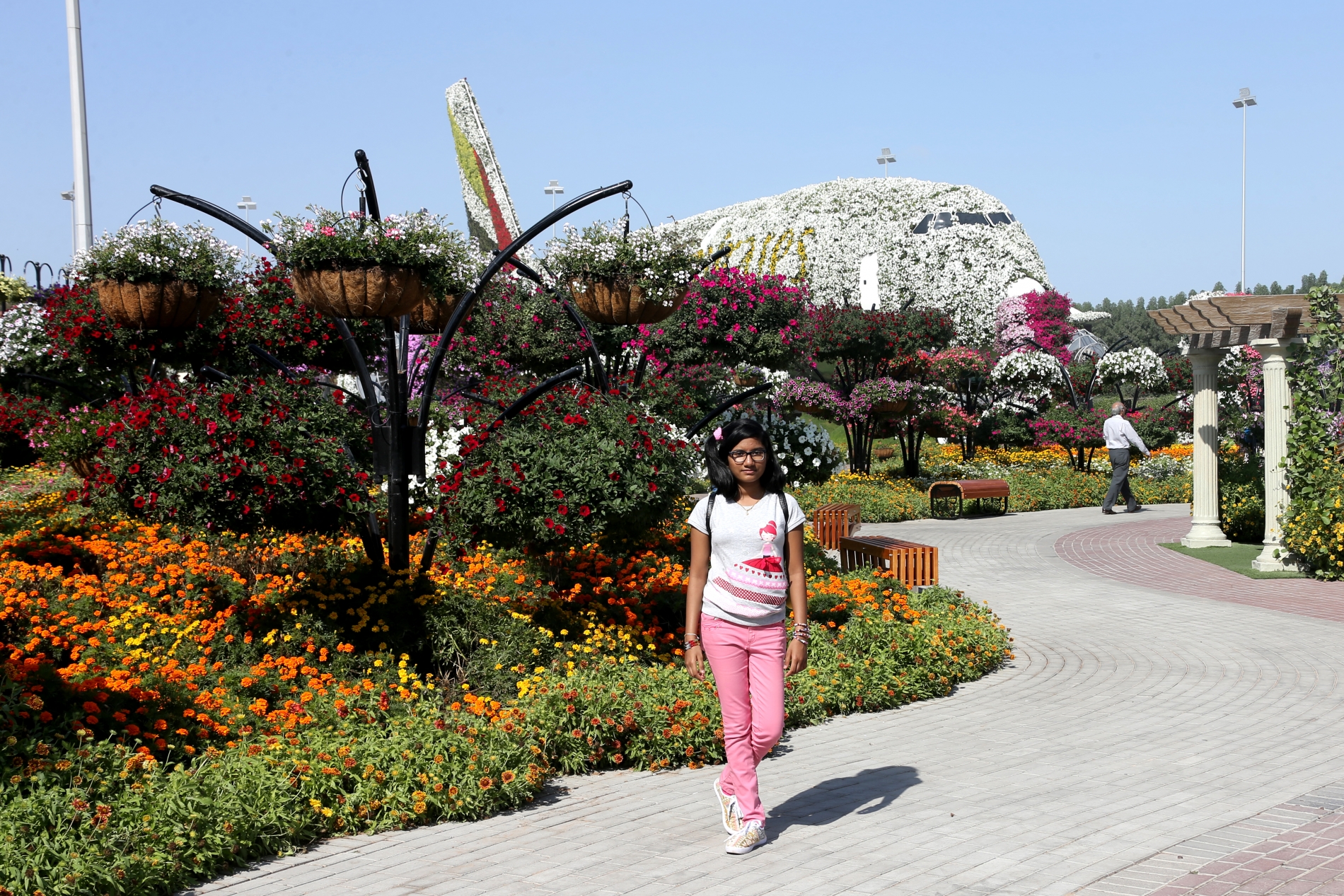
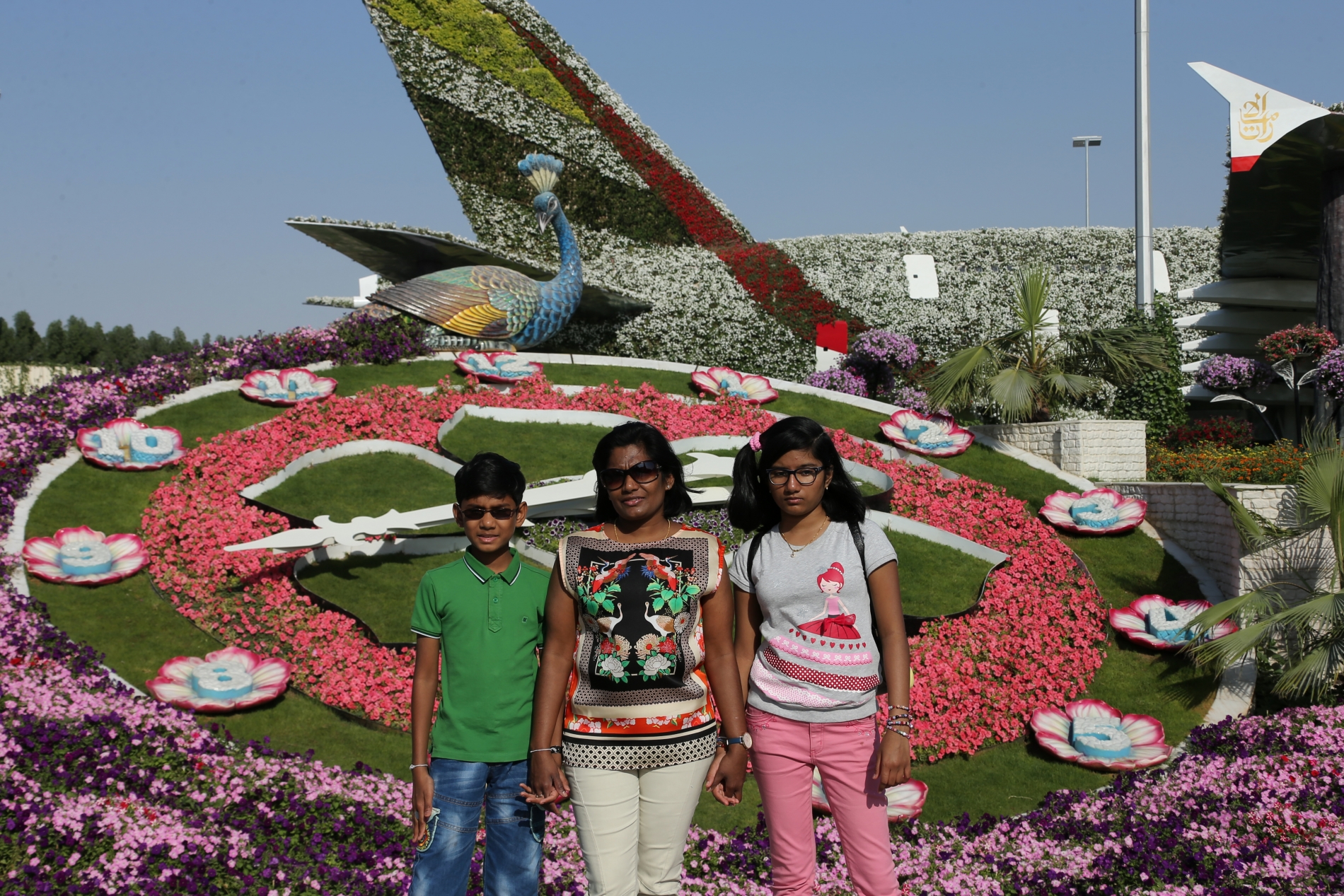
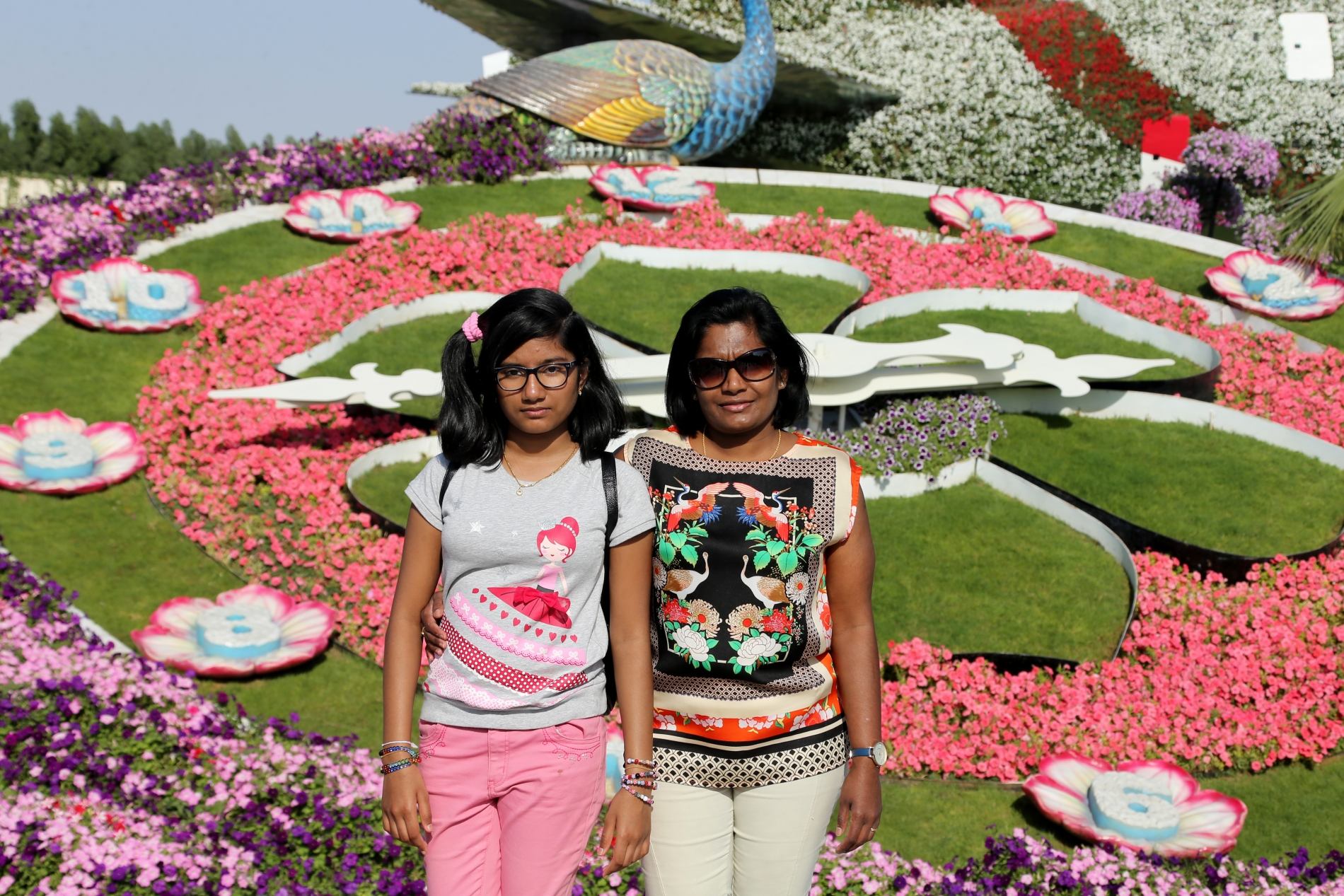
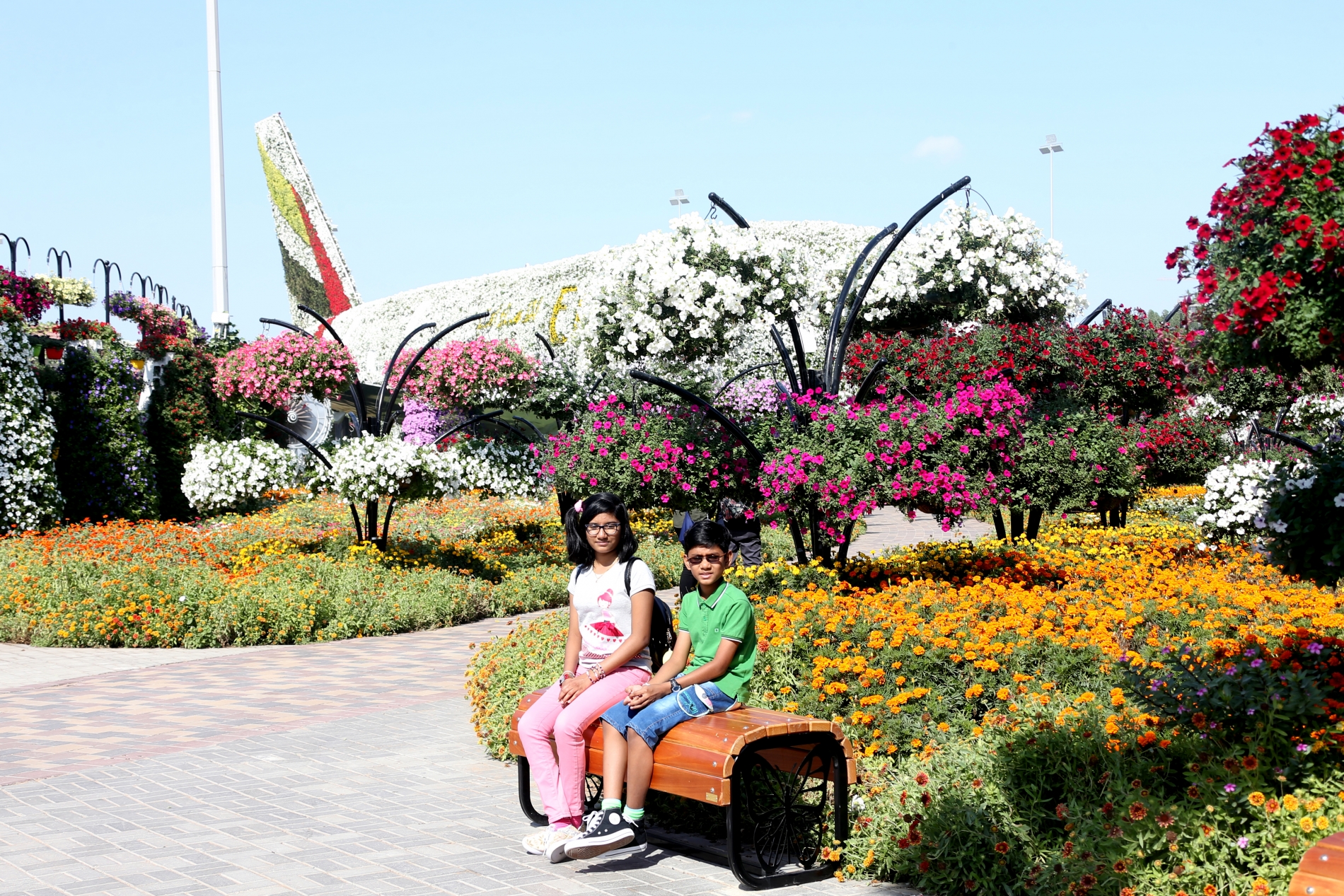
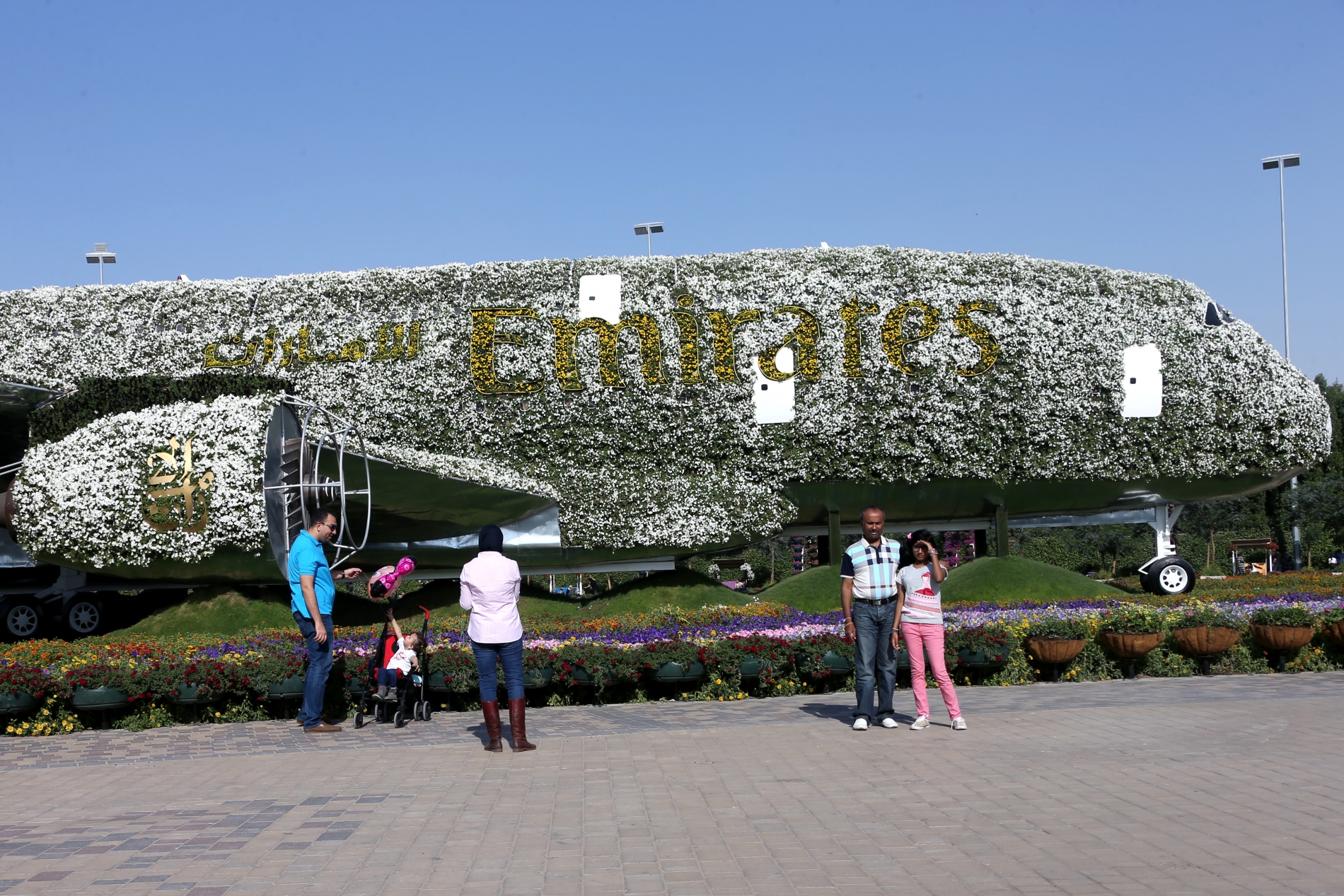
Dubai Miracle Garden

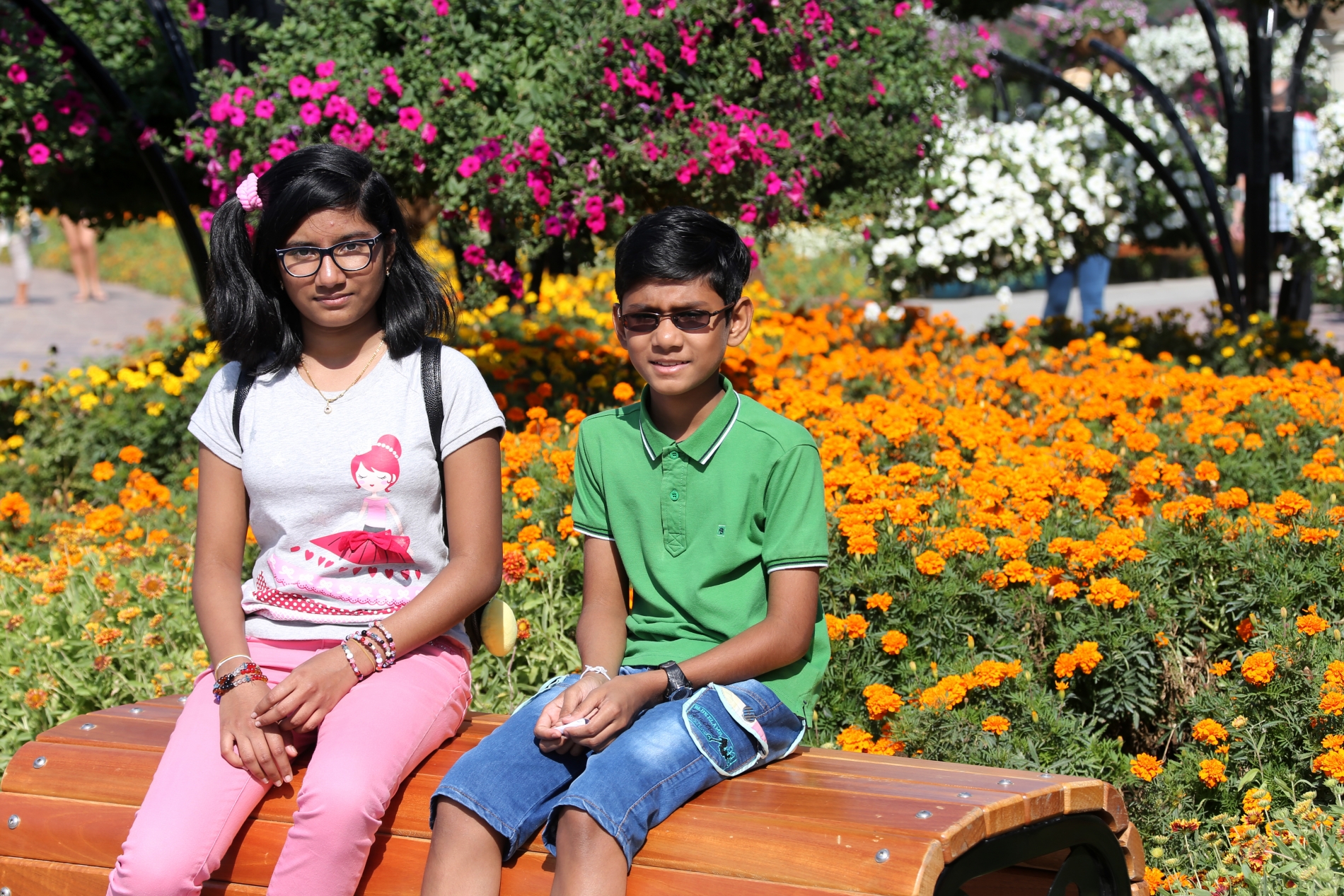
Traditionally, the Dubai Miracle Garden opening dates are as follows: from the middle of November till the middle of May when the temperature is not really hot and comfortable for both flowers and plants. The garden is closed during the summer and the half of the autumn due to extremely hot weather in these months. During that period the flowers and plants in compositions can’t grow normally. The official website of the garden can be used in order to find the working hours of the Miracle Garden in Dubai on the given day of the given year and the given season.

In 2017 the Miracle Garden closed dates for the summer renovation starting from the middle of May. The official maintenance period is from May 15th till December 1th. Nevertheless, the Miracle Garden is usually opened in the middle of November. That’s why there’s a chance that in 2017 the visitors will be able to enter the park earlier than on the 1st day of December. Park always works in January, Fabruary, March and April. These are the best months to join its expositions.

In a few days before the opening ceremony and at any time after it the visitors can use the official website to buy tickets to the park. By doing so they will be able to avoid long queues, especially during the first days of operation. These days there will be a huge number of people willing to enter the Miracle Garden. The official website says that the price of the entrance ticket for adults and children of 3 years old and more is 50 AED when purchased right in Garden. or 40 AED if purchase on the official website in advance. The children of less than 3 years old, as well as disable people are able to visit the Miracle Garden free of charge.

Park working hours: from 9am till 9pm during the week and from 10am till 12am during the weekend.

Related Images:

30 years of Kiev friendship

 
St Sophia’s Cathedral
The interior is the most astounding aspect of Kyiv’s oldest standing church. Many of the mosaics and frescoes are original, dating back to 1017–31, when the cathedral was built to celebrate Prince Yaroslav’s victory in protecting Kyiv from the Pechenegs (tribal raiders). While equally attractive, the building’s gold domes and 76m-tall wedding-cake bell tower are 18th-century baroque additions. It’s well worth climbing the bell tower for a bird’s-eye view of the cathedral and 360-degree panoramas of Kyiv.
Named after the great Hagia Sofia in Istanbul, St Sophia’s Byzantine architecture announced the new religious and political authority of Kyiv. It was a centre of learning and culture, housing the first school and library in Kyivan Rus. Adjacent to the Royal Palace, it was also where coronations and other royal ceremonies were staged, treaties signed and foreign dignitaries received.
Each mosaic and fresco had its allotted position according to Byzantine decorative schemes, turning the church into a giant 3D symbol of the Orthodox world order. There are explanations in English of individual mosaics, but the one that immediately strikes you is the 6m-high Virgin Orans dominating the central apse. The Virgin Orans is a peculiarly Orthodox concept of the Virgin as a symbol of the earthly church interceding for the salvation of humanity. Having survived this long, this particular Orans is now thought indestructible by Orthodox believers. (Unesco was slightly less certain, adding the cathedral to its protective World Heritage list in 1990.)
Less obvious, but worth seeking out, are two secular group portraits of Yaroslav and family, one on either side of the central nave. Prince Yaroslav himself was buried here, but his remains are believed to have been smuggled into the US by a collaborationist priest, who left Kyiv with the retreating German army during WWII. The Ukrainian government is engaged in negotiations about their return. The prince’s empty tomb can be found on the ground floor, in the far-left corner from the main entrance.
Other highlights of the cathedral include the cast-iron tile floors, which date from the 18th century; an awesome model depicting Kyiv at the time of the Kyivan Rus; and art galleries upstairs containing ancient icons and fragments of original frescoes rescued from nearby St Michael’s Golden-Domed Monastery before the Soviets demolished it in 1937.
Additional museums on the cathedral grounds are of little interest. Just before the bell tower lies the ornate tomb of Kyiv Patriarch Volodymyr Romanyuk. Religious disputes prevented him from being buried within the complex.
In front of the cathedral complex on pl Sofiyska is a statue of Cossack hero Bohdan Khmelnytsky.
Rodina Mat

As you journey into Kyiv from the airport, at some point this giant statue of a female warrior will loom up on the horizon and make you wonder, ‘What the hell is that?’ Well, it’s Rodina Mat – literally ‘Nation’s Mother’. Inaugurated by Soviet leader Leonid Brezhnev in 1981, it was the second and last Nation’s Mother monument erected in the USSR. Today it houses the excellent Great Patriotic War Museum in its base, and has a pair of viewing platforms. The top platform is all the way up at the top of her shield at 91m, but it’s subject to weather-related closures and long lines, as the elevator can only accommodate two visitors at at time. There’s a lower platform at 36.6m, served by a separate, larger elevator.

Although initially designed by the same artist as the iconic Rodina Mat in Volgograd, this version completely lacked its sister’s appeal and became a subject of ridicule, especially when the communist authorities reduced the size of the sword so that it doesn’t rise over the cupolas of Kyevo-Pecherska Lavra. Even if you don’t like such Soviet pomposity, don’t say too much; you’d be taking on a titanium woman carrying 12 tonnes of shield and sword.

The grounds around Rodina Mat are popular for strolling and contain a number of intriguing relics of the communist era, including an eternal flame in memory of WWII victims; various old tanks, helicopters and anti-aircraft guns; and a veritable garden of Soviet realist sculpture in and around the underpass leading towards the Lavra.

Rodina Mat is an easy stroll from the Lavra, or take bus 24 or trolleybus 38 from the stop opposite Arsenalna metro.

Kyevo-Pecherska Lavra

Tourists and Orthodox pilgrims alike flock to the Lavra, set on 28 hectares of grassy hills above the Dnipro River in Pechersk. It’s easy to see why tourists come: the monastery’s cluster of gold-domed churches is a feast for the eyes, the hoard of Scythian gold rivals that of the Hermitage, and the underground labyrinths lined with mummified monks are exotic and intriguing. For pilgrims, the rationale is much simpler: to them, this is the holiest ground in the country.

Related Images: