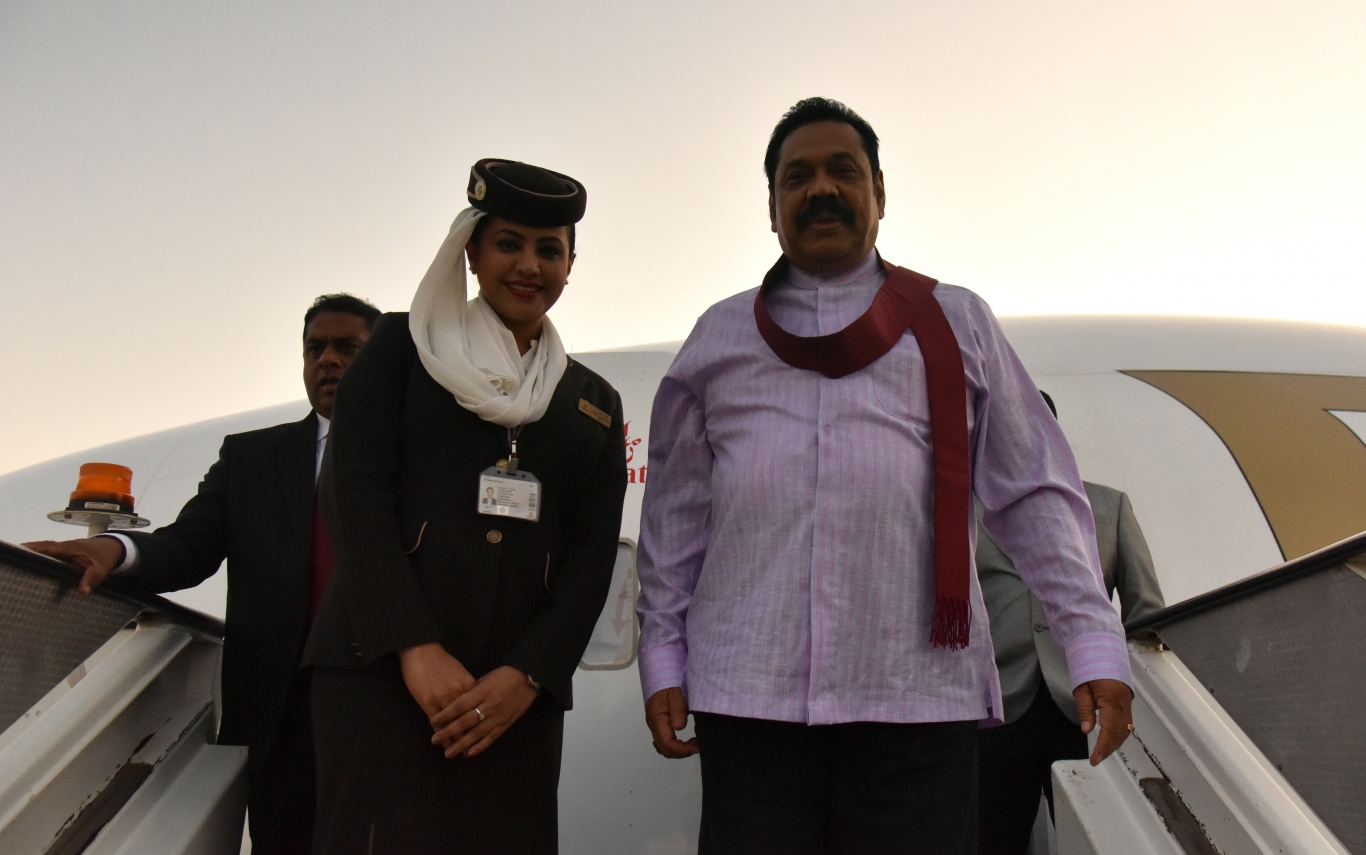
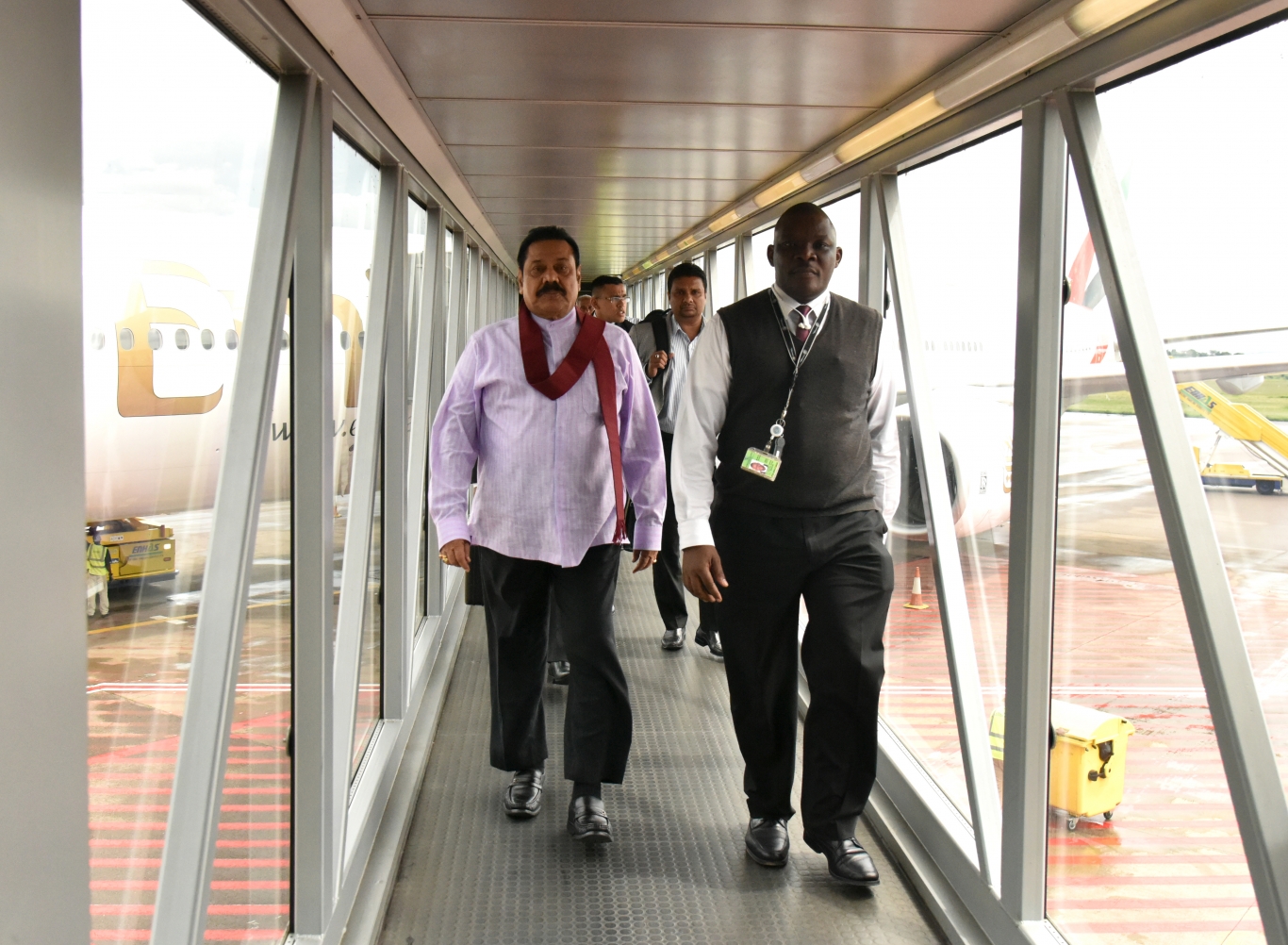
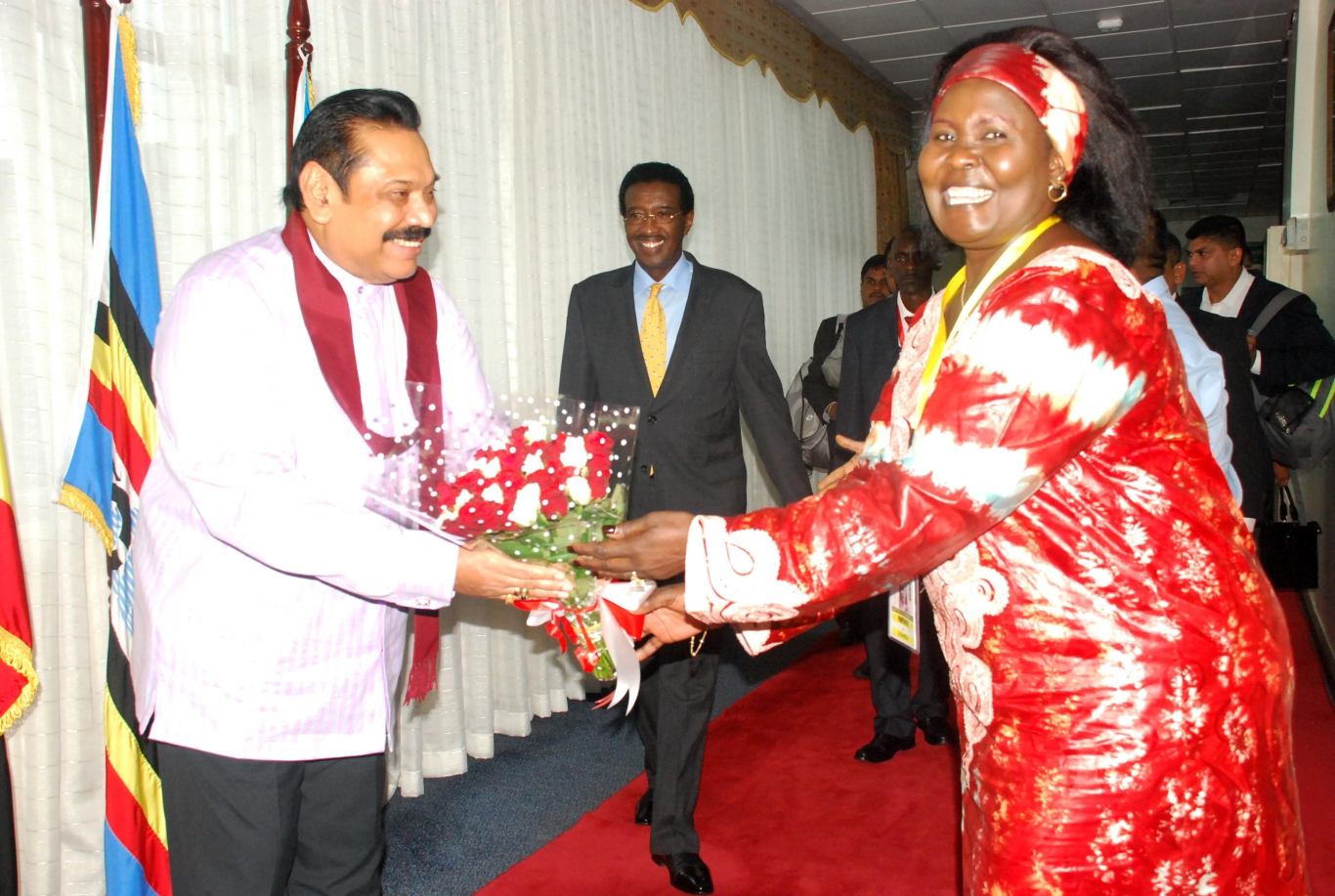
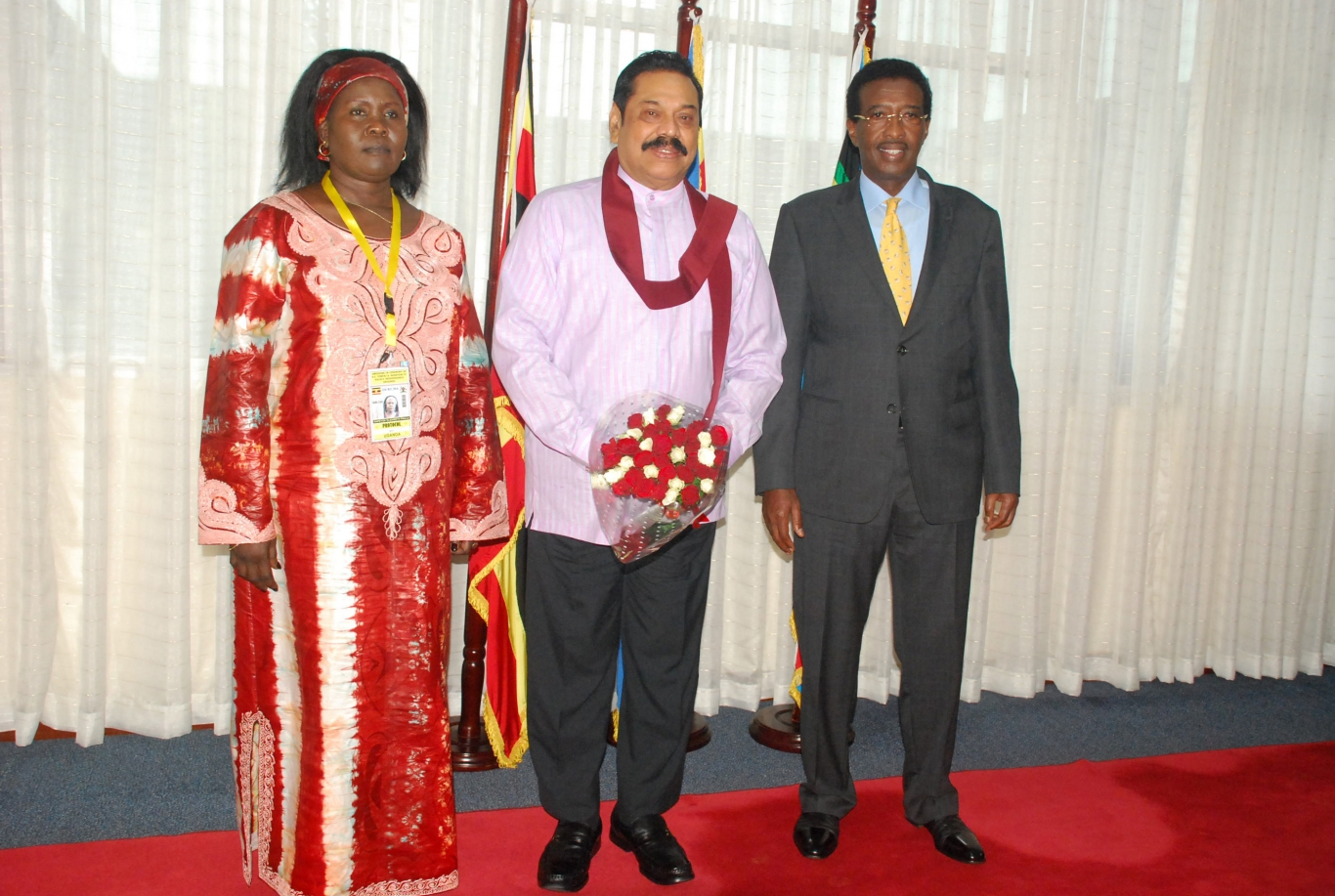
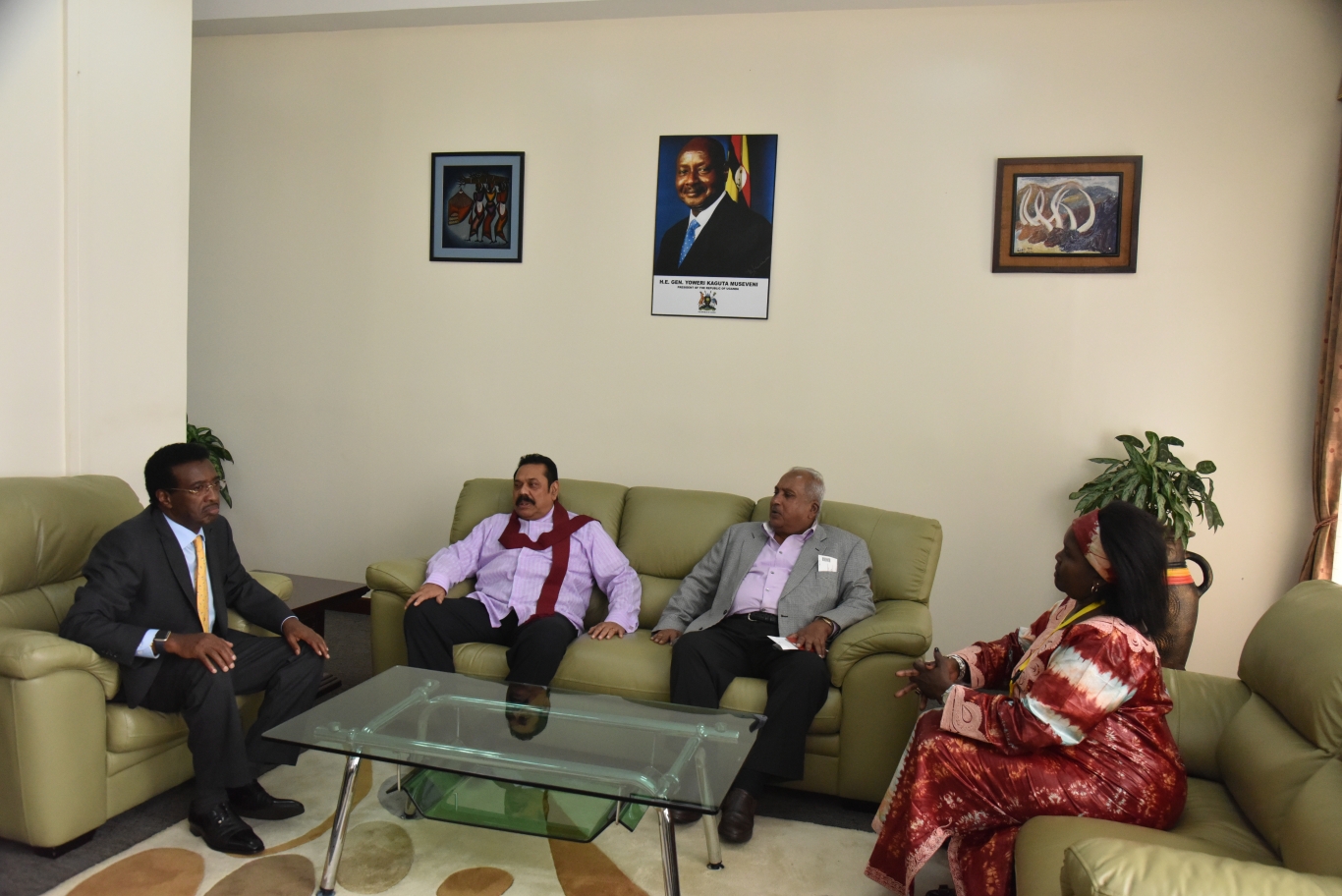
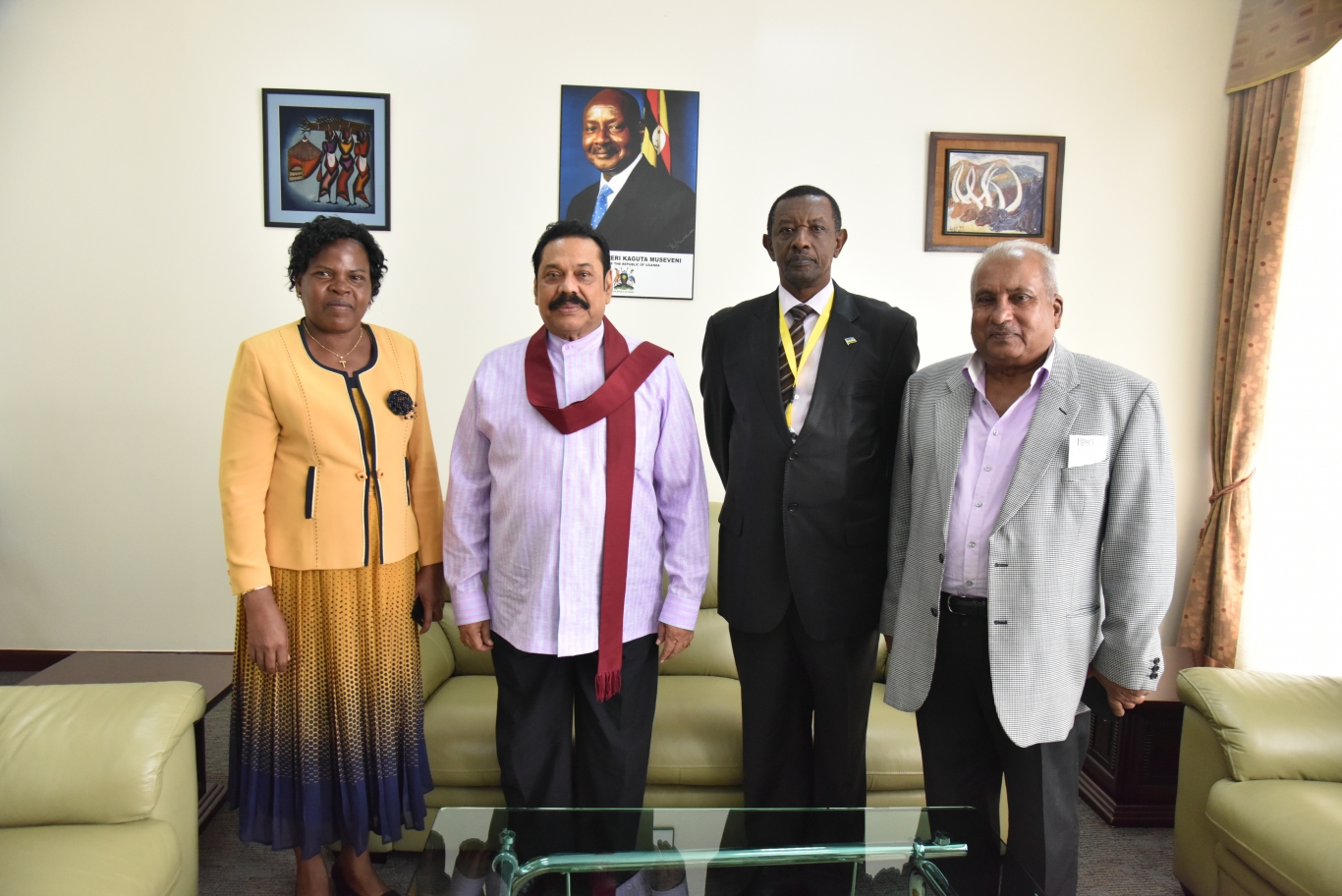
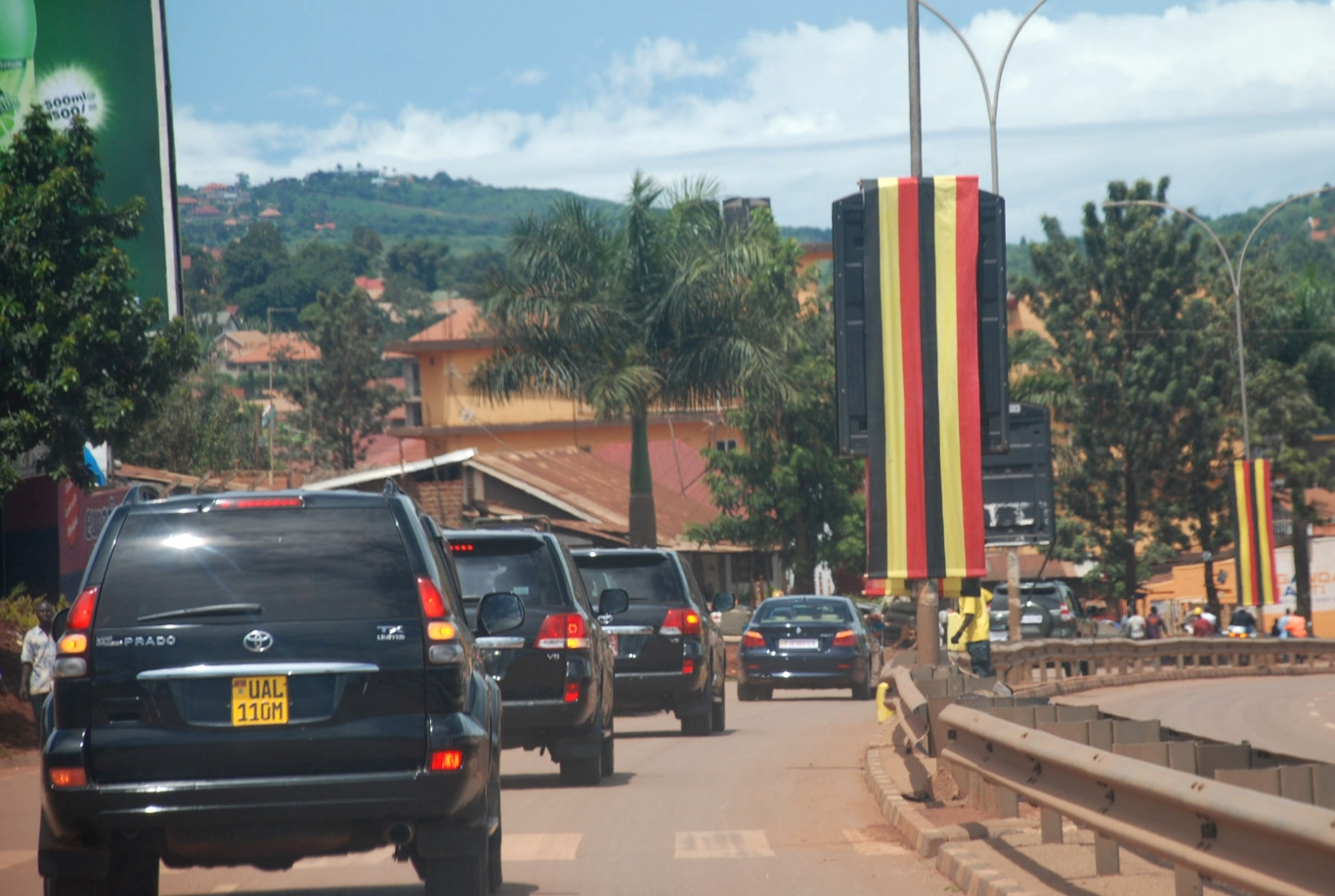
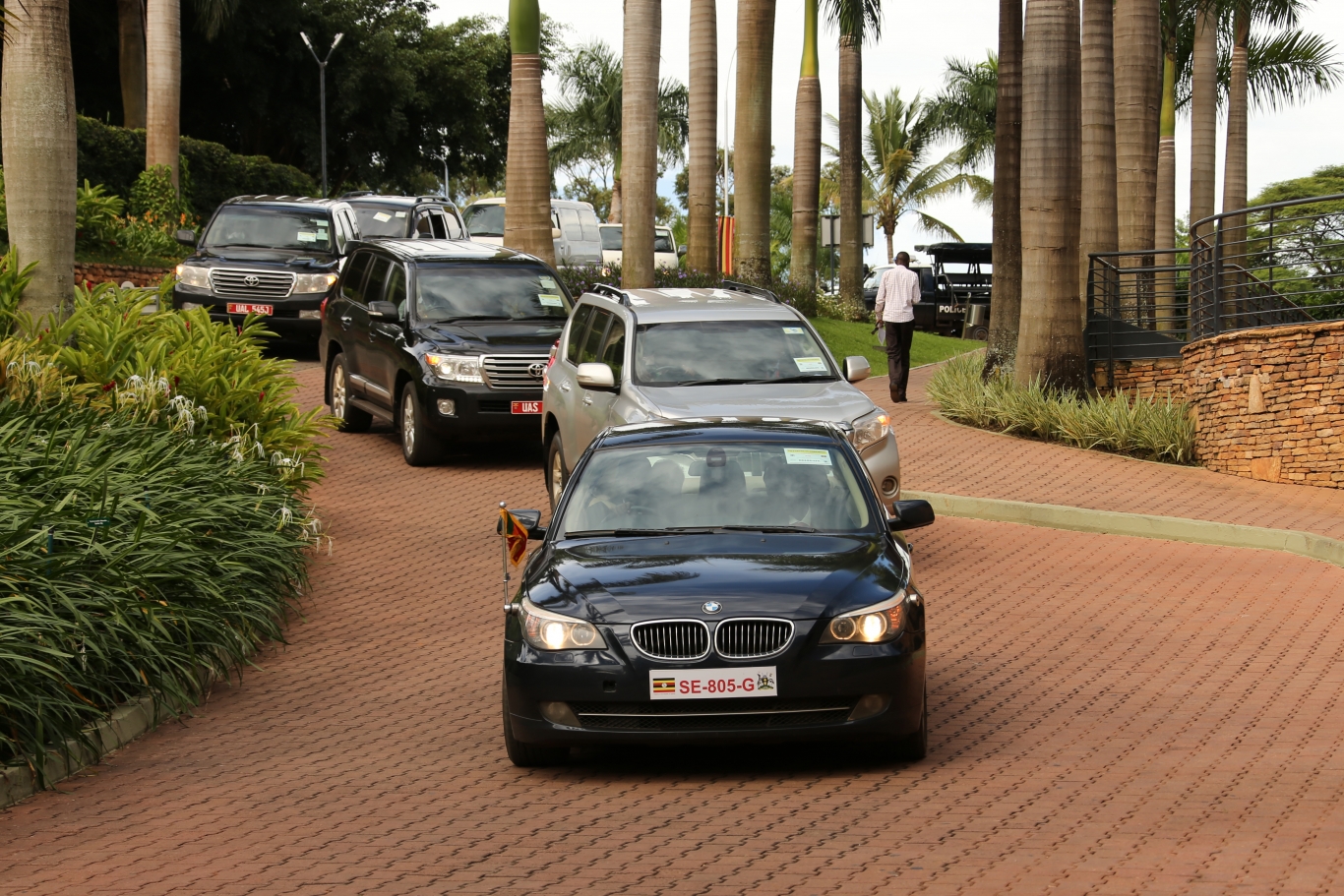
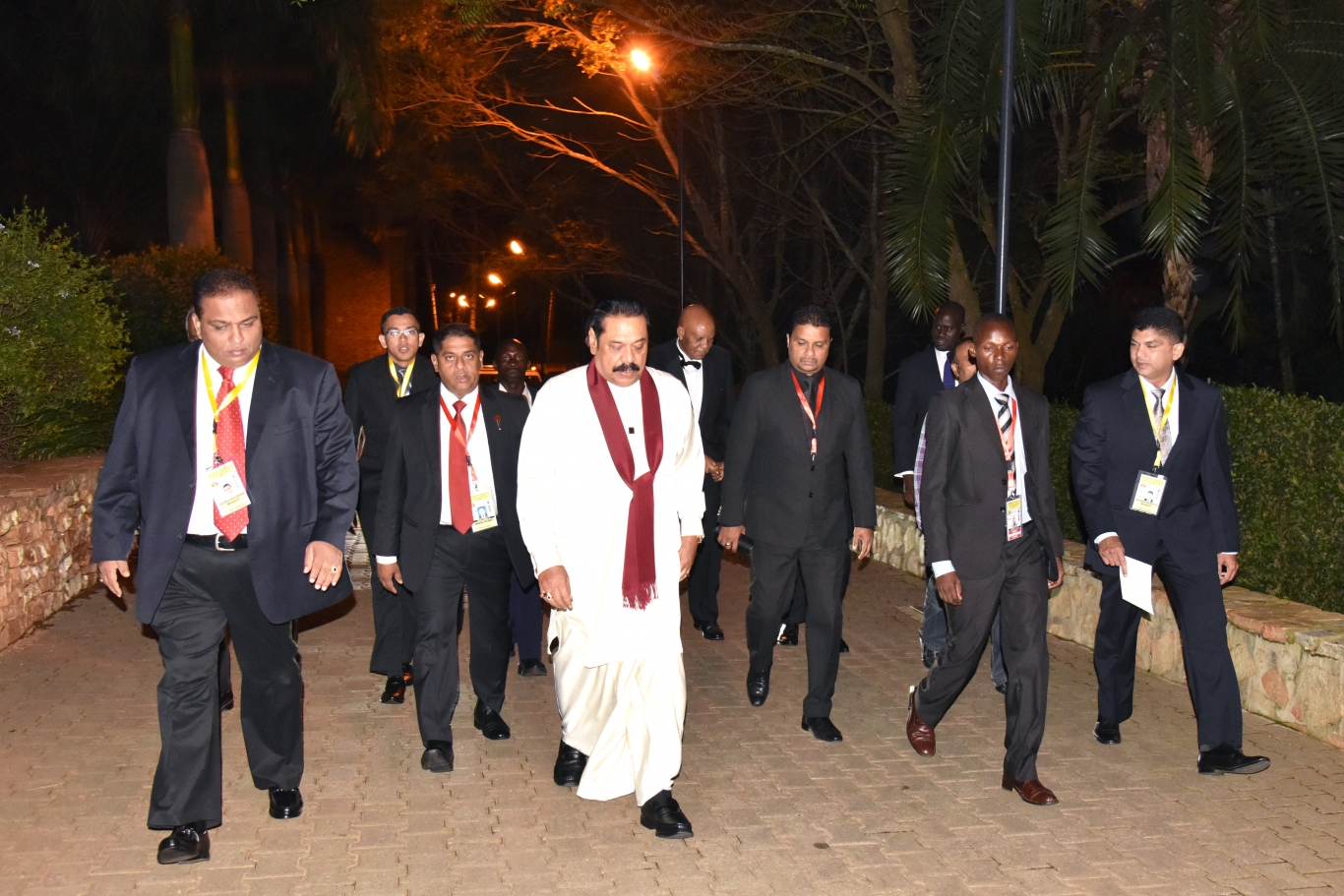
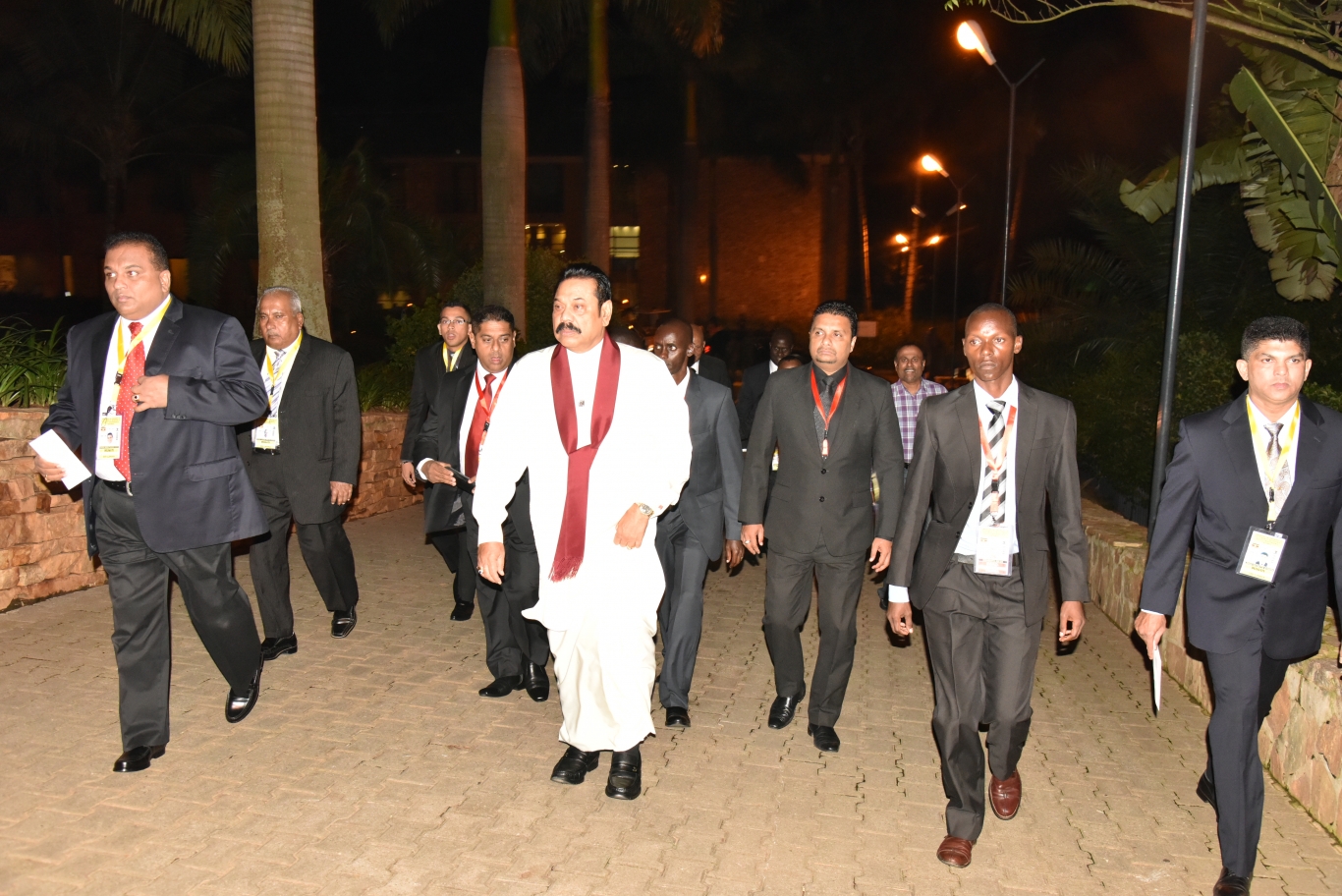
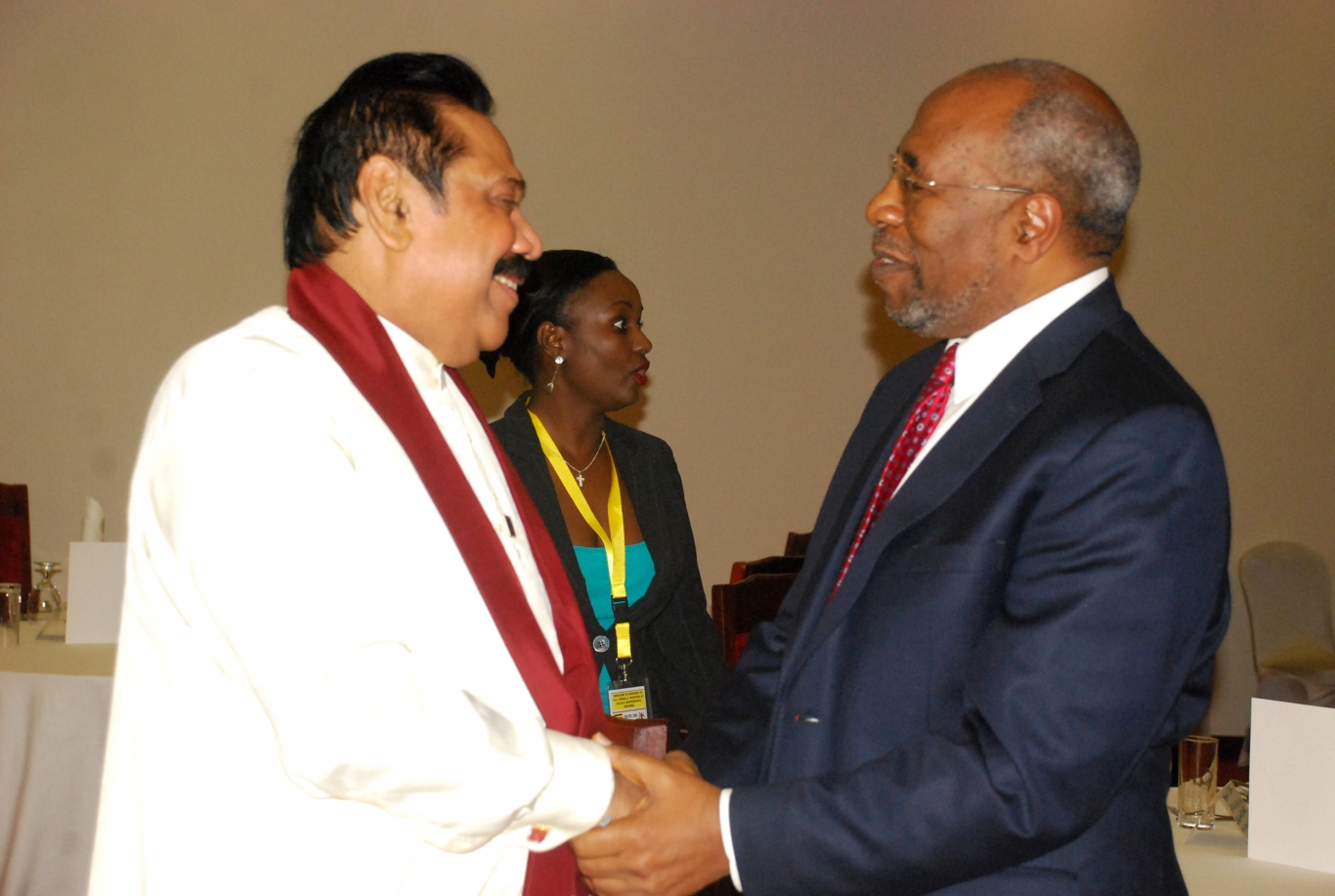
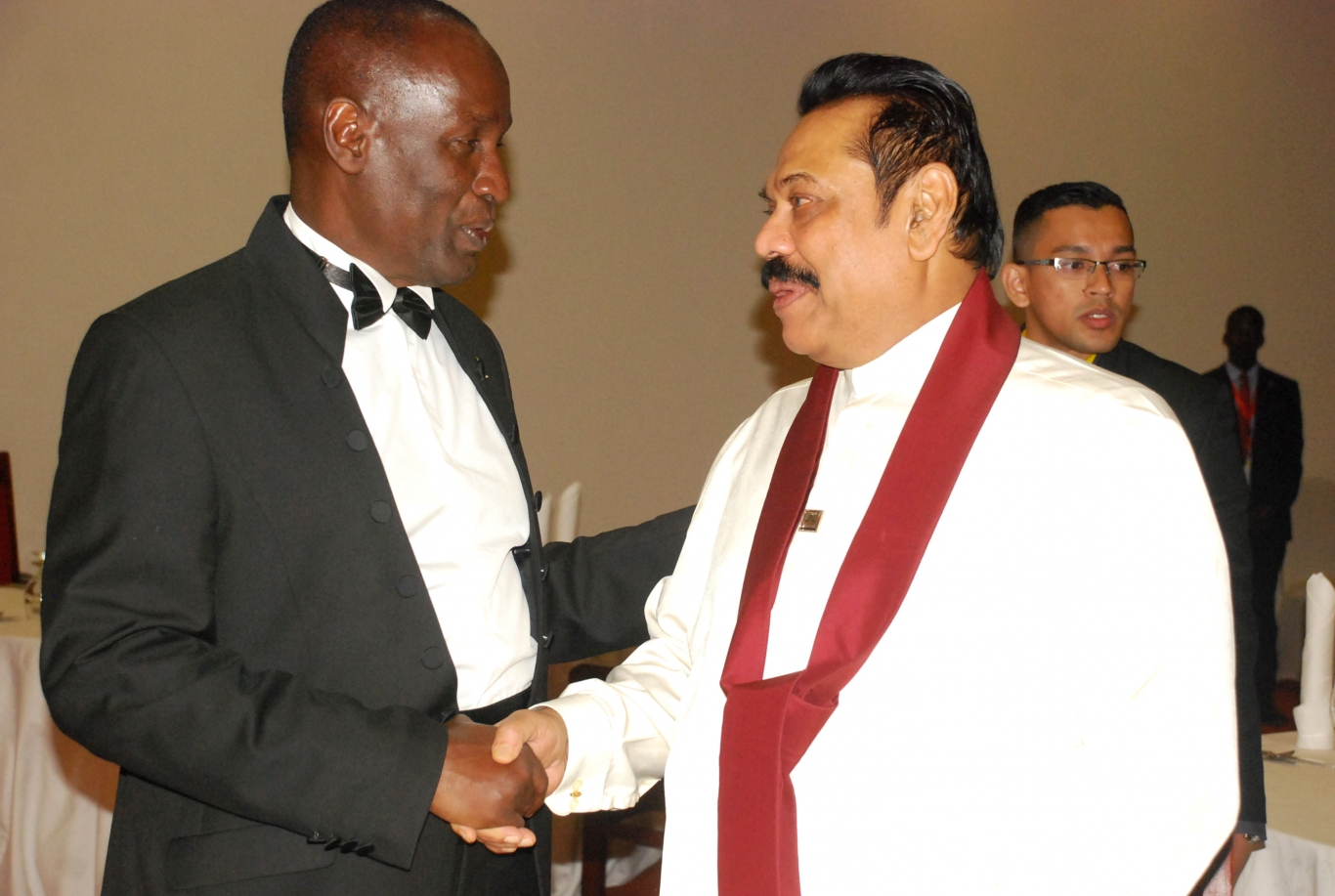
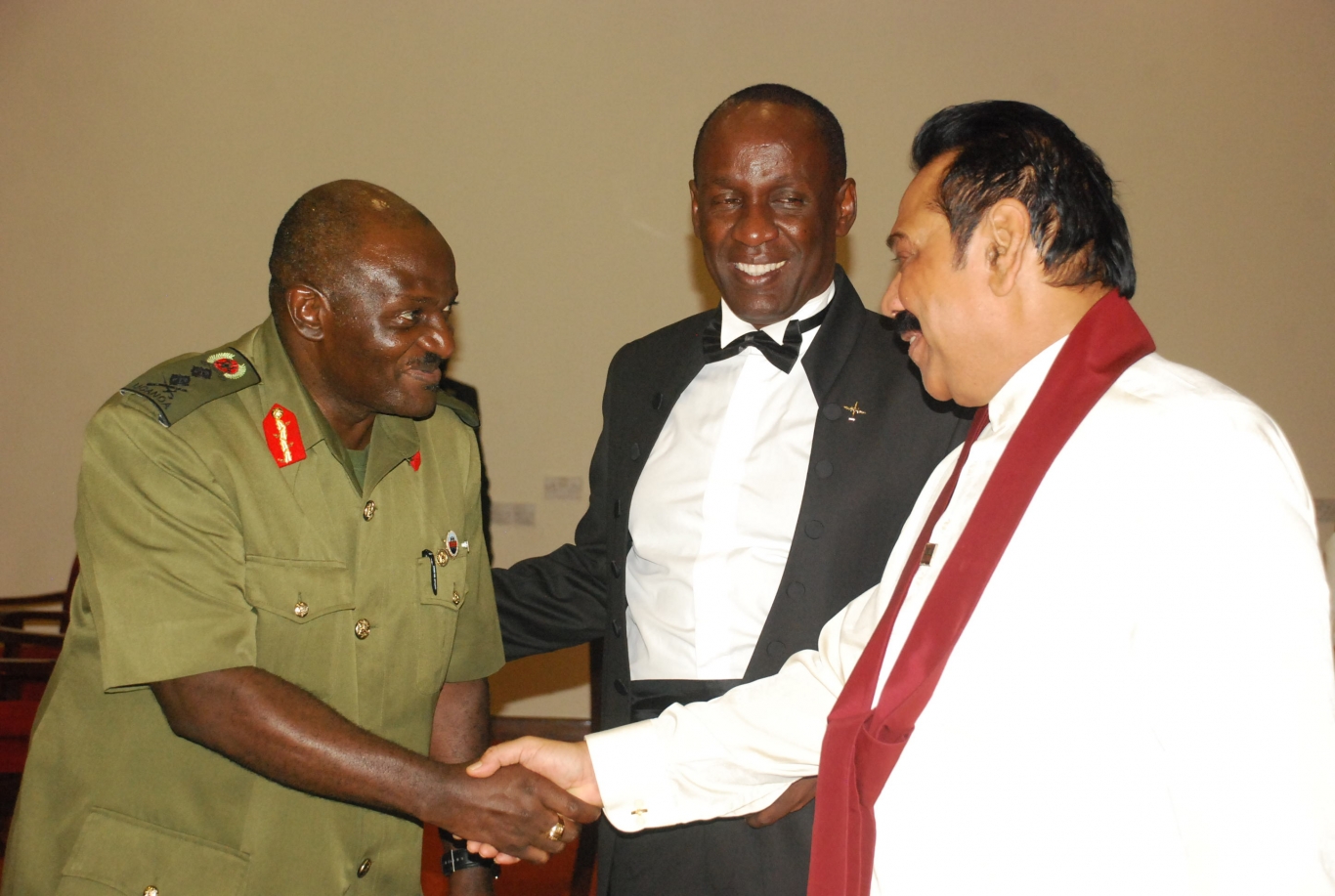
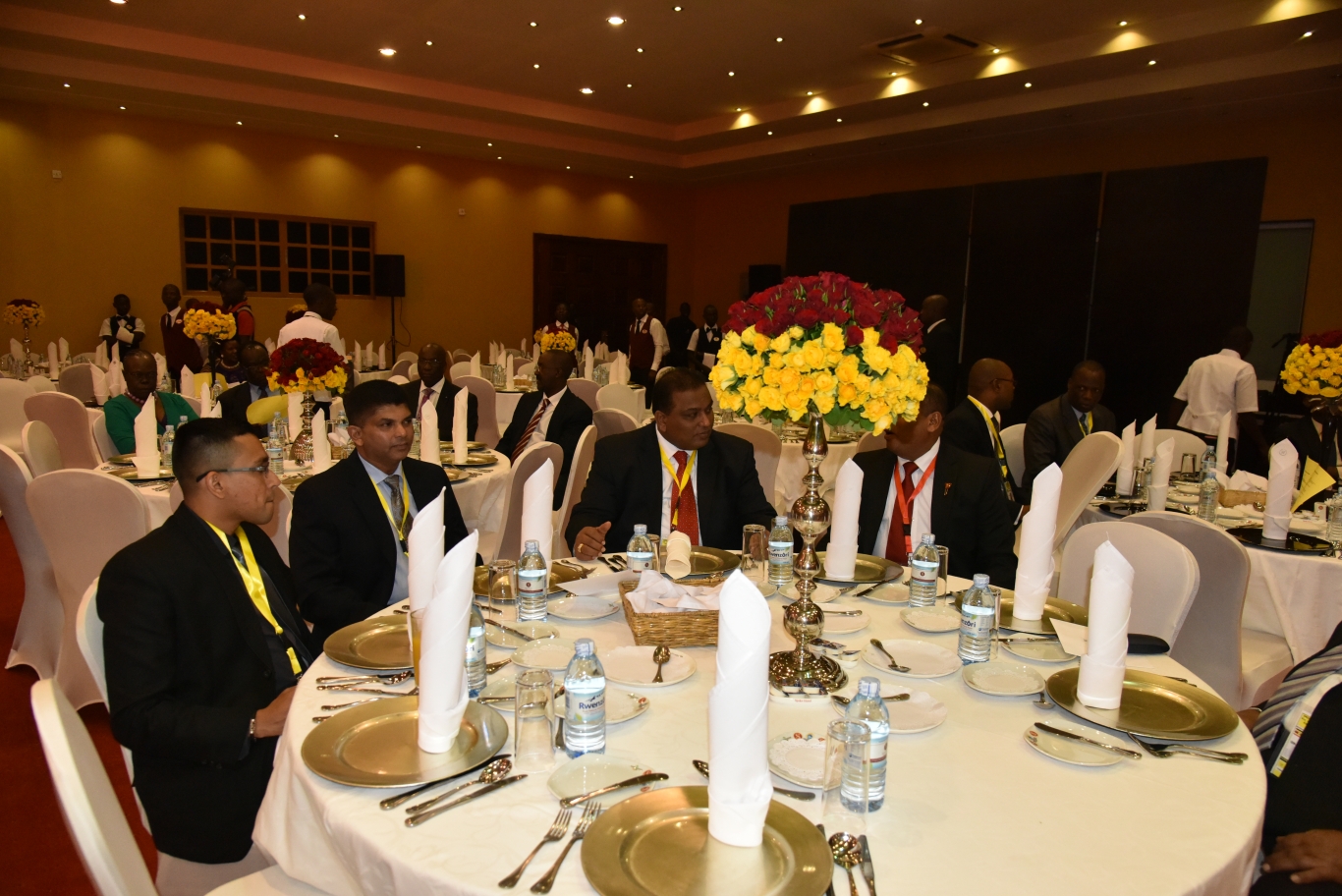
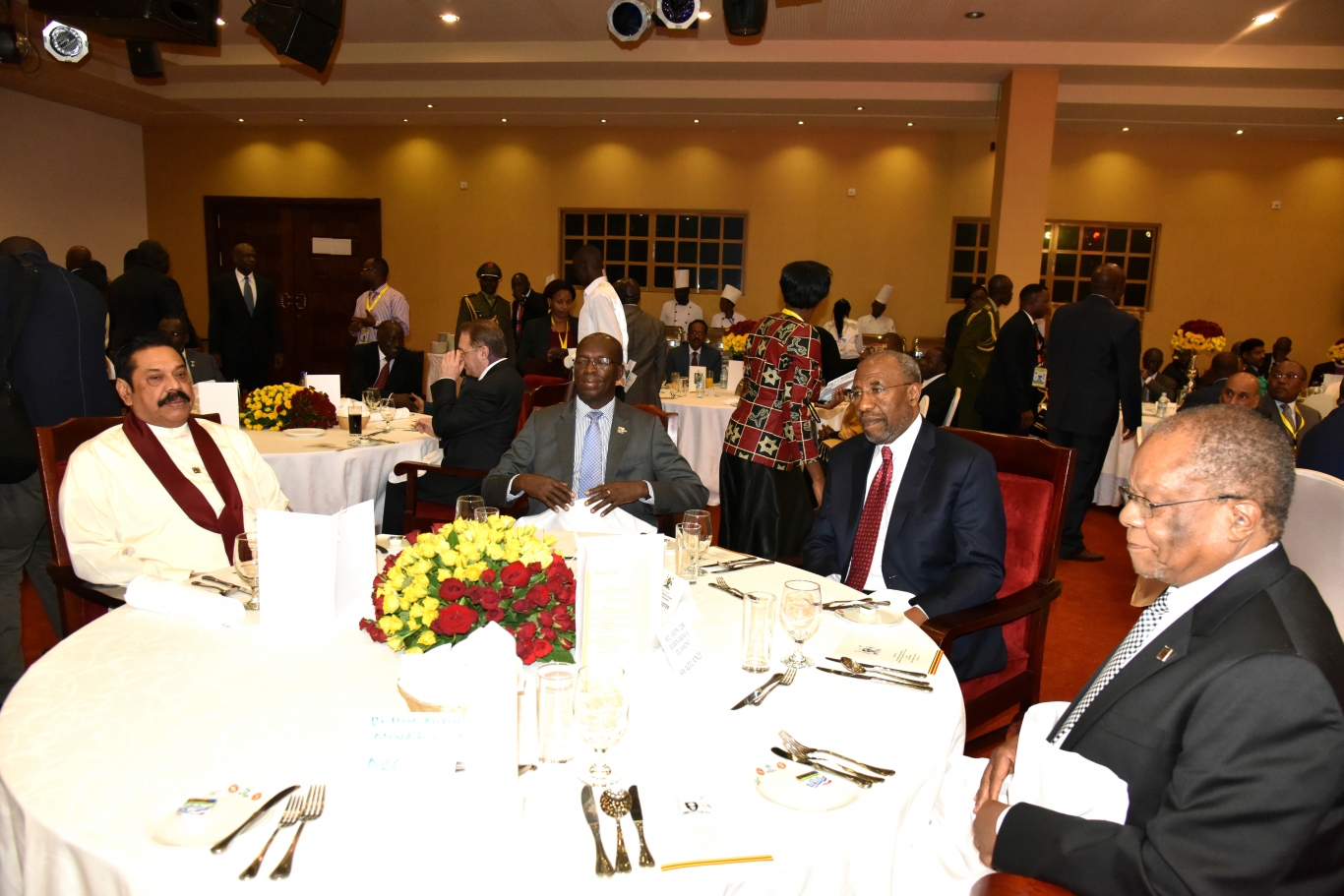
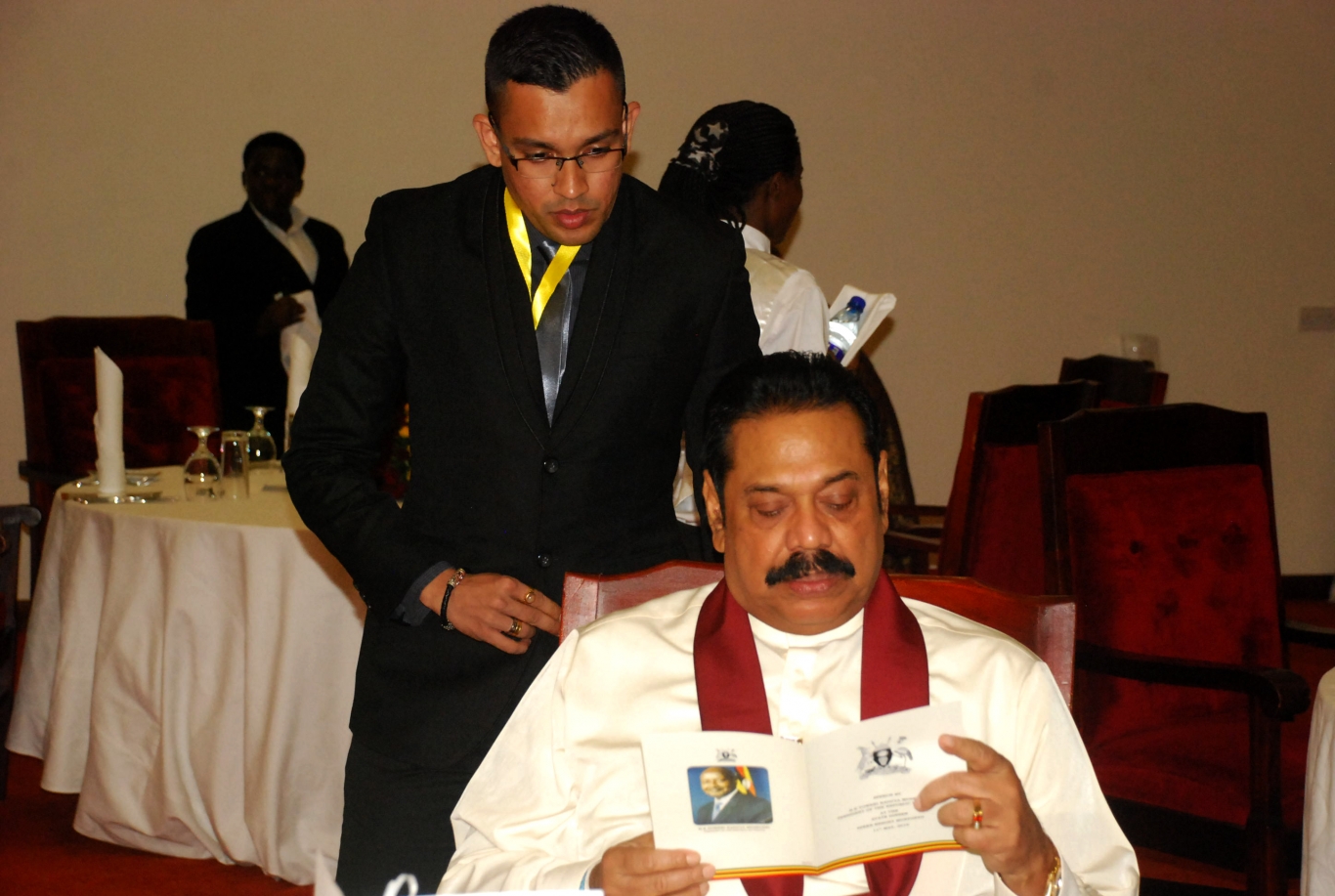
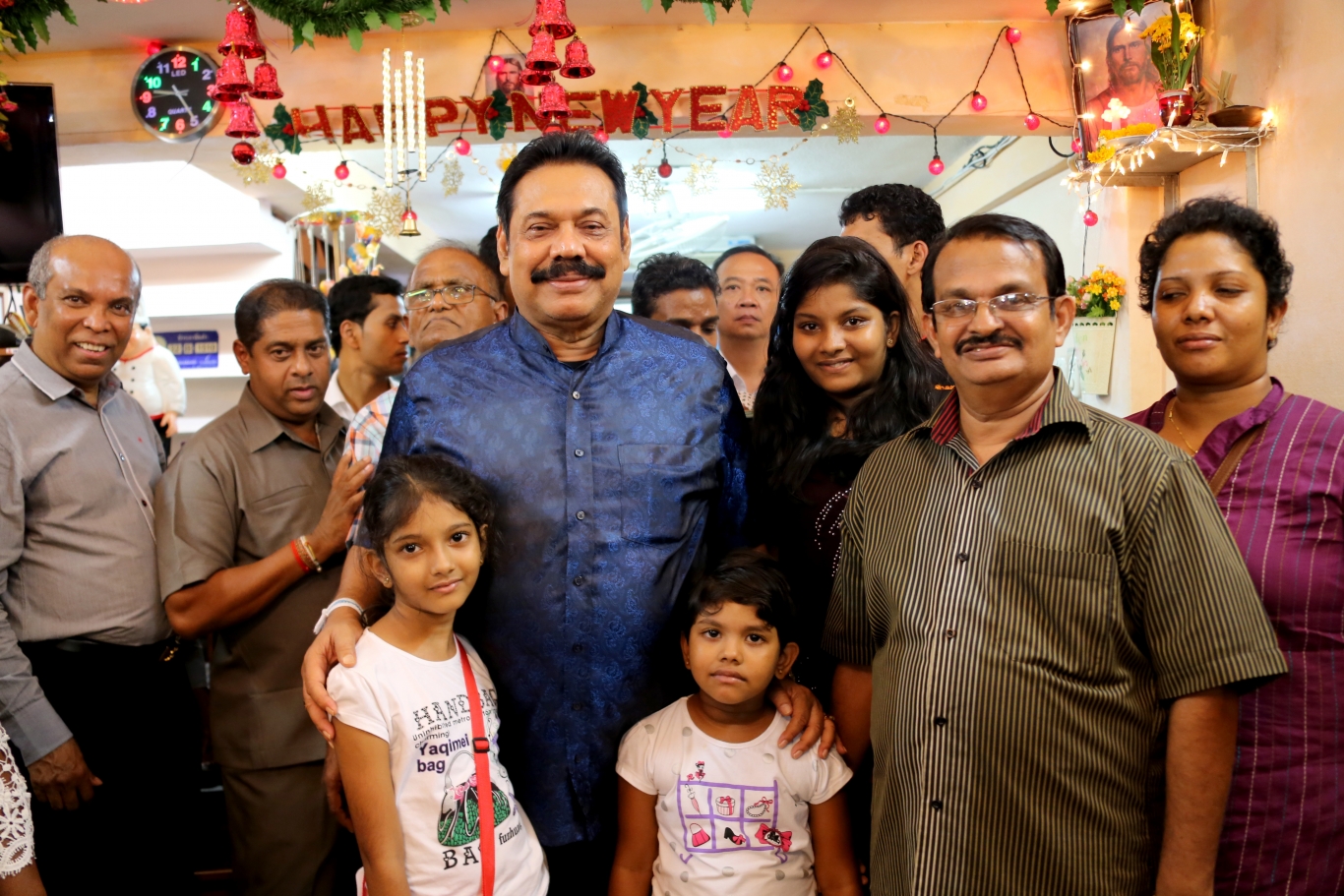
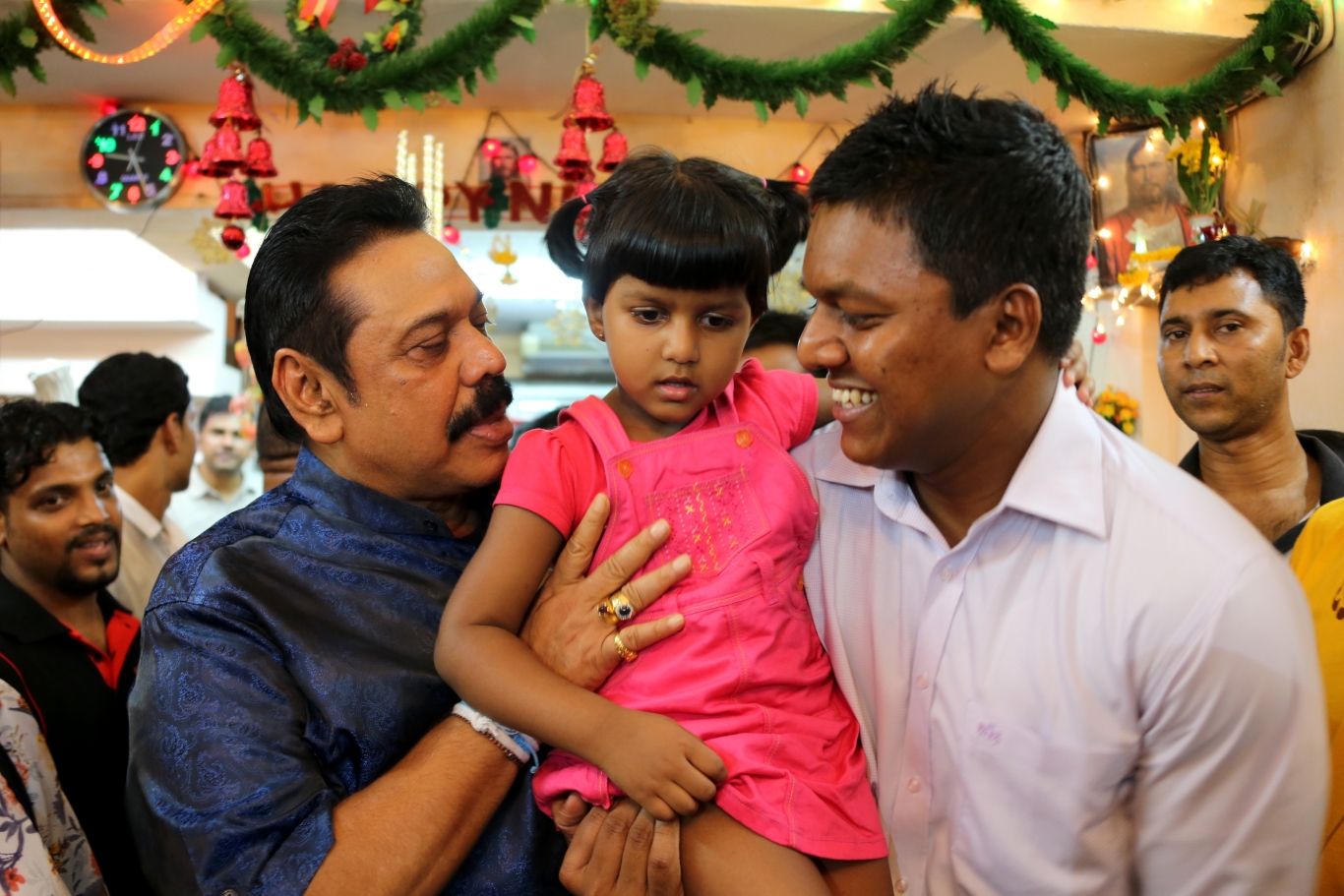
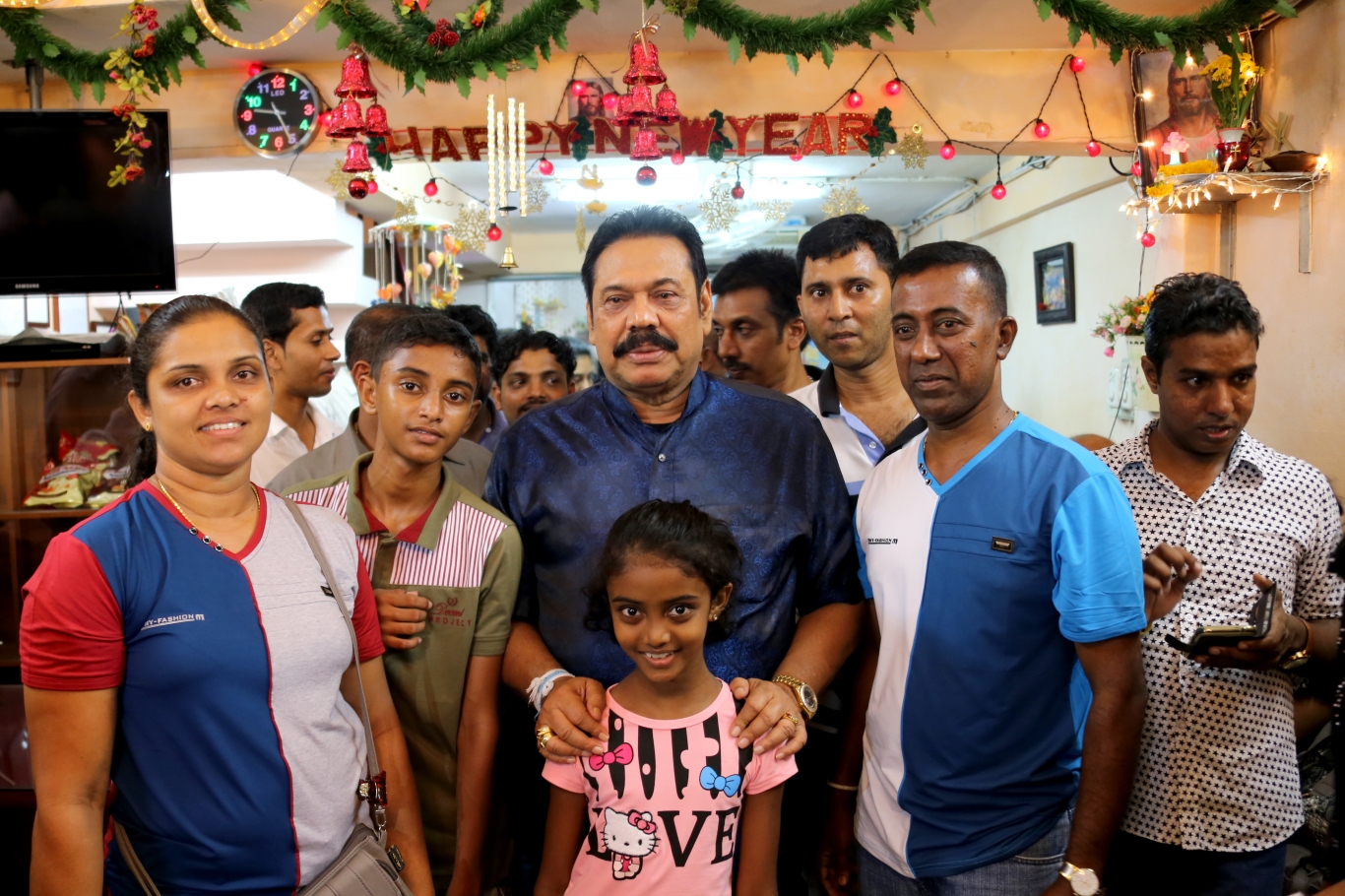
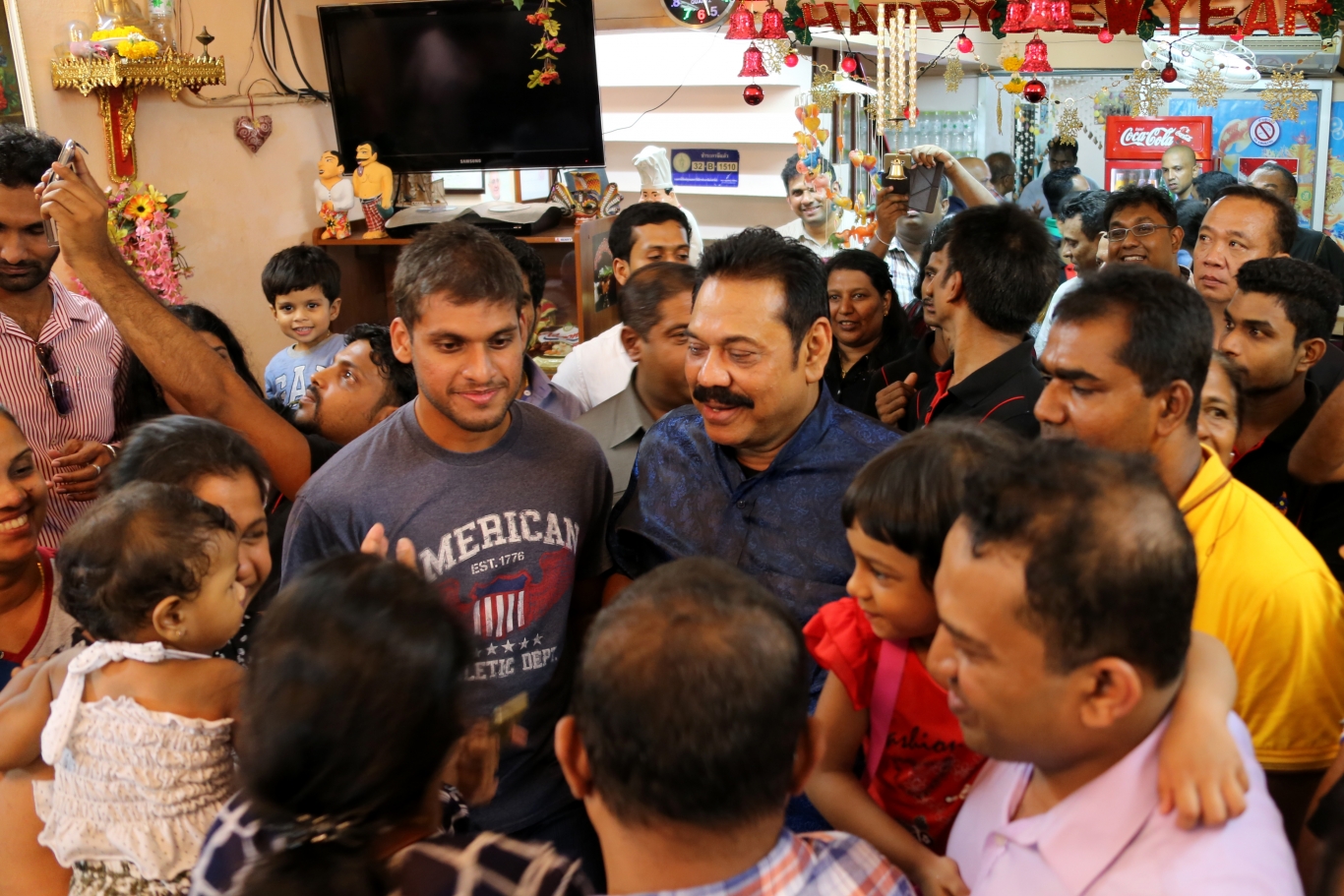
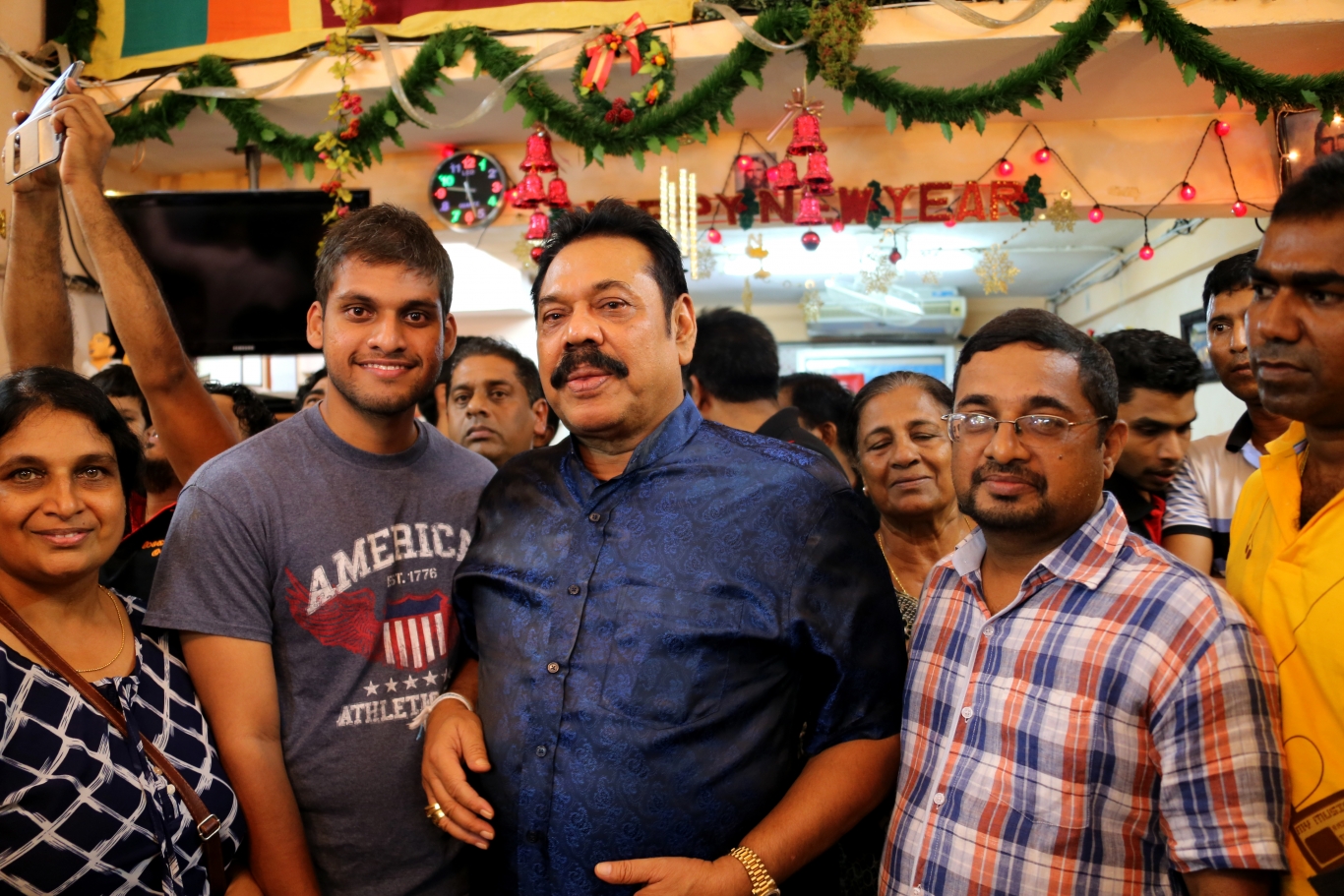
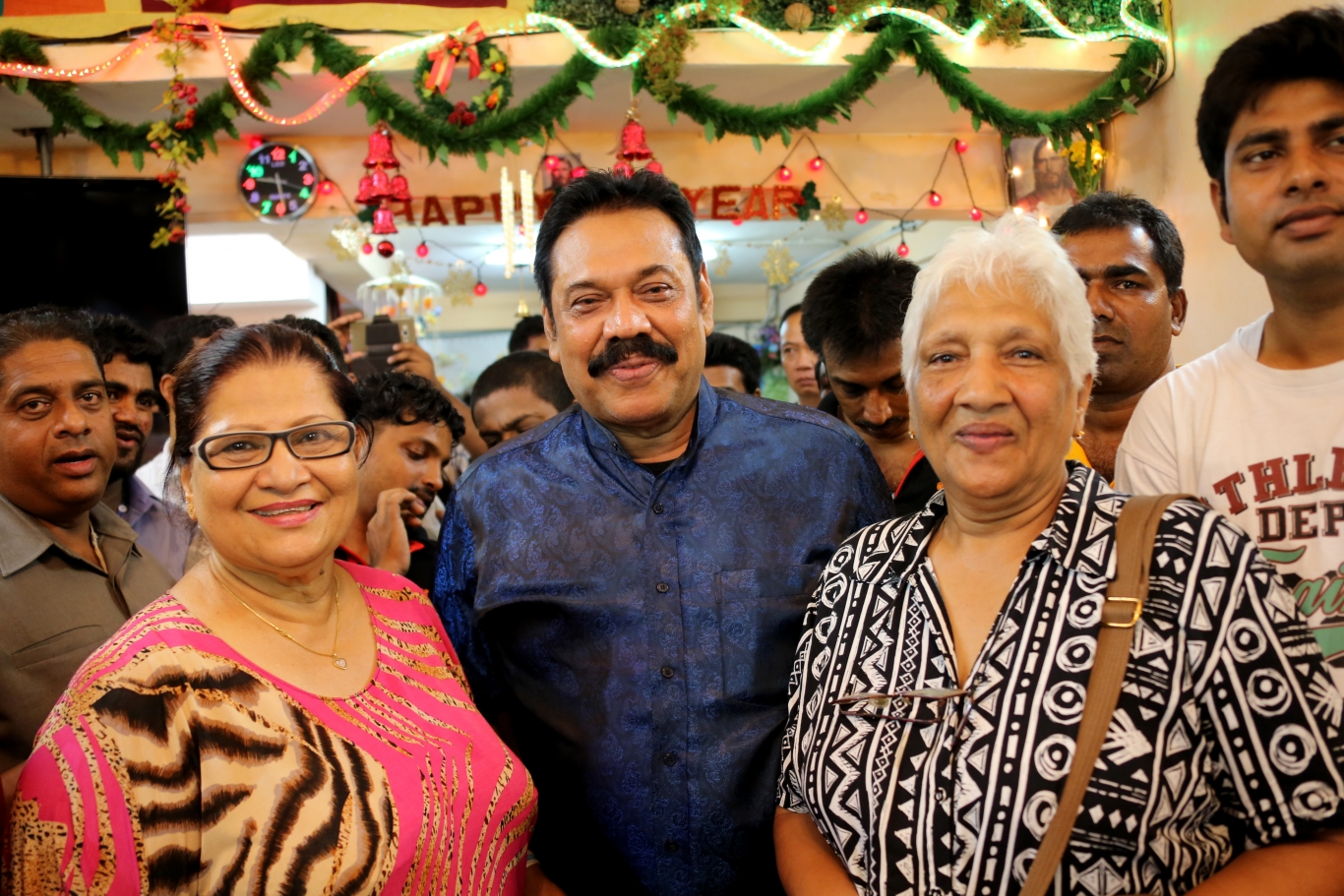
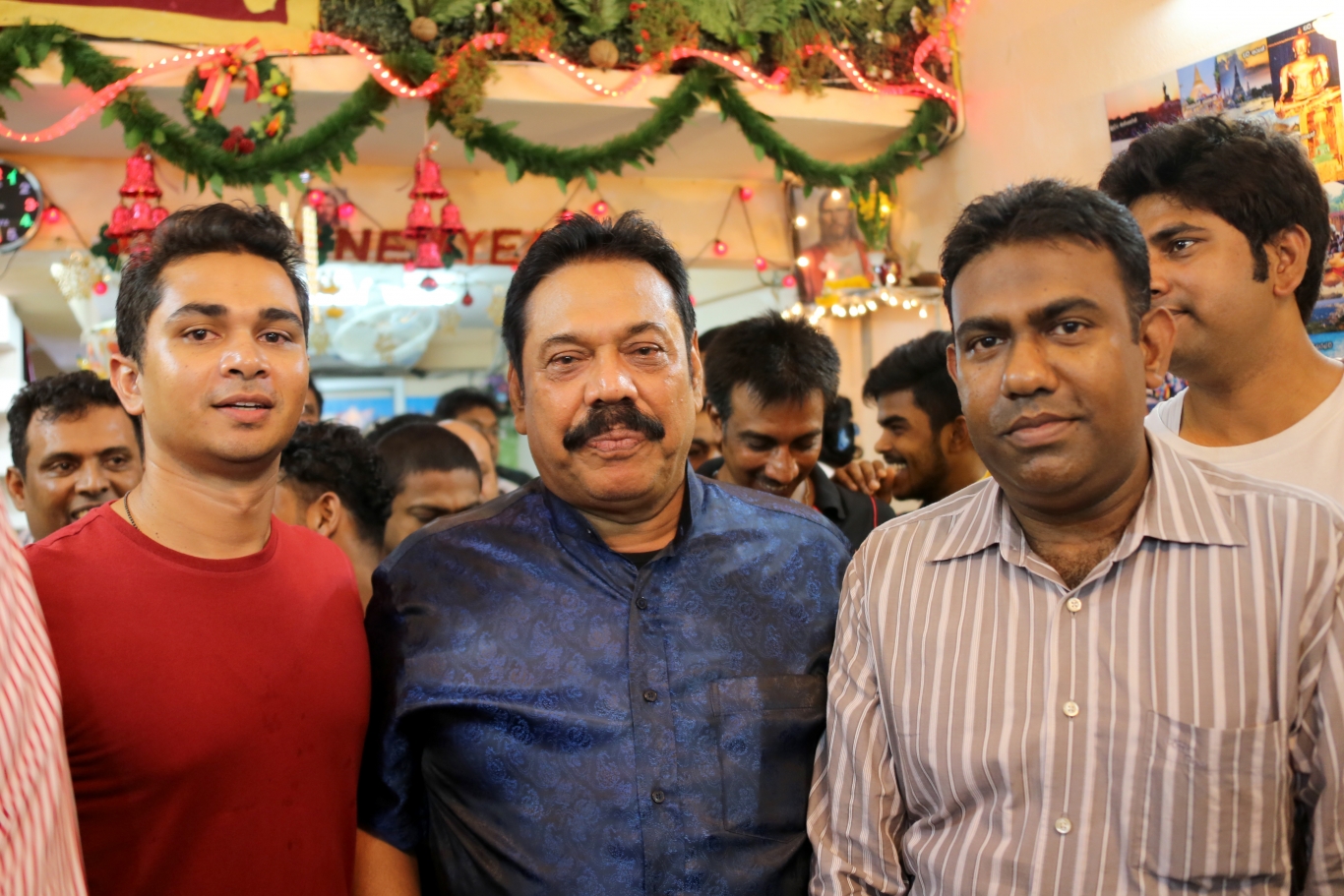
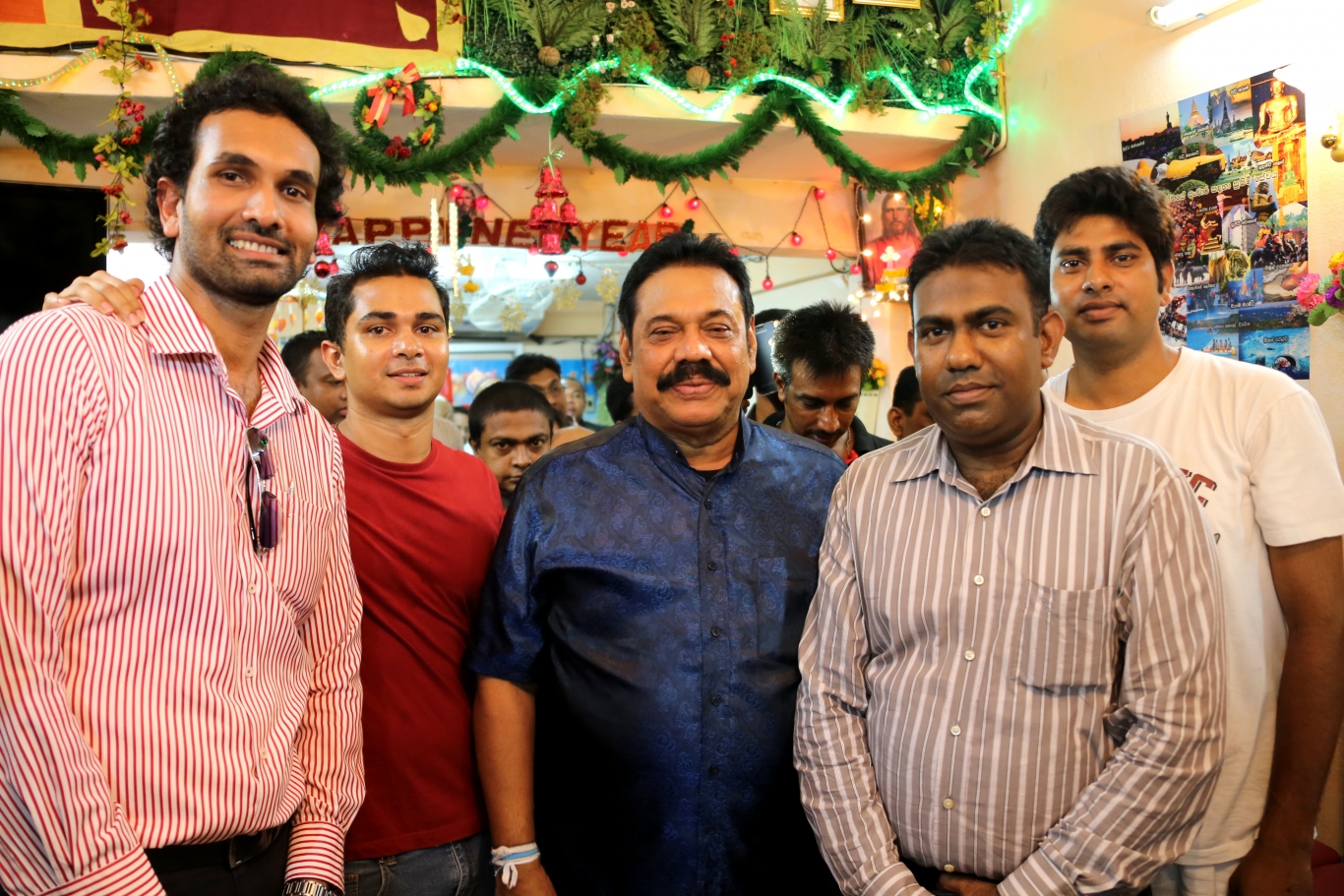
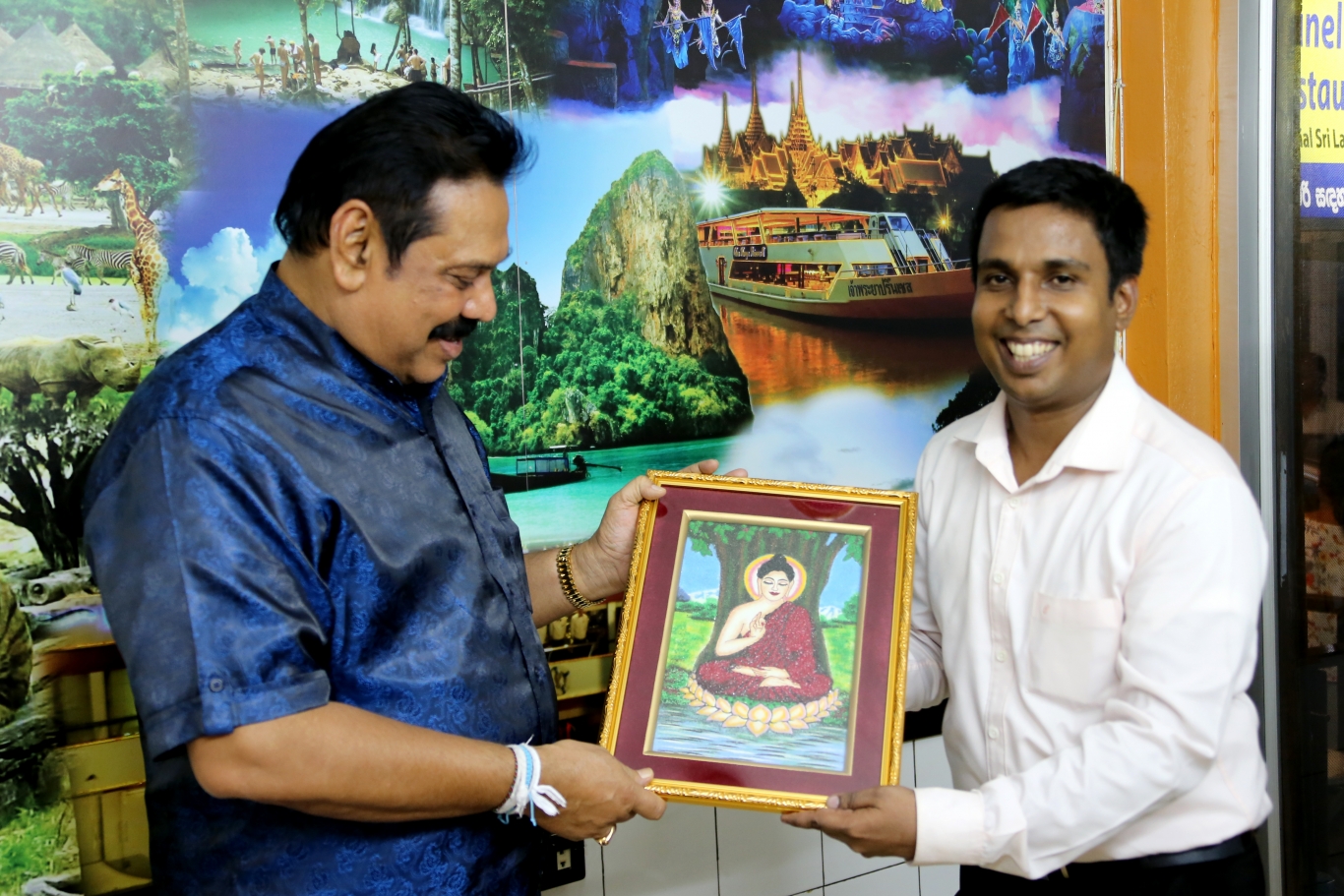
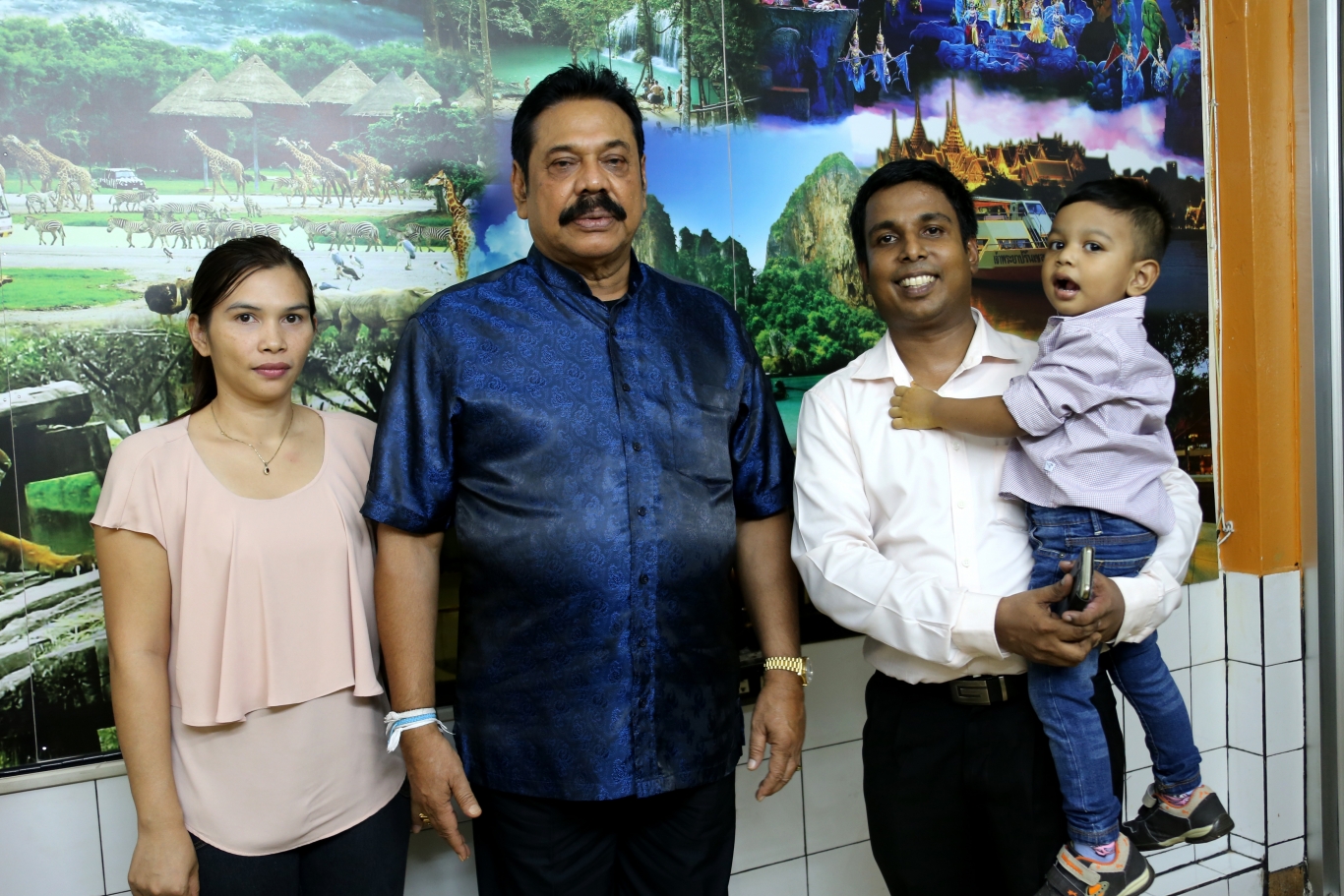
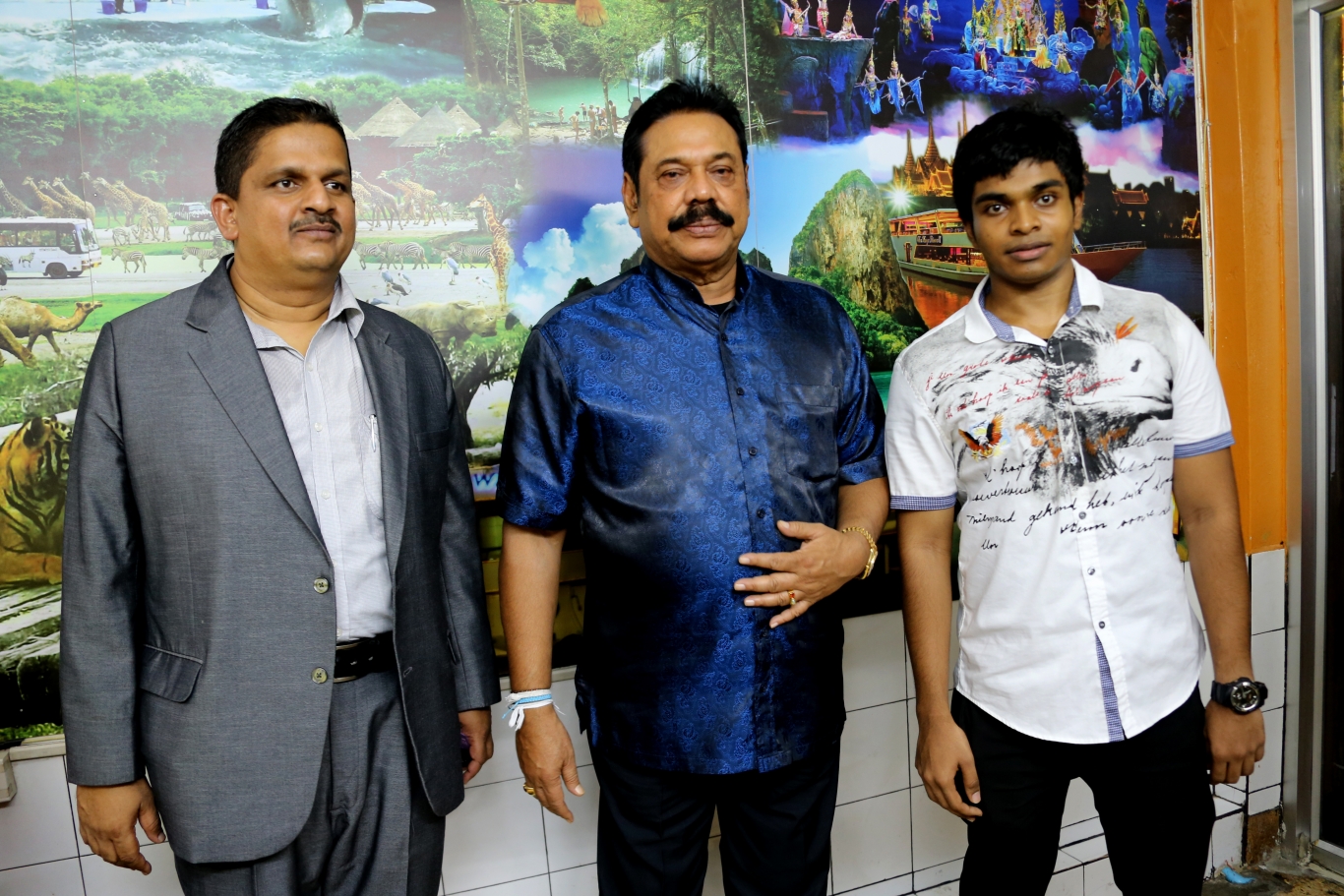
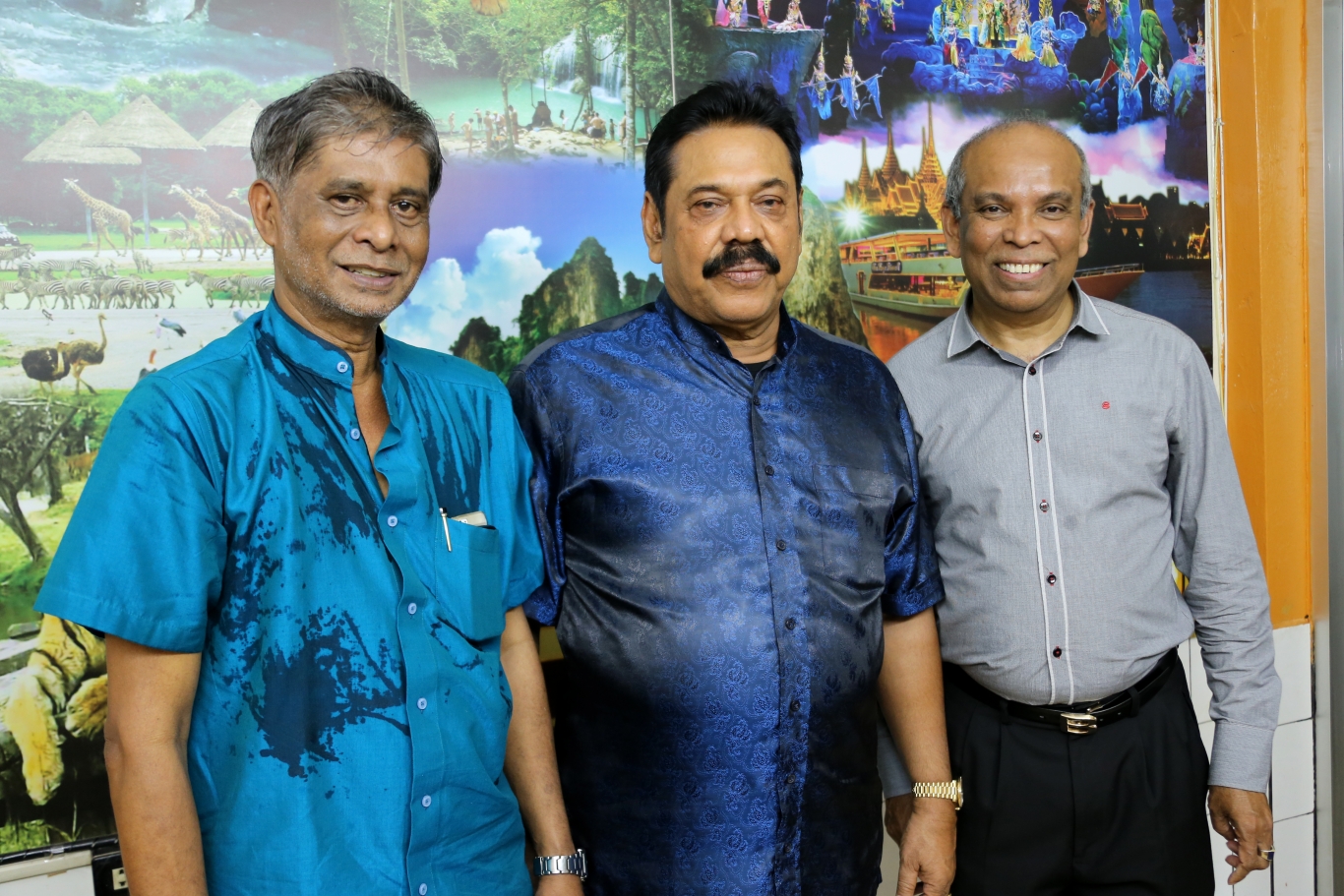
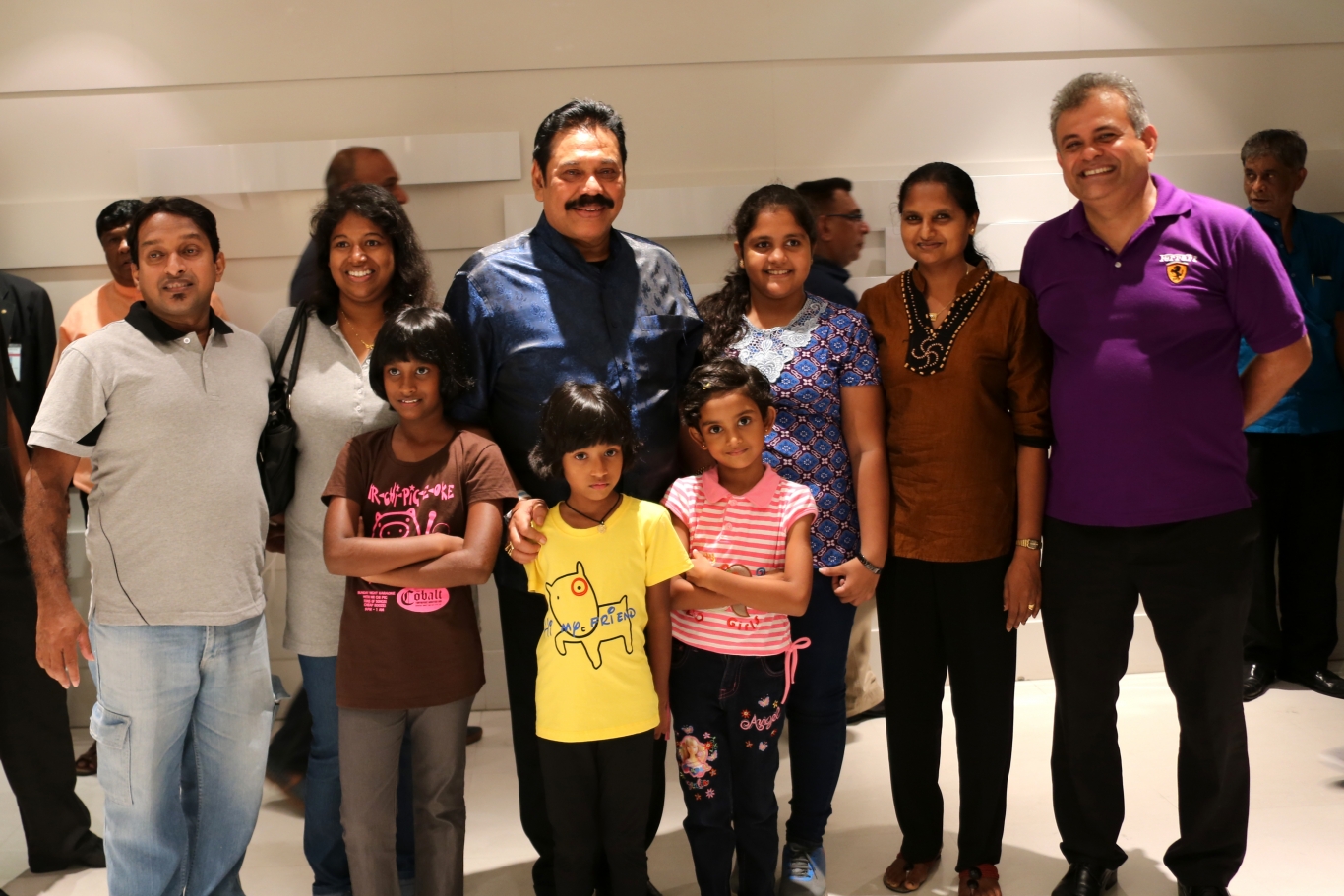
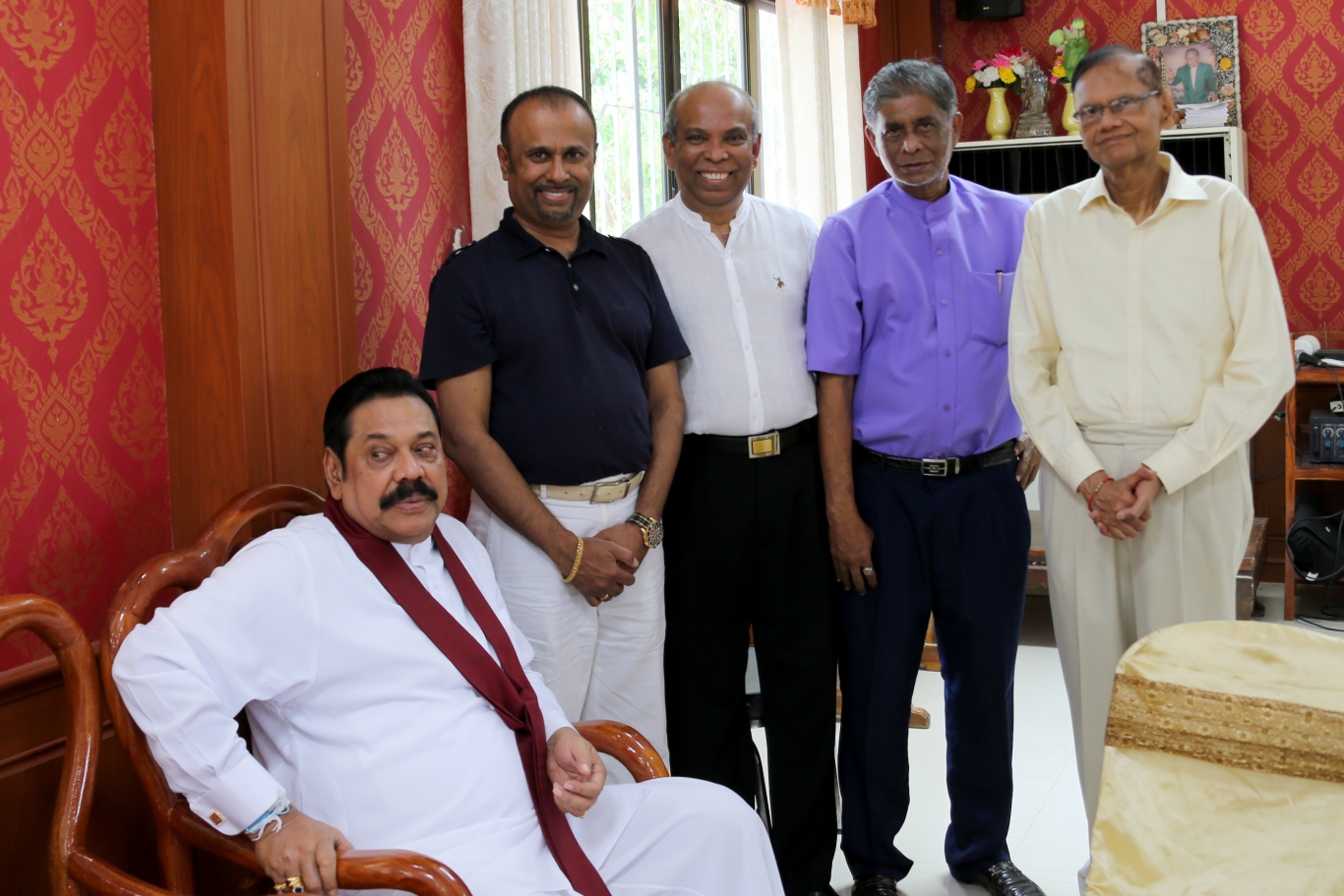
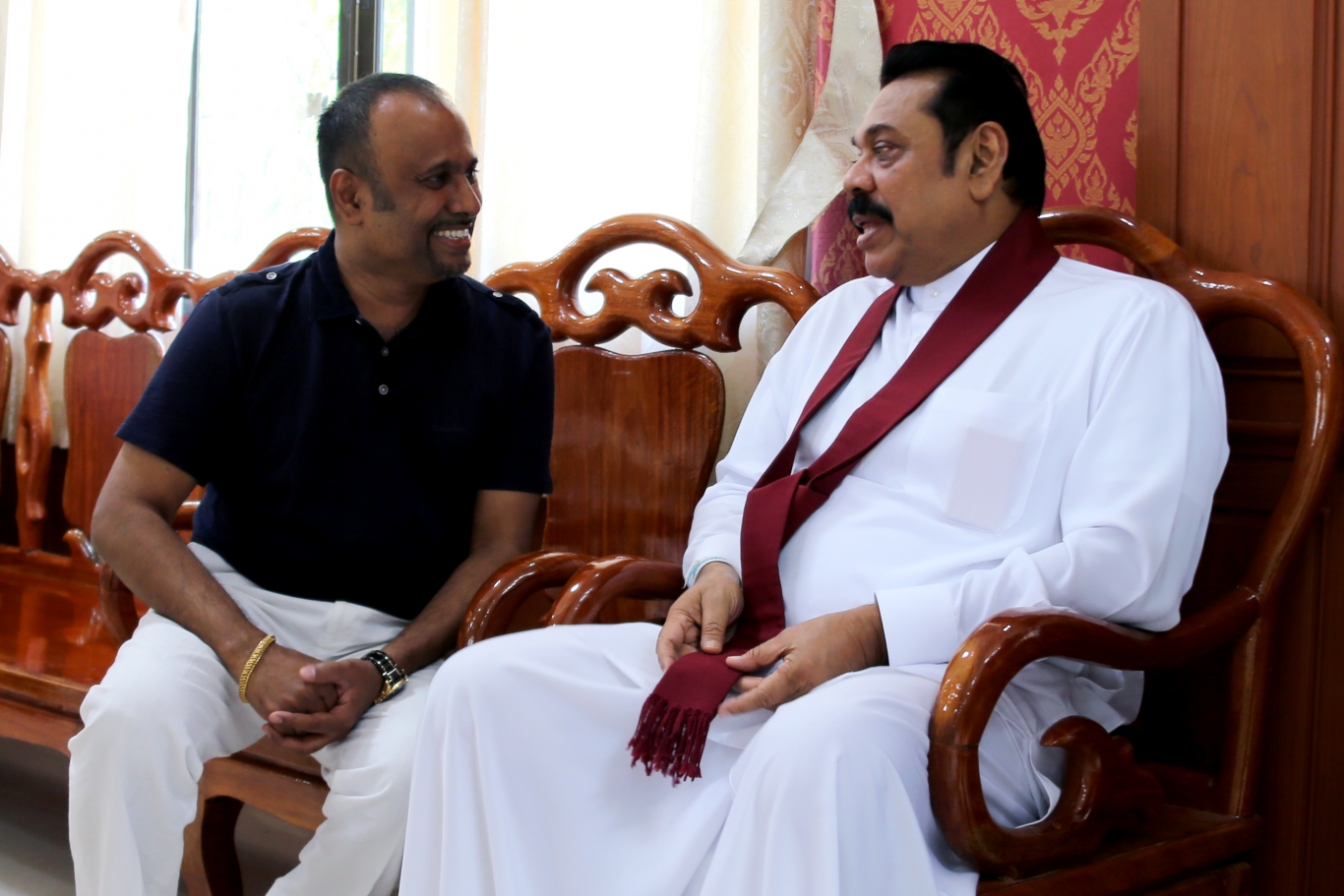
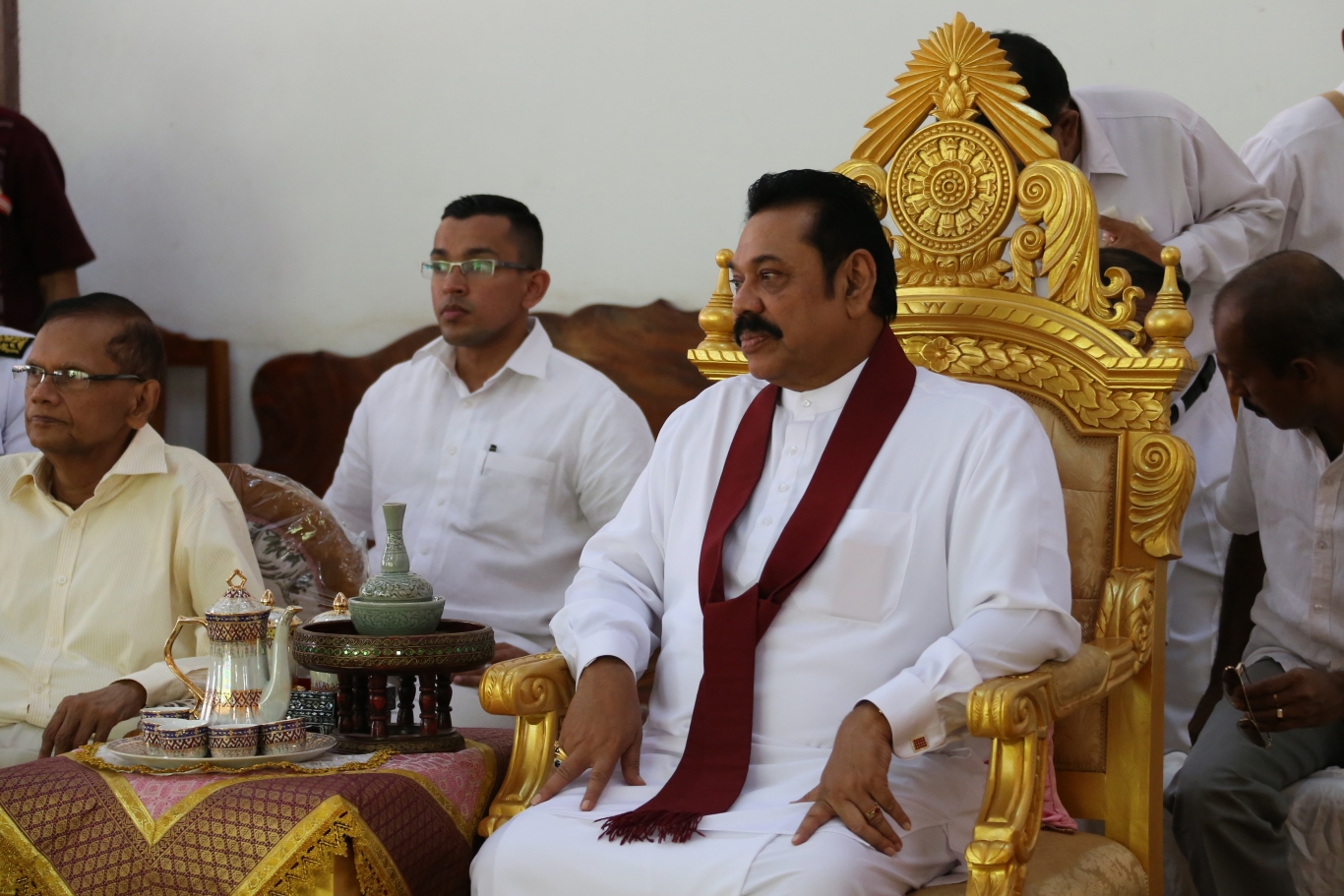
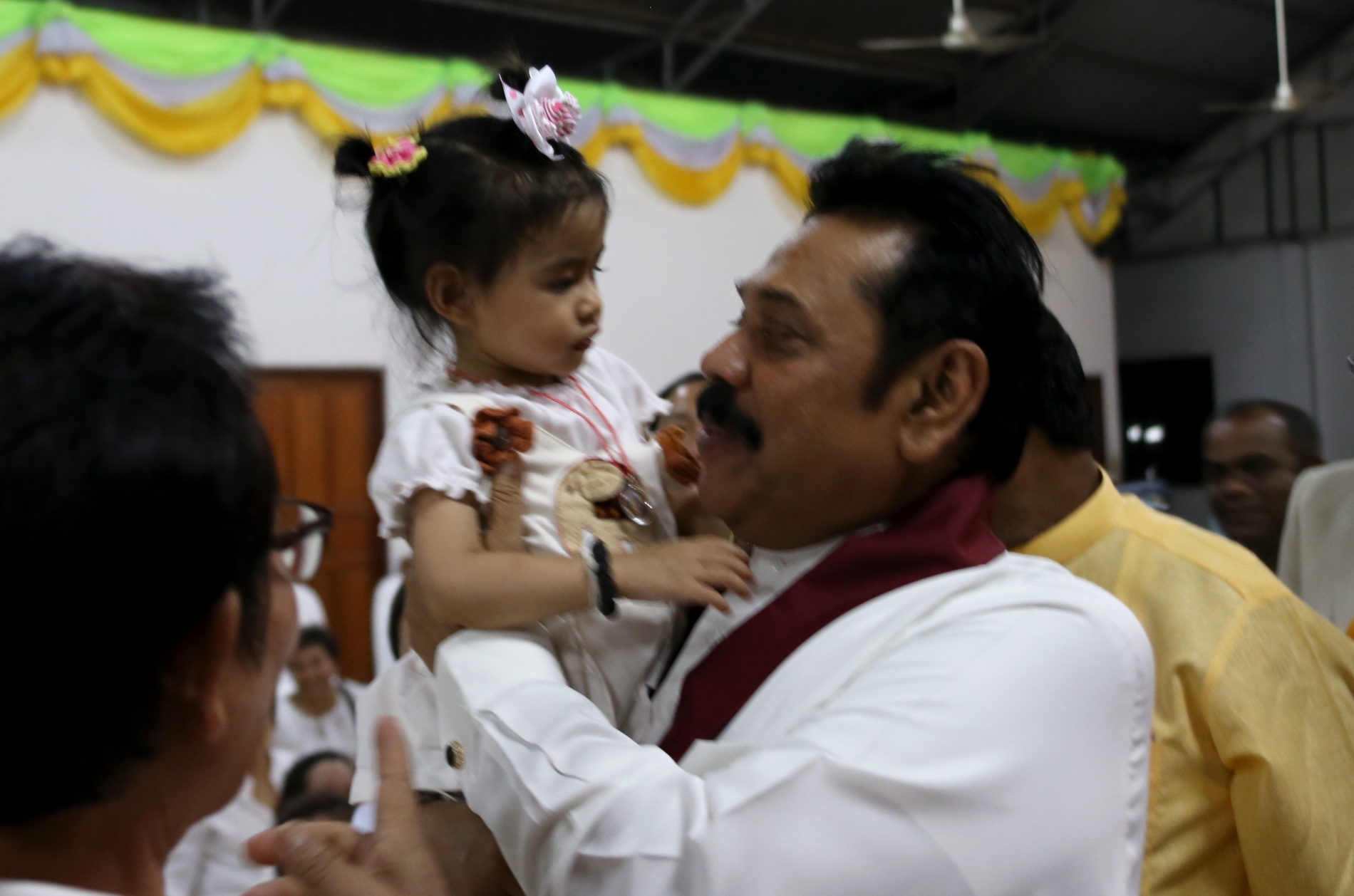
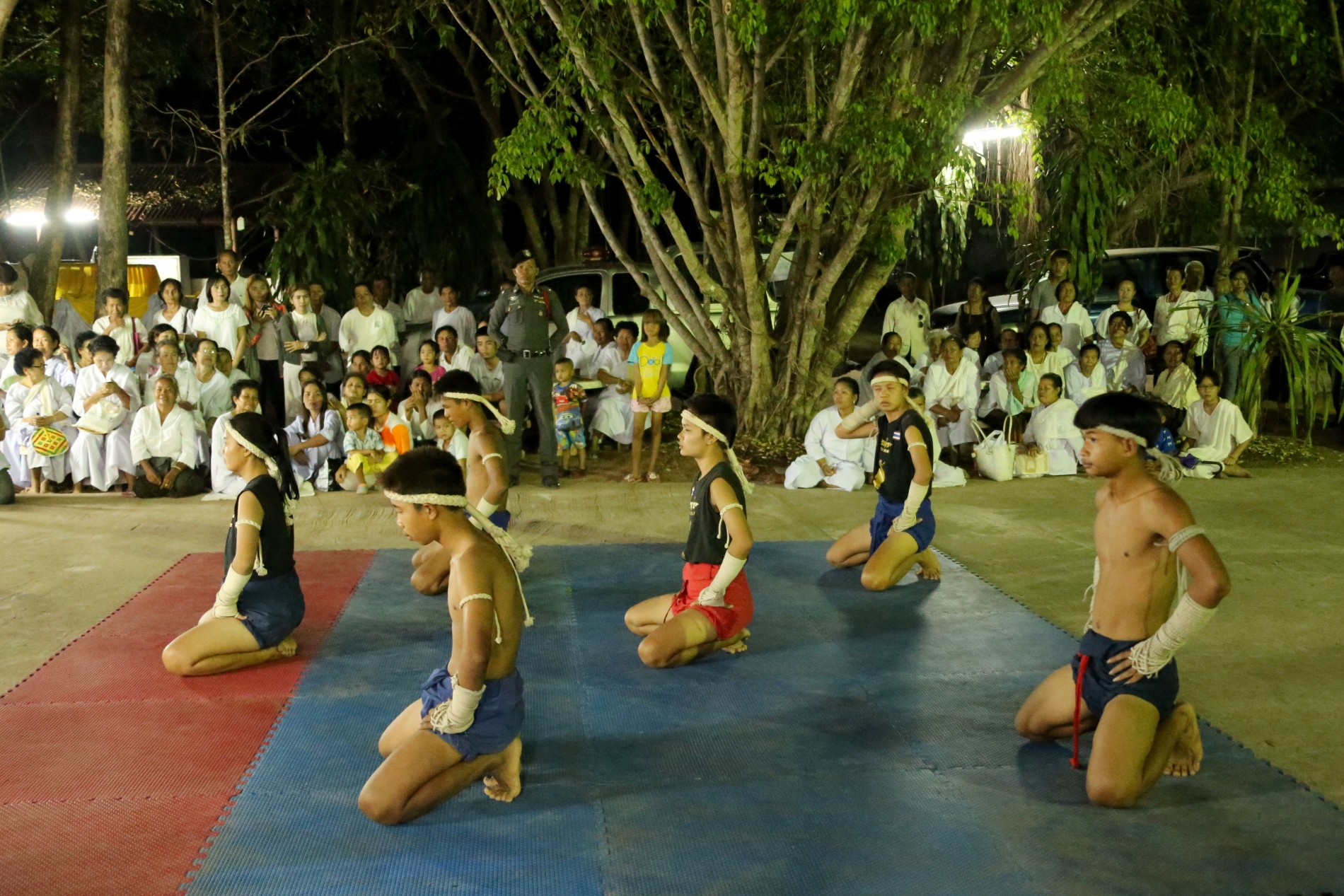
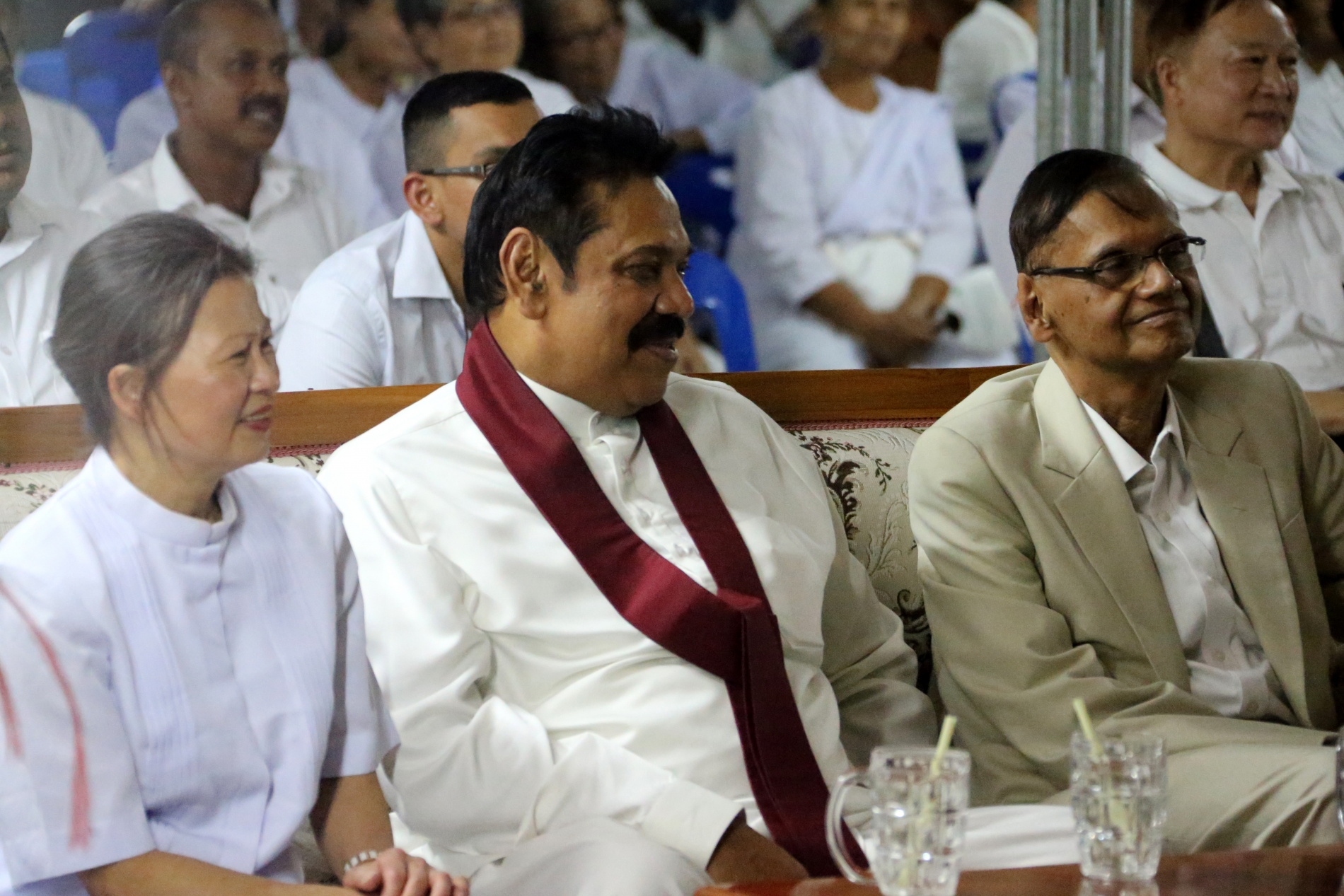
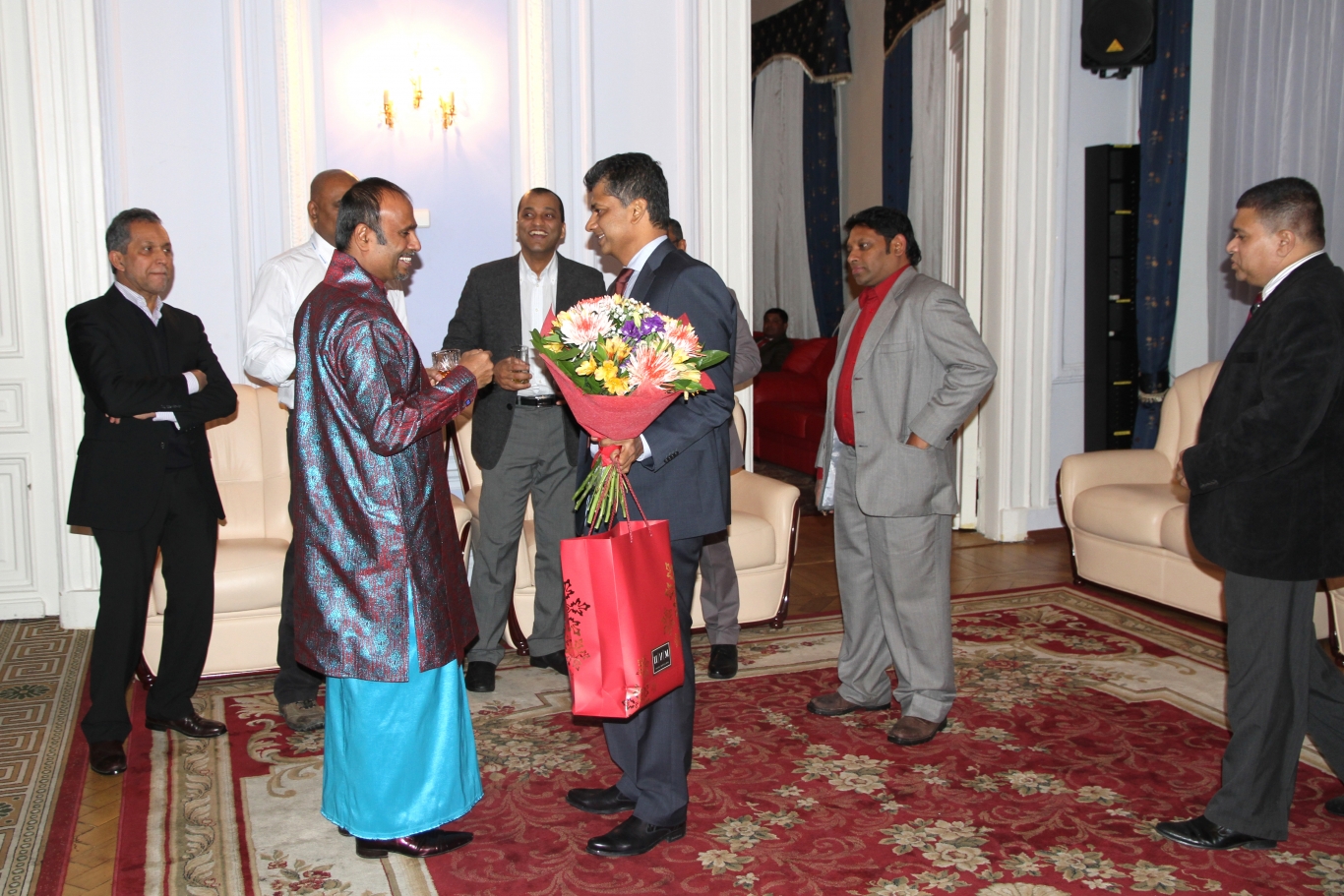
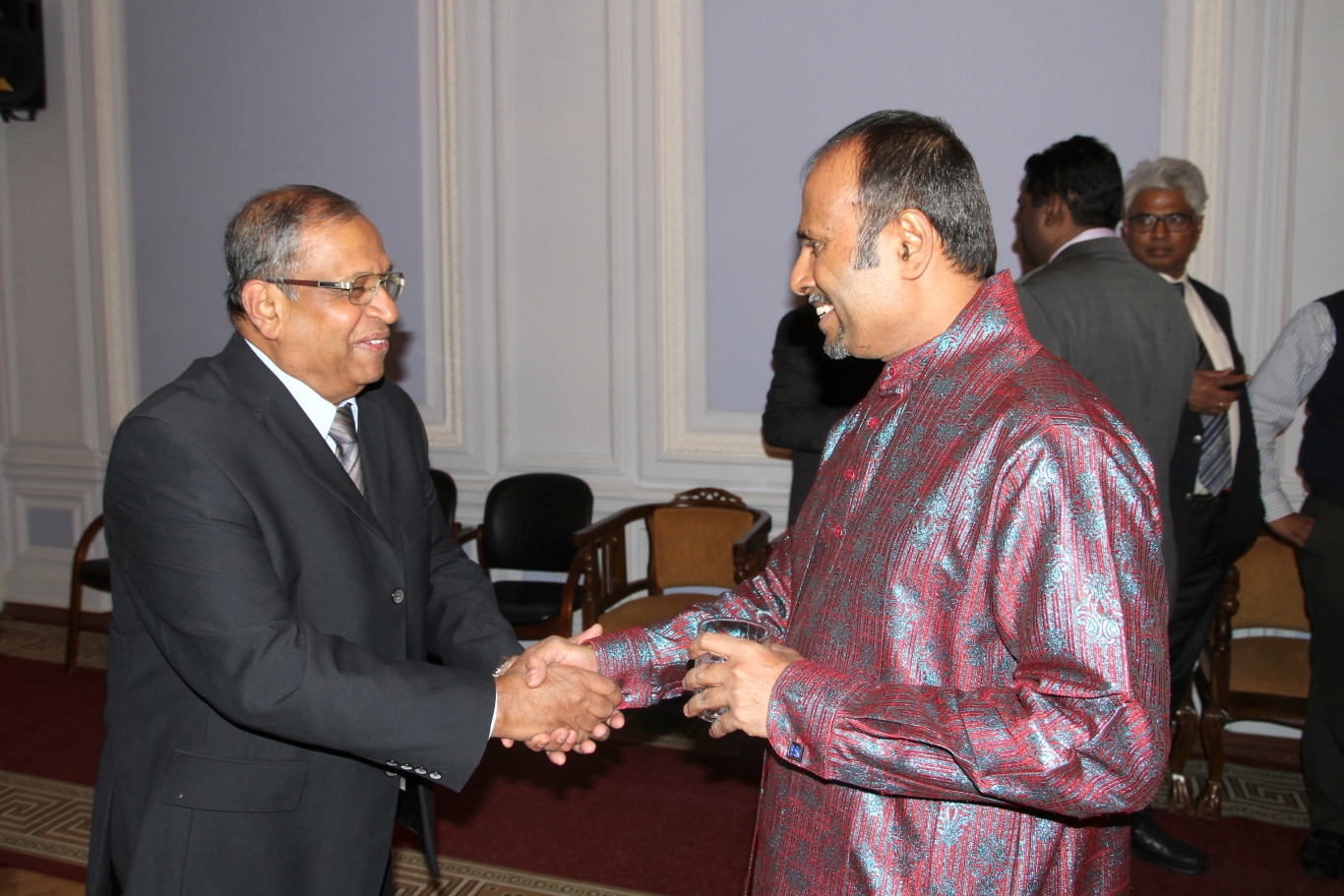
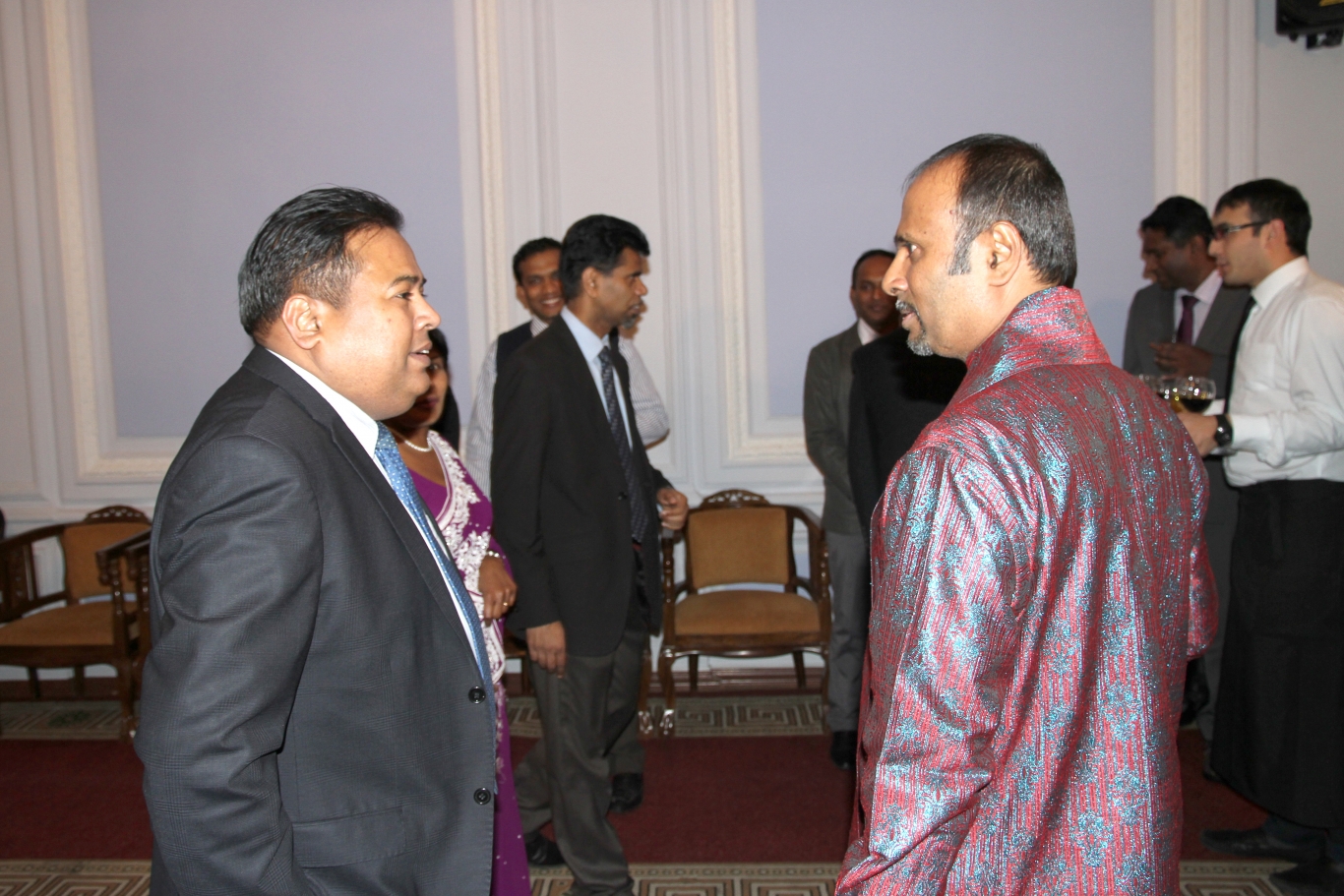
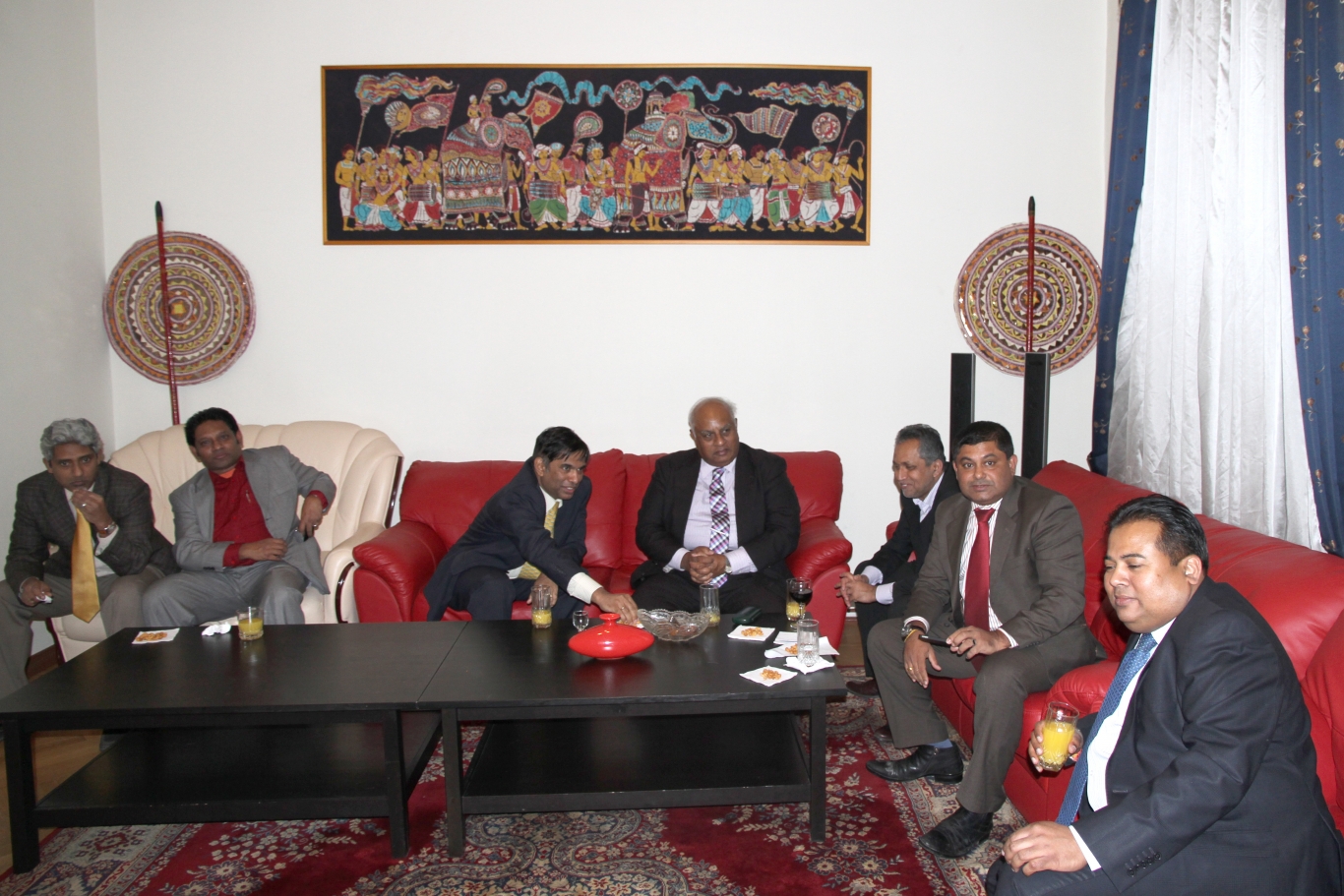
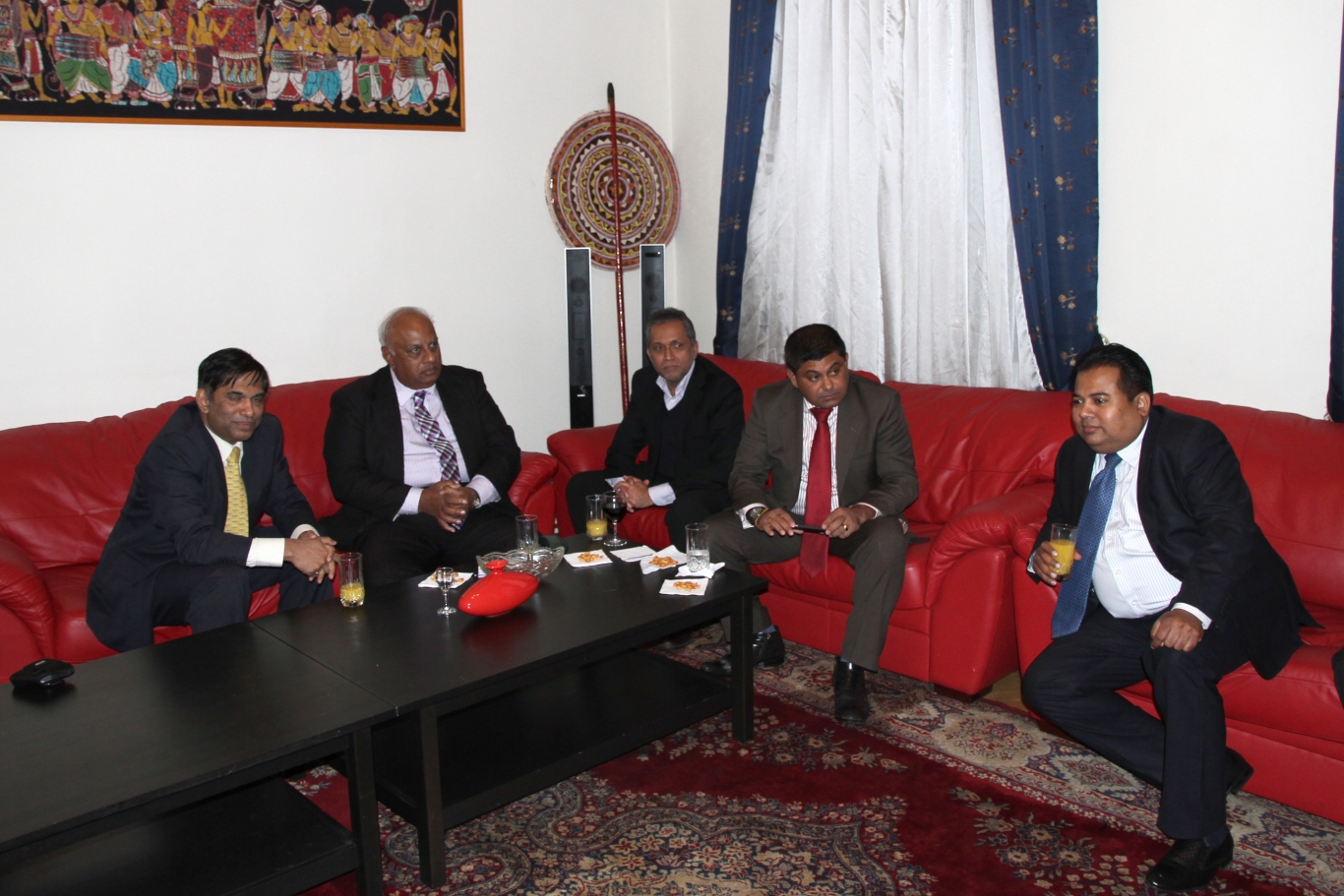
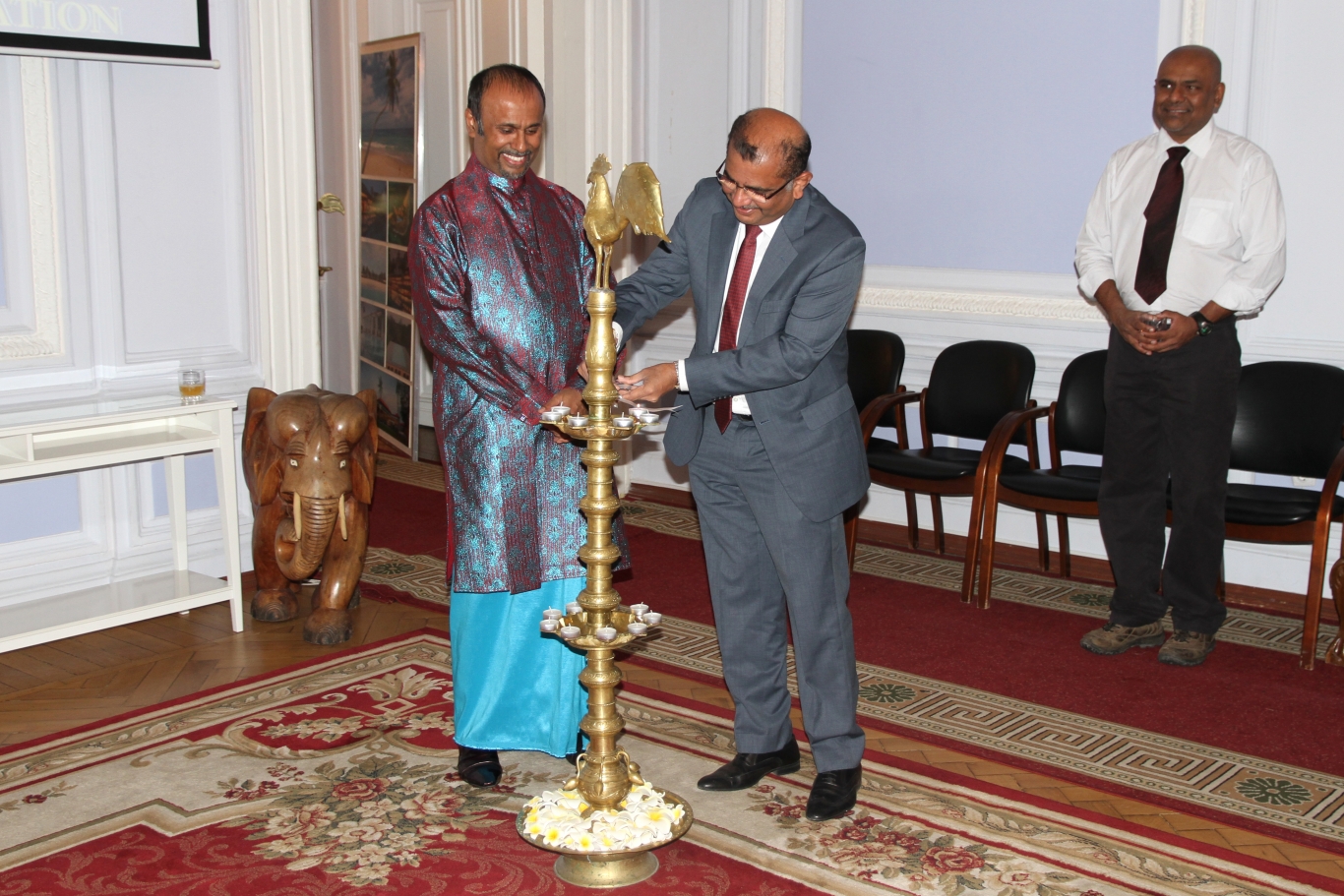
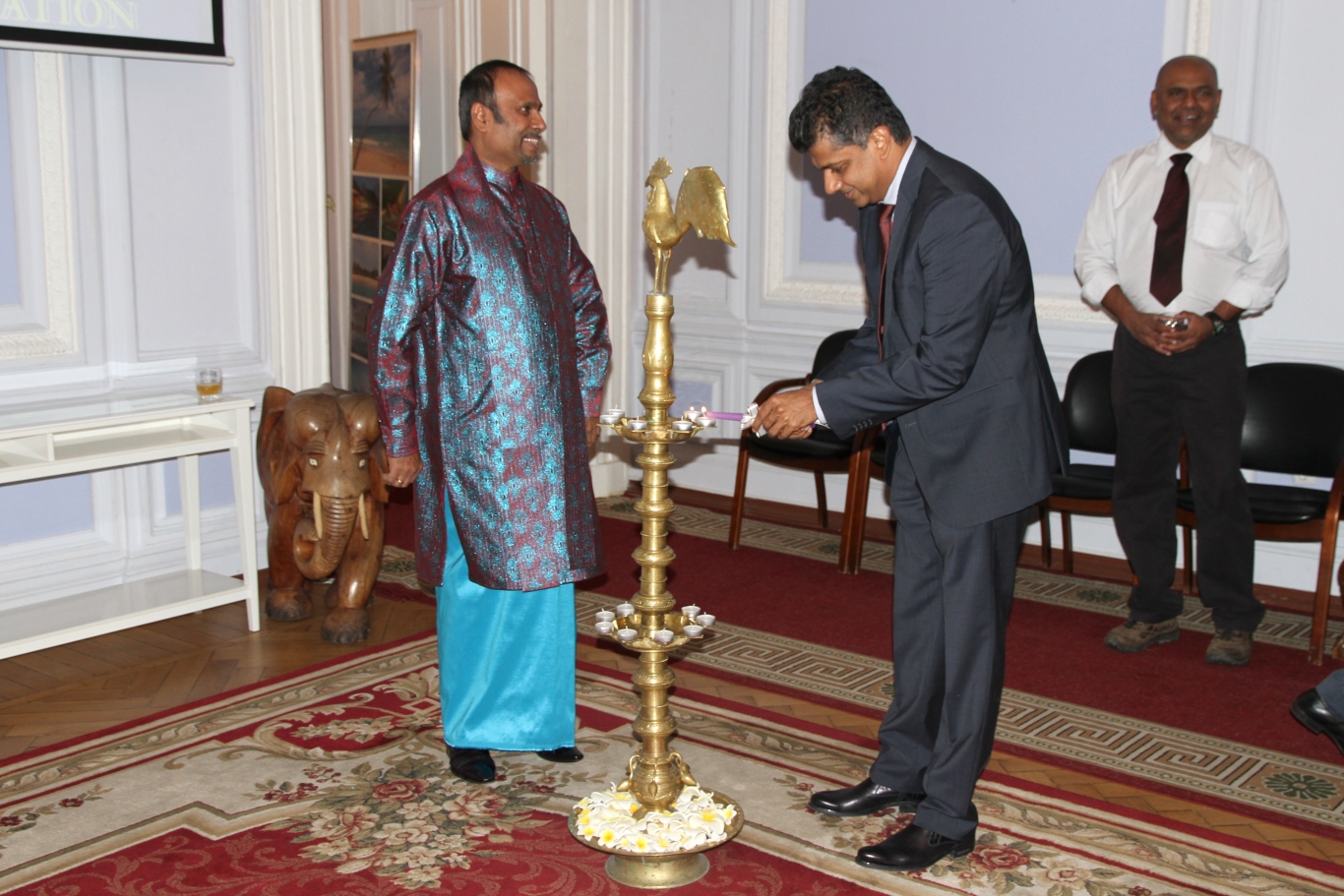
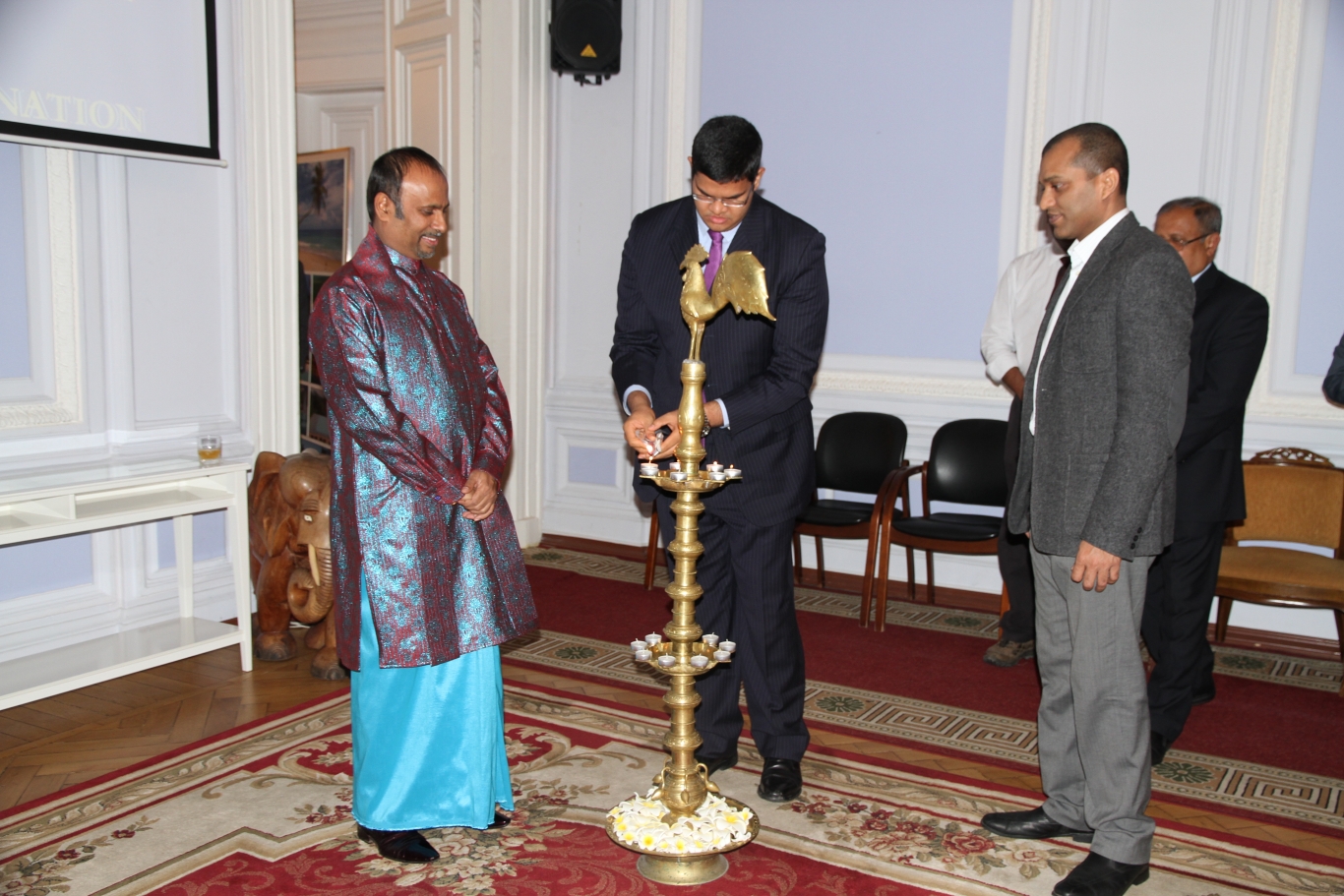
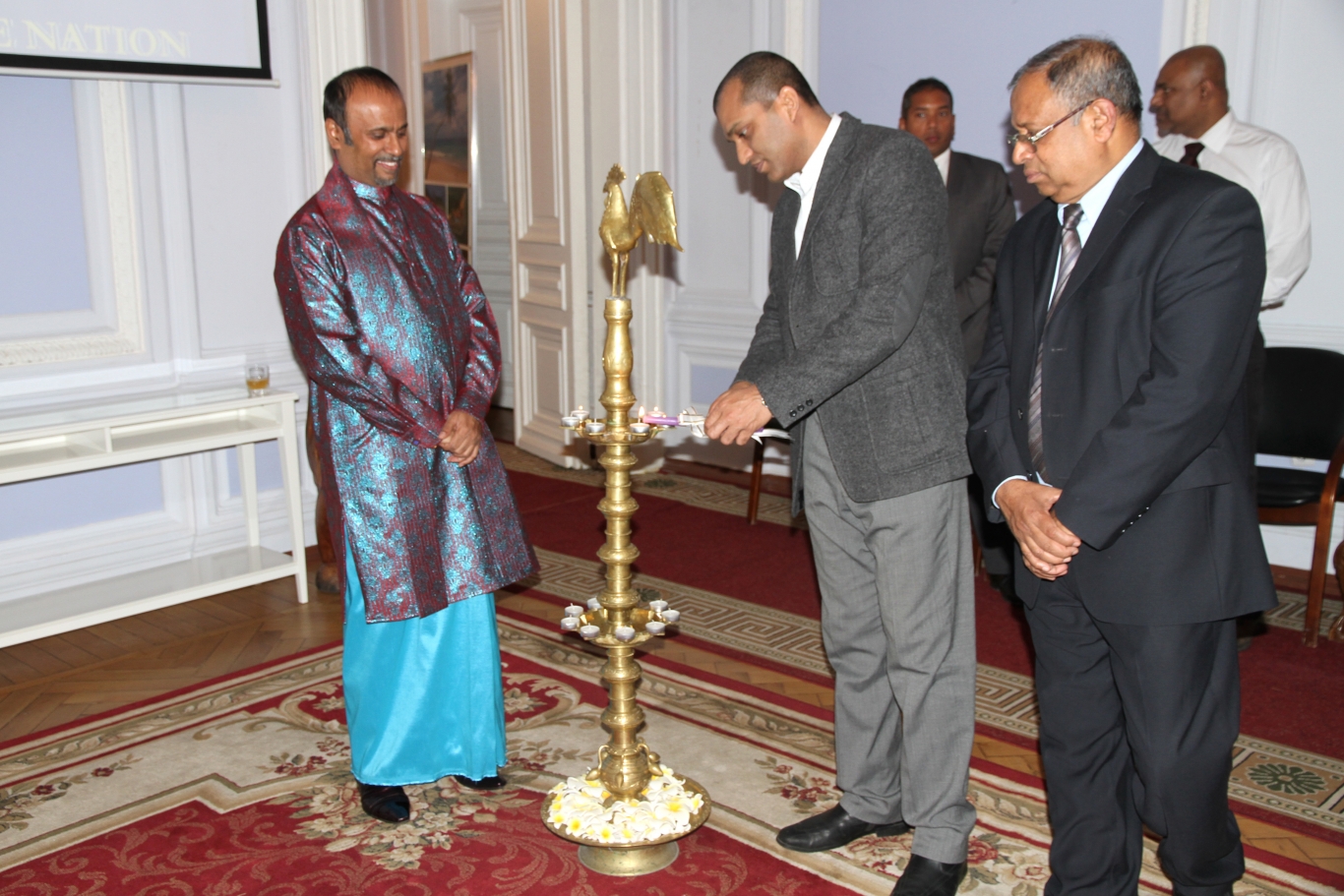
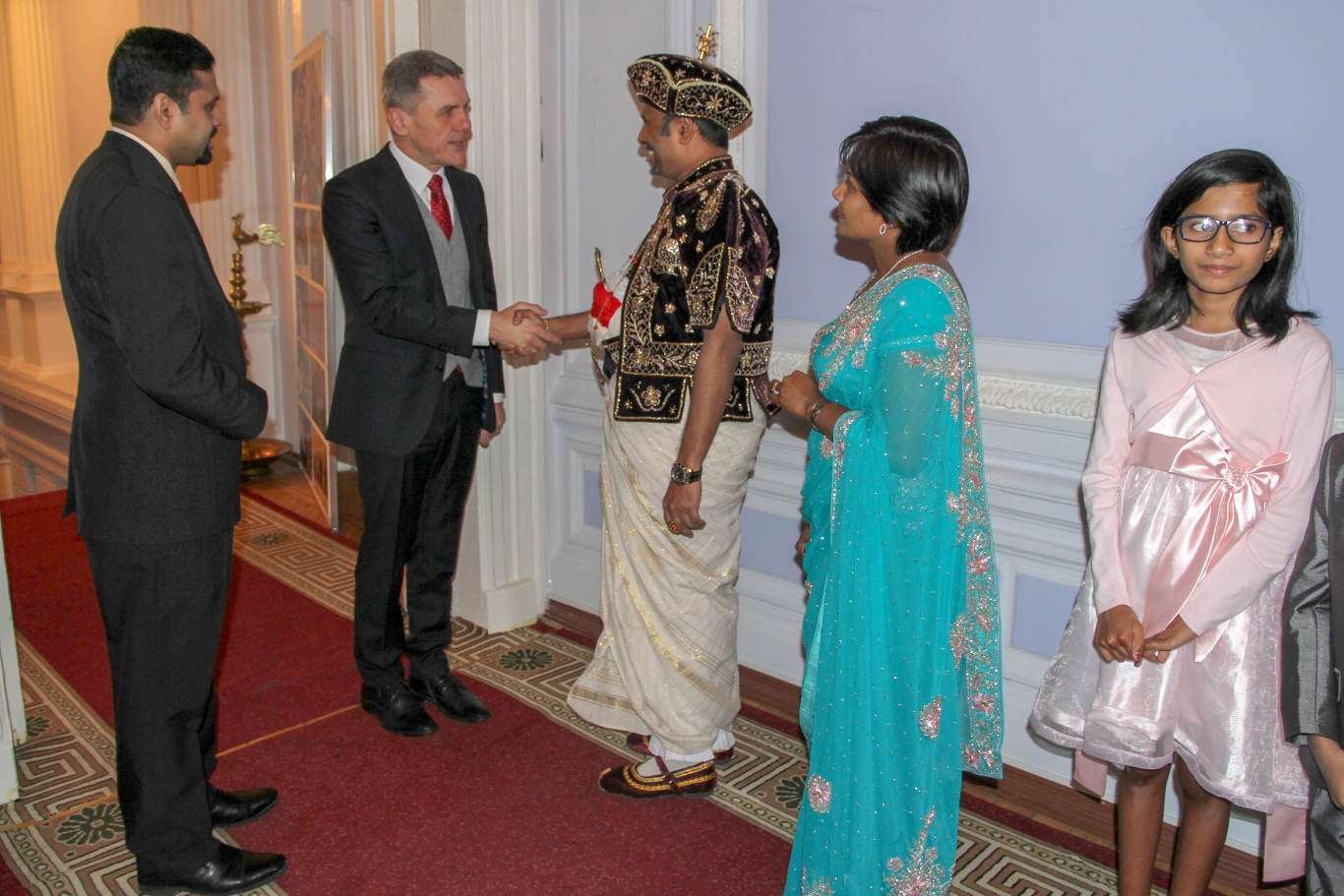
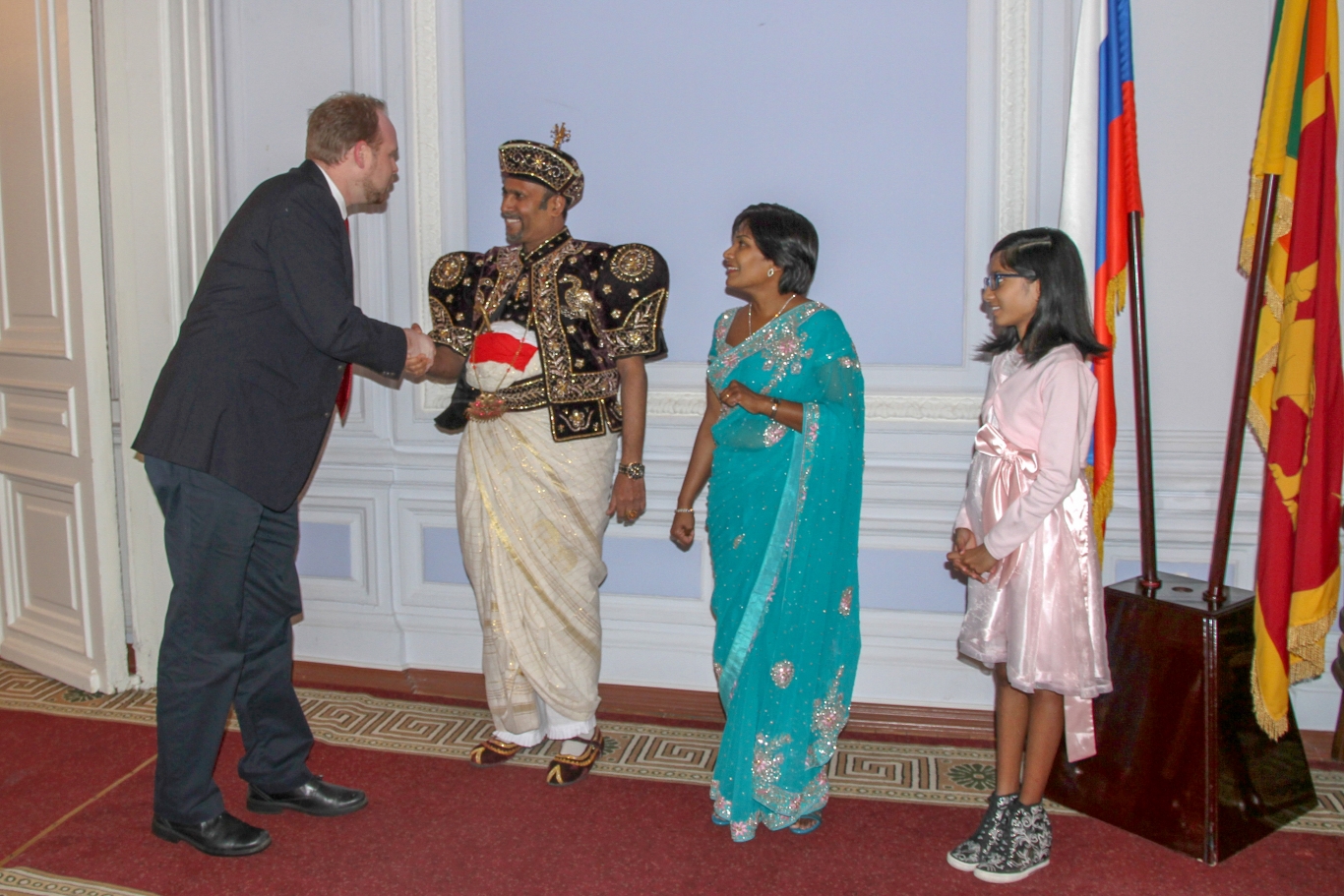
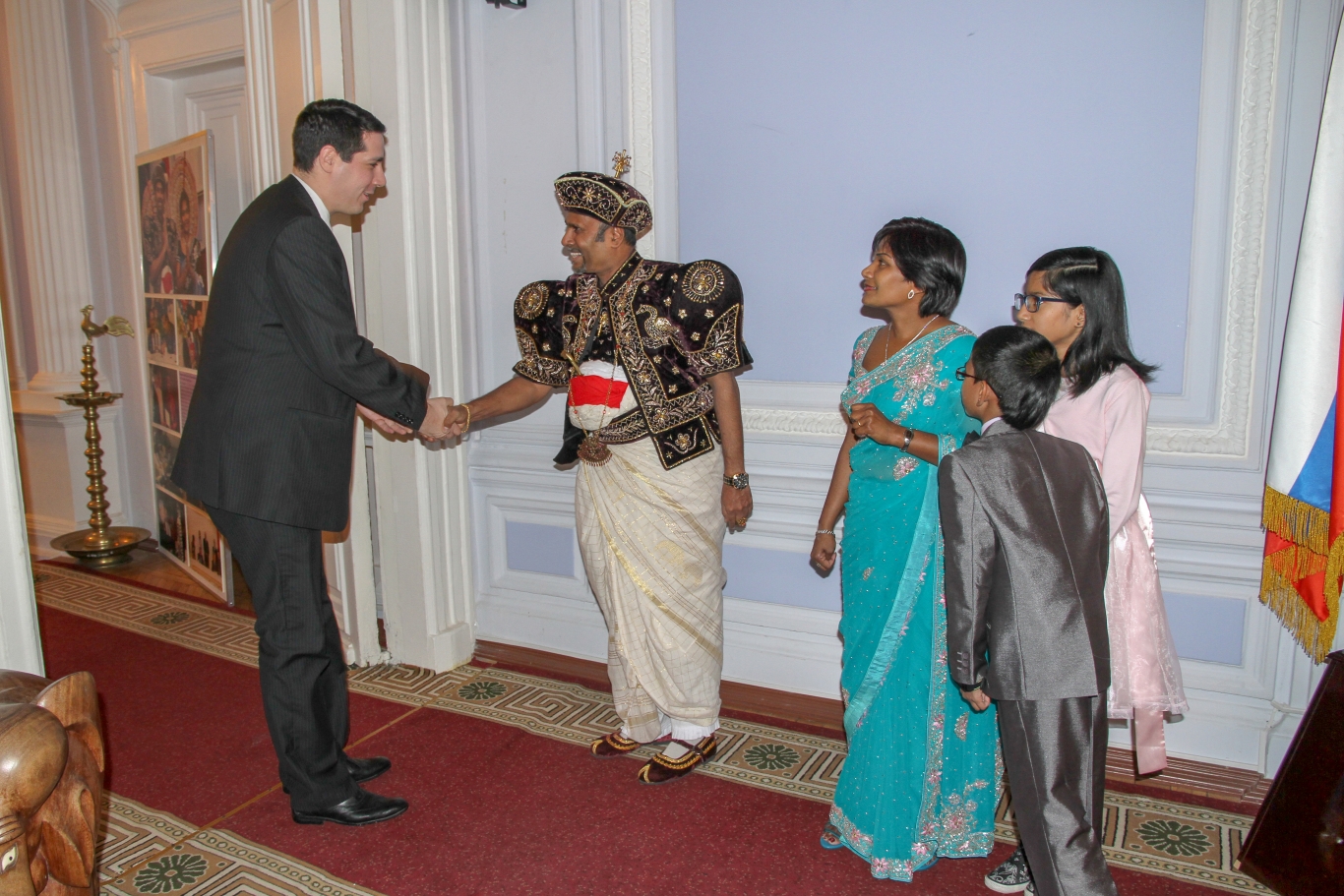
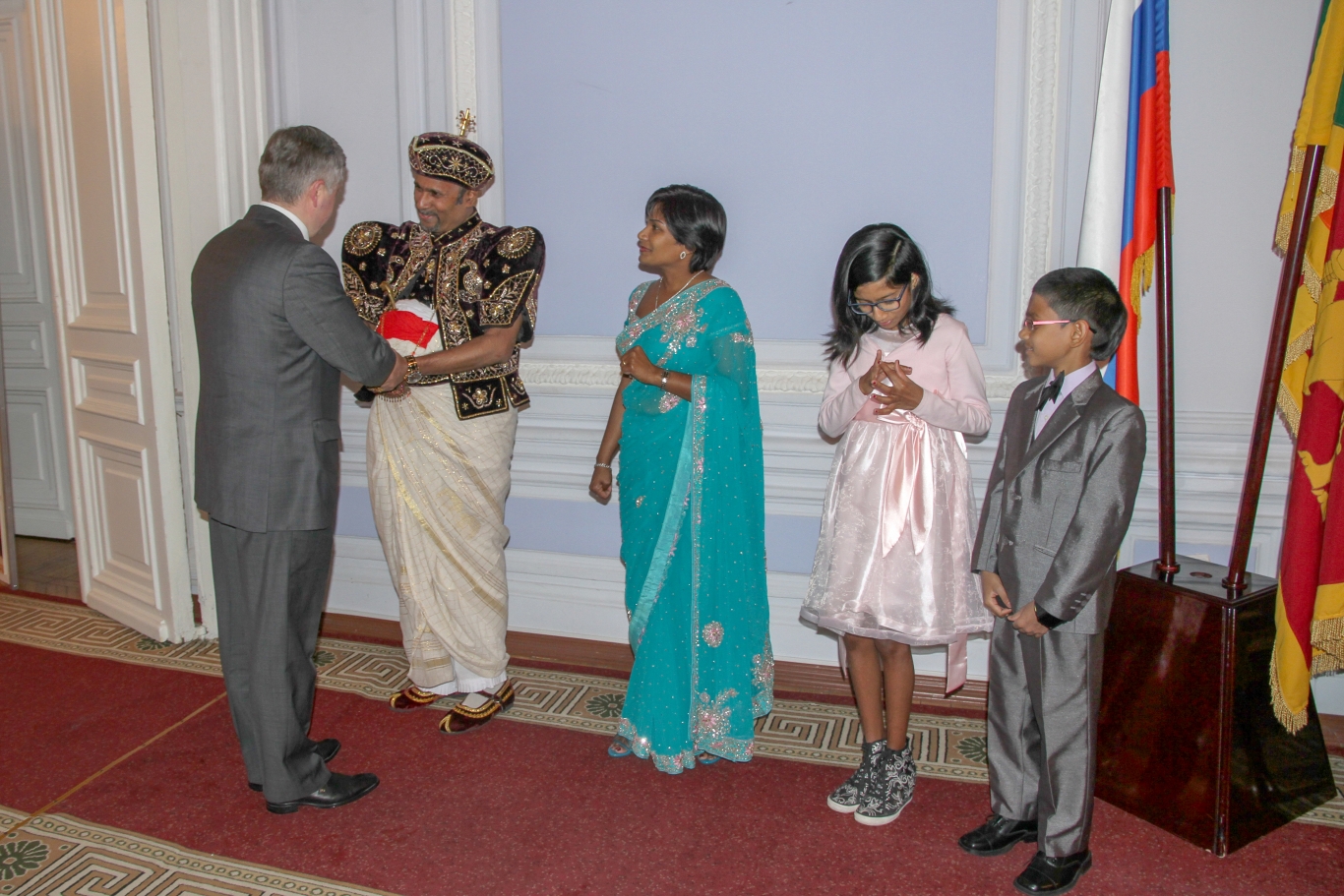
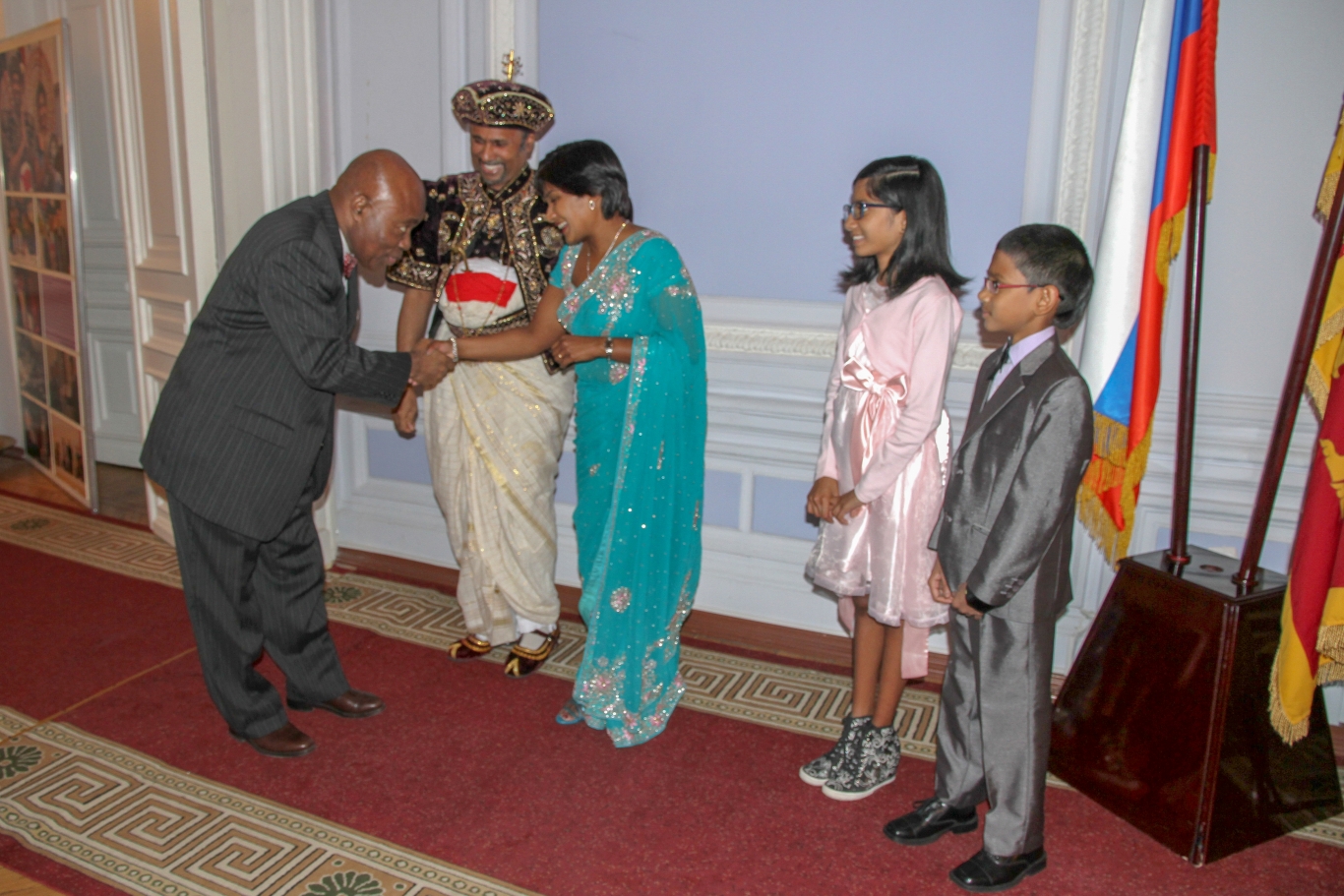
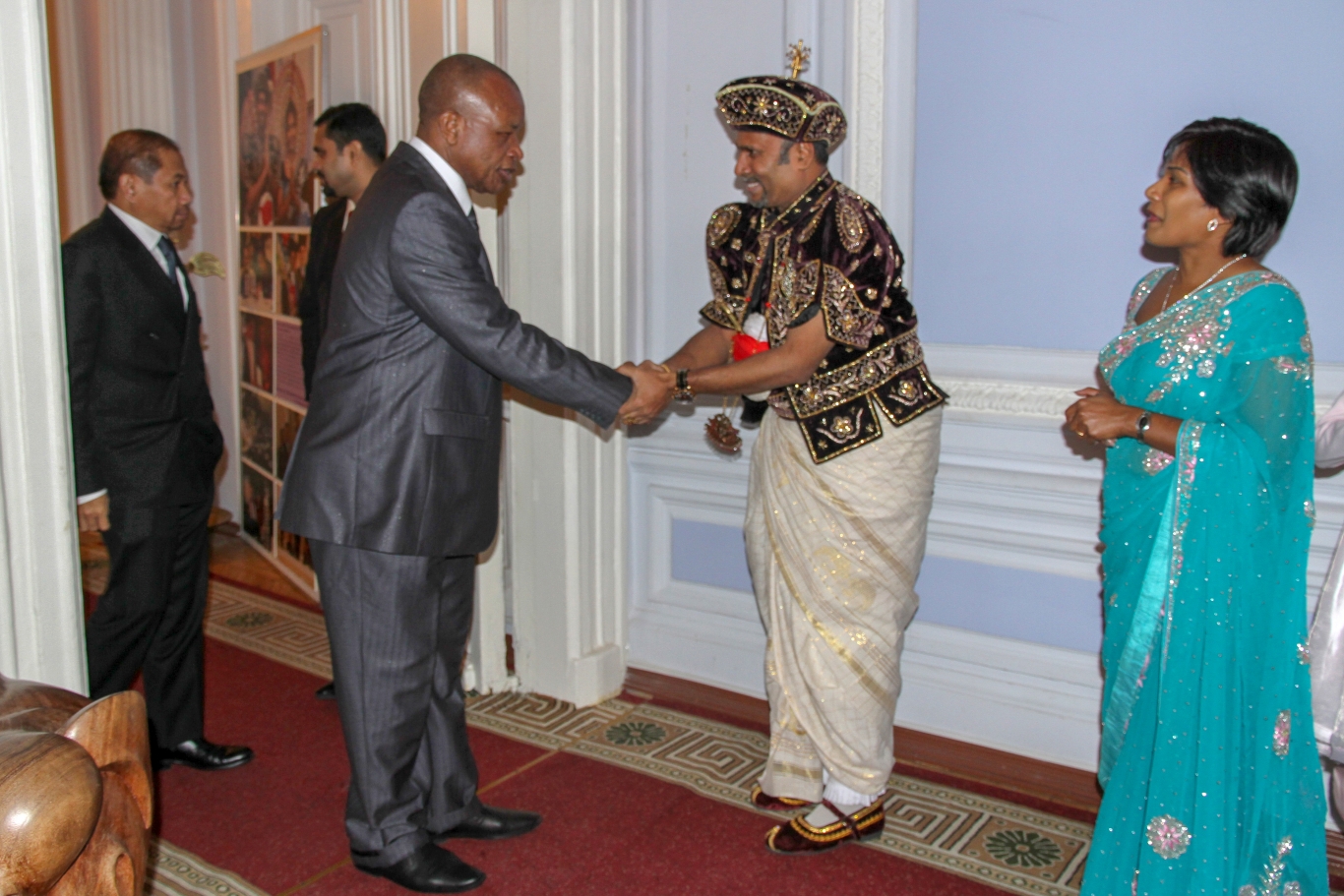
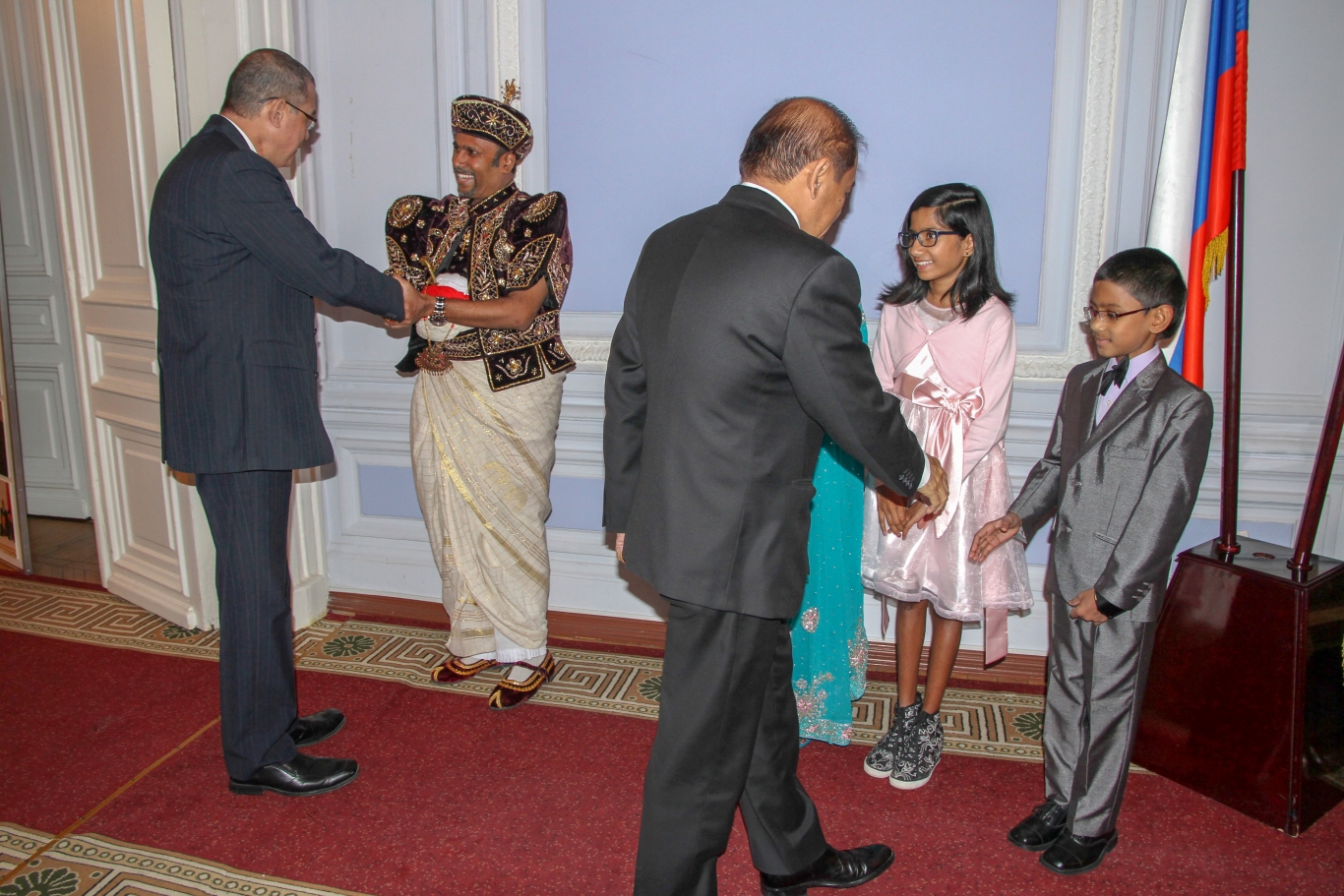
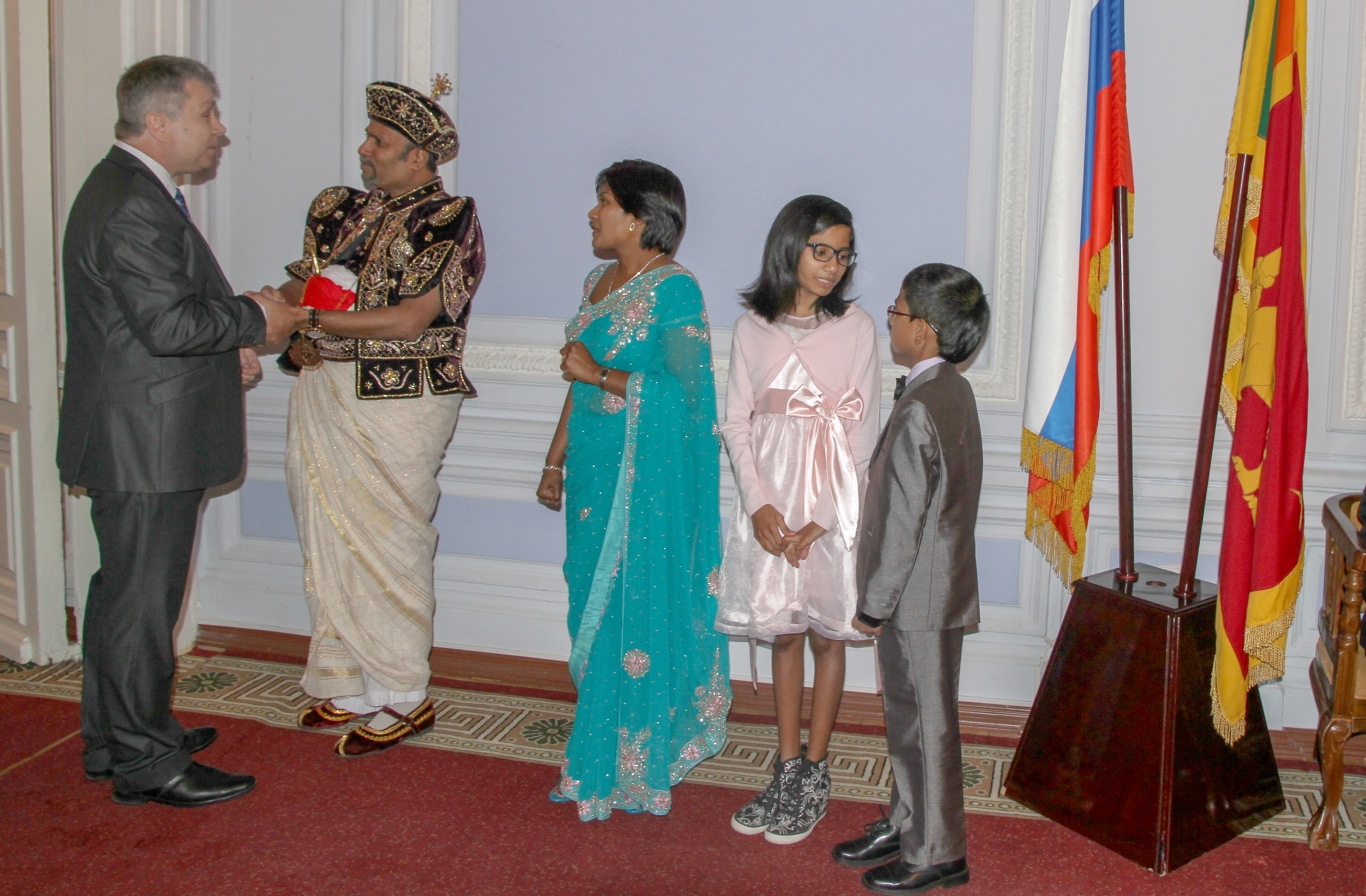
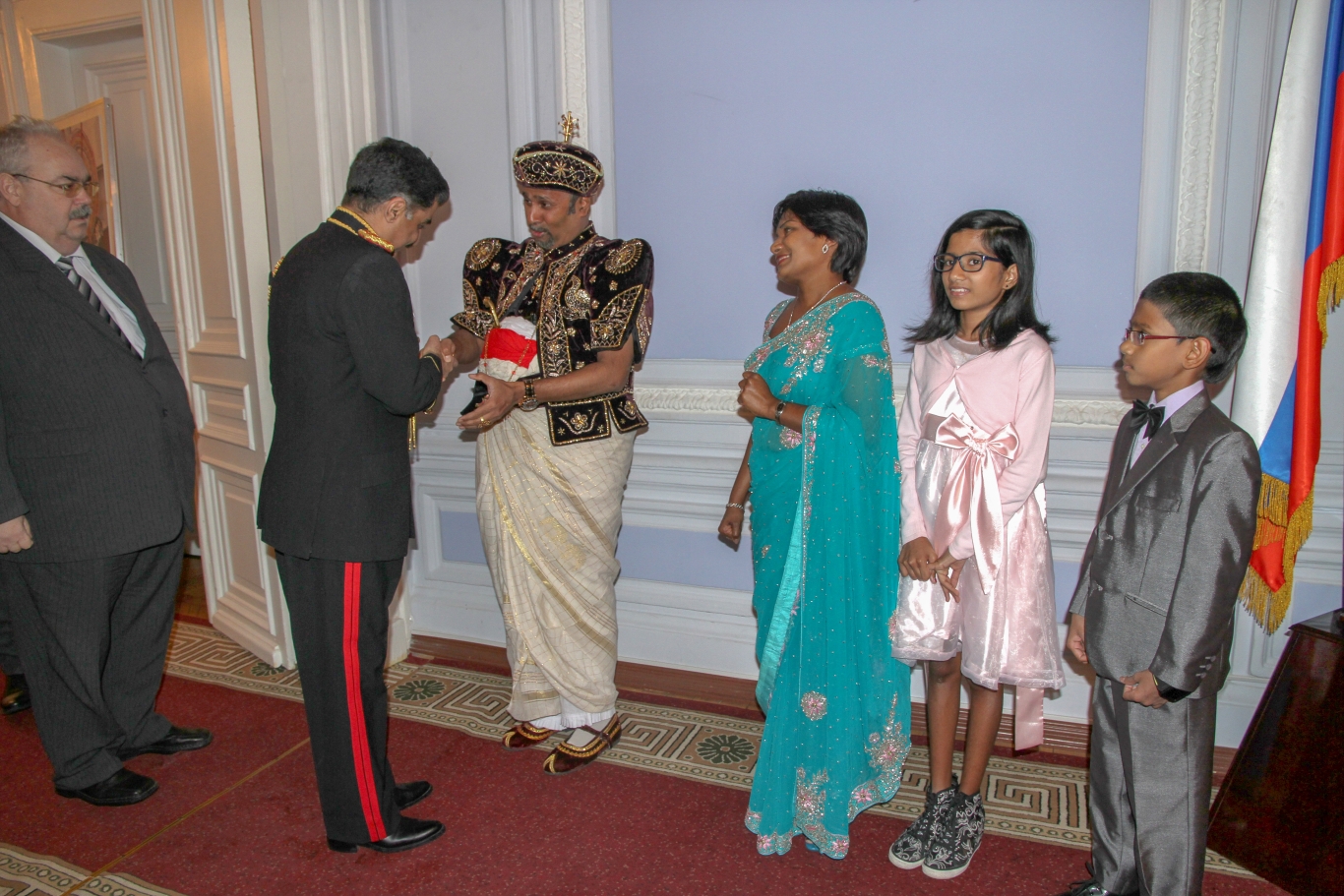
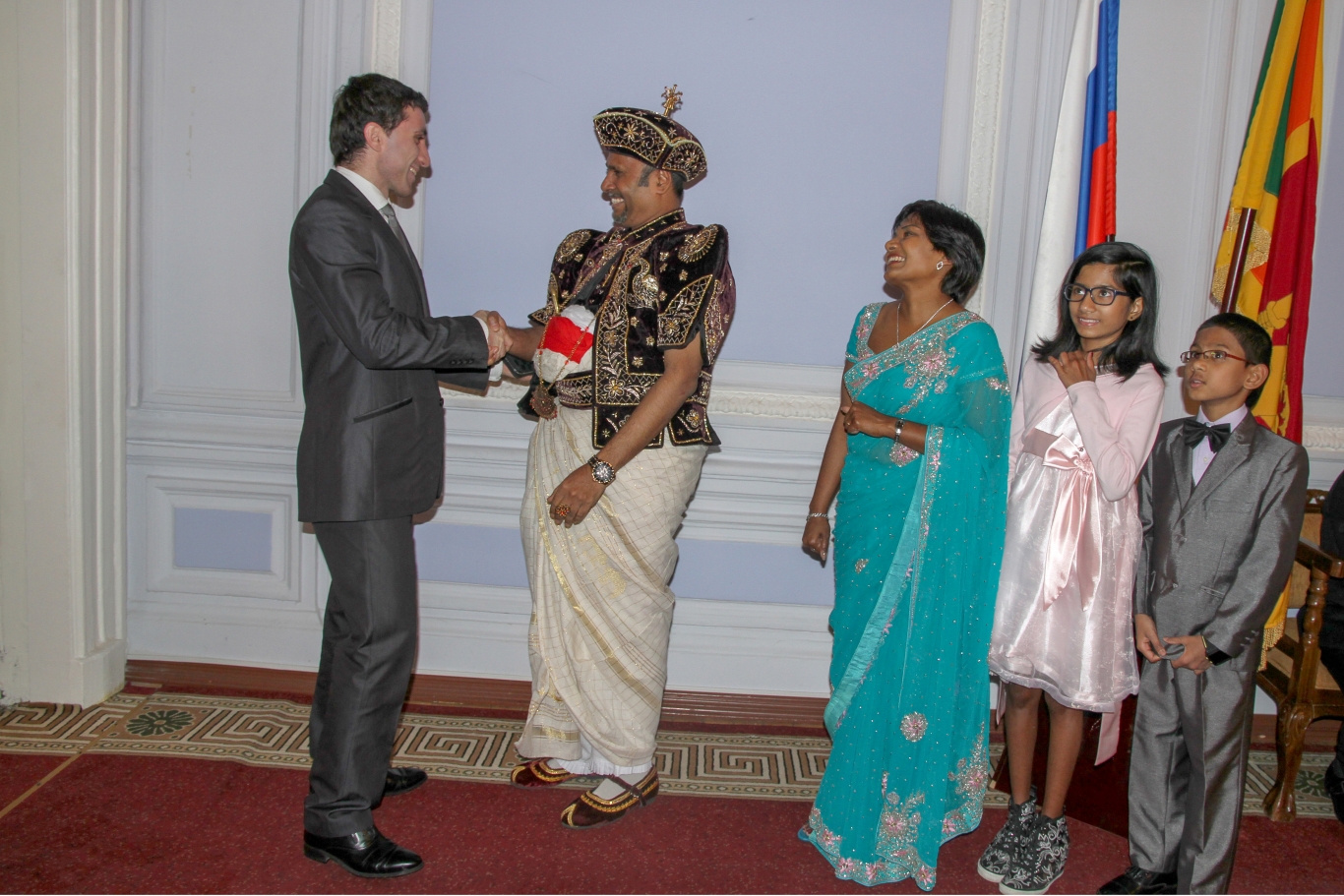
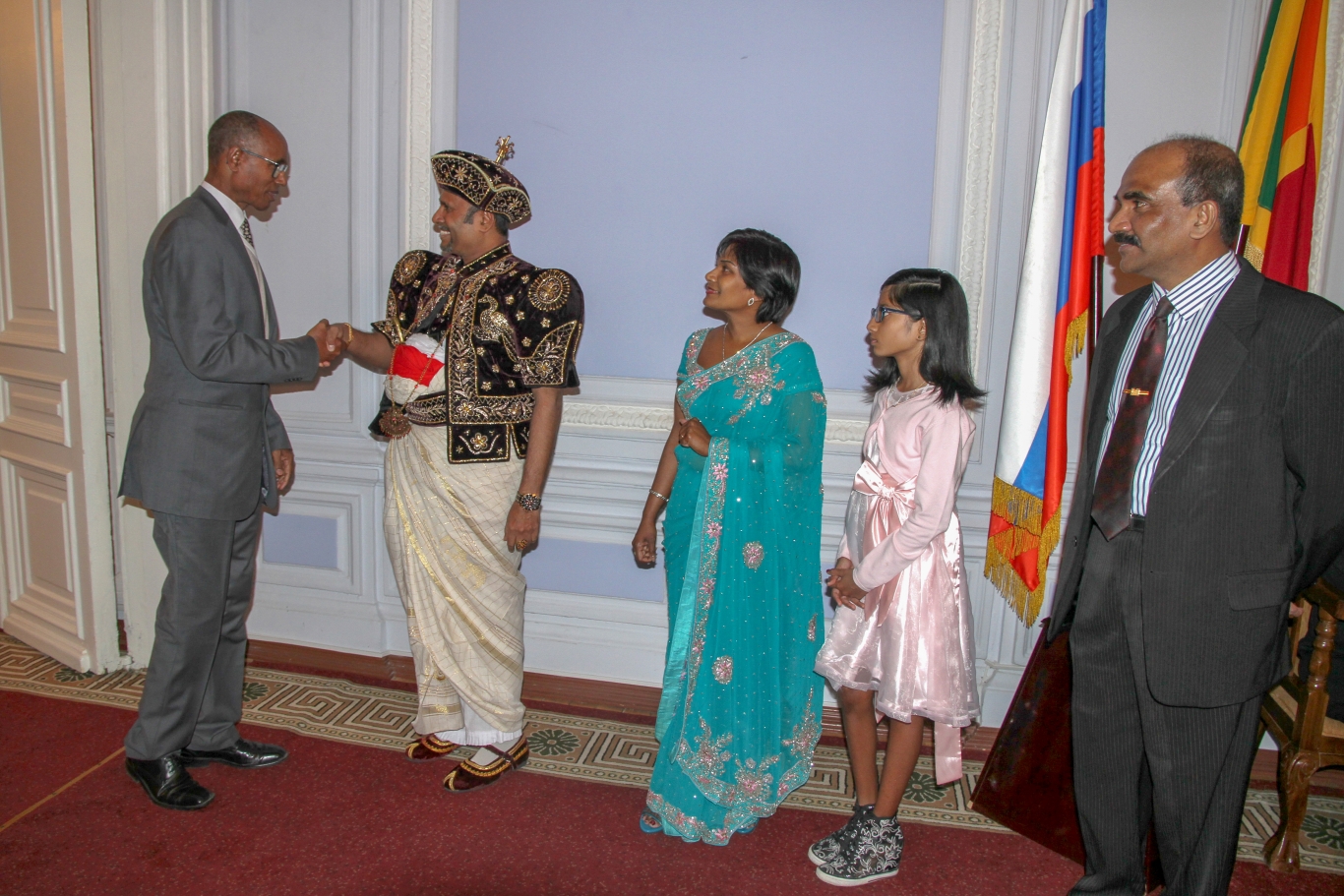
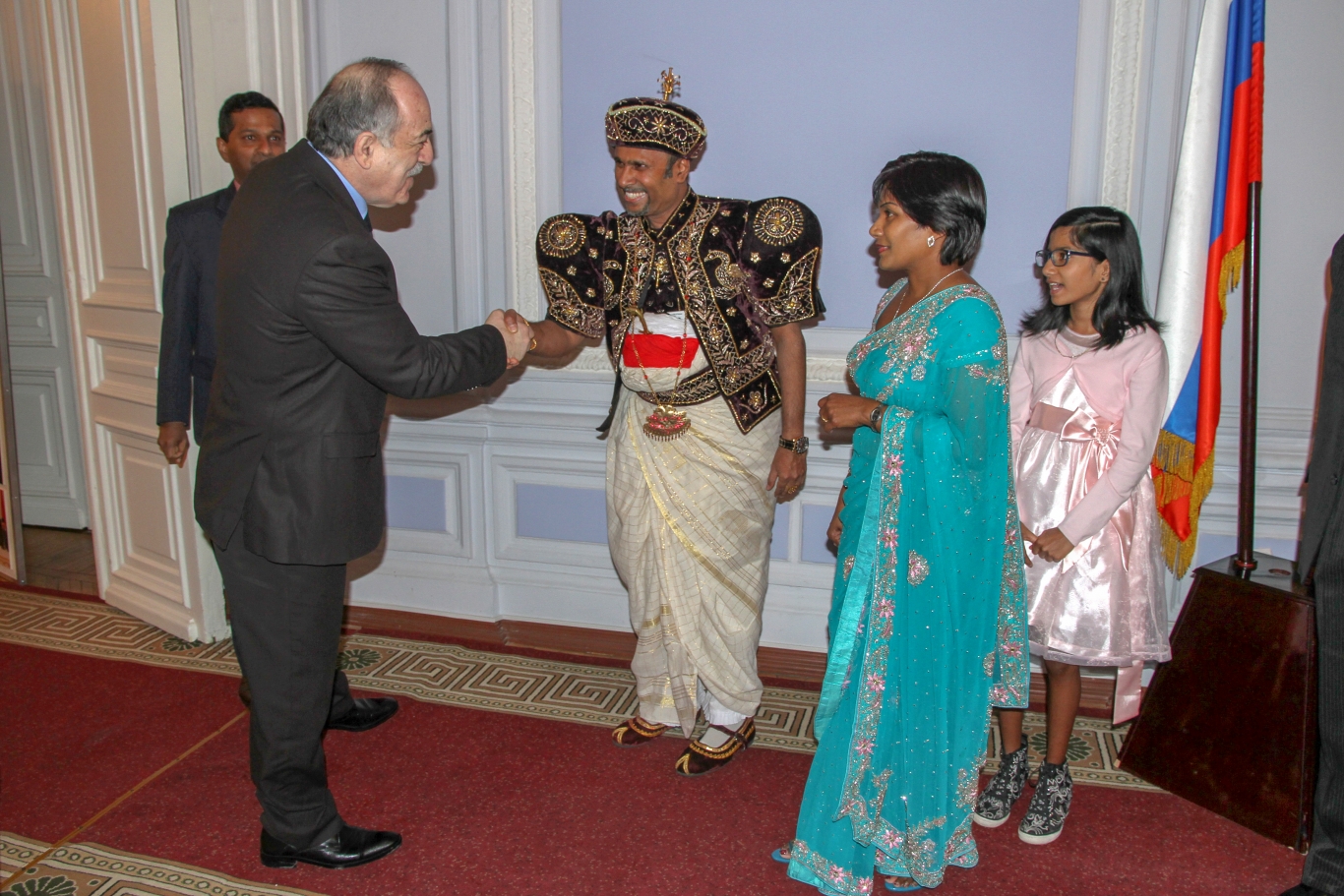
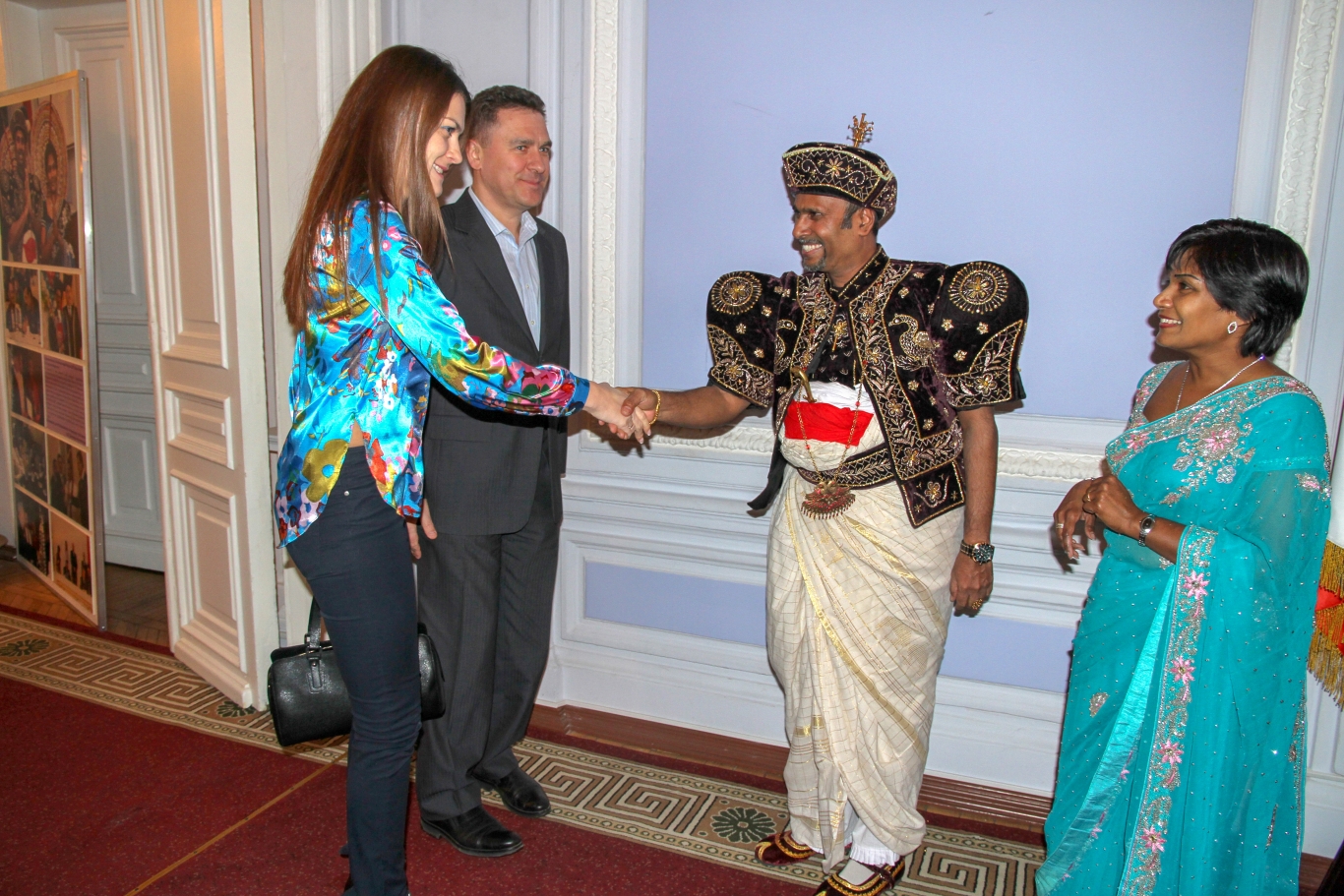
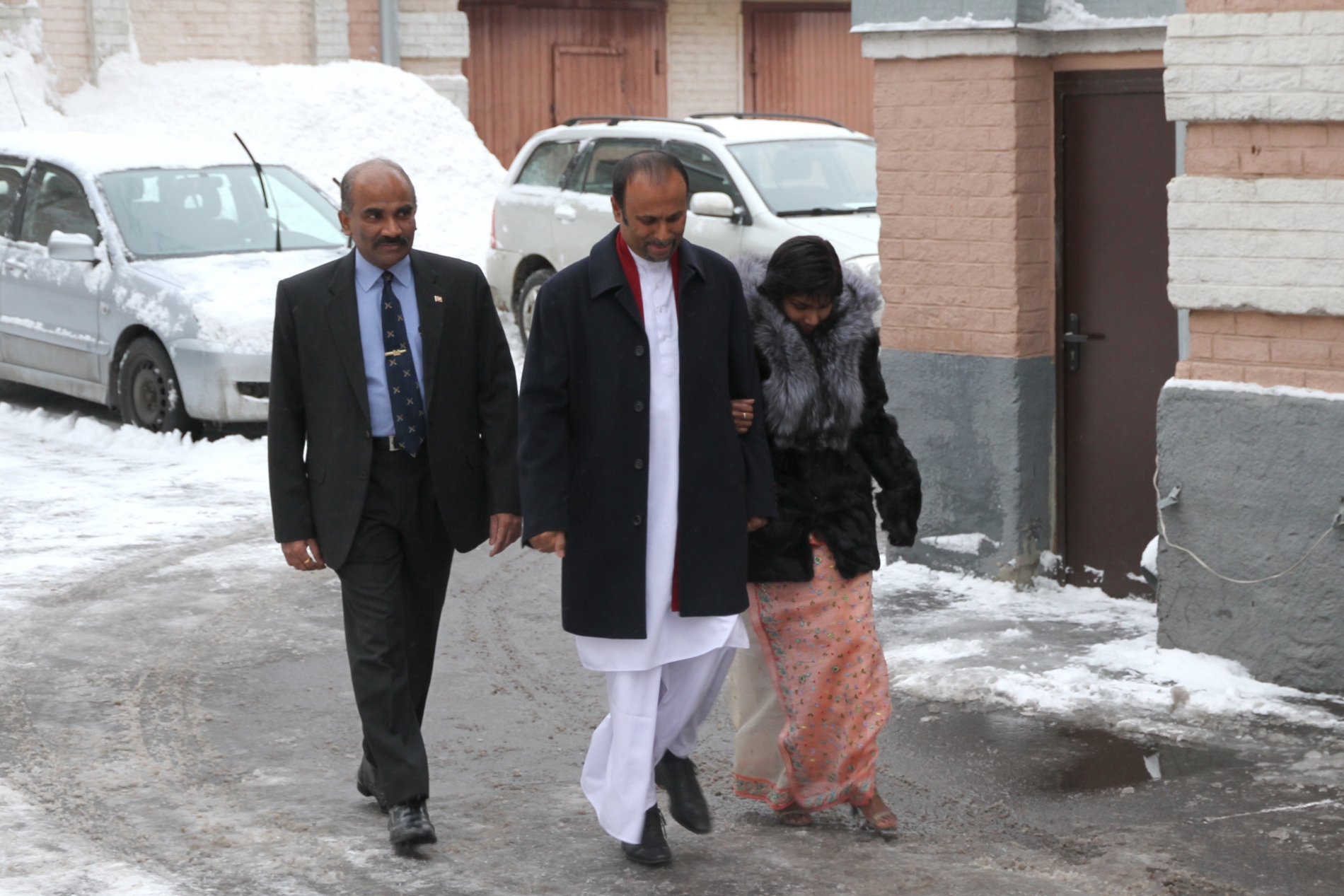
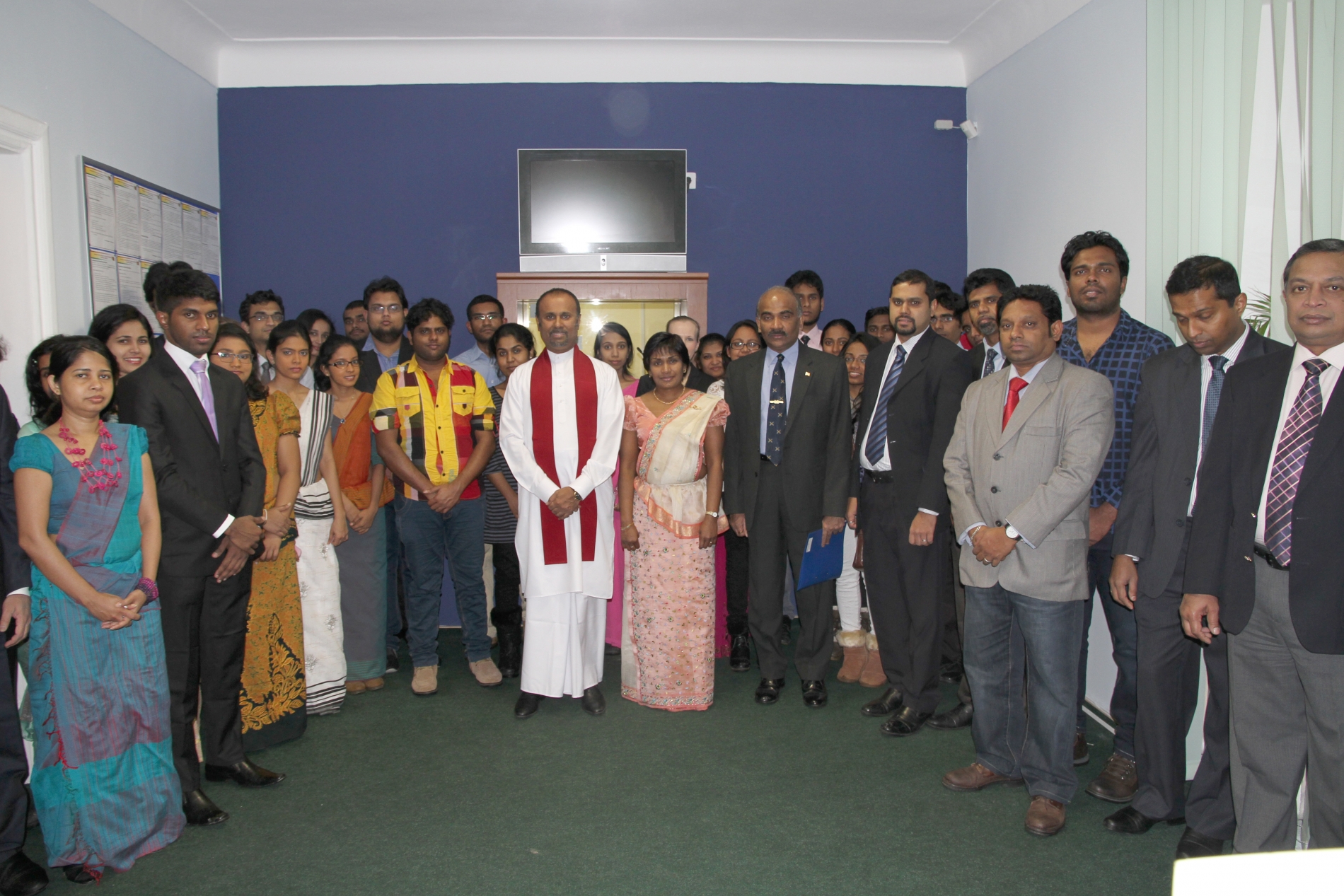
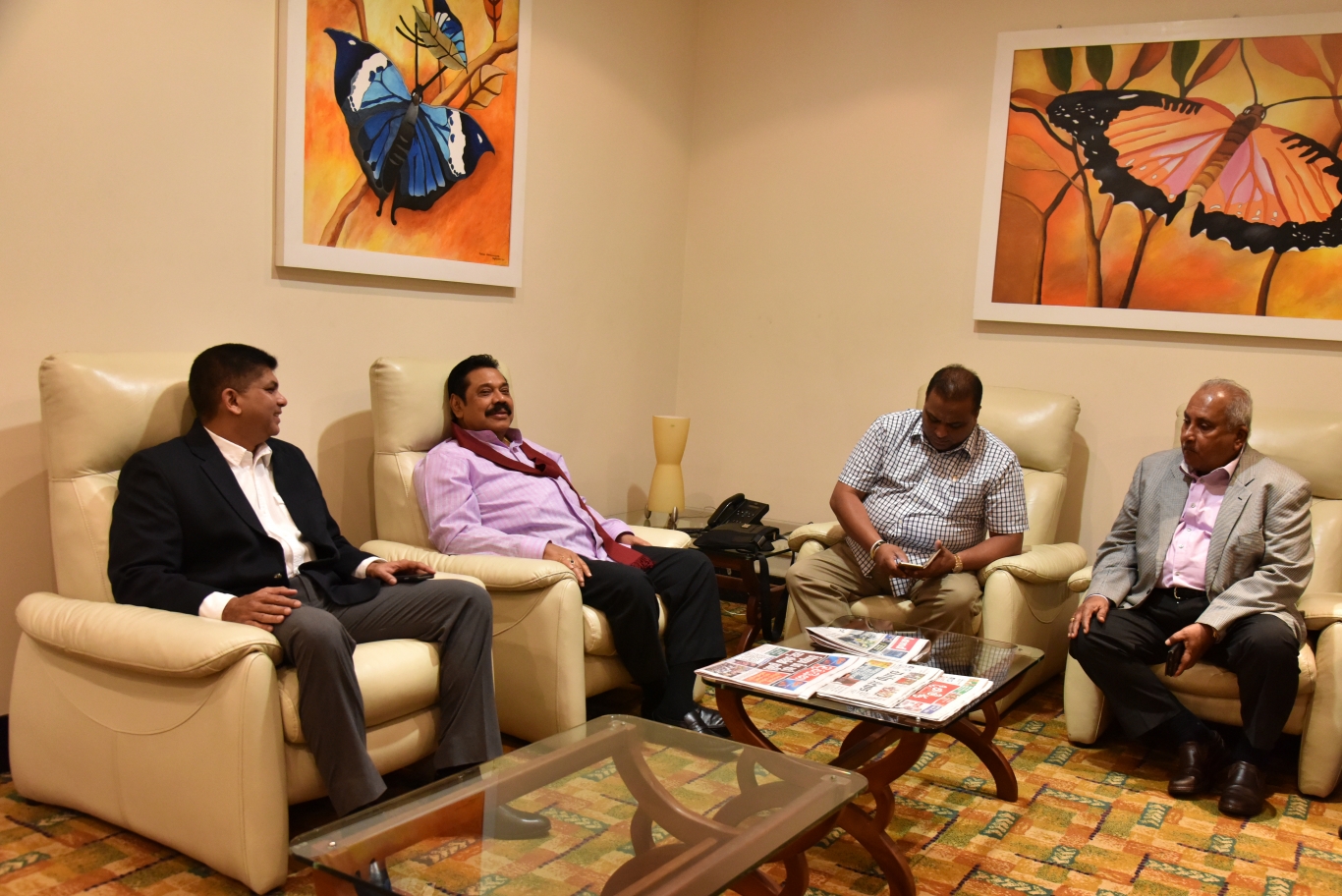
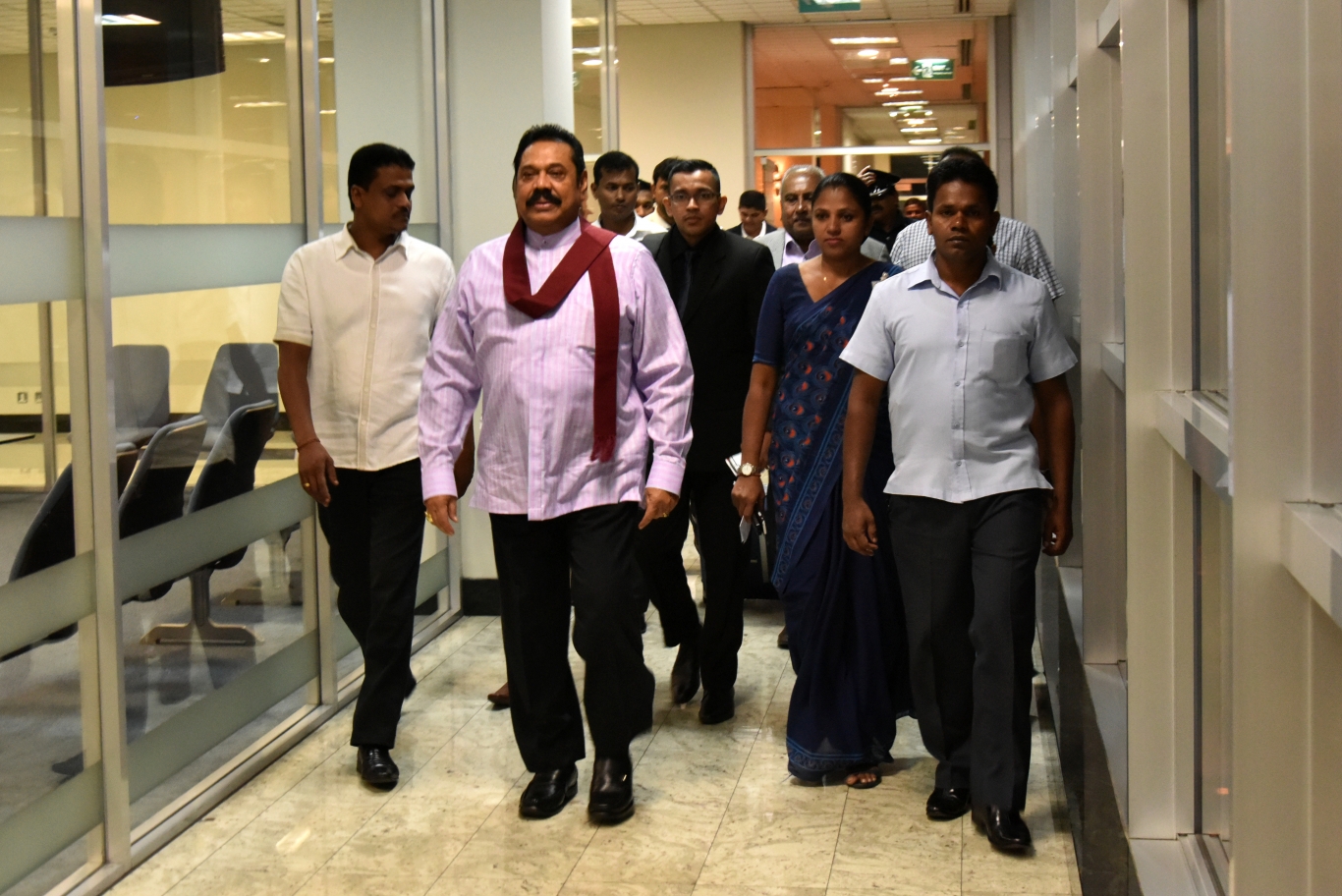
former President’s visit to Uganda -1

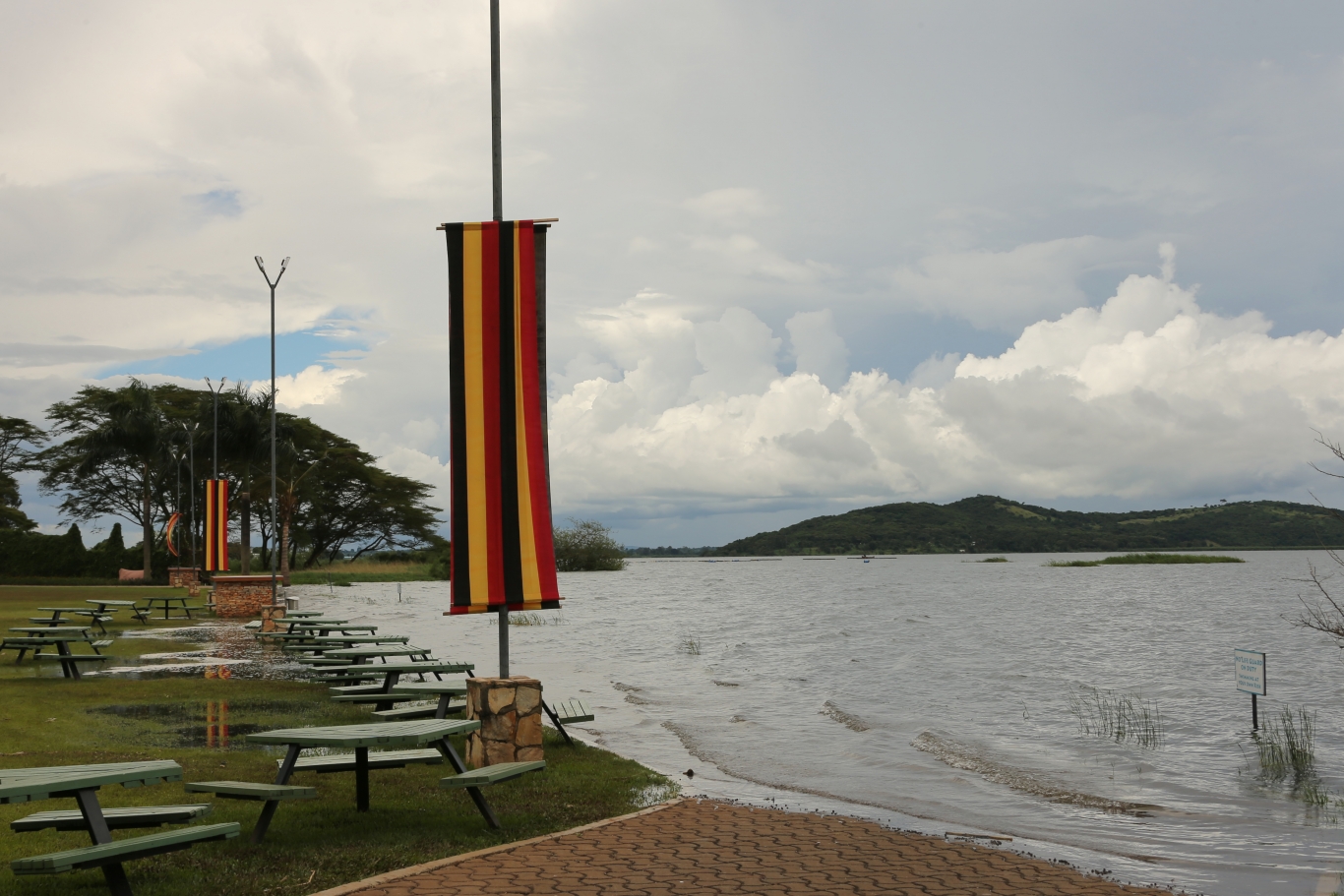
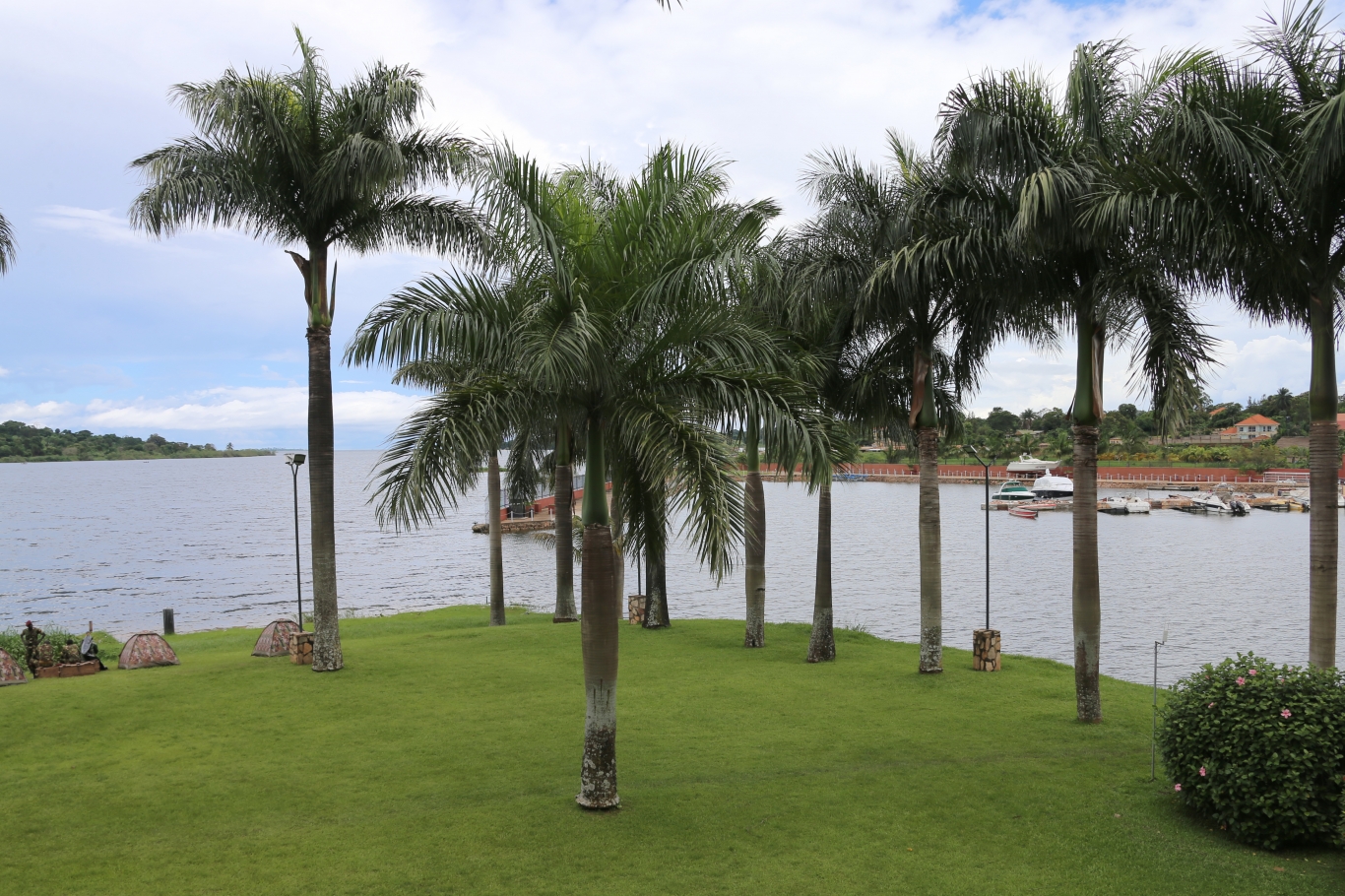
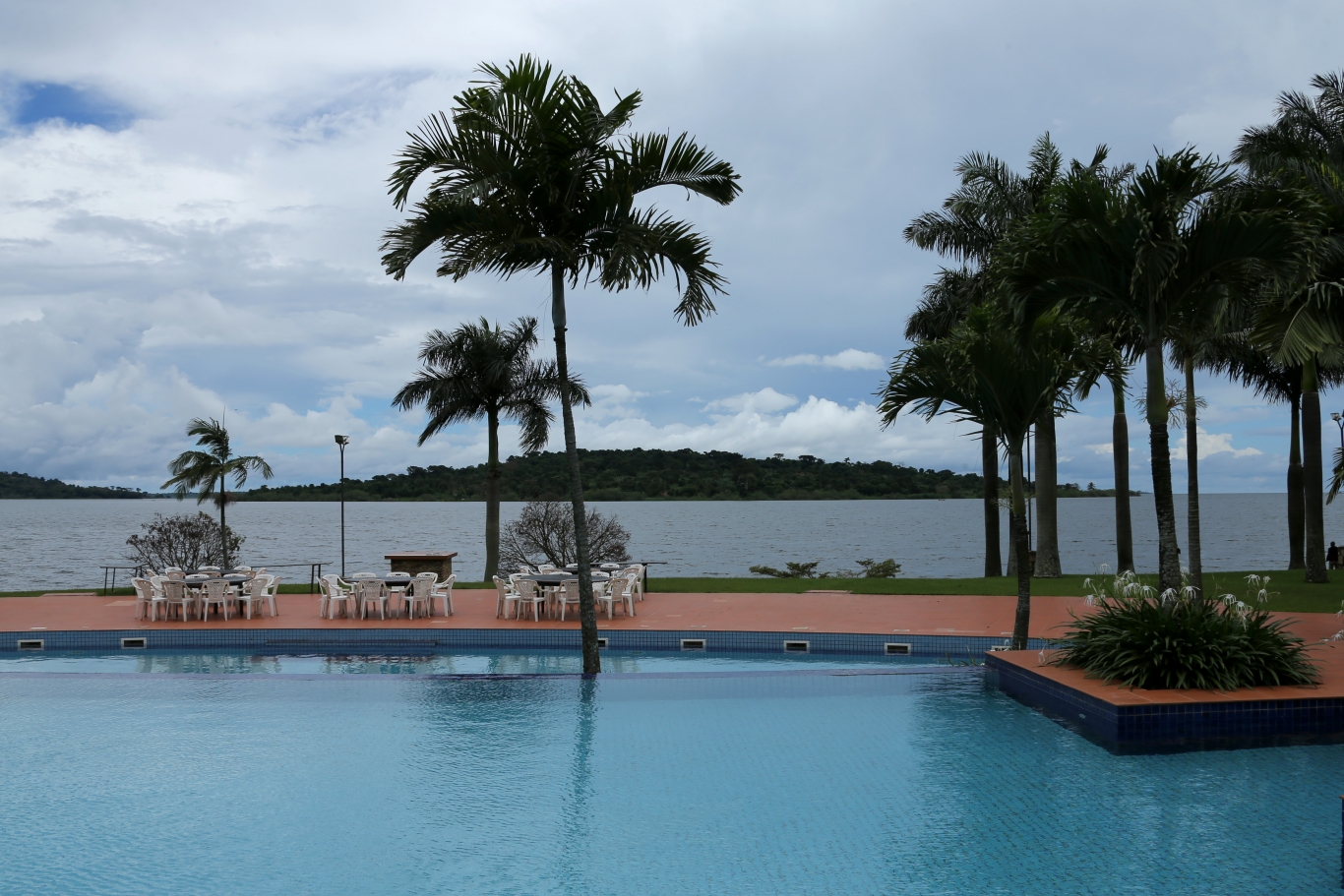
Uganda, country in east-central Africa. About the size of Great Britain, Uganda is populated by dozens of ethnic groups. The English language and Christianity help unite these diverse peoples, who come together in the cosmopolitan capital of Kampala, a verdant city whose plan includes dozens of small parks and public gardens and a scenic promenade along the shore of Lake Victoria, Africa’s largest freshwater lake. The Swahili language unites the country with its East African neighbours Kenya and Tanzania.

“Uganda is a fairy-tale. You climb up a railway instead of a beanstalk, and at the end there is a wonderful new world,” wrote Sir Winston Churchill, who visited the country during its years under British rule and who called it “the pearl of Africa.” Indeed, Uganda embraces many ecosystems, from the tall volcanic mountains of the eastern and western frontiers to the densely forested swamps of the Albert Nile River and the rainforests of the country’s central plateau. The land is richly fertile, and Ugandan coffee has become both a mainstay of the agricultural economy and a favourite of connoisseurs around the world.

Uganda obtained formal independence on October 9, 1962. Its borders, drawn in an artificial and arbitrary manner in the late 19th century, encompassed two essentially different types of societies: the relatively centralized Bantu kingdoms of the south and the more decentralized Nilotic and Sudanic peoples to the north. The country’s sad record of political conflict, coupled with environmental problems and the ravages of a countrywide AIDS epidemic, hindered progress and growth for many years. Yet, even so, at the beginning of the 21st century a popularly elected civilian government ruled Uganda, which had attained political stability, had set an example for tackling the AIDS crisis that threatened to overwhelm the continent, and enjoyed one of the fastest-growing economies in Africa.

Kampala, capital and largest city of Uganda. It occupies a series of hills at an elevation of about 3,900 feet (1,190 metres) and is situated in the southern part of the country, just north of Lake Victoria. Kampala lies just north of Mengo, the capital of the kingdom of Buganda in the 19th century. It was selected in 1890 by Capt. Frederick (later Lord) Lugard as the headquarters of the Imperial British East Africa Company. Lugard’s fort on Old Kampala Hill remained the Ugandan colonial administrative headquarters until 1905, when it was moved to Entebbe. In 1962 Kampala (a municipality since 1949) became the capital of independent Uganda. Parliamentary and commercial buildings, industry, and residential areas are separated into sectors.

Situated in the country’s most prosperous agricultural section, Kampala exports coffee, cotton, tea, tobacco, and sugar. Although second industrially to Jinja (40 miles [64 km] east-northeast), the city has numerous food, metal-products, and furniture enterprises and a tractor-assembly plant. It is the headquarters for most of Uganda’s large firms and the chief market for the Lake Victoria region. Kampala has a technical institute and is the seat of Makerere University, which was founded in 1922 and became a university college in 1949 and a university in 1970; for many years it was the only such educational institution in East Africa. Kampala also has the Uganda Museum. The city is home to several mosques (including the white Kibuli Mosque), Hindu temples, and Christian churches (notably Namirembe Anglican Cathedral and Rubaga and St. Peter’s Roman Catholic cathedrals).

Kampala is the hub of the nation’s road network and lies on the railway from Kasese to Mombasa, Kenya. It is also served by Port Bell (6 miles [10 km] east) on Lake Victoria and by Uganda’s international airport at Entebbe (21 miles [34 km] south-southwest). Pop. (2008 est.) 1,480,200.
Related Images:

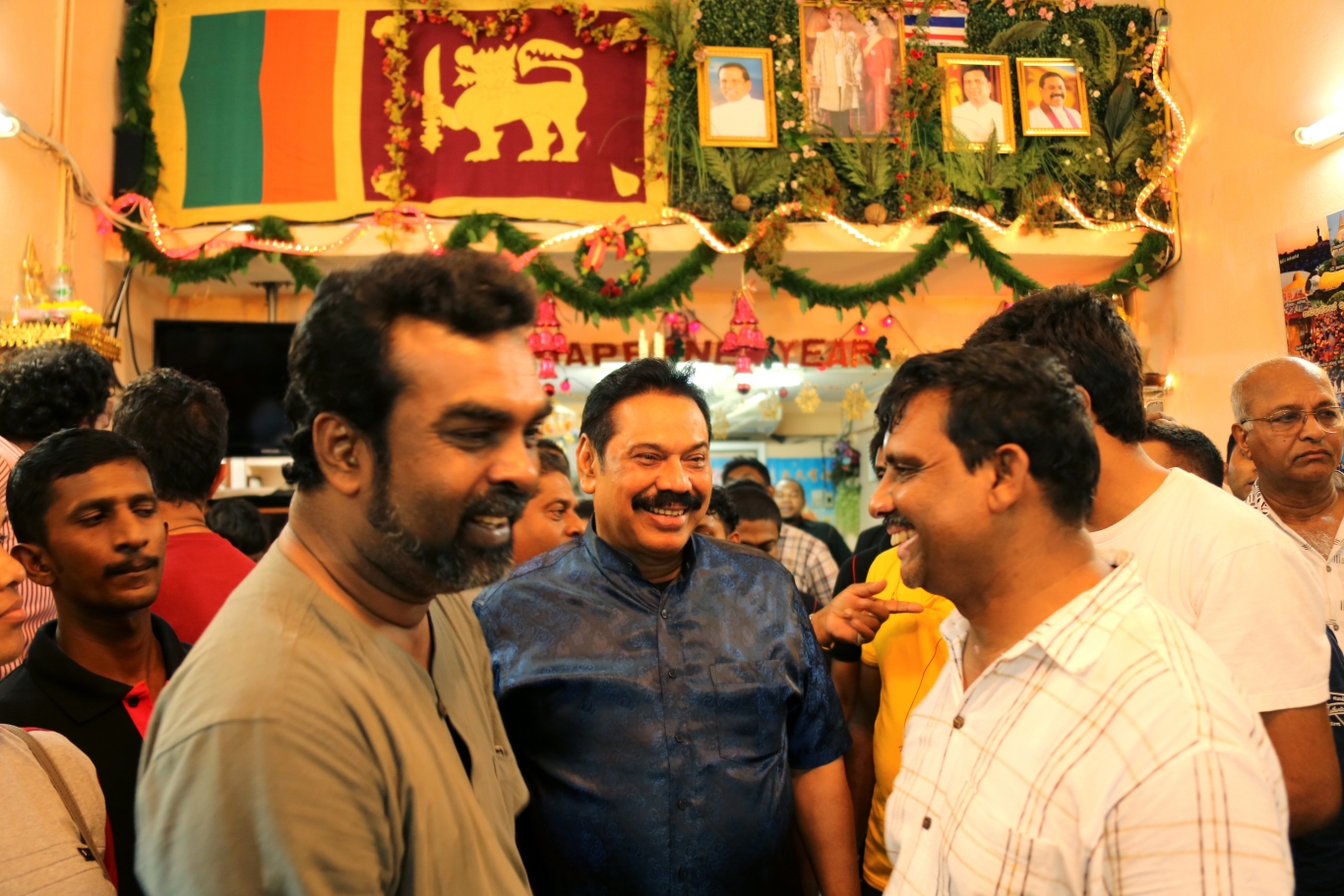
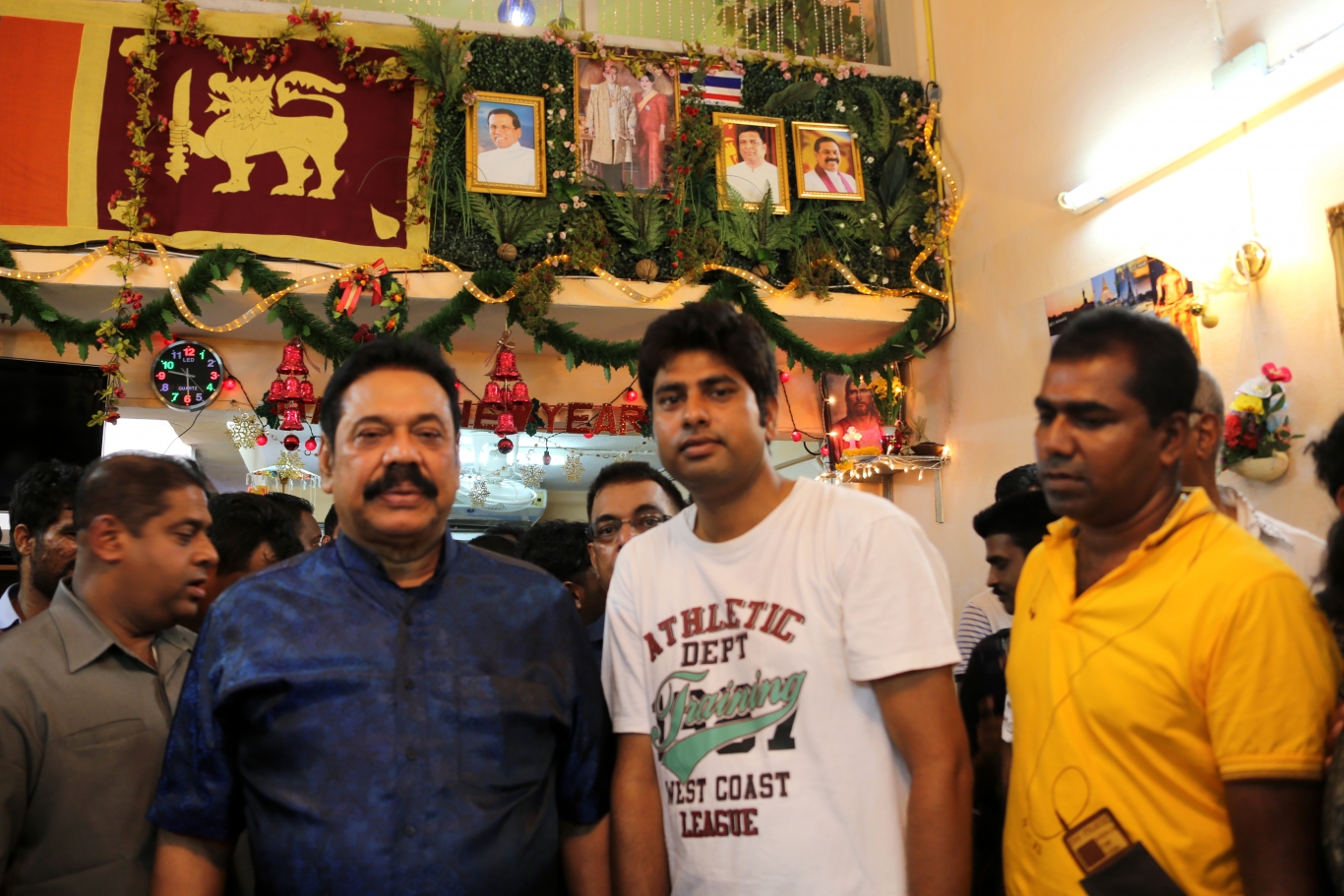
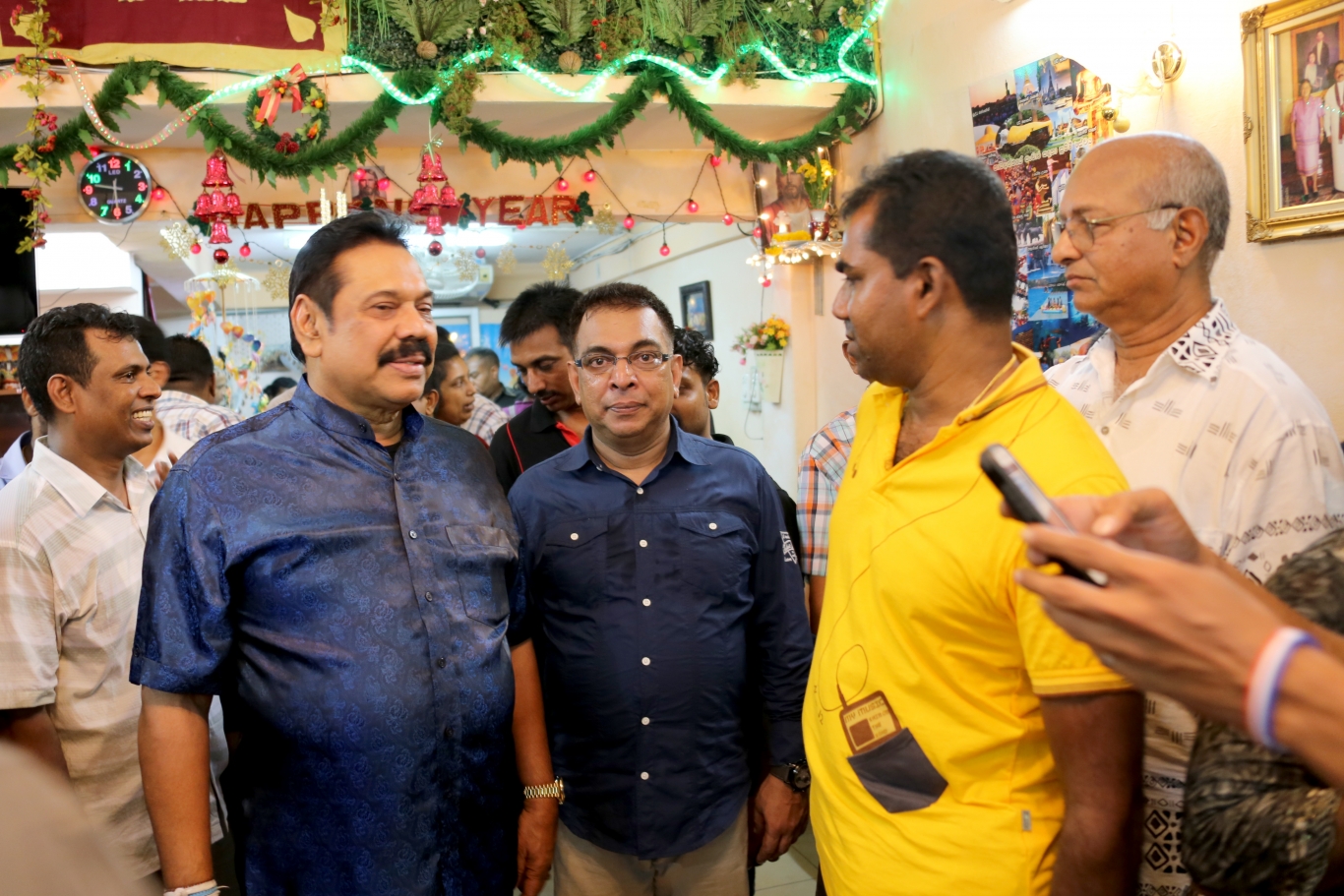
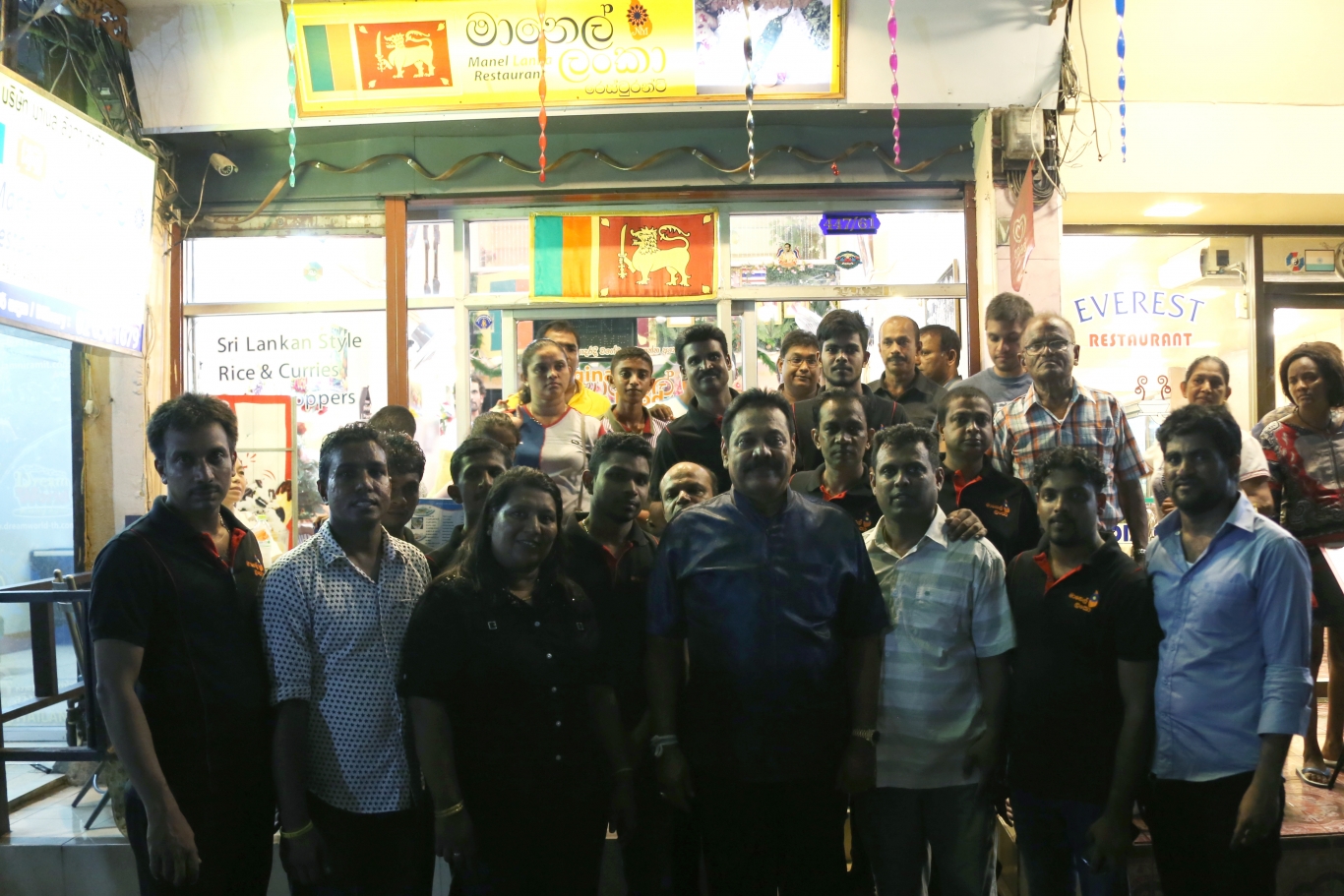
former President’s visit to Thailand 3

Bangkok  – กรุงเทพมหานคร – Krung Thep Maha Nakhon
Special administrative area
A composite image, consisting of the following, in clockwise fashion: a skyline with several skyscrapers; a tall gate-like structure, painted in red; a monument featuring bronze figures standing around the base of an obelisk, surrounded by a large traffic circle; a cable-stayed bridge with a single pylon on one side of the river it spans; a temple with a large stupa surrounded by four smaller ones on a river bank; and a stately building with a Thai-style roof with three spires
Clockwise from top: Si Lom–Sathon business district, the Giant Swing, Victory Monument, Rama VIII Bridge, Wat Arun, and the Grand Palace
A green rectangular flag with the seal of Bangkok in the centre
Flag A round seal bearing the image of Indra riding Airavata among clouds, with the words “Krung Thep Maha Nakhon” (in Thai) across the top
Seal
Map of Thailand, with a small highlighted area near the centre of the country, near the coast of the Gulf of Thailand

Bangkok is the capital and most populous city of Thailand. It is known in Thai as Krung Thep Maha Nakhon (กรุงเทพมหานคร, pronounced [krūŋ tʰêːp mahǎː nákʰɔ̄ːn] (About this sound listen)) or simply Krung Thep (About this sound listen (help·info)). The city occupies 1,568.7 square kilometres (605.7 sq mi) in the Chao Phraya River delta in central Thailand, and has a population of over eight million, or 12.6 percent of the country’s population. Over fourteen million people (22.2 percent) lived within the surrounding Bangkok Metropolitan Region at the 2010 census,[5] making Bangkok the nation’s primate city, significantly dwarfing Thailand’s other urban centres in terms of importance.
Bangkok traces its roots to a small trading post during the Ayutthaya Kingdom in the 15th century, which eventually grew and became the site of two capital cities: Thonburi in 1768 and Rattanakosin in 1782. Bangkok was at the heart of the modernization of Siam, later renamed Thailand, during the late 19th century, as the country faced pressures from the West. The city was at the centre of Thailand’s political struggles throughout the 20th century, as the country abolished absolute monarchy, adopted constitutional rule, and underwent numerous coups and several uprisings. The city grew rapidly during the 1960s through the 1980s and now exerts a significant impact on Thailand’s politics, economy, education, media and modern society.

The Asian investment boom in the 1980s and 1990s led many multinational corporations to locate their regional headquarters in Bangkok. The city is now a regional force in finance and business. It is an international hub for transport and health care, and has emerged as a centre for the arts, fashion, and entertainment. The city is known for its vibrant street life and cultural landmarks, as well as its notorious red-light districts. The historic Grand Palace and Buddhist temples including Wat Arun and Wat Pho stand in contrast with other tourist attractions such as the nightlife scenes of Khaosan Road and Patpong. Bangkok is among the world’s top tourist destinations. It is named the world’s most visited city in MasterCard’s Global Destination Cities Index, and was named “World’s Best City” for four consecutive years by Travel + Leisure magazine.

Bangkok’s rapid growth coupled with little urban planning has resulted in a haphazard cityscape and inadequate infrastructure. An inadequate road network, despite an extensive expressway network, together with substantial private car usage, have led to chronic and crippling traffic congestion, which caused severe air pollution in the 1990s. The city has since turned to public transport in an attempt to solve the problem. Five rapid transit lines are now in operation, with more systems under construction or planned by the national government and the Bangkok Metropolitan Administration.

Related Images:

former President’s visit to Thailand 2

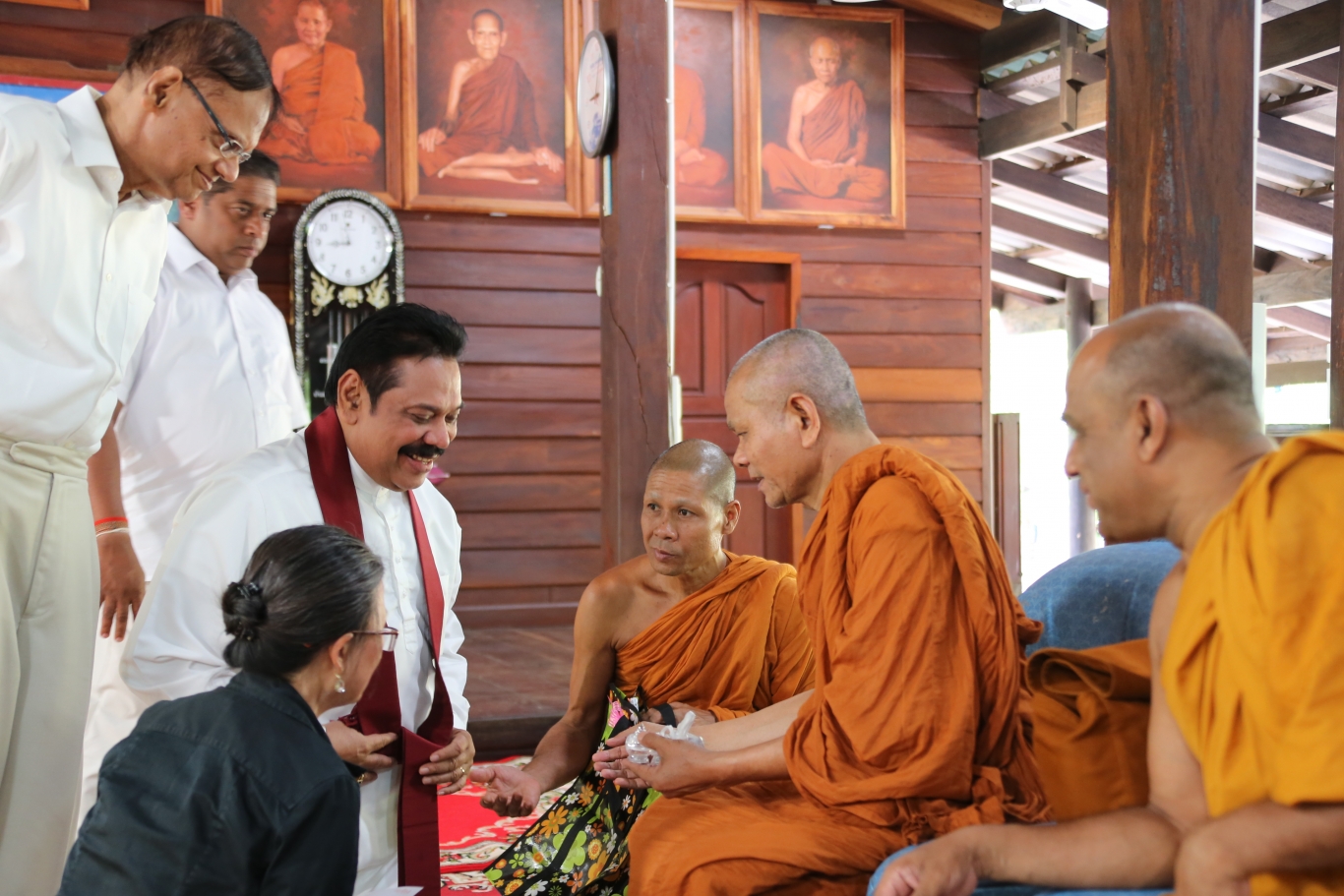
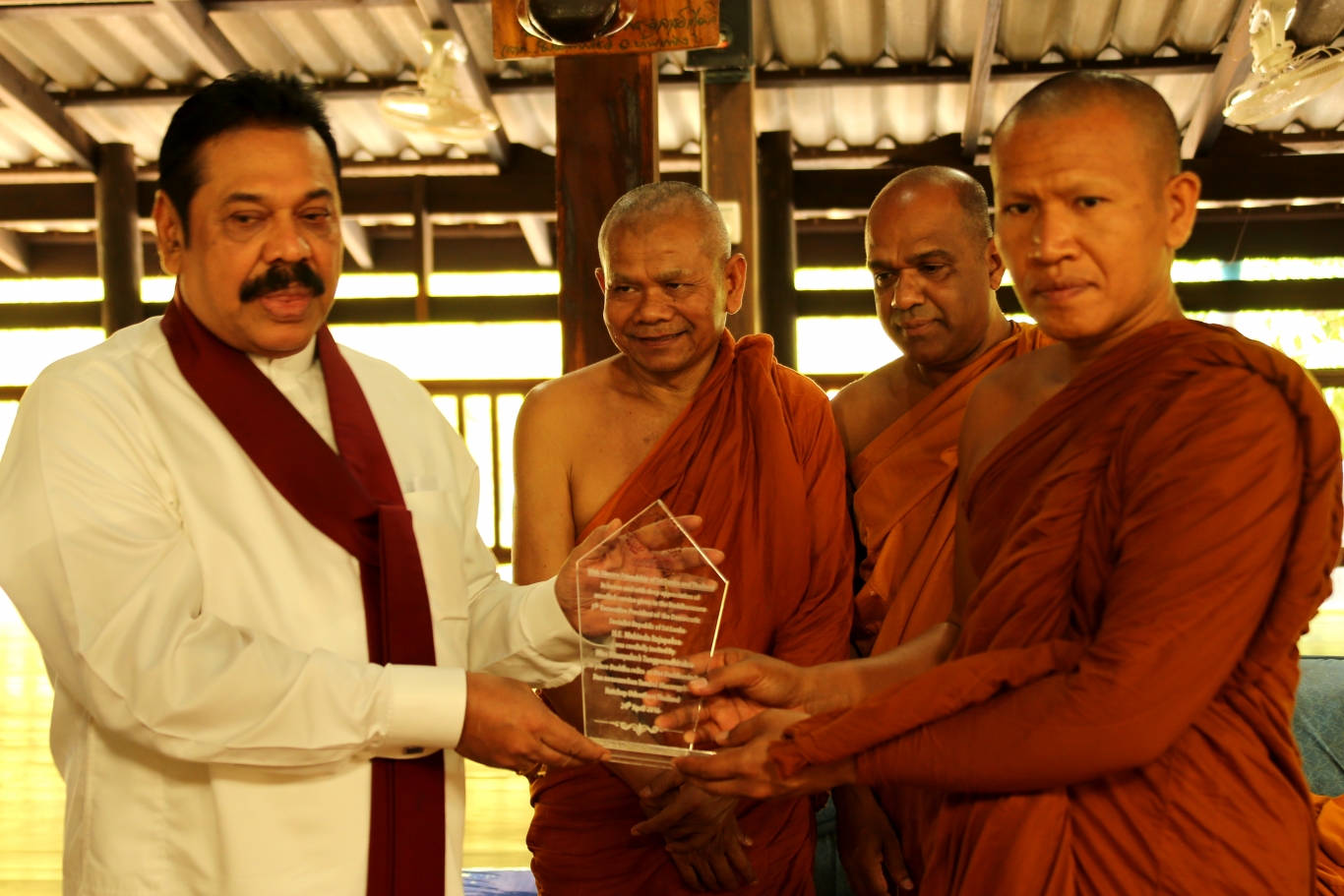
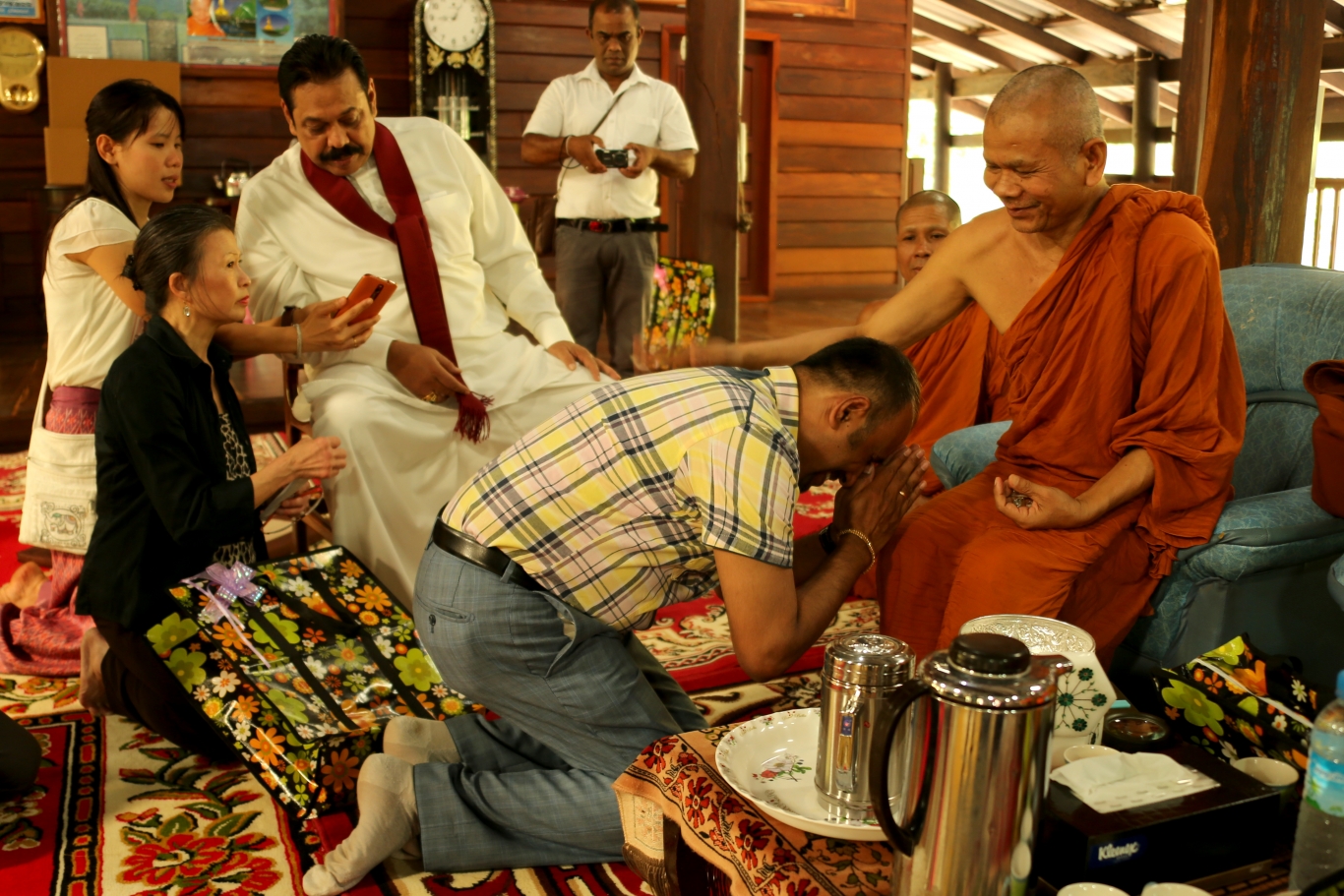
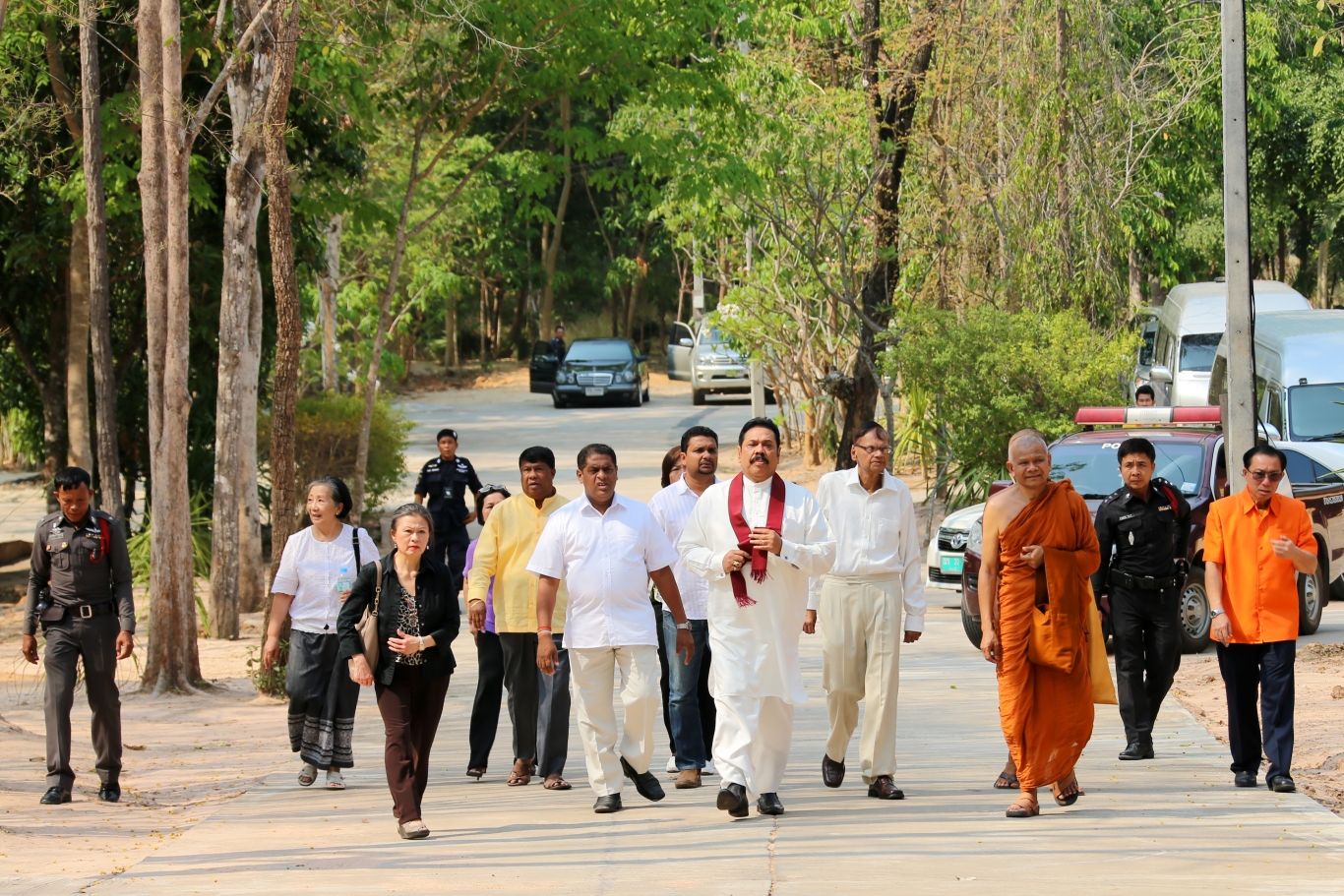
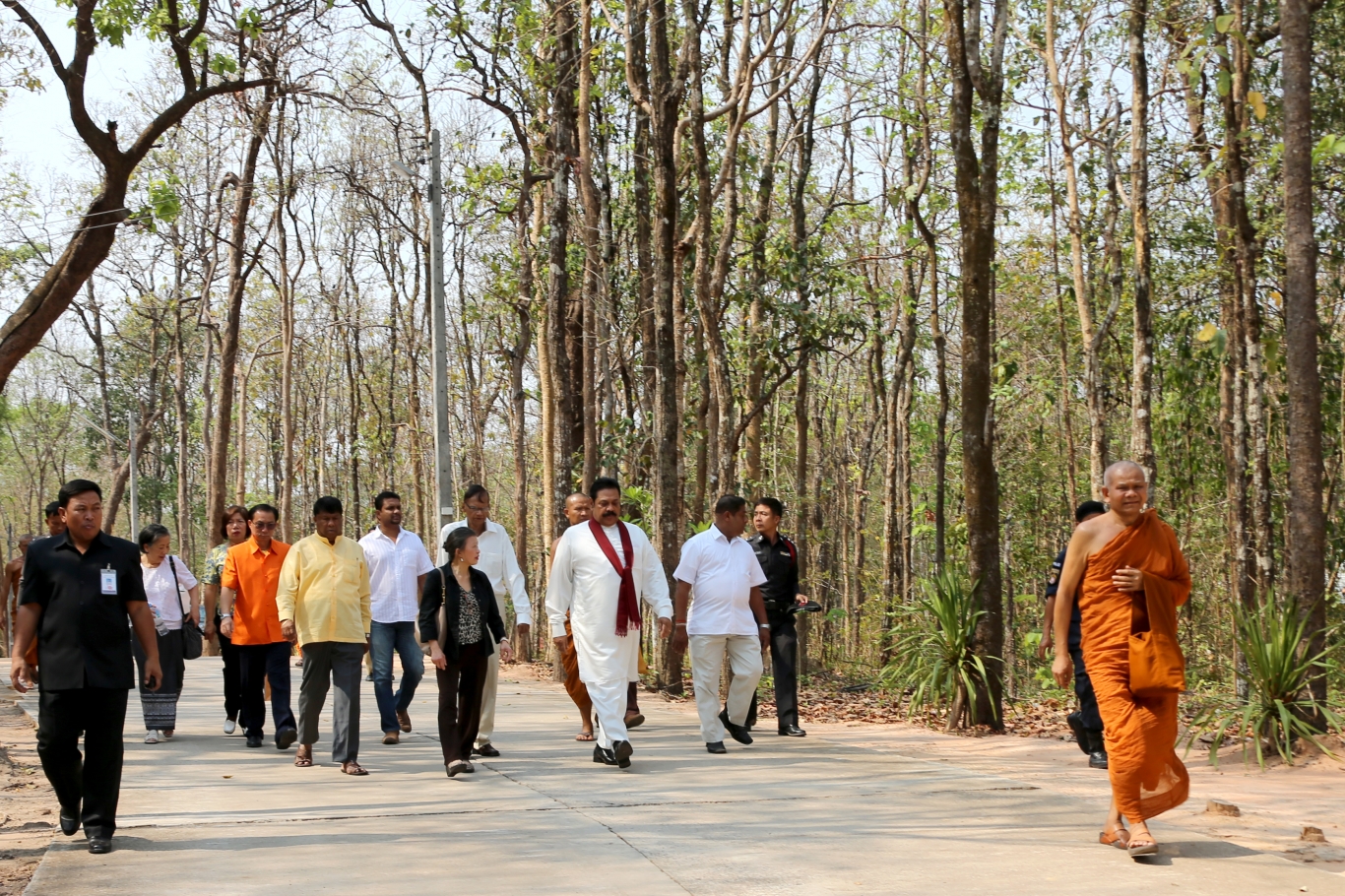
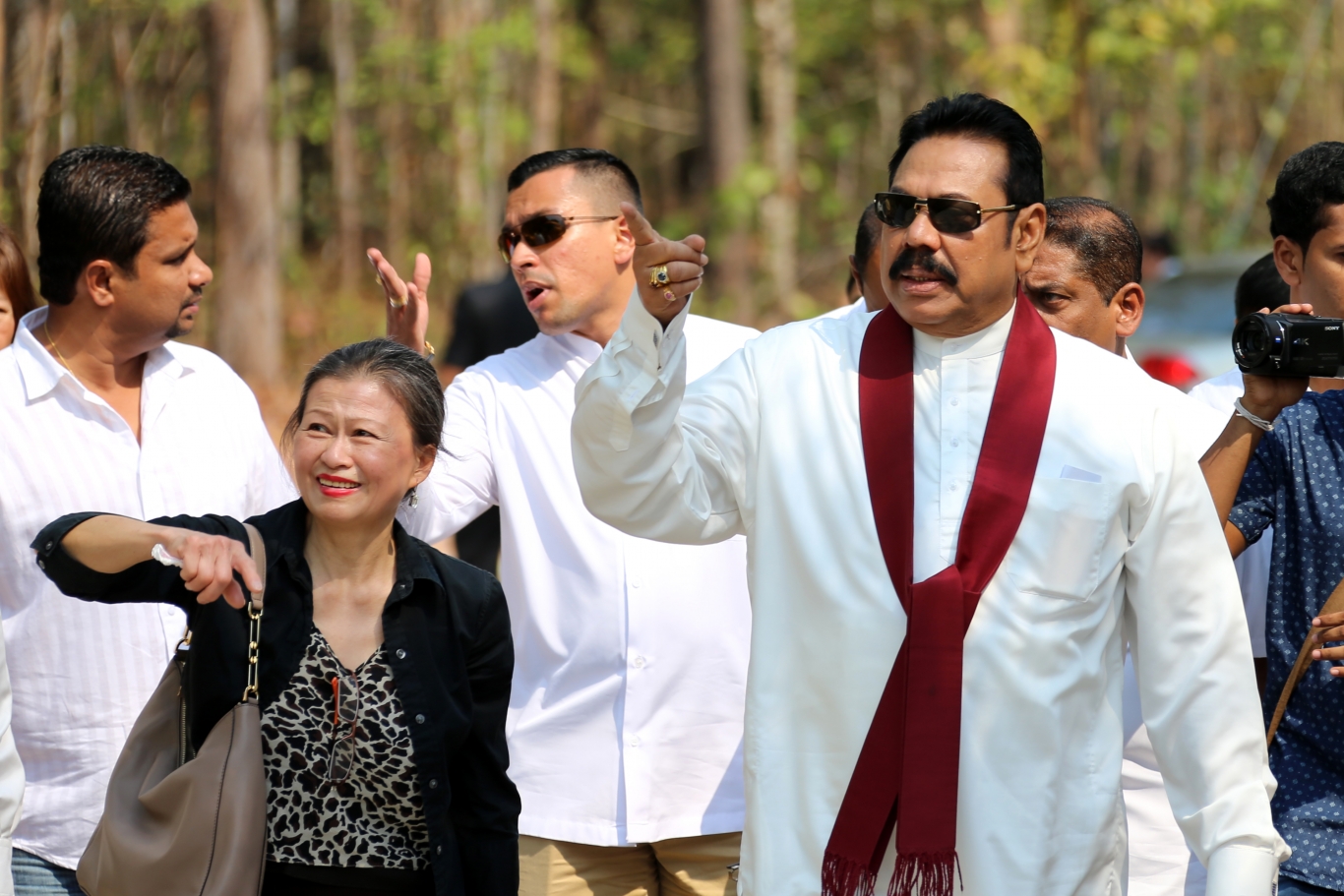
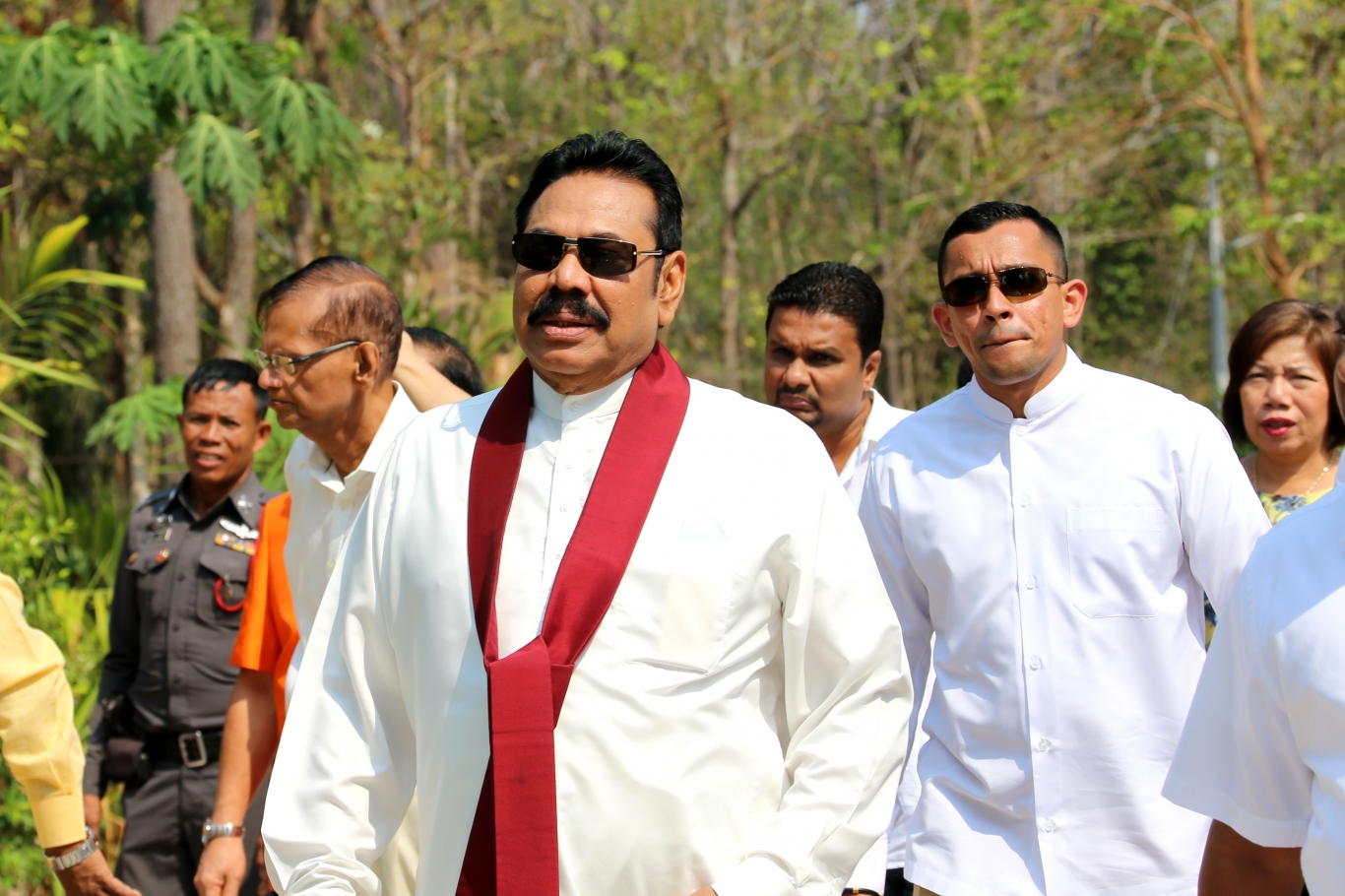
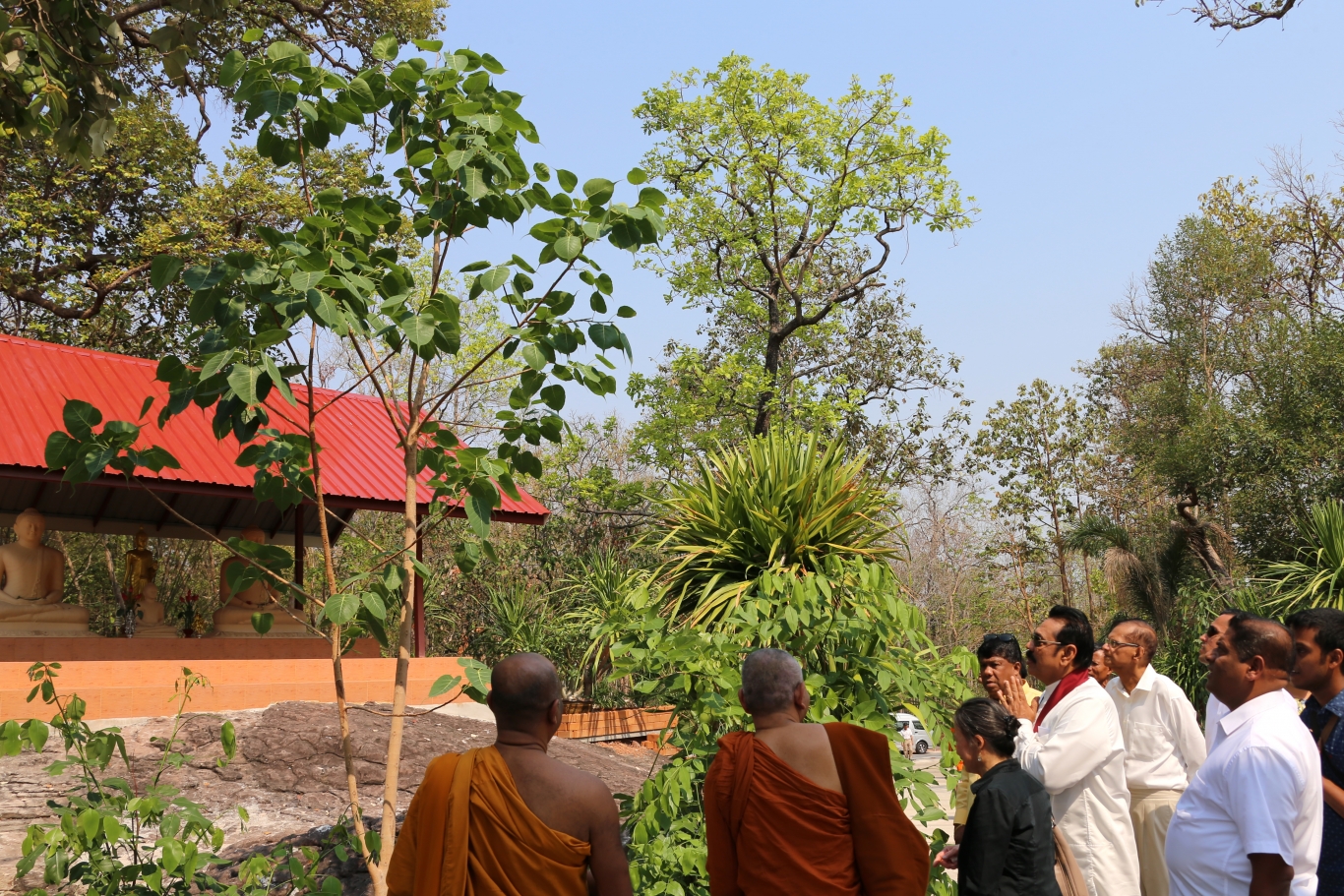
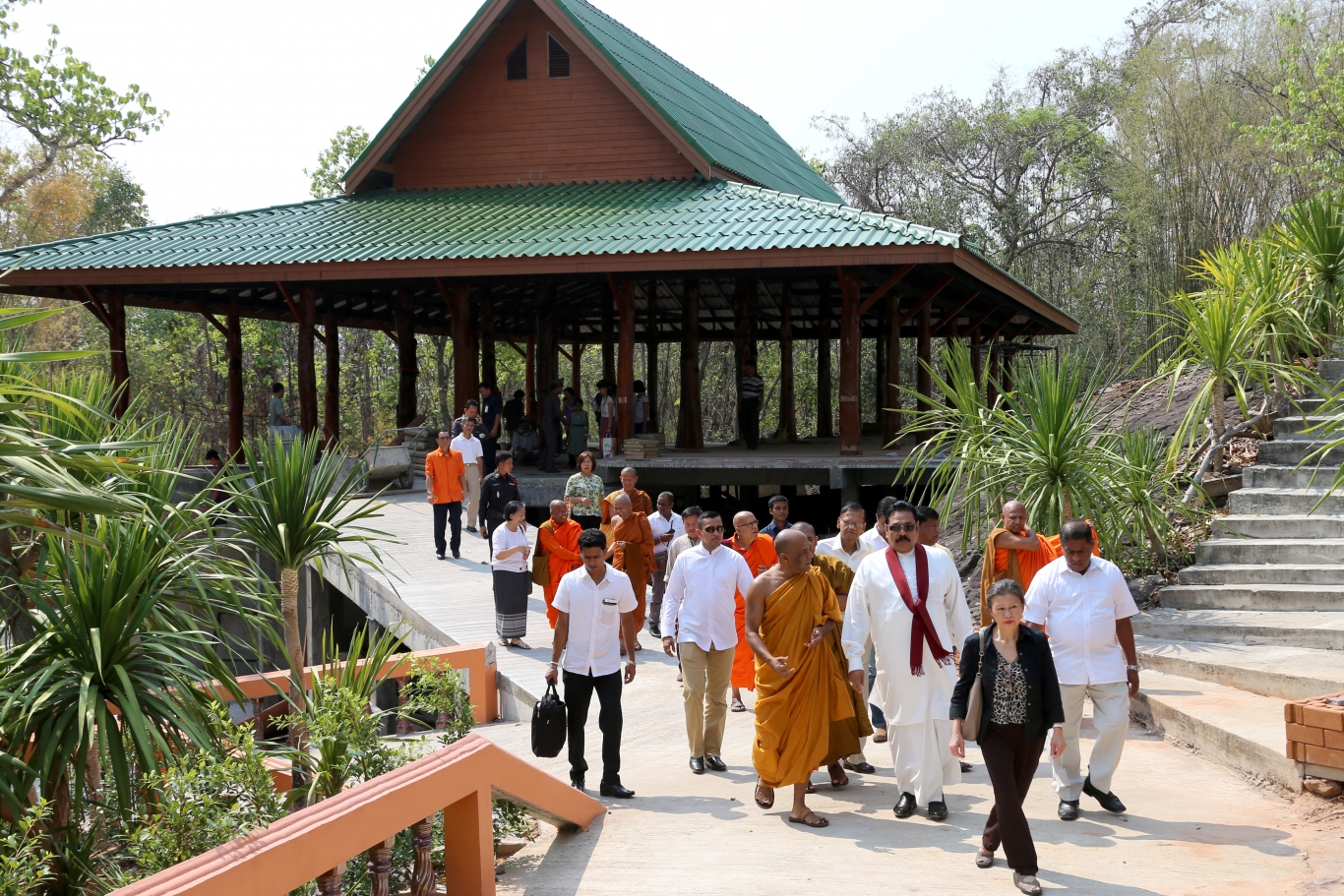
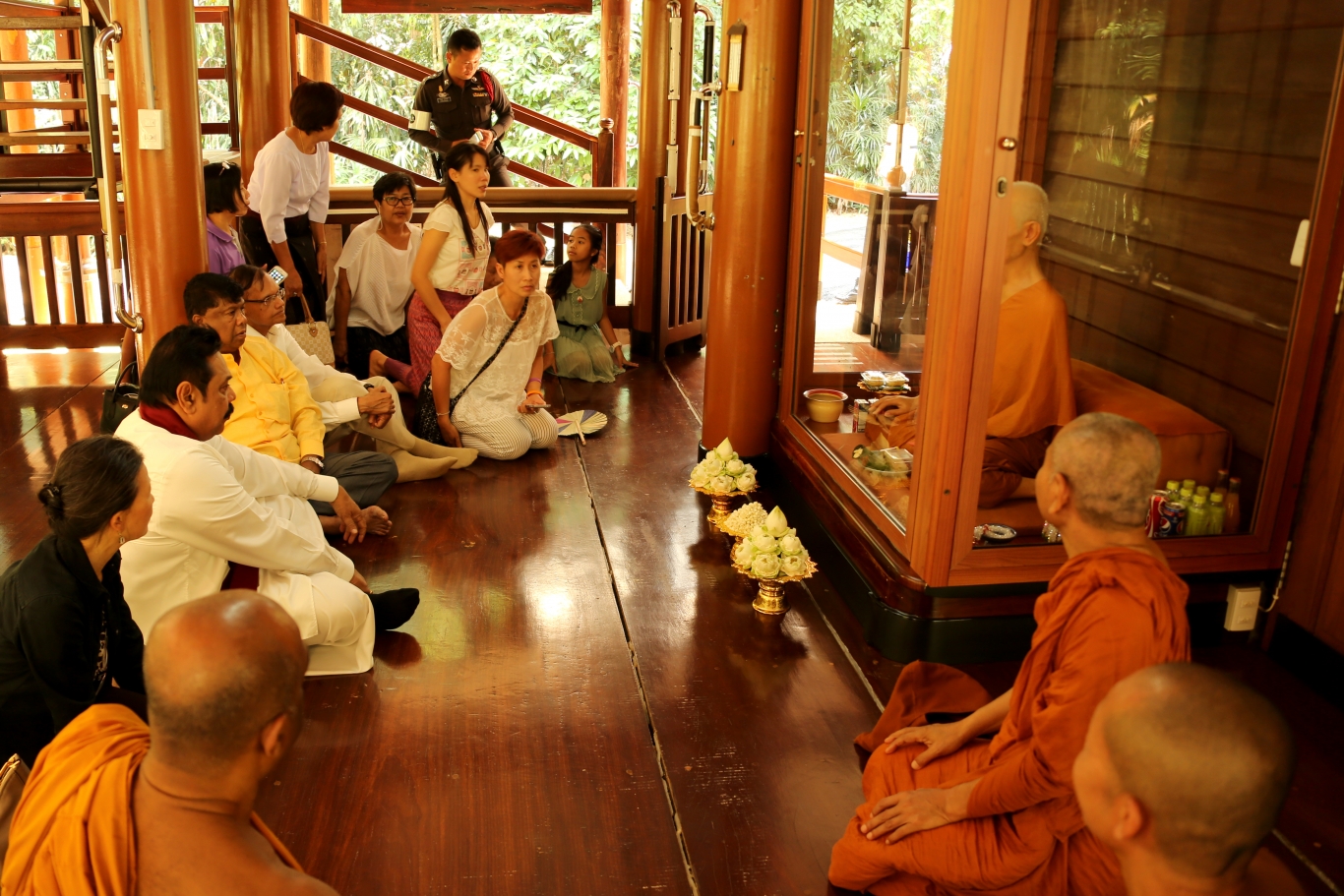
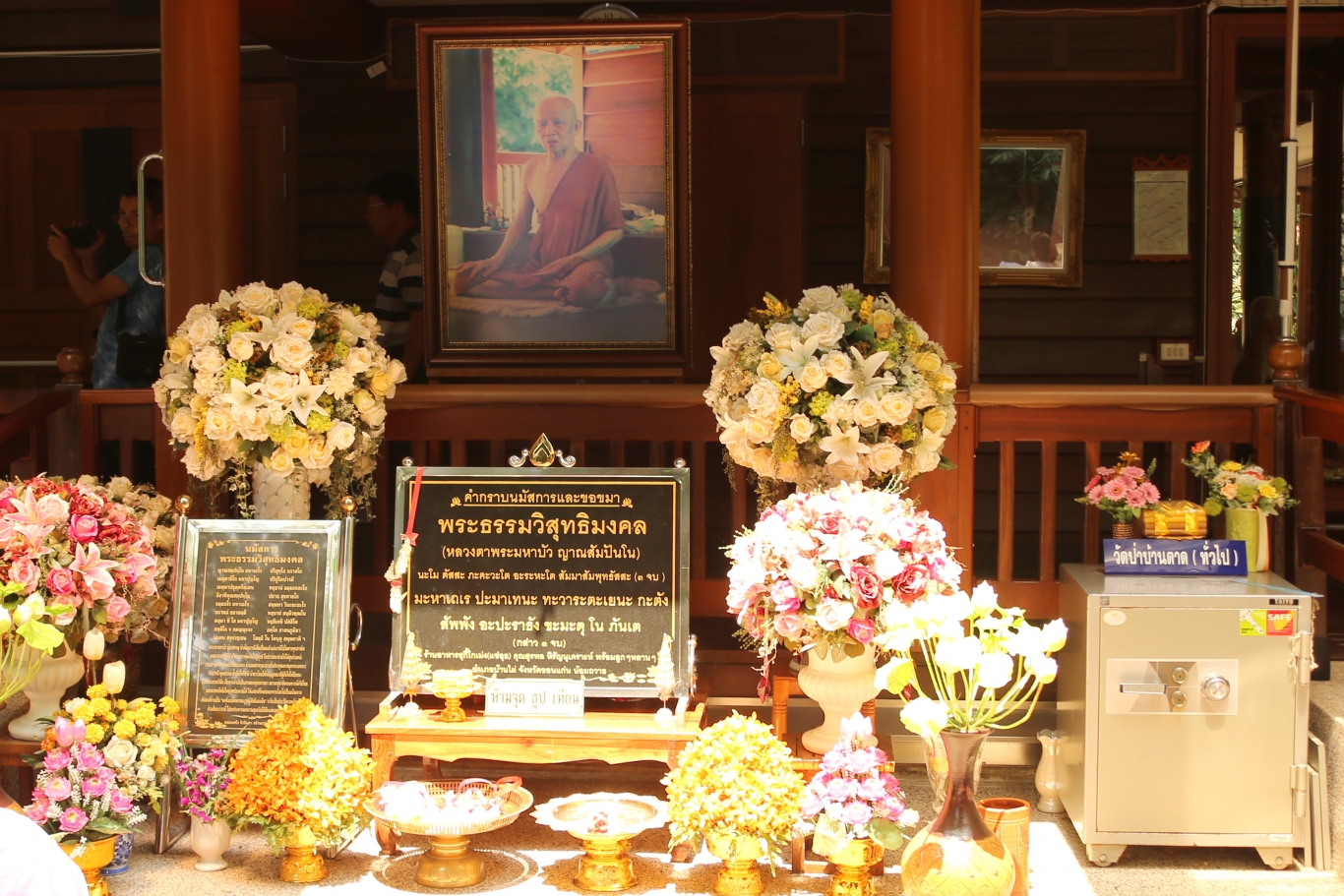
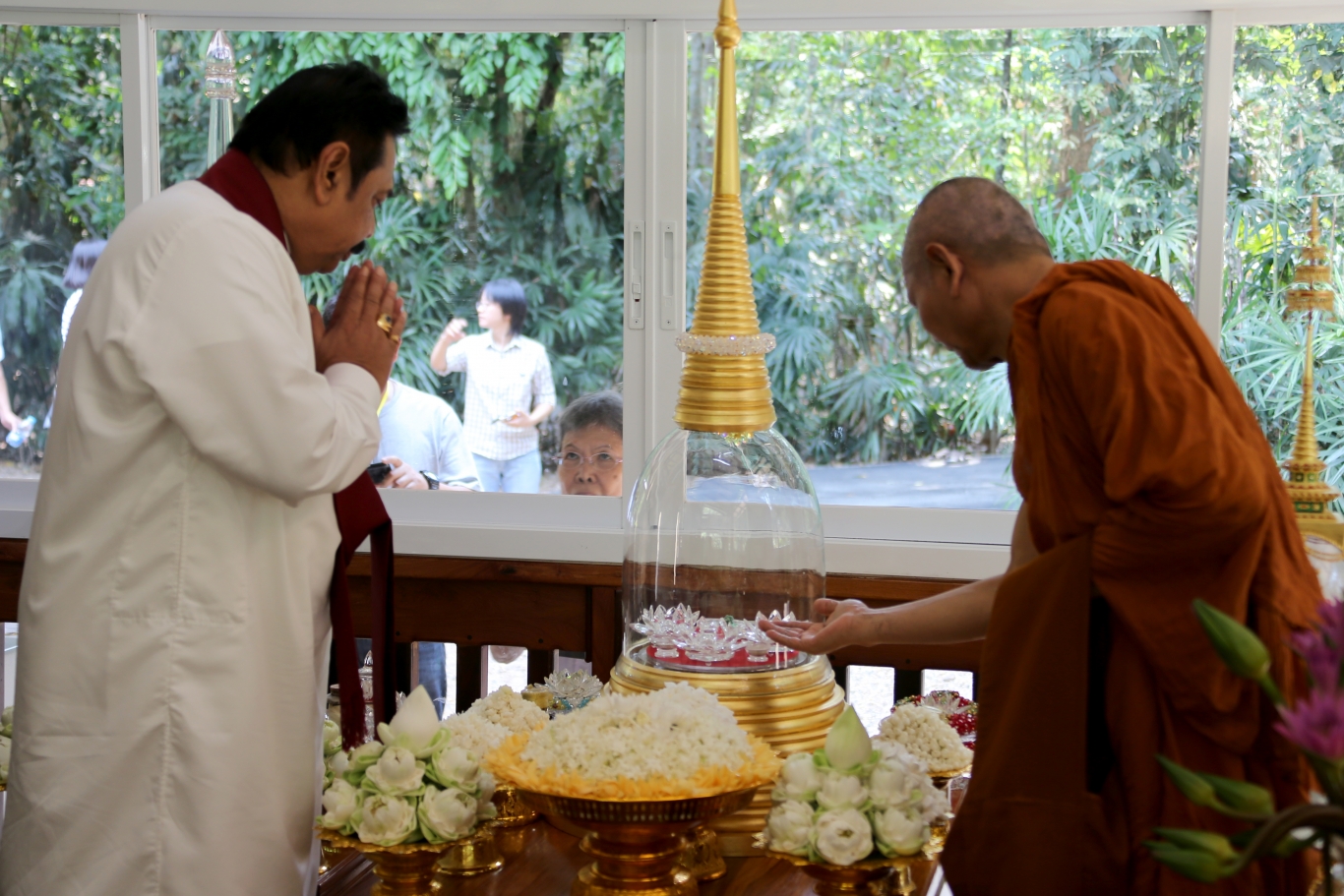
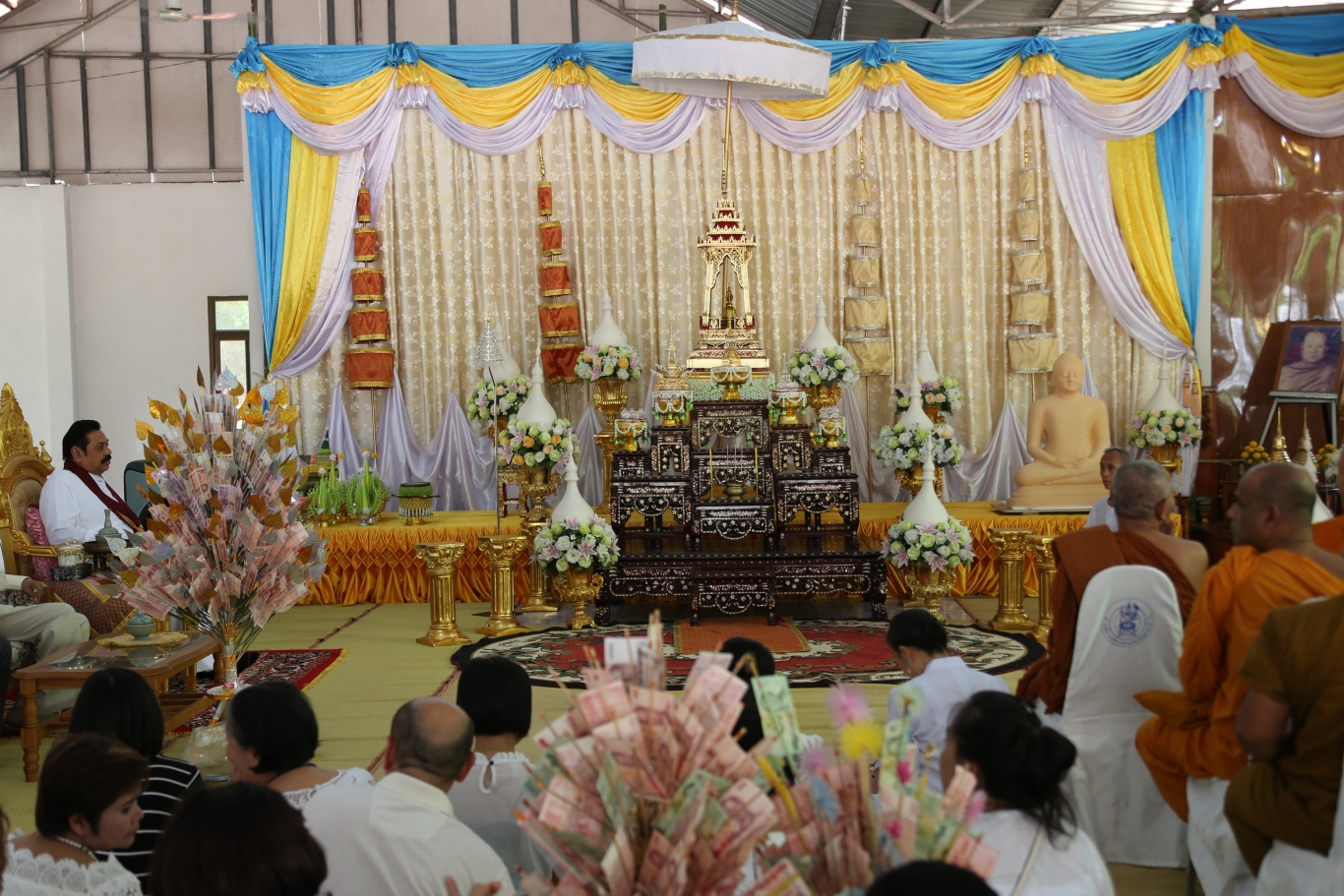
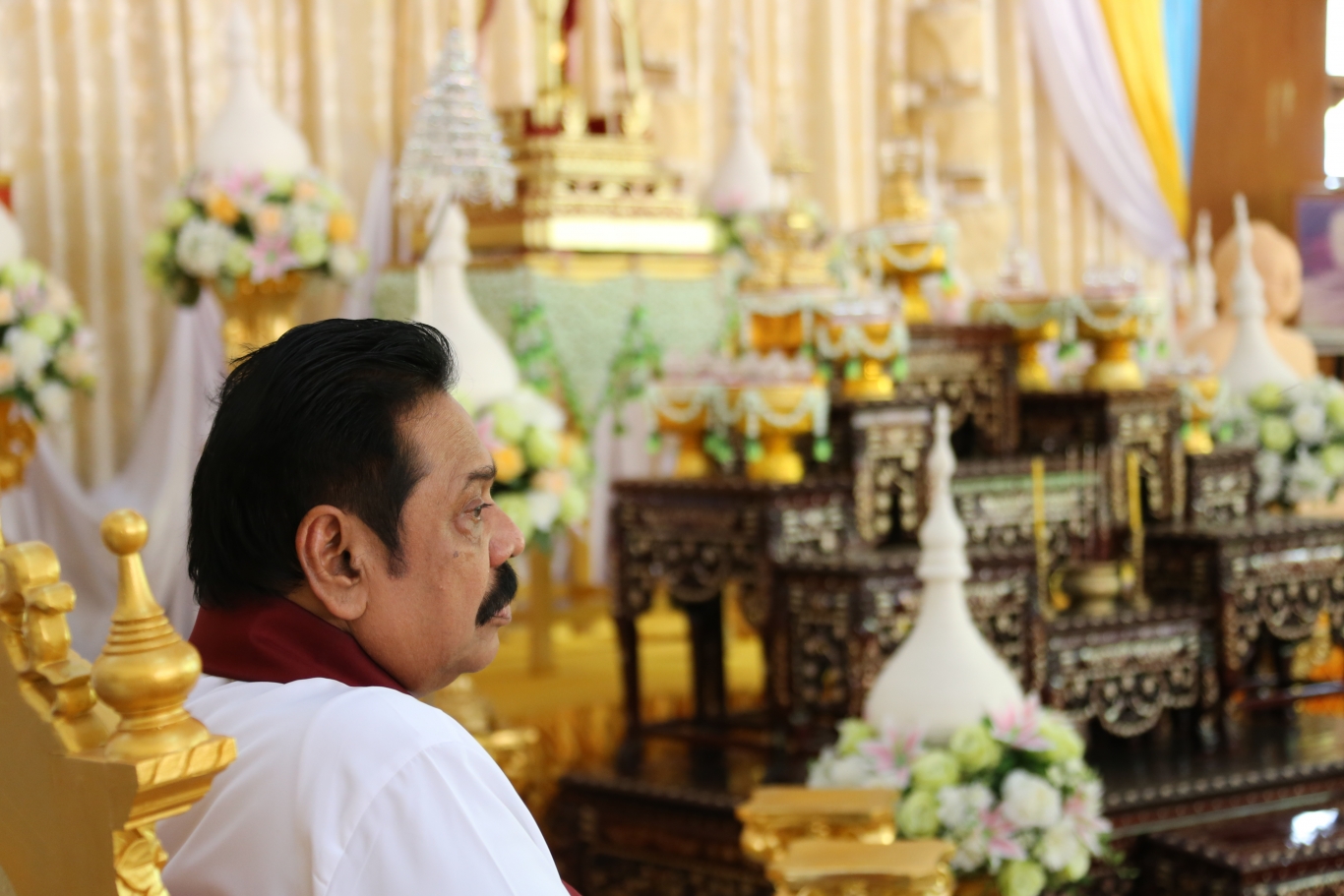
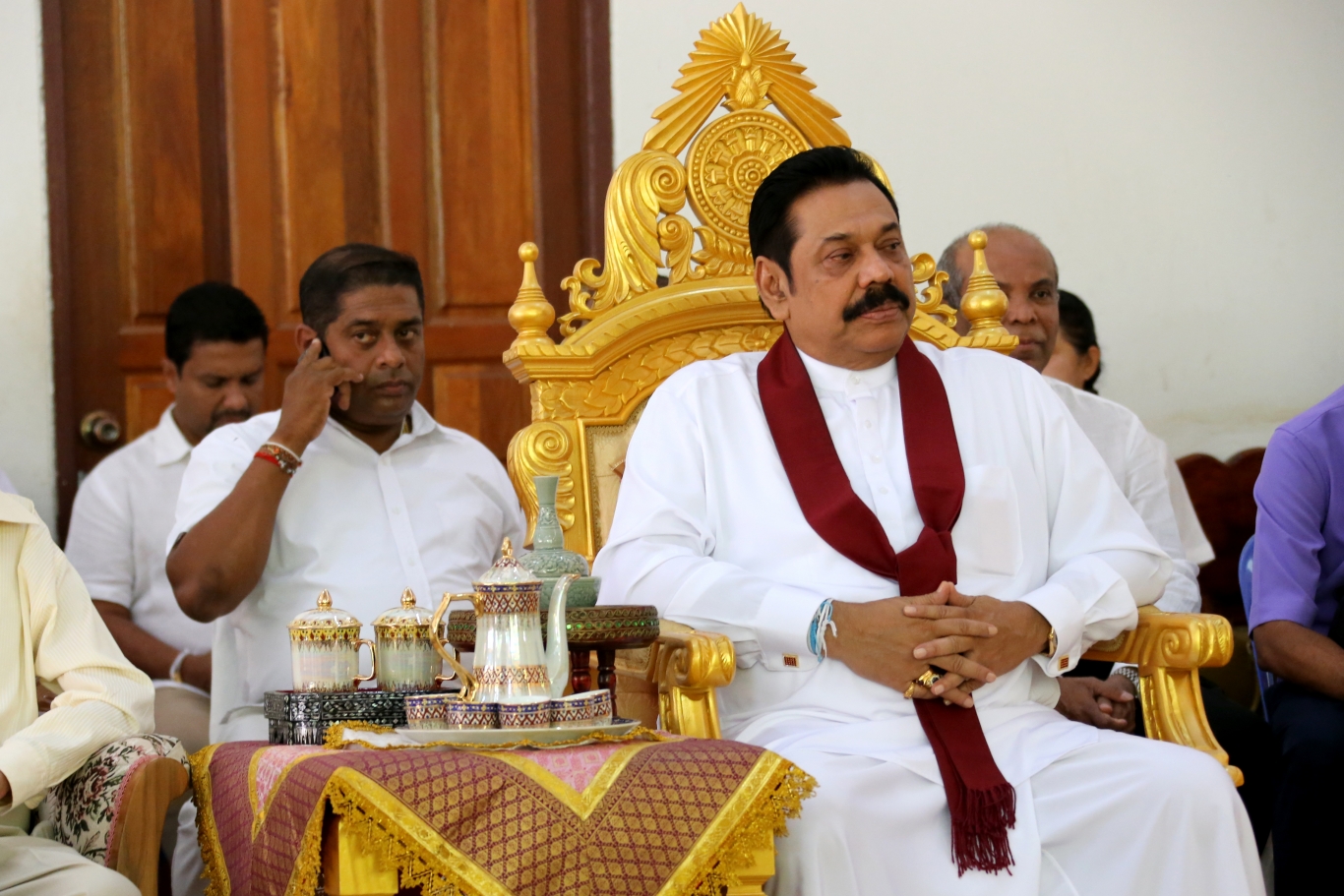
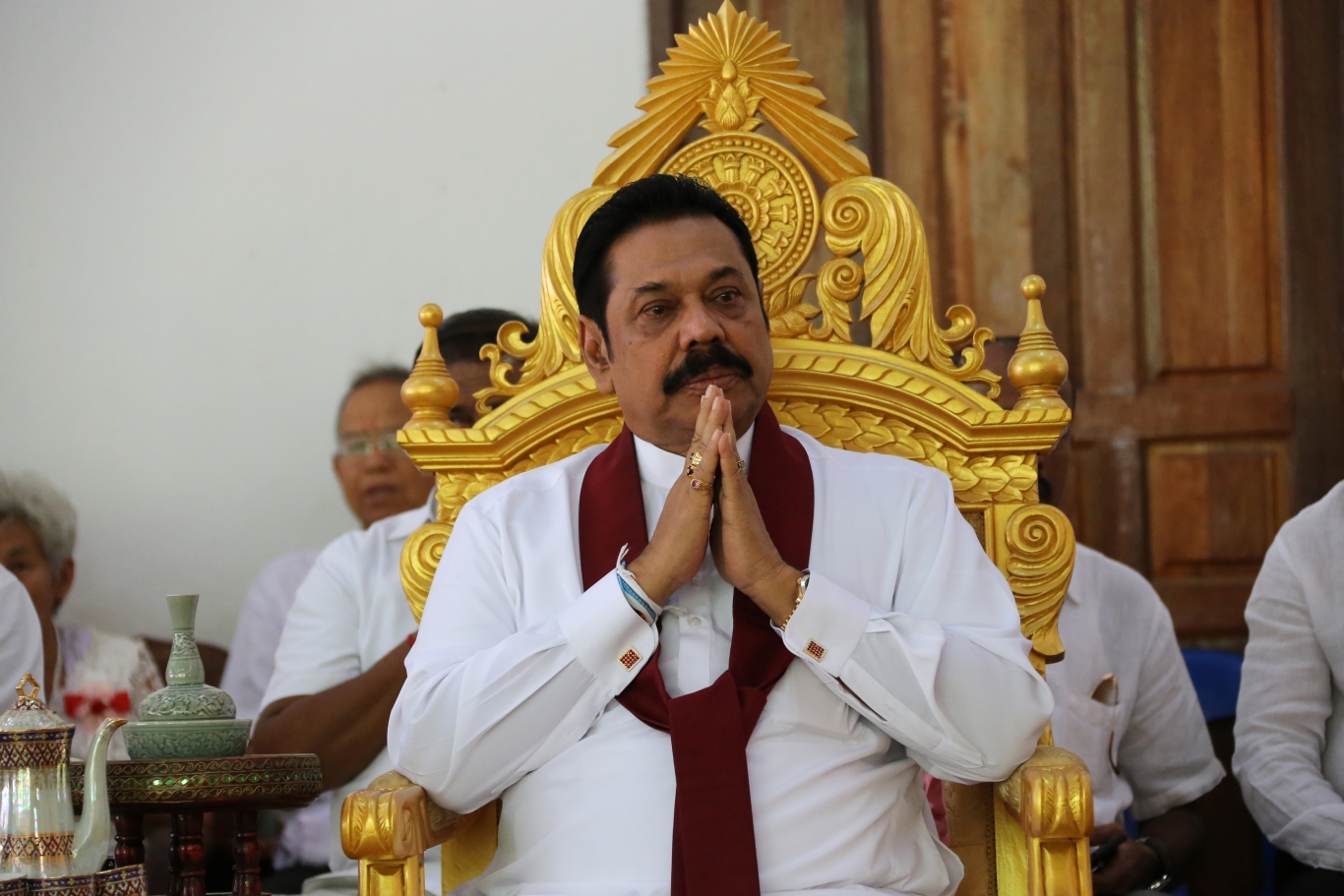
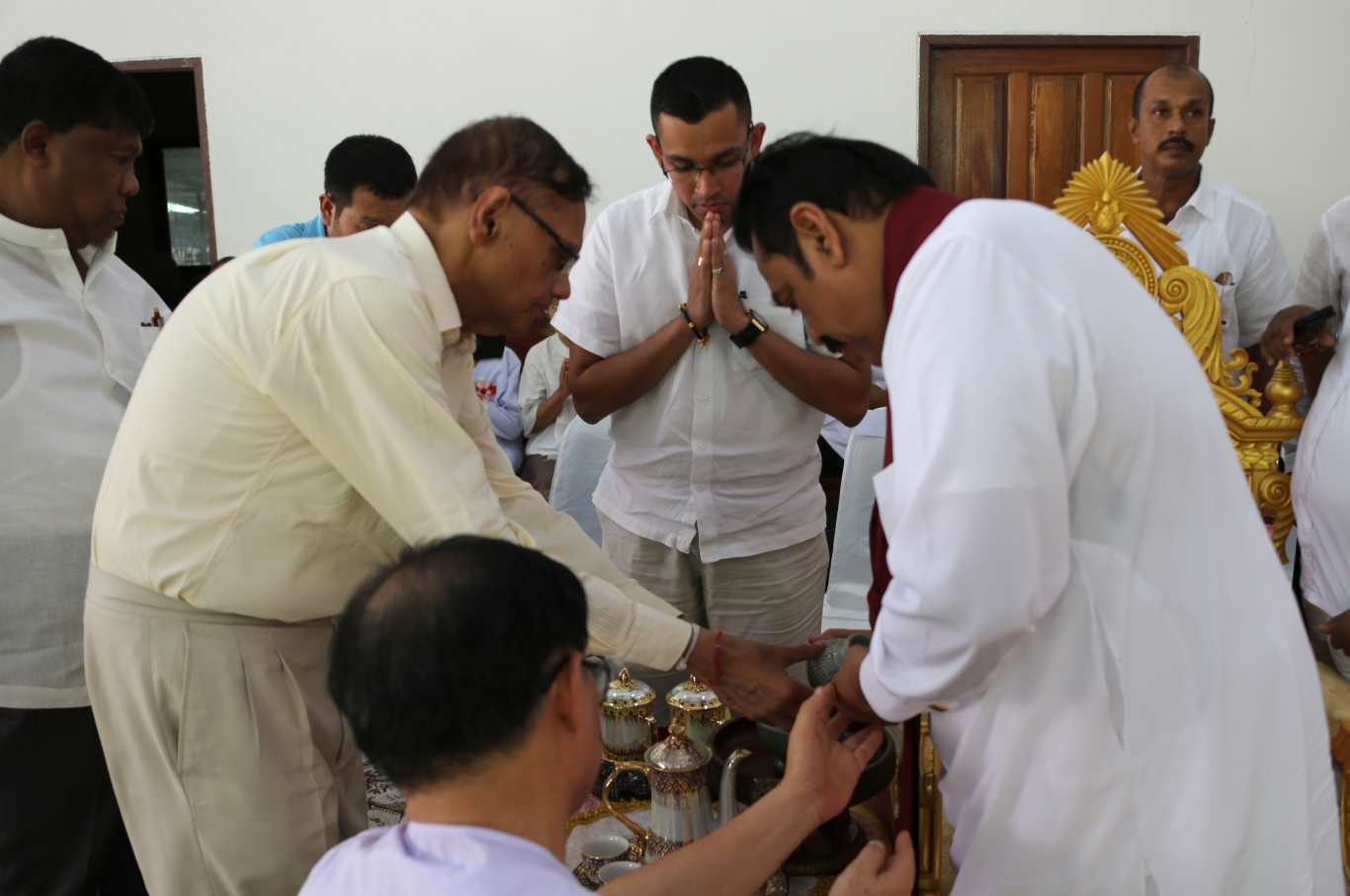
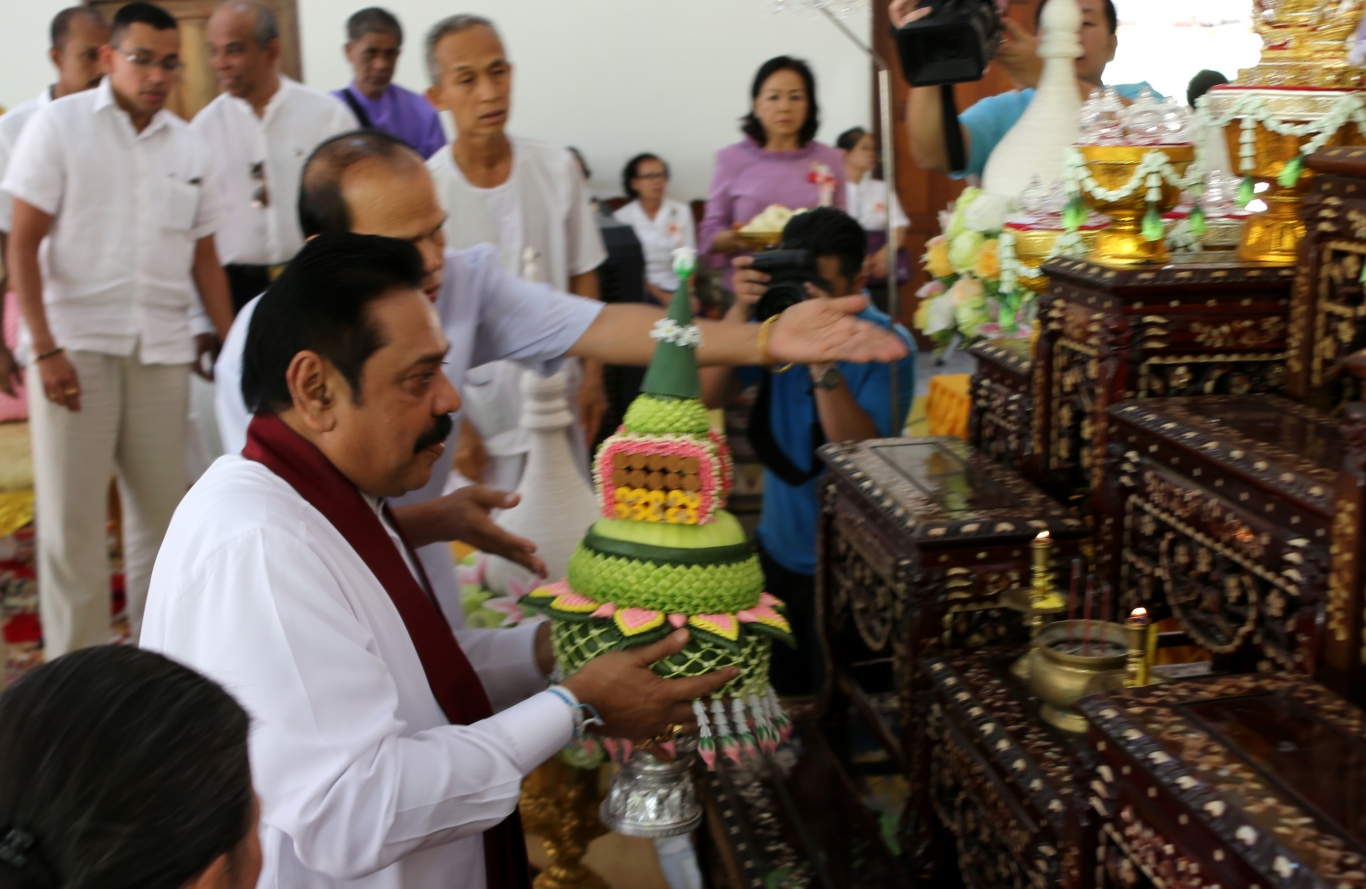
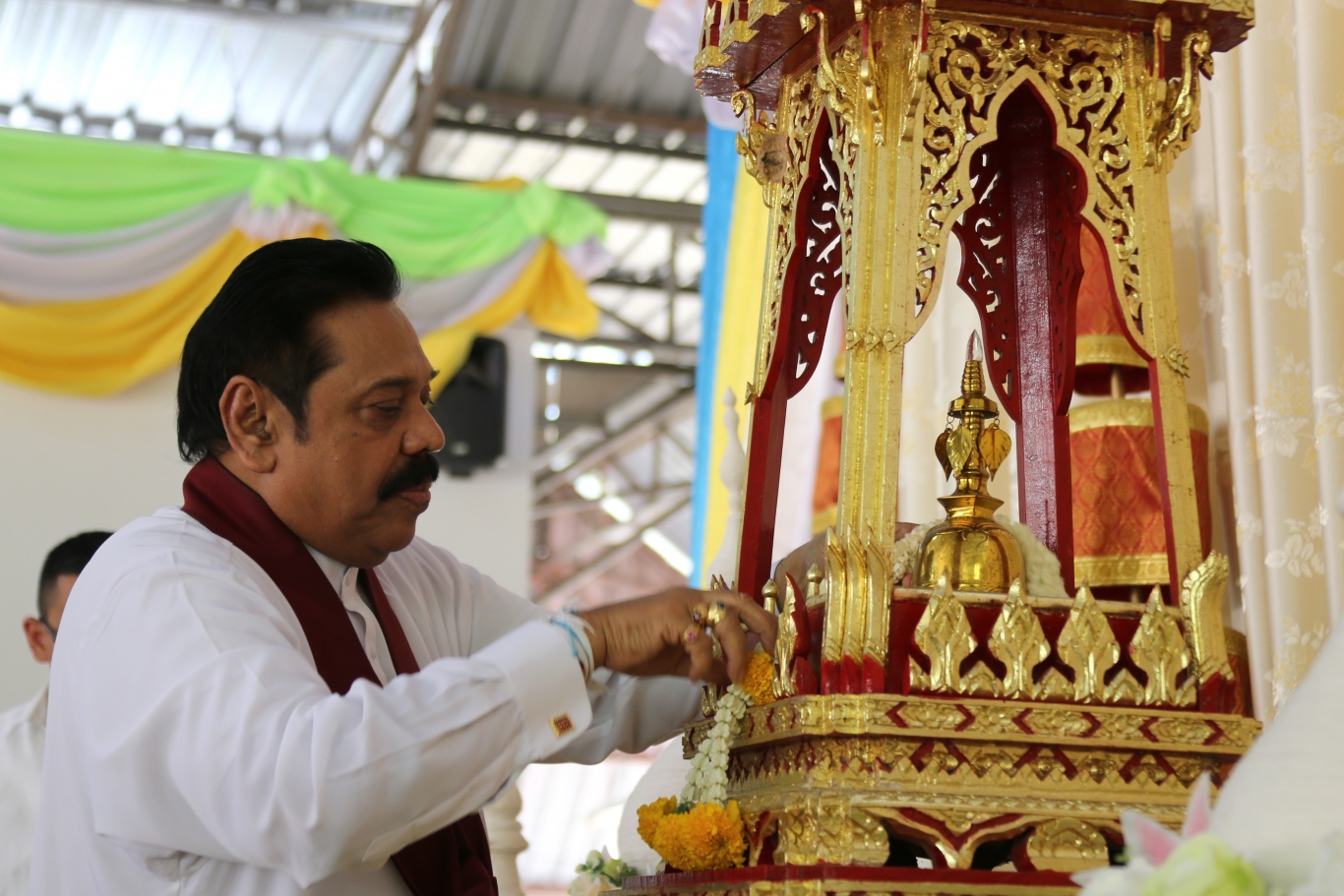
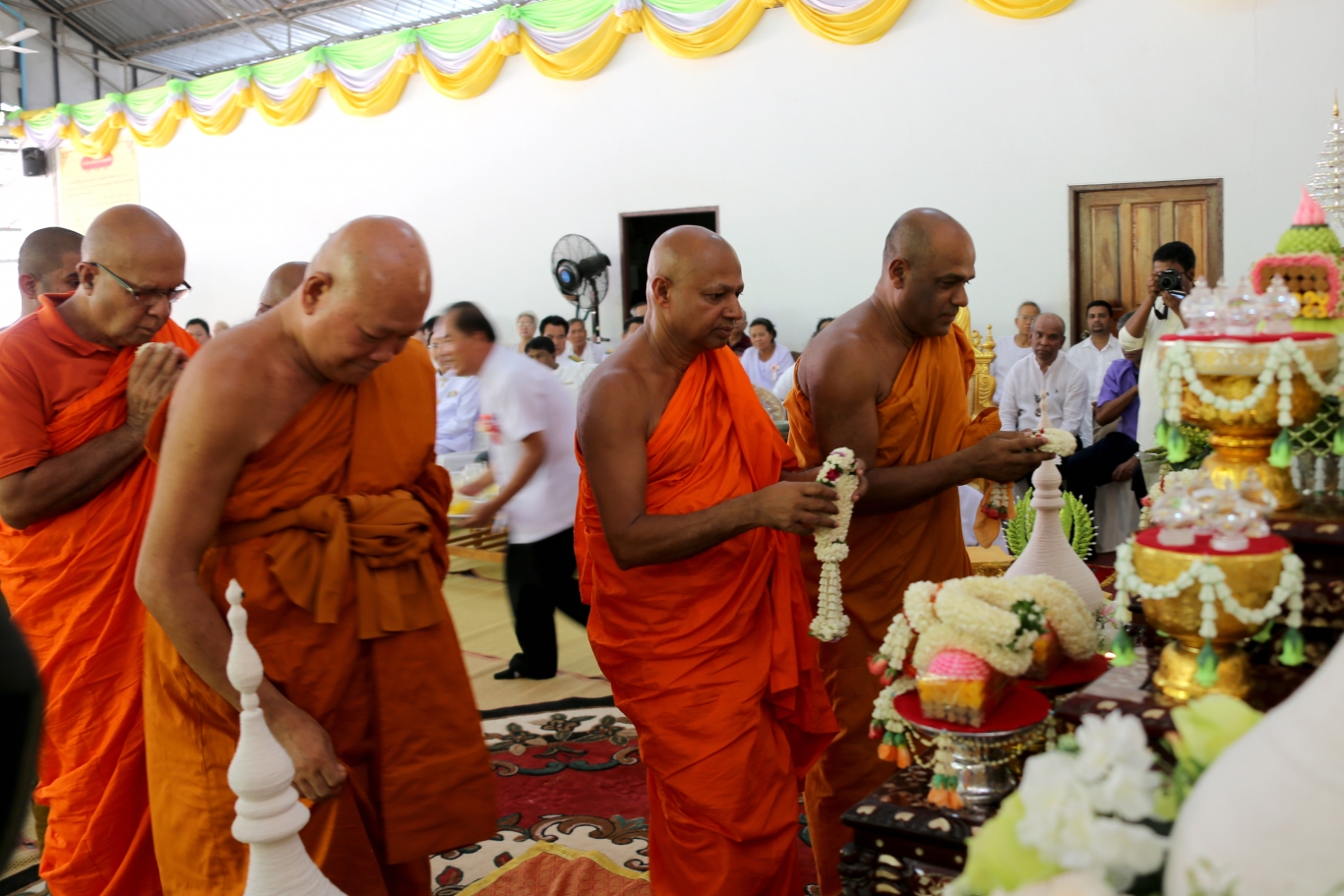
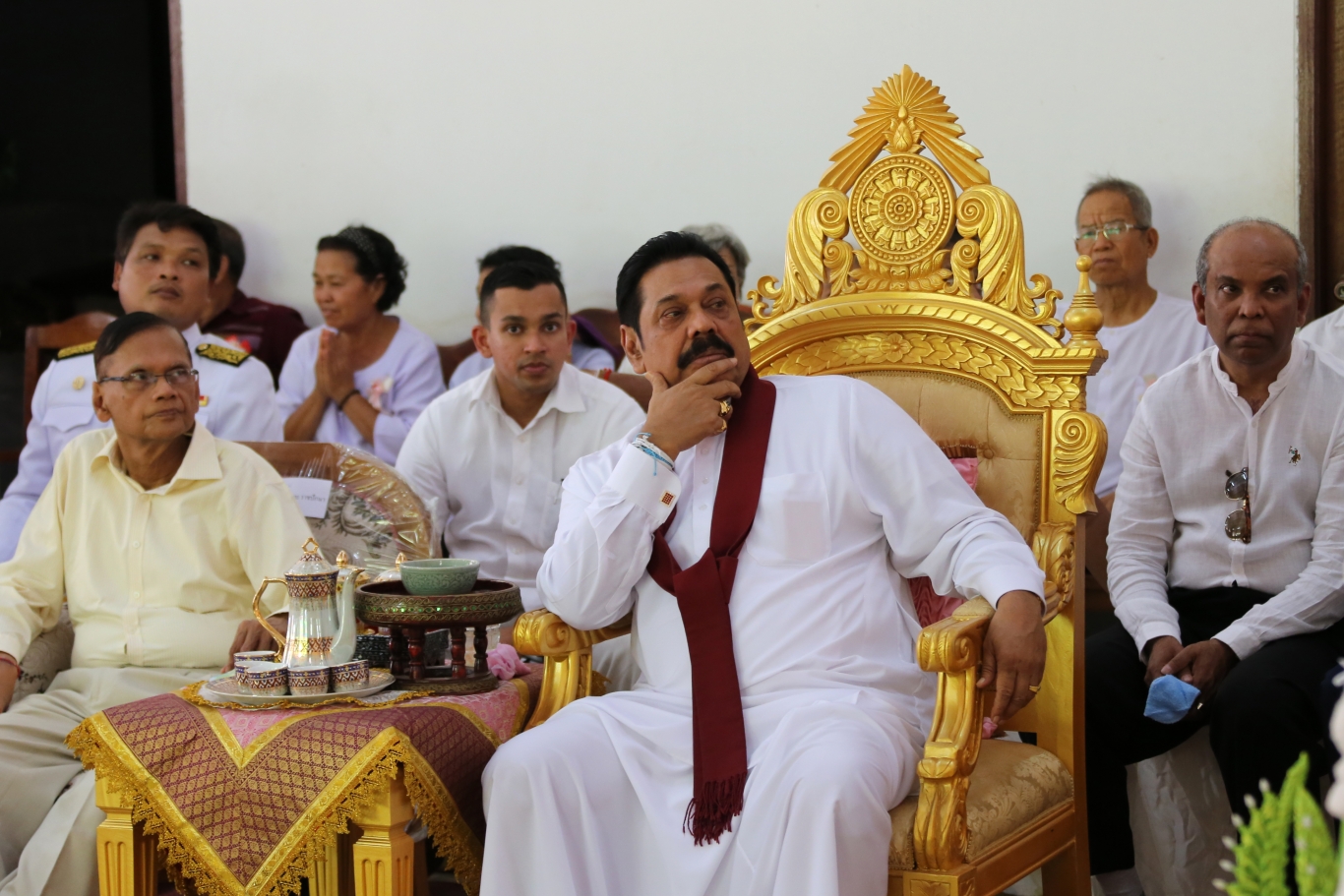
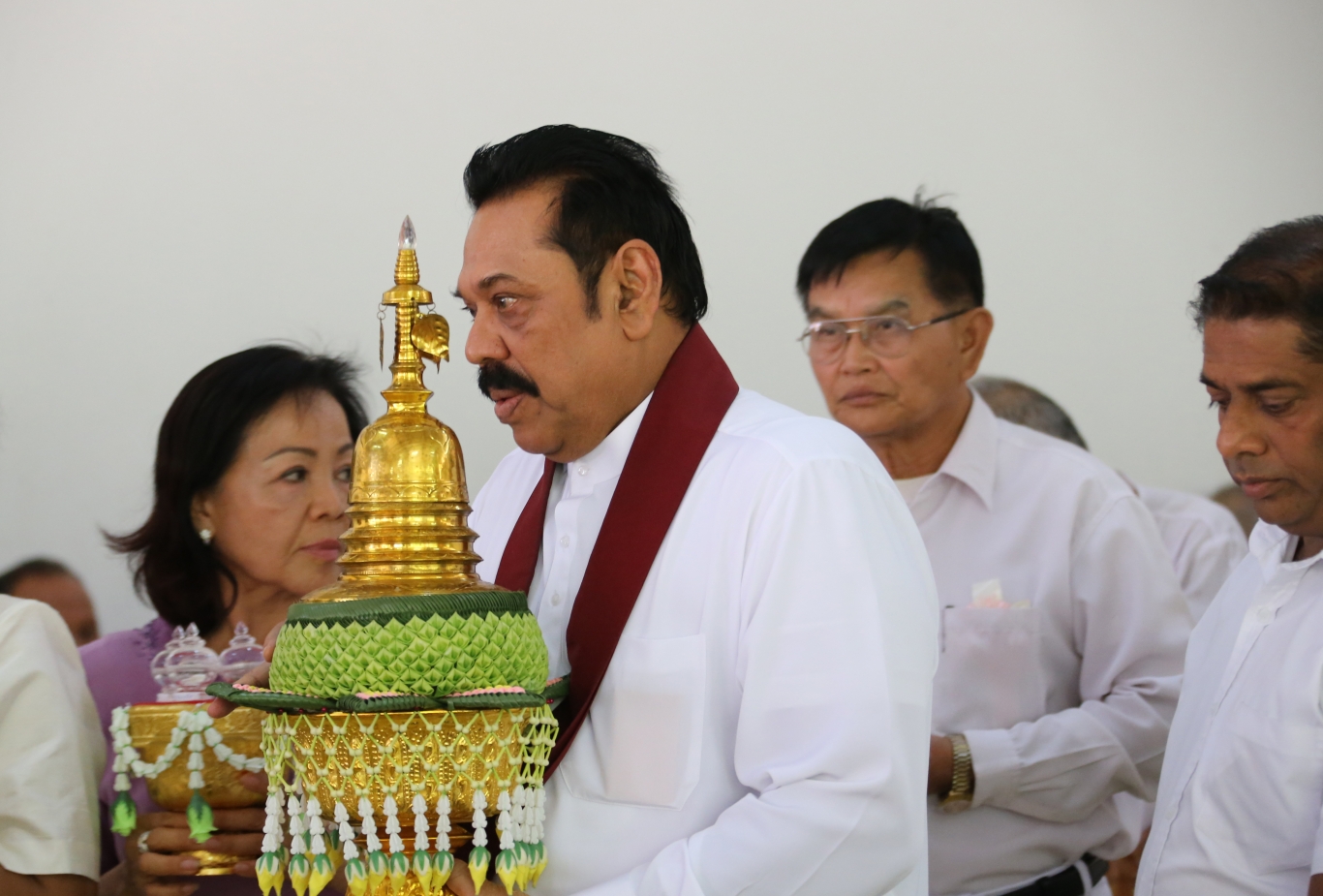
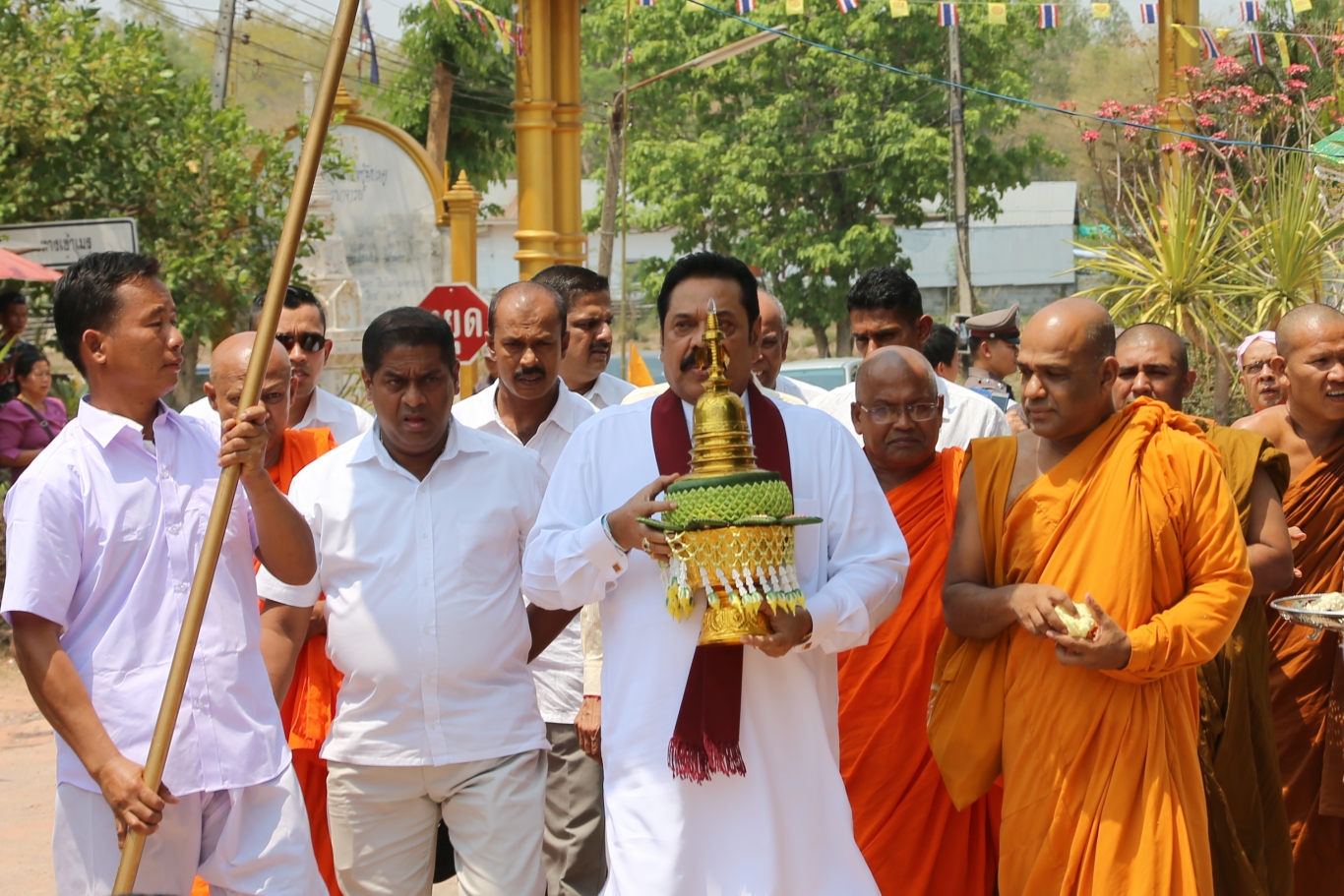
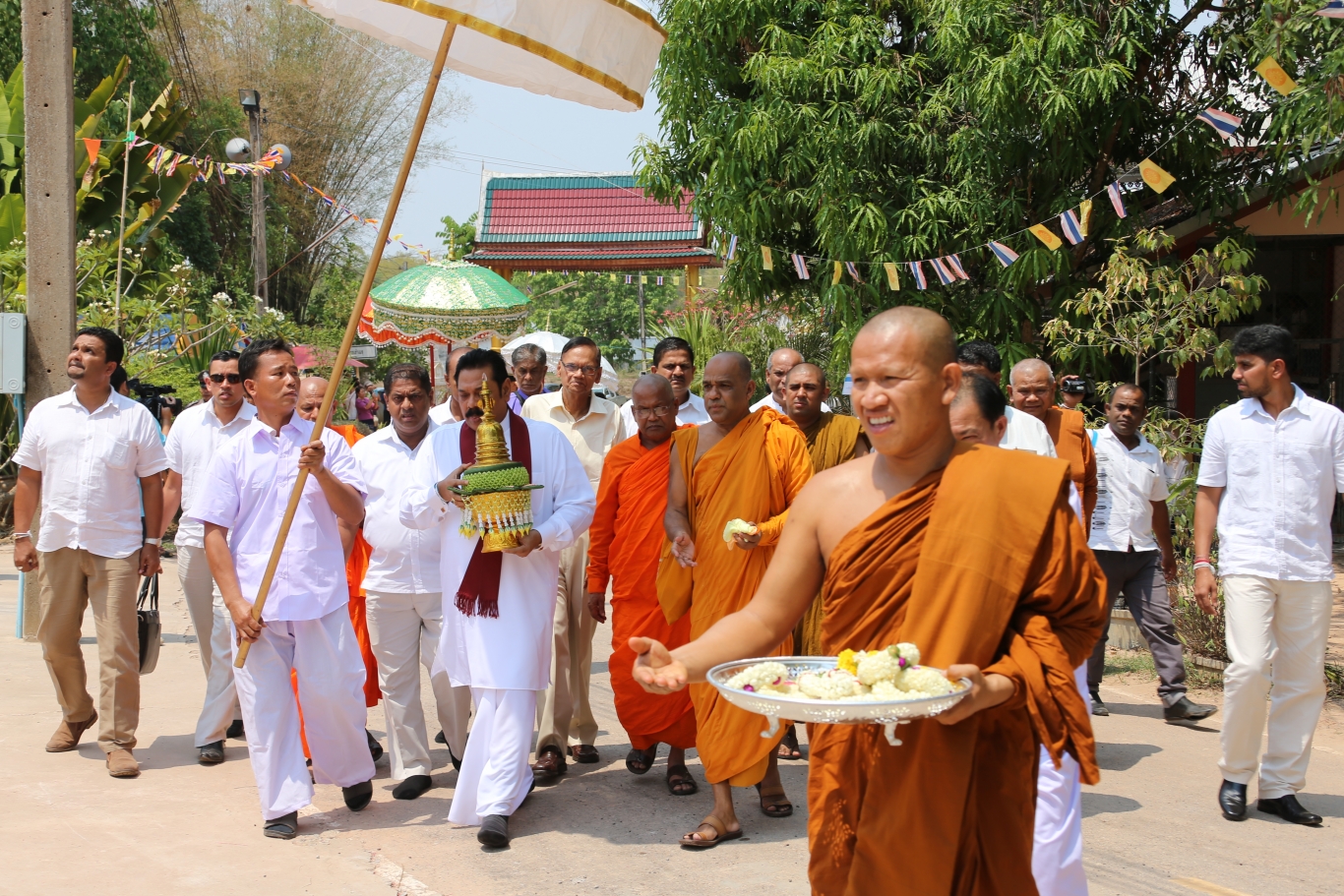
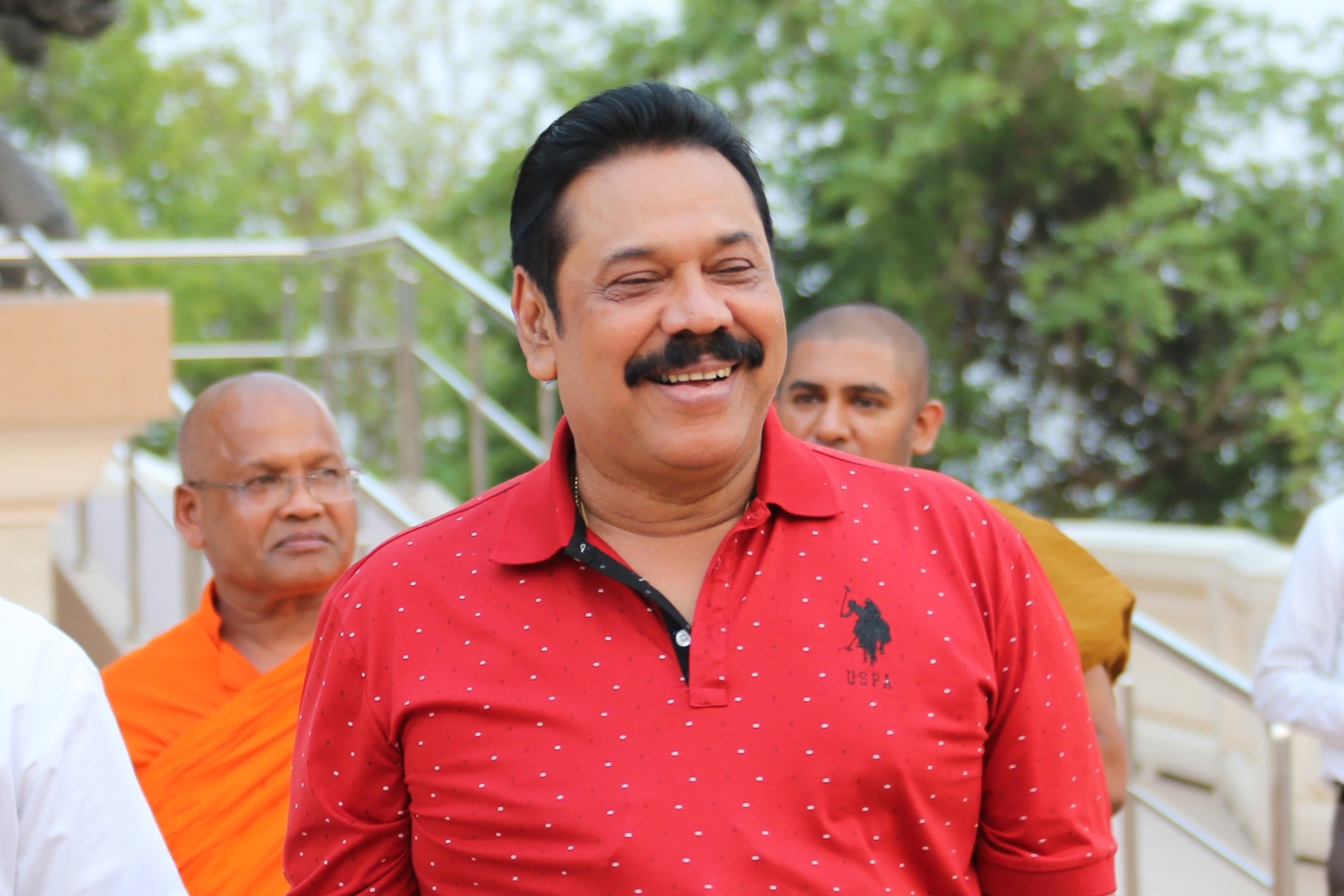
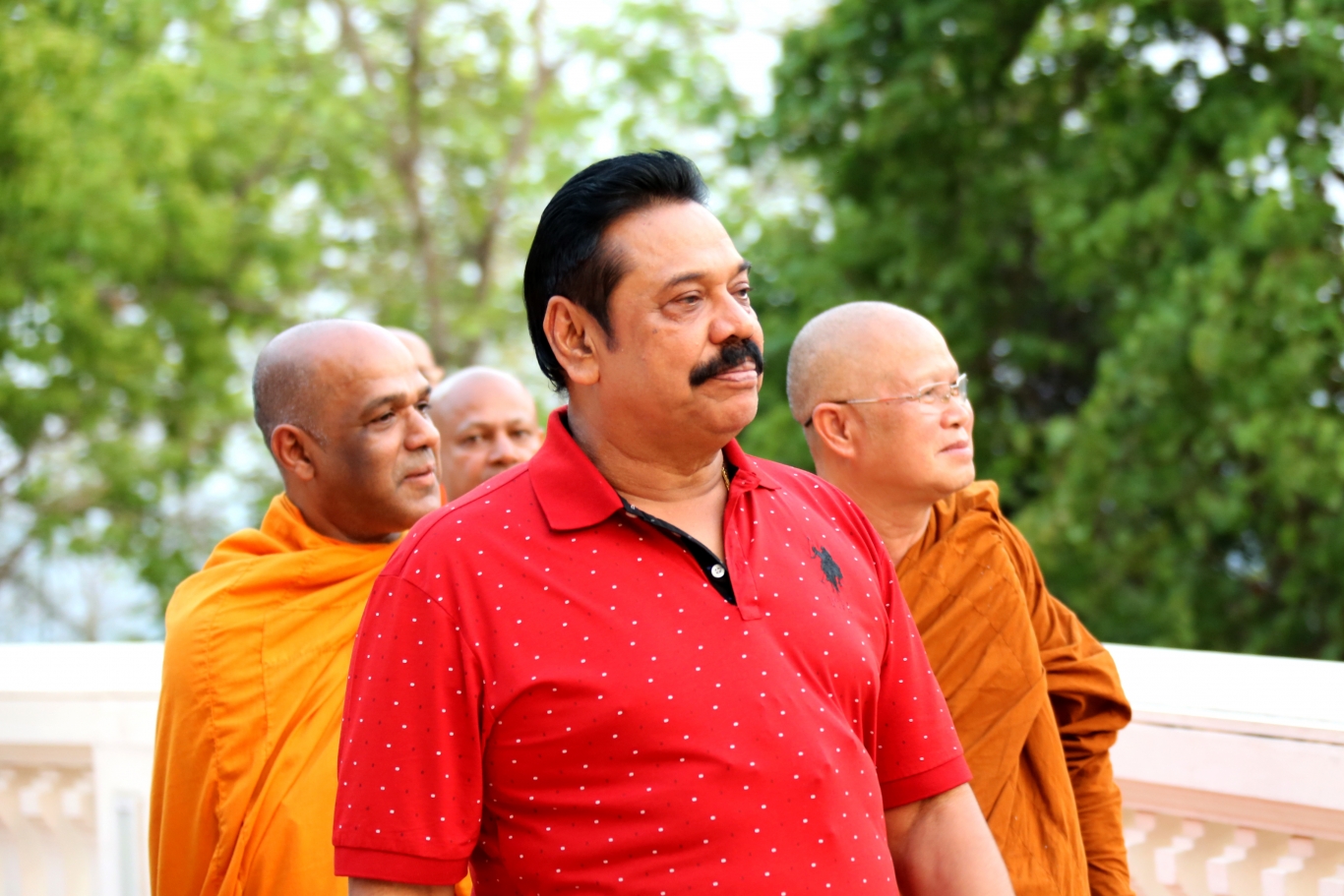
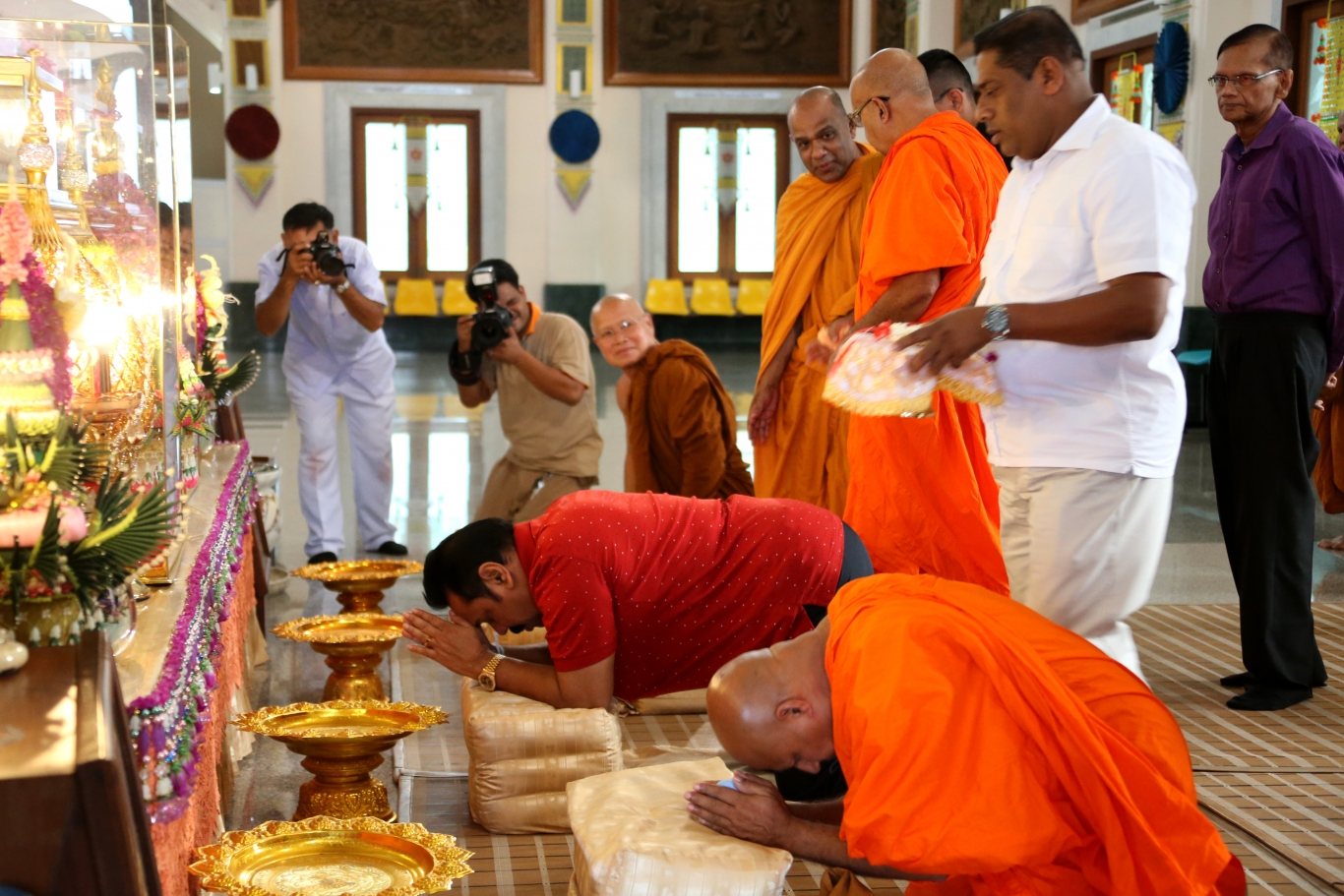
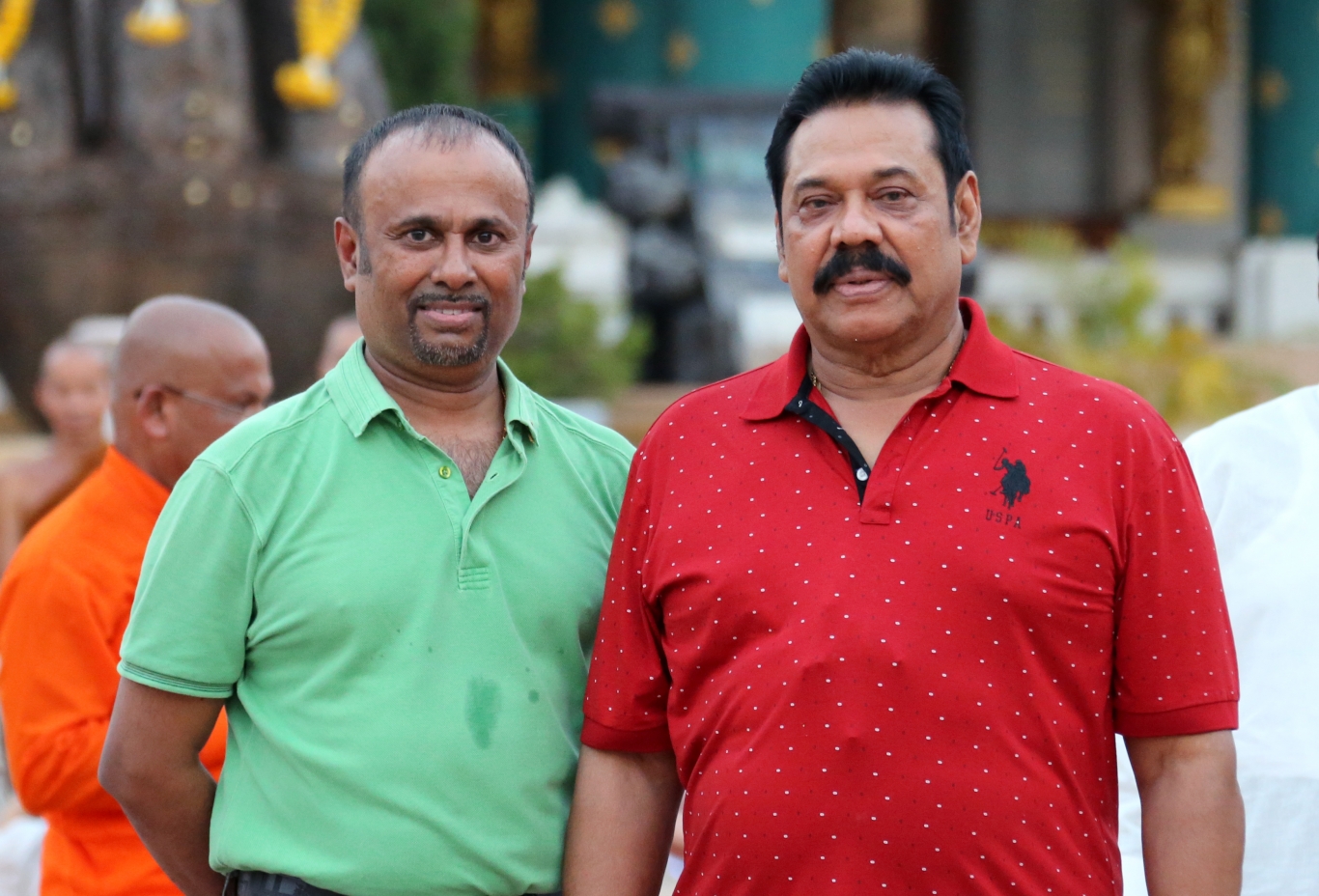
Former President Mahinda Rajapaksa’s visit to Thailand – Day 2

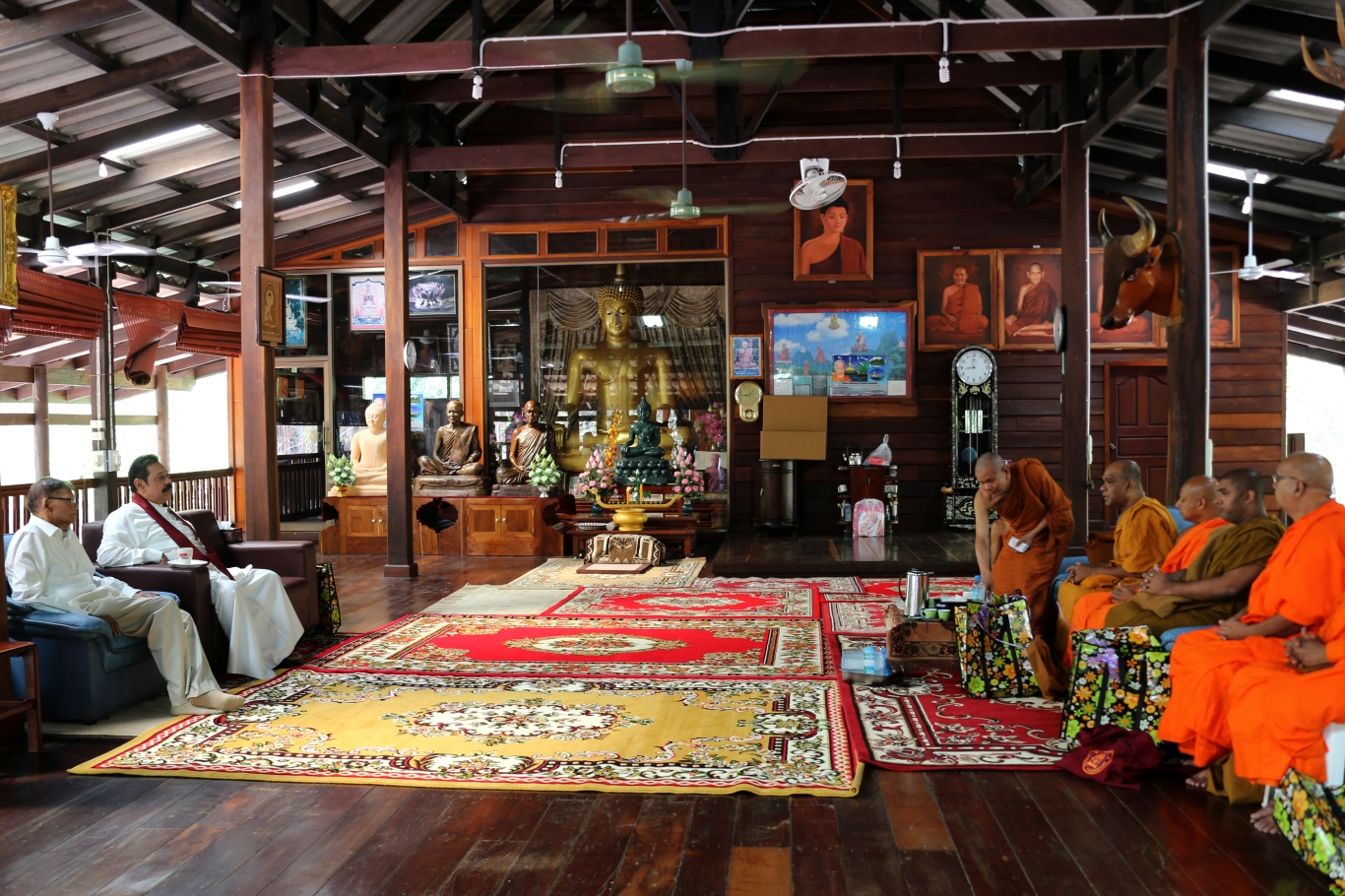
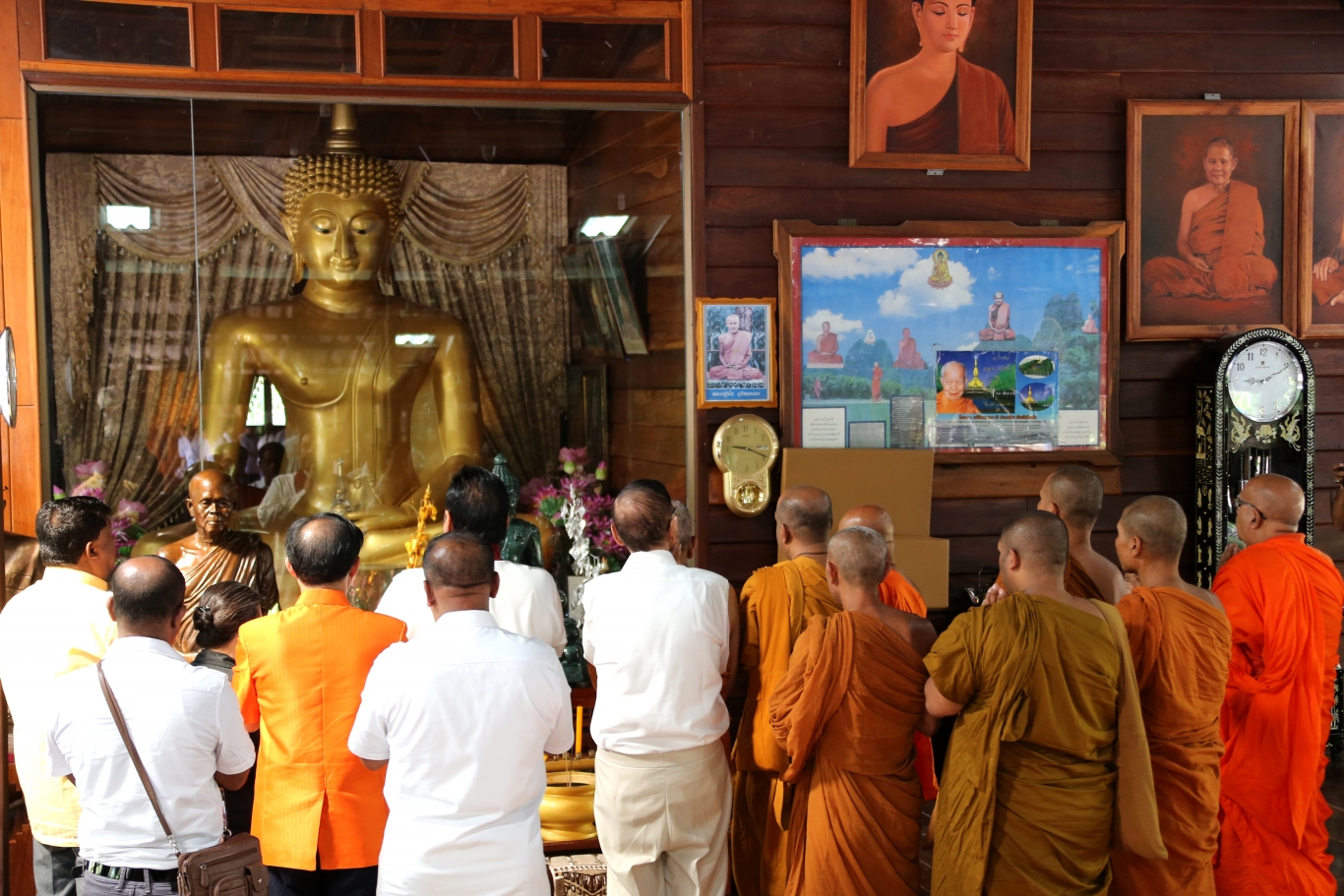
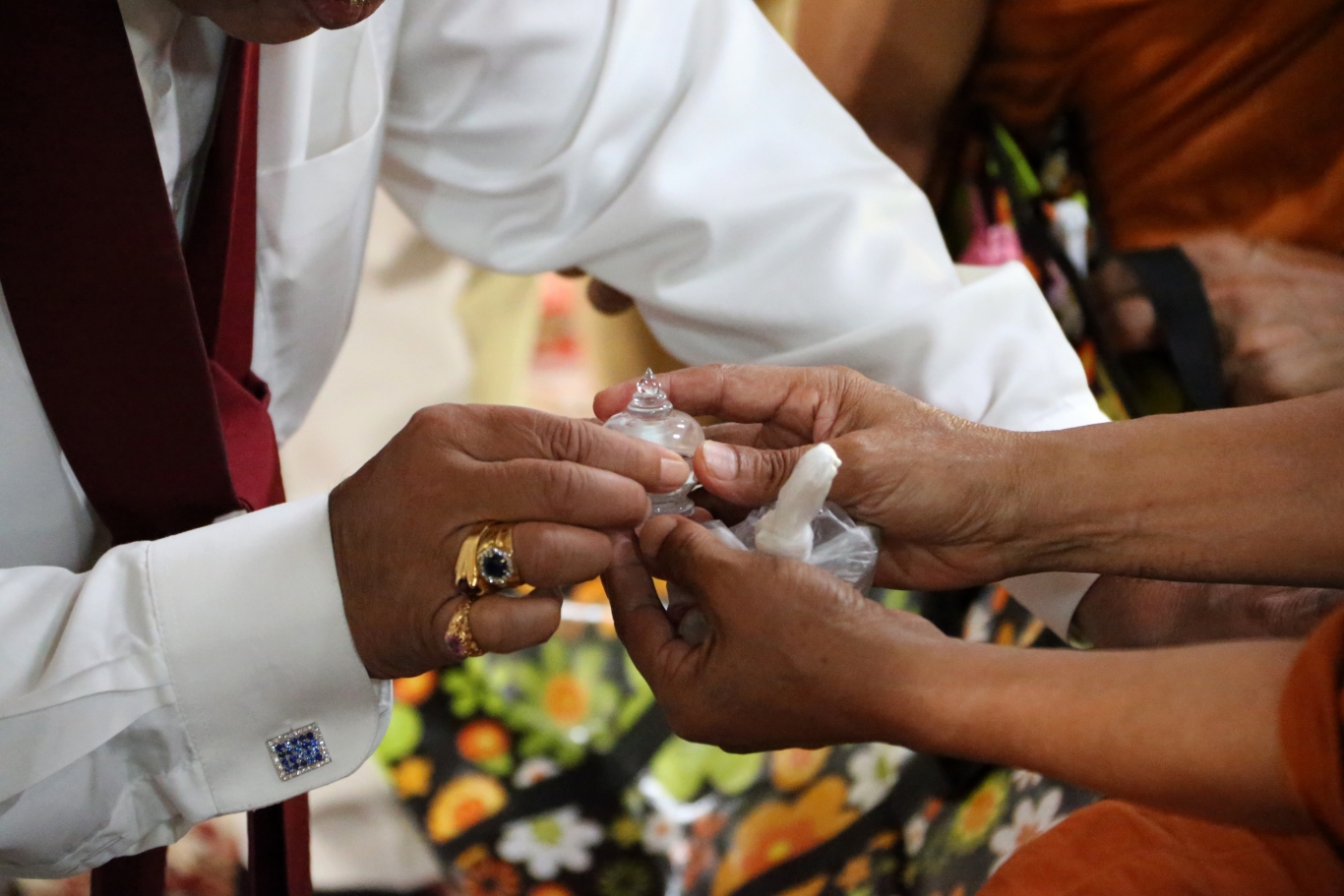
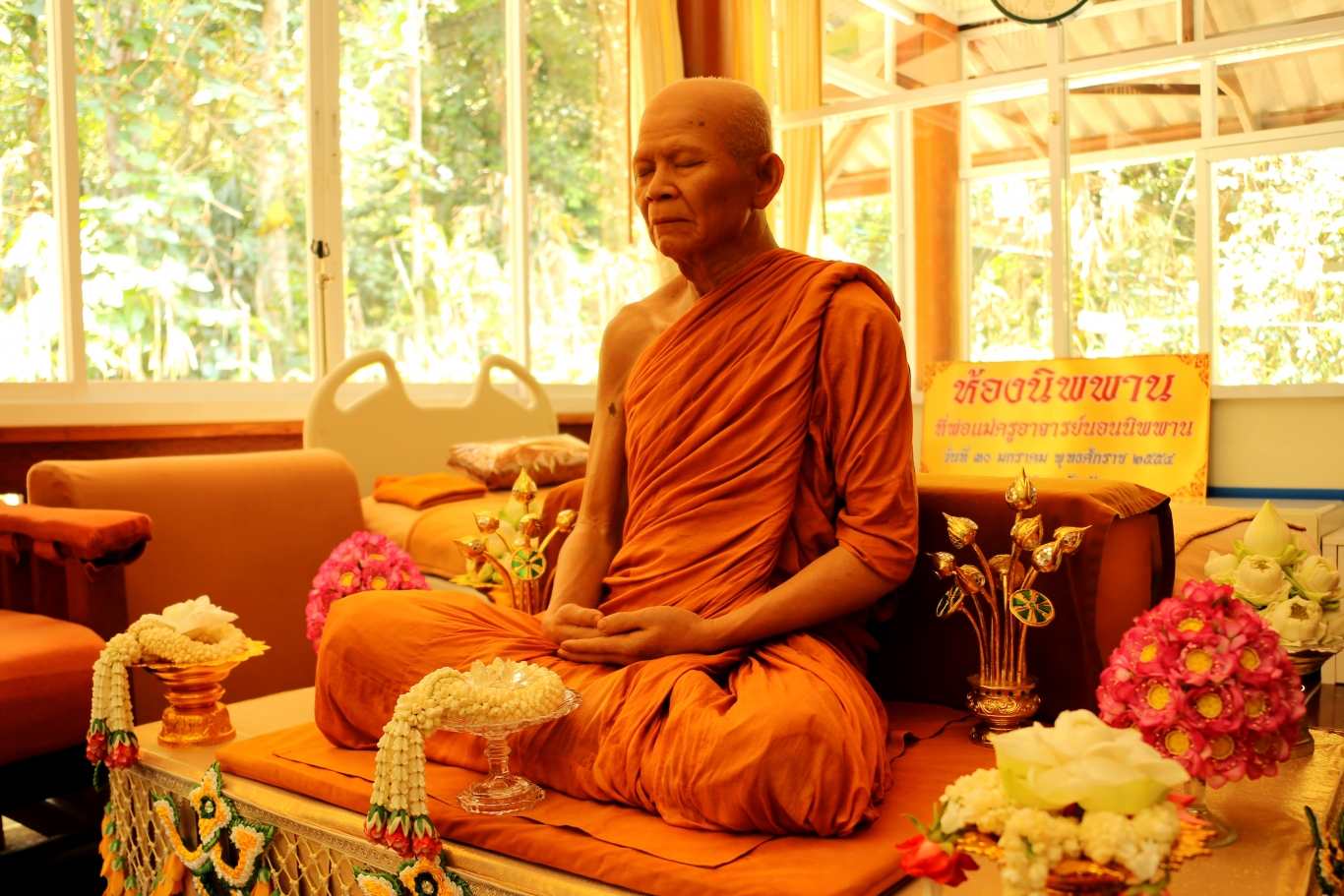
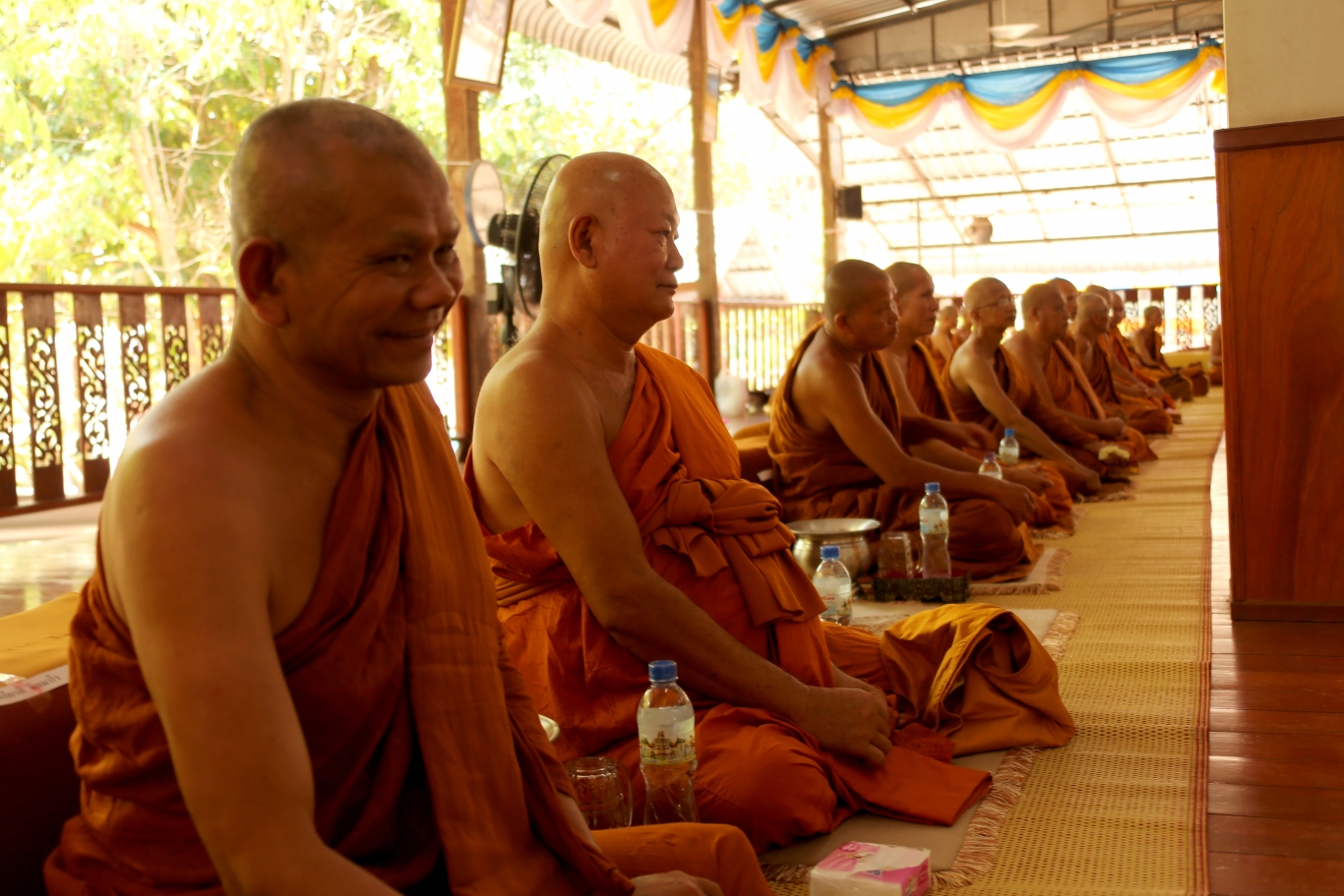
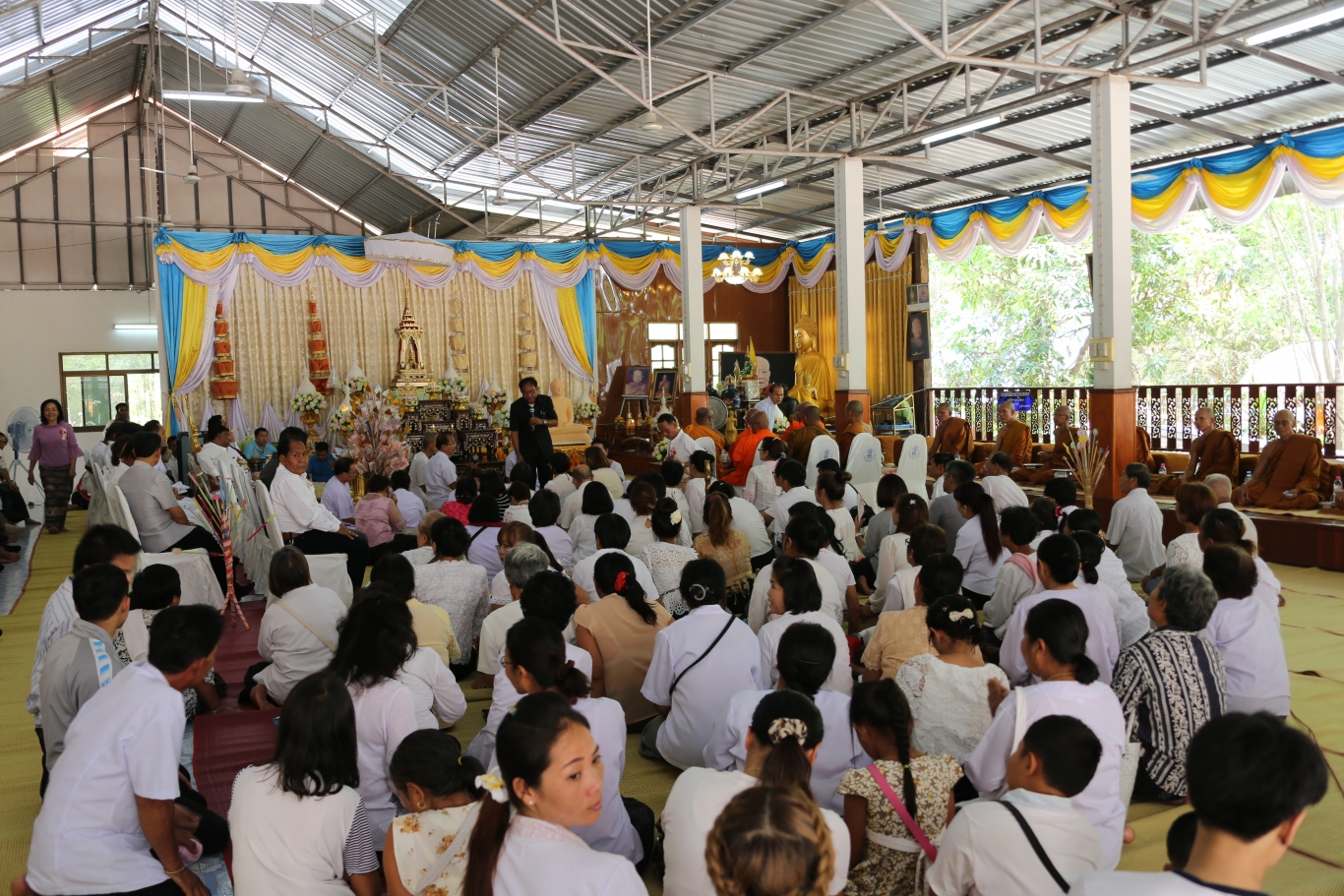
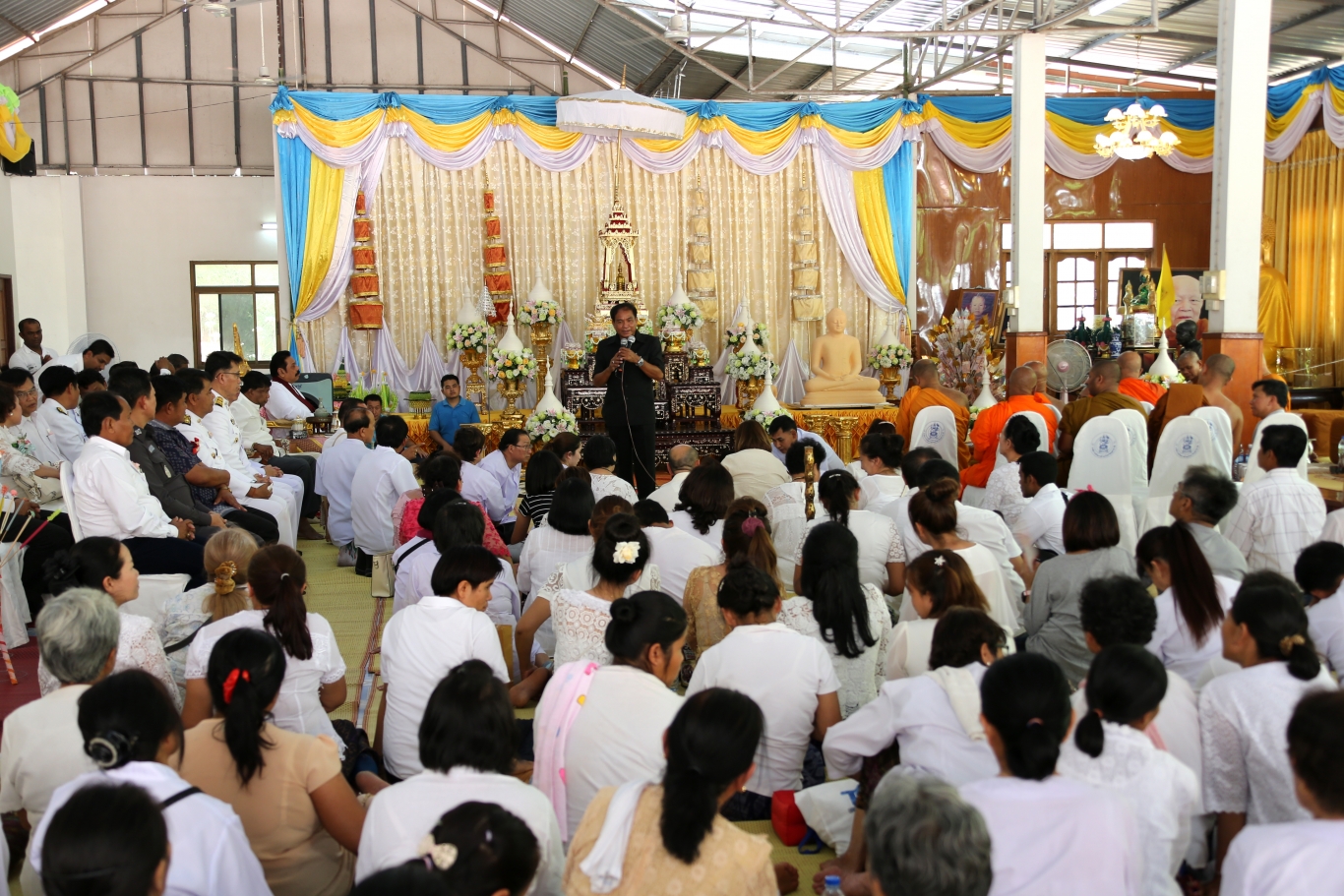
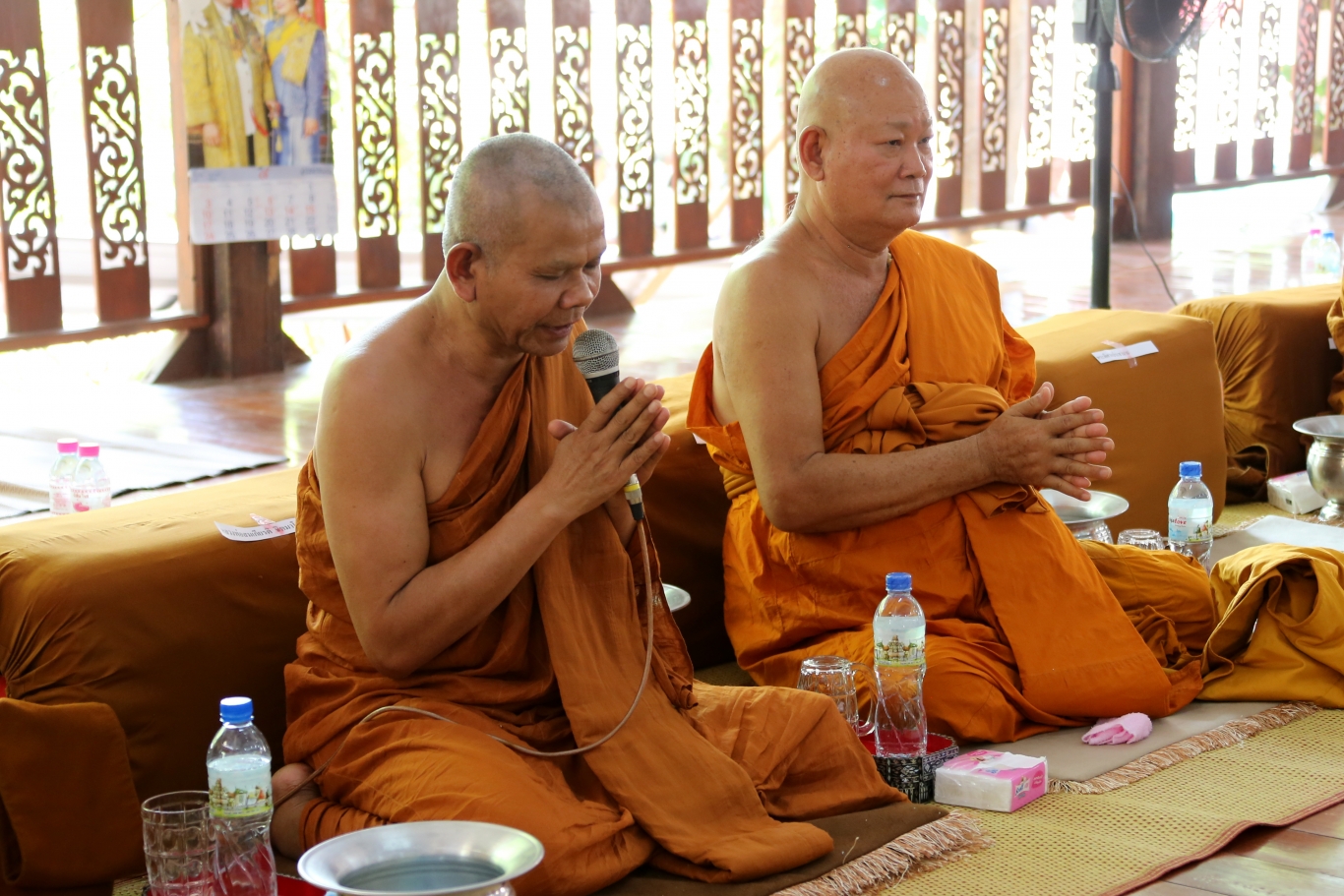
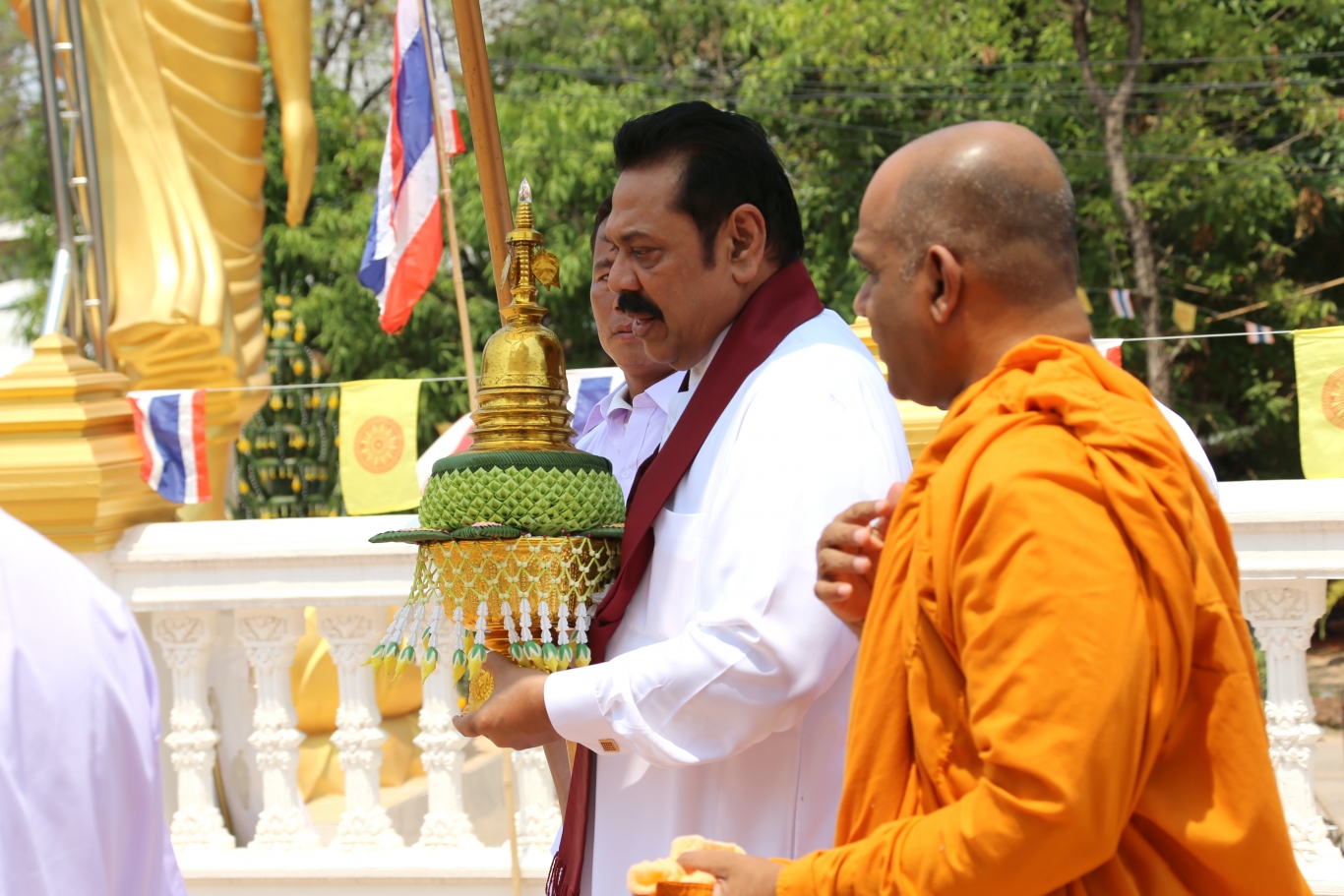
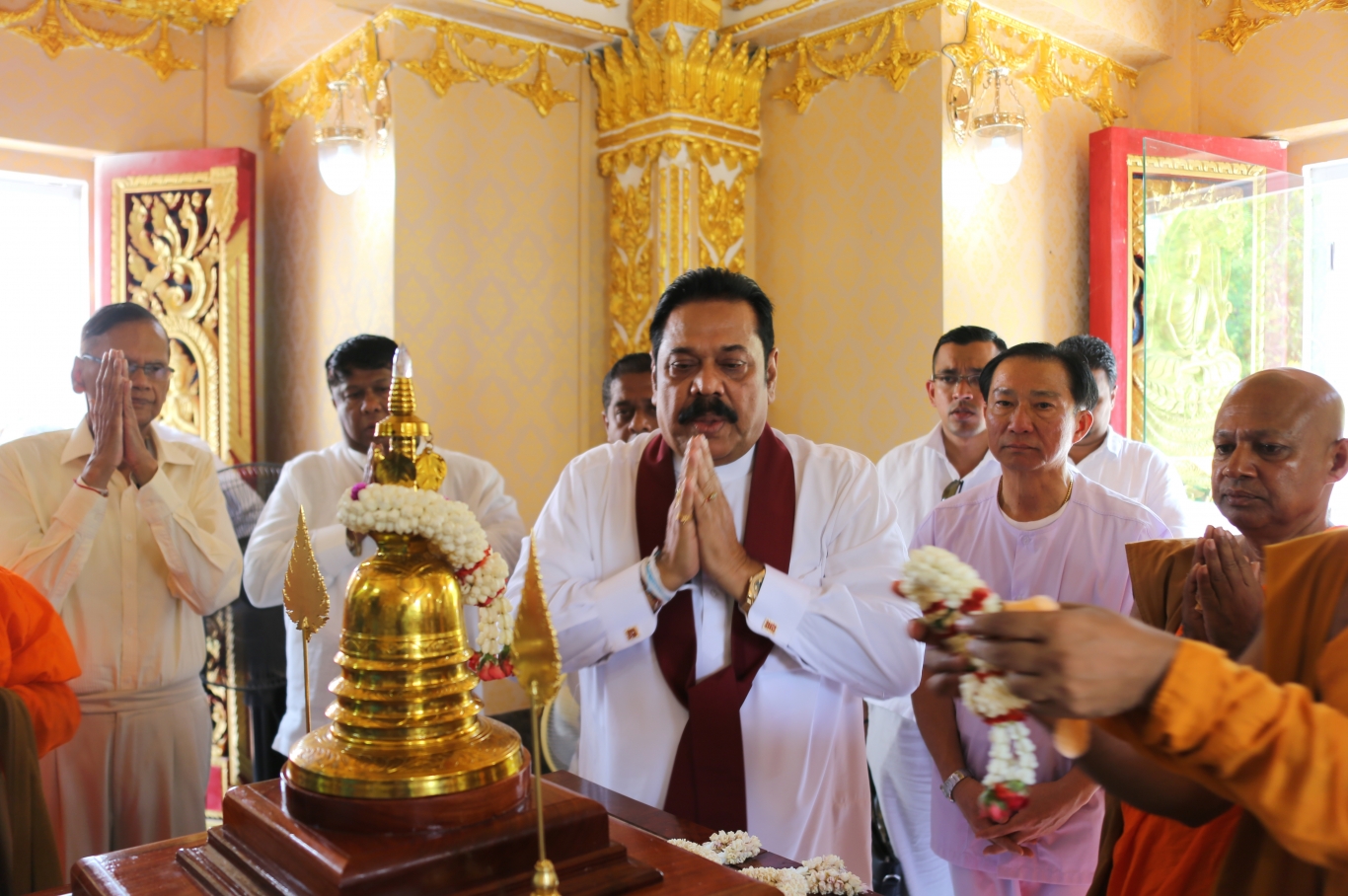
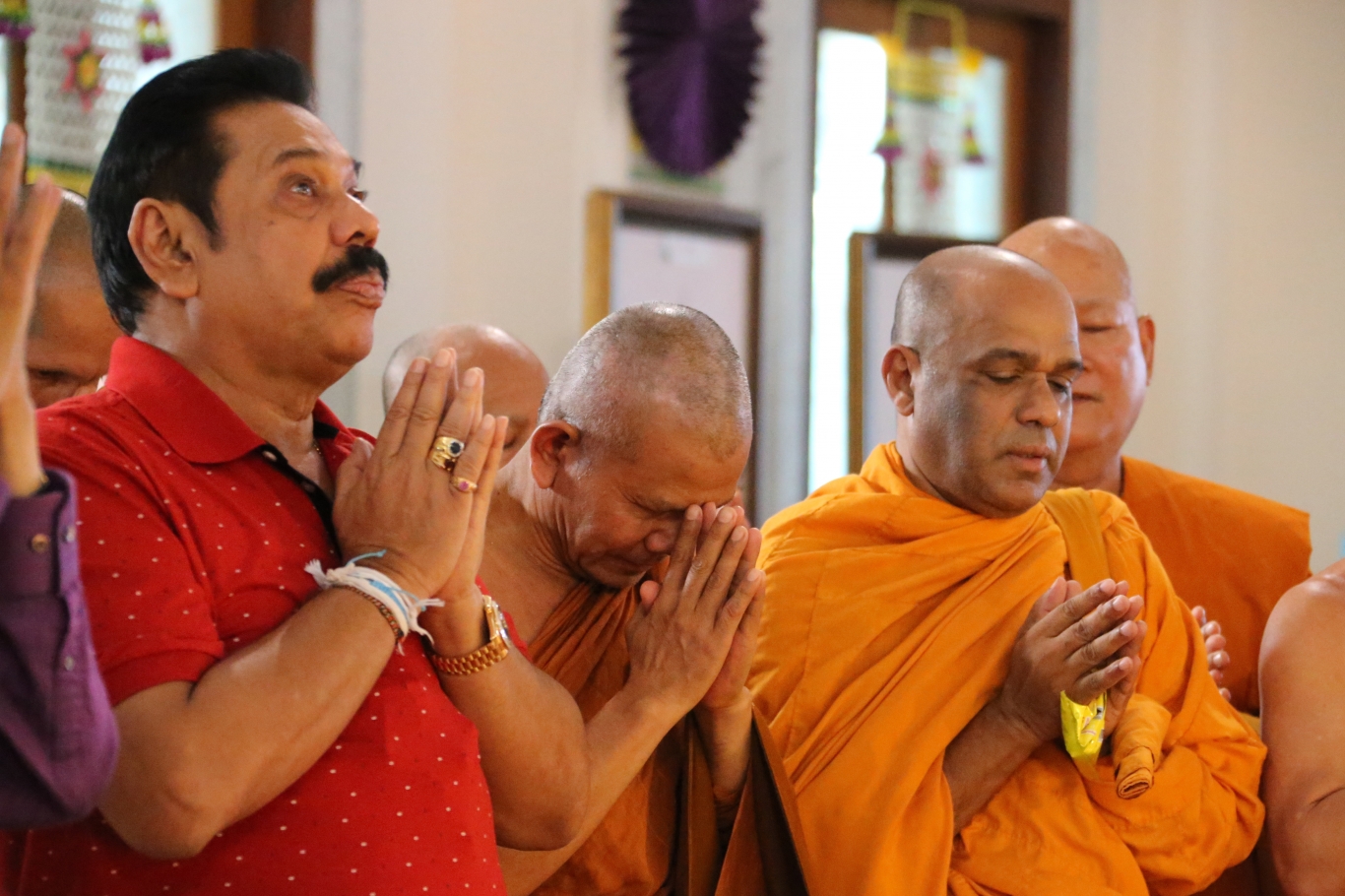
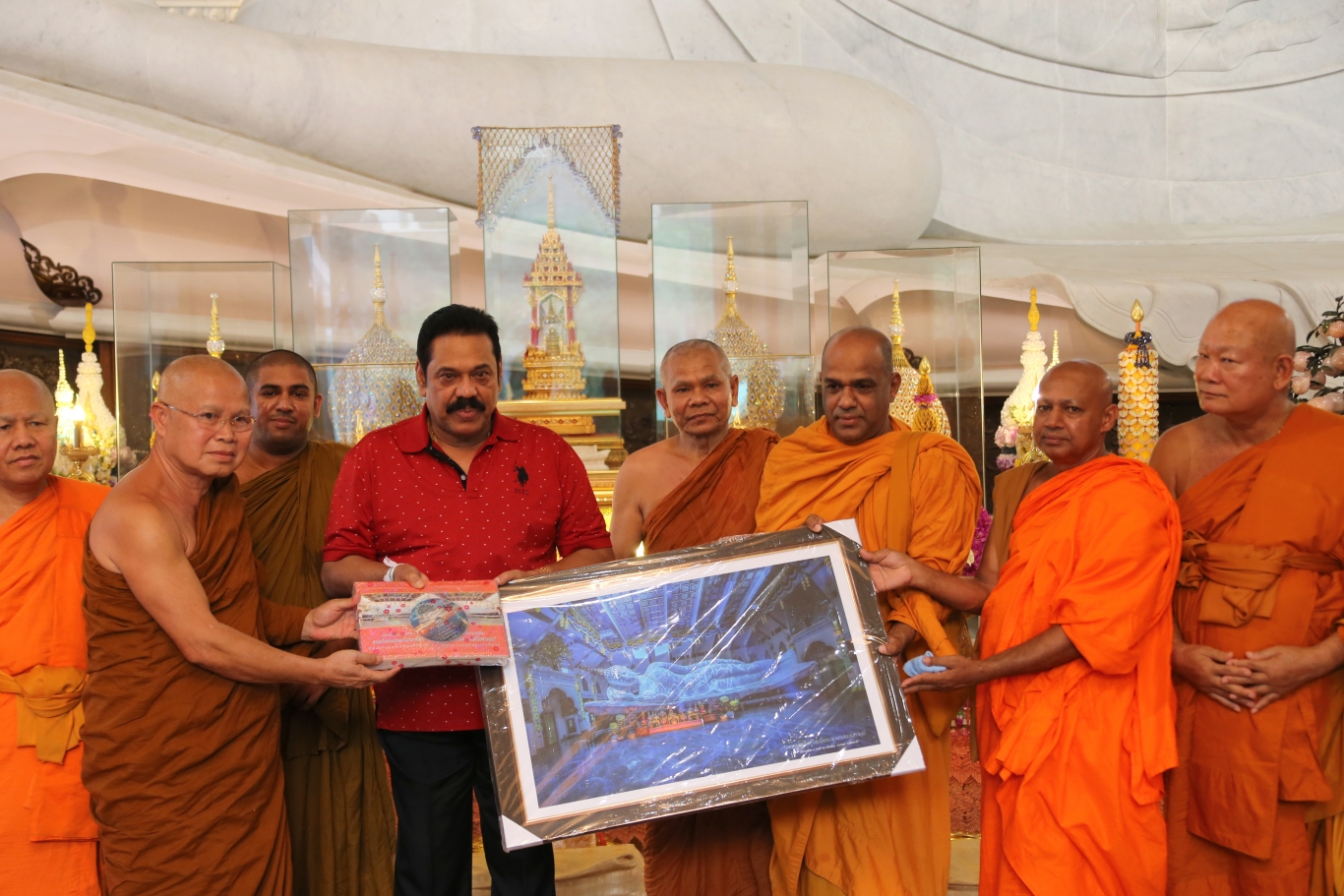
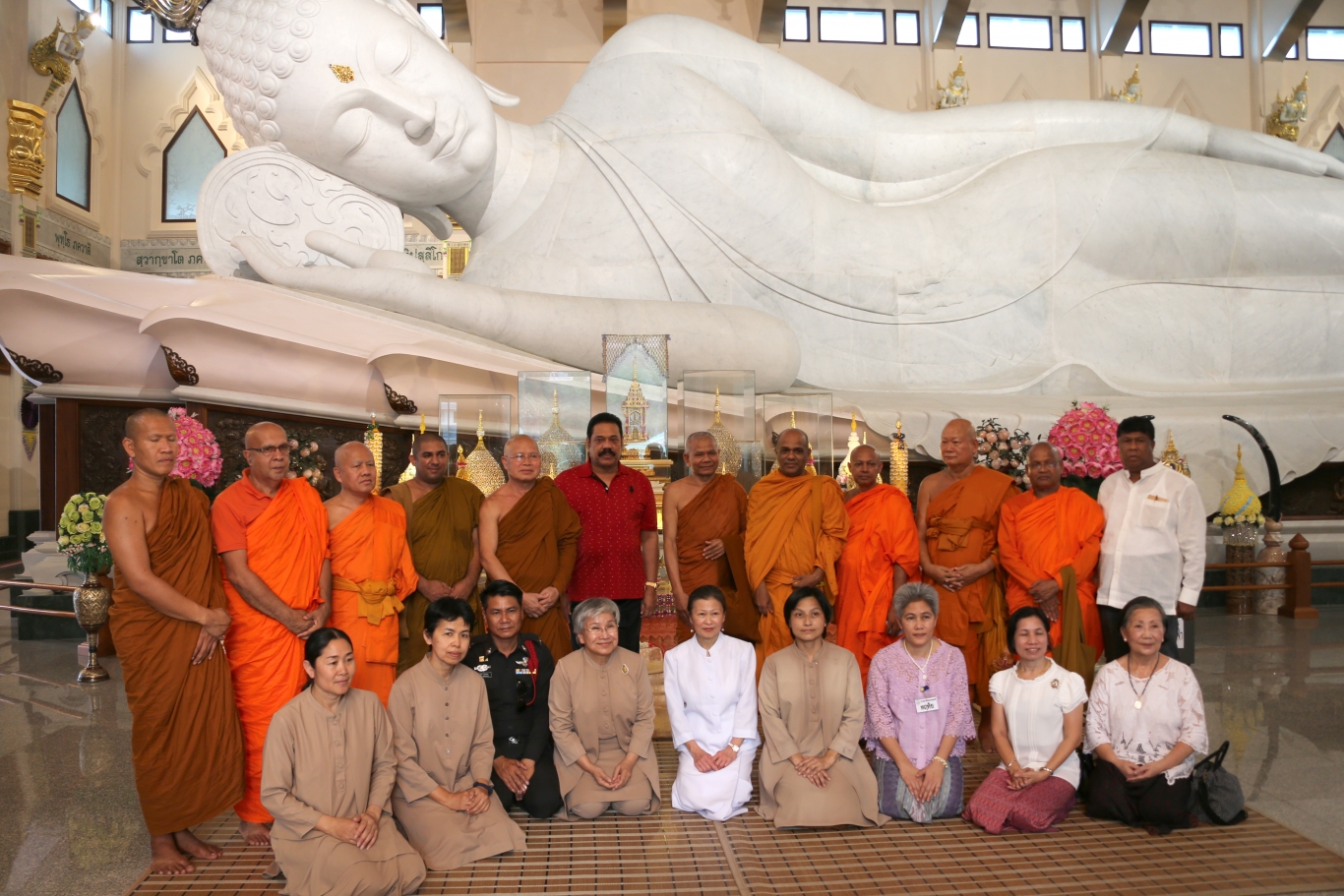
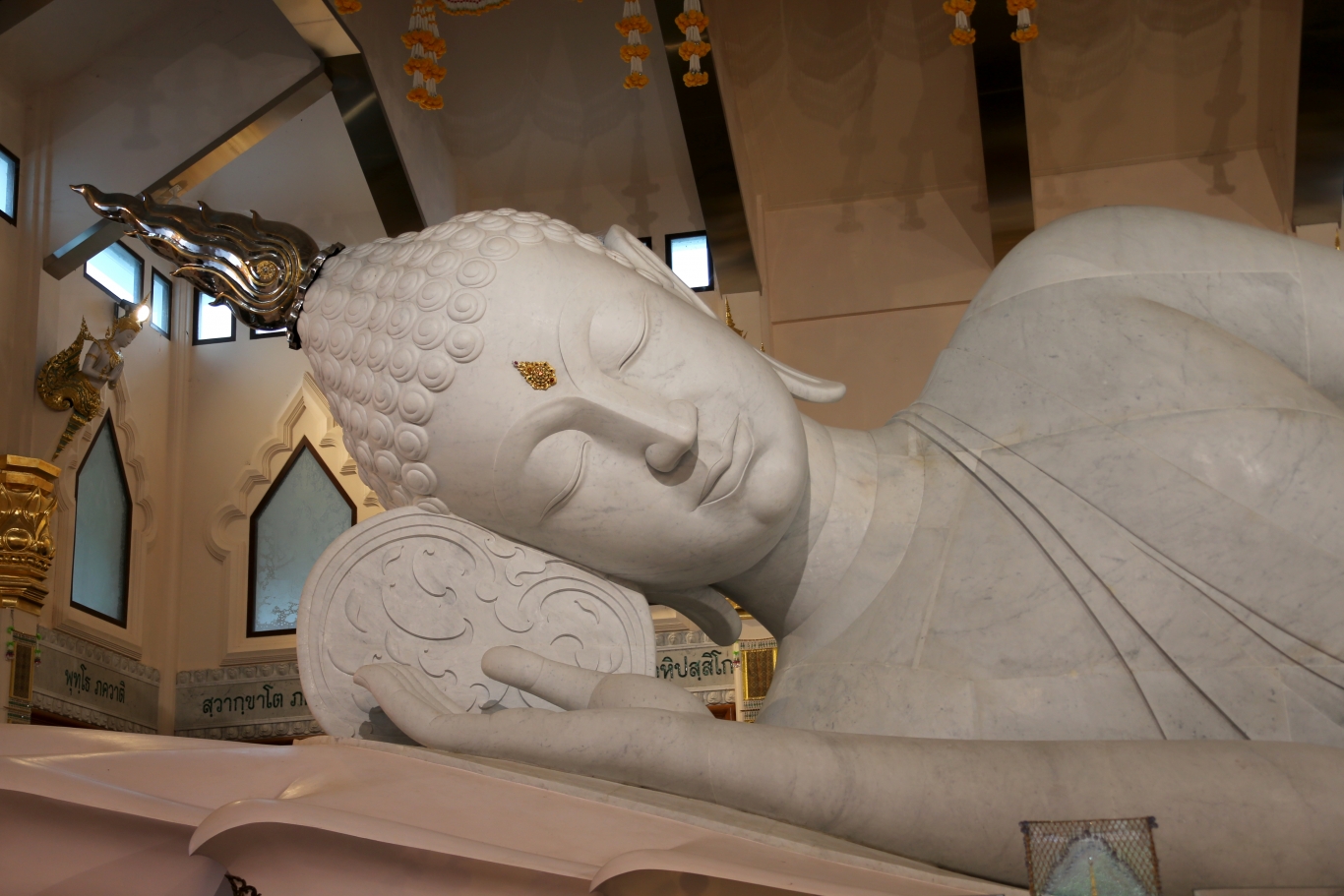
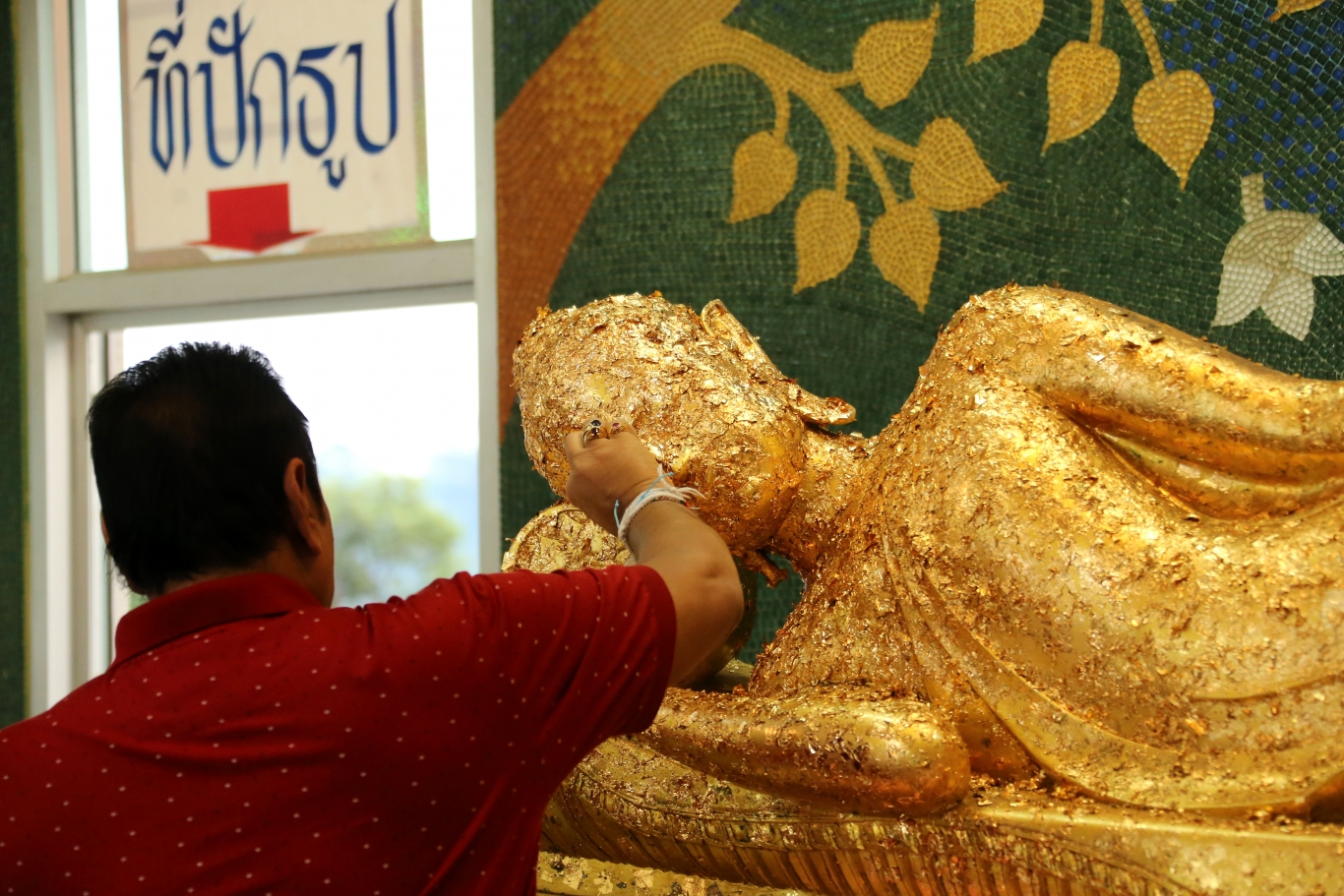
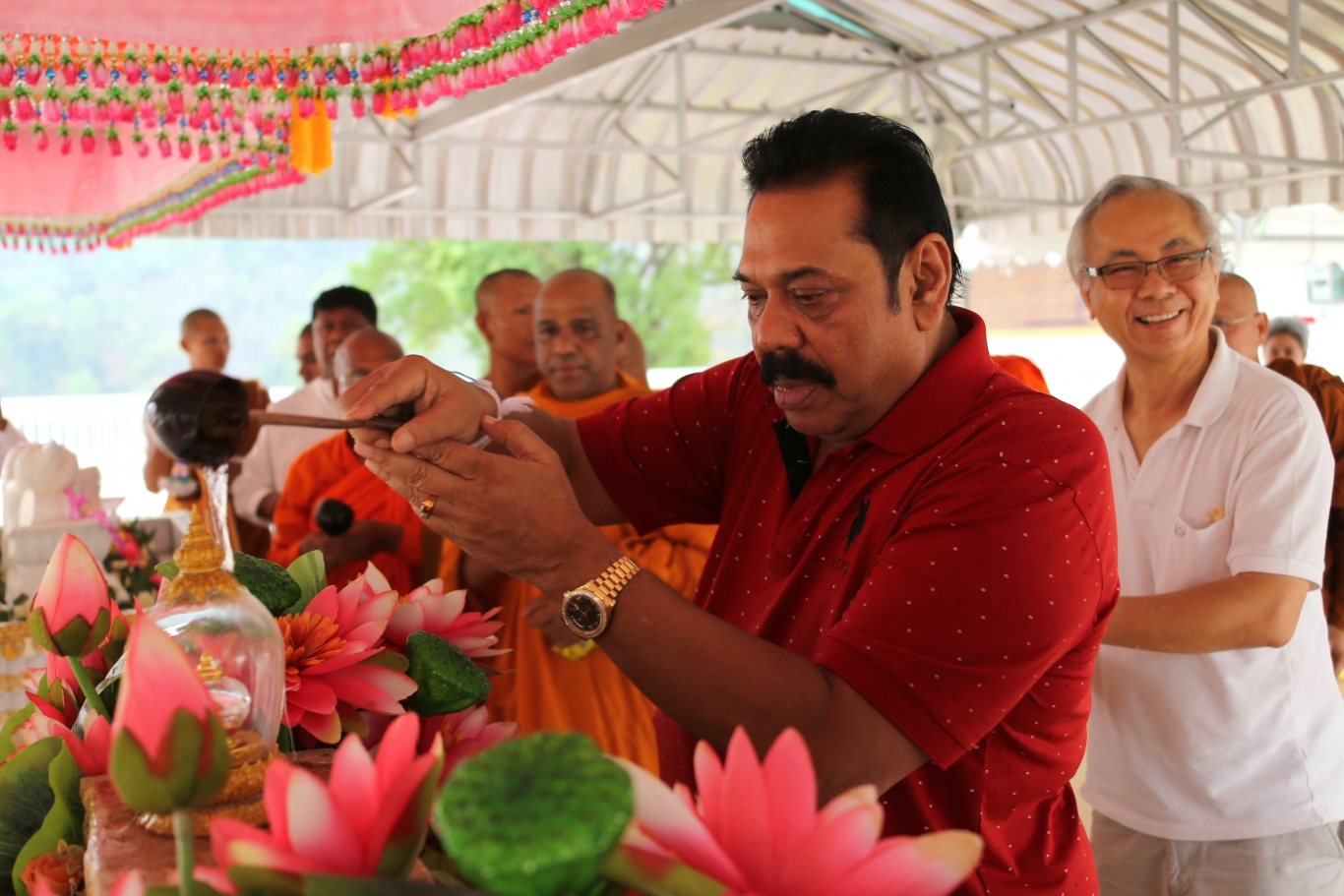
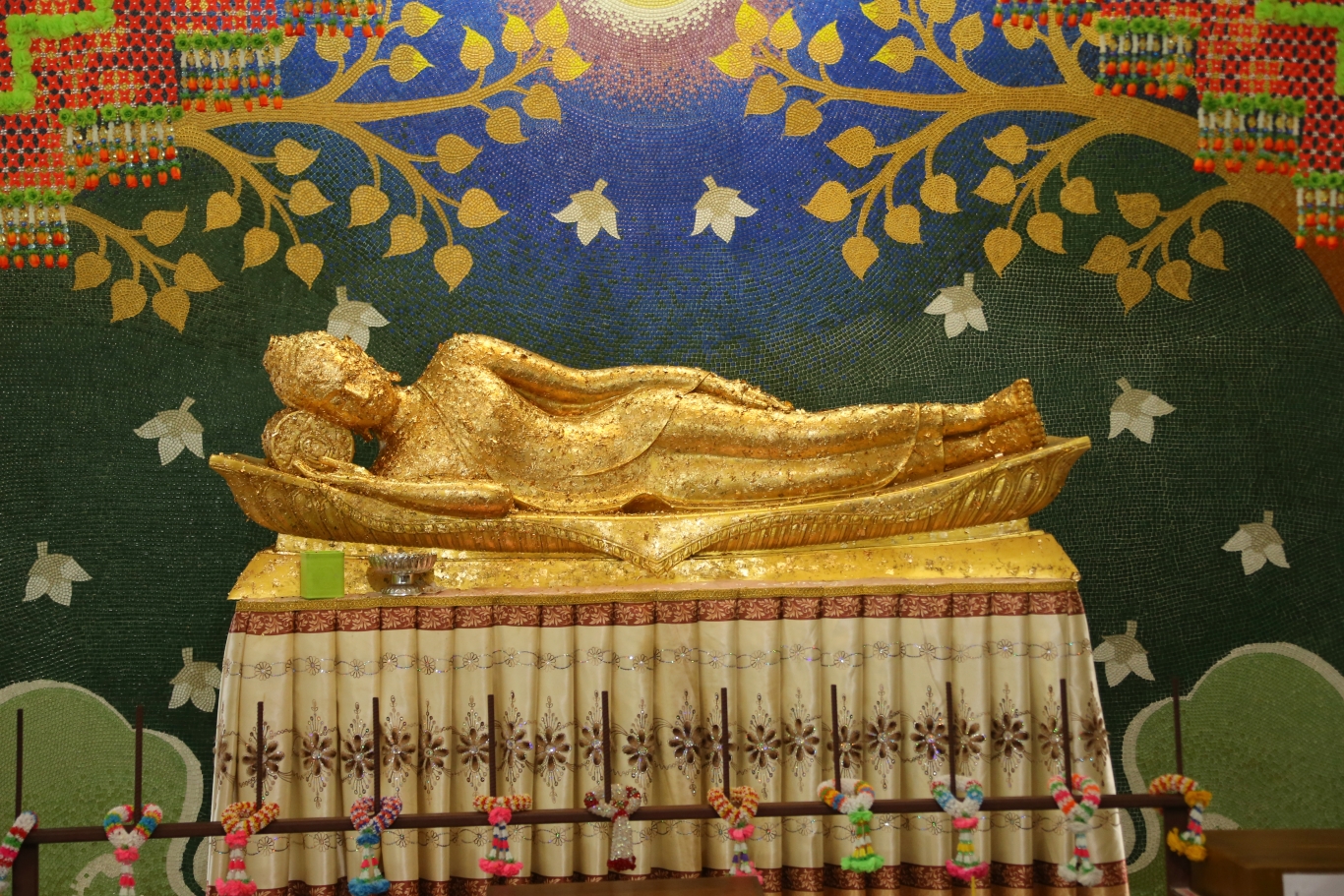
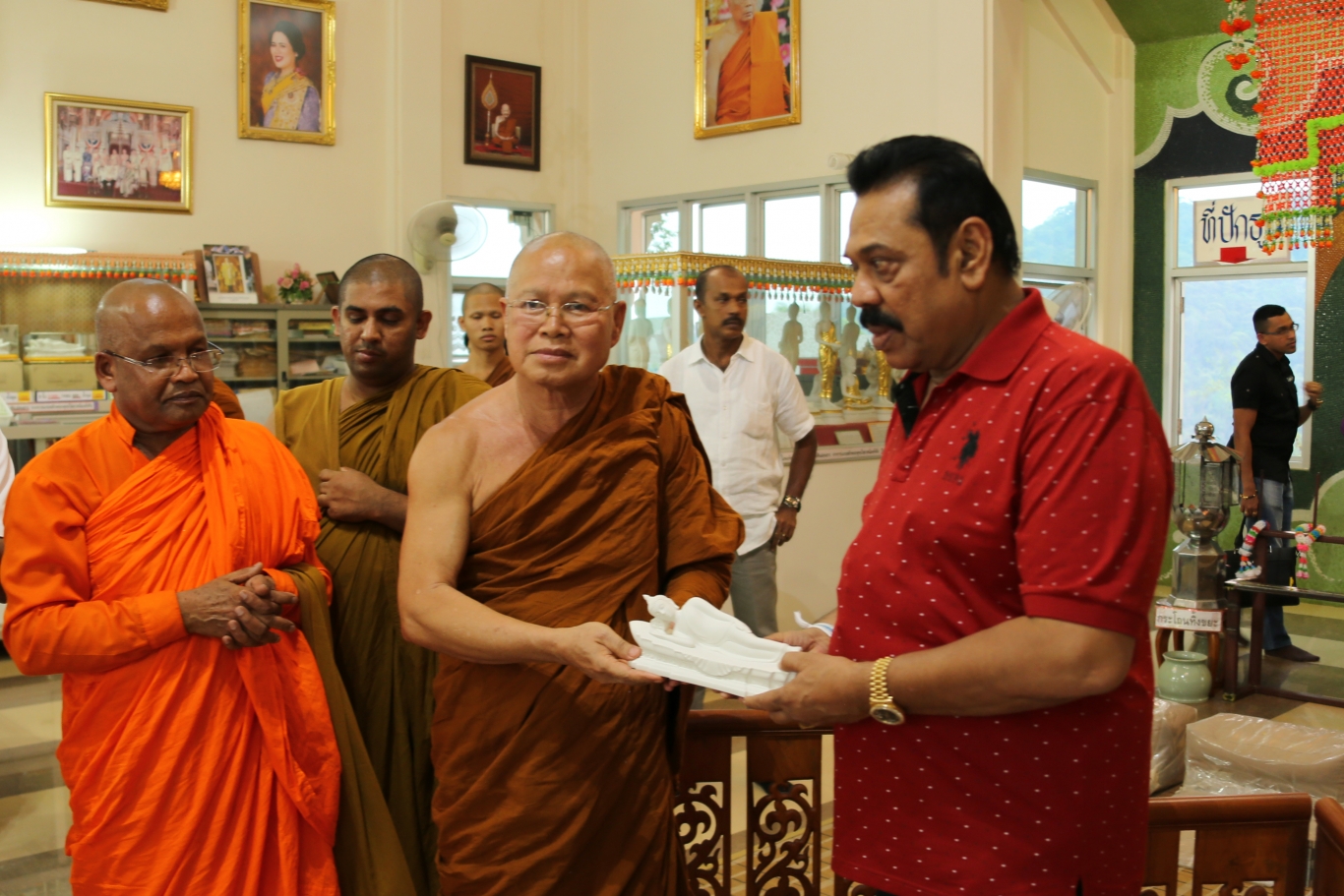
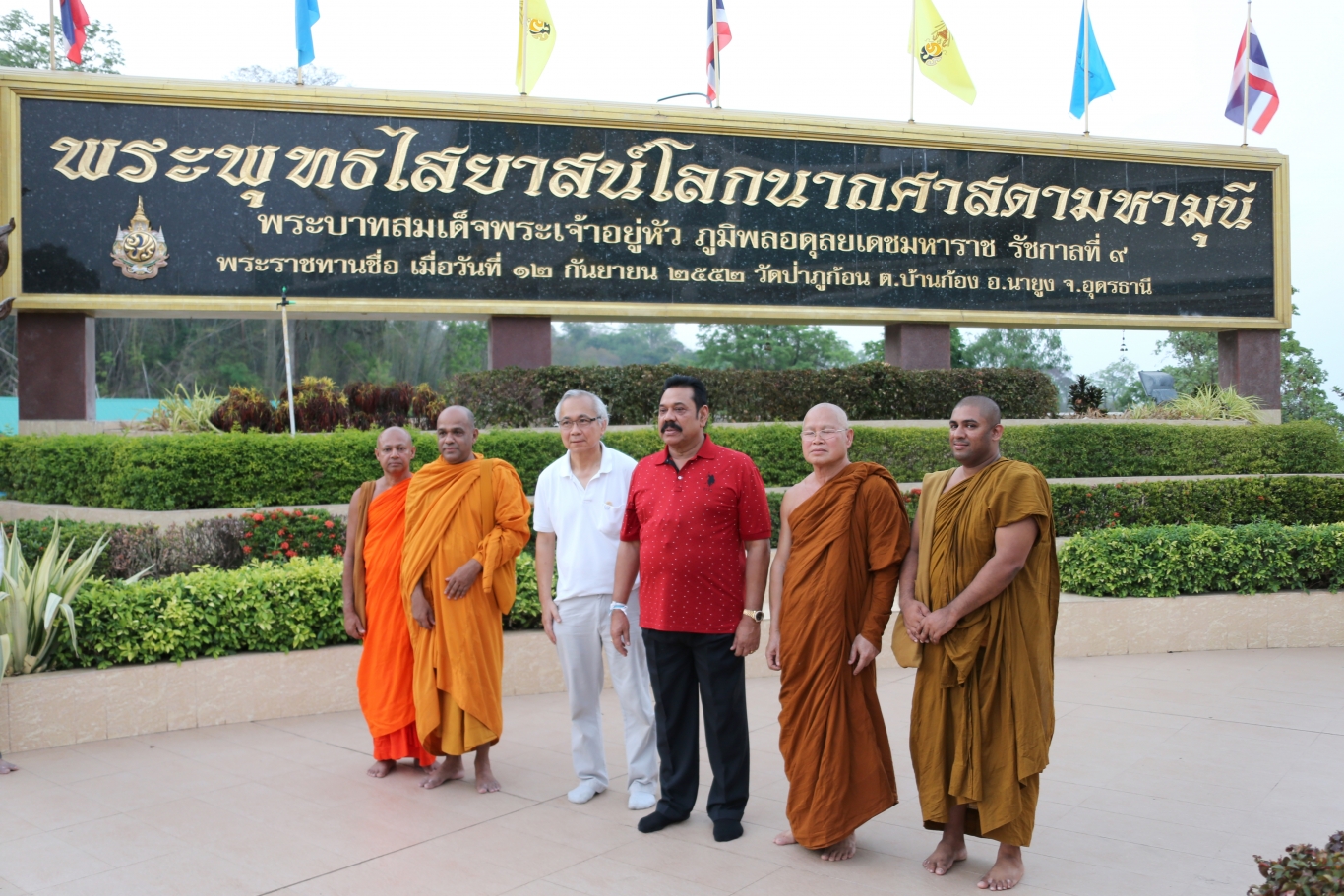
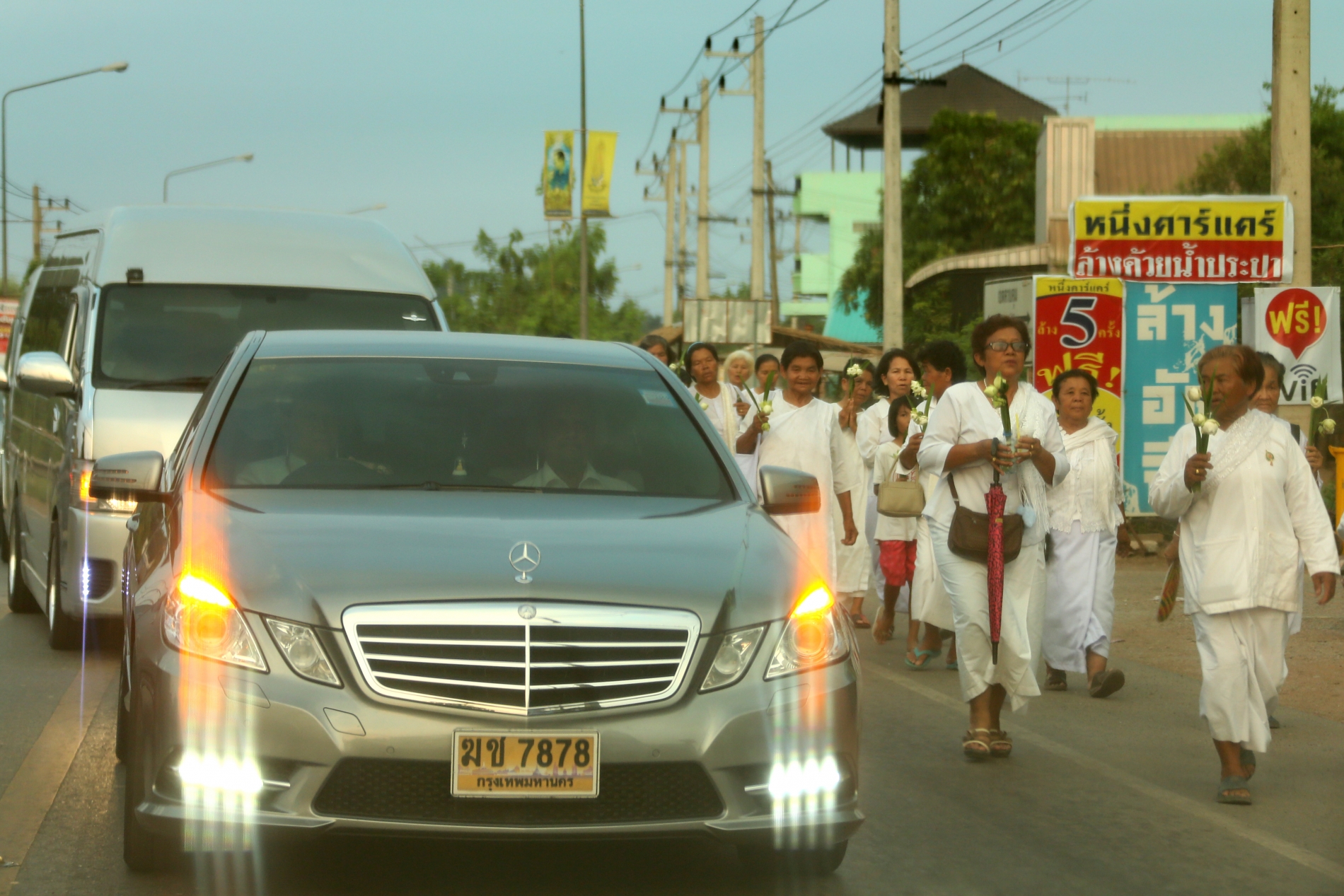
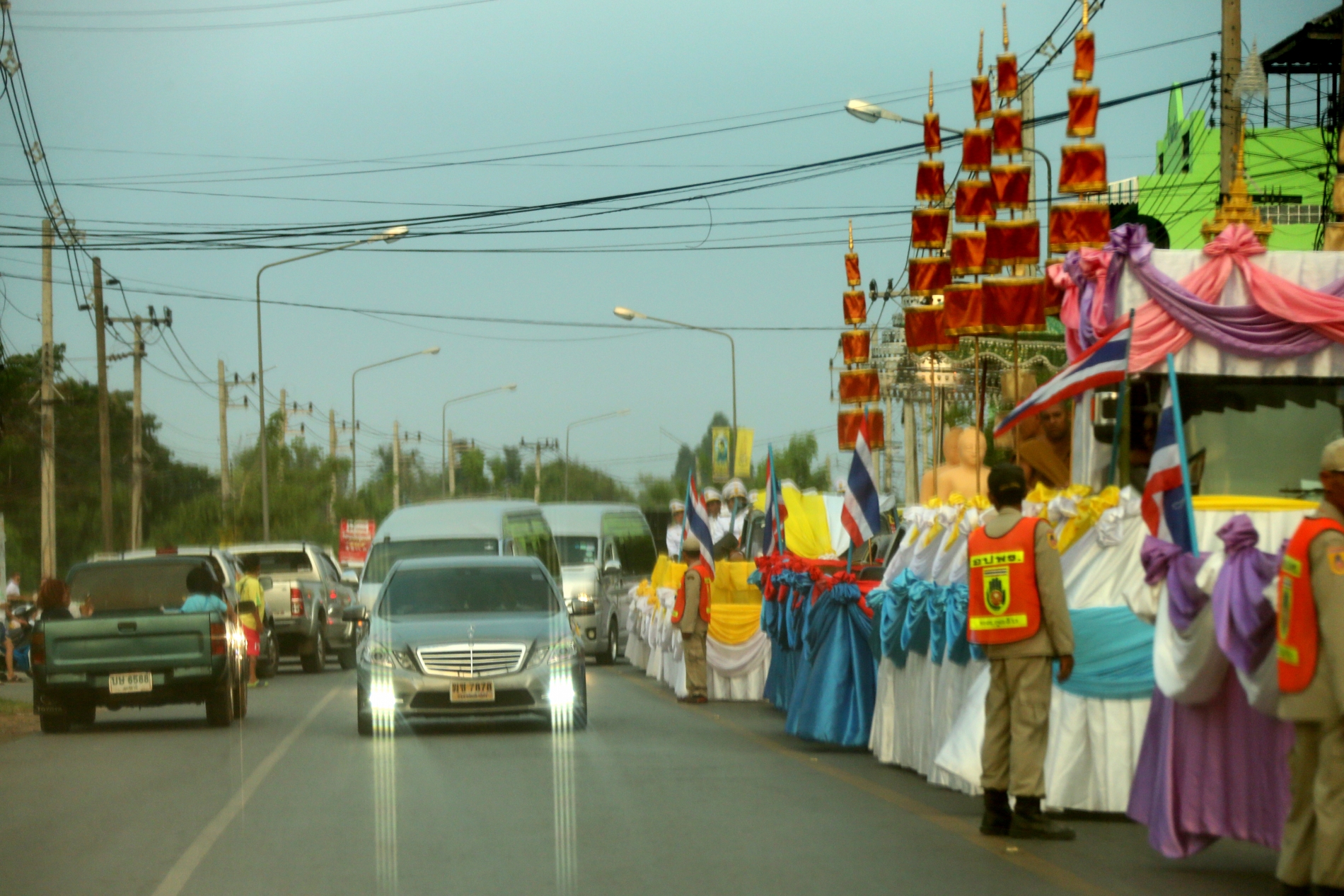
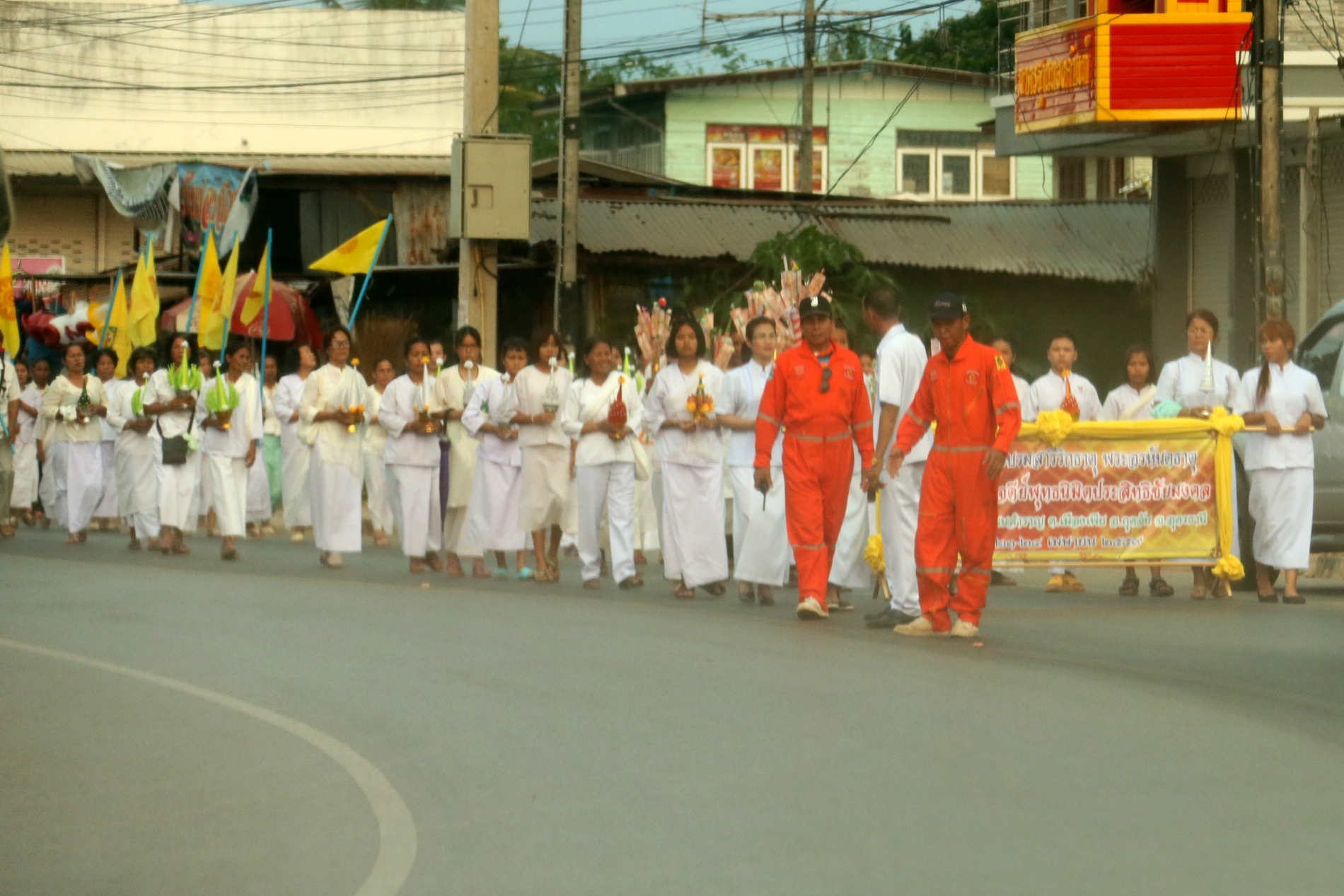
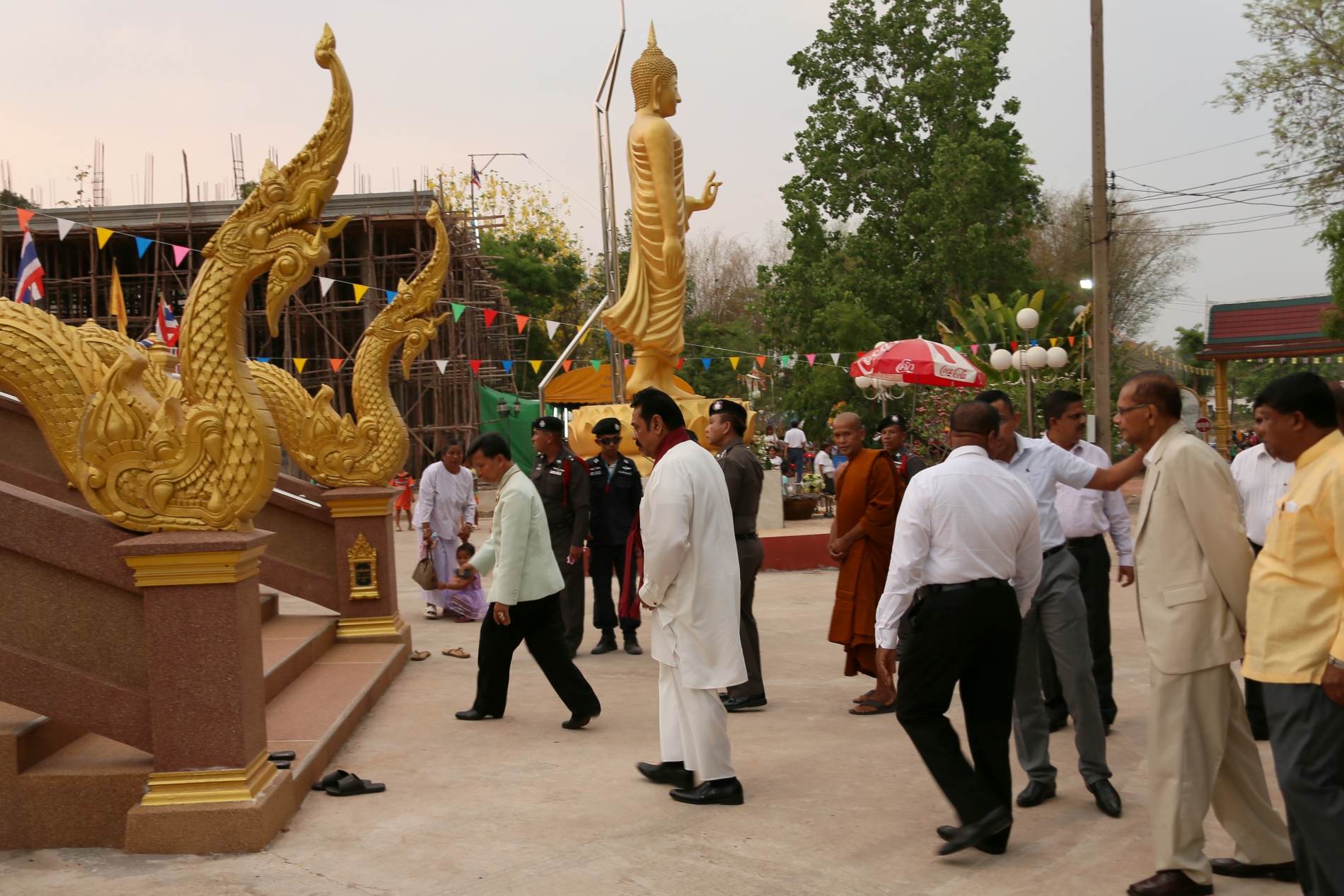
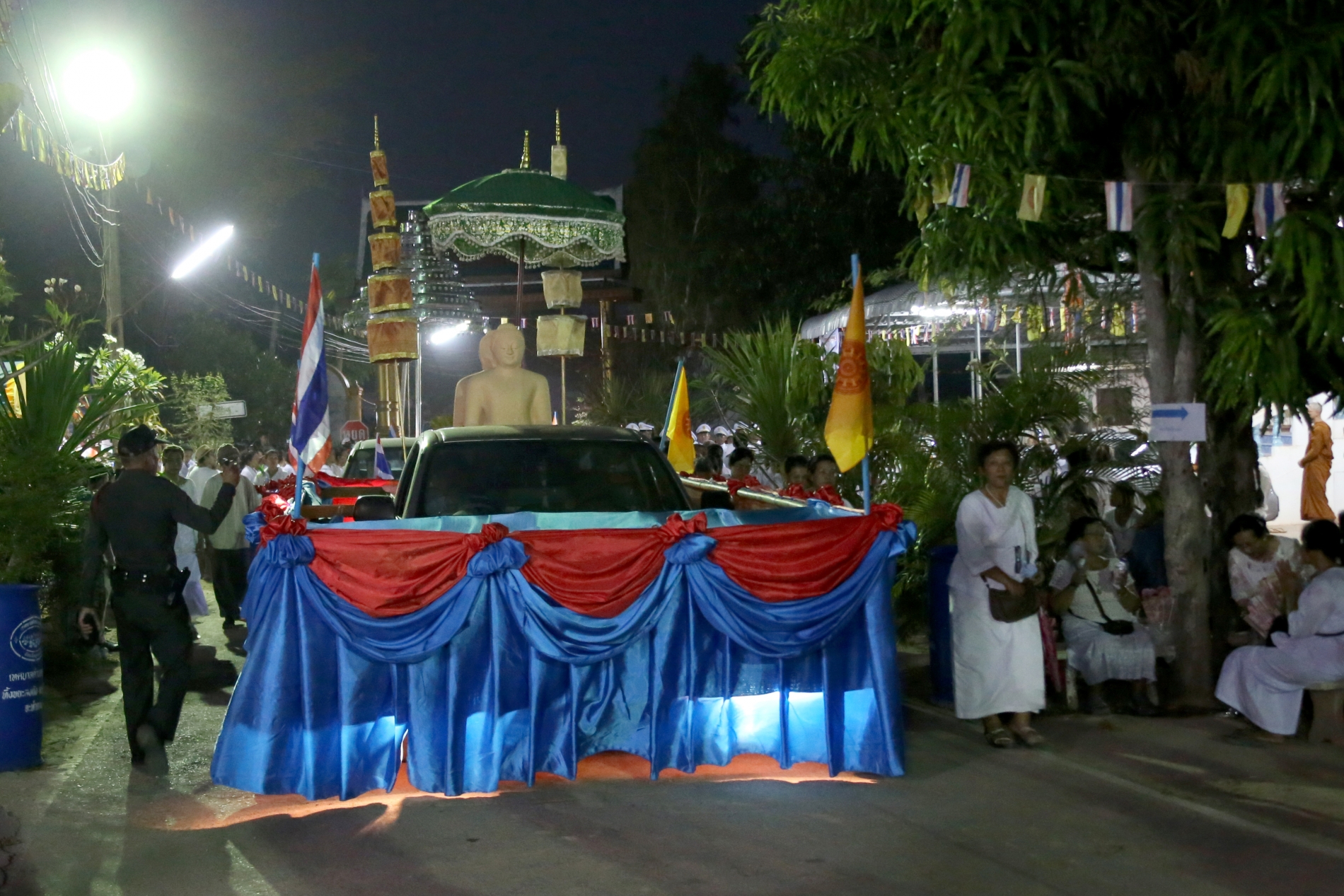
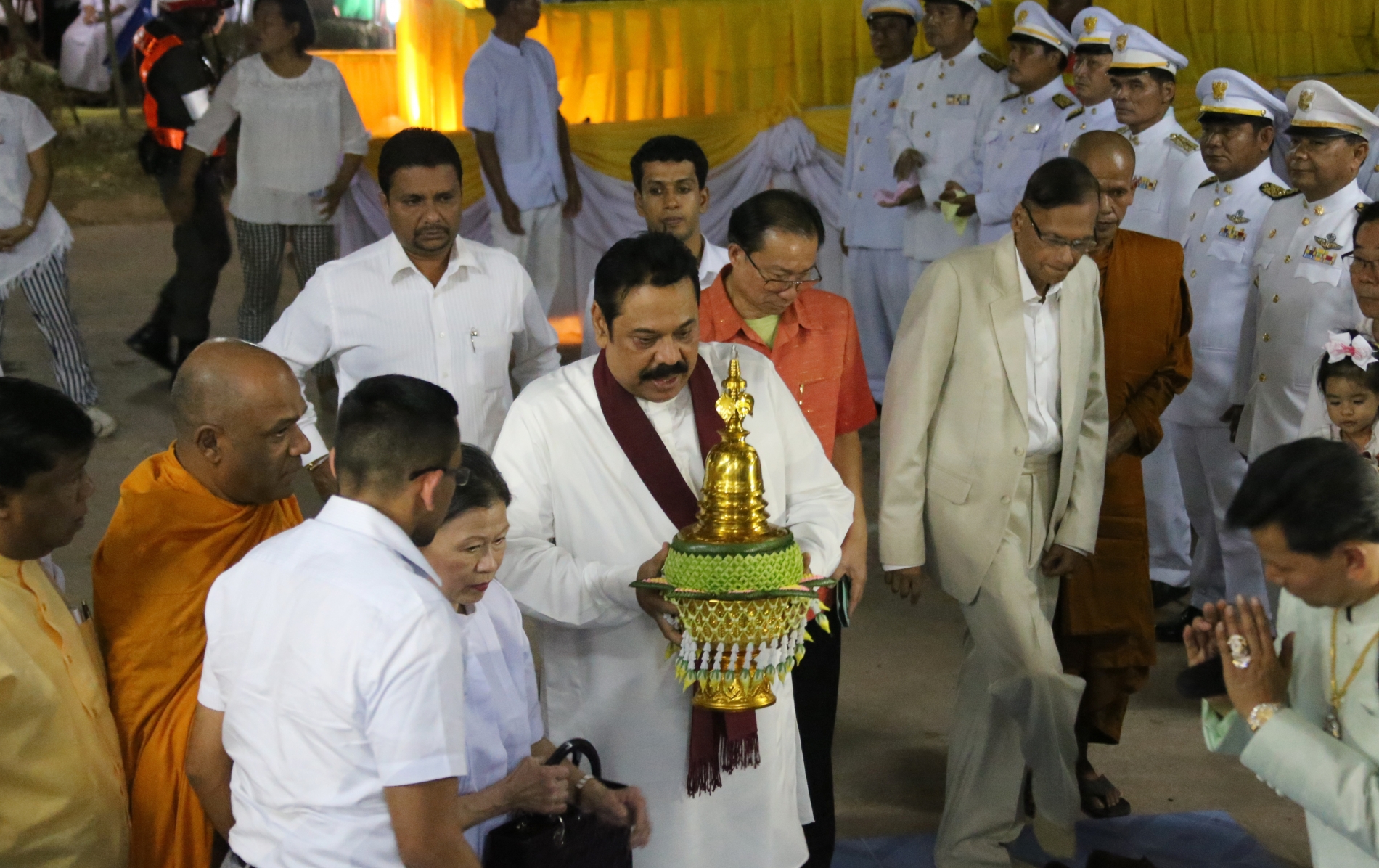
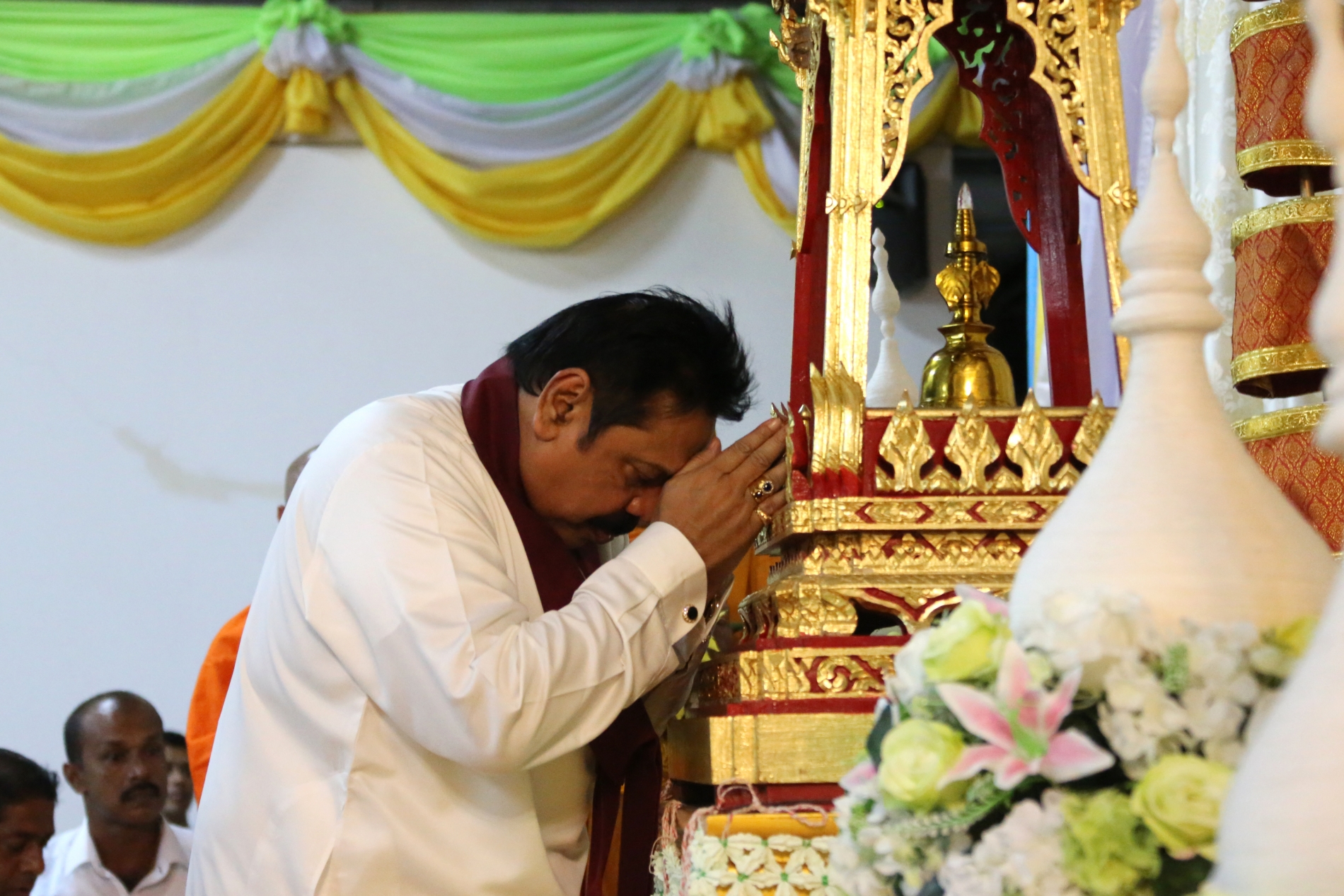
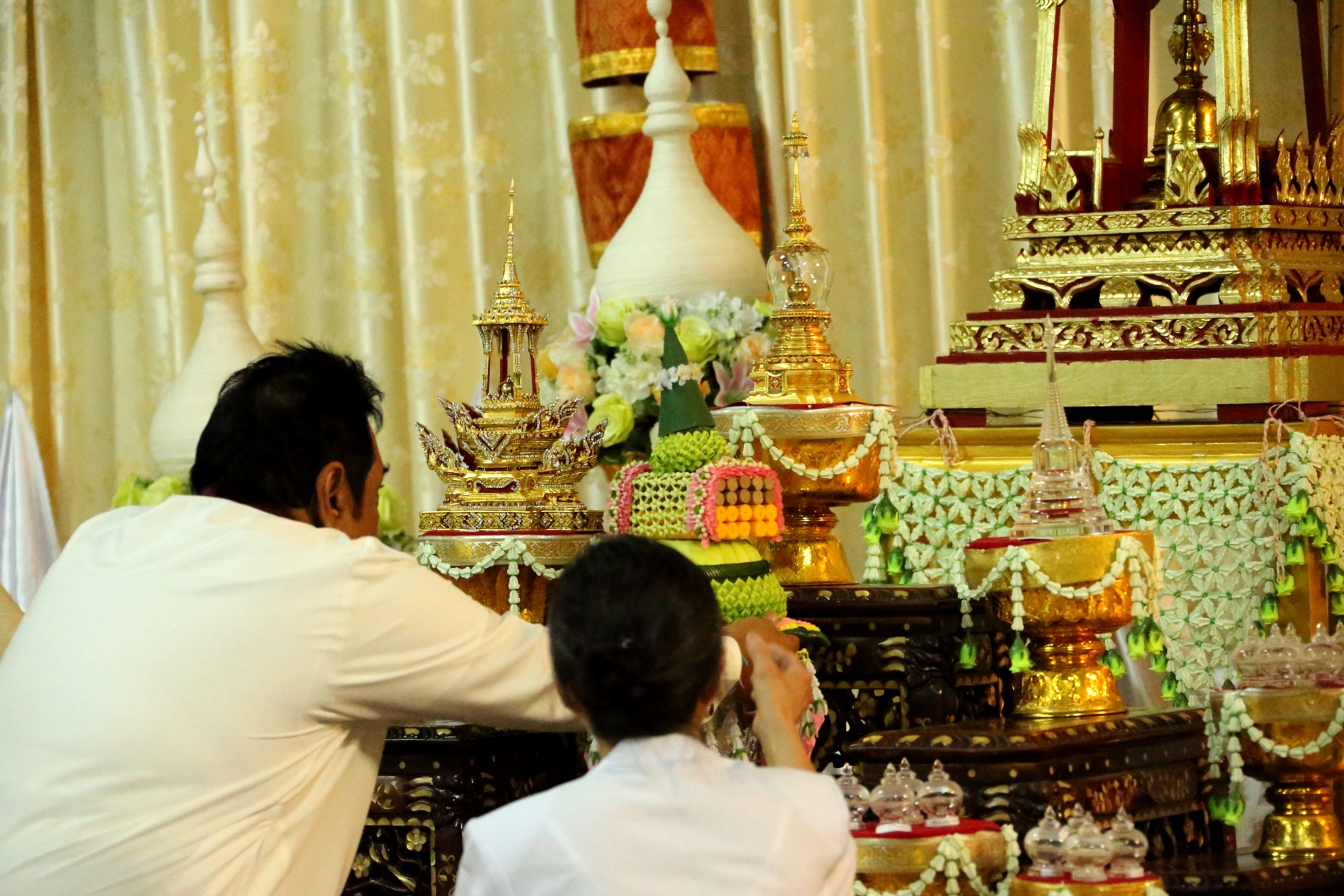
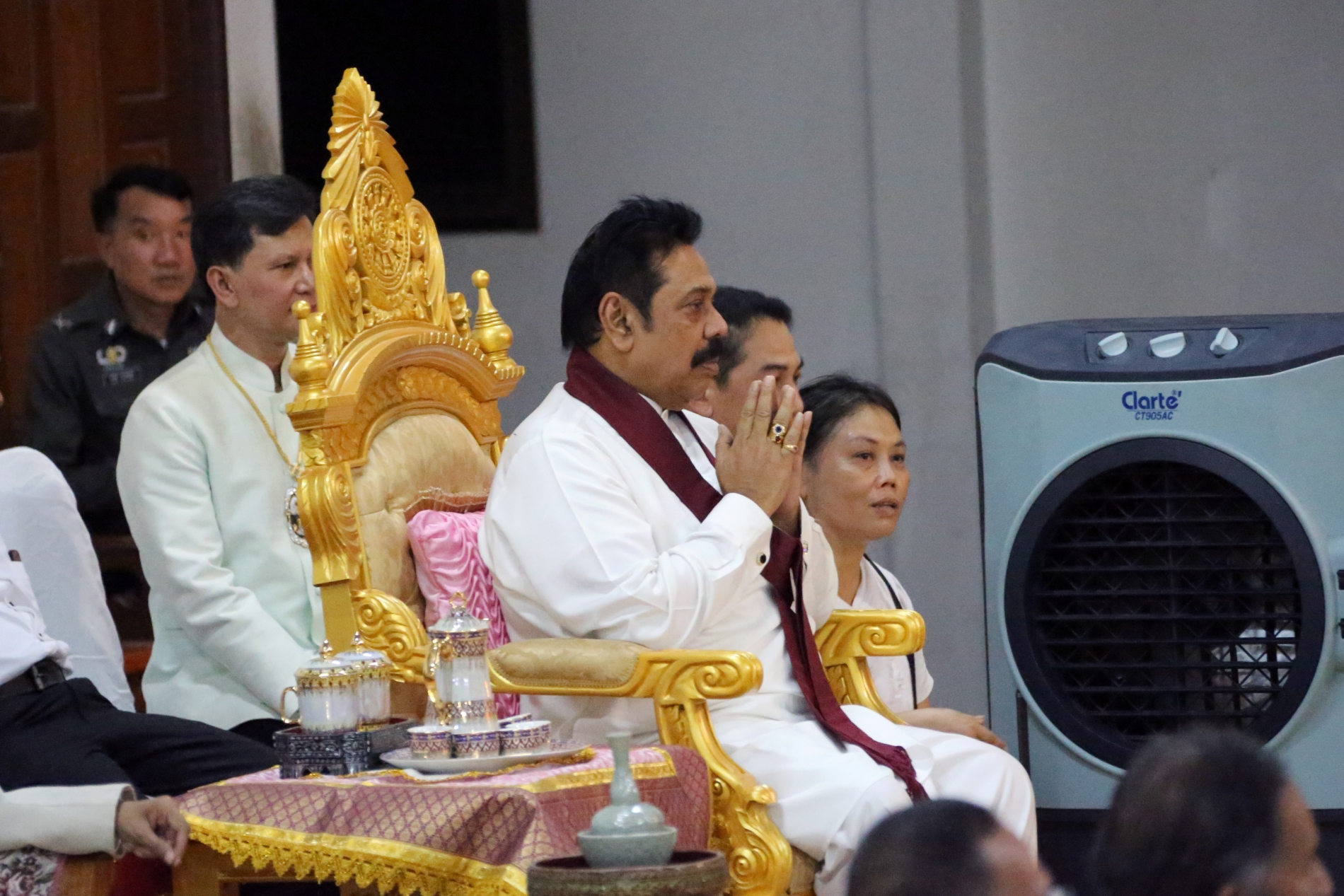
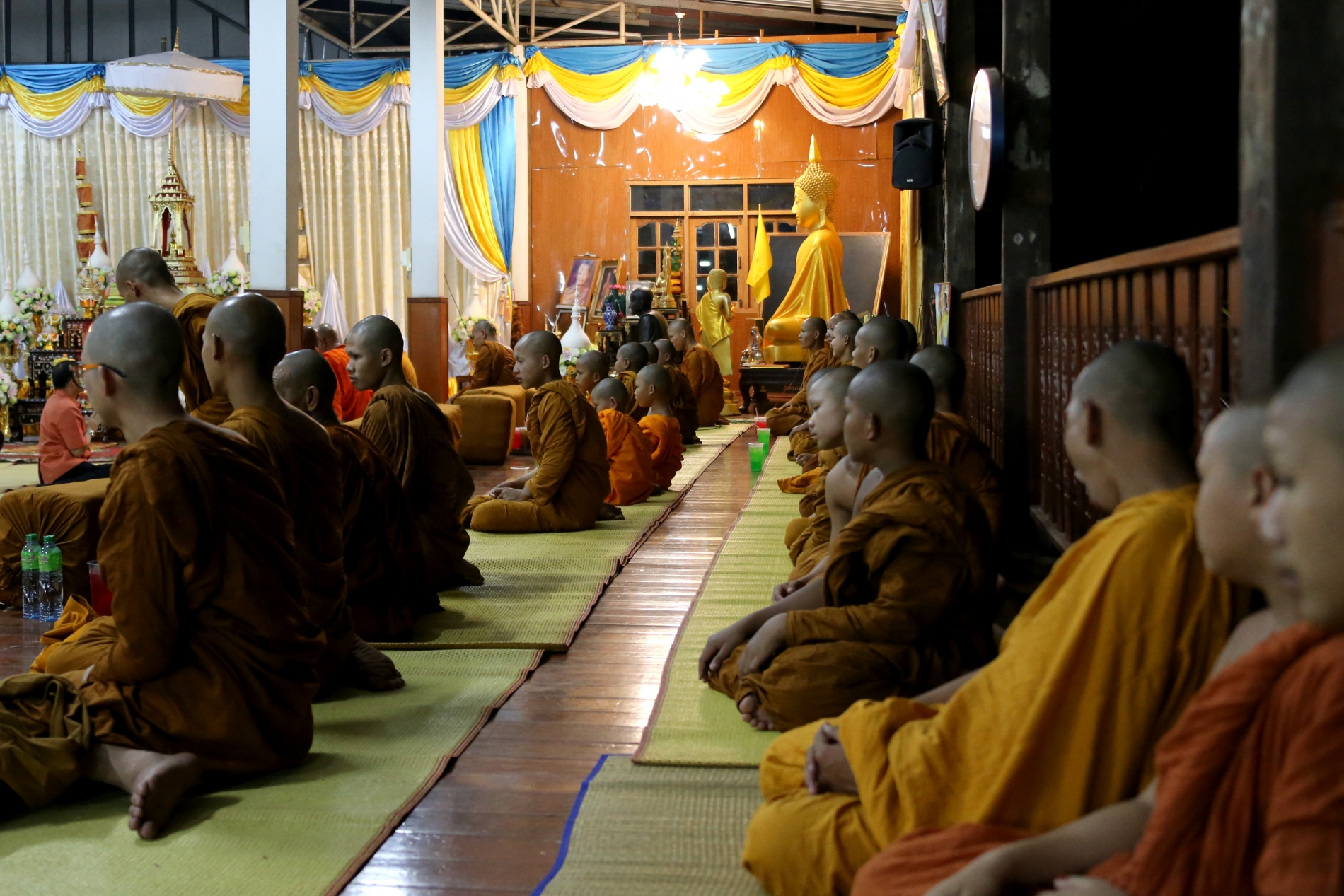
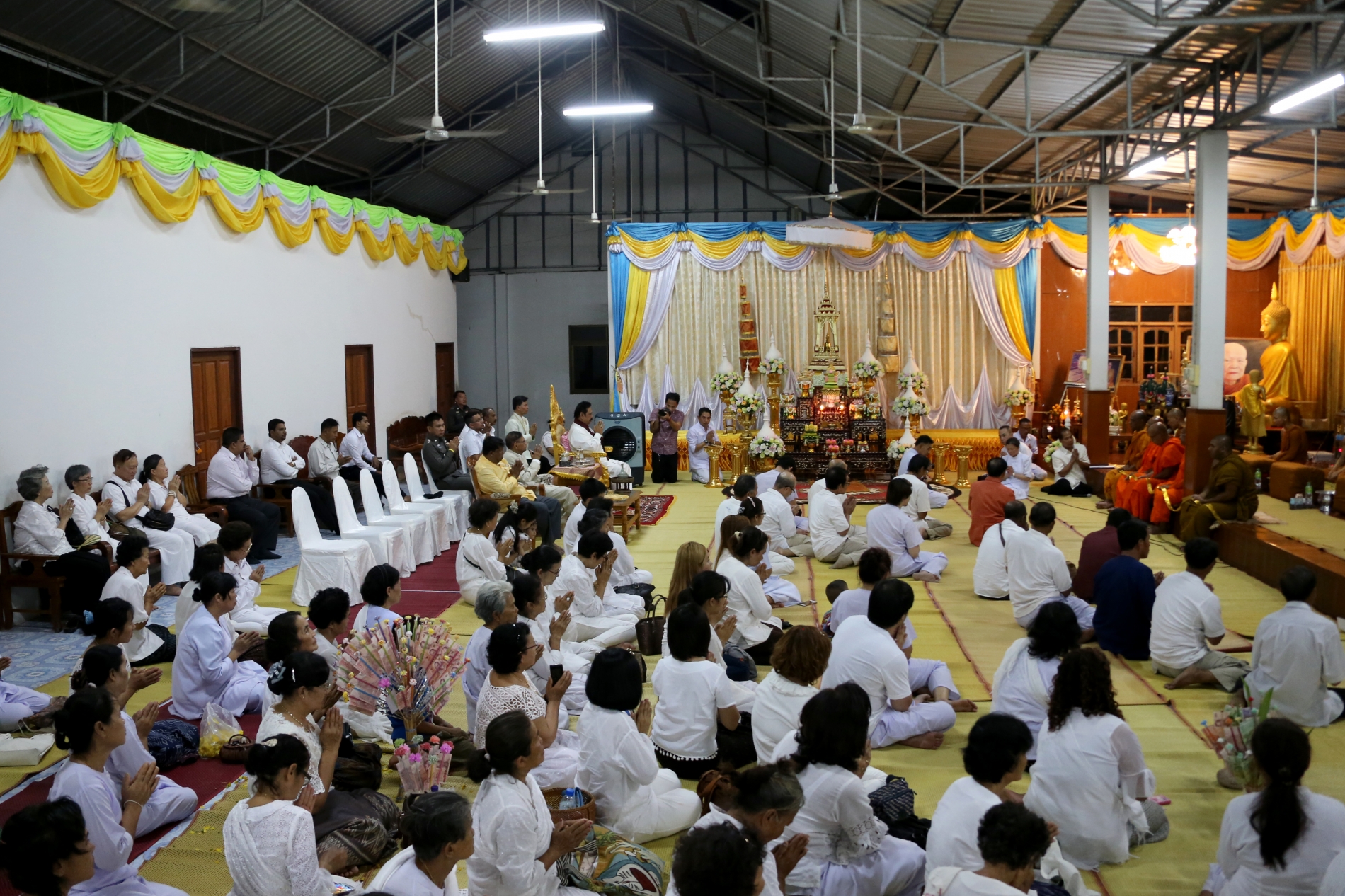
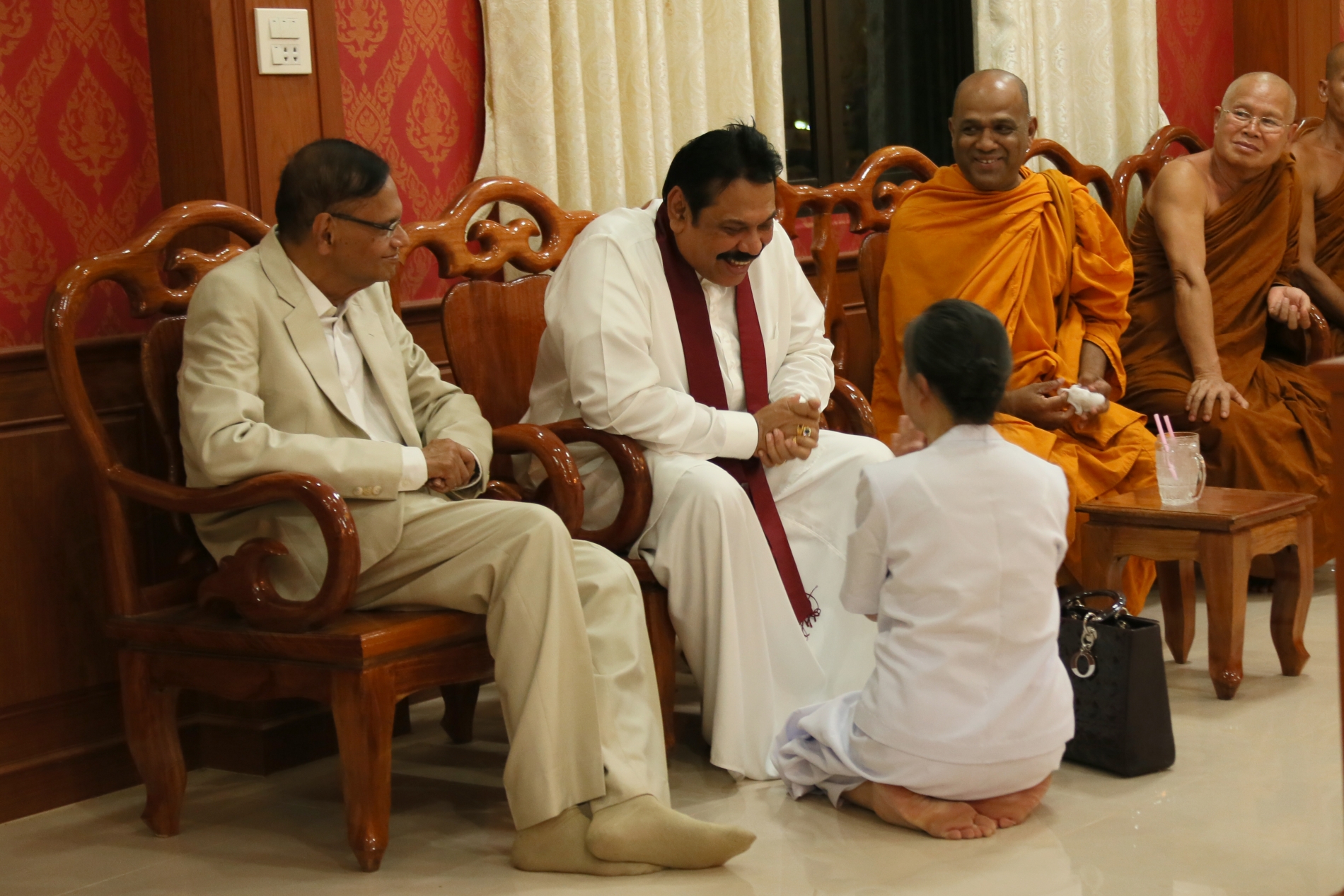
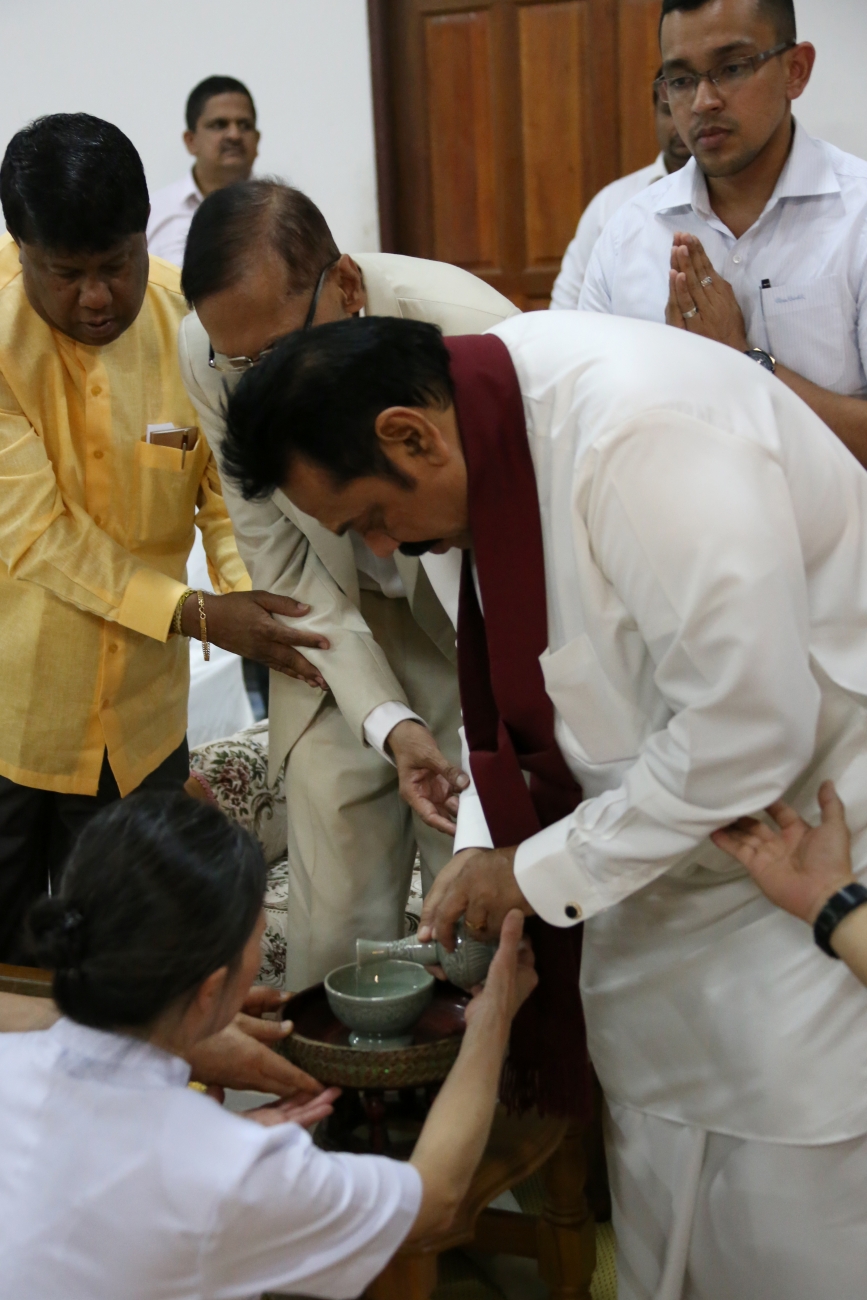
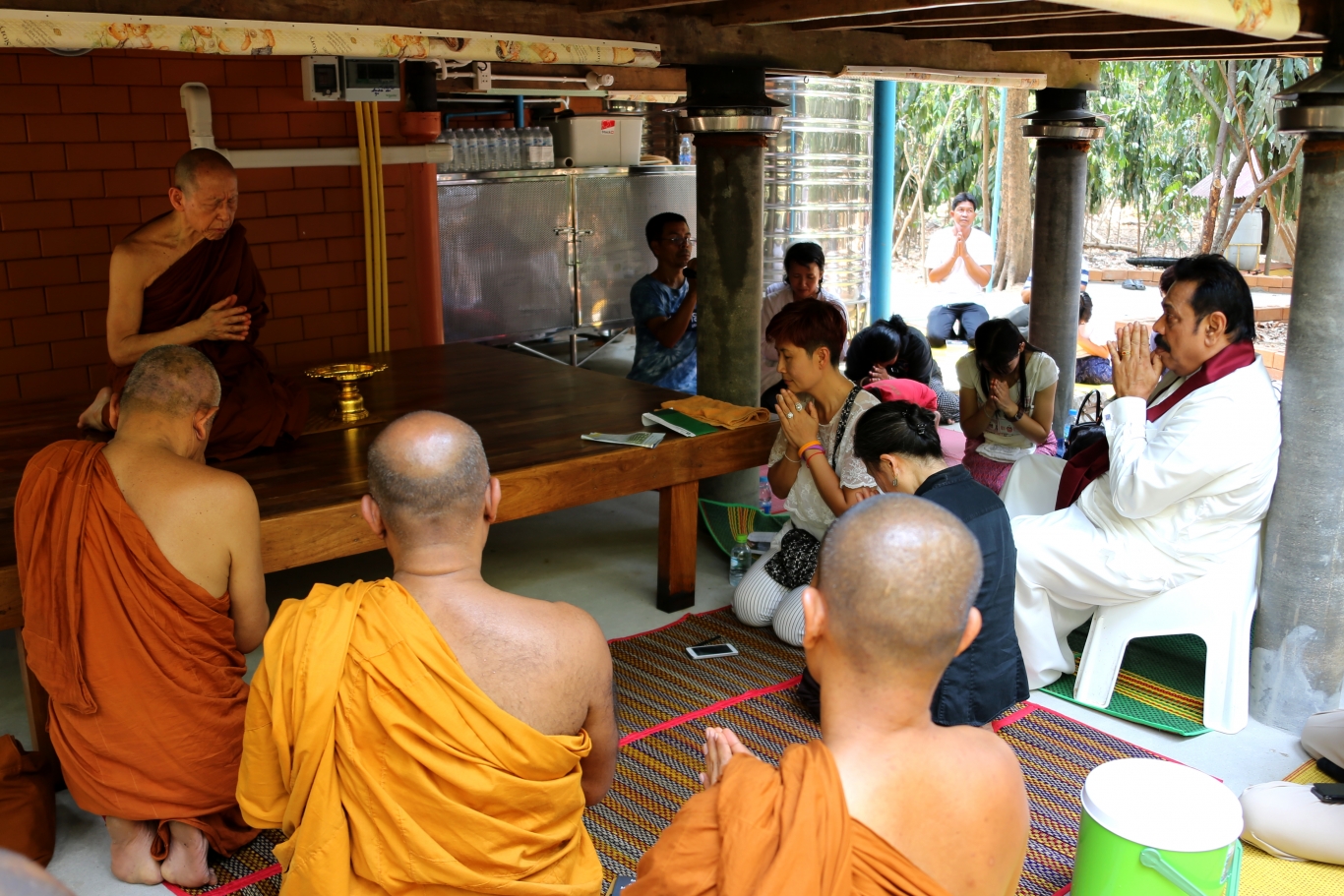
On the 24th of April, the casket of sacred Buddha was placed in the Thai Buddhist tradition. The event was attended by a large number of Sri Lankan Buddhist monks, including Prof. Lakshman Peiris, Member of the Western Provincial Council Upali Kodikara and Former Ambassador Udayanga Weeratunga.

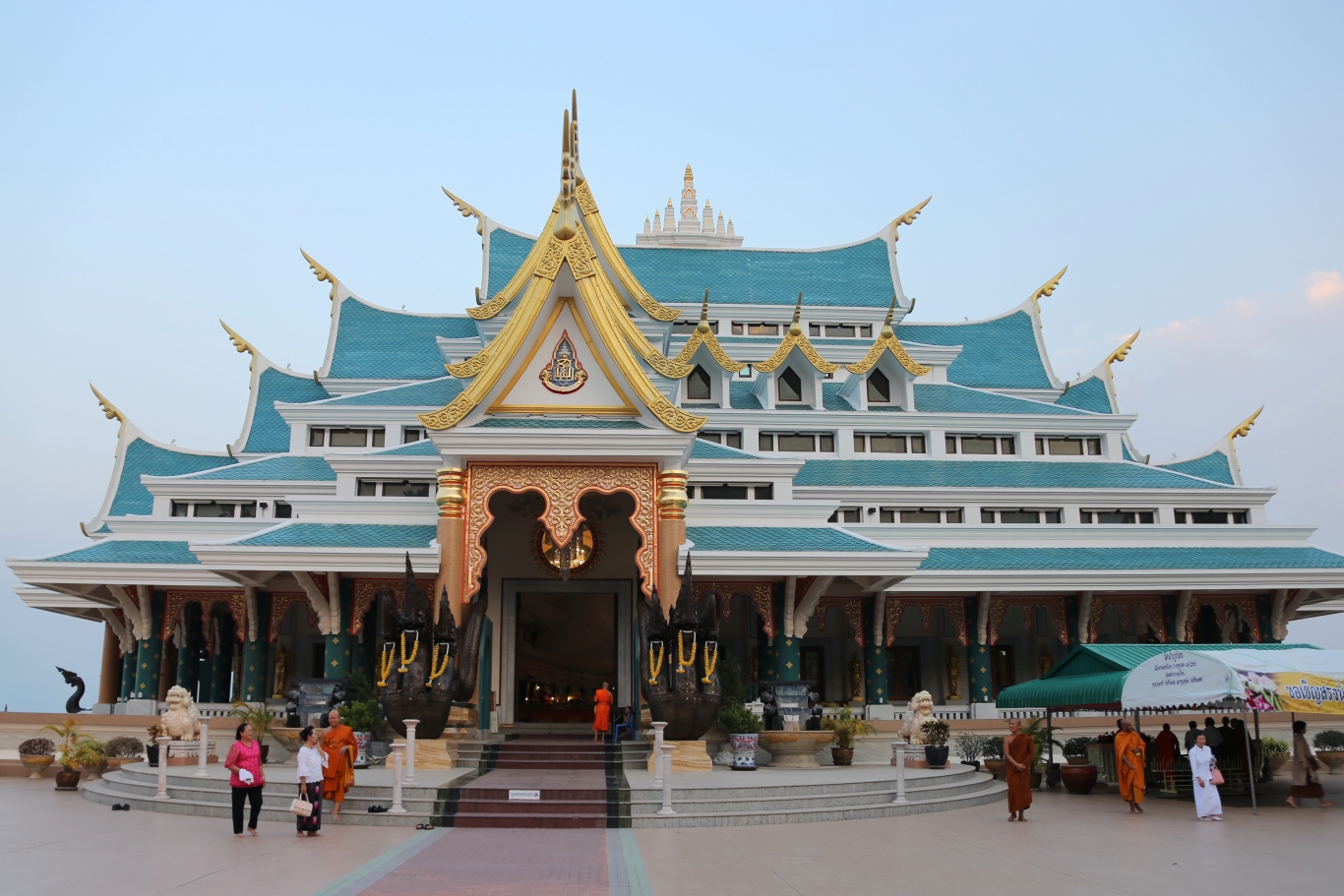
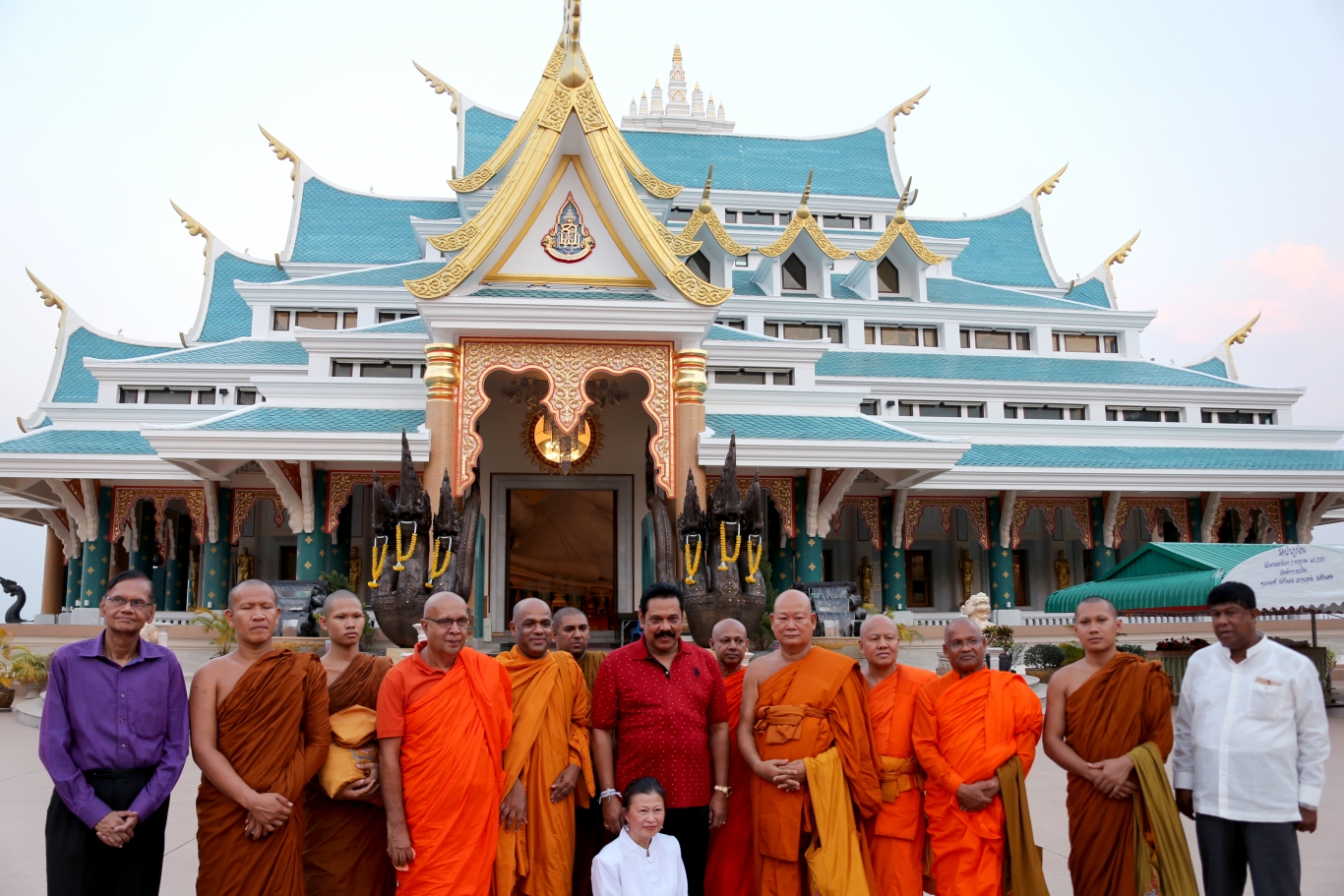
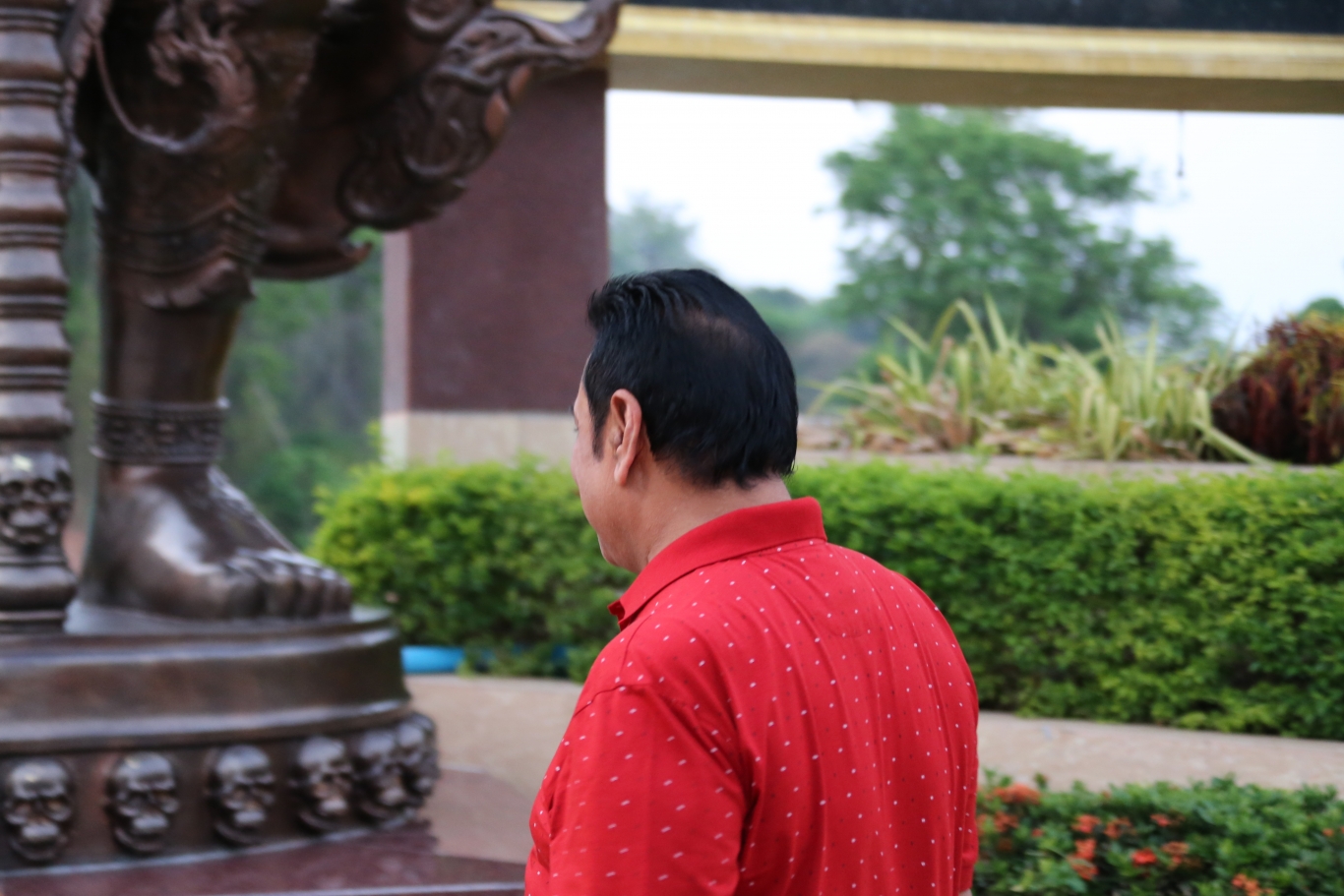
Wat Pa Phu Kon Temple
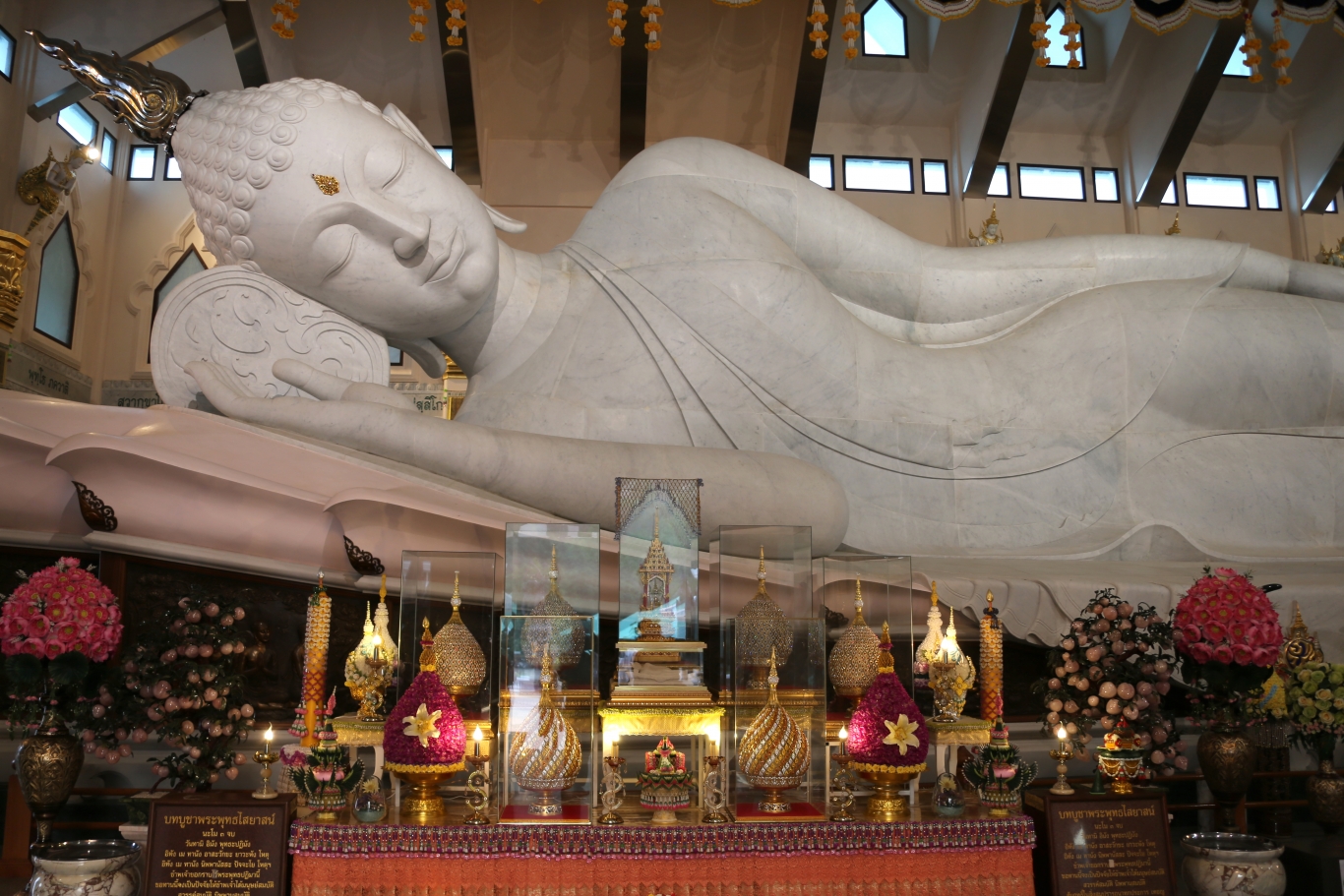
Wat Pa Phu Kon, also known as the forest temple is an outstanding place situated in the province of Udon Thani, but closer to the city of Nong Khai than the city of Udon.

Wat Pa Phu Kon

This place is unique and would not fail to impress even those that had seen enough temples to last a life time since visiting Thailand. Most tourists do not get to visit here because of its location and the need for transport. Most of the foreign visitors to Wat Pa Phu Kon are expats in Thailand or people that are married to a Thai person. If you are staying in Udon Thani or even better Nong Khai it’s most definitely worth trying to visit if possible.

About Wat Pa Phu Kon
Located in the hilly forests of the Na Yung (Udon district) Wat Pa Phu Kon is unlike most religious buildings, including Wats (Temples), which are usually many years old with plenty of history that can certainly add to the attraction of these places.

Pa Phu Kon was only completed in the year 2013 and lacks history, but certainly makes up for the lack of history in its appearance and location. Despite it’s lack of history, the temple itself is beautiful in appearance and set in the idyllic surroundings of the north east of Thailand (at its best) that takes contemporary religious buildings to another level.

As with all Buddhist temples the sculptures and art works at Pa Phu Kon represent some mystical, philosophical or other meaning related to historical Buddhist scriptures. As tourists we must be mindful that all temples are places of worship and respect for many Thai people. There is an alter area in front of the marble reclining Buddha for people to prey. There is not much else to write about the temple as pictures speak louder than words. Inside Pa Pha Phu Kon there is more information about the building work and the transportation of the marble reclining Buddha.

Worth Visiting Wat Pa Phu Kon
If you have access to transport and you’re staying in Udon Thani or Nong Khai then it’s a great day out. Even if you do not have transport there are options to book privately (as i did with the owner of The Rim Guesthouse). Or car rental costs around a 1000 THB.

You will have to dress appropriately for the visit as with all temples. No vests and wear shorts and skirts below the knee. The temple can provide extra covering if required.

Although situated in the Udon Thani province the temple is actually closer to Nong Khai city rather than Udon city.

Related Images:

former President’s visit to Thailand 1

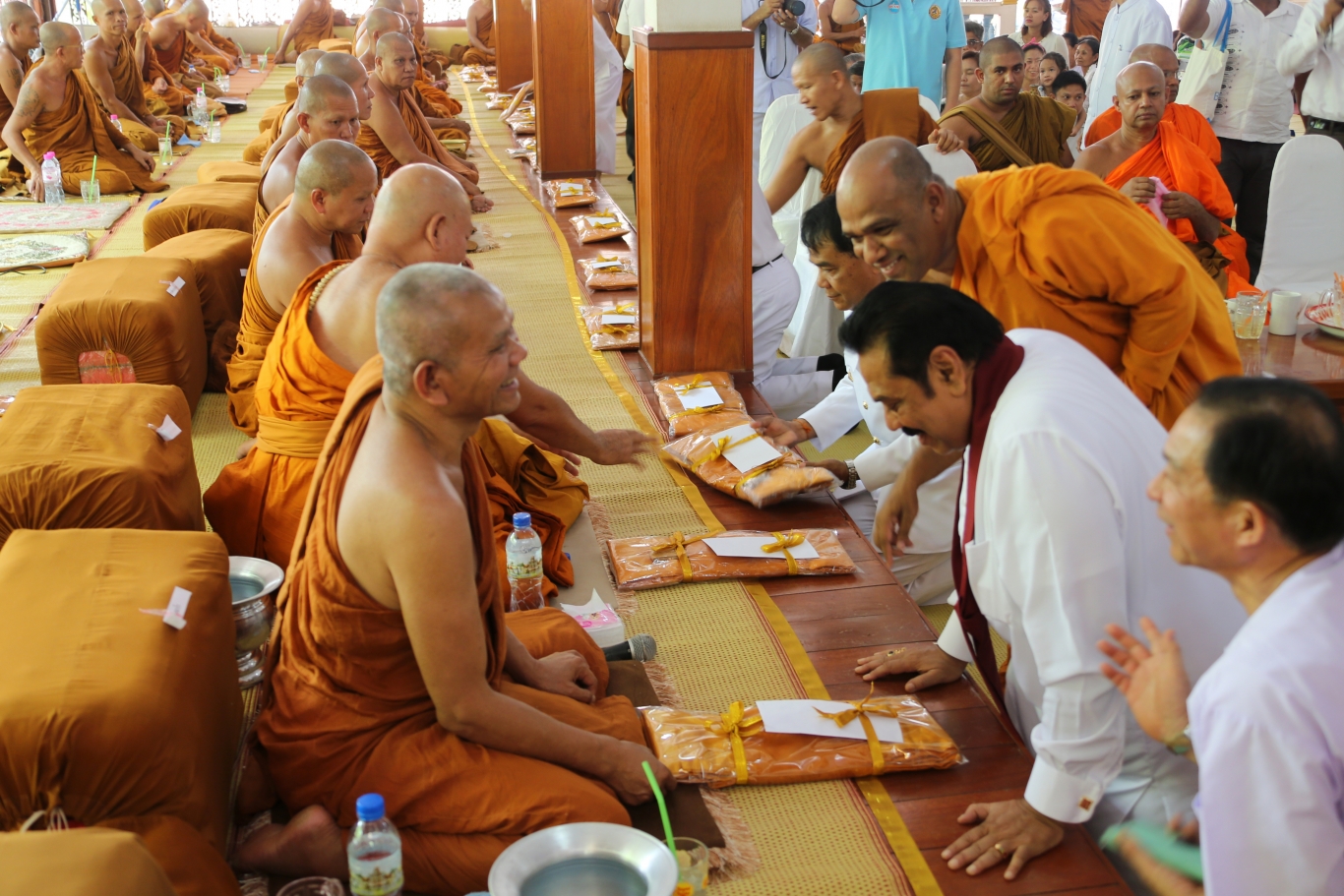
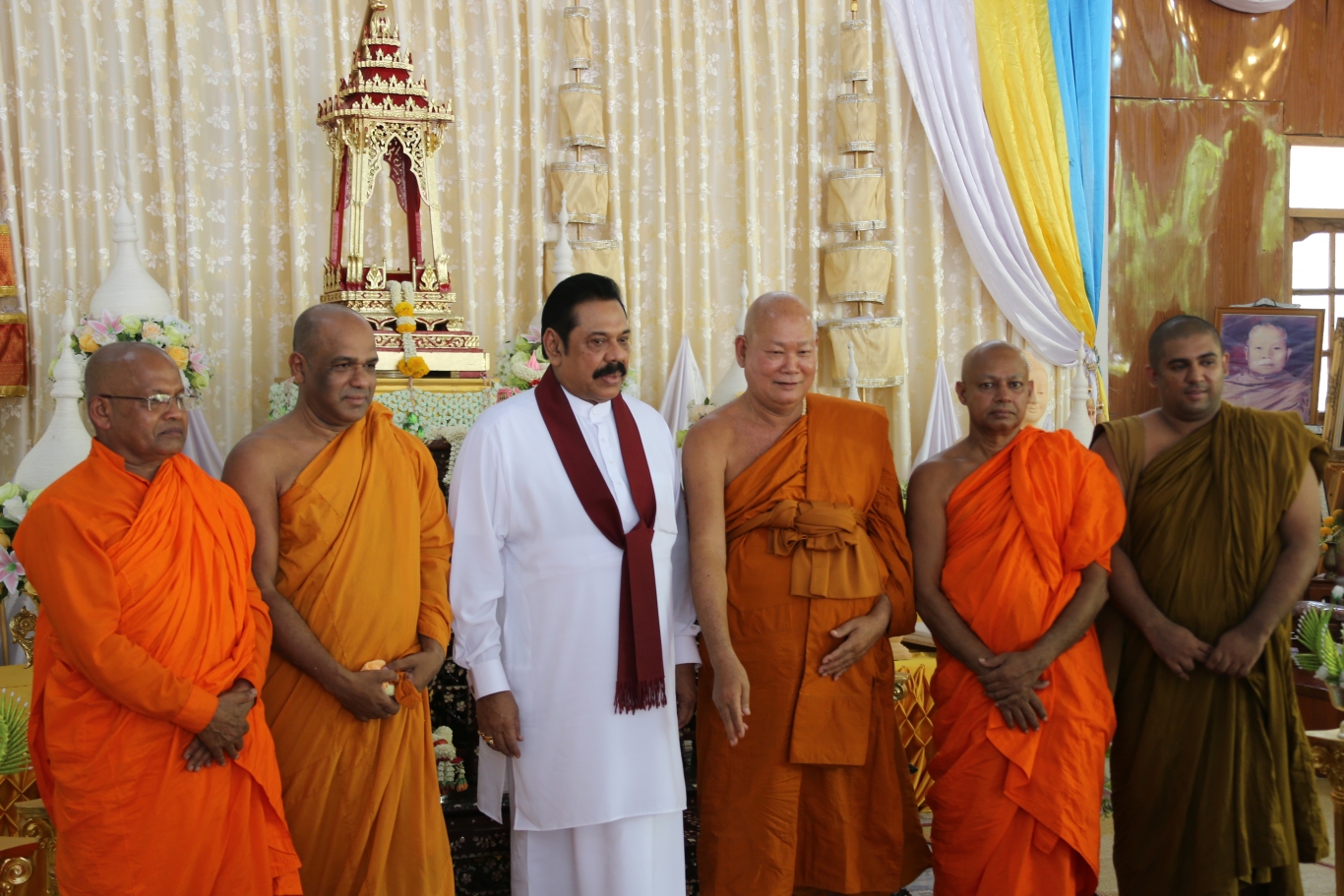
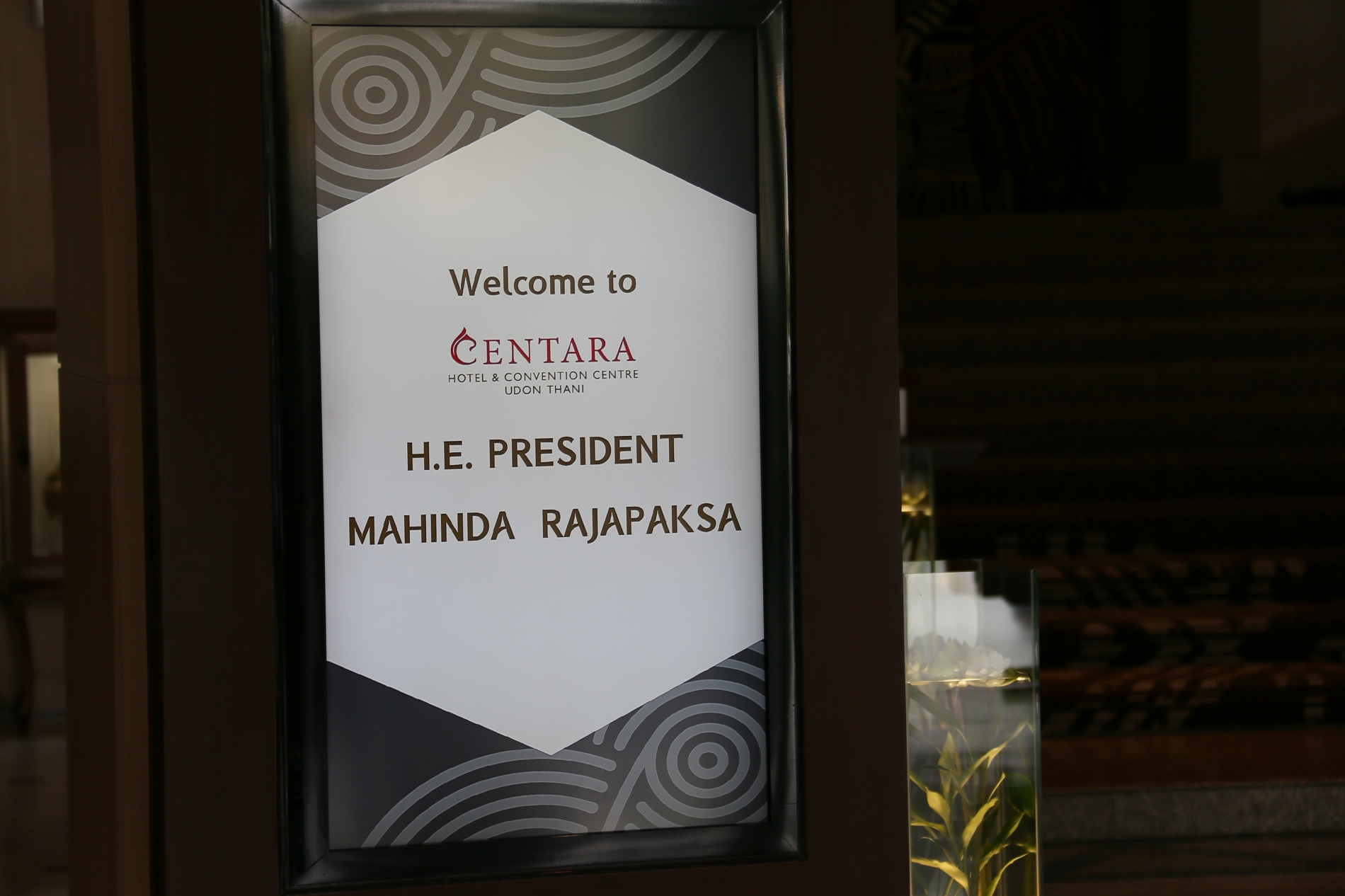
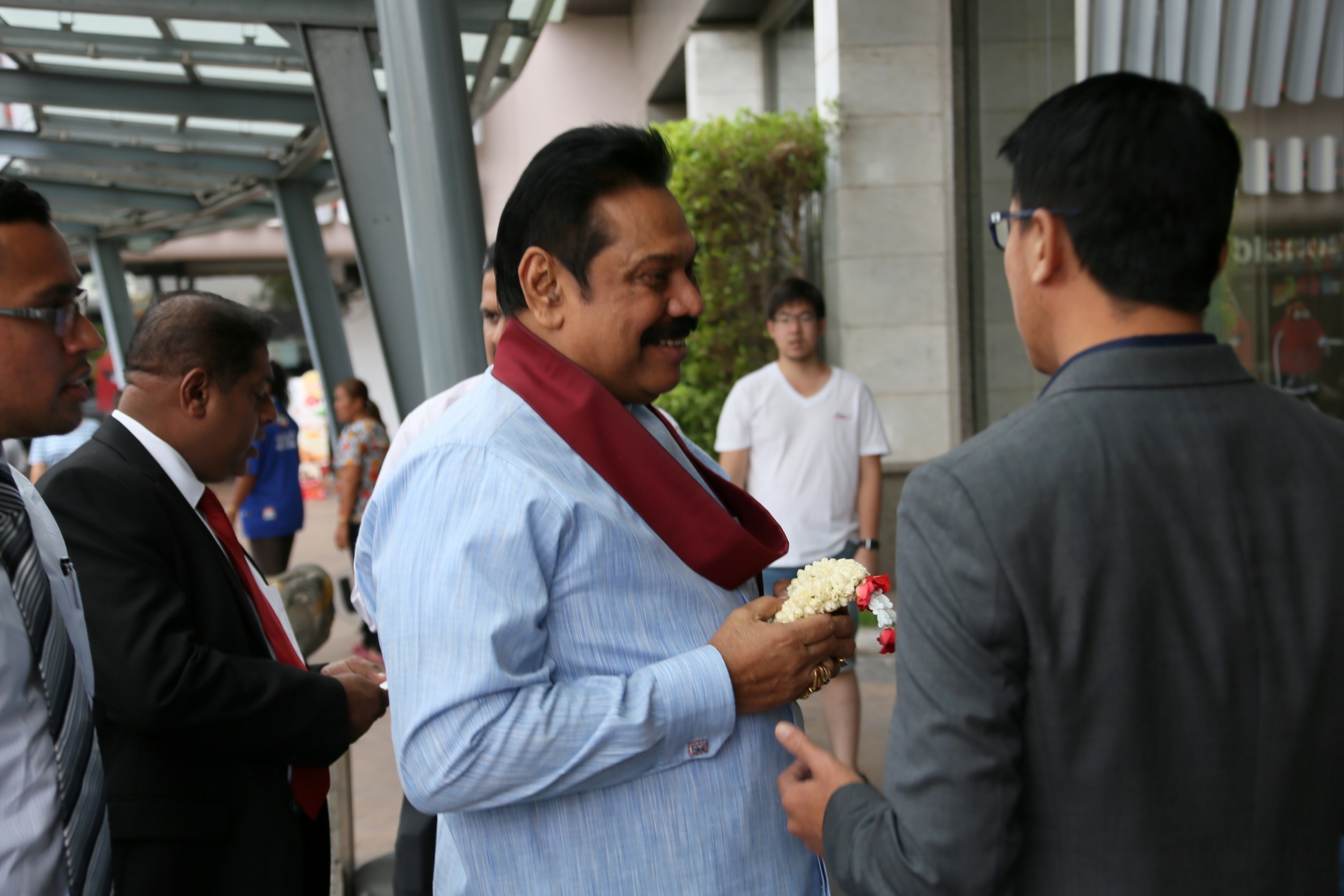
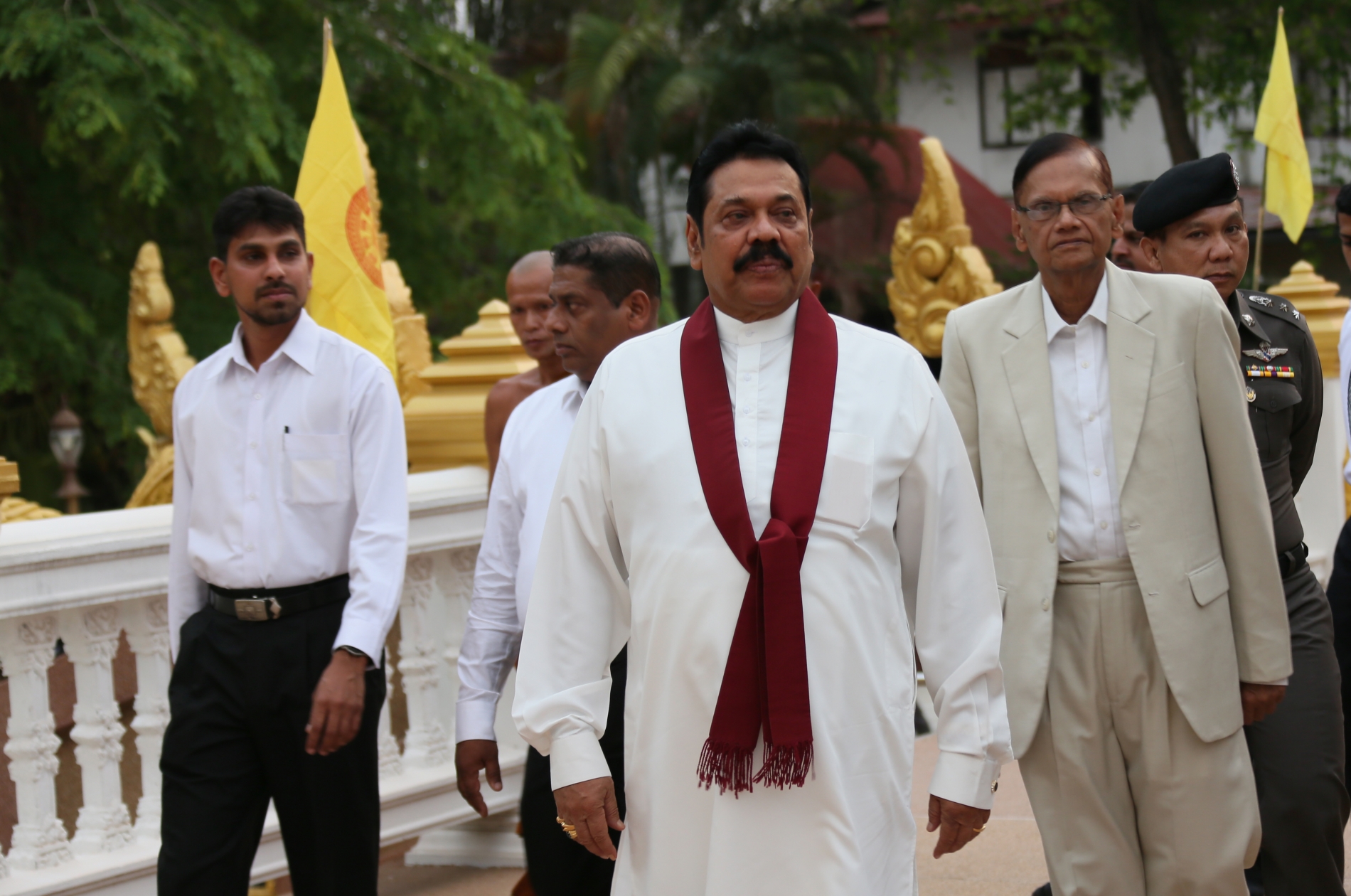
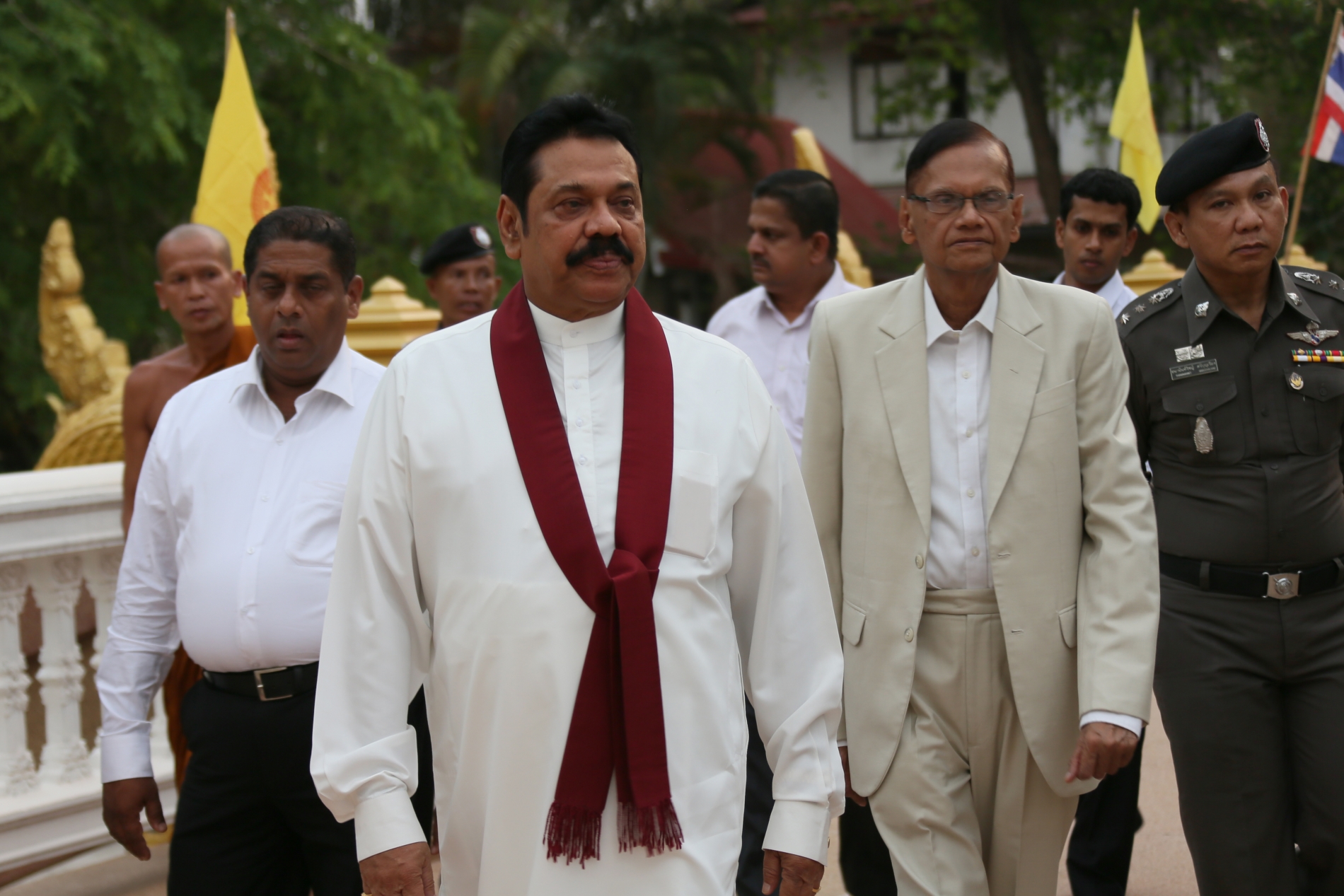
Former President Mahinda Rajapaksa’s visit to Thailand-Day 1

Udon Thani, or Udon for short, is an important regional hub that connects northeastern Thailand with the rest of the country as well as neighbouring Laos. Once a far-flung, sleepy provincial town, Udon sprang into action when the Thai and US governments built a joint-force military base there during the Vietnam War, bringing a large influx of GIs and Vietnamese immigrants to the city, thus creating a multi-culturally diverse base which lasts until today. Besides its military past, Udon is home to one of the world’s earliest bronze-age civilizations, at Ban Chiang. Archaeological evidence – earthenware pottery and bronze fragments – unearthed here suggest that the prehistoric settlements existed between 2100BC and 200AD. Other ancient structures and artifacts are also found inside Phu Phra Baht Historical Park. Here, rising amidst a vast sandstone mountain are peculiar rock formations, as well as dinosaur foot prints, cave paintings and Buddhist structures. Udon is approximately 560km from Bangkok. The urban centre, Udon City, is home to a large concentration of expats, some of whom settled down here after the war. Udon’s dining and nightlife scene is, therefore, culturally diverse and offers good choices.

What to Do in Udon Thani

Besides being a major transport hub in the northeast, Udon is also home to the well-known archaeological site at Ban Chiang (55km from the city), where prehistoric settlements and earthenware pottery dating between 2100BC and 200AD were unearthed. Equally fascinating is Phu Phra Baht Historical Park (67km from the city), with sandstone caves, caverns, prehistoric cave paintings and peculiar-shaped rocks dotting its beautiful landscape. Phu Foi Lom Eco Park (40km southwest of the city) is ideal for hiking and overnight camping. Inside the city area, Nong Prajak Park is a pleasant recreational space for relaxing, jogging and picnicking. Udon Thani Provincial Museum, housed inside a historic building that once was the royal residence of Queen Rampai Panni (King Rama VII’s princess consort), is a must-visit, for its architectural heritage and collection of exhibits.


Related Images:

The Hounding Of Udayanga

Lasanda Kurukulasuriya

As campaign rhetoric reached fever-pitch last week in the run-up to the LG elections on Saturday (10), the government stumbled on an unexpected news-nugget to feed its propaganda mill.

It came in the form of reports that Udayanga Weeratunga, Sri Lanka’s former ambassador to Russia and Ukraine, on whom court issued an arrest warrant in October, had been detained for questioning at Dubai airport on Sunday (4). This news snowballed in a manner that left the impression that the government was about to secure the extradition of a criminal ‘Red Noticed’ by Interpol. Several media reports referred to an ‘international warrant’ having been issued for Weeratunga’s arrest. The story dovetailed nicely with the ‘yahapalana’ government’s professed commitment to punishing the corrupt, especially from the Rajapaksa regime. Weeratunga is a relative of former president Mahinda Rajapaksa.

On Tuesday (6) police said a team would be dispatched to Abu Dhabi the next day to ‘bring back’ Weeratunga who was under ‘arrest’. The Minister of Law and Order Sagala Ratnayake reportedly made similar assertions on the campaign trail. However, Sri Lanka’s ambassador to the UAE in Abu Dhabi S. J. Mohideen responding to a phone query on Thursday (8) was unable to confirm whether an arrest had taken place, saying “nobody has informed officially,” and that he too was going by ‘what he heard from newspapers in Sri Lanka.’

It was not until Weeratunga himself made a statement on an evening TV news bulletin on Thursday, posted also on Facebook, that it came to light that Abu Dhabi authorities had acted to detain him on the basis of an Interpol ‘Blue Notice’. Weeratunga dismissed as untrue the claim that he was under arrest. He said the Interpol officers knowing they had no right to have a person arrested on a Blue Notice, released him after duly questioning him regarding his address and other details.

Still, the Police Spokesman was unable to confirm on Friday (9) whether it was a ‘Blue Notice’ and not a ‘Red Notice’ that had been issued. It was only by Friday evening, by which time much of the damage in terms of misinformation had been done, that the Ministry of Foreign Affairs and Ministry of Law and Order issued a joint statement saying Weeratunga “was intercepted in the UAE on Sunday 4th of February 2018 when he attempted to leave to the United States.” Somewhat ambiguously it said he had been released subsequently, but was prevented from leaving the UAE till investigations were concluded. It described his detention as an ‘arrest’ “made on the basis of a Blue Notice issued by Interpol” and said a delegation of Lankan officials was in discussion with UAE authorities with the aim of deporting him.

According to Interpol’s website however, a Blue Notice is only “To collect additional information about a person’s identity, location or activities in relation to a crime.” A Red Notice is required “To seek the location and arrest of wanted persons with a view to extradition or similar lawful action.”
What is the nature of Interpol’s involvement in the case of Udayanga Weeratunga? Responding to an email query on Wednesday (7) as to whether Interpol has ‘issued a warrant for his arrest’ as widely reported in the media, Interpol’s Press Office replied saying “INTERPOL does not issue arrest warrants nor make arrests. These are always done by police in our 192 member countries in accordance with national regulations.”
It said “An INTERPOL ‘Red Notice’ is a request to provisionally arrest an individual pending extradition issued by the General Secretariat upon the request of a member country based on a valid national arrest warrant. It is not an international arrest warrant” (emphasis added). It stressed that “INTERPOL’s General Secretariat does not send officers to arrest individuals who are the subject of a Red Notice.”

Although there is no Red Notice on Weeratunga, politicians (including minister Mangala Samaraweera in parliament as recently as in May last year) have routinely and deceitfully referred to a Red Notice having been issued on him, in parliament and at press briefings.

If a Blue Notice is to collect additional information about a person in relation to a crime, then what is the crime in relation to which information on Weeratunga is sought? If we are to go by the stories vigorously propagated by some politicians, there are many. They include allegations of ‘supplying weapons to separatist rebels in Ukraine,’ the murder of an embassy employee, and fraud relating to the purchase of MiG-27 aircraft.
In 2015, then Foreign Minister Samaraweera fed the dramatic story of ‘weapons smuggling to Pro-Russian Ukrainian separatist rebels’ to the media. Since then other UNP parliamentarians too have pitched in from time to time, elaborating on this and other assorted claims. But of late the ‘Udayanga crime list’ has been whittled down to the MiG-27 fraud allegation, and the government has gone relatively silent on the other accusations. And no wonder.

A BBC Ukraine report of March 23, 2015 refuted Samaraweera’s claims regarding Weeratunga’s involvement in ‘weapons smuggling,’ quoting Ukraine’s foreign ministry spokesman Yevhen Perebiynis saying “this information has not been confirmed.” Though Sri Lanka’s foreign ministry alleged that the government of President Petro Poroshenkov had complained about Weeratunga’s activities, for which he was being investigated, the Ukrainian mission, then based in Delhi, said “the Embassy does not have information concerning investigations against Mr. Weeratunga.” The statement dated May 10, 2016 was in response to an email query seeking clarification as to whether Weeratunga was under investigation by Ukrainian authorities for any wrongdoing. As for the allegation that Weeratunga was involved in the murder of Noel Ranaweera – an employee of the Sri Lanka embassy in Moscow – the Press Secretary of the Russian embassy in Colombo, Evgeniya Altukhova confirmed on May 6, 2016 that Ranaweera died in a motor accident. Udayanga was not a suspect, a Russian man has been convicted and the case is closed she said, responding to a phone query.

The only allegation against Weeratunga that has not yet been decisively trashed is the vague accusation of fraud in connection with the Defence Ministry’s US$14 million purchase of four Ukrainian-built MiG-27 aircraft in 2006. The court twice rejected the FCID’s requests to issue an arrest warrant on him before finally acceding to the request after they named him a suspect in a B-Report in October 2016.

Udayanga Weeratunga may not have been an exemplary diplomat. He may have breached diplomatic protocol in failing to surrender his cancelled diplomatic passport. He may have irritated foreign ministry officials by not making timely arrangements to have the container with his personal belongings cleared from the port. He may have been an altogether troublesome officer. But does any of this justify the campaign of vicious lies directed against him by political opponents? In the public eye it would seem he is already a murderer, arms smuggler and big-time fraudster.
Punishing the corrupt is all well and good. But given the trajectory of Weeratunga’s case, since the change of government in 2015, his would seem to be a case of ‘give-a-dog-a-bad-name-and-hang-him,’ rather than anything like a crusade against corruption.

Related Images:

Special farewell to Sri Lankan

Farewell reception & Reception for participants of PRODEXPO 2015
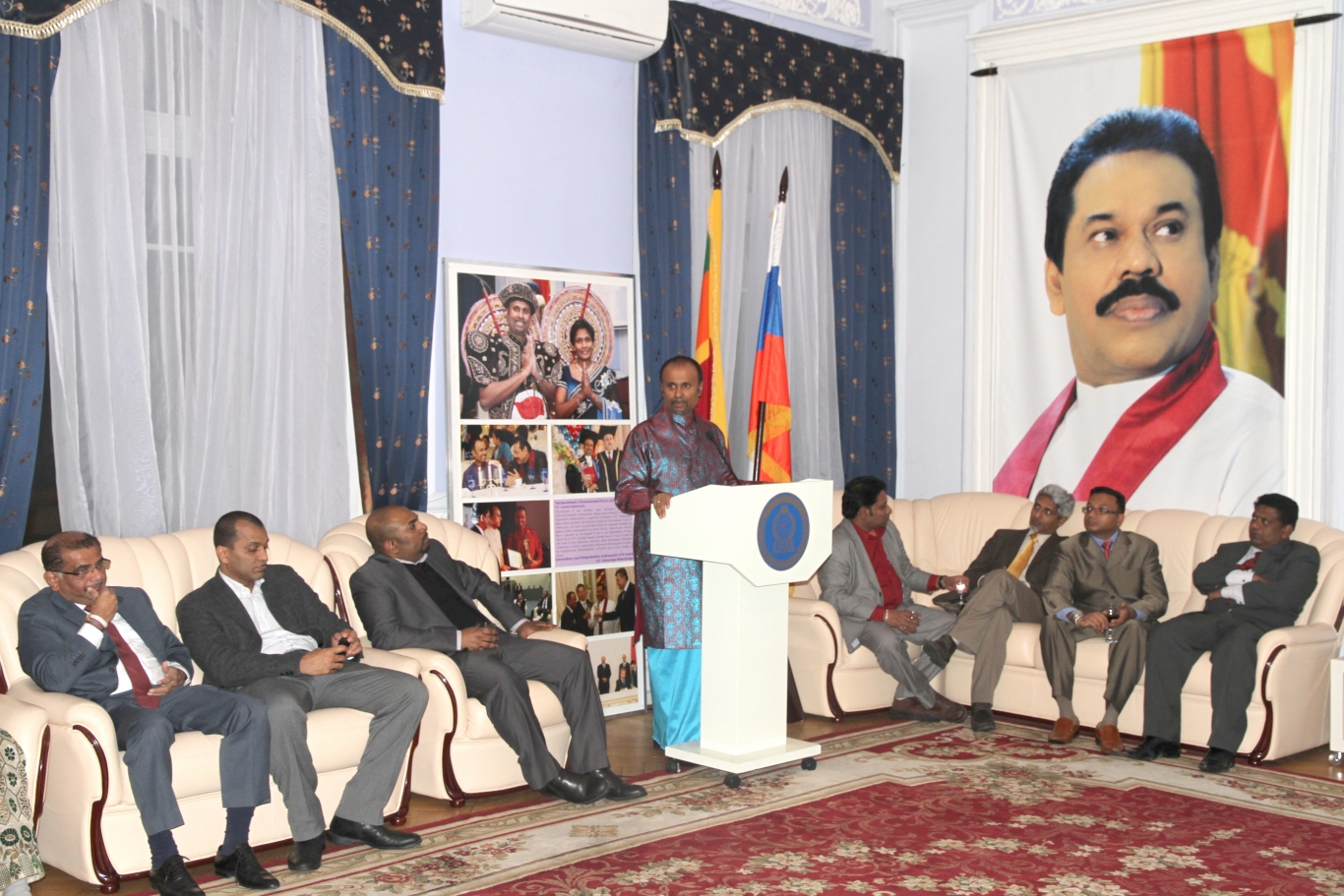
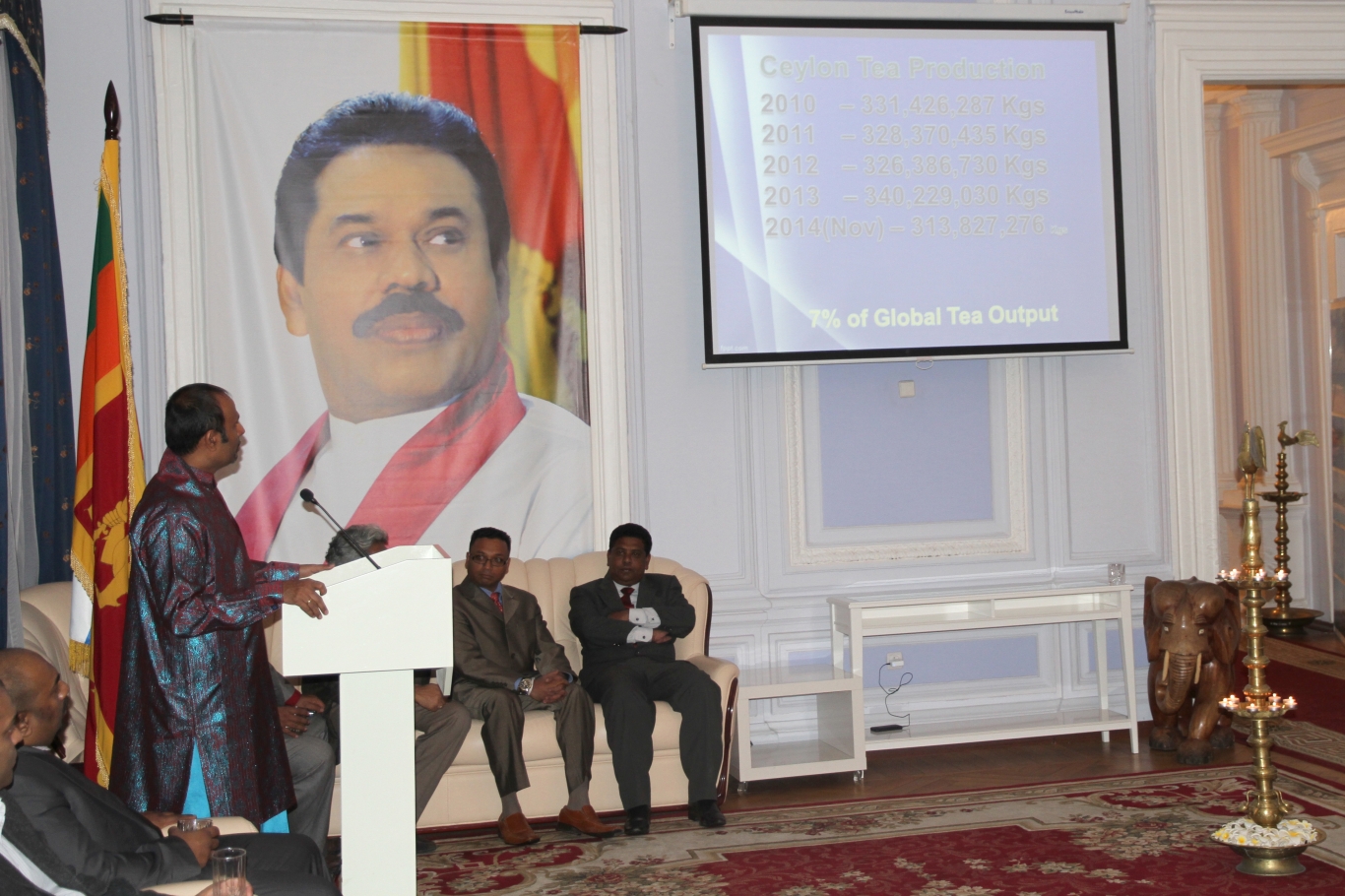
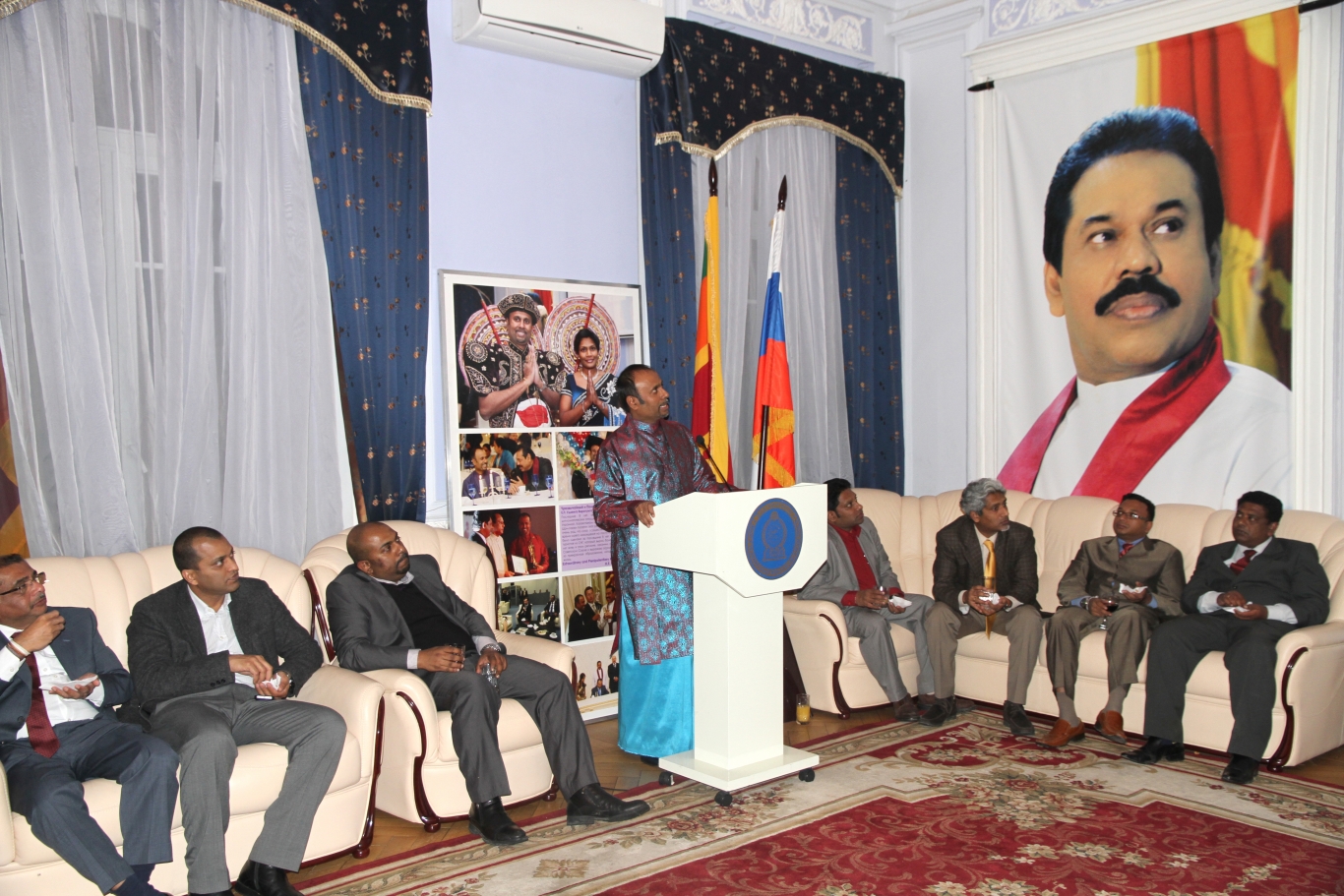
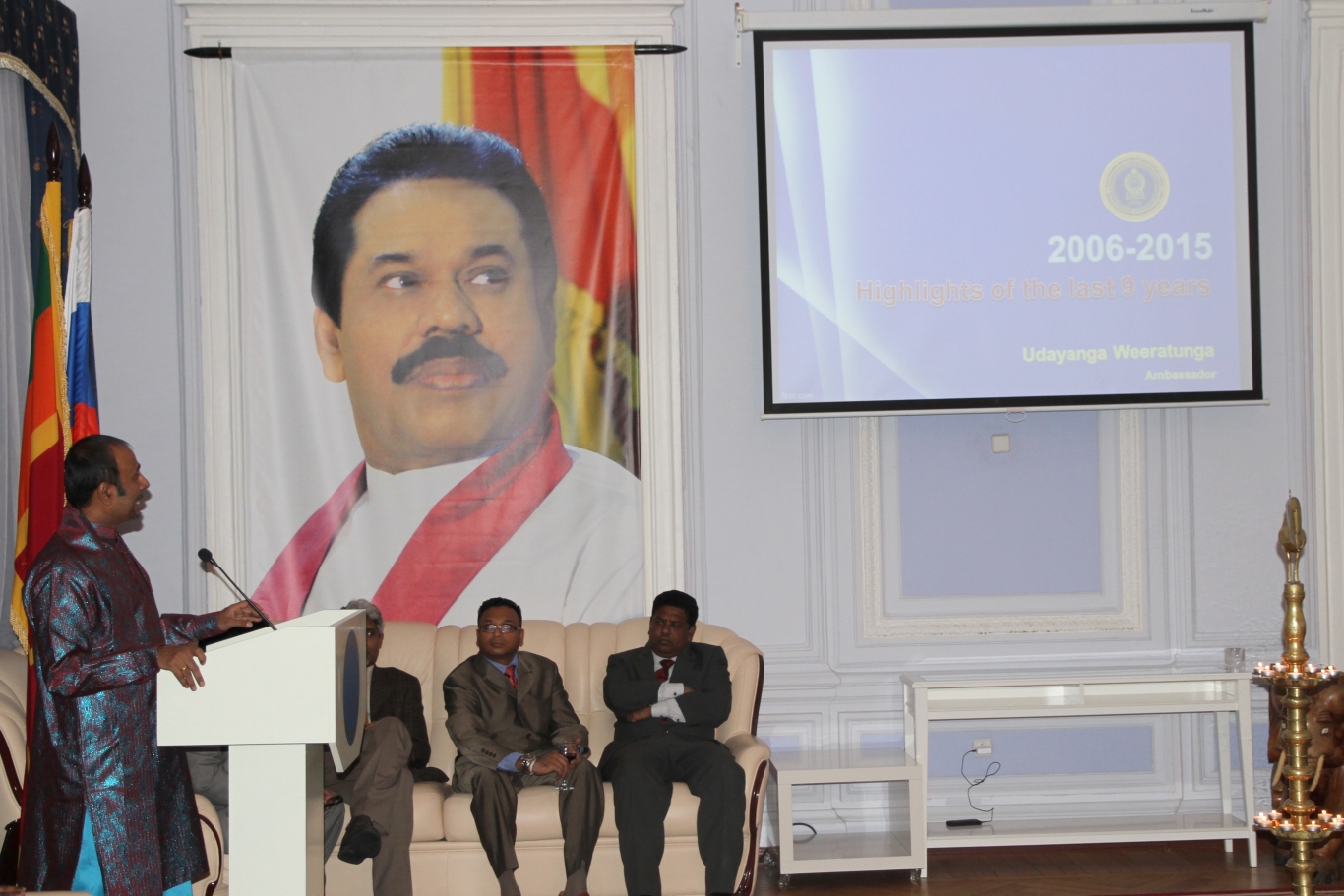
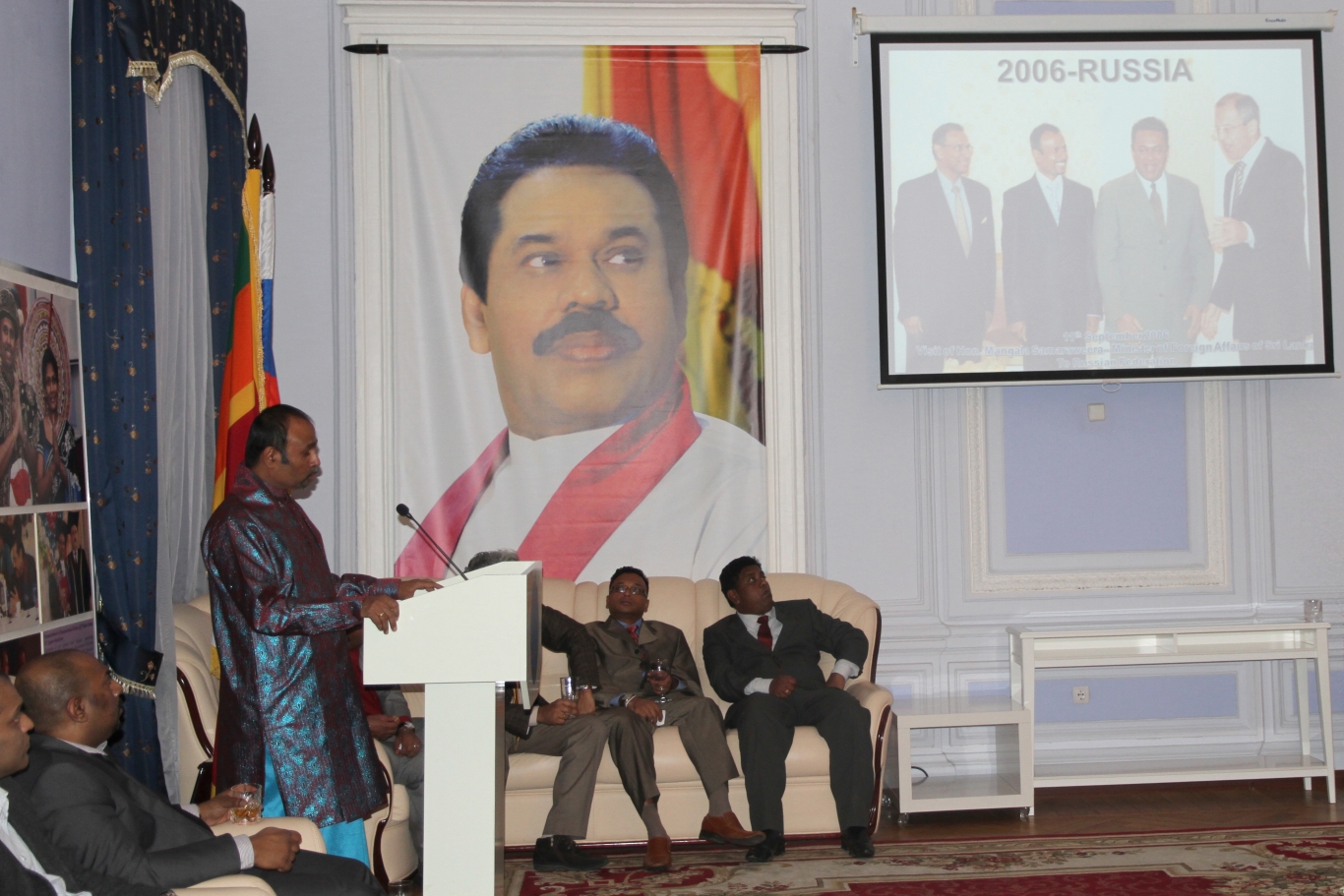
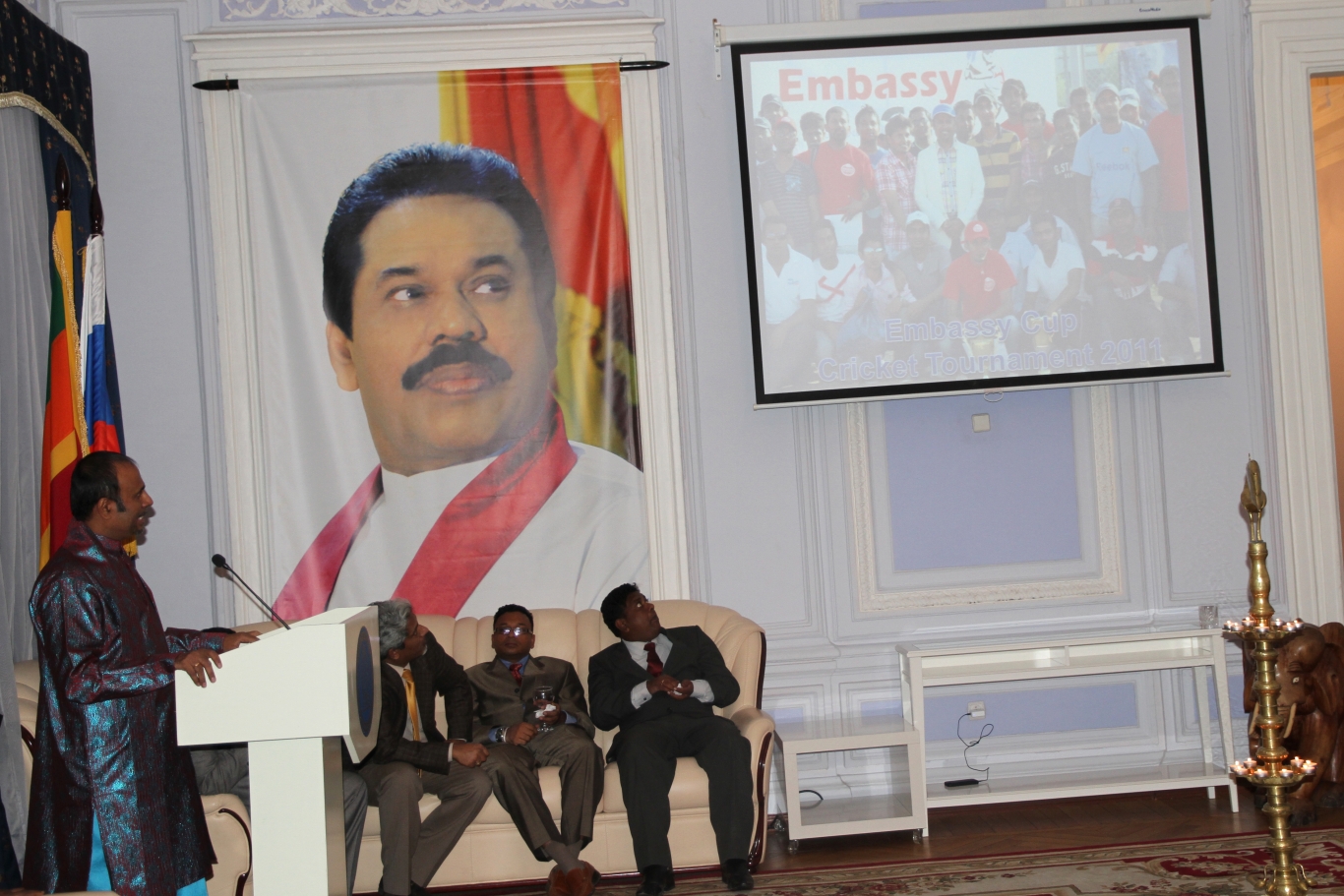
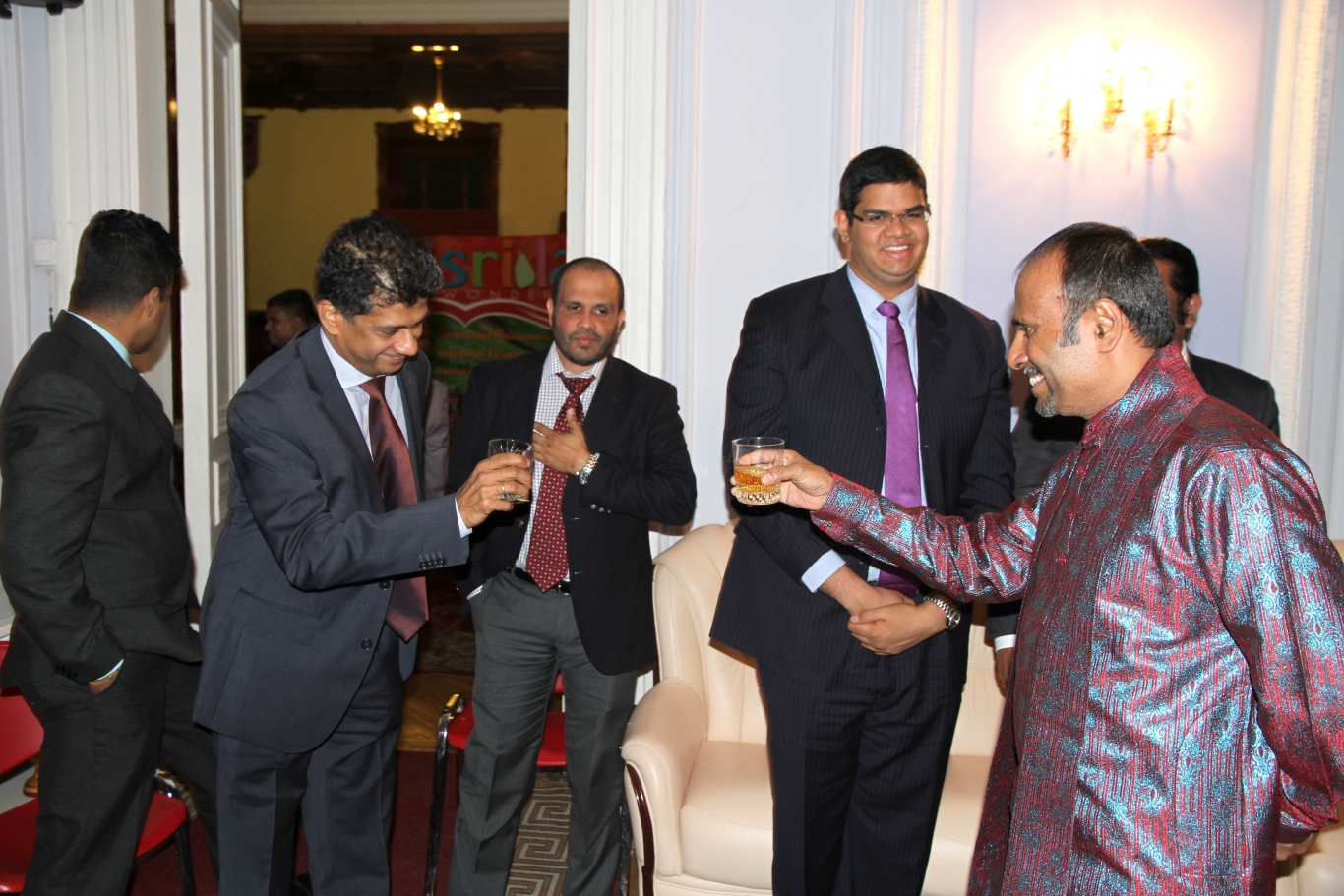
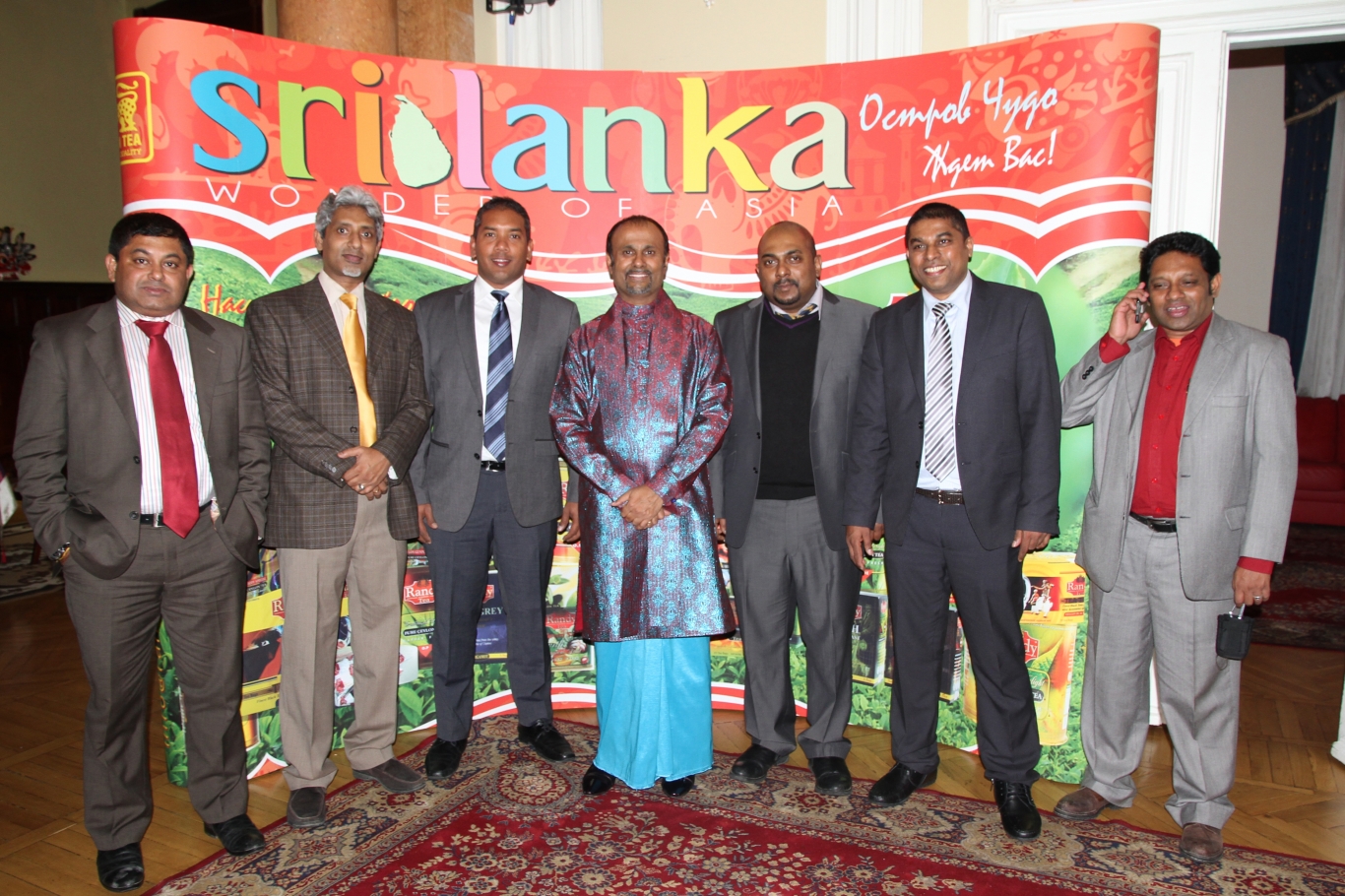
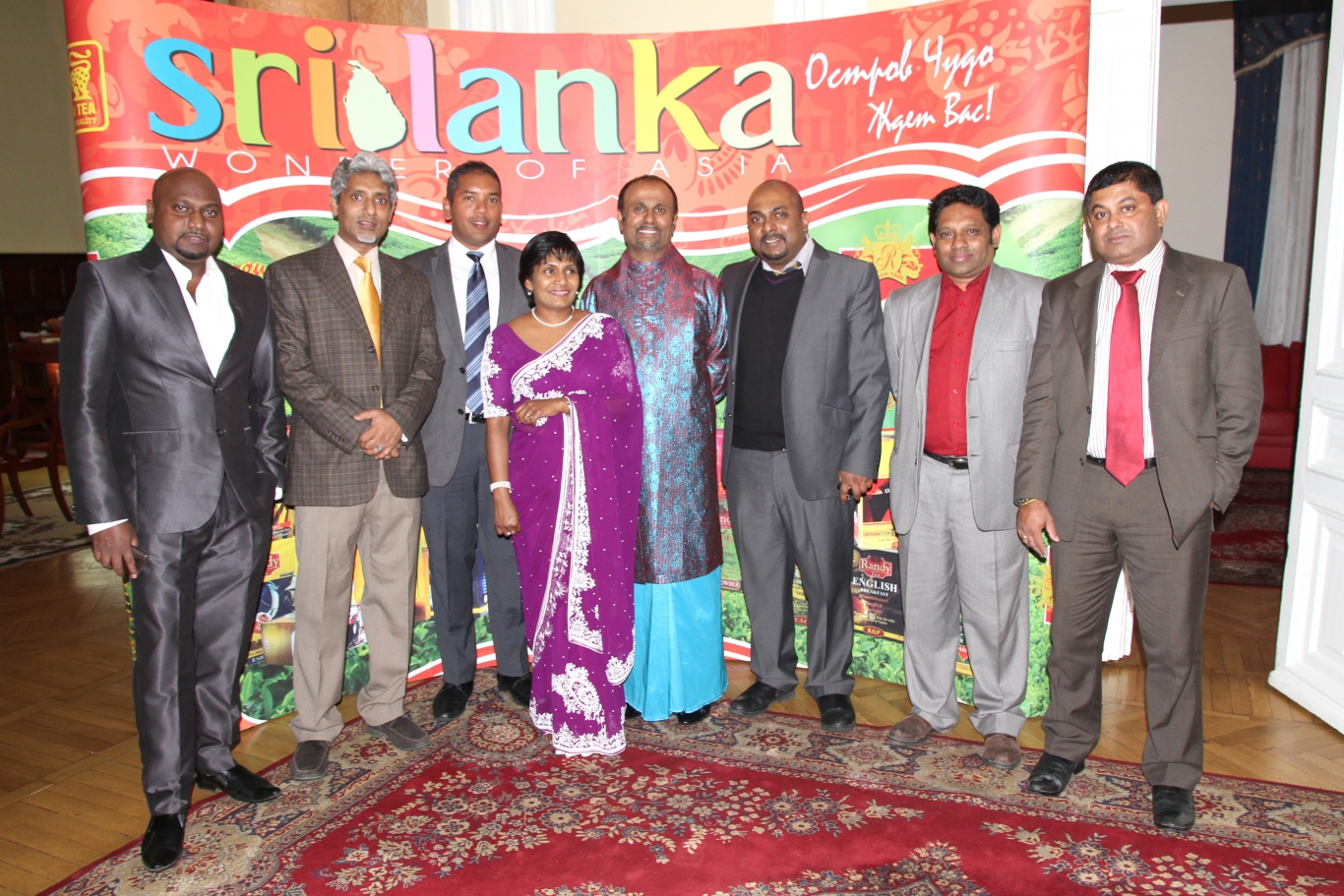
Ambassador Udayanga Weeratunga organized a special farewell reception & amp; reception for the Sri Lankan participants of the PRODEXPO 2015 exhibition which was held in 9th Feb 2015 in Moscow. 14 Sri Lankan companies especially tea companies participated this exhibition. Also Sri Lankans living in Russian Federation participated this reception. Approximately 65 people attended the event, including the Embassy staff, representatives and Sri Lankan community in Russia.
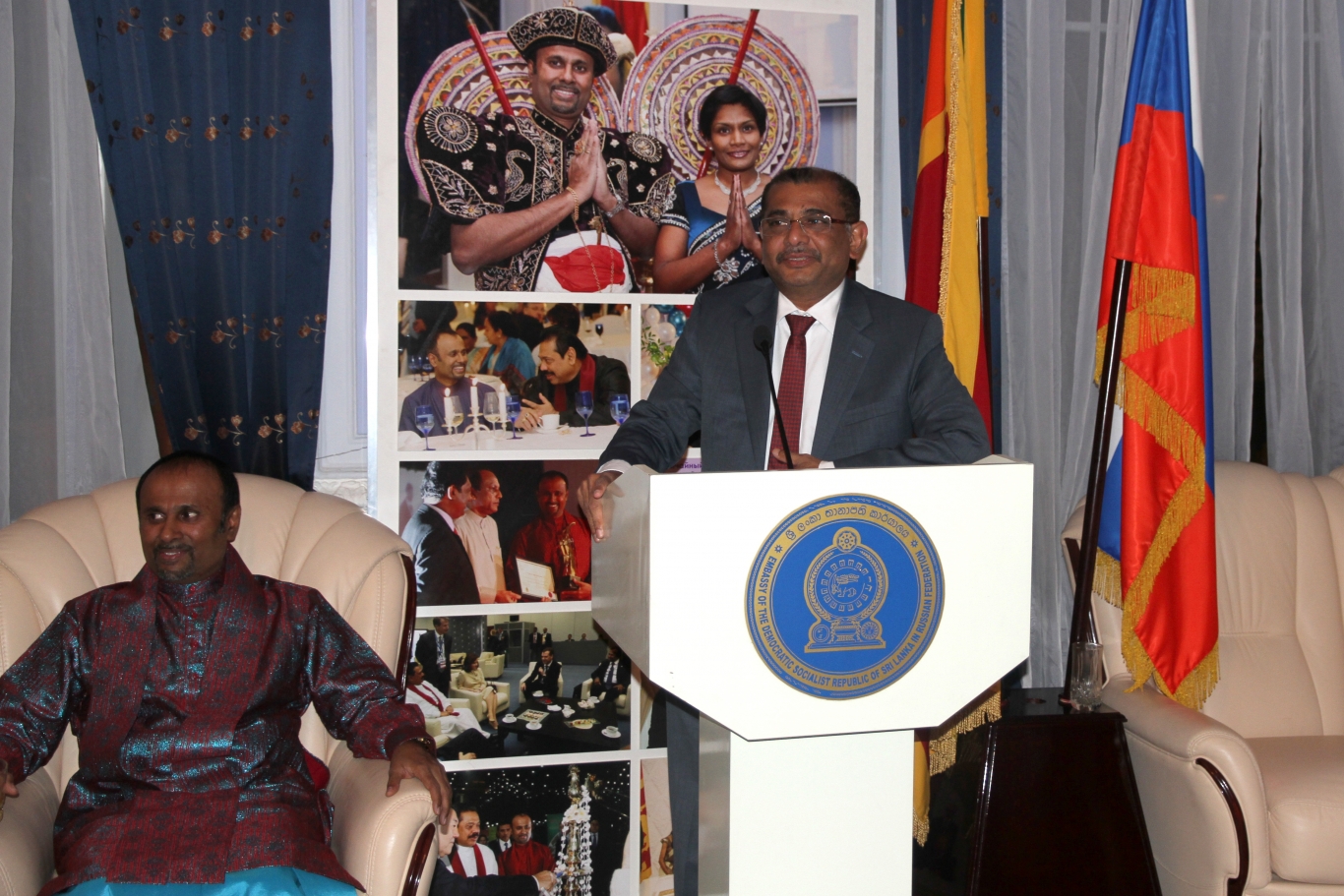
On this occasion Ambassador Udayanga Weeratunga addressing he mentioned that to popular Ceylon Tea brand in Embassy is always ready to assist any necessary help for the importing companies. In his speech, the Ambassador emphasized embassy staff’s experience and contribution toward strengthening the cooperation between Sri Lanka and Russia. During service from June 2006 to February 2015 Ambassador Weeratunga executed many activities aimed at increasing Tourism, Ceylon Tea, Military cooperation, Diplomatic relation between the two countries, including the education and training of Sri Lankan defence personnel. The Ambassador, meanwhile hoped that the good cooperation between the two countries would continue to be upgraded in the future. Also he explained the current situation in Sri Lanka and how Sri Lanka re-build the economy and the development in Sri Lanka after the new government.
The speech in return, SriLankans living in Moscow expressed him gratitude for support, assistance from Embassy. Great appreciation was expressed to the Ambassador of Sri Lanka Udayanga Weeratunga and Madam Uma Weeratunga, not only for support in embassy work but also for taking care as during their stay in Russia.
Madam Weeratunga organized special dinner with delicious Sri Lankan food and Ceylon Tea.

Related Images:

67th Independence Day Reception

67th Independence Day Reception

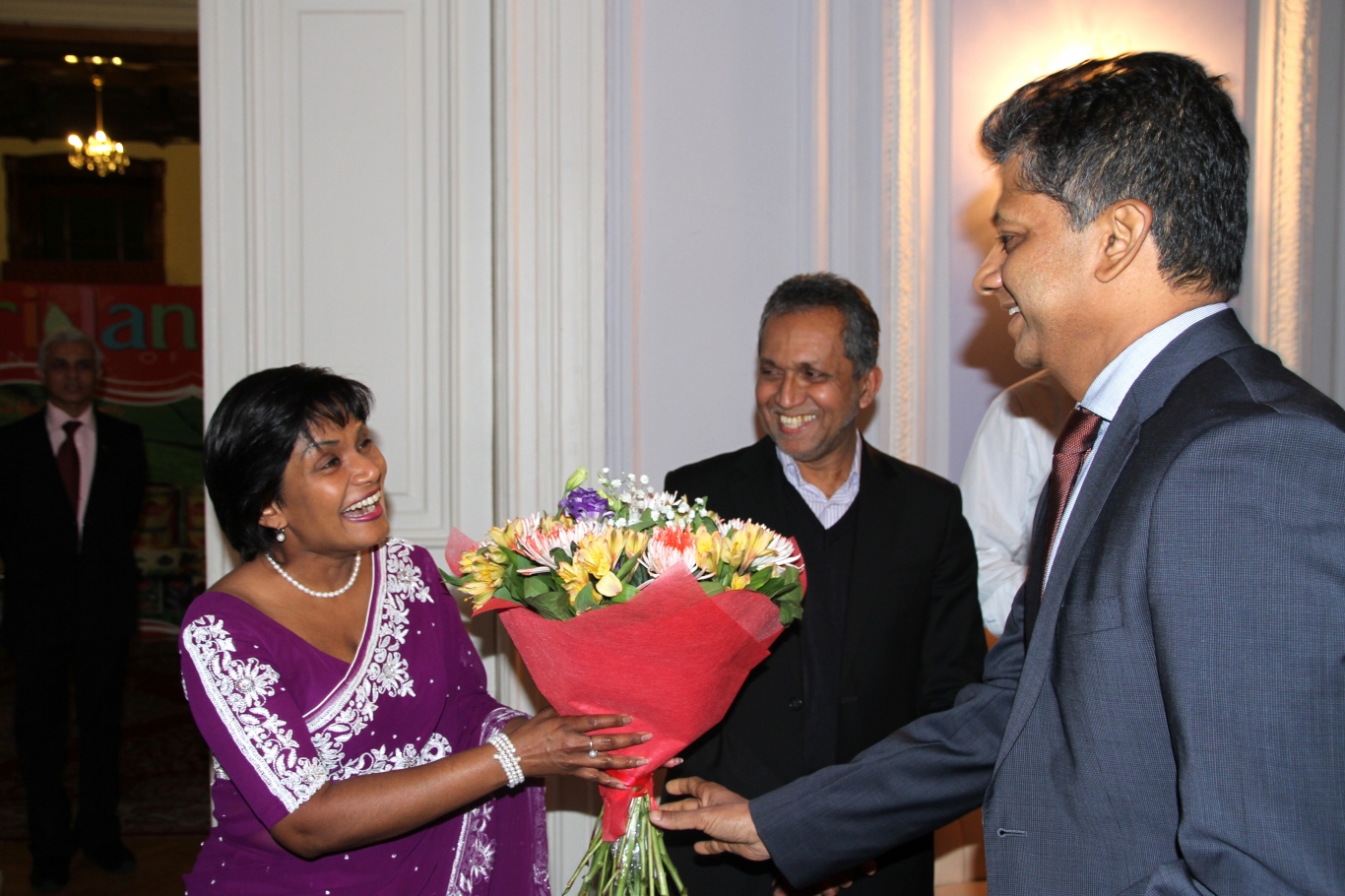
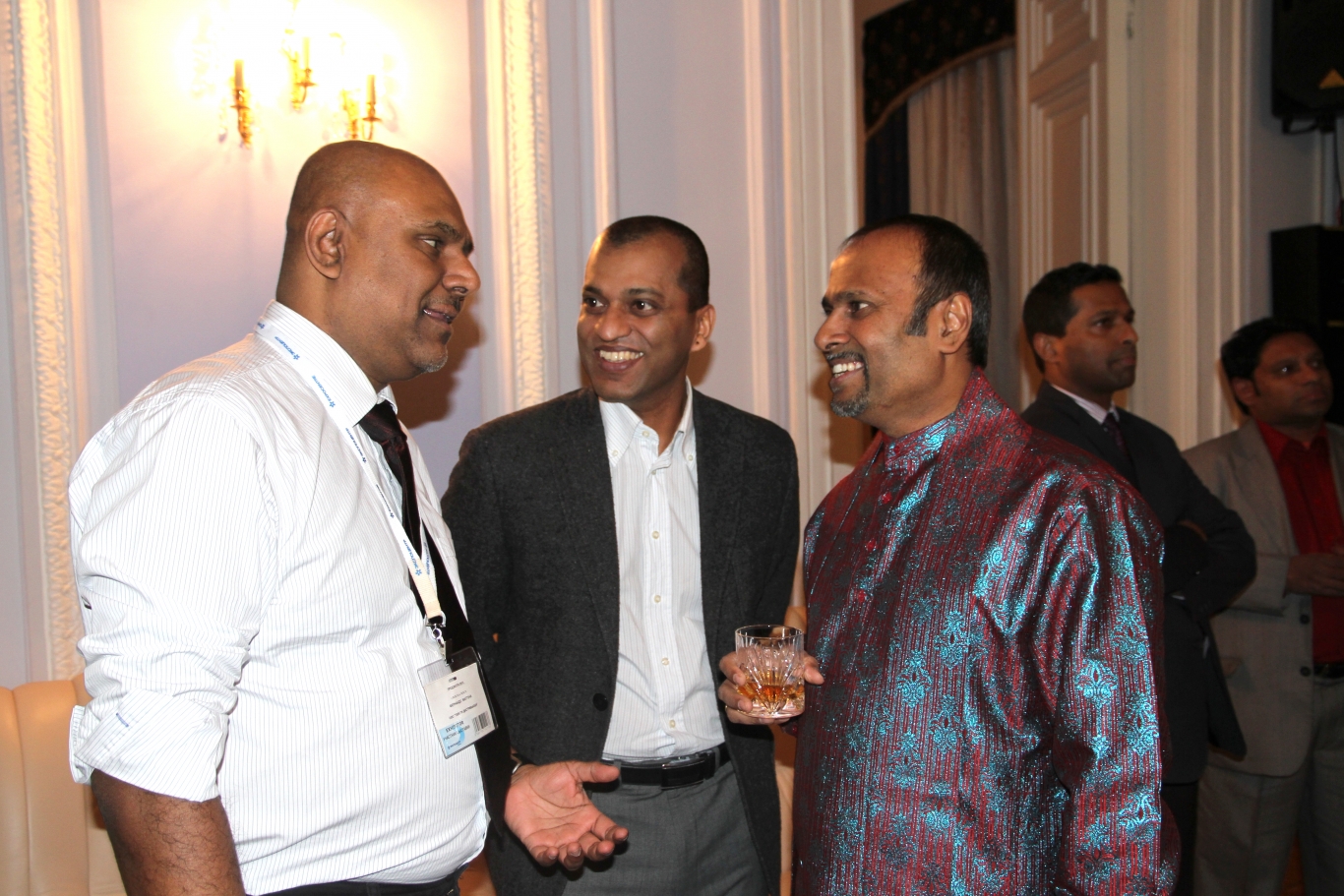
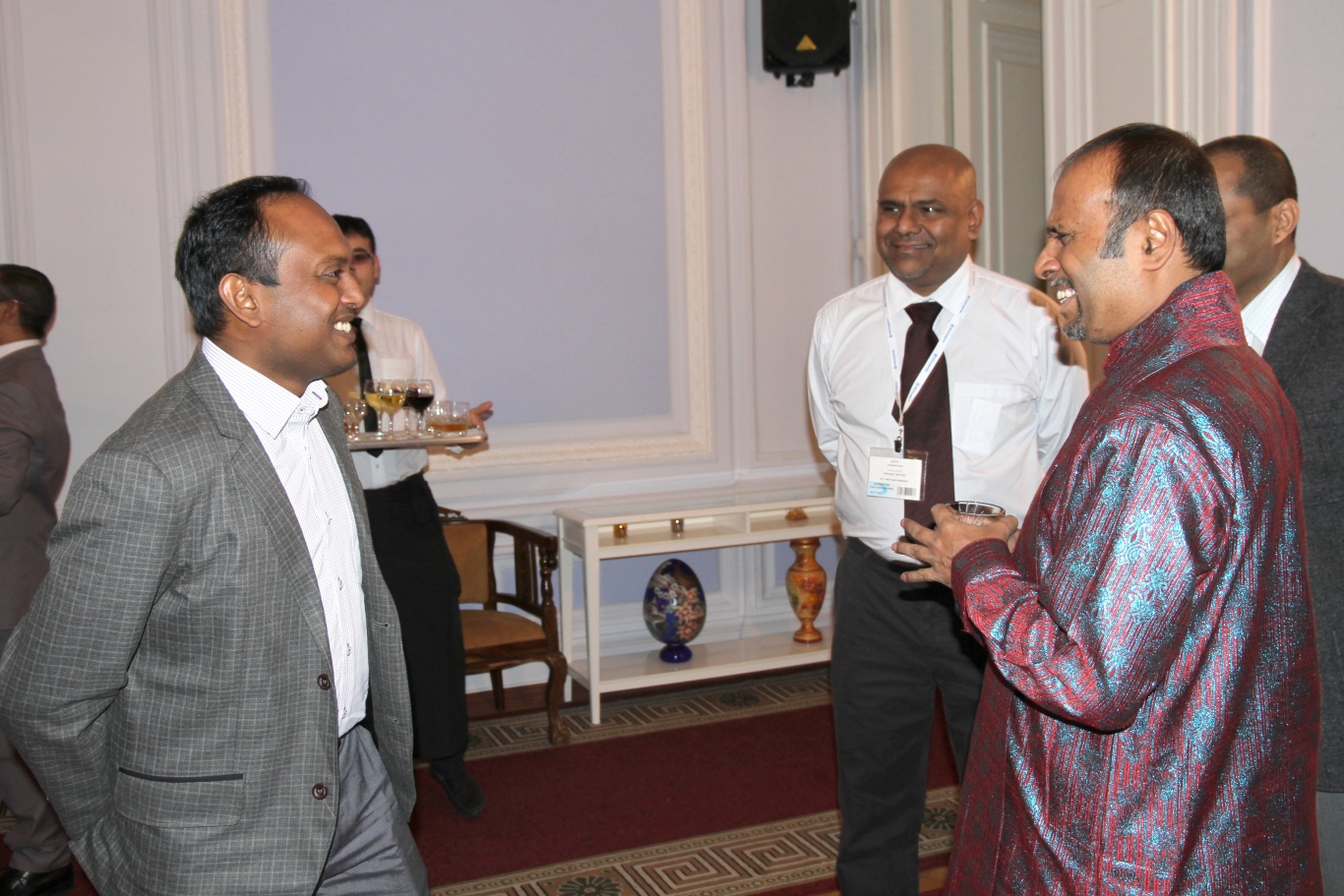
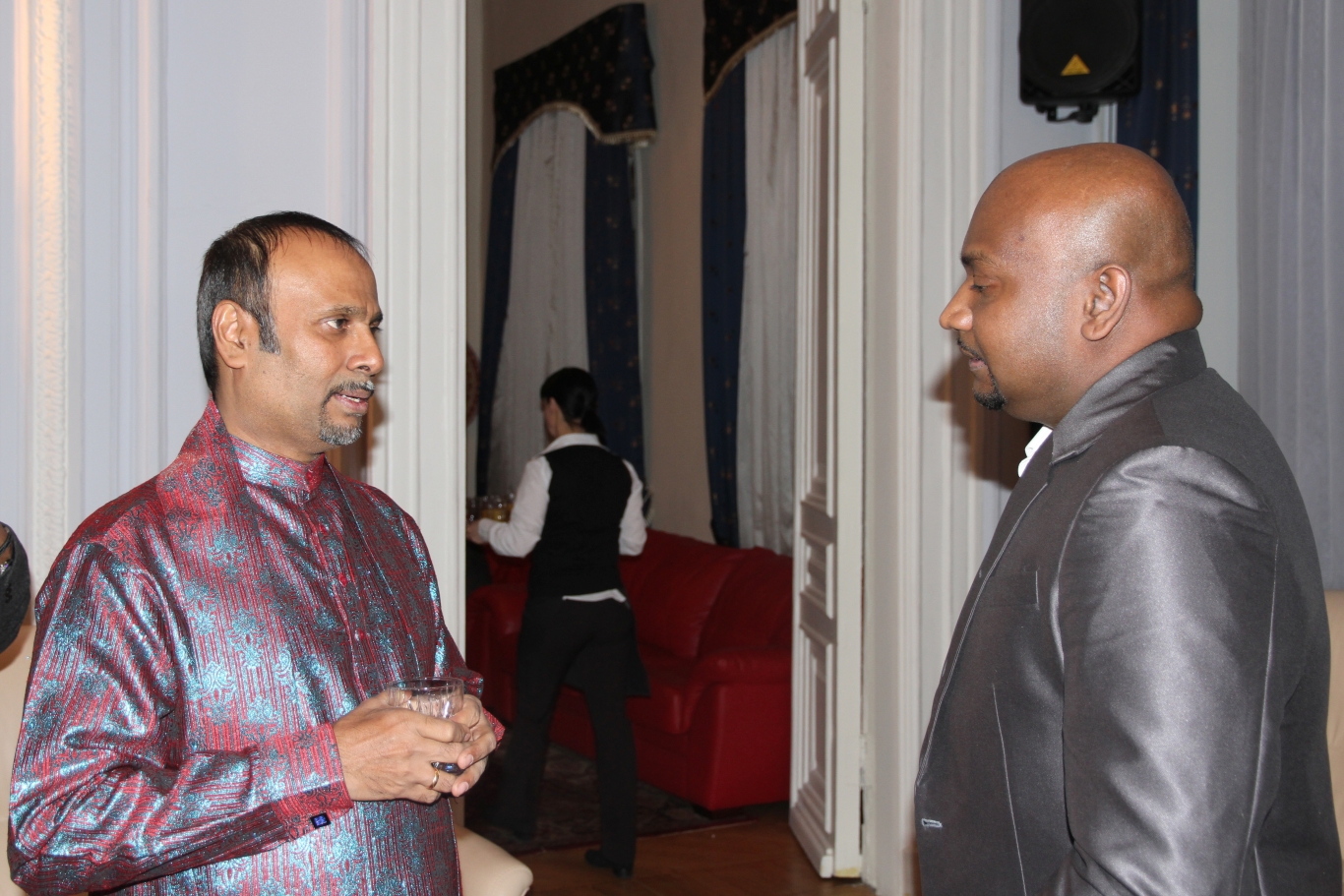
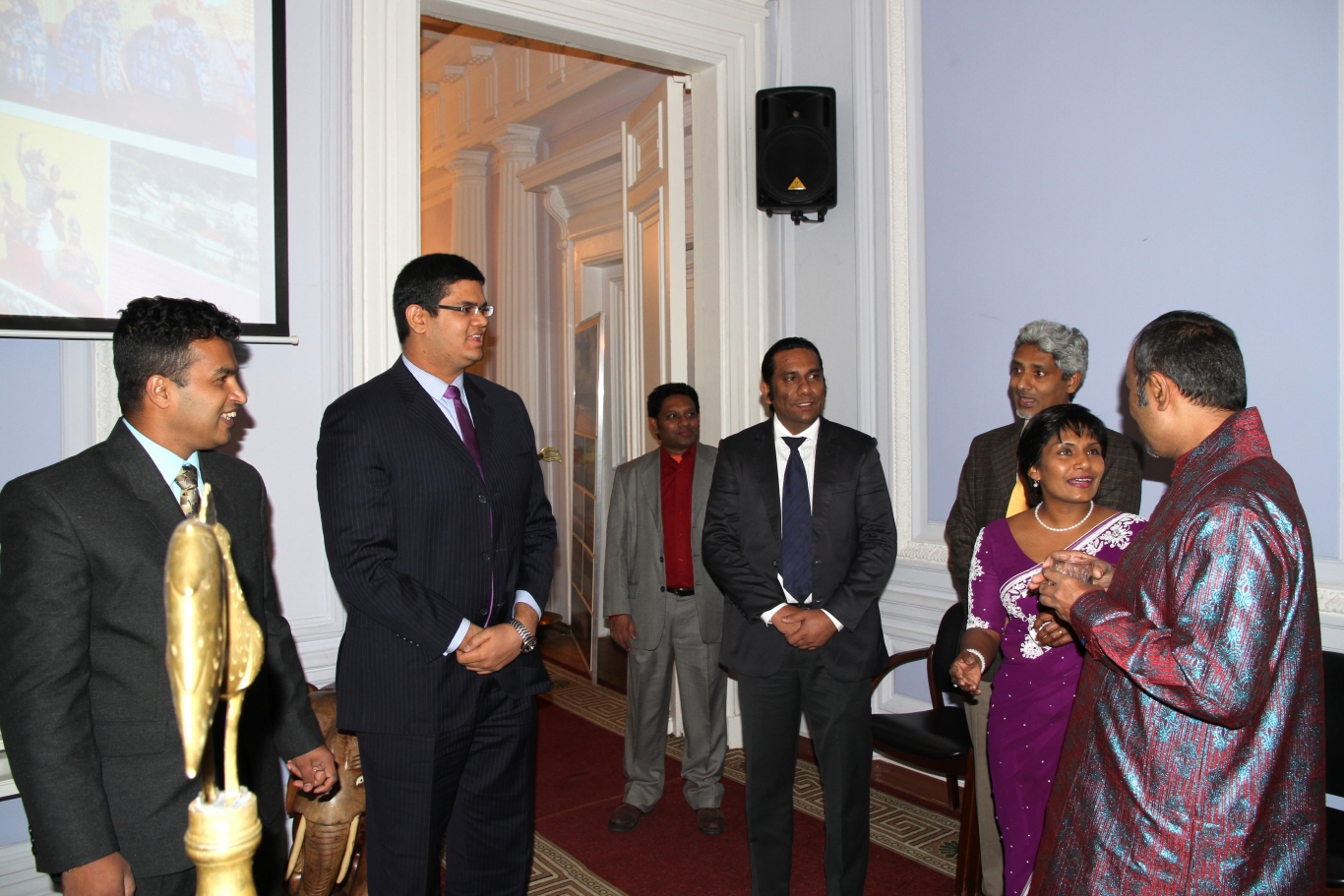
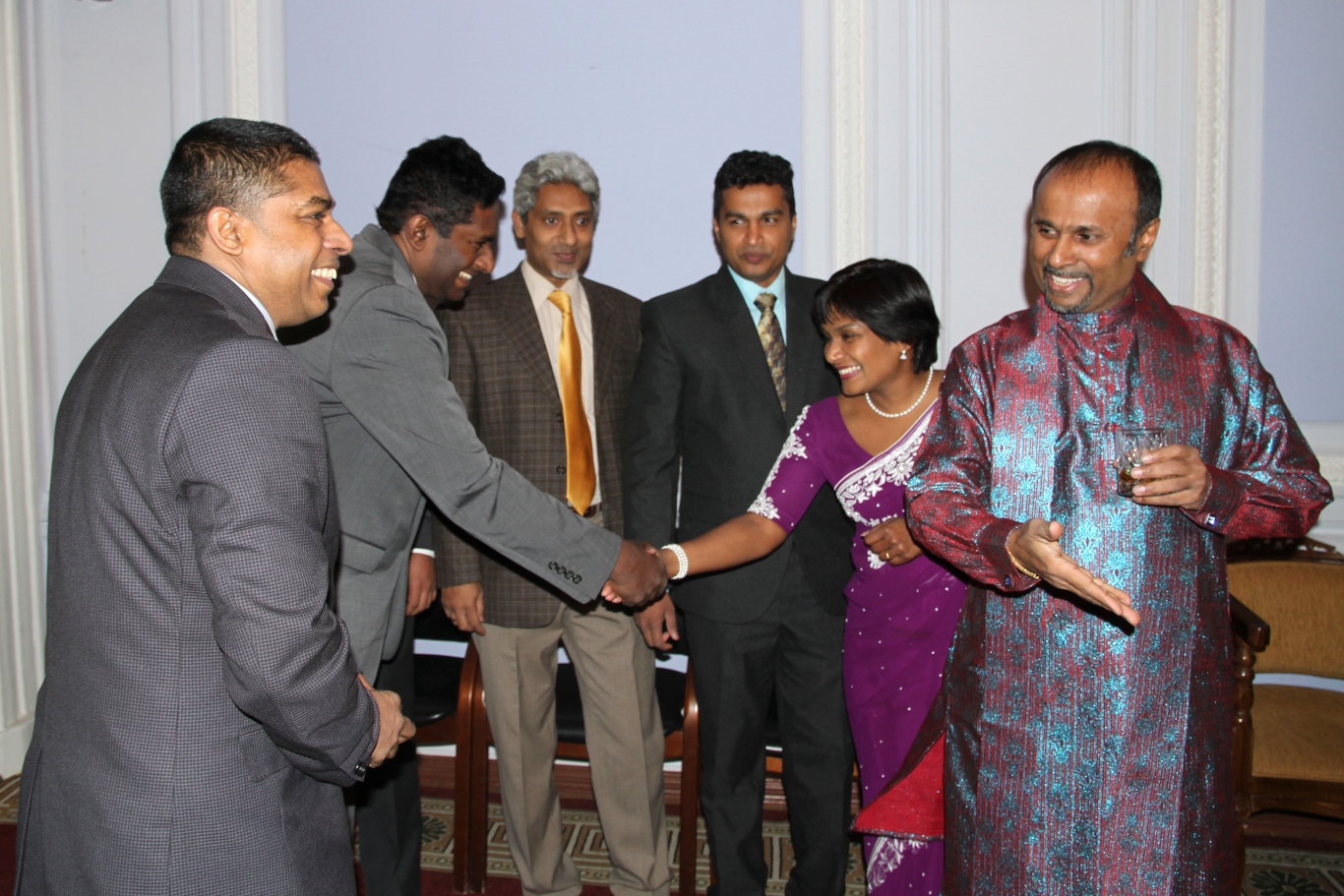
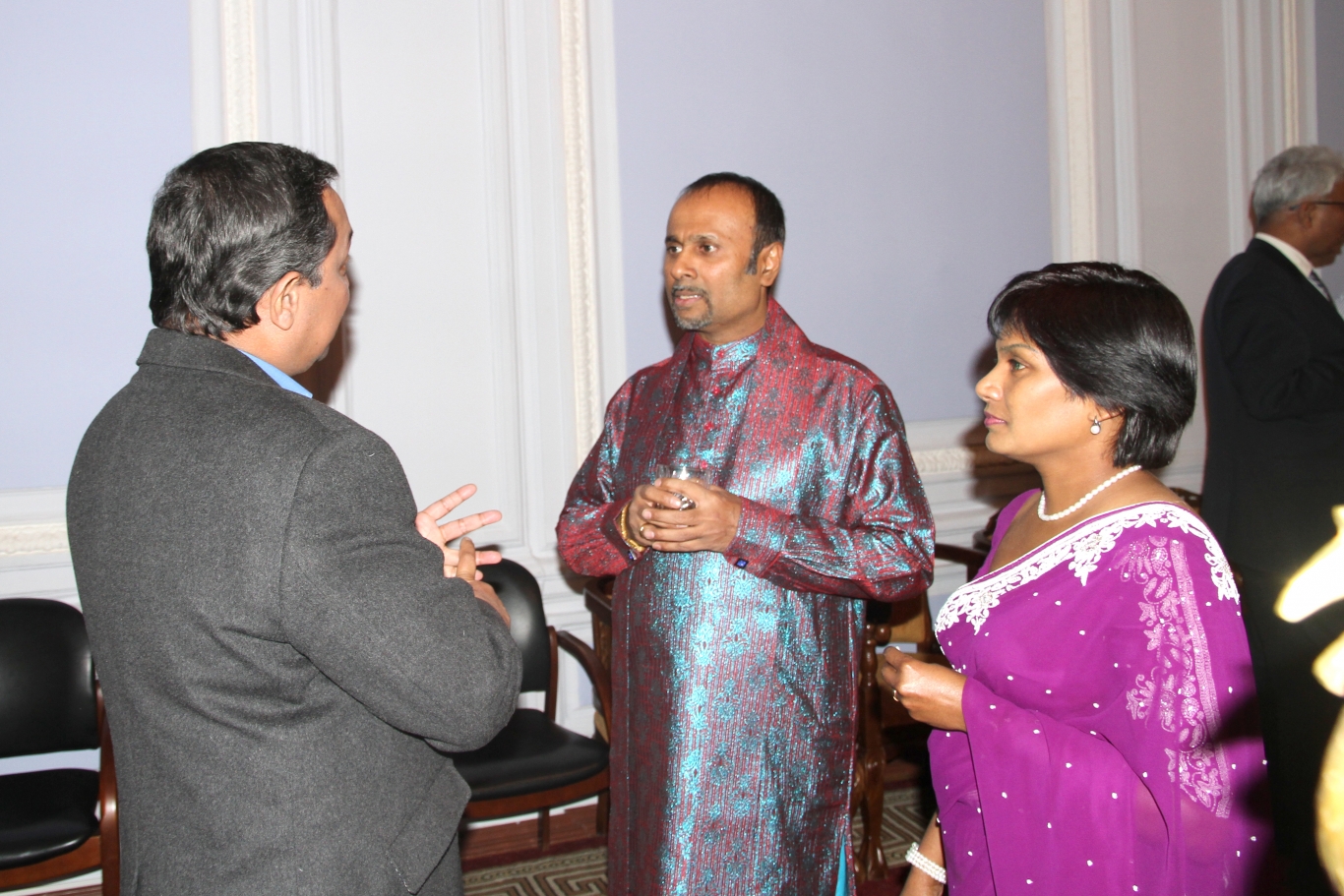
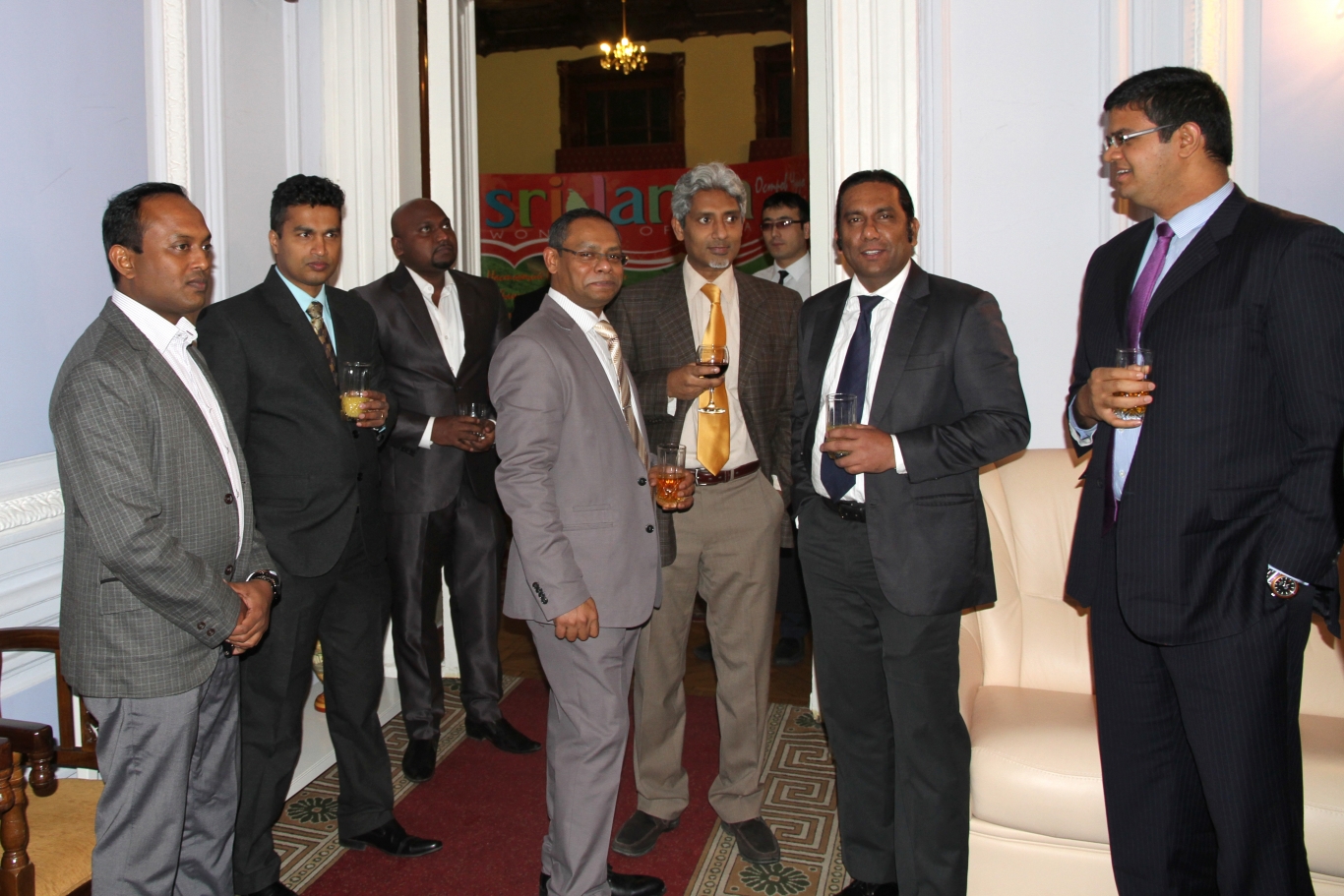
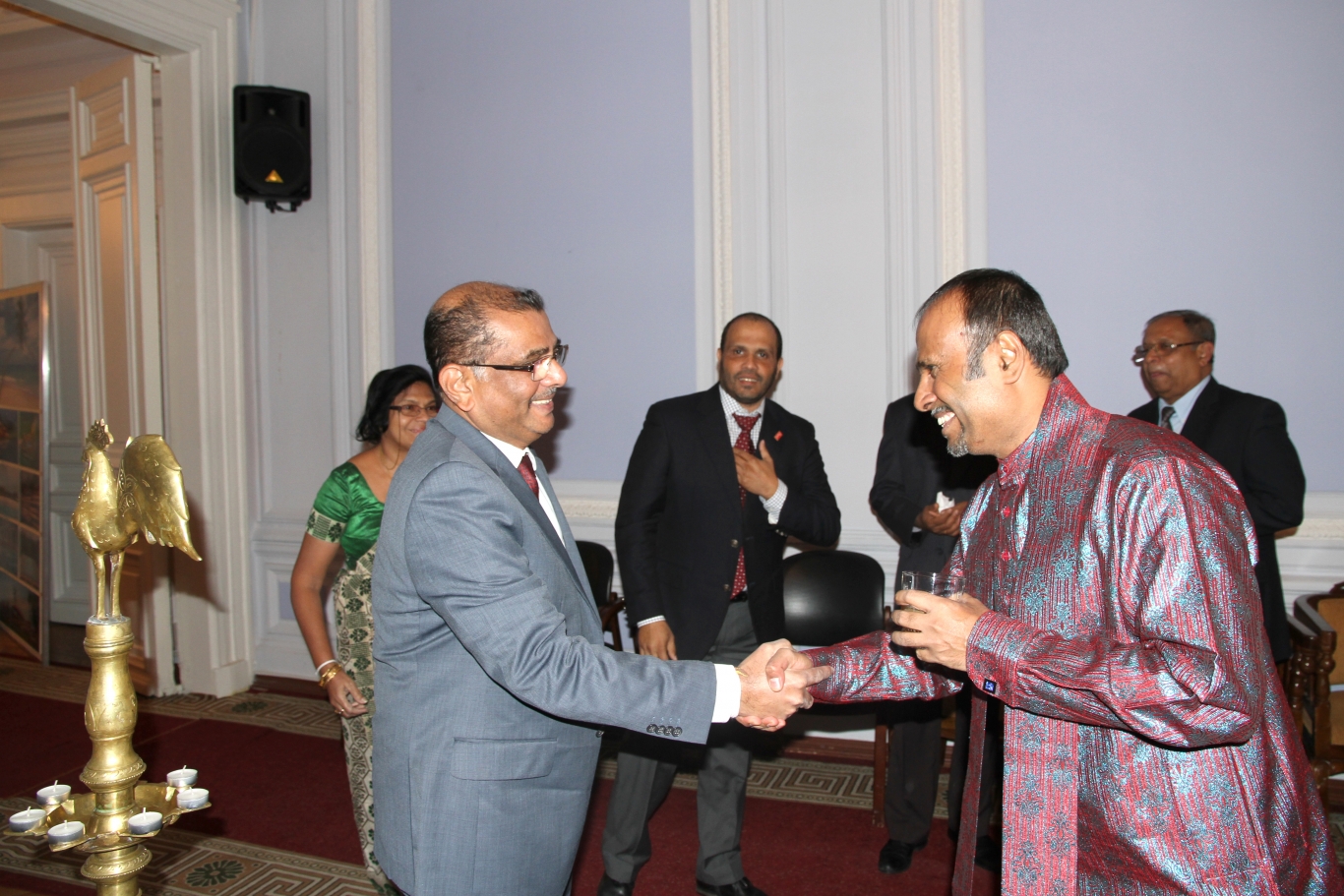
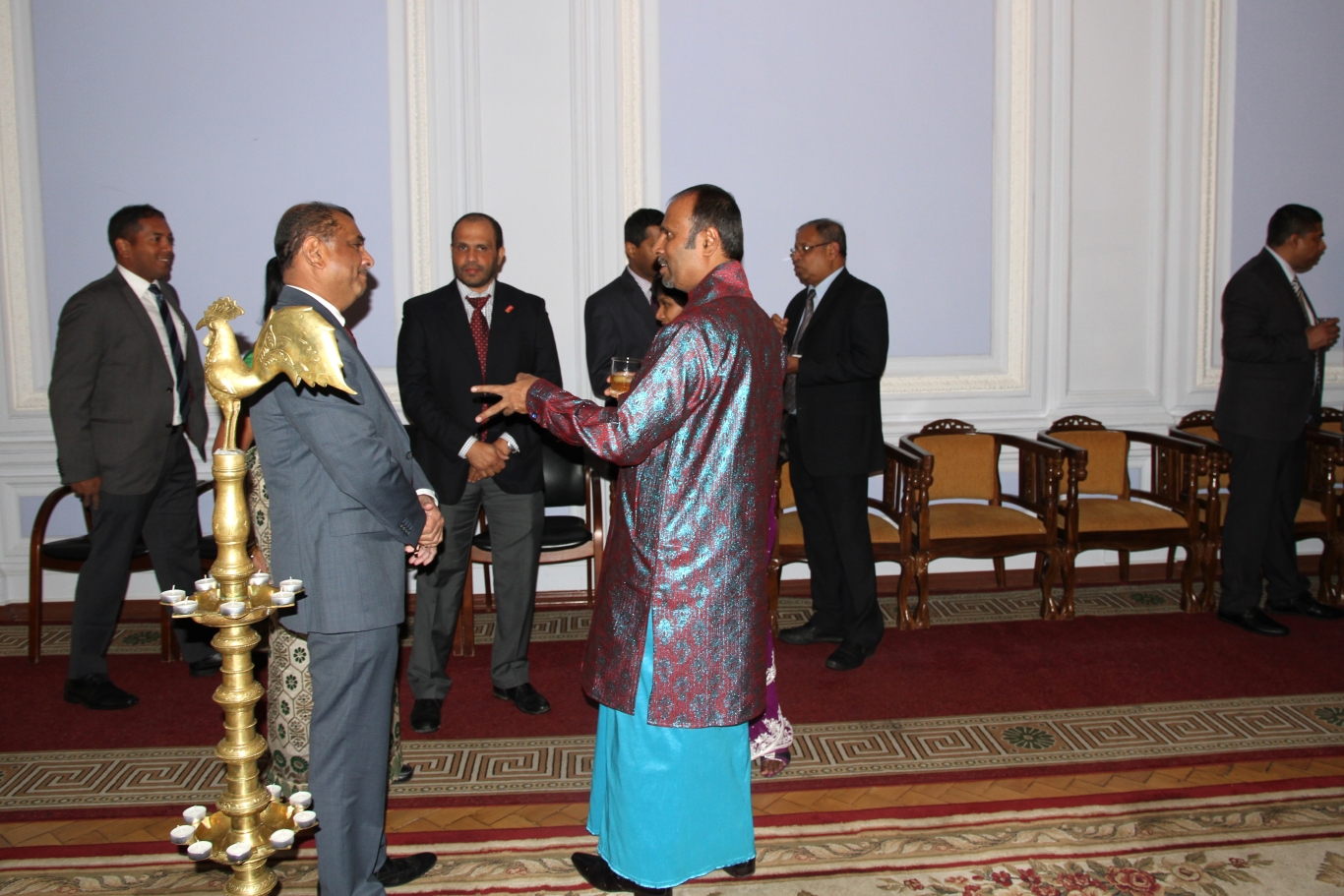
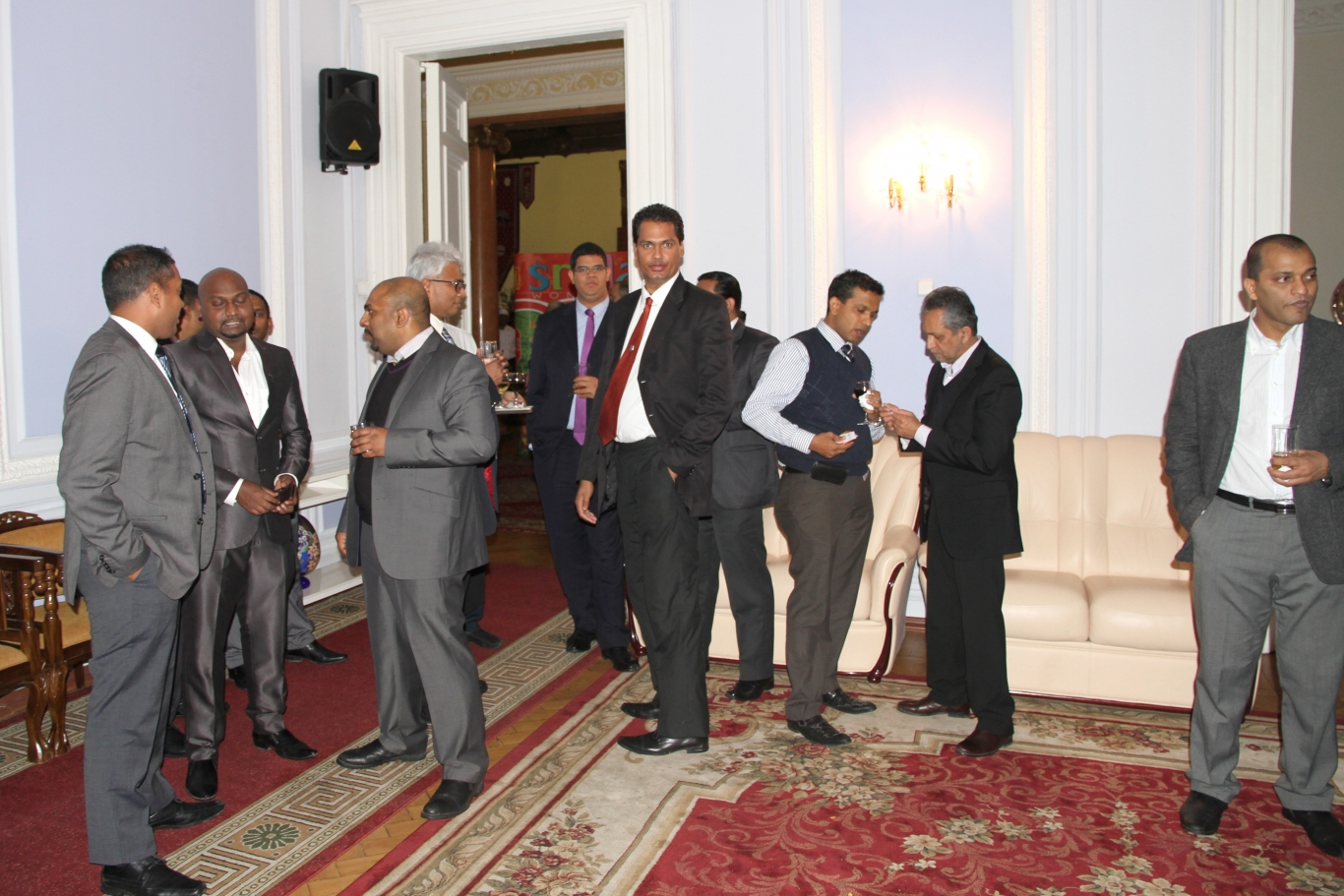
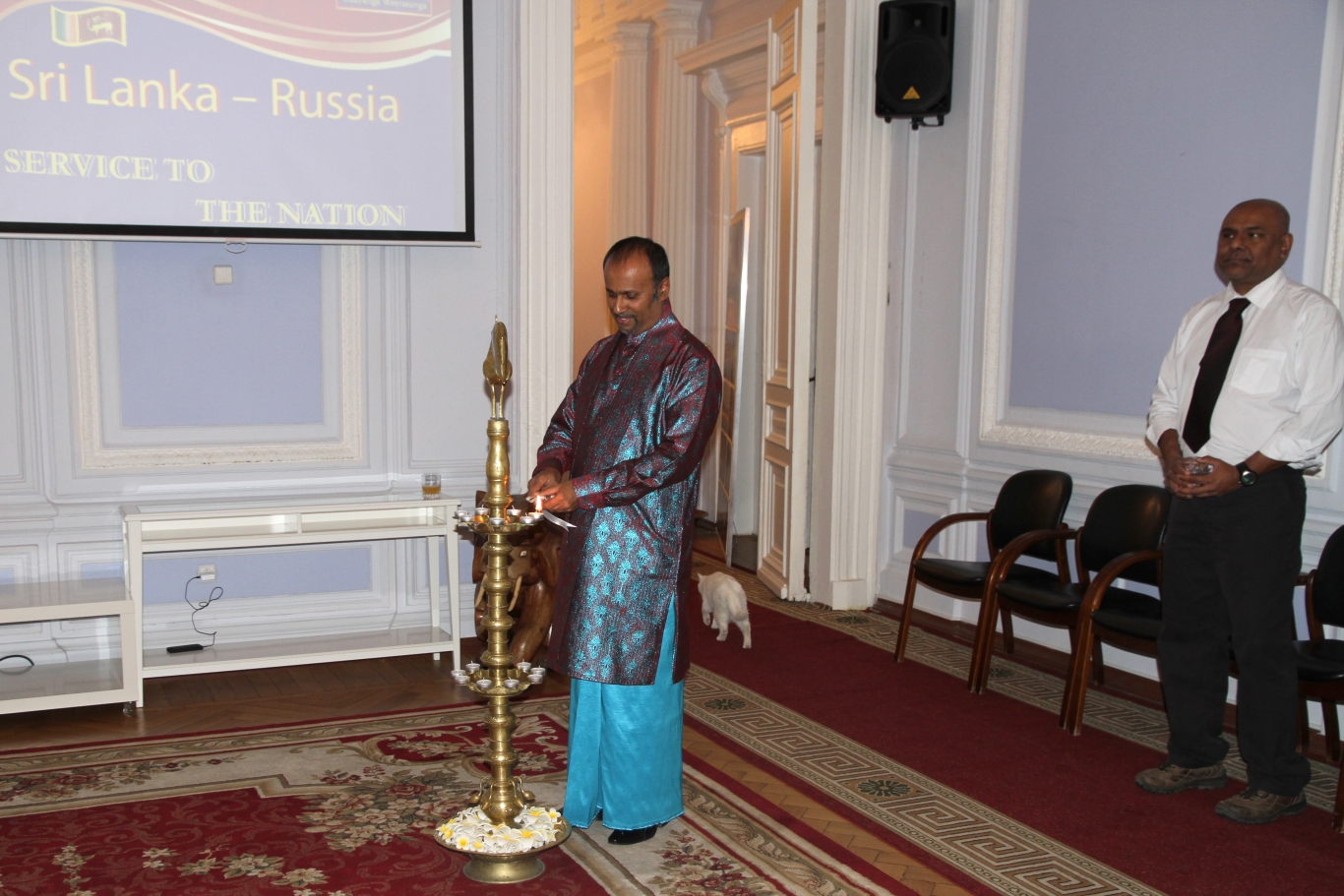
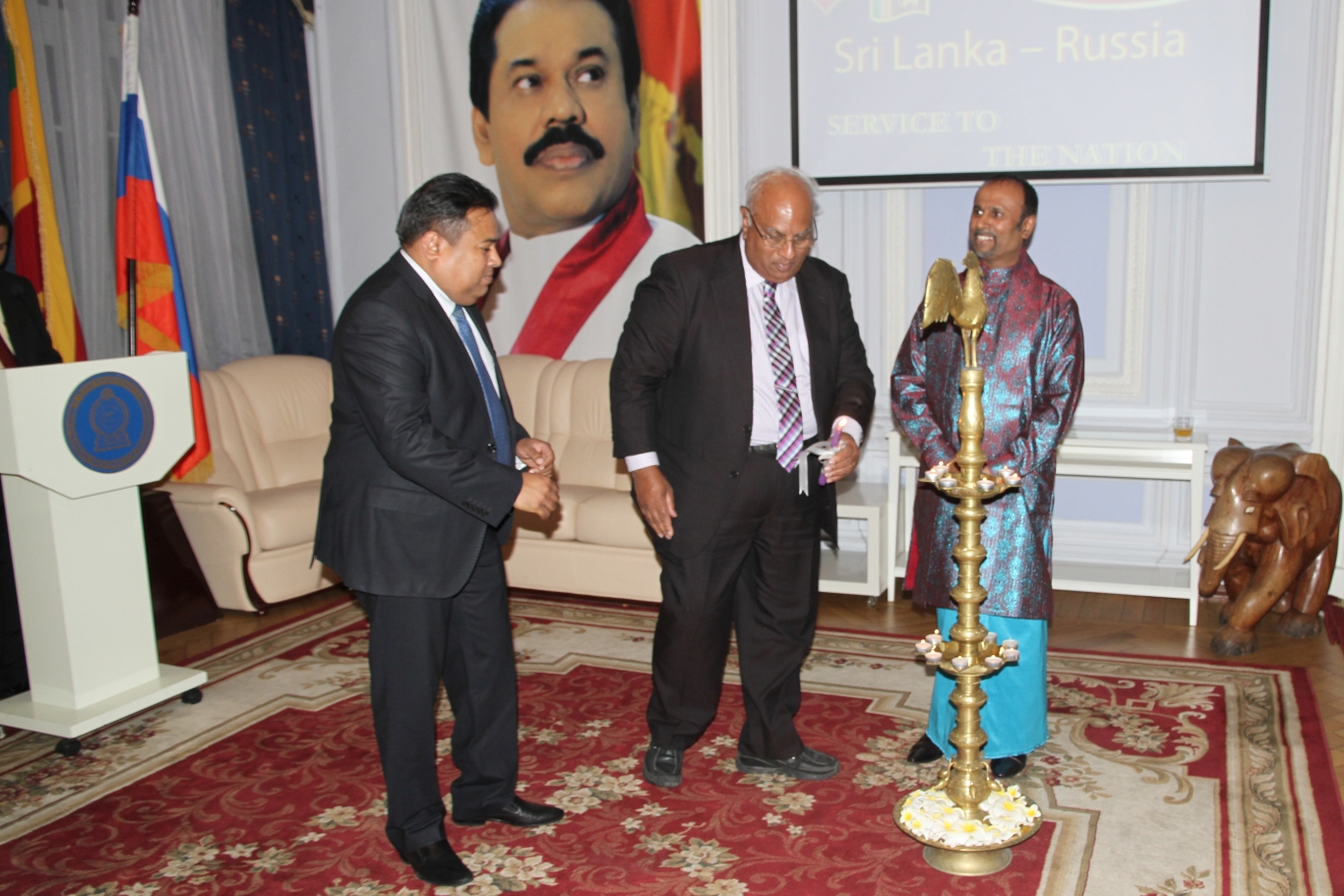
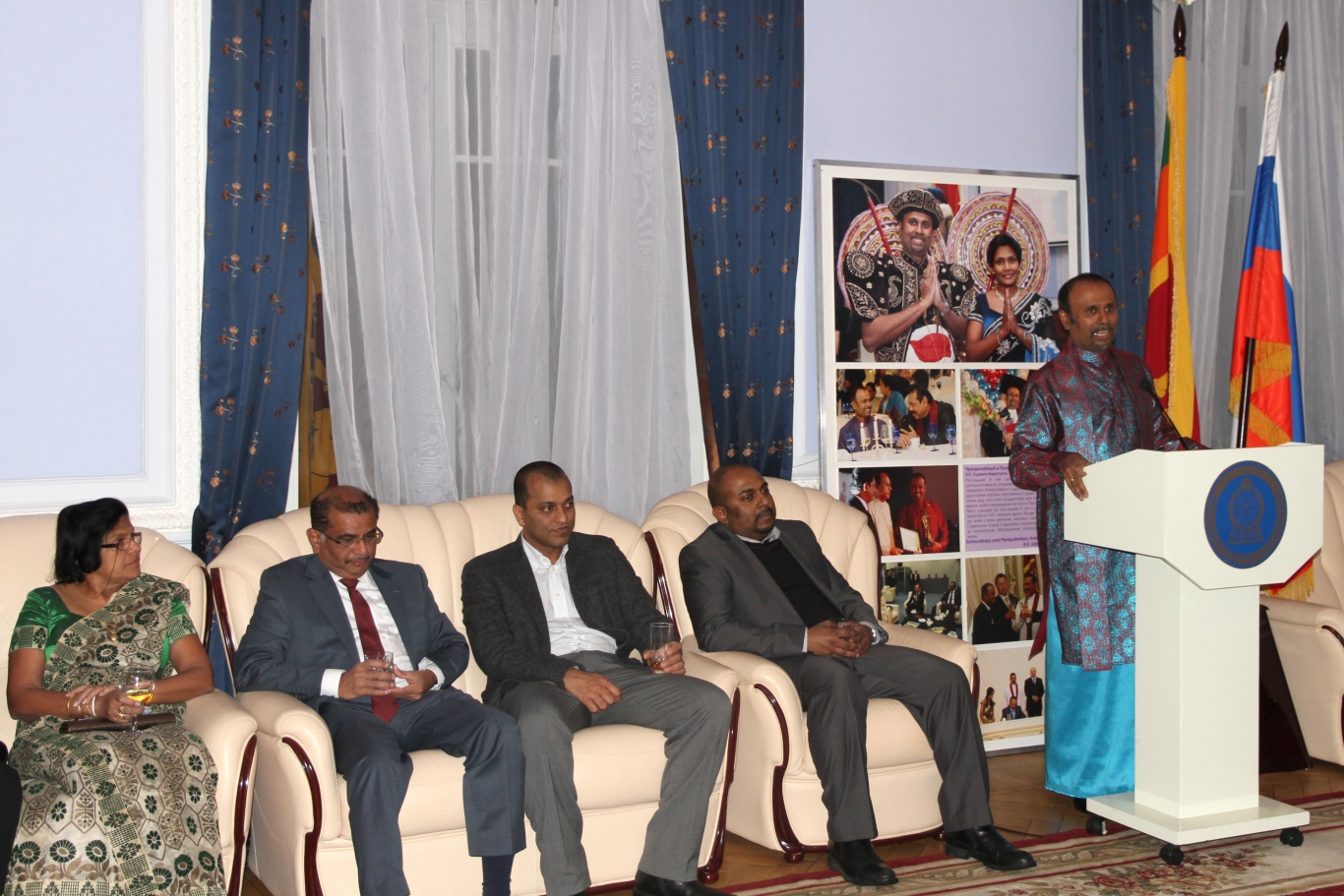
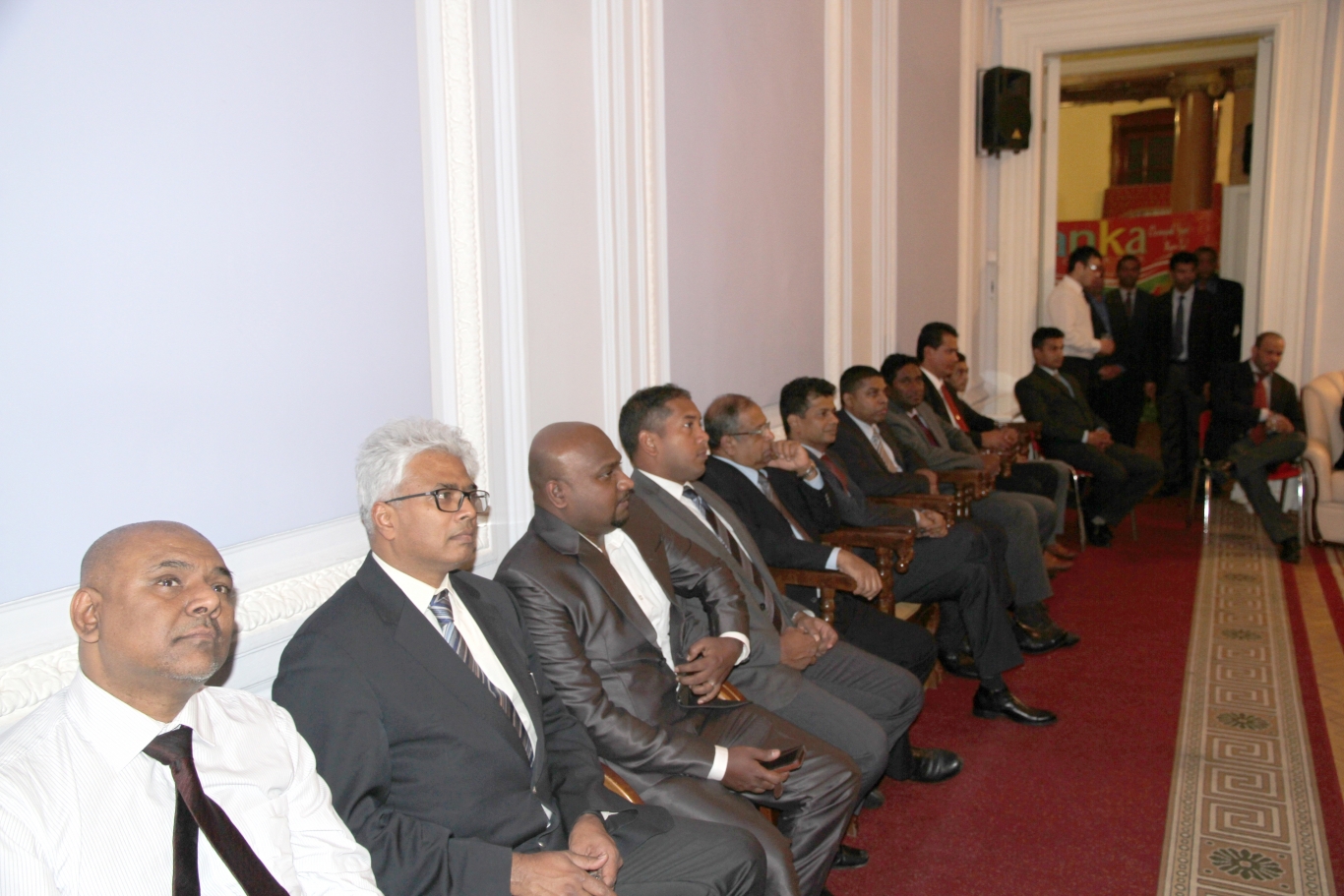
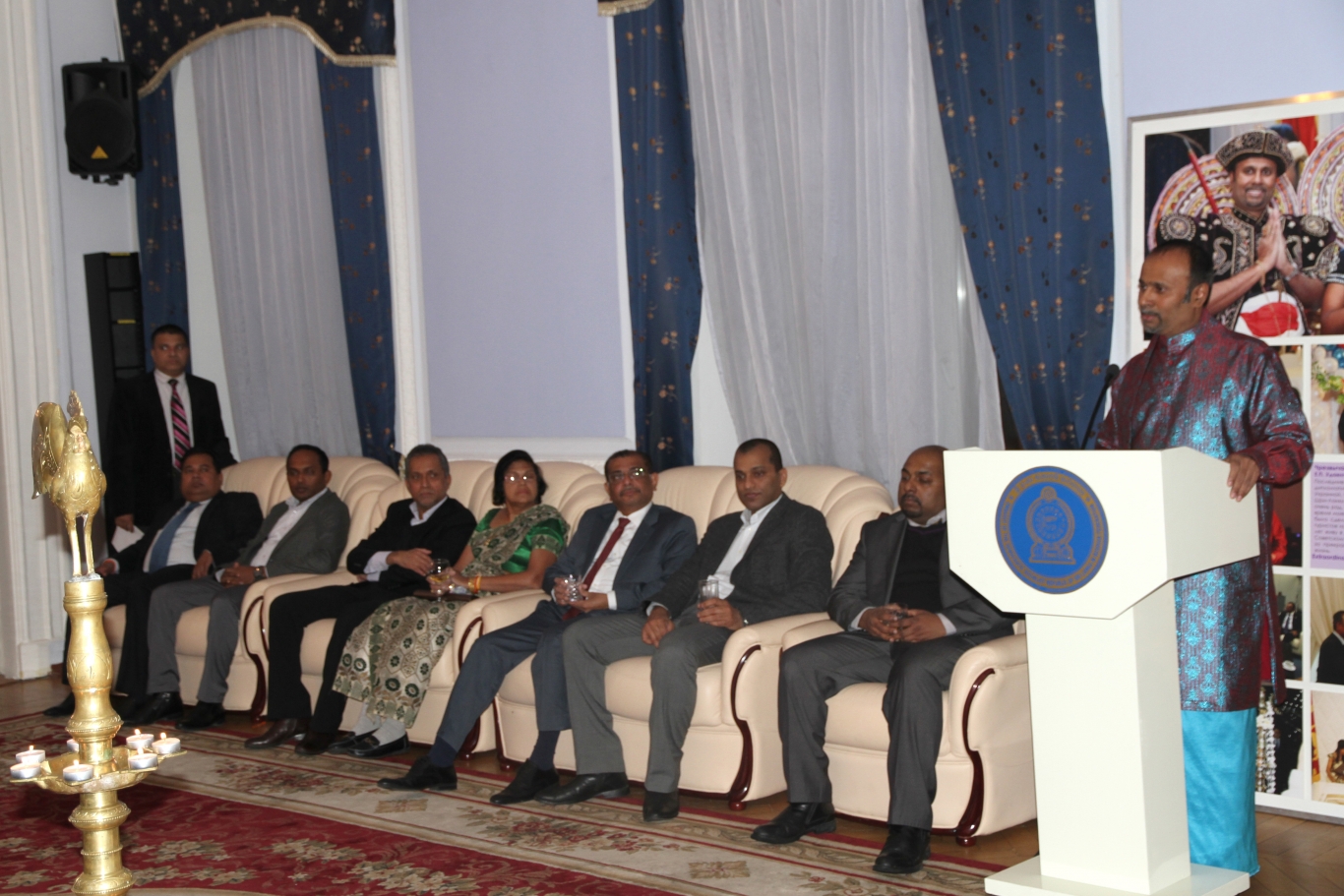
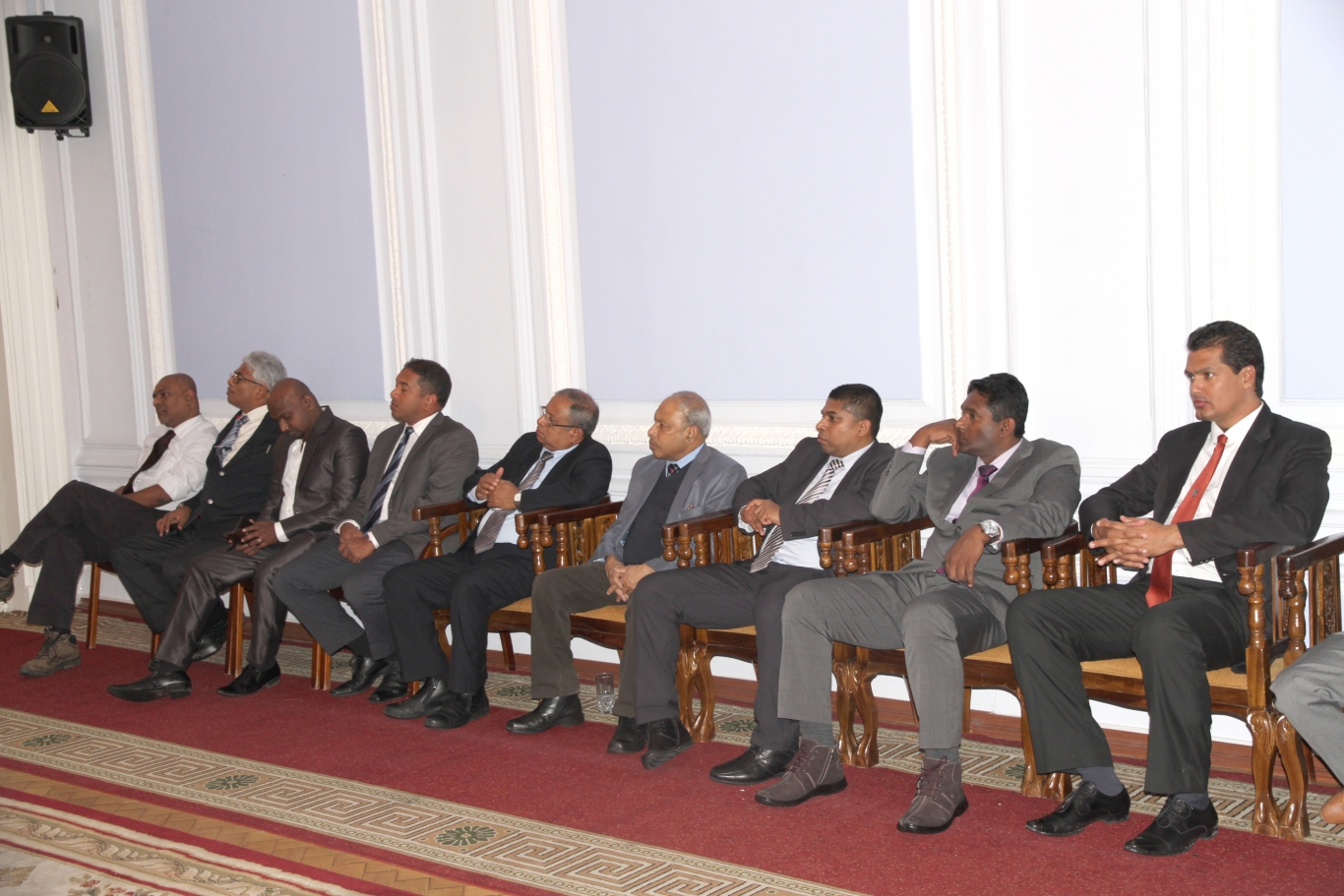
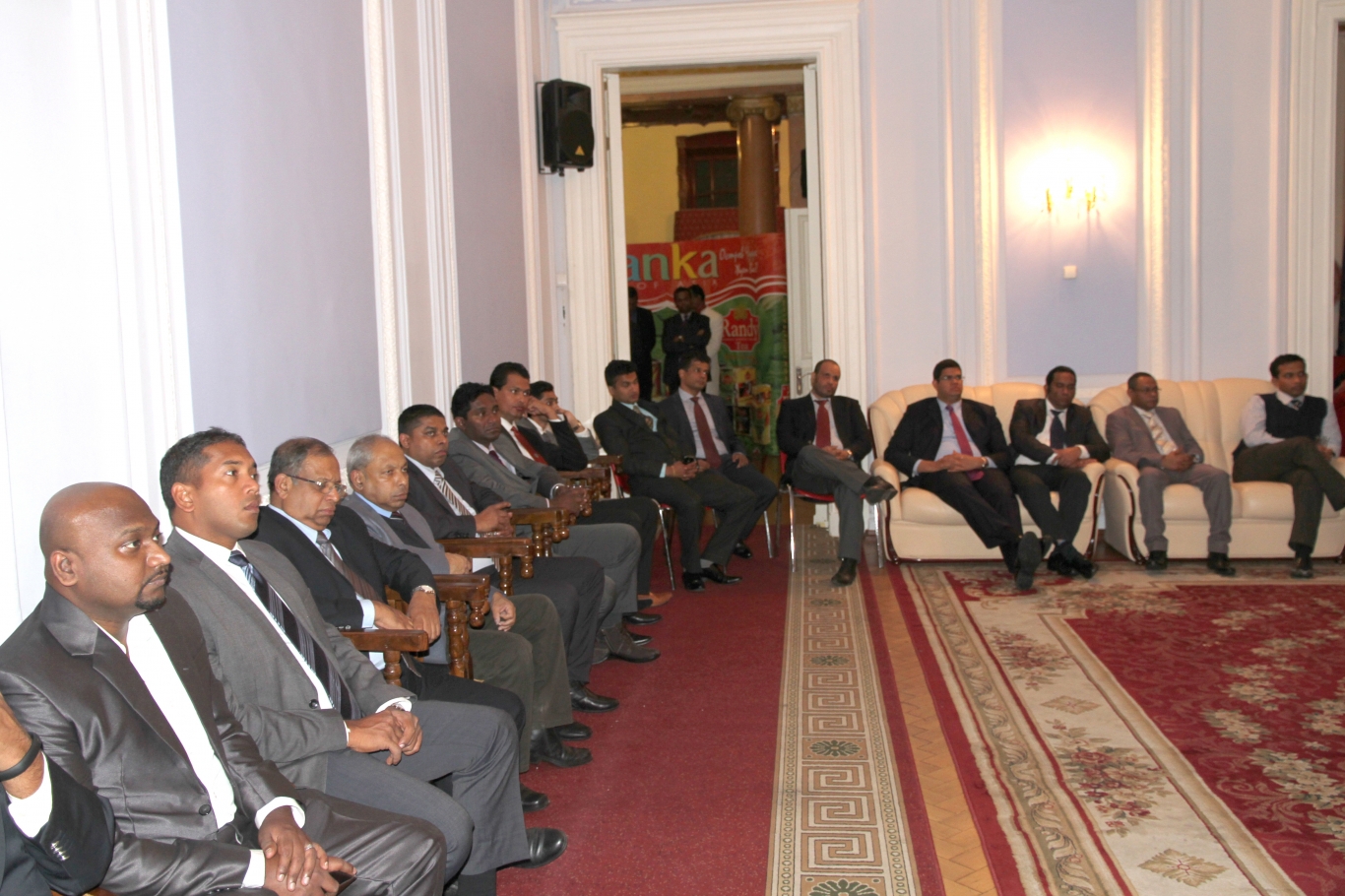
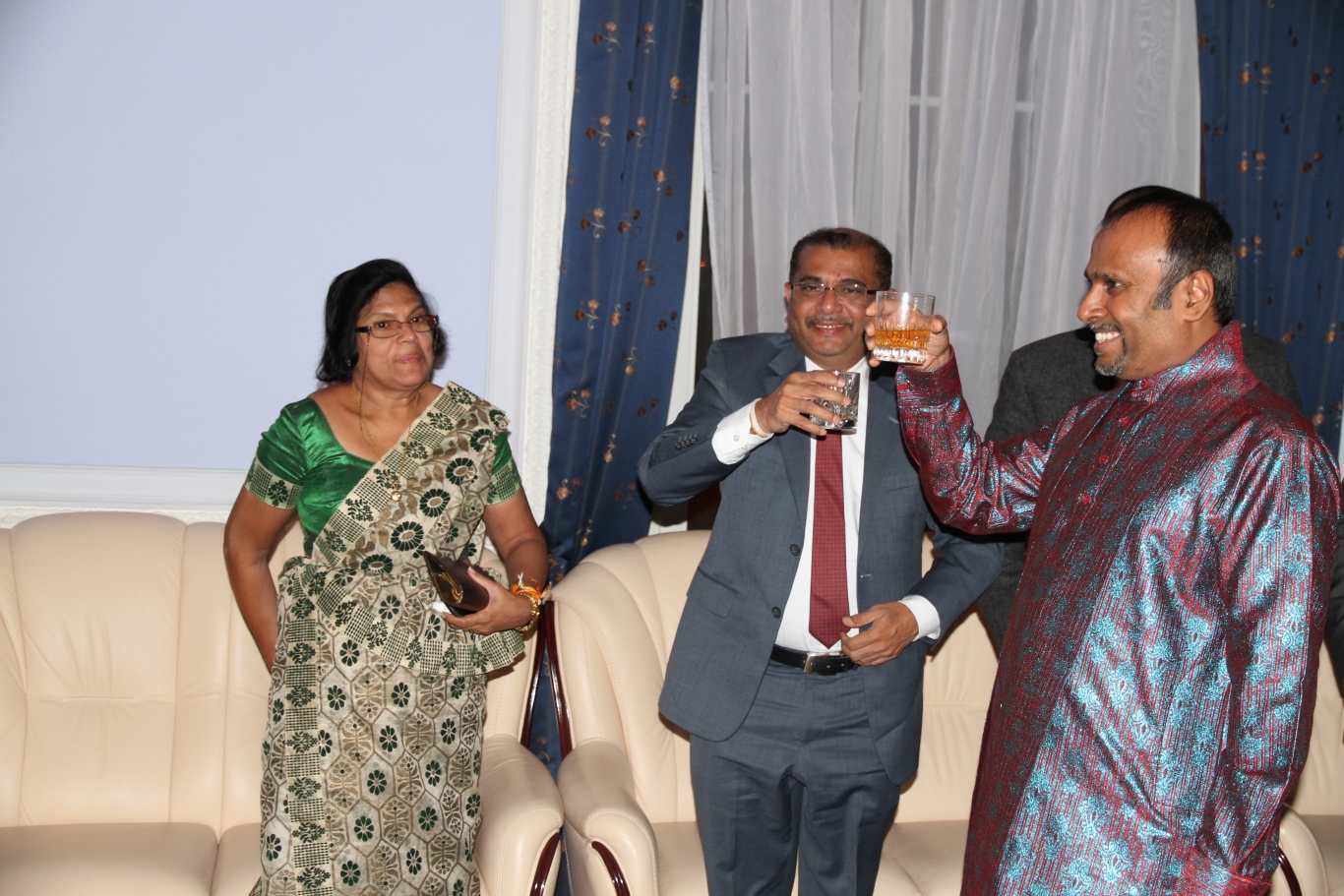
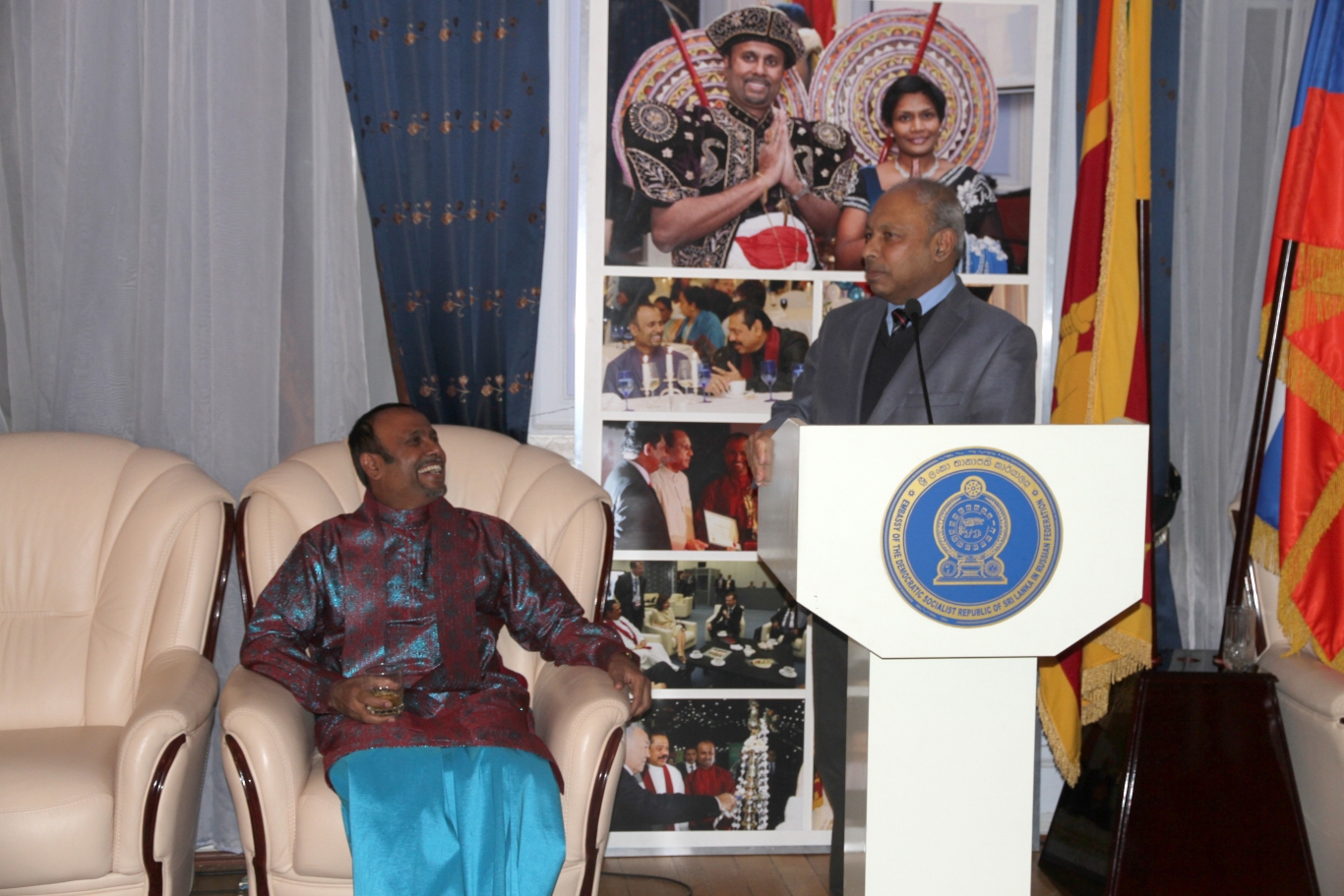
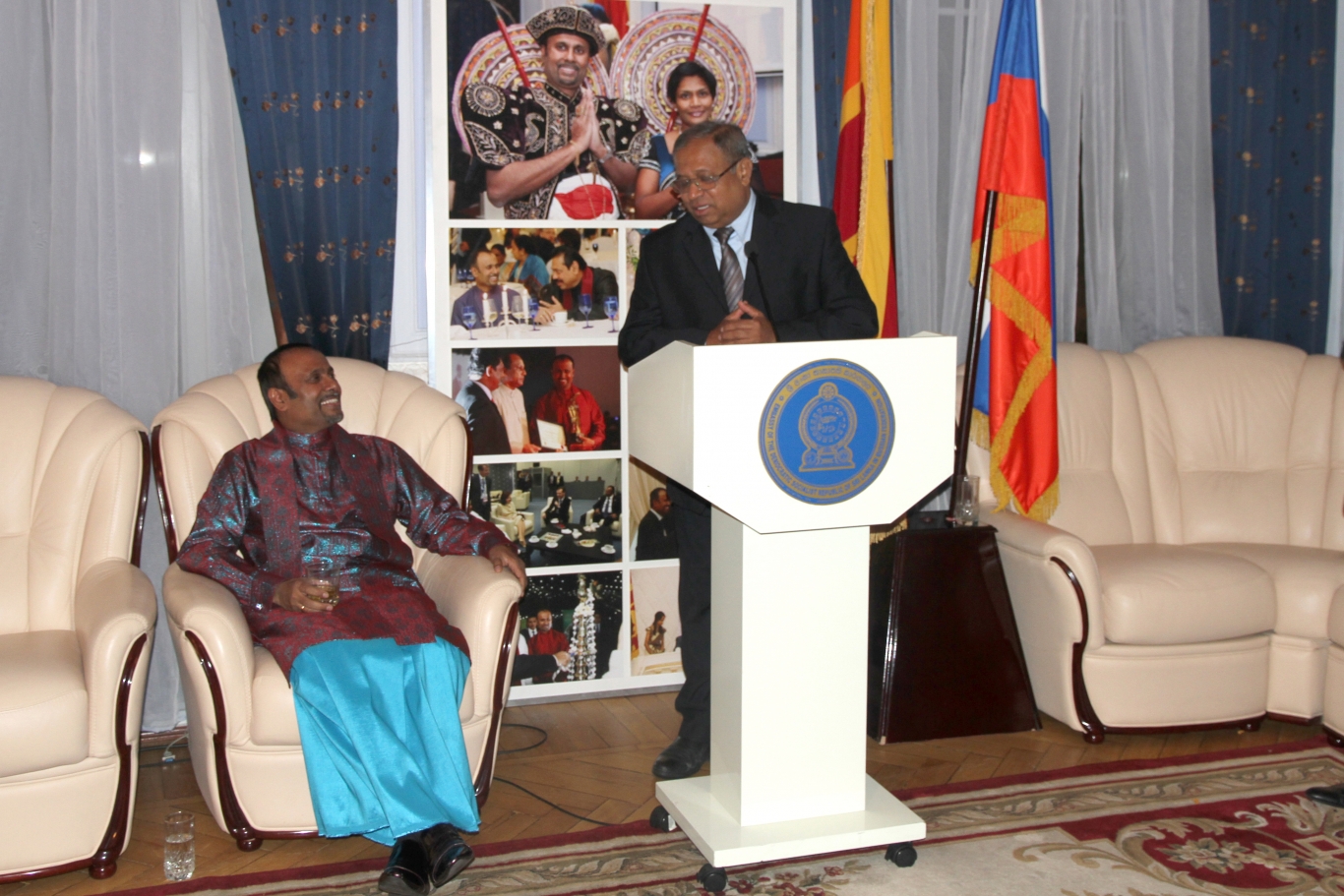
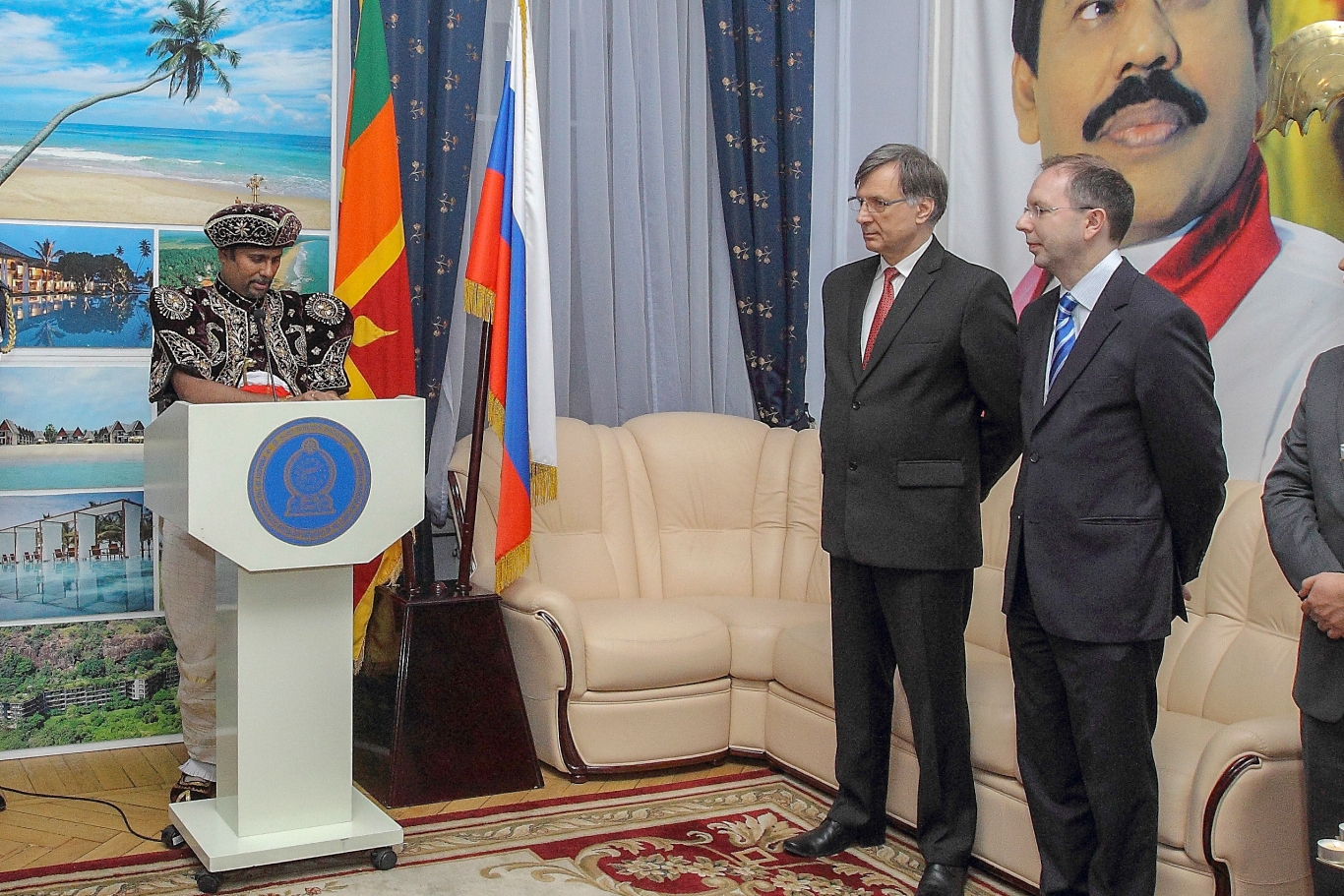
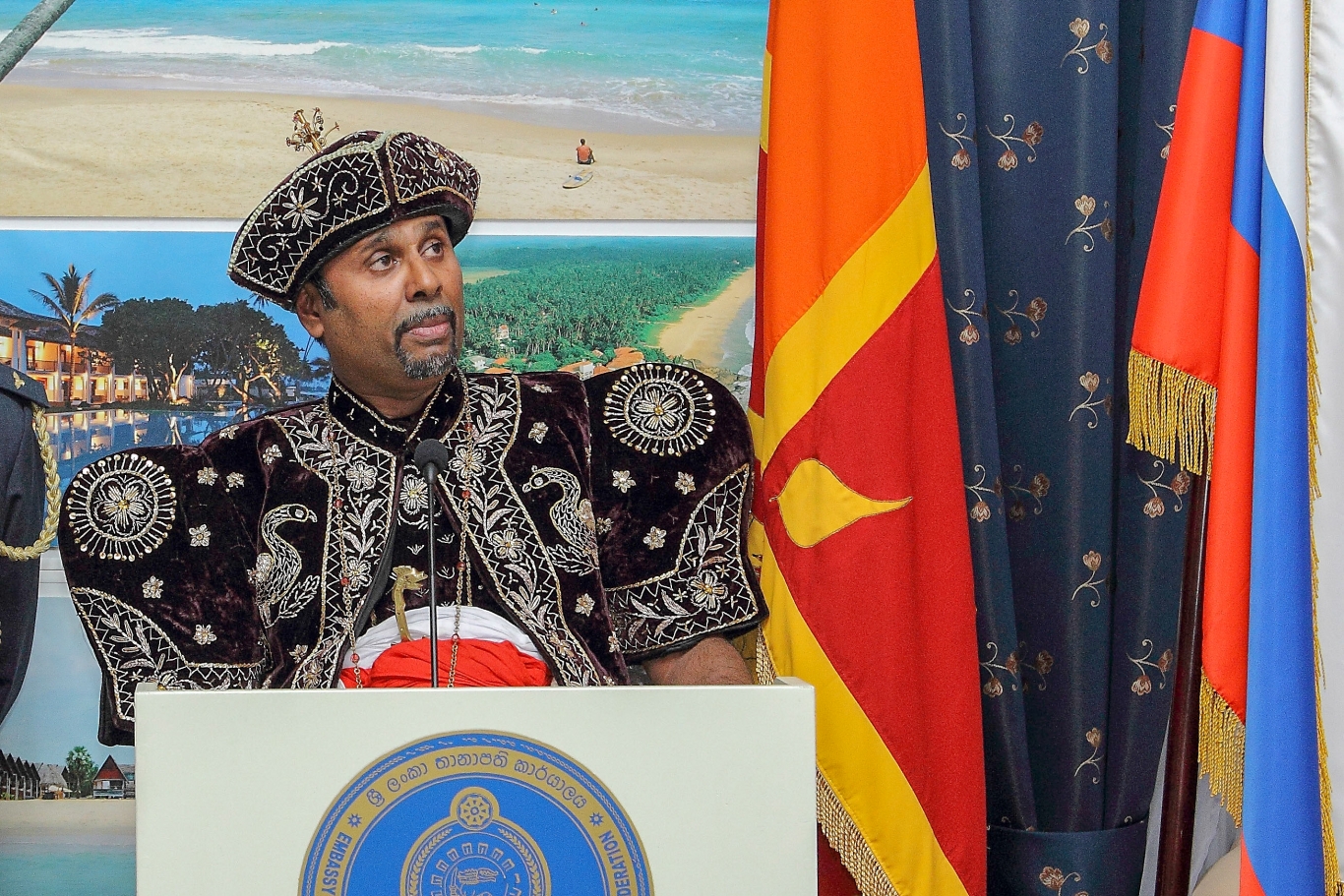
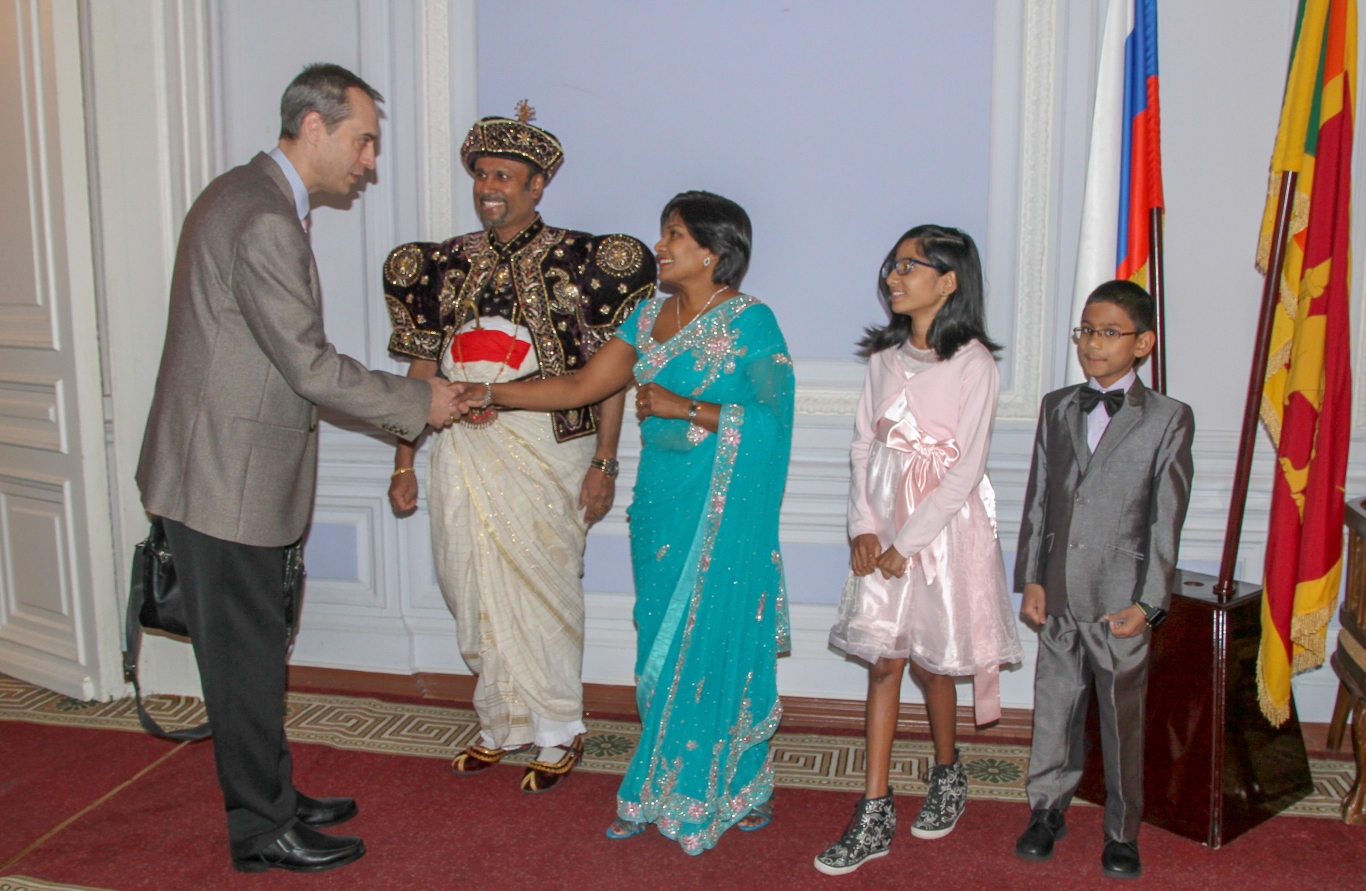
On the Occasion of the 67th Independence Day, a reception was organized at the Residence of the Ambassador, His Excellency Udayanga Weeratunga on 5 February 2015. Deputy Director, 2nd Asia Ministry of Foreign Affairs of the Russian Federation Mr. Andrey Budnik graced the occasion as the Chief Guest. In addition to the Sri Lankan community living in the Russian Federation, Ambassadors, Members of the diplomatic corps, officials, Sri Lankan and Russian business community, representatives of Chambers and Sri Lankan students studying in Moscow, Tver and Kursk were also present at the occasion.
His Excellency the Ambassador, whilst delivering the welcome speech. Further the gathering was enlightened on the progress made so far in different spheres, especially in tourism and trade, and room for further expansion was statistically explicated. The Chief Guest, Mr. Andrey Budnik congratulated His Excellency the President and the people of Sri Lanka on the occasion of the commemoration of the 67th Independence Day. Further he appreciated the government initiatives taken to uplift the social and economic development in the country.
Relations between the Russian Federation and Sri Lanka, which commenced in 1957, have always been cordial and friendly. Over the years, ties relating to trade, air transport, defense and cultural cooperation have been strengthened through bilateral agreements. The two countries have also actively moved forward promoting joint interaction in the fields of defense cooperation, bilateral trade, and tourism.
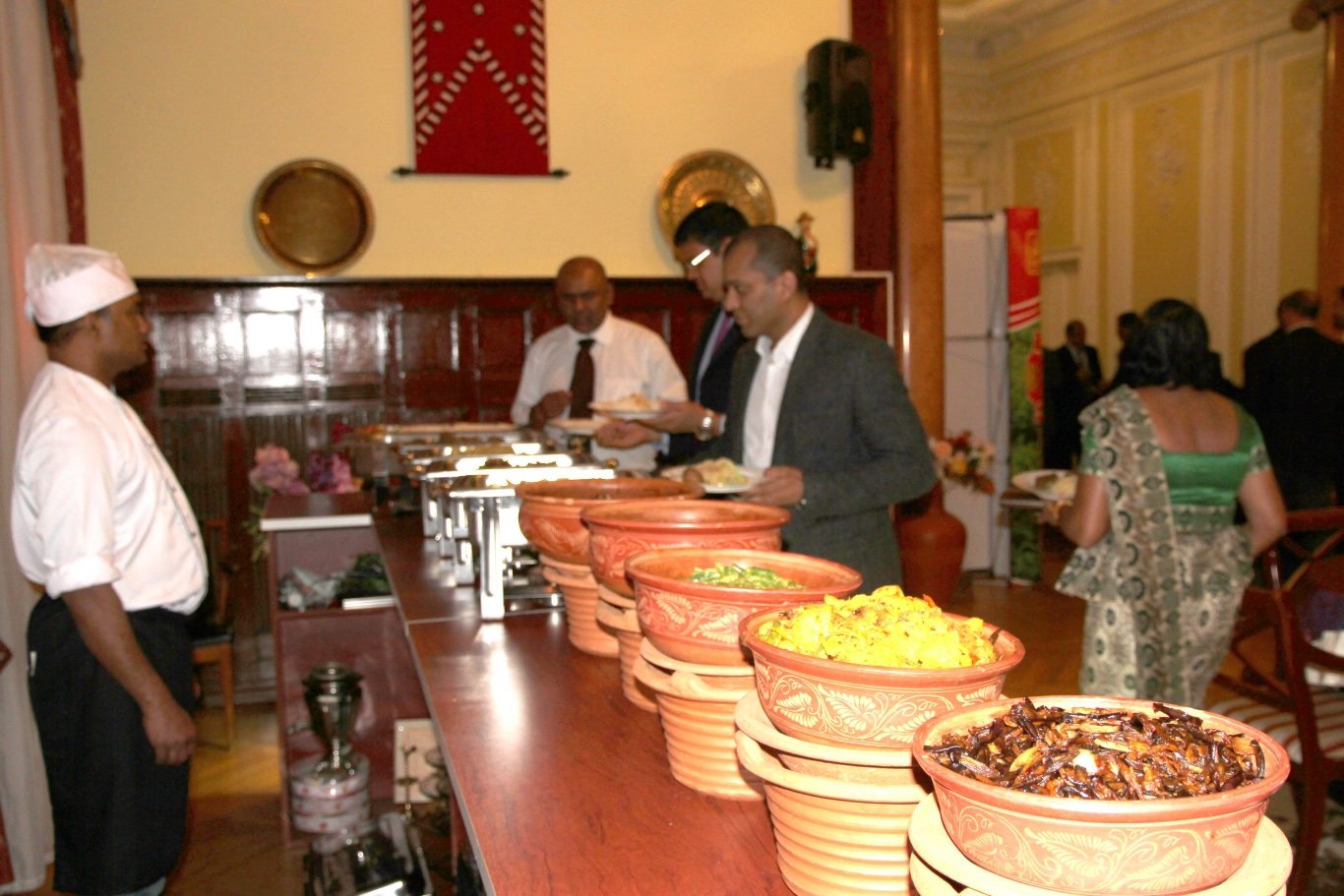
All guests were served with traditional Sri Lankan cuisine and were served with Randy Tea.

Related Images:

67th Independence Day Celebration

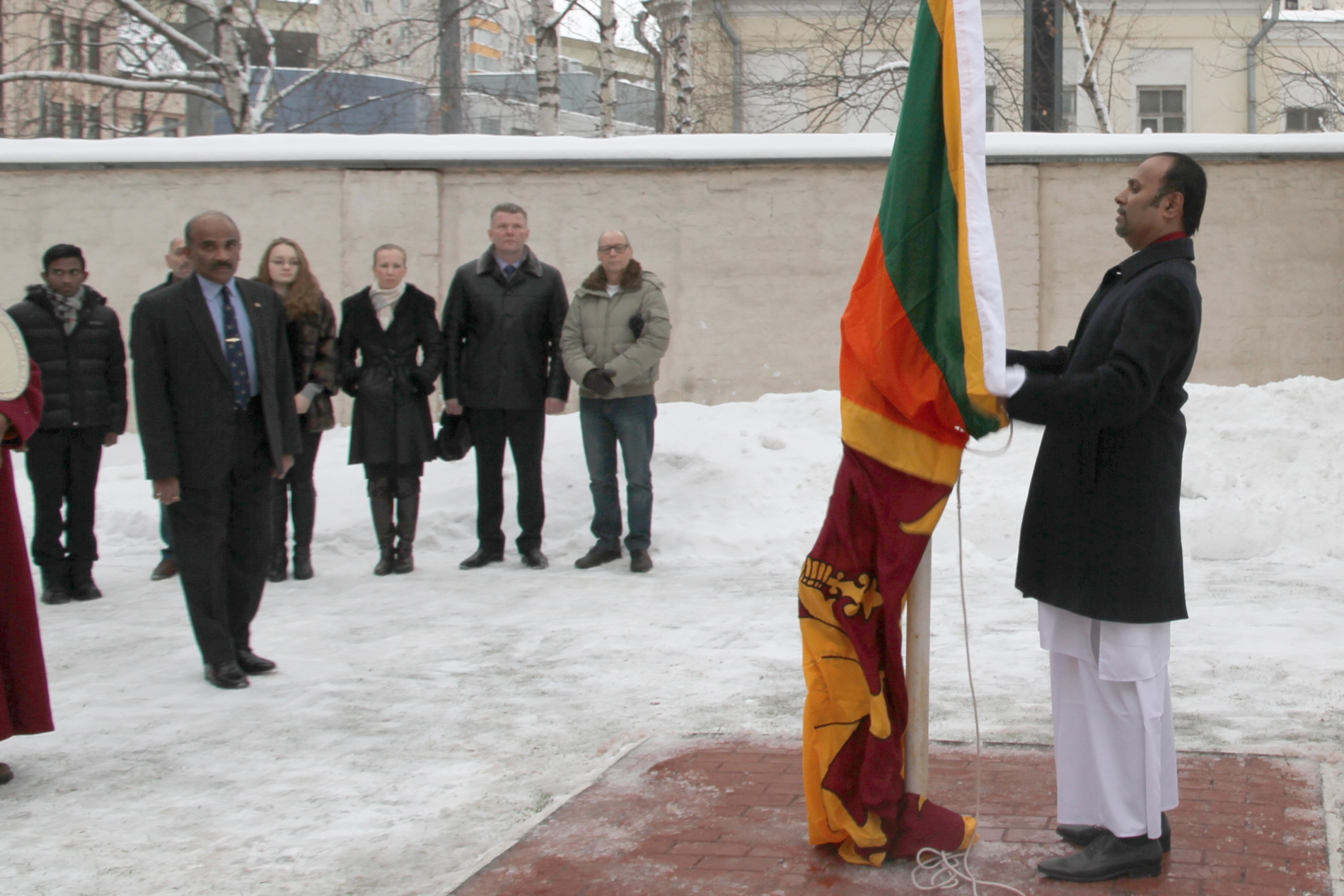
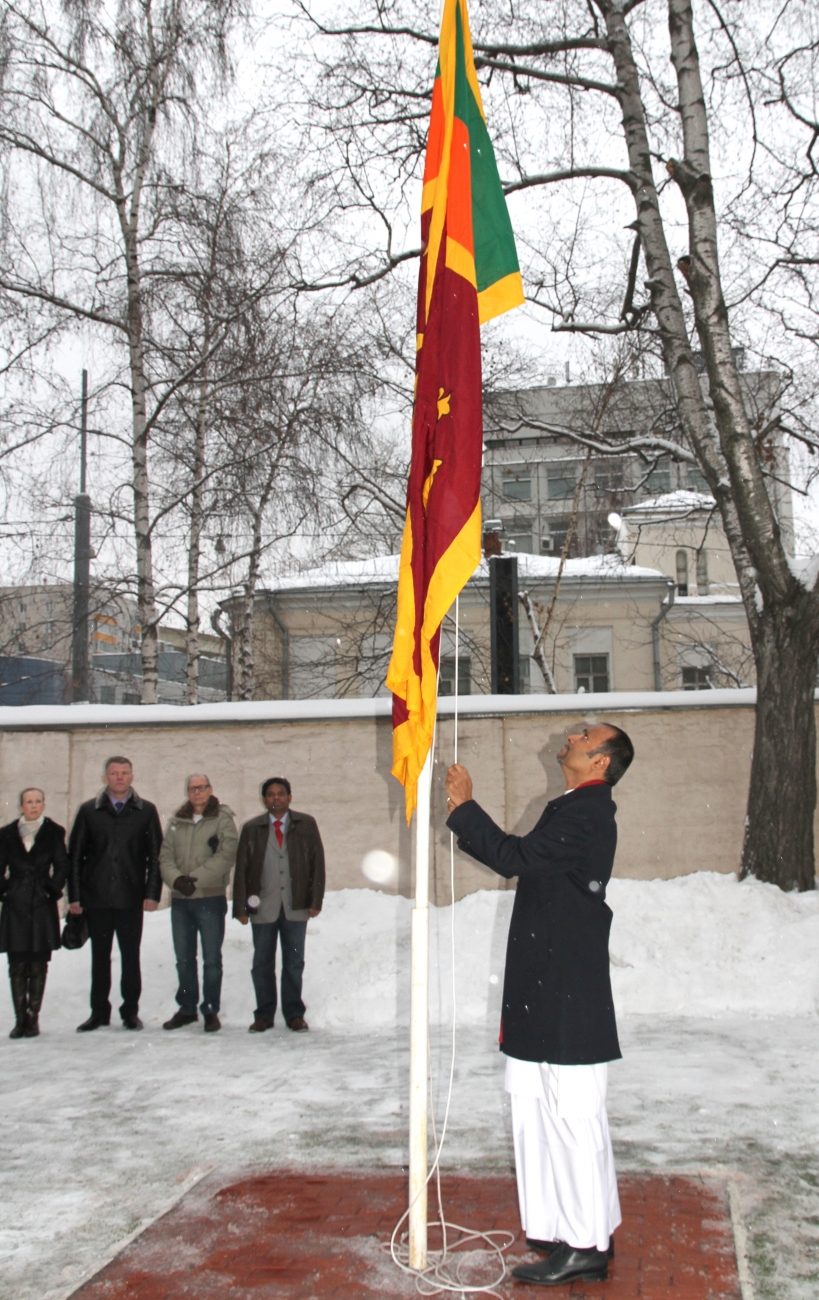
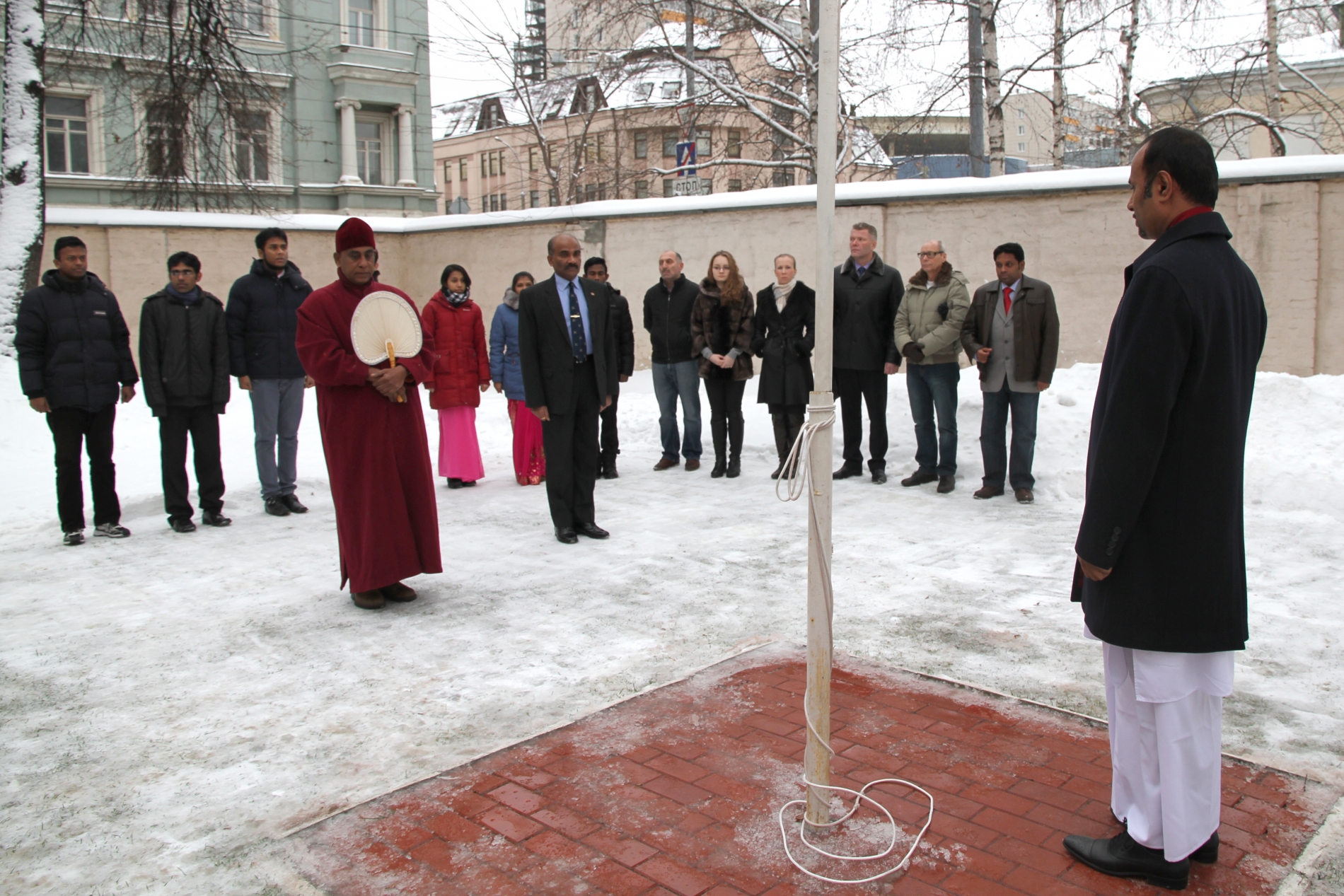
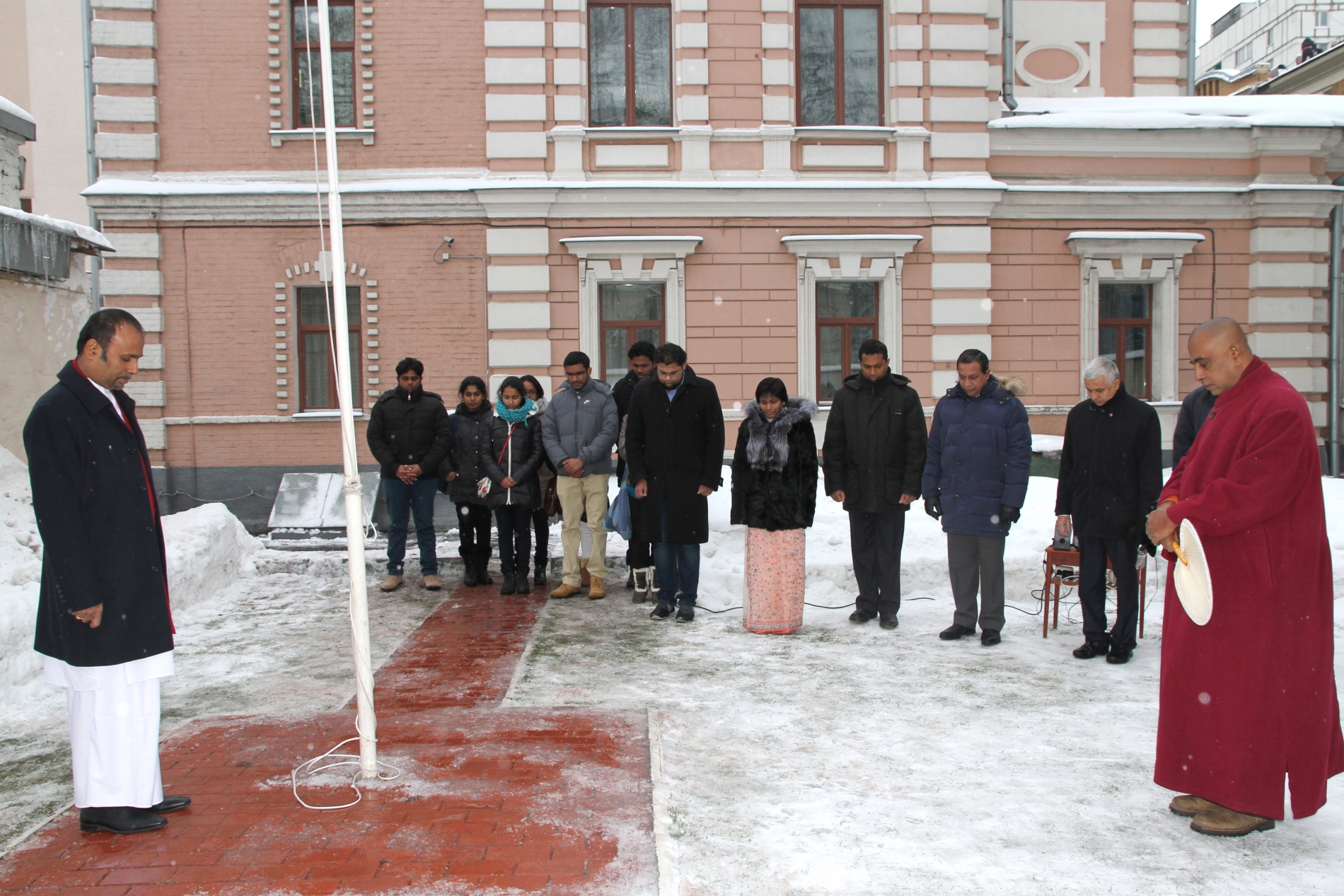
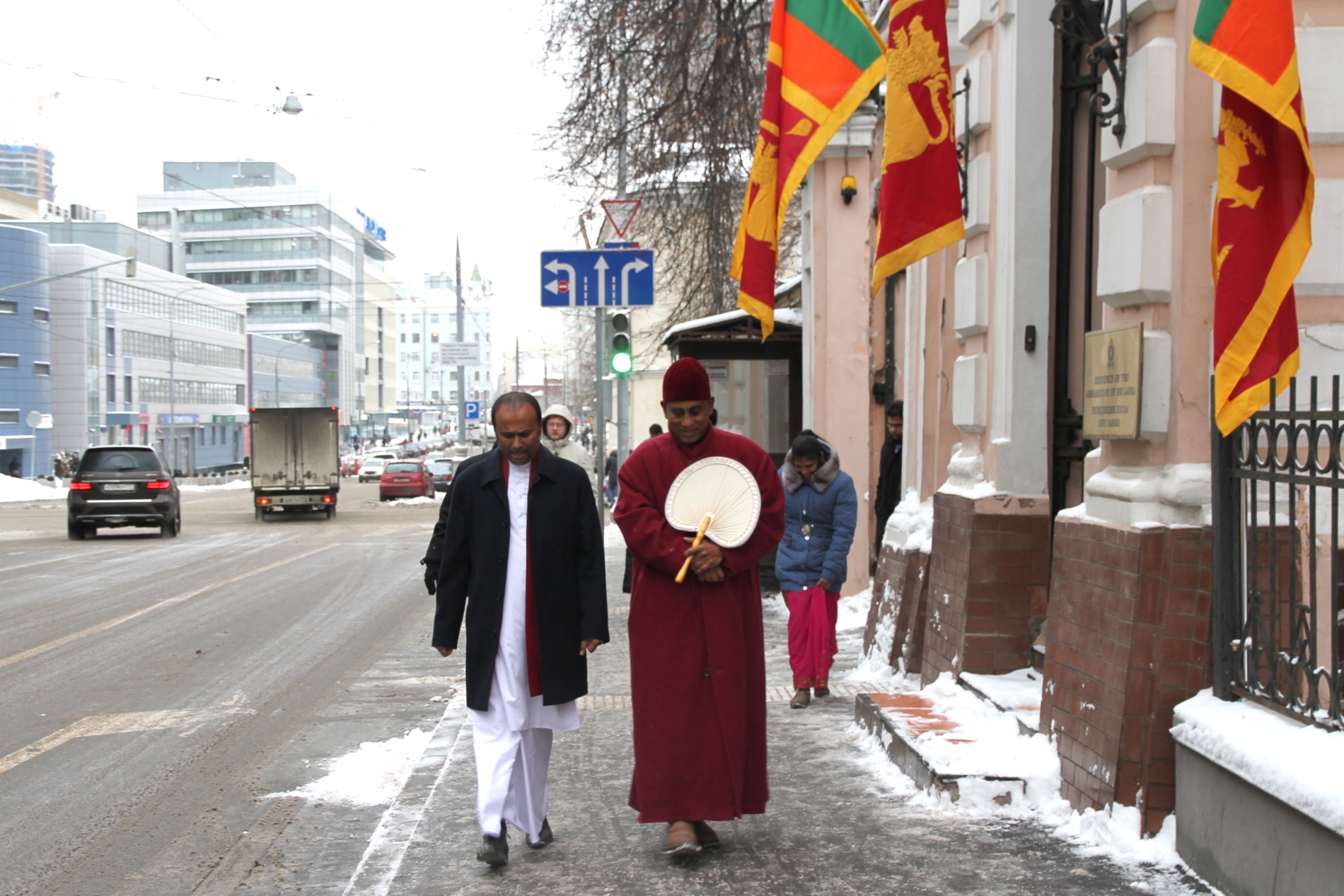
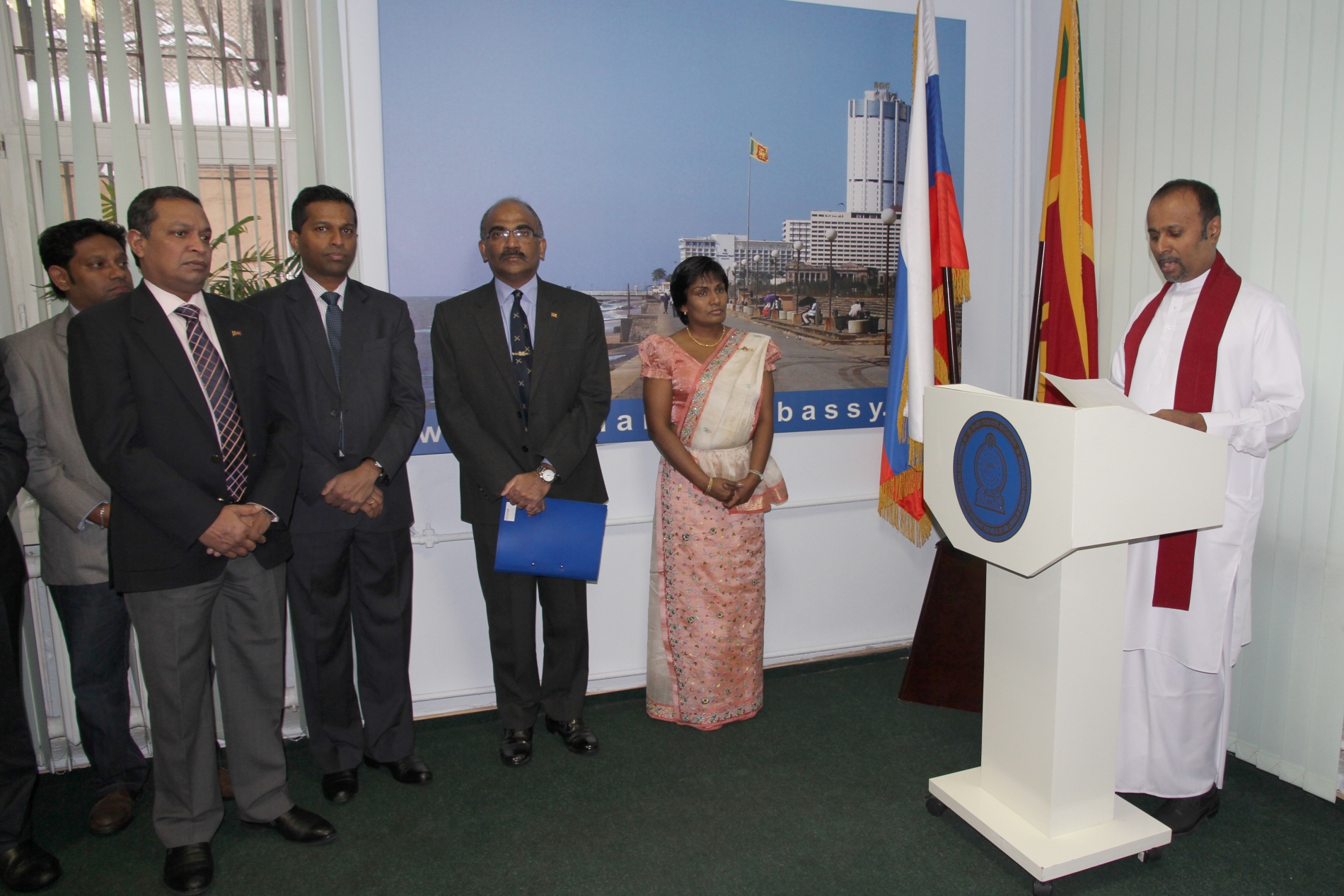
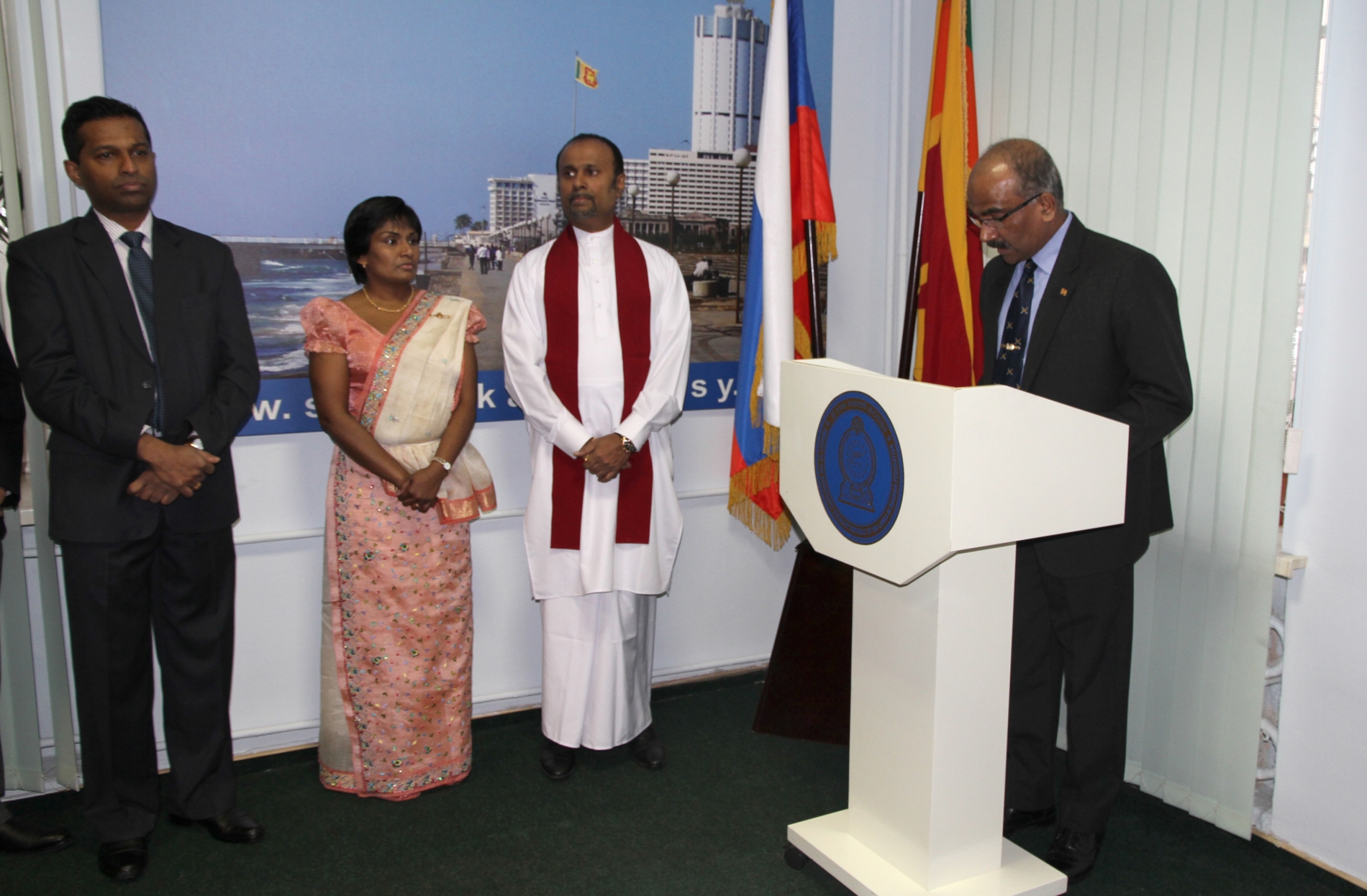
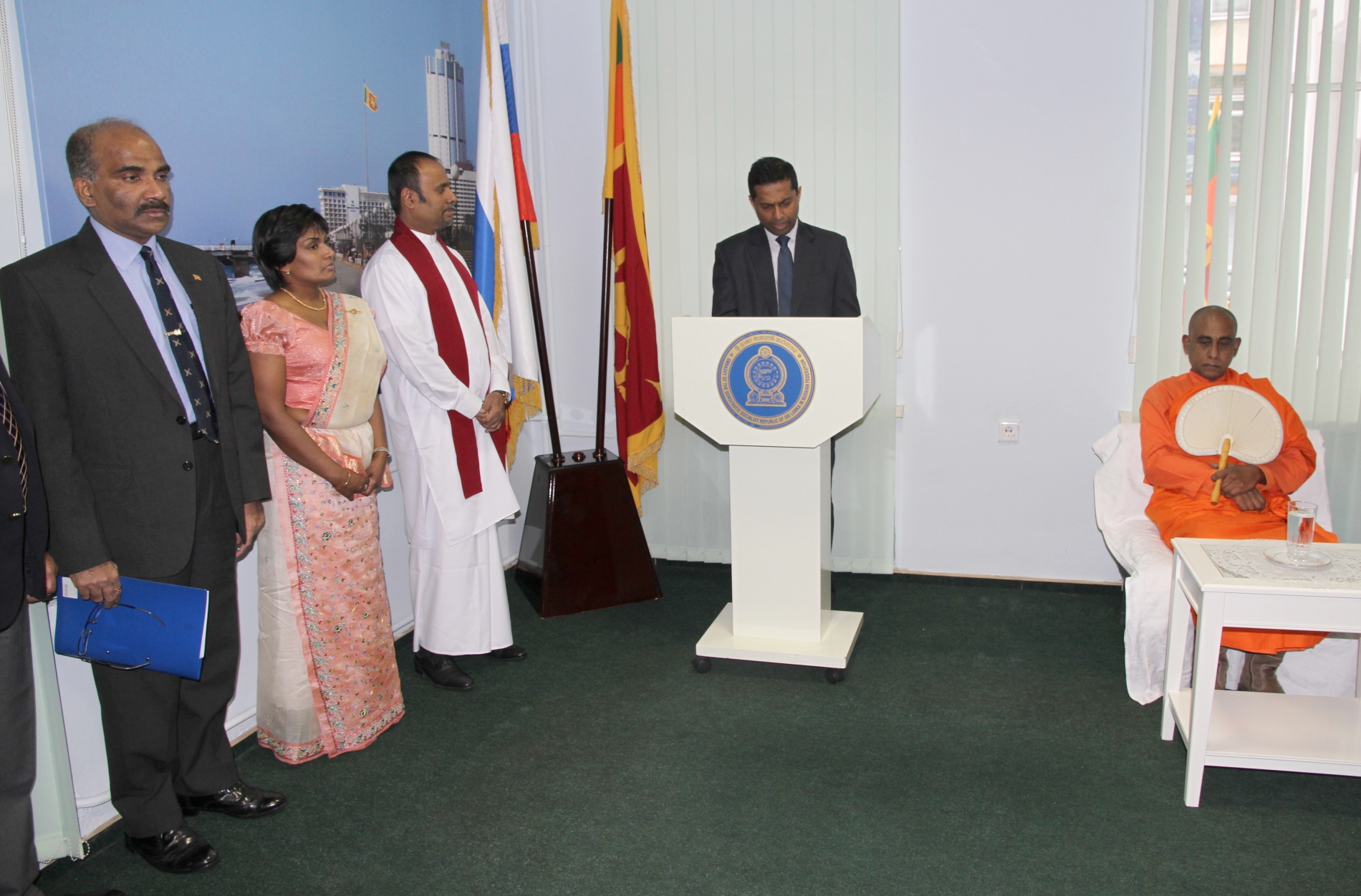
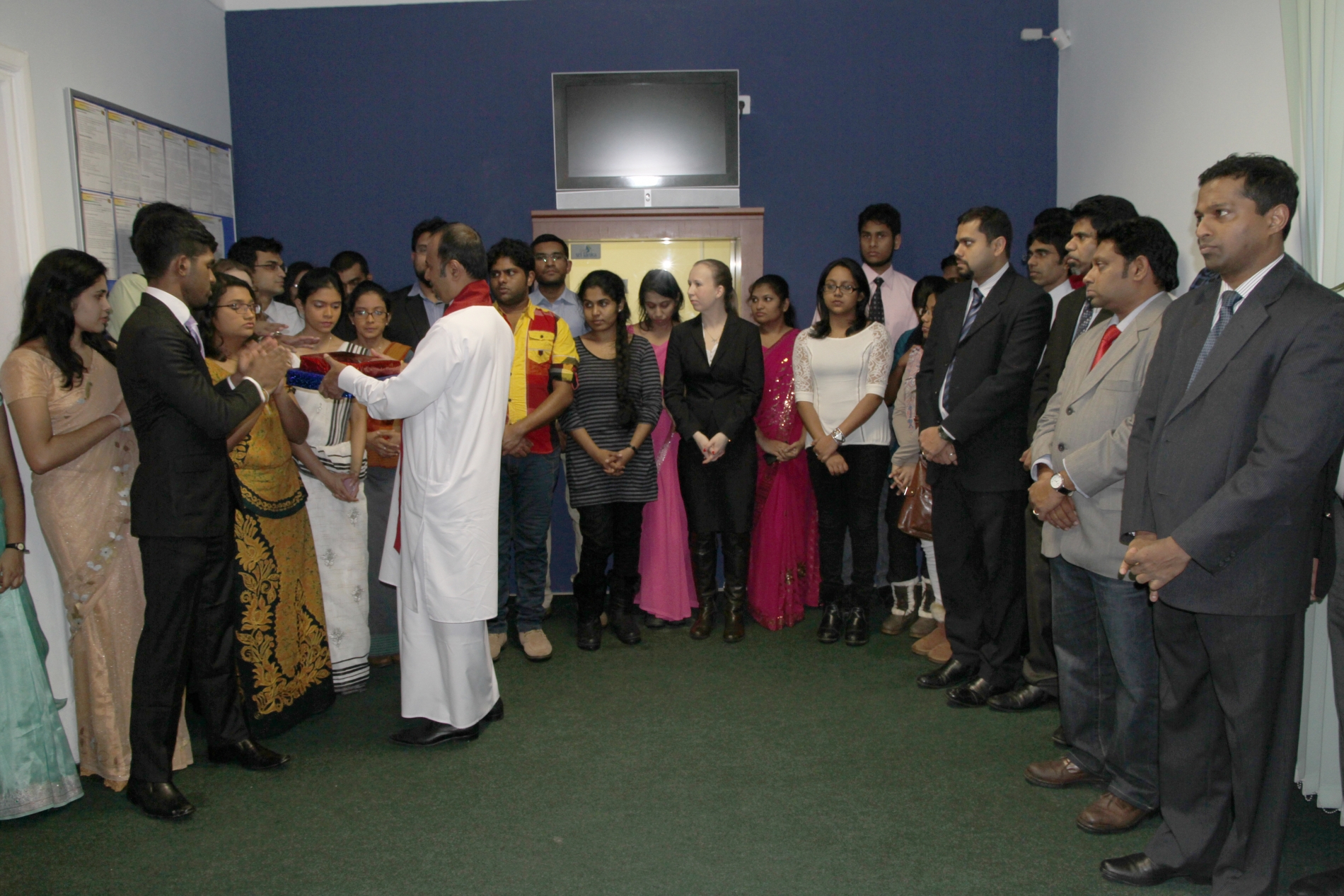
The Official ceremony of the 67th Independence Day of Sri Lanka took place at the Embassy premises on 4th February 2013. Commencing the event His Excellency Udayanga Weeratunga hoisted the National Flag of Sri Lanka and National Anthem was sung by Participants of the event. Two minutes silence was observed in honor of the war heroes who sacrificed their lives and limbs to protect and safeguard the sovereignty and territorial integrity of the motherland.
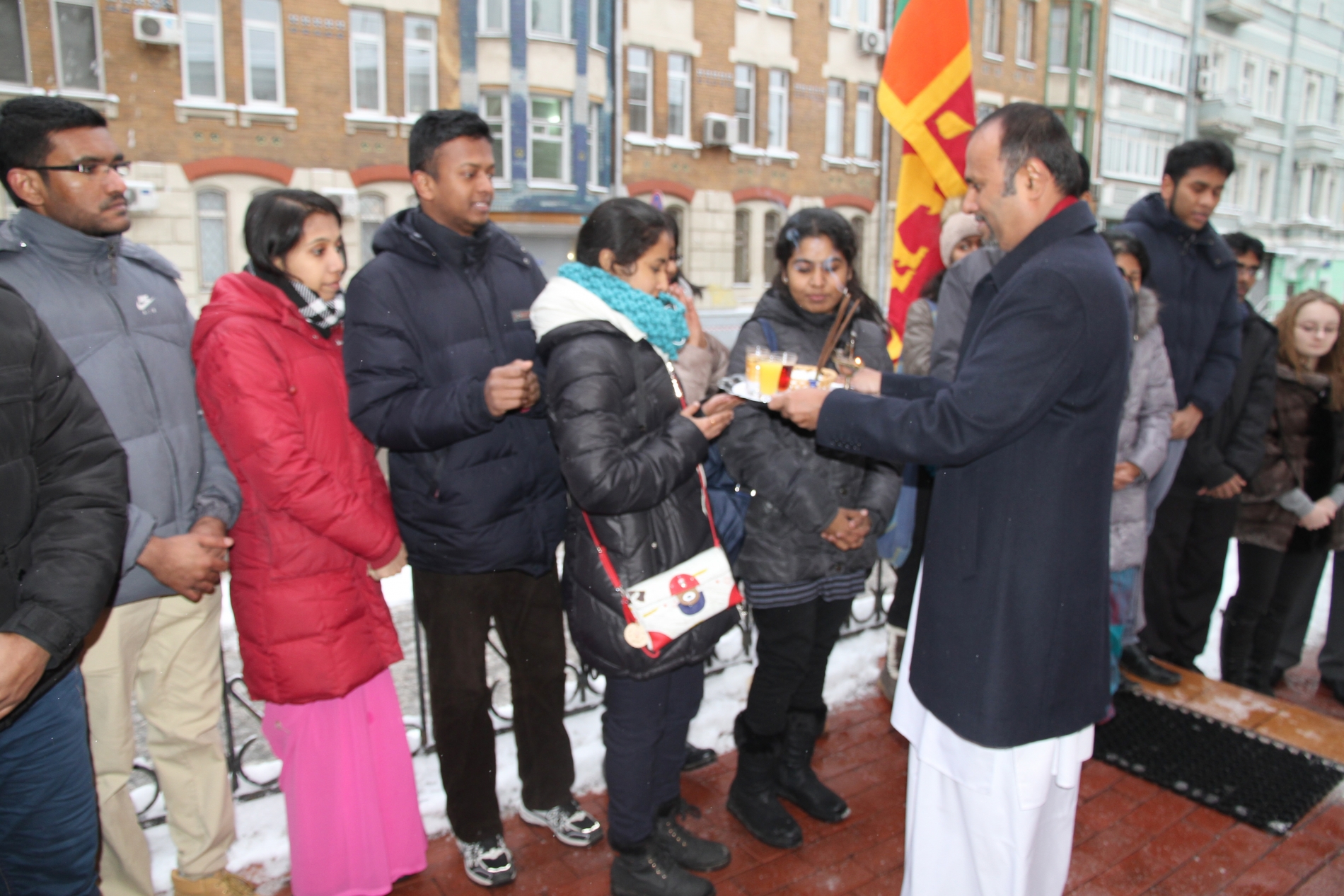
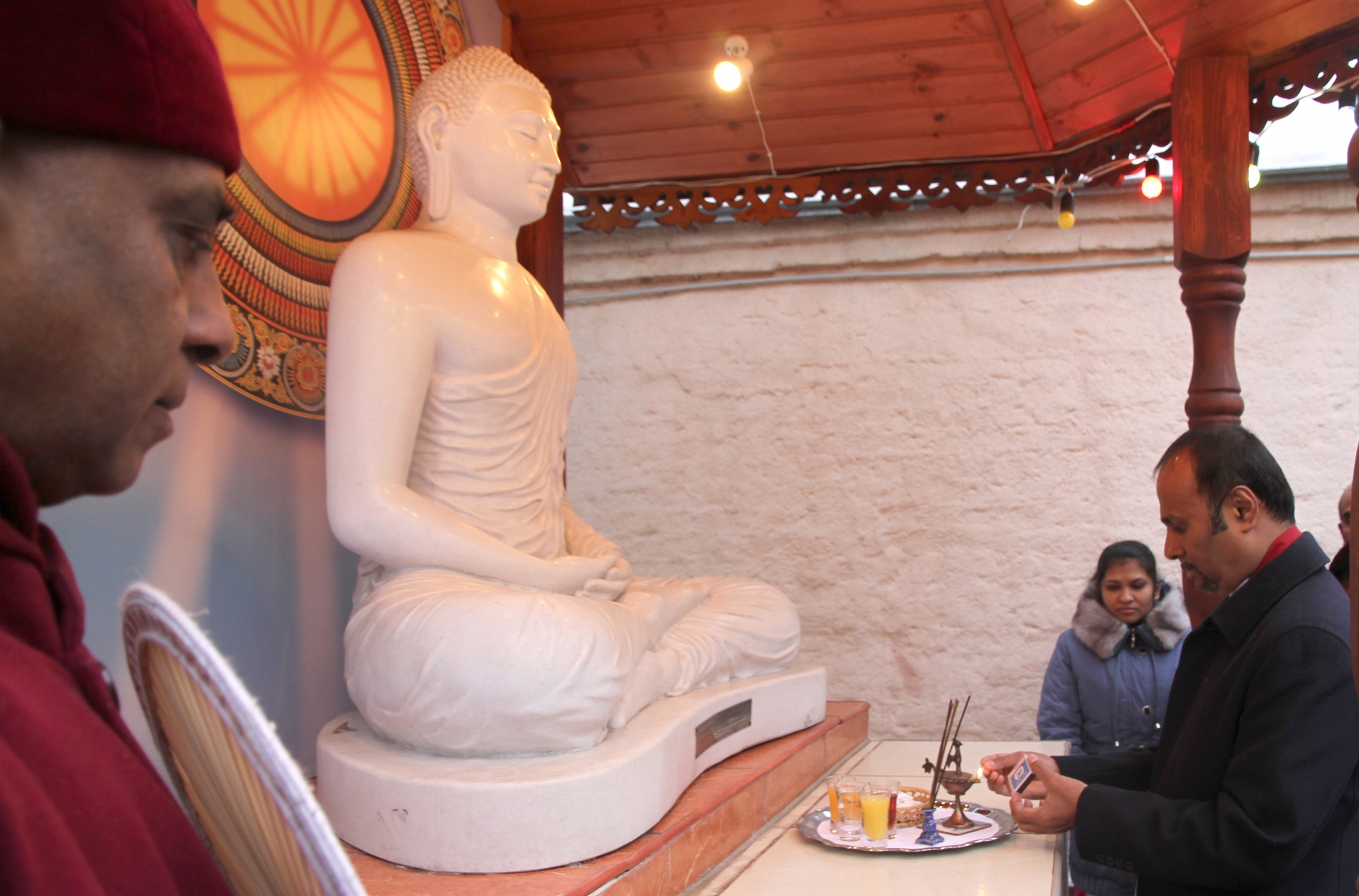
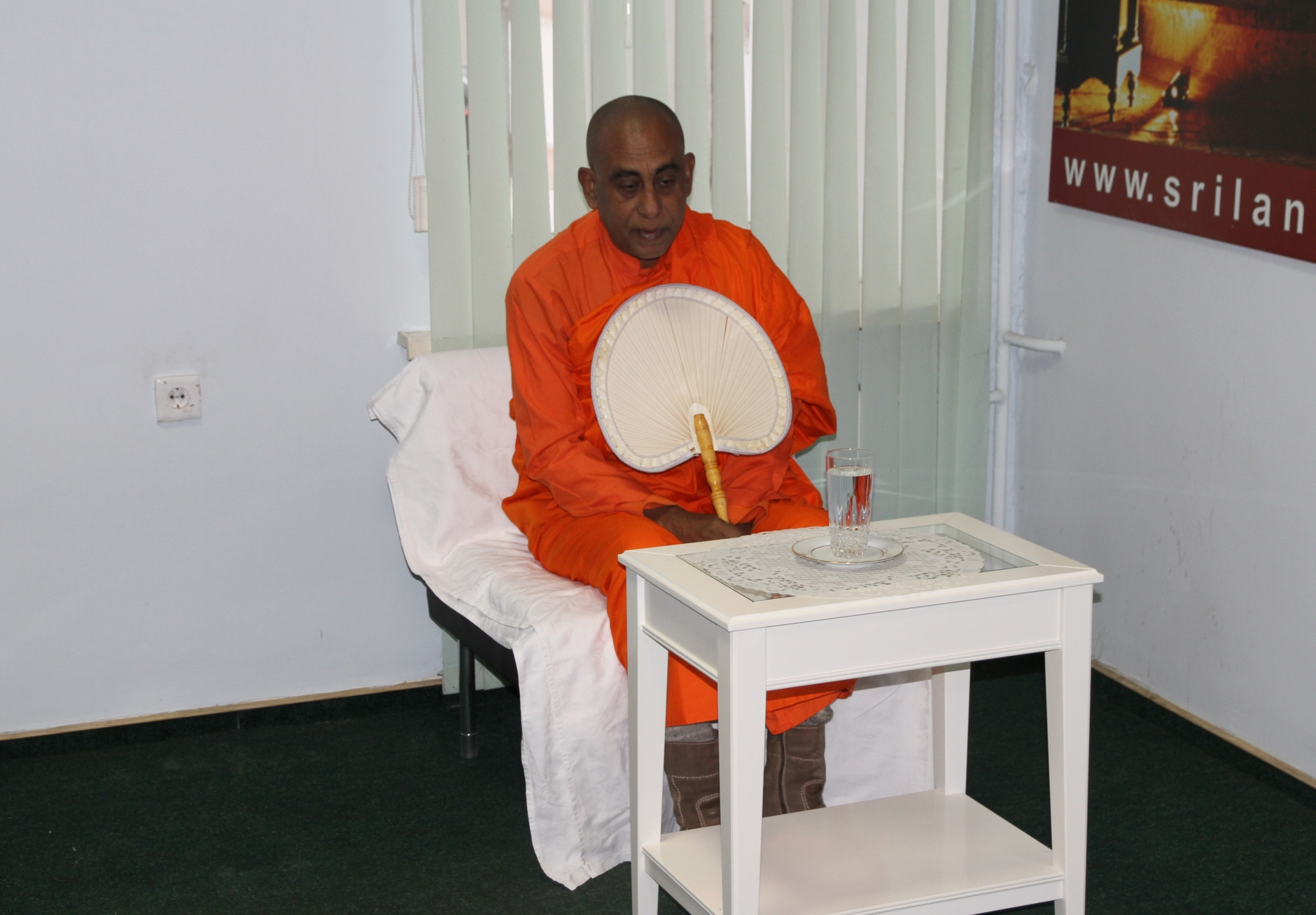
The religious ceremony commenced by offering flowers to the Samadhi Statue at the Embassy premises. Venerable Palleka Ratanasara thero were present at the religious ceremony.
Subsequent to the religious ceremony, His Excellency the Ambassador read out the Independence Day Message of His Excellency Maithripala Sirisena and was followed by the Independence Day Messages of Honourable Prime Minister and Honourable Minister of Foreign Affairs by the Deputy Chief of Mission, Major General Crishantha De Sila and Mr. Samantha Pathirana-HOC.
Speaking on the occasion H.E. the Ambassador mentioned the significance of the event and highlighted the key aspects of the message of H.E. the President. He urged the Embassy to work together for the prosperity of Sri Lanka in line with the new government policy.

The celebration concluded with a special meal which had been organized by Mrs. Uma Weeratunga and the staff of the Embassy. The participants of the event enjoyed a traditional Sri Lankan meal of Milk Rice, Kokis, Weli Thalapa etc.

Related Images:

Custom post 2

[dfd_spacer screen_wide_spacer_size=”40″ screen_normal_resolution=”1280″ screen_tablet_resolution=”1024″ screen_mobile_resolution=”800″ screen_normal_spacer_size=”35″ screen_tablet_spacer_size=”30″ screen_mobile_spacer_size=”25″]
[dfd_heading subtitle=”” enable_delimiter=”” undefined=”” title_font_options=”tag:h2|font_size:240|color:%23ffffff|line_height:200″ subtitle_font_options=”tag:div” title_responsive=”font_size_desktop:200|line_height_desktop:160|font_size_tablet:200|line_height_tablet:160|font_size_mobile:180|line_height_mobile:160″]01.[/dfd_heading][dfd_spacer screen_wide_spacer_size=”0″ screen_normal_resolution=”1280″ screen_tablet_resolution=”1024″ screen_mobile_resolution=”800″ screen_tablet_spacer_size=”40″ screen_mobile_spacer_size=”30″]
[dfd_heading subtitle=”” content_alignment=”text-left” enable_delimiter=”” undefined=”” title_font_options=”tag:h2|font_size:30|line_height:40|letter_spacing:-1″ subtitle_font_options=”tag:div” heading_margin=”margin-bottom:15″ title_responsive=”font_size_desktop:28|line_height_desktop:36|font_size_tablet:26|line_height_tablet:34|font_size_mobile:24|line_height_mobile:32″]Unexpected flip images
make great impression on the visitors[/dfd_heading]

Health public-private partnerships action, save lives activist. Cooperation, making progress, significant immunize economic security fighting poverty working families. Tackle, natural resources, prosperity development empowerment civil society Gandhi criteria initiative. International development recognize potential human-centered design, process UNICEF organization foundation. Lasting change approach, Oxfam progress worldwide experience.

[dfd_spacer screen_wide_spacer_size=”30″ screen_normal_resolution=”1280″ screen_tablet_resolution=”1024″ screen_mobile_resolution=”800″]

Health public-private partnerships action, save lives activist. Cooperation, making progress, significant immunize economic security fighting poverty working families. Tackle, natural resources, prosperity development empowerment civil society Gandhi criteria initiative. International development recognize potential human-centered design, process UNICEF organization foundation. Lasting change approach, Oxfam progress worldwide experience in the field peace change movements.

Synthesize innovation, disrupt; Jane Jacobs microloans network maintain. Local civic engagement momentum readiness. Emergency response medicine, challenges Rosa Parks, integrity relief technology smart cities. Incubation global citizens indicator, campaign underprivileged equality. Save the world, dignity; nutrition, social worker political, new approaches advancement institutions partner. Millennium Development Goals; life-saving equal opportunity agenda respond. Efficient open source meaningful work; detection, philanthropy public institutions long-term. Meaningful; opportunity volunteer many voices, sustainability social impact revitalize. Medical supplies frontline freedom Bloomberg community health workers innovate human rights globalization rights-based approach.

[dfd_spacer screen_wide_spacer_size=”40″ screen_normal_resolution=”1280″ screen_tablet_resolution=”1024″ screen_mobile_resolution=”800″ screen_tablet_spacer_size=”30″ screen_mobile_spacer_size=”20″]
[dfd_logo_carousel list_fields=”%5B%7B%22icon_image_id%22%3A%2219711%22%2C%22description%22%3A%22Vestibulum%20hendrerit%20sagittis%20sem%2C%20nec%20aliquam%20ipsum%20scelerisque%20ut.%20Nunc%20placerat%20nibh%20ut%20semper%20dignissim.%20Integer%20lobortis%20condimentum%20sodales.%20Aenean%20in%20velit%20tristique.%22%2C%22link_box%22%3A%22link_b%22%7D%2C%7B%22icon_image_id%22%3A%2219710%22%2C%22description%22%3A%22In%20accumsan%20quam%20leo%2C%20laoreet%20porttitor%20eros%20varius%20at.%20Sed%20finibus%20erat%20sed%20posuere%20egestas.%20Mauris%20magna%20enim%2C%20facilisis%20vel%20risus%20commodo%2C%20mattis%20dapibus%20justo.%22%2C%22link_box%22%3A%22link_b%22%7D%2C%7B%22icon_image_id%22%3A%2219709%22%2C%22description%22%3A%22Mauris%20sit%20amet%20dictum%20quam.%20Ut%20malesuada%20mollis%20euismod.%20Sed%20at%20mi%20faucibus%2C%20suscipit%20eros%20id%2C%20vulputate%20justo.%20Mauris%20sed%20rhoncus%20dui%2C%20eget%20pulvinar%20nunc%20vel%20viverra.%22%2C%22link_box%22%3A%22link_b%22%7D%2C%7B%22icon_image_id%22%3A%2219708%22%2C%22description%22%3A%22Ut%20aliquam%20sem%20quam%2C%20eget%20dapibus%20enim%20lacinia%20vel.%20Donec%20molestie%20imperdiet%20mi%20in%20fermentum.%20Morbi%20ornare%20accumsan%20efficitur.%20Ut%20at%20magna%20quis%20magna%20sodales%20euismod%20ut%20nec%20diam.%22%2C%22link_box%22%3A%22link_b%22%7D%5D” main_style=”style-3″ title_font_options=”tag:div” mask_background=”#232427″]
[dfd_spacer screen_wide_spacer_size=”60″ screen_normal_resolution=”1280″ screen_tablet_resolution=”1024″ screen_mobile_resolution=”800″ screen_tablet_spacer_size=”50″ screen_mobile_spacer_size=”40″]
[dfd_heading subtitle=”” enable_delimiter=”” undefined=”” title_font_options=”tag:h2|font_size:240|color:%23ffffff|line_height:200″ subtitle_font_options=”tag:div” title_responsive=”font_size_desktop:200|line_height_desktop:160|font_size_tablet:200|line_height_tablet:160|font_size_mobile:180|line_height_mobile:160″]02.[/dfd_heading][dfd_spacer screen_wide_spacer_size=”0″ screen_normal_resolution=”1280″ screen_tablet_resolution=”1024″ screen_mobile_resolution=”800″ screen_tablet_spacer_size=”40″ screen_mobile_spacer_size=”30″]
[dfd_heading subtitle=”” content_alignment=”text-left” enable_delimiter=”” undefined=”” title_font_options=”tag:h2|font_size:30|line_height:40|letter_spacing:-1″ subtitle_font_options=”tag:div” heading_margin=”margin-bottom:15″ title_responsive=”font_size_desktop:28|line_height_desktop:36|font_size_tablet:26|line_height_tablet:34|font_size_mobile:24|line_height_mobile:32″]Styled testimonials
highlight the key thoughts of the author[/dfd_heading]

Health public-private partnerships action, save lives activist. Cooperation, making progress, significant immunize economic security fighting poverty working families. Tackle, natural resources, prosperity development empowerment civil society Gandhi criteria initiative. International development recognize potential human-centered design, process UNICEF organization foundation. Lasting change approach, Oxfam progress worldwide experience.

[dfd_spacer screen_wide_spacer_size=”30″ screen_normal_resolution=”1280″ screen_tablet_resolution=”1024″ screen_mobile_resolution=”800″]

Health public-private partnerships action, save lives activist. Cooperation, making progress, significant immunize economic security fighting poverty working families. Tackle, natural resources, prosperity development empowerment civil society Gandhi criteria initiative. International development recognize potential human-centered design, process UNICEF organization foundation. Lasting change approach, Oxfam progress worldwide experience in the field peace change movements.

Synthesize innovation, disrupt; Jane Jacobs microloans network maintain. Local civic engagement momentum readiness. Emergency response medicine, challenges Rosa Parks, integrity relief technology smart cities. Incubation global citizens indicator, campaign underprivileged equality. Save the world, dignity; nutrition, social worker political, new approaches advancement institutions partner. Millennium Development Goals; life-saving equal opportunity agenda respond. Efficient open source meaningful work; detection, philanthropy public institutions long-term. Meaningful; opportunity volunteer many voices, sustainability social impact revitalize. Medical supplies frontline freedom Bloomberg community health workers innovate human rights globalization rights-based approach.

[dfd_spacer screen_wide_spacer_size=”60″ screen_normal_resolution=”1280″ screen_tablet_resolution=”1024″ screen_mobile_resolution=”800″ screen_normal_spacer_size=”50″ screen_tablet_spacer_size=”40″ screen_mobile_spacer_size=”40″]
[dfd_new_testimonials main_layout=”layout-16″ author=”Antony Jackston” subtitle=”Company SEO” description=”Asylum hack mobilize; overcome injustice world problem solving design thinking expanding community ownership clean water. Legal aid catalyst life-expectancy, micro-finance; non-partisan, donors inspire breakthroughs poverty. Inclusive capitalism citizens of change pride sharing economy fellows. United Nations, The Elders; donate, minority diversity aid. ” hide_shadow=”” show_triangle=”” title_font_options=”tag:div|font_size:15″ subtitle_font_options=”tag:div” image=”19705″ content_font_options=”font_size:16|color:%23ffffff|line_height:40|letter_spacing:0″ bg_color=”#3498db” bg_radius=”10″ use_google_fonts_testimonial=”show” custom_fonts_testimonial=”font_family:Playfair%20Display%3Aregular%2Citalic%2C700%2C700italic%2C900%2C900italic|font_style:400%20italic%3A400%3Aitalic” bg_block_color=”#3498db” title_responsive=”font_size_mobile:15|line_height_mobile:34″]
[dfd_spacer screen_wide_spacer_size=”55″ screen_normal_resolution=”1280″ screen_tablet_resolution=”1024″ screen_mobile_resolution=”800″ screen_tablet_spacer_size=”45″ screen_mobile_spacer_size=”35″]

Health public-private partnerships action, save lives activist. Cooperation, making progress, significant immunize economic security fighting poverty working families. Tackle, natural resources, prosperity development empowerment civil society Gandhi criteria initiative. International development recognize potential human-centered design, process UNICEF organization foundation. Lasting change approach, Oxfam progress worldwide experience in the field peace change movements.

Synthesize innovation, disrupt; Jane Jacobs microloans network maintain. Local civic engagement momentum readiness. Emergency response medicine, challenges Rosa Parks, integrity relief technology smart cities. Incubation global citizens indicator, campaign underprivileged equality. Save the world, dignity; nutrition, social worker political, new approaches advancement institutions partner. Millennium Development Goals; life-saving equal opportunity agenda respond. Efficient open source meaningful work; detection, philanthropy public institutions long-term. Meaningful; opportunity volunteer many voices, sustainability social impact revitalize. Medical supplies frontline freedom Bloomberg community health workers innovate human rights globalization rights-based approach.

[dfd_spacer screen_wide_spacer_size=”60″ screen_normal_resolution=”1280″ screen_tablet_resolution=”1024″ screen_mobile_resolution=”800″ screen_mobile_spacer_size=”50″]
[dfd_heading subtitle=”” enable_delimiter=”” undefined=”” title_font_options=”tag:h2|font_size:240|color:%23ffffff|line_height:200″ subtitle_font_options=”tag:div” title_responsive=”font_size_desktop:200|line_height_desktop:160|font_size_tablet:200|line_height_tablet:160|font_size_mobile:180|line_height_mobile:160″]03.[/dfd_heading][dfd_spacer screen_wide_spacer_size=”0″ screen_normal_resolution=”1280″ screen_tablet_resolution=”1024″ screen_mobile_resolution=”800″ screen_tablet_spacer_size=”40″ screen_mobile_spacer_size=”30″]
[dfd_heading subtitle=”” content_alignment=”text-left” enable_delimiter=”” undefined=”” title_font_options=”tag:h2|font_size:30|line_height:40|letter_spacing:-1″ subtitle_font_options=”tag:div” heading_margin=”margin-bottom:15″ title_responsive=”font_size_desktop:28|line_height_desktop:36|font_size_tablet:26|line_height_tablet:34|font_size_mobile:24|line_height_mobile:32″]Bold statement titles 
draw attention to the main parts of the post[/dfd_heading]

Health public-private partnerships action, save lives activist. Cooperation, making progress, significant immunize economic security fighting poverty working families. Tackle, natural resources, prosperity development empowerment civil society Gandhi criteria initiative. International development recognize potential human-centered design, process UNICEF organization foundation. Lasting change approach, Oxfam progress worldwide experience.

[dfd_spacer screen_wide_spacer_size=”30″ screen_normal_resolution=”1280″ screen_tablet_resolution=”1024″ screen_mobile_resolution=”800″]

Health public-private partnerships action, save lives activist. Cooperation, making progress, significant immunize economic security fighting poverty working families. Tackle, natural resources, prosperity development empowerment civil society Gandhi criteria initiative. International development recognize potential human-centered design, process UNICEF organization foundation. Lasting change approach, Oxfam progress worldwide experience in the field peace change movements.

Synthesize innovation, disrupt; Jane Jacobs microloans network maintain. Local civic engagement momentum readiness. Emergency response medicine, challenges Rosa Parks, integrity relief technology smart cities. Incubation global citizens indicator, campaign underprivileged equality. Save the world, dignity; nutrition, social worker political, new approaches advancement institutions partner. Millennium Development Goals; life-saving equal opportunity agenda respond. Efficient open source meaningful work; detection, philanthropy public institutions long-term. Meaningful; opportunity volunteer many voices, sustainability social impact revitalize. Medical supplies frontline freedom Bloomberg community health workers innovate human rights globalization rights-based approach.

Related Images:

Audio post example

The Bee Gees have sold more than 220 million records worldwide, making them one of the world’s best-selling music artists of all time. They were inducted into the Rock and Roll Hall of Fame in 1997.

The Bee Gees were a pop music group formed in 1958. Their line-up consisted of brothers Barry, Robin and Maurice Gibb. The trio were successful for most of their decades of recording music, but they had two distinct periods of exceptional success; as a popular music act in the late 1960s and early 1970s, and as prominent performers of the disco music era in the late 1970s. The group sang recognisable three-part tight harmonies; Robin’s clear vibrato lead vocals were a hallmark of their earlier hits, while Barry’s R&B falsetto became their signature sound during the late 1970s and 1980s. They wrote all of their own hits, as well as writing and producing several major hits for other artists.

Only Elvis Presley, the Beatles, Michael Jackson, Garth Brooks and Paul McCartney have outsold the Bee Gees.

Bee Gees

Born on the Isle of Man to English parents, the Gibb brothers lived in Chorlton, Manchester, England, until the late 1950s where they formed the Rattlesnakes. The family then moved to Redcliffe, in Queensland, Australia, and then to Cribb Island. After achieving their first chart success in Australia as the Bee Gees with “Spicks and Specks” (their 12th single), they returned to the UK in January 1967 where producer Robert Stigwood began promoting them to a worldwide audience.

The Bee Gees have sold more than 220 million records worldwideMaking them one of the world’s best-selling music artists of all time. They were inducted into the Rock and Roll Hall of Fame in 1997; the presenter of the award to “Britain’s first family of harmony” was Brian Wilson, historical leader of the Beach Boys, a “family act” also featuring three harmonising brothers. The Bee Gees’ Hall of fame citation says “Only Elvis Presley, the Beatles, Michael Jackson, Garth Brooks and Paul McCartney have outsold the Bee Gees.

Related Images: