Визит Президента в Японии 4

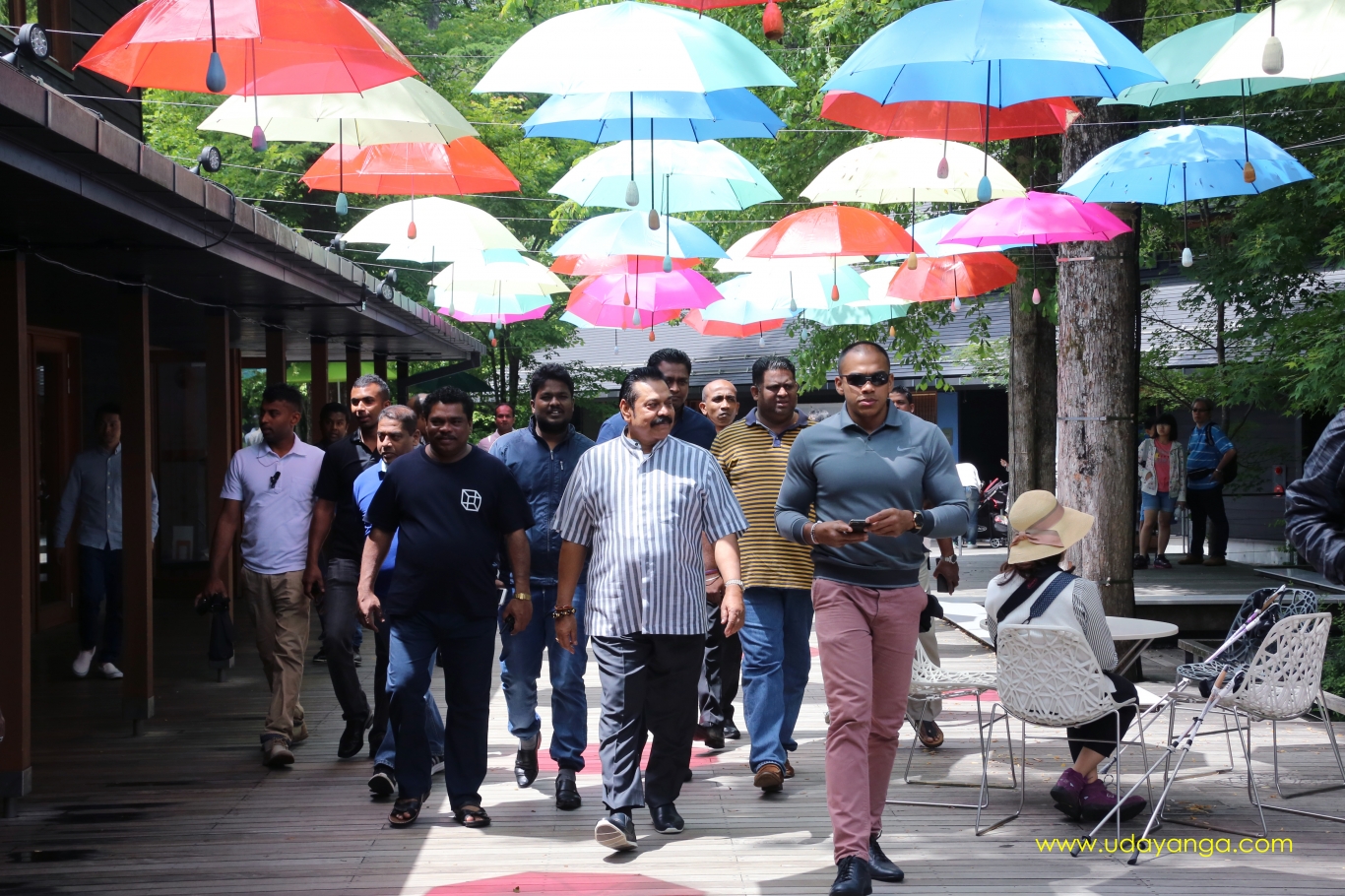
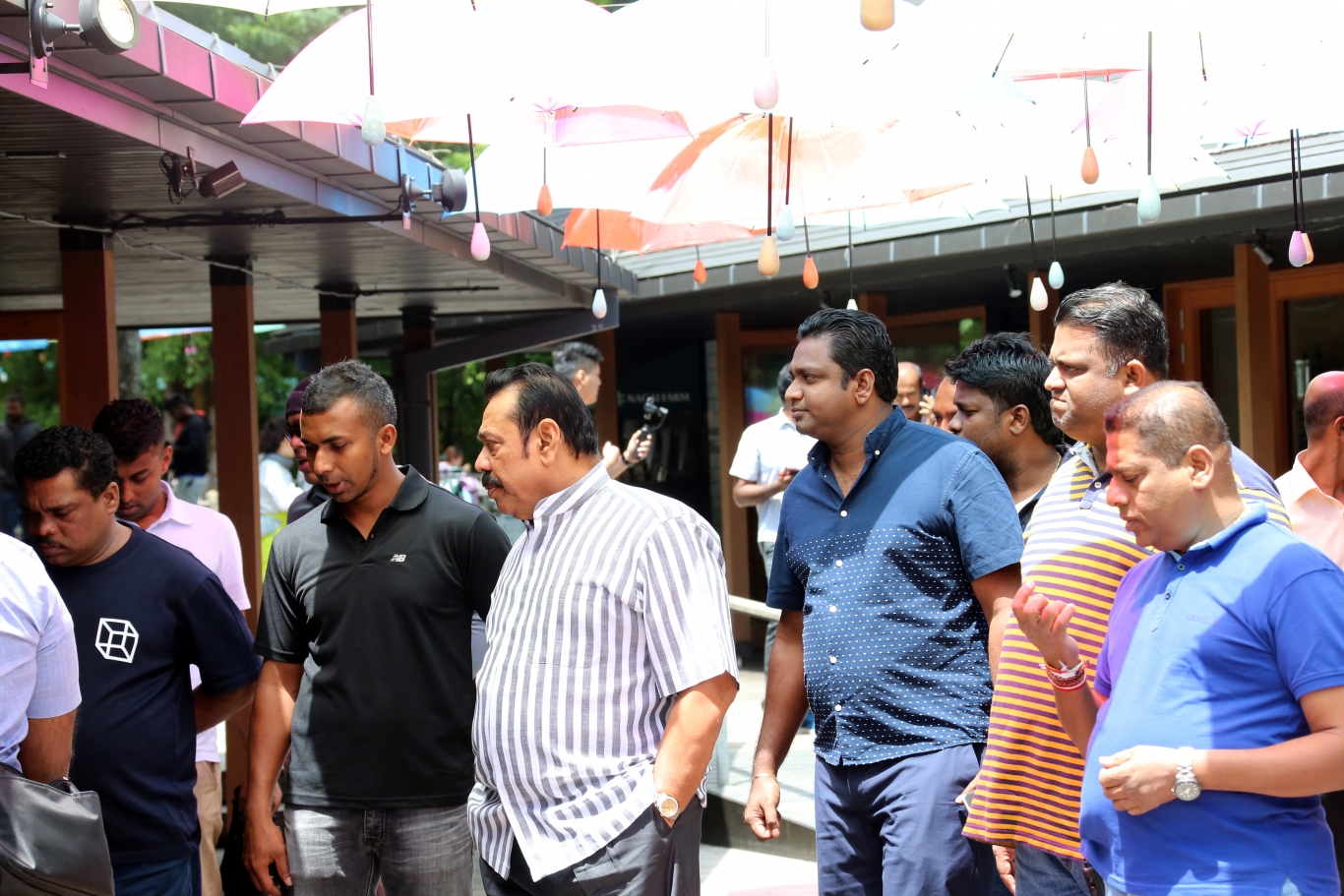
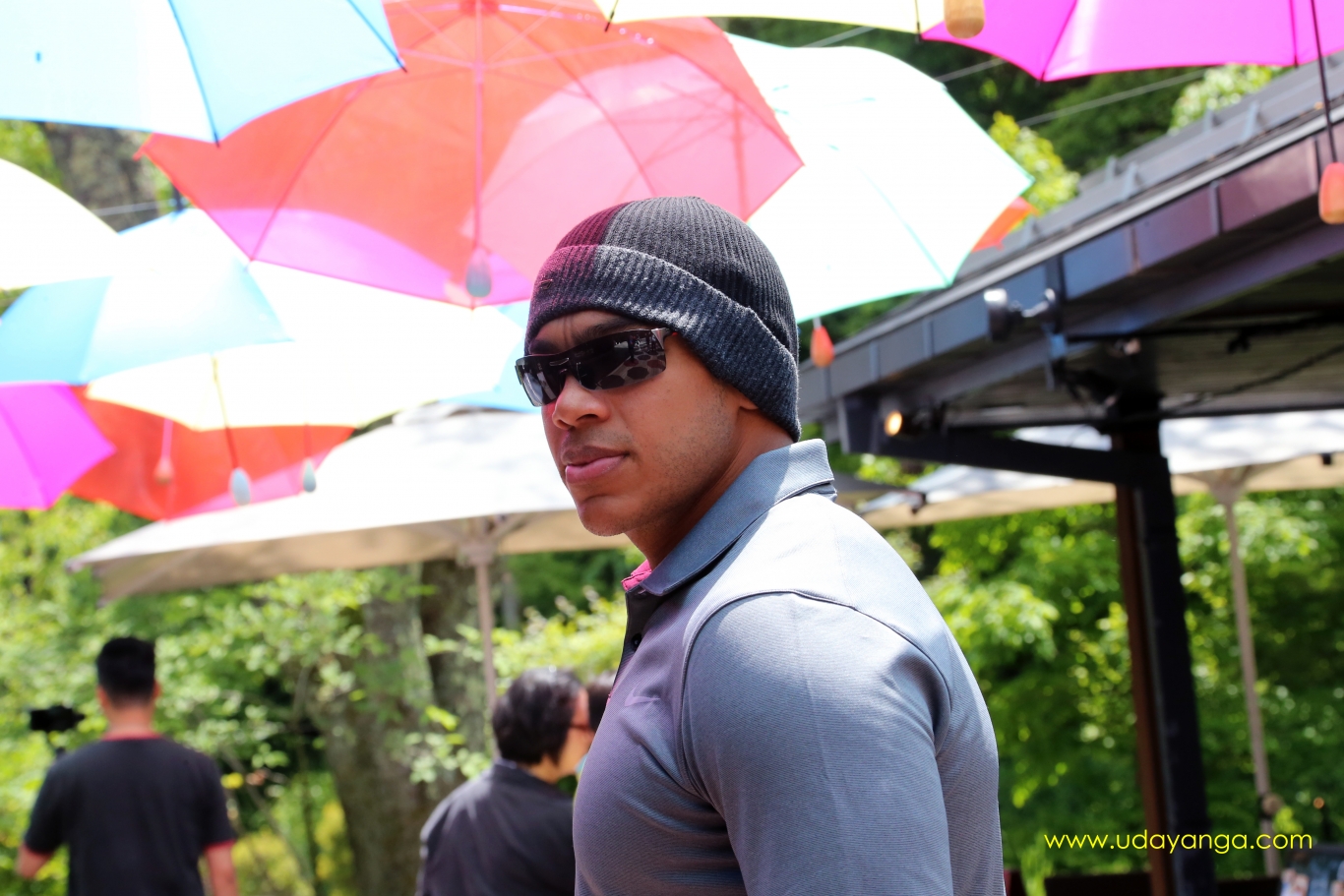
В Kuruisawa, Япония …

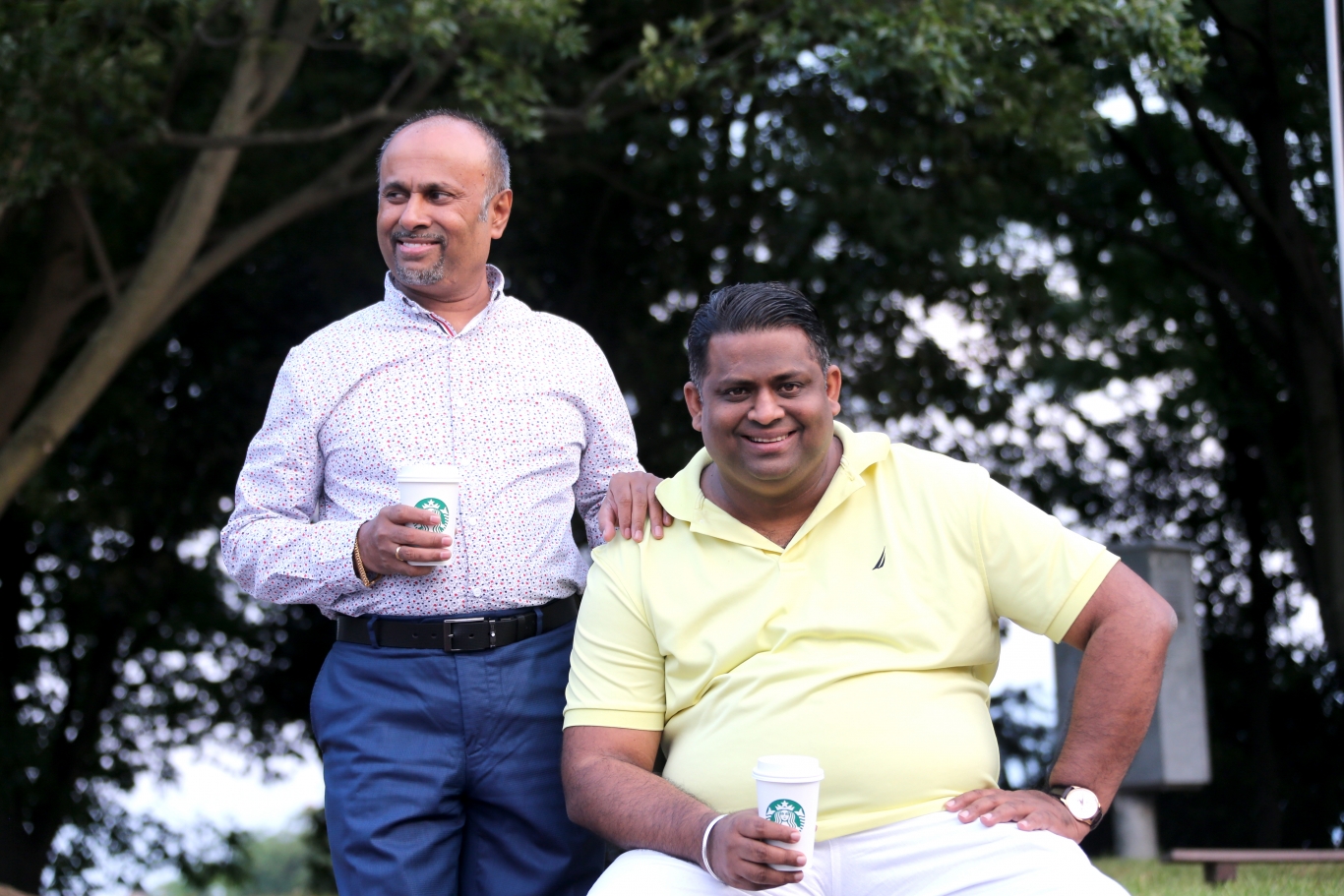
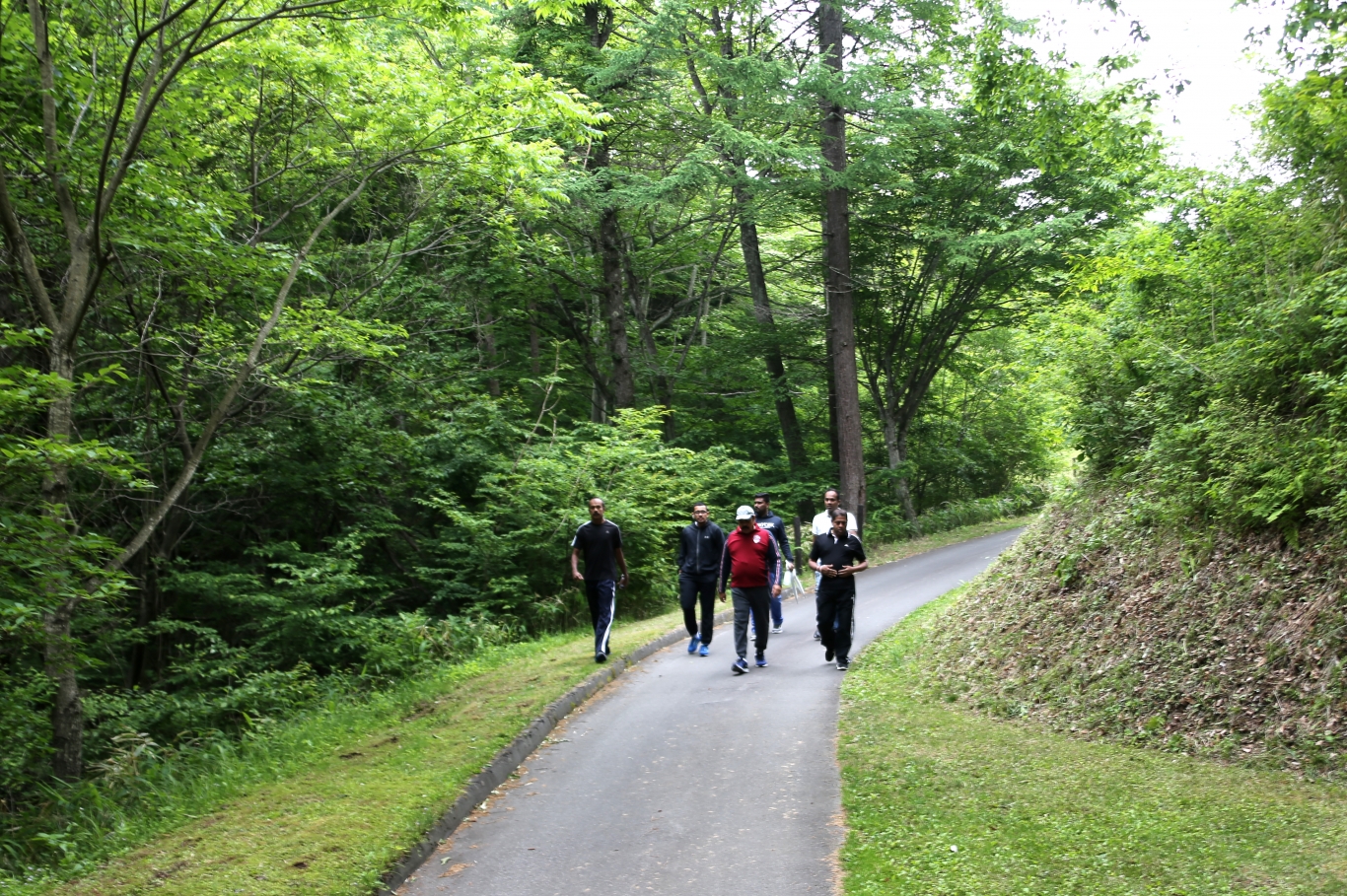
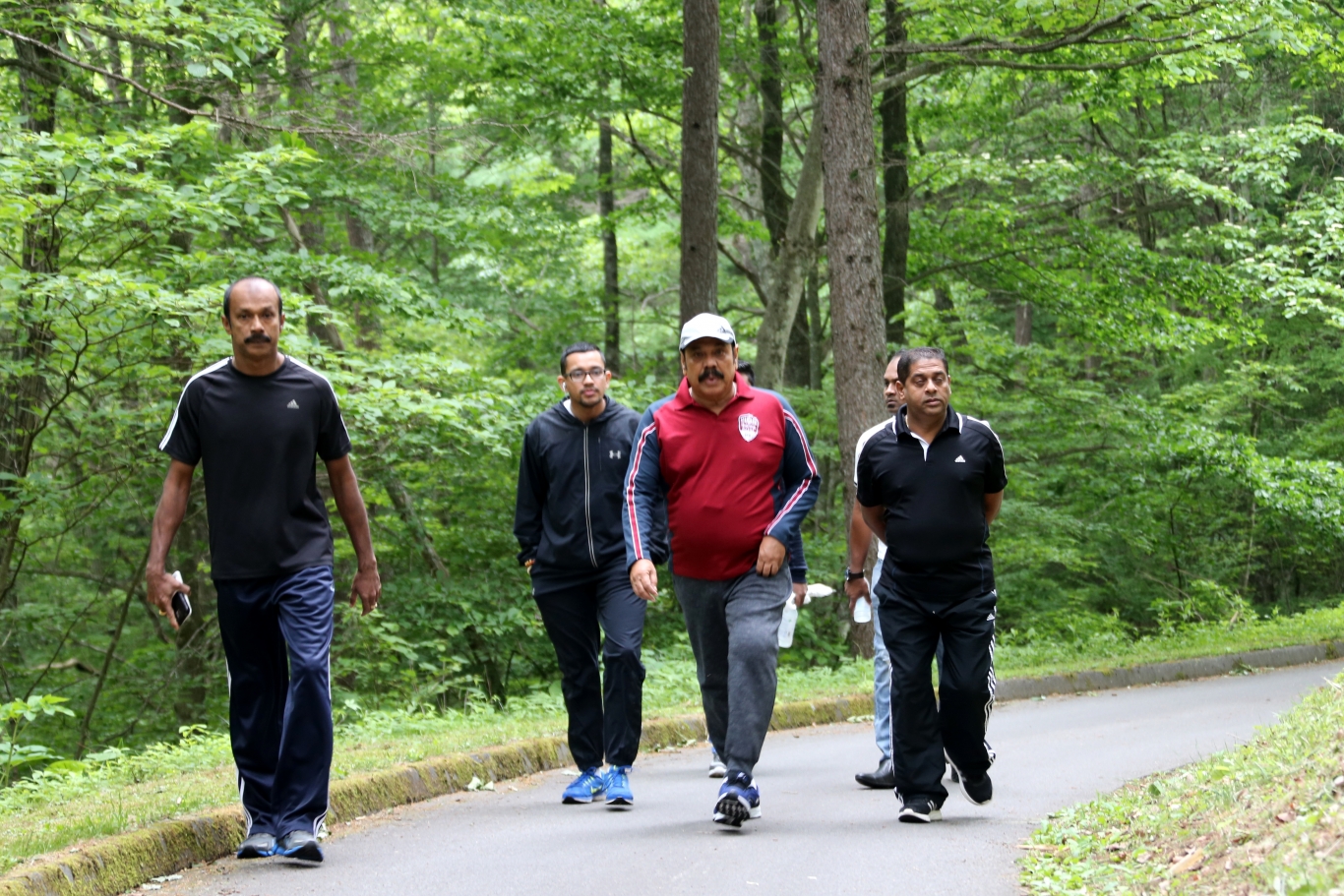
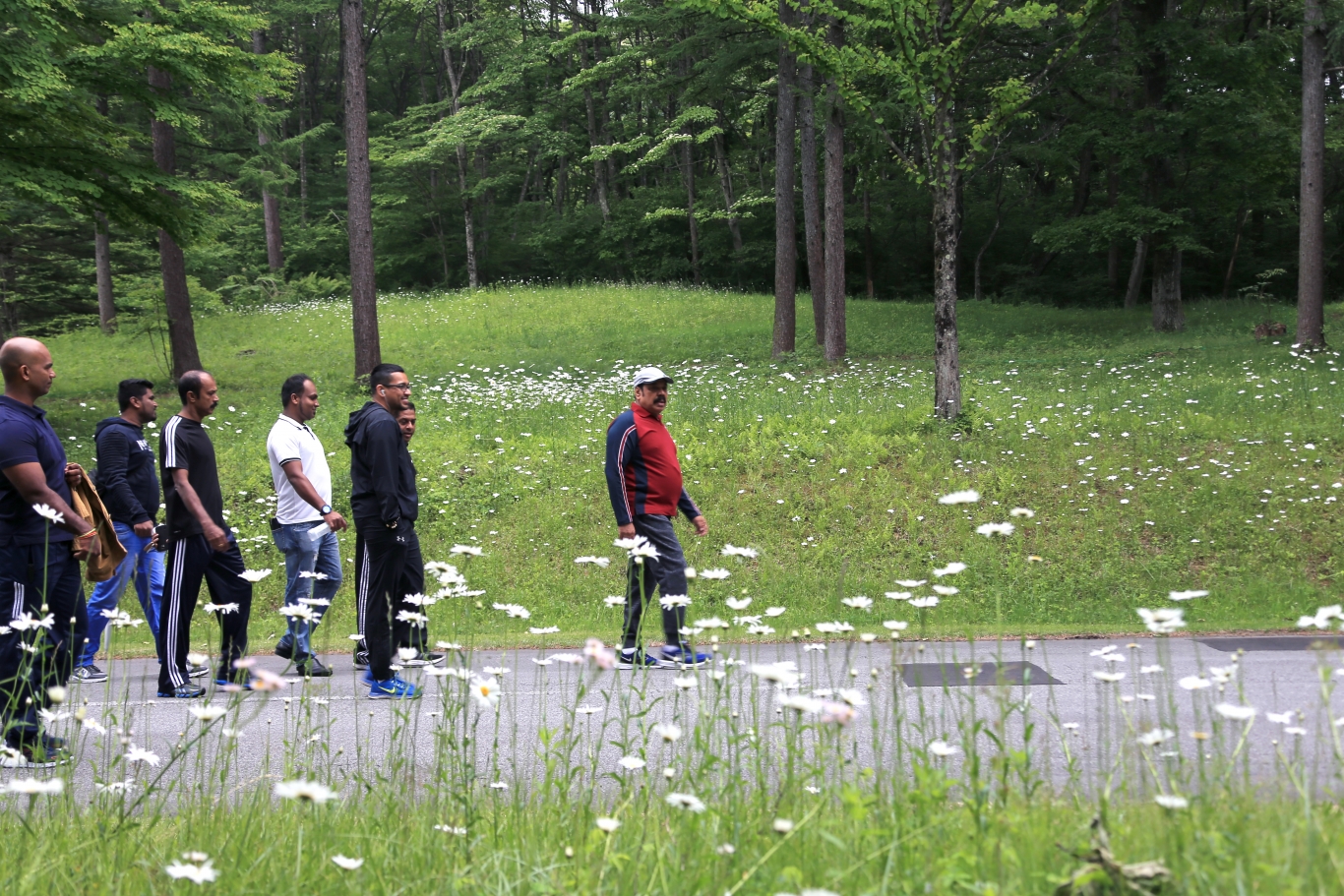
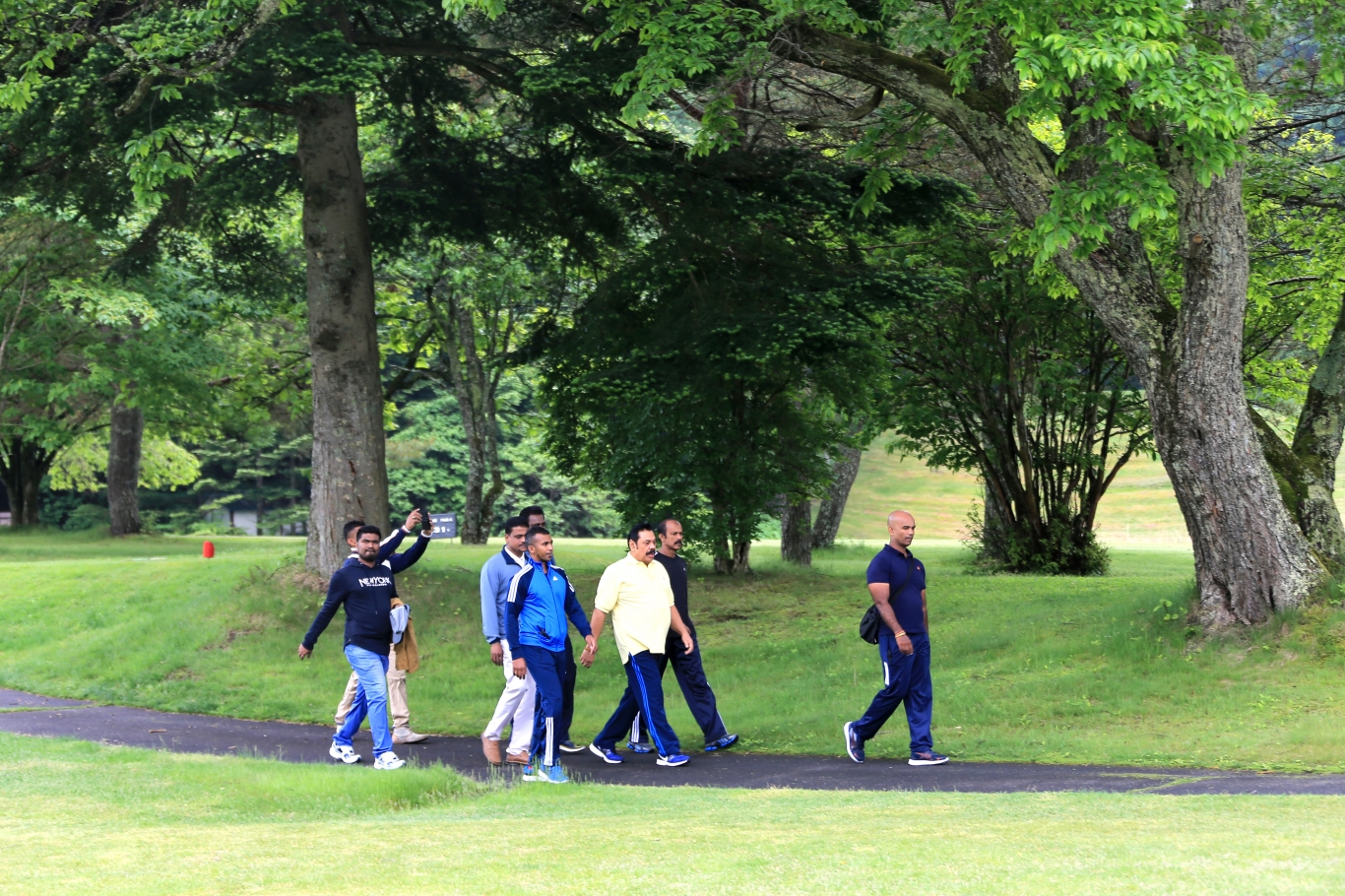
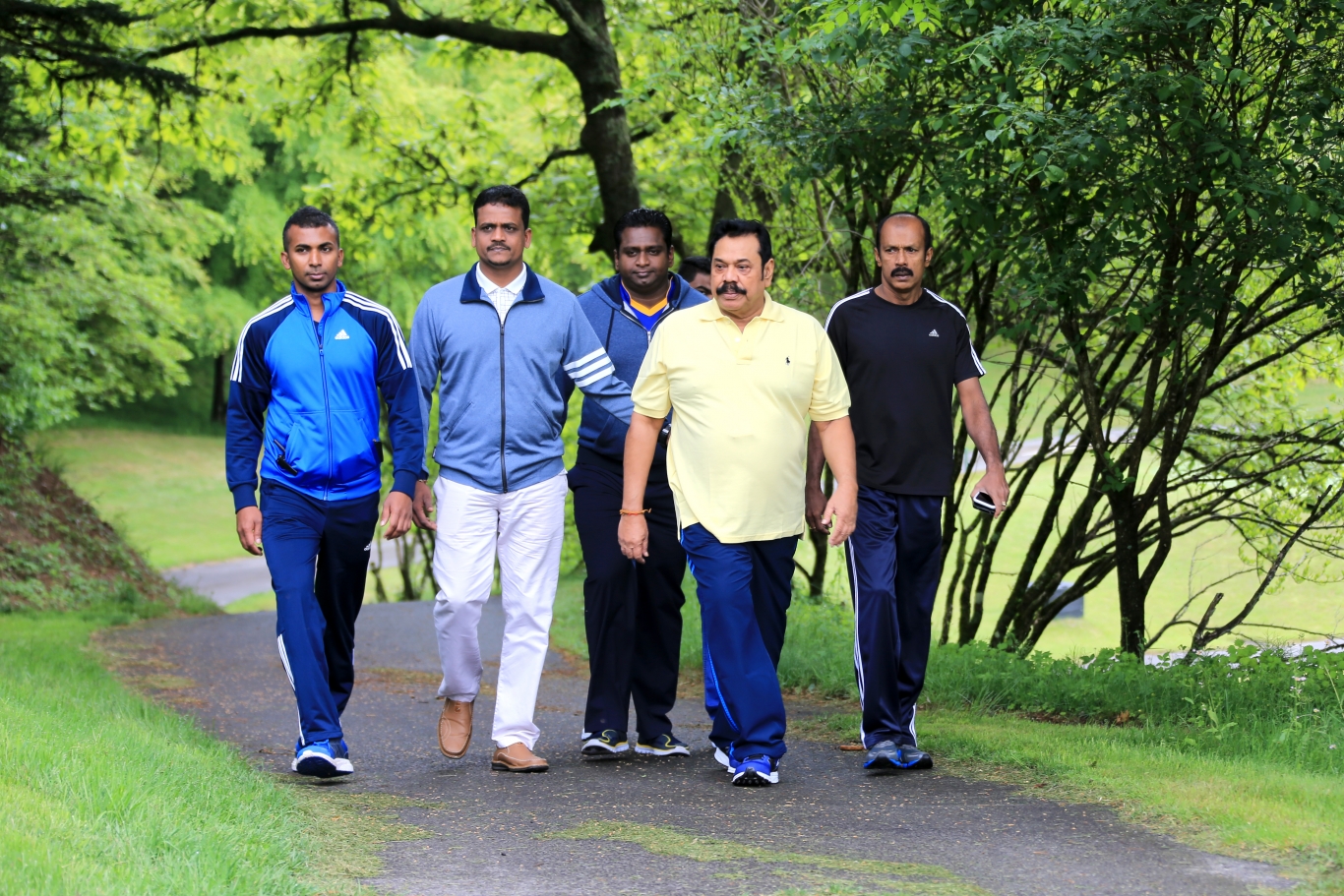
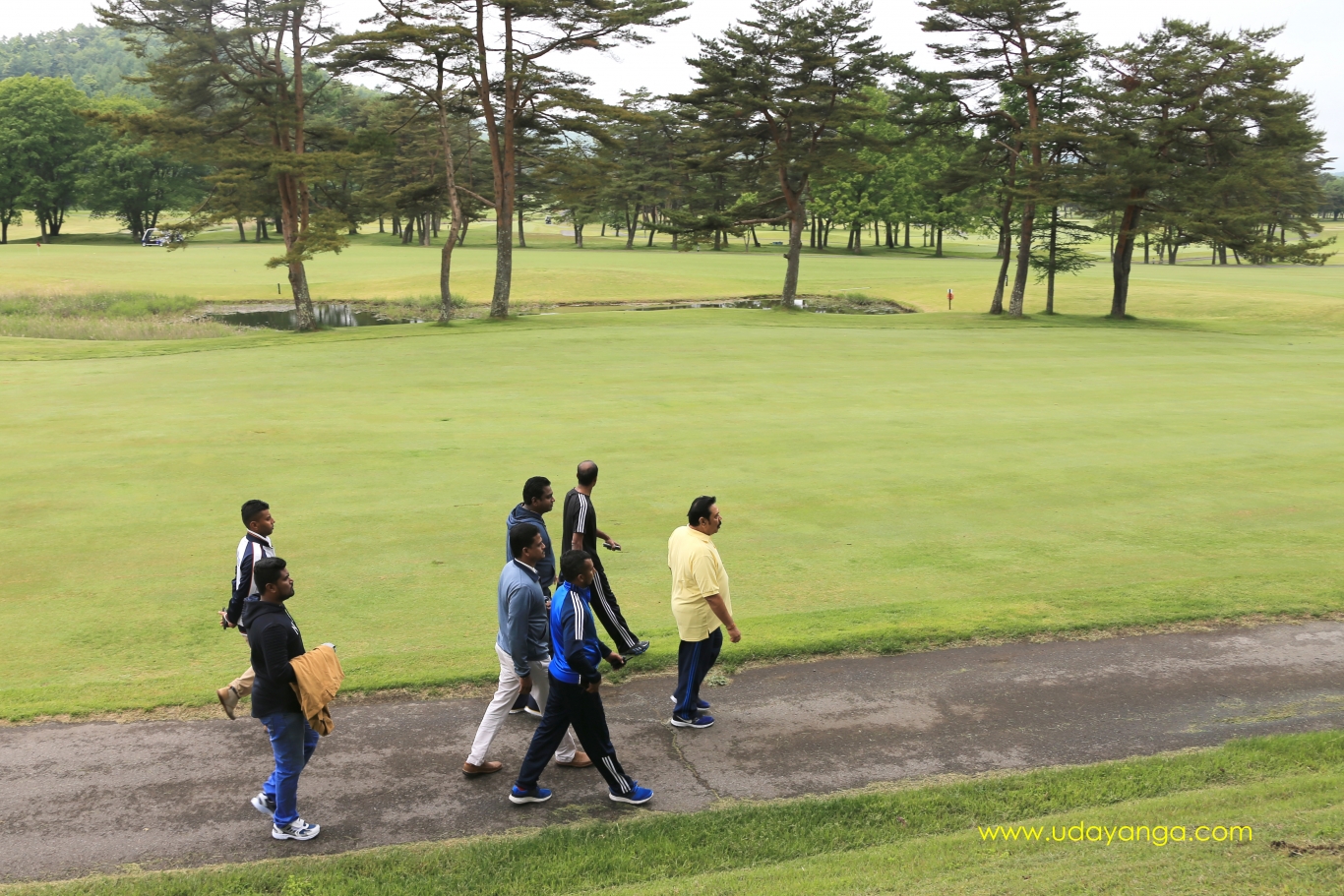
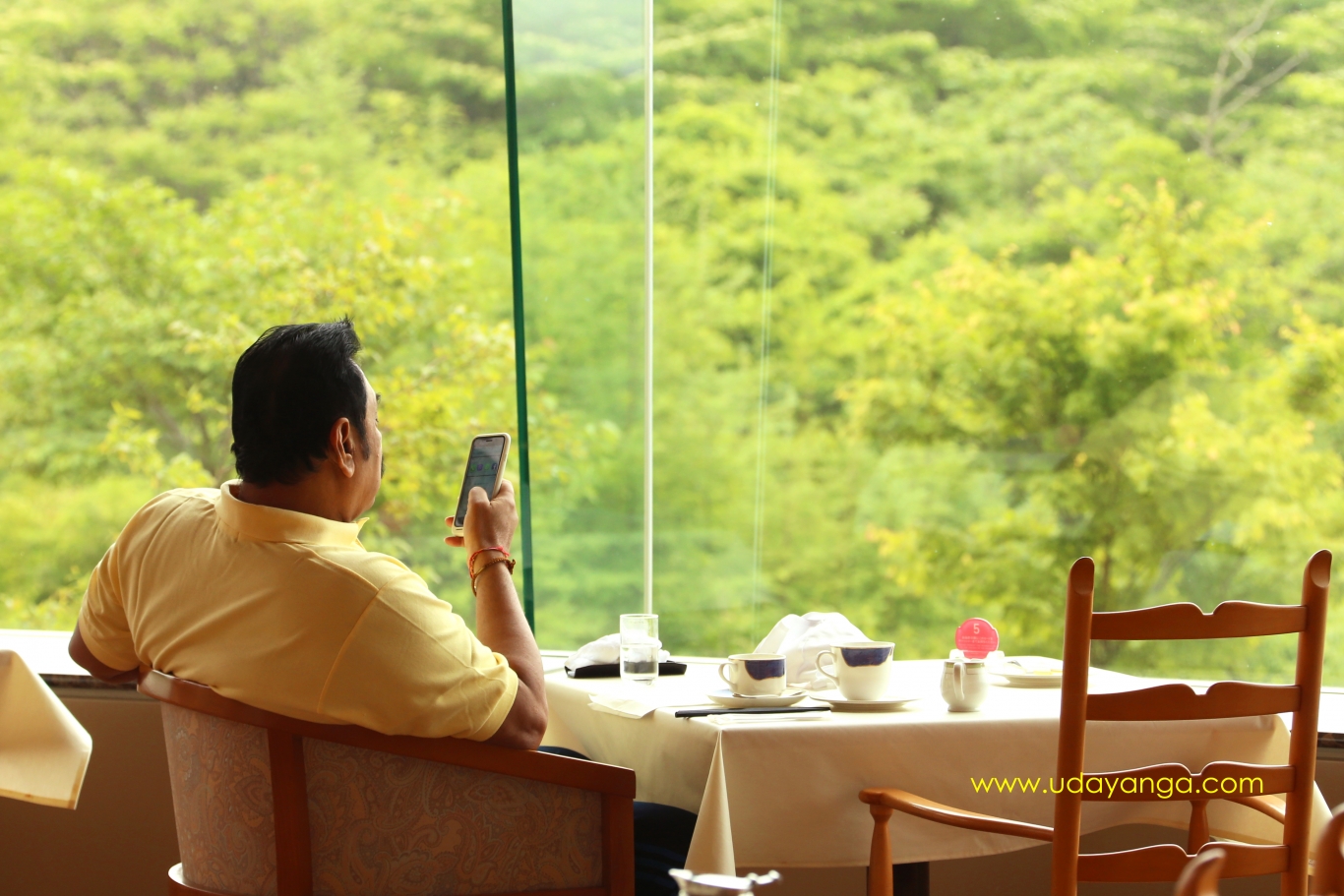
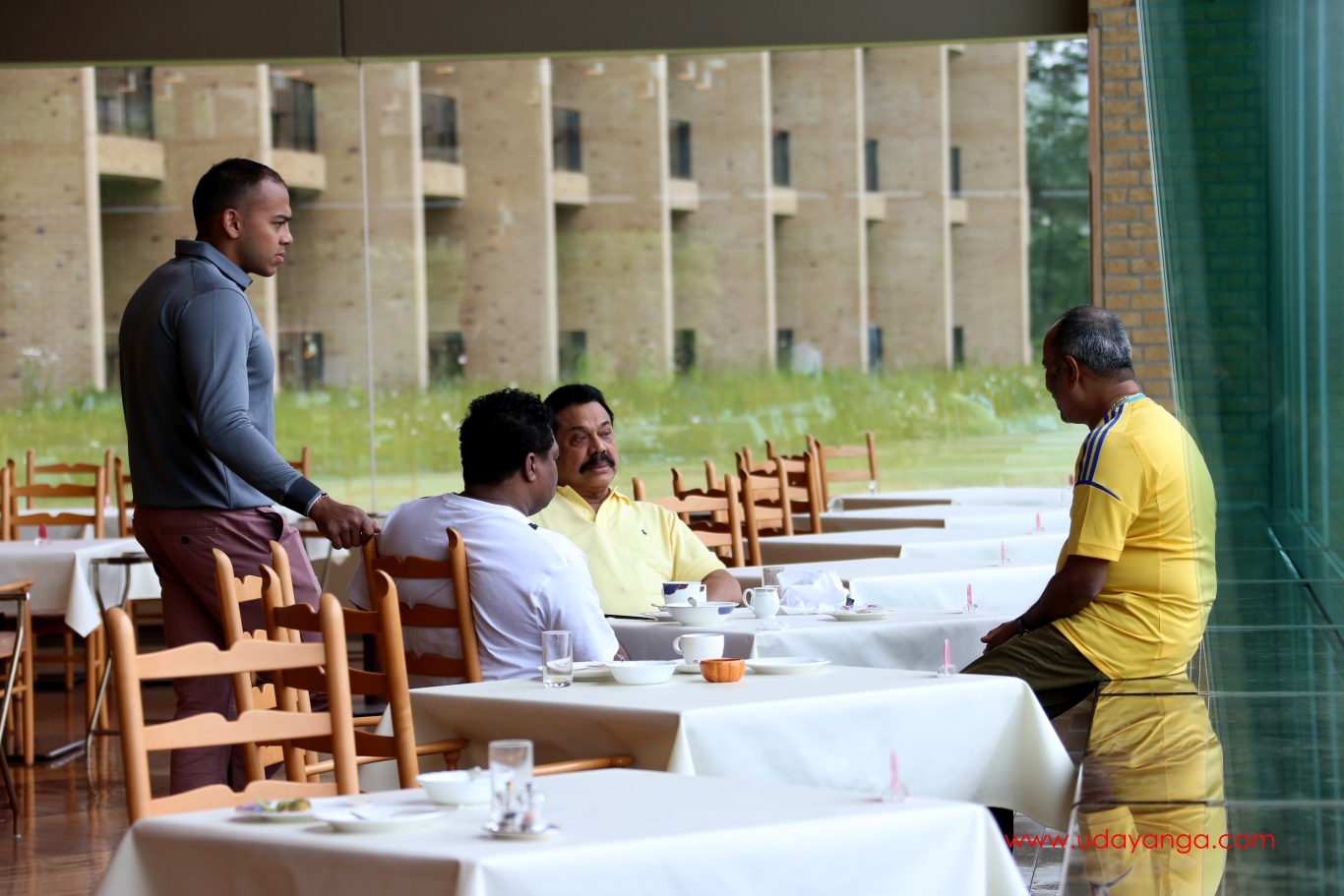
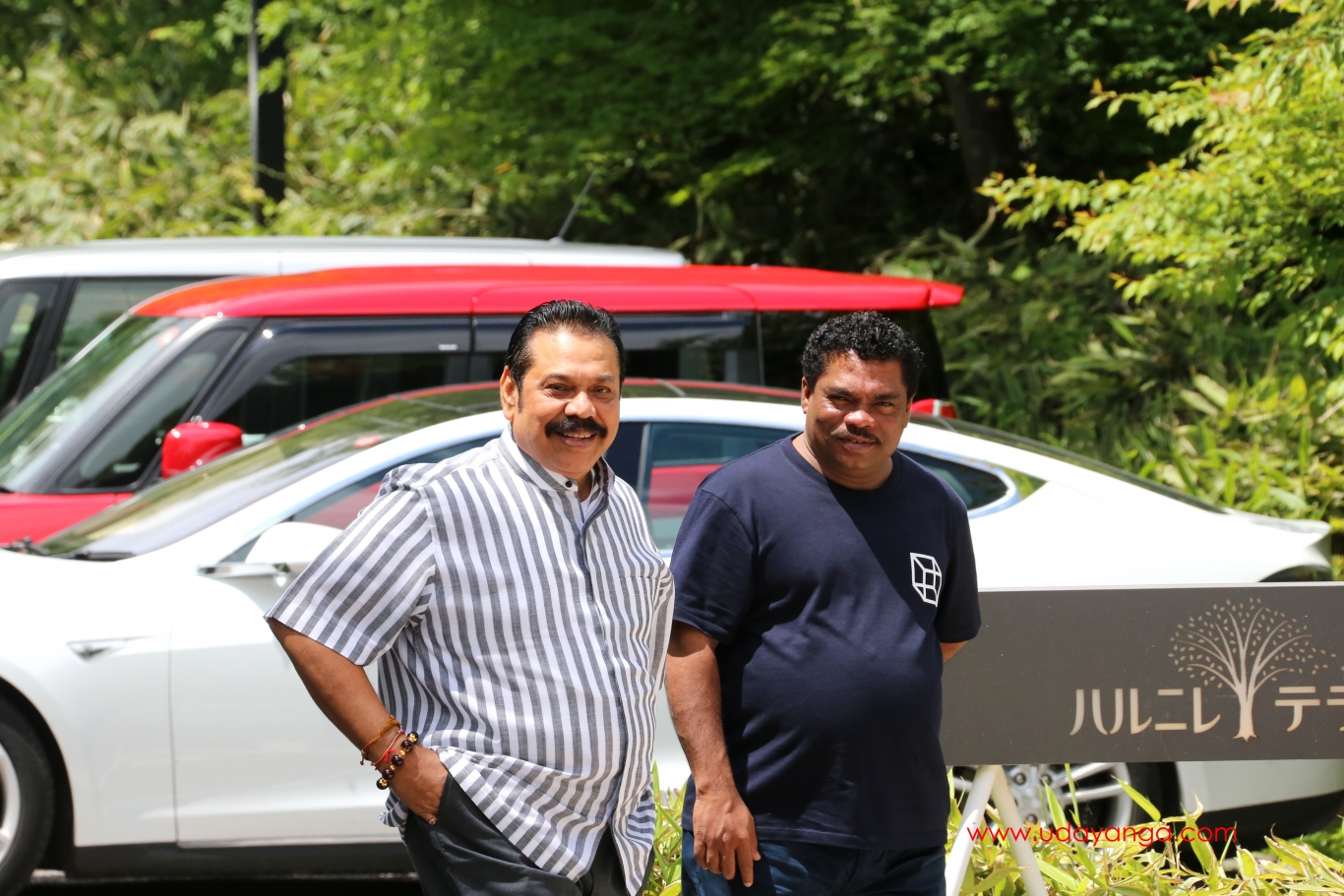
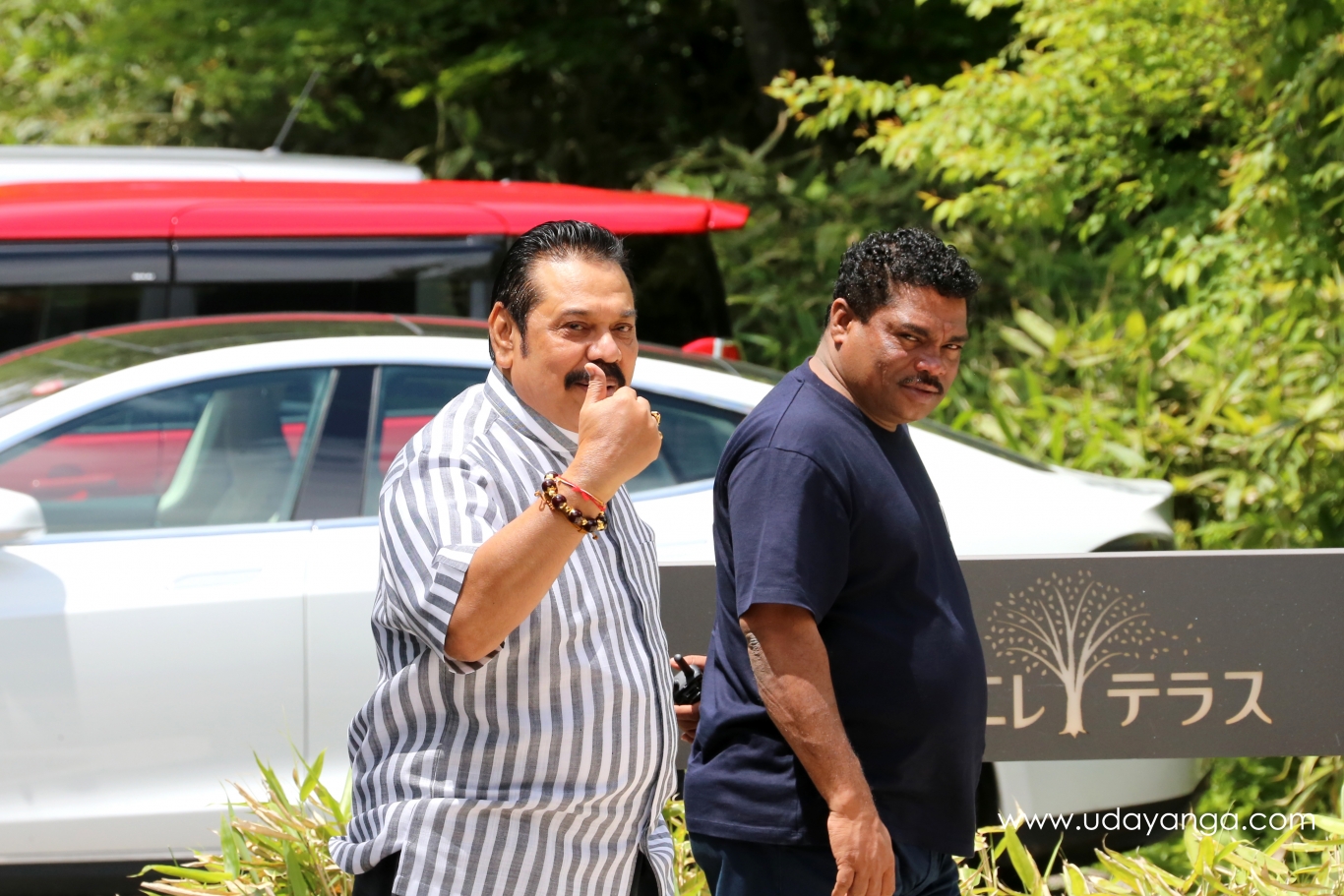
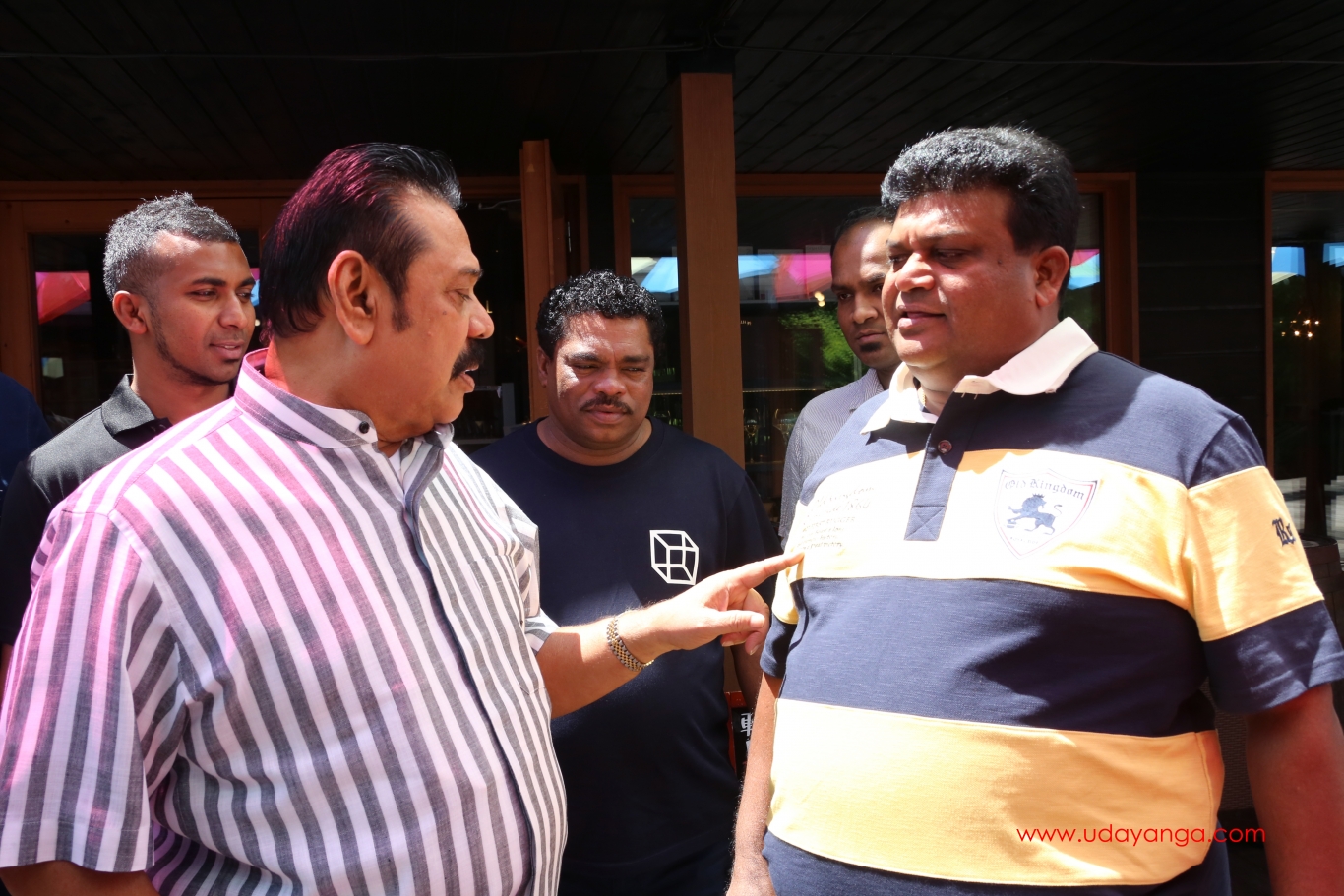
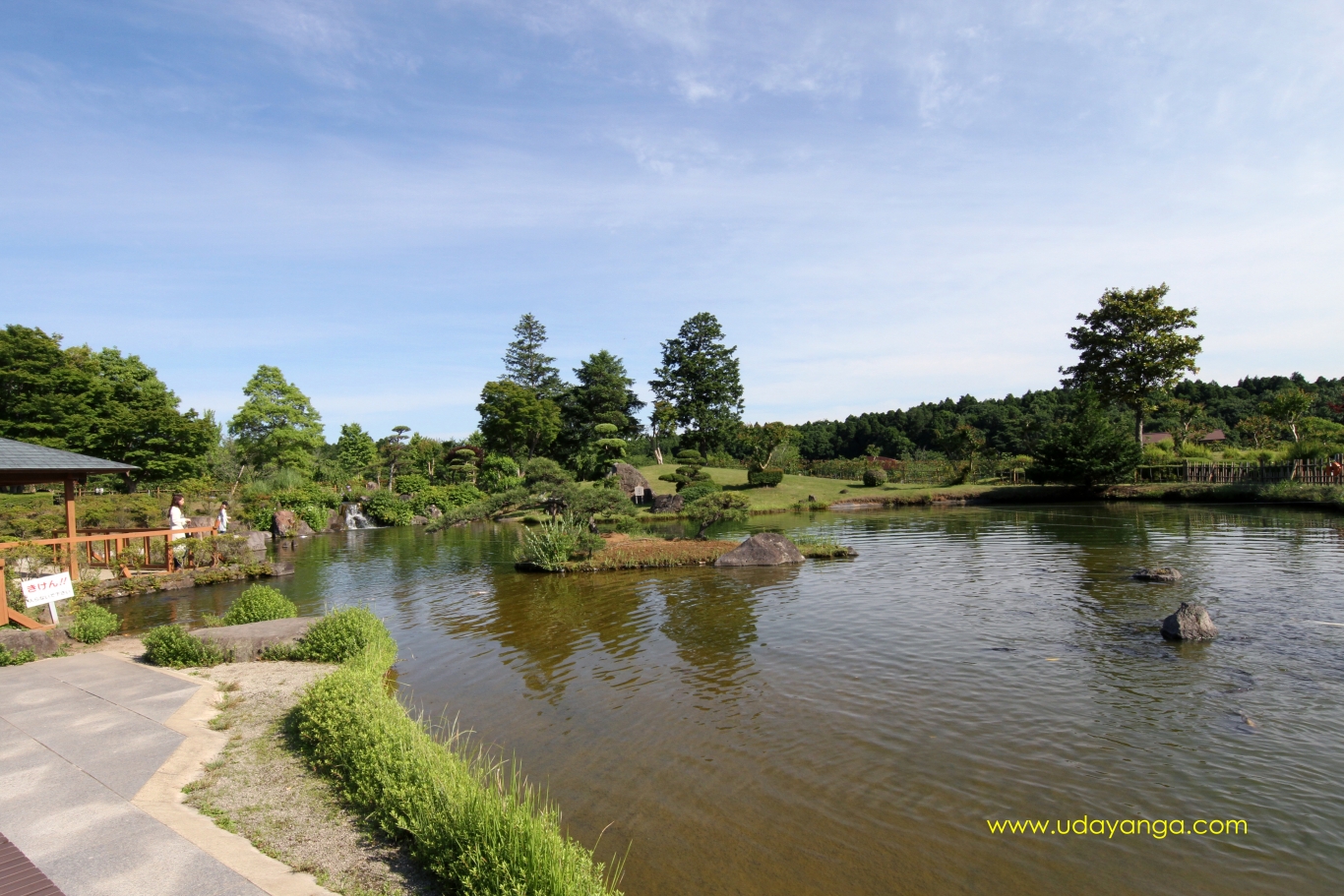
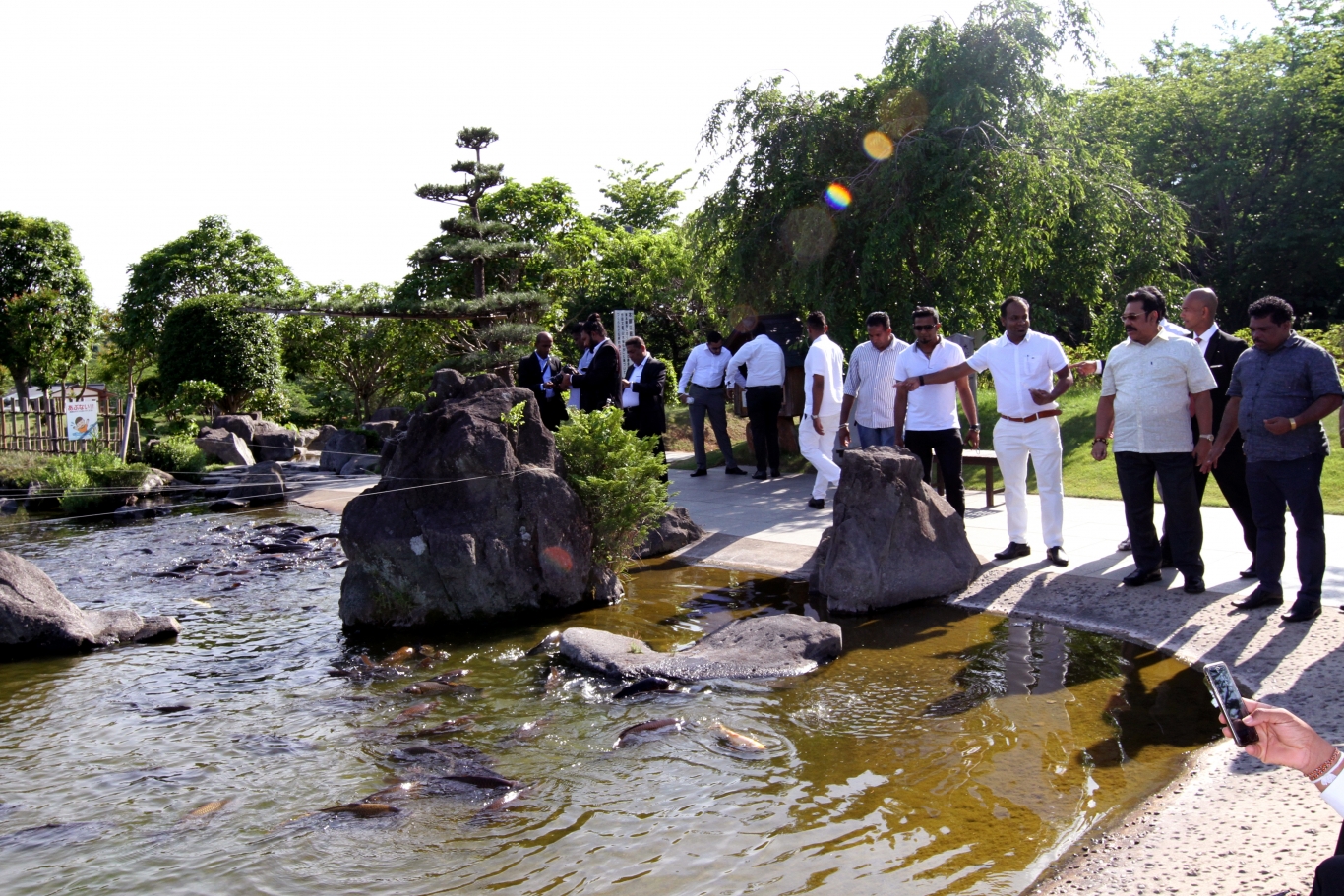
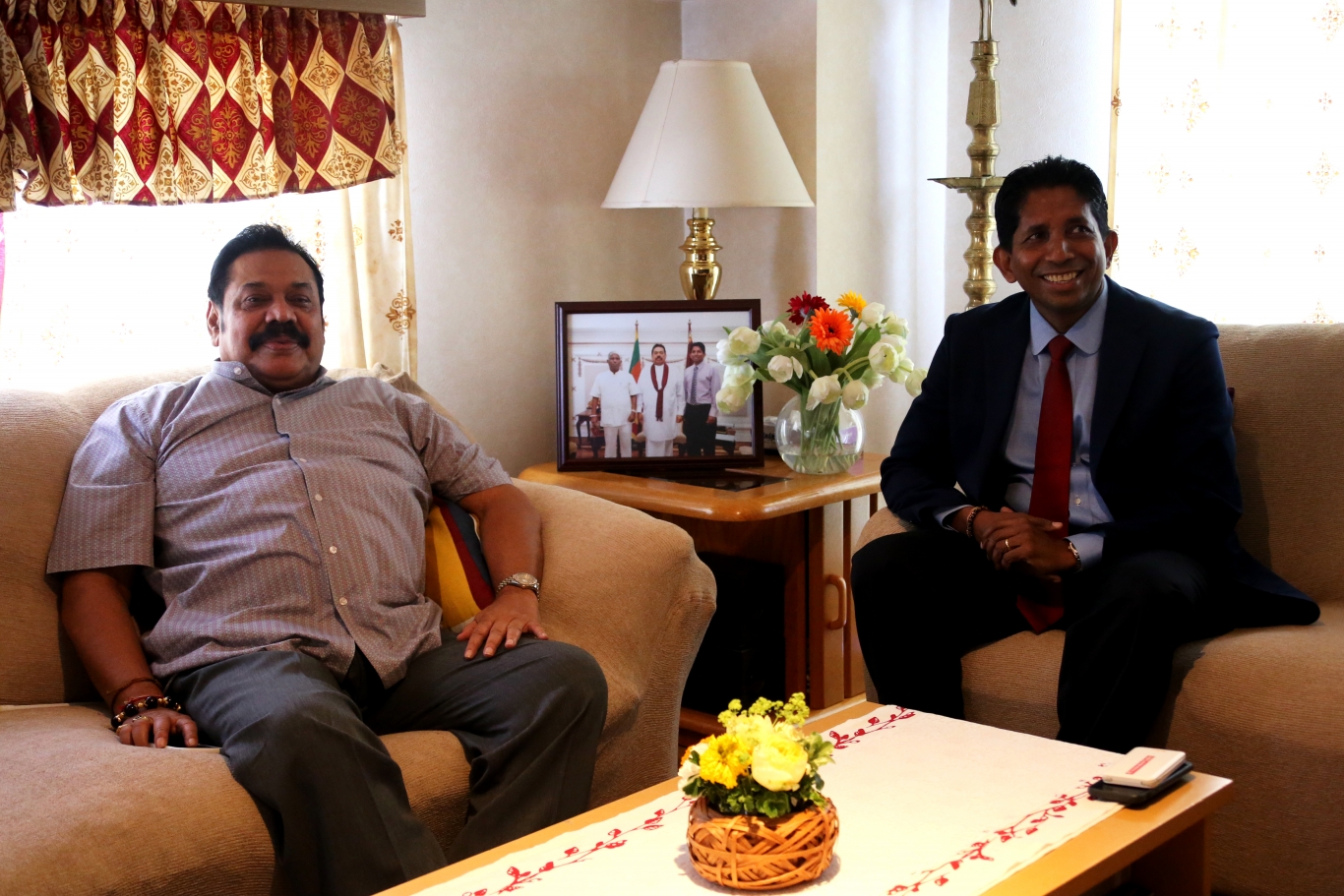
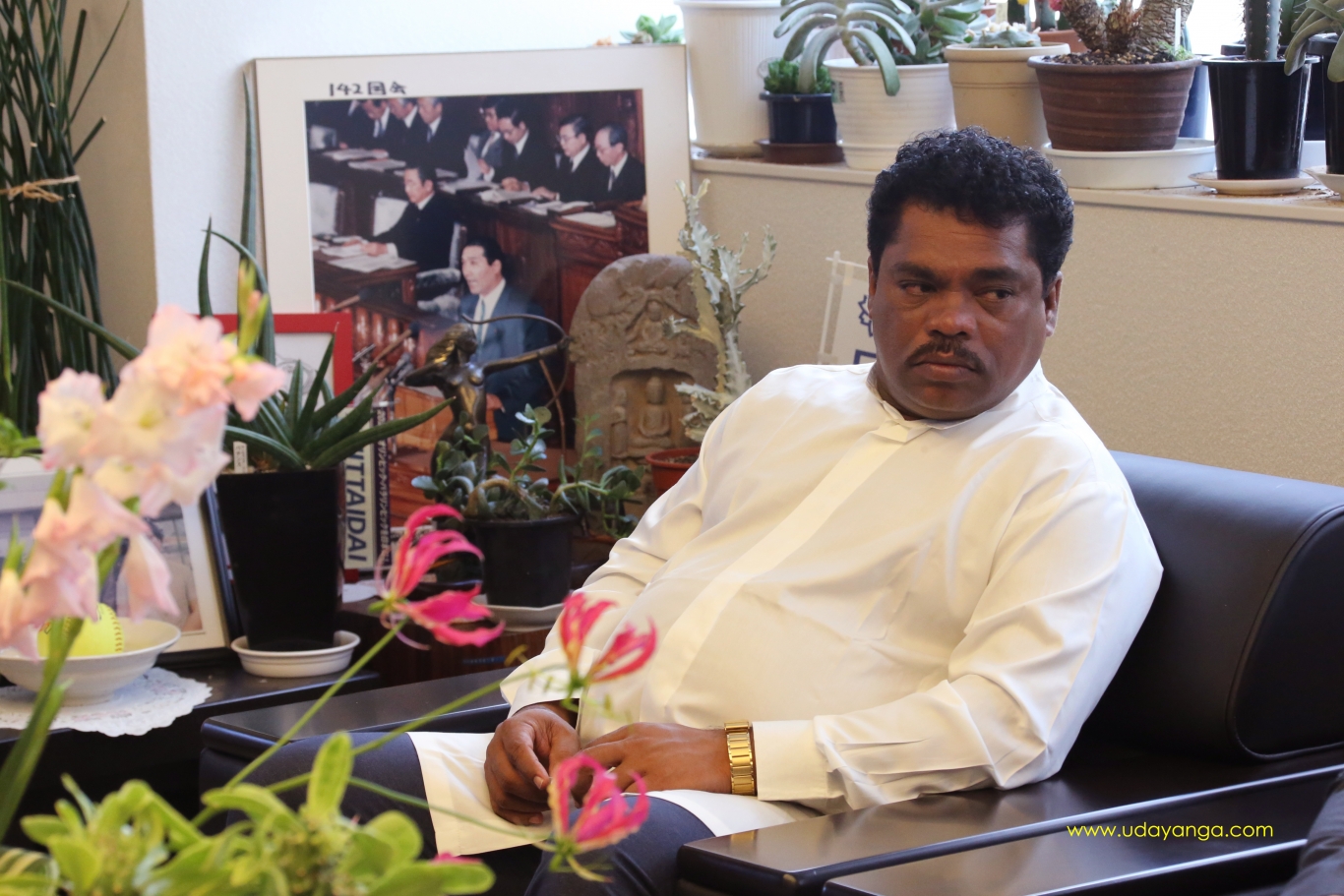
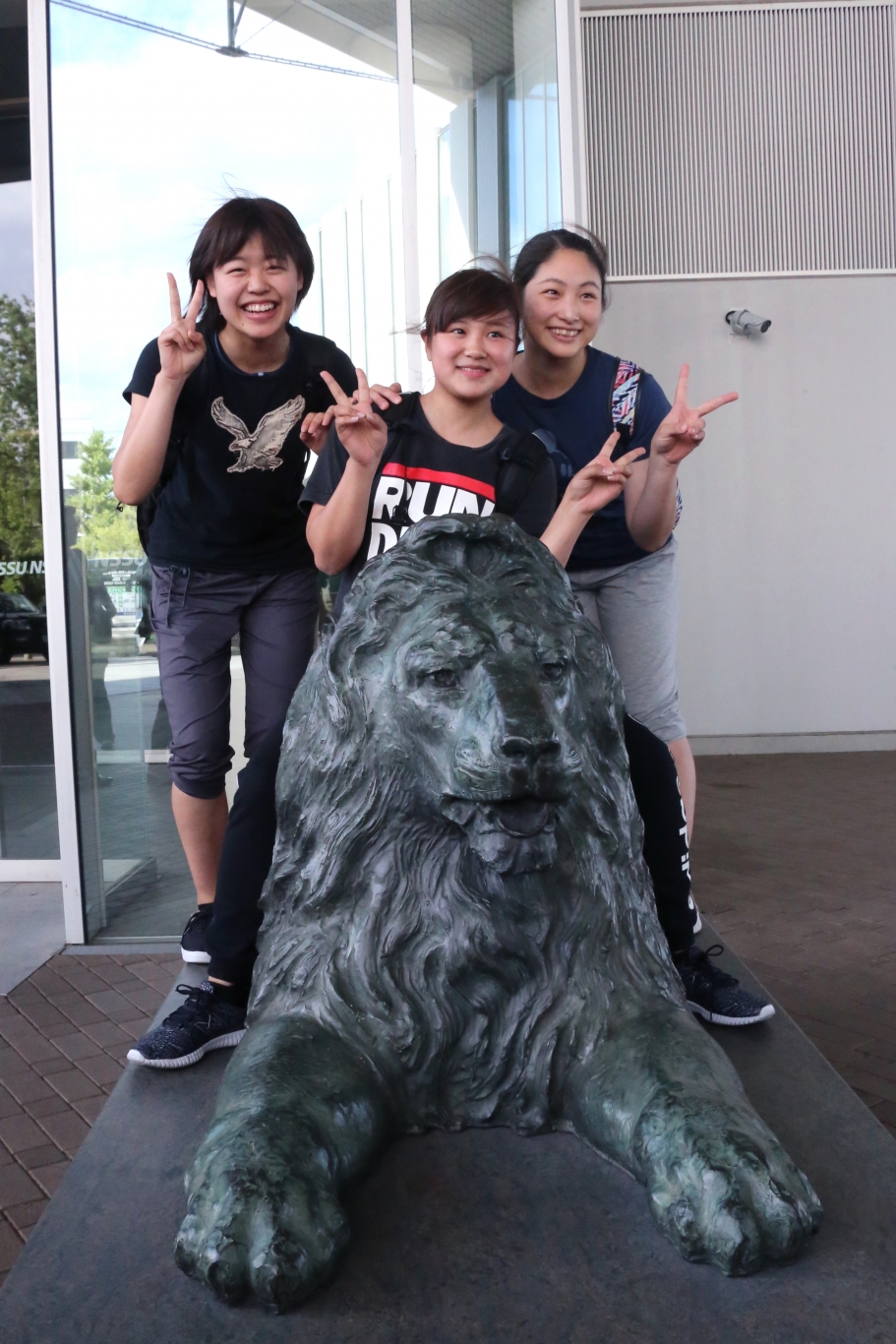
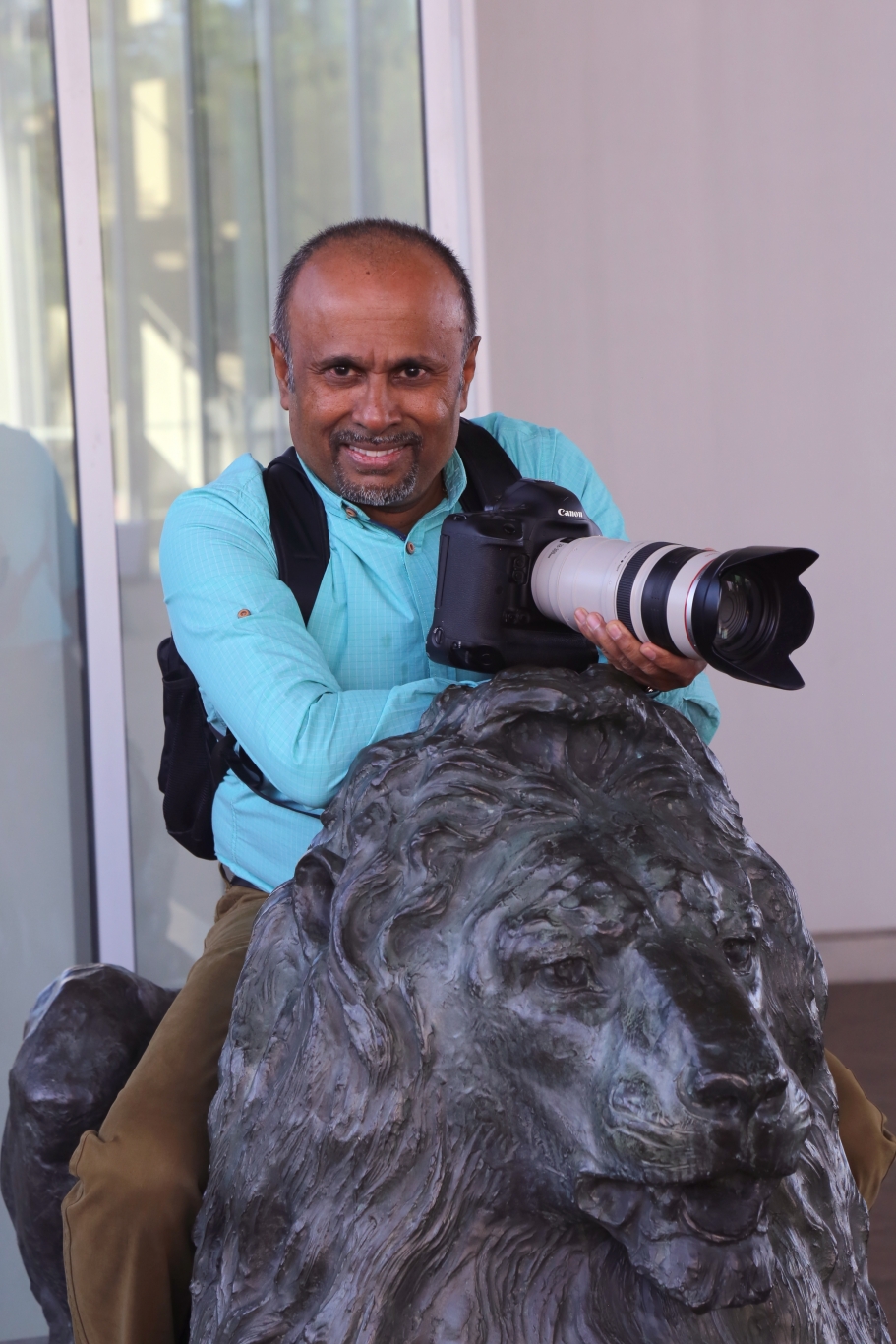
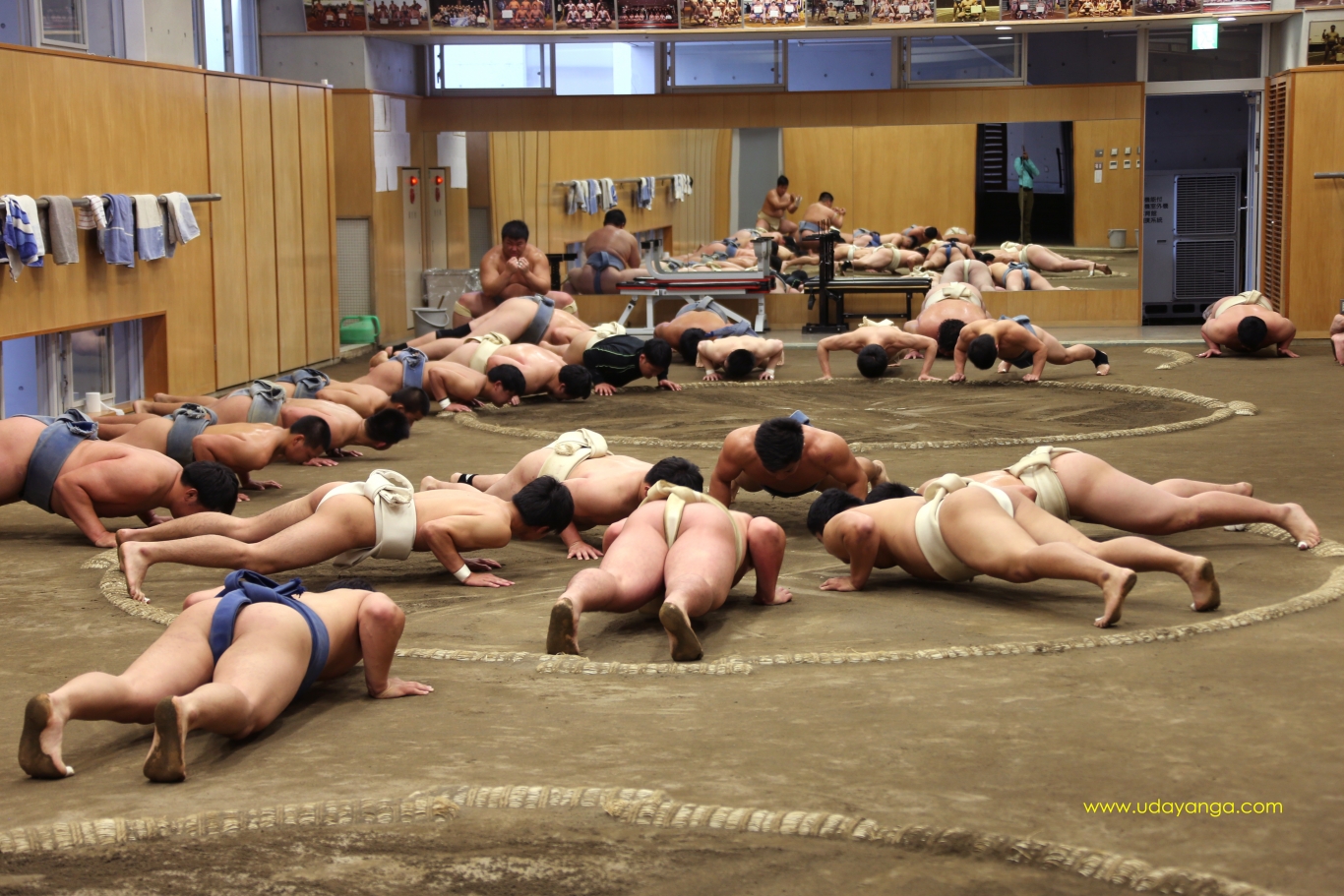
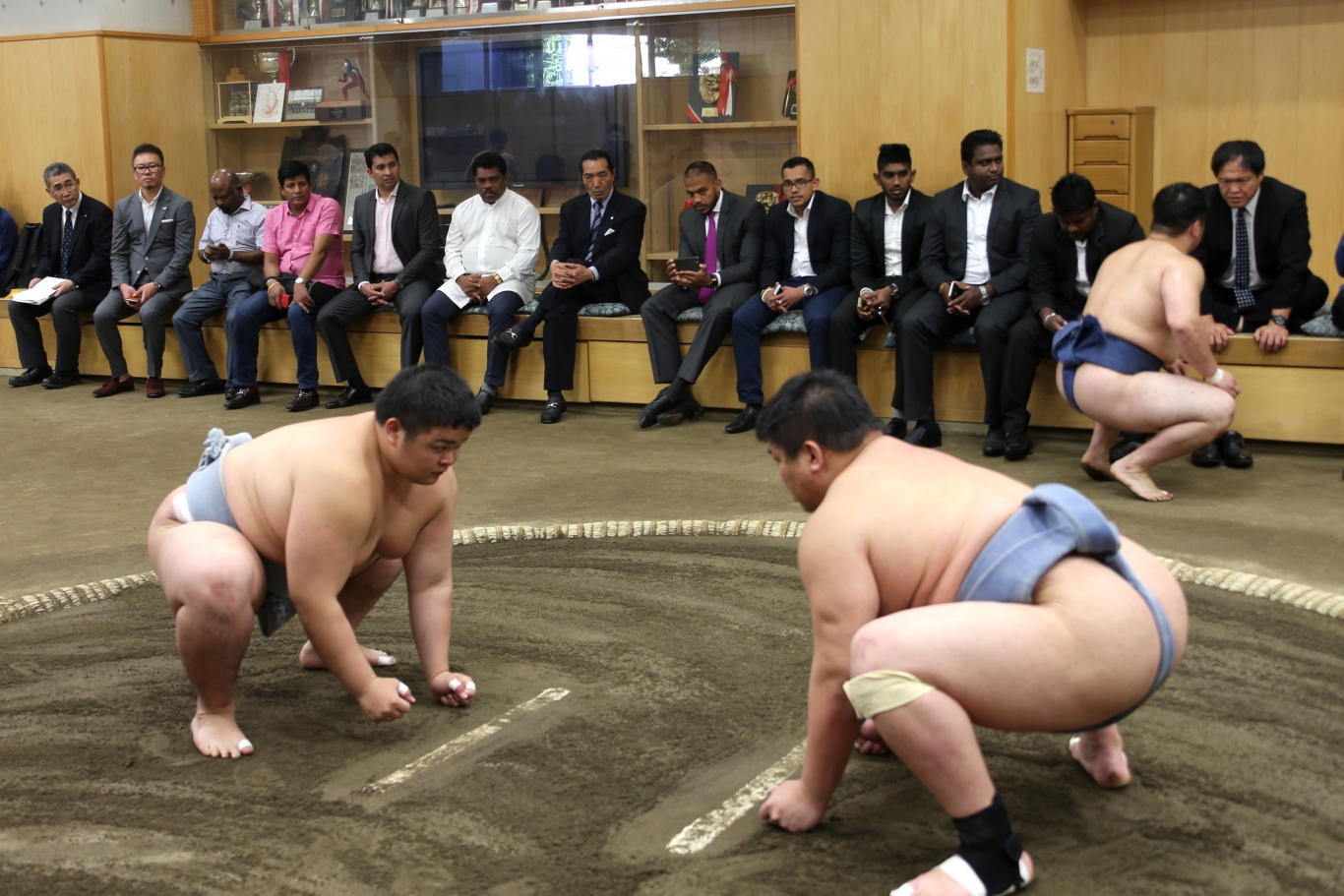
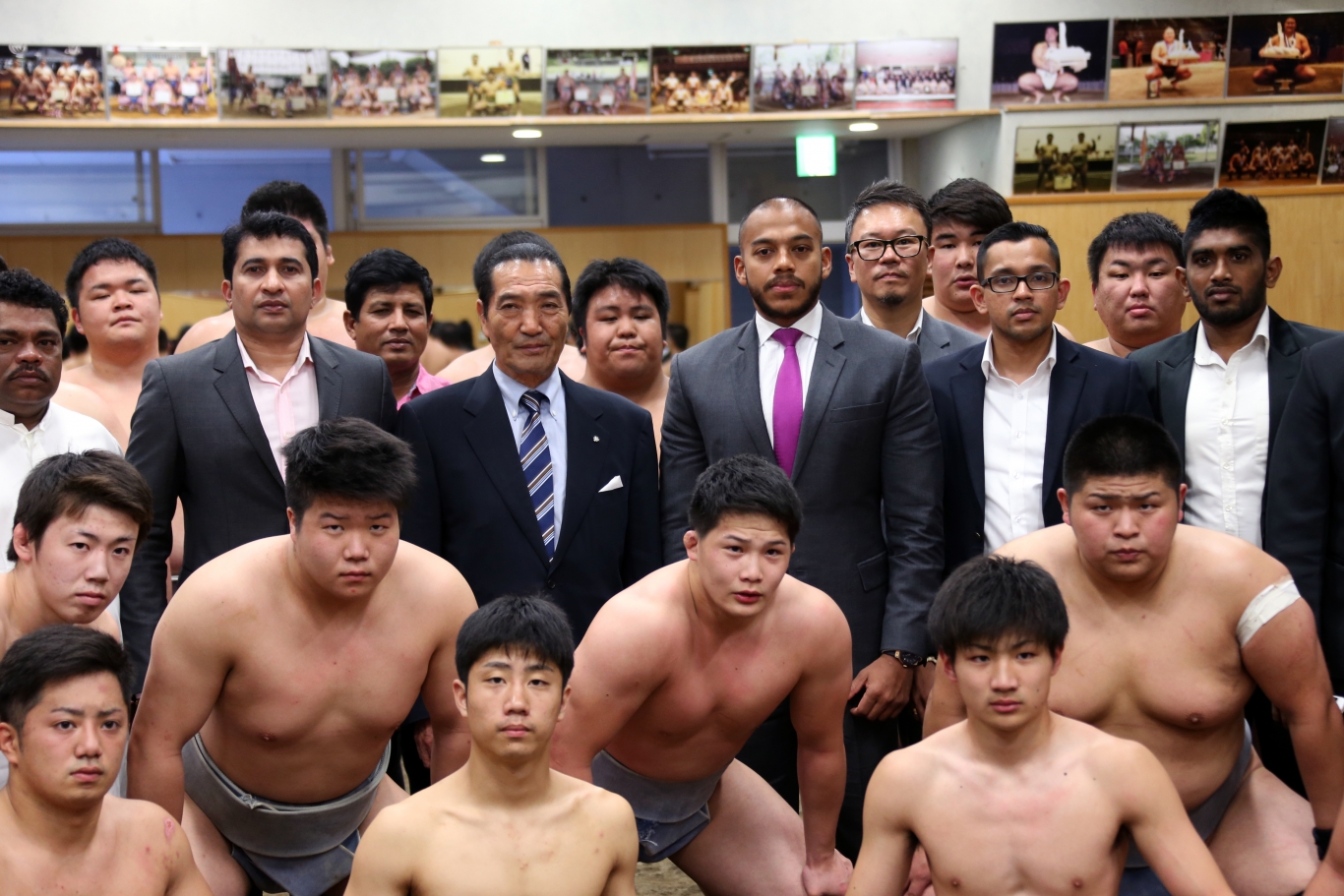
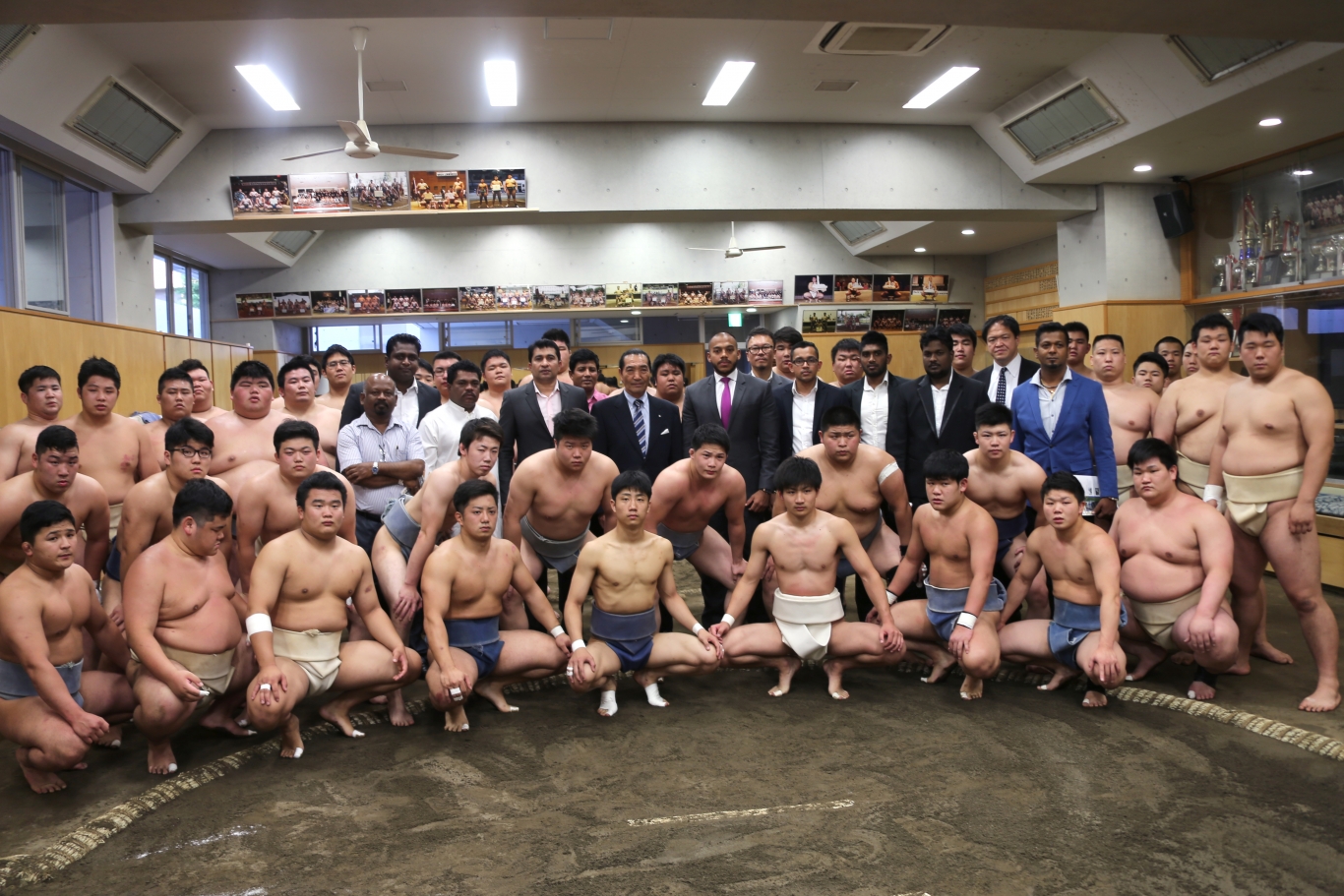
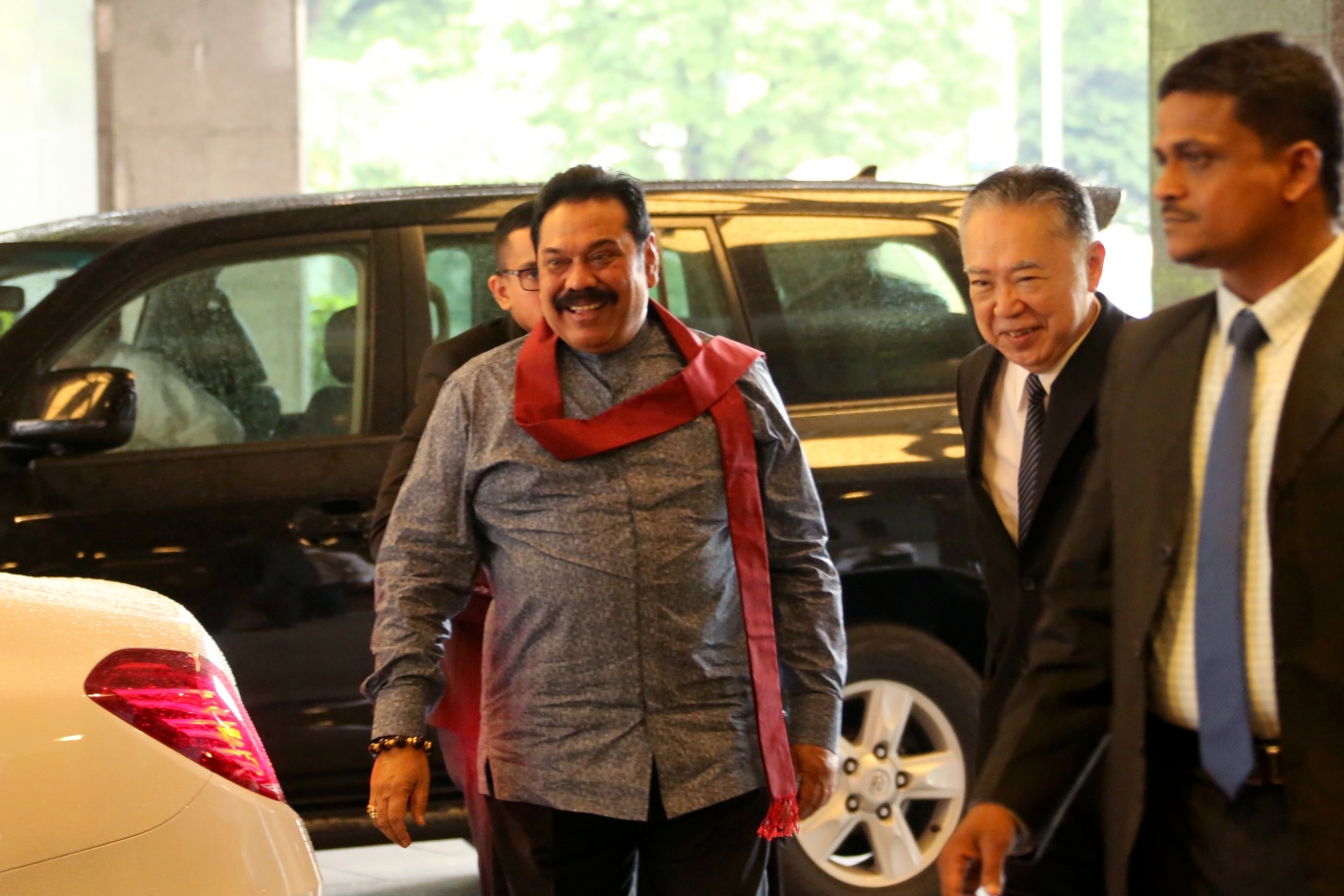
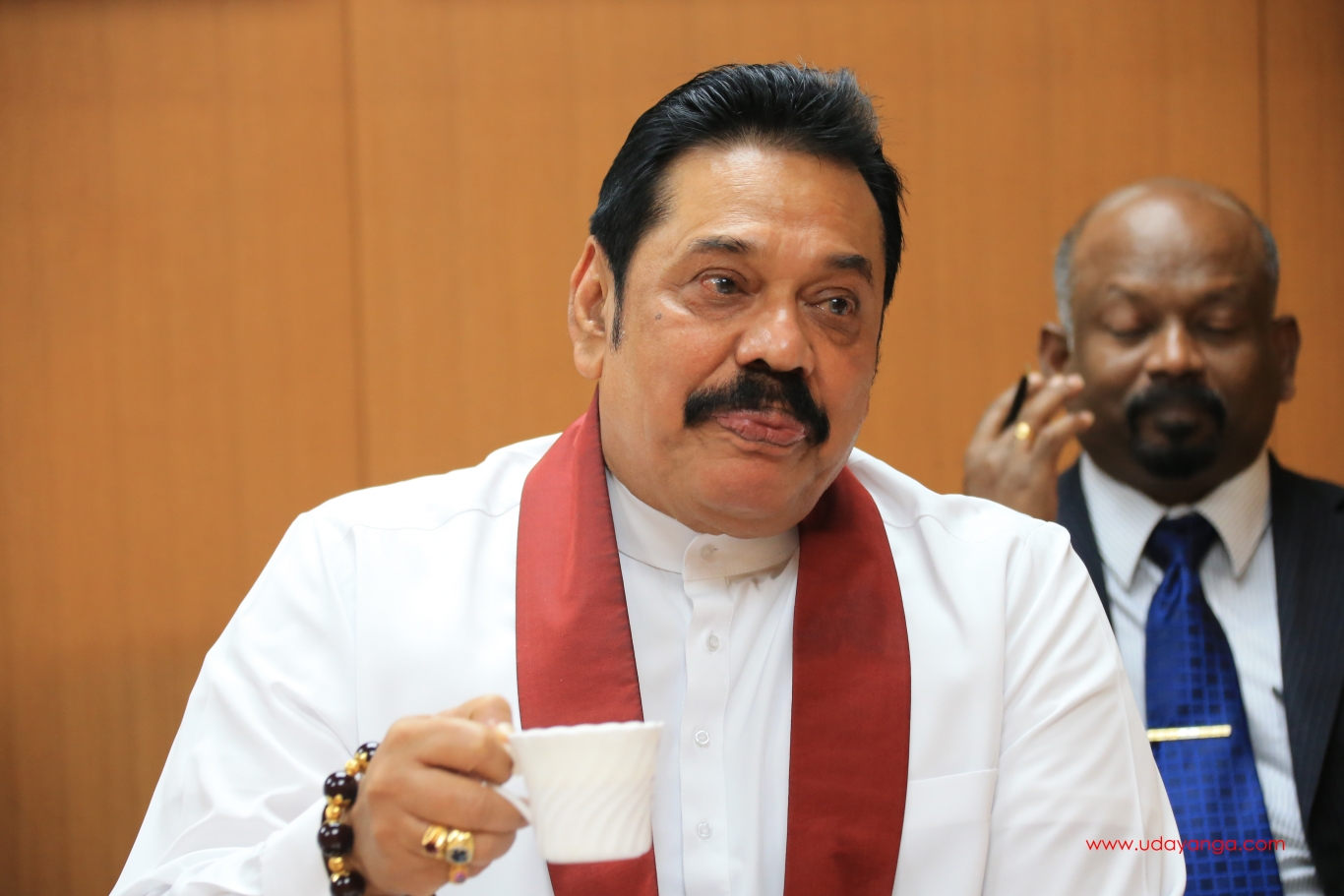
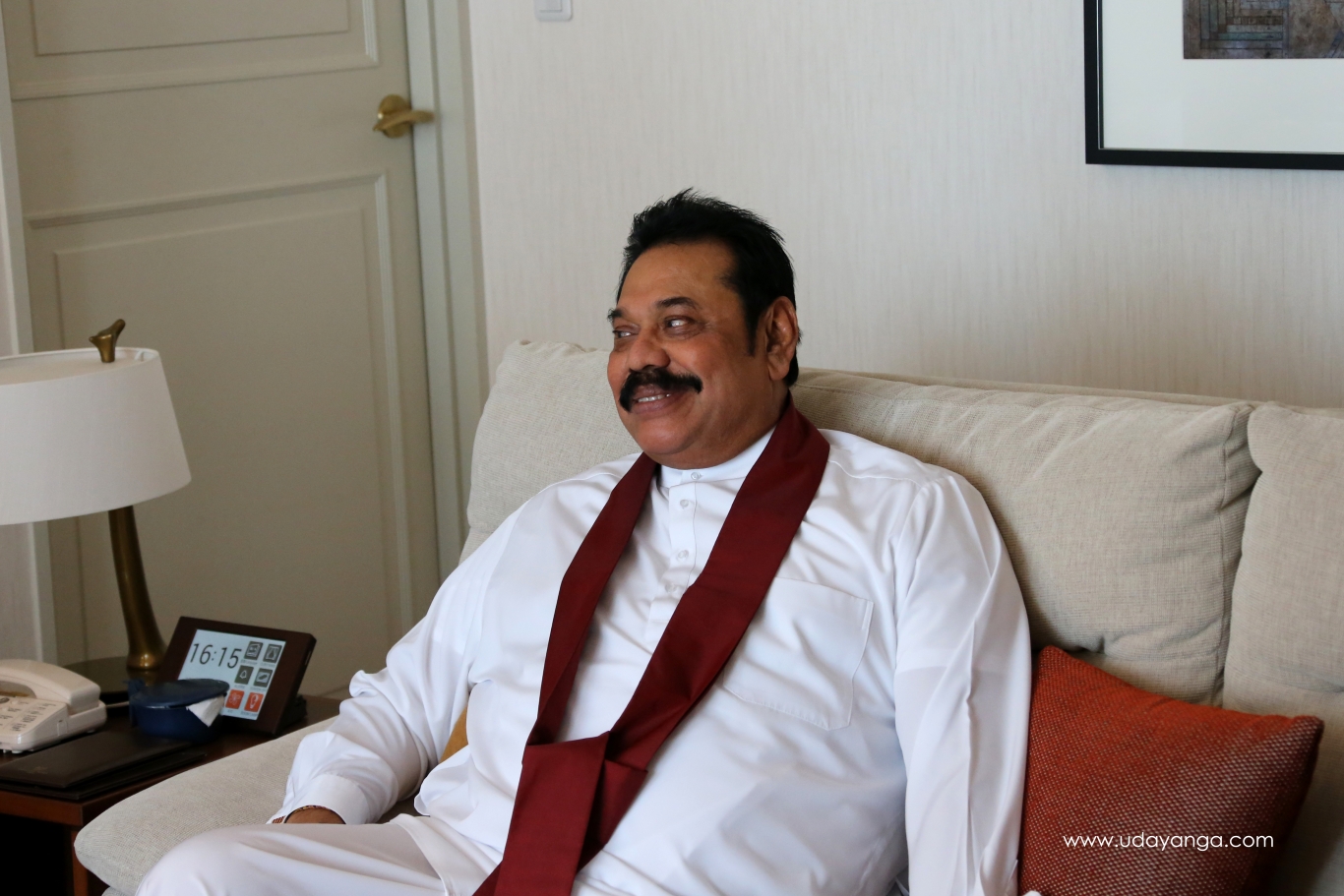
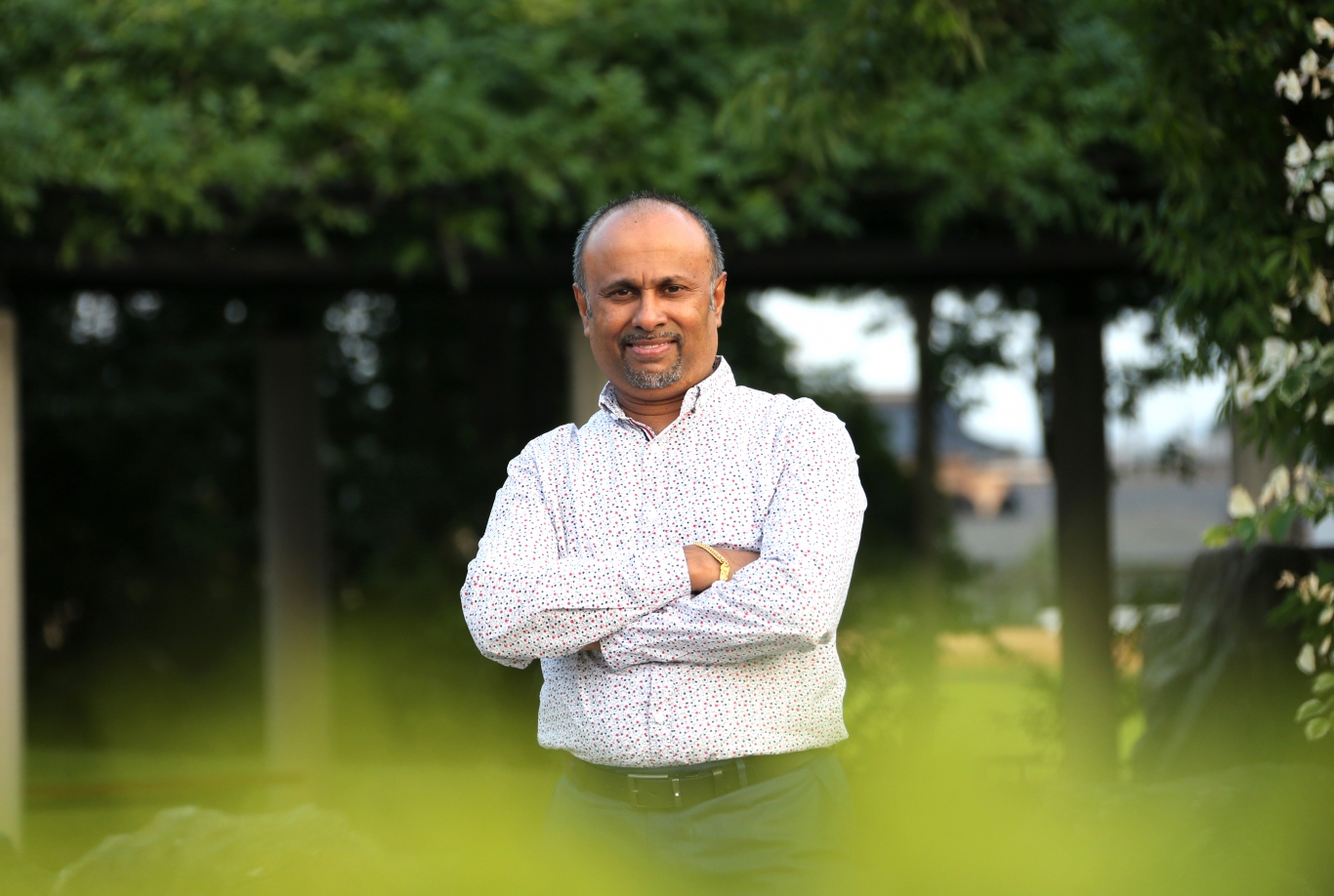
Достоин Махинда Раджапакса, который сегодня находится на отдыхе Куруйсавы, в Японии, делает физические упражнения ….
После катастрофического цунами в Шри-Ланке, когда премьер-министр правительства Демократической Социалистической Республики Шри-Ланка Япония был незамедлительно вмешался, основные предметы и наркотики были отправлены в Шри-Ланку для нужд пострадавших. Помощь в виде чрезвычайной помощи в виде цунами в размере 1 млн. Долл. США 80 миллионов проектов были пожертвованы , Следует, в частности, отметить, что 250 млн. Долл. США в виде помощи со стороны Соединенных Штатов за восстановление ущерба от цунами в Шри-Ланке является уникальным.

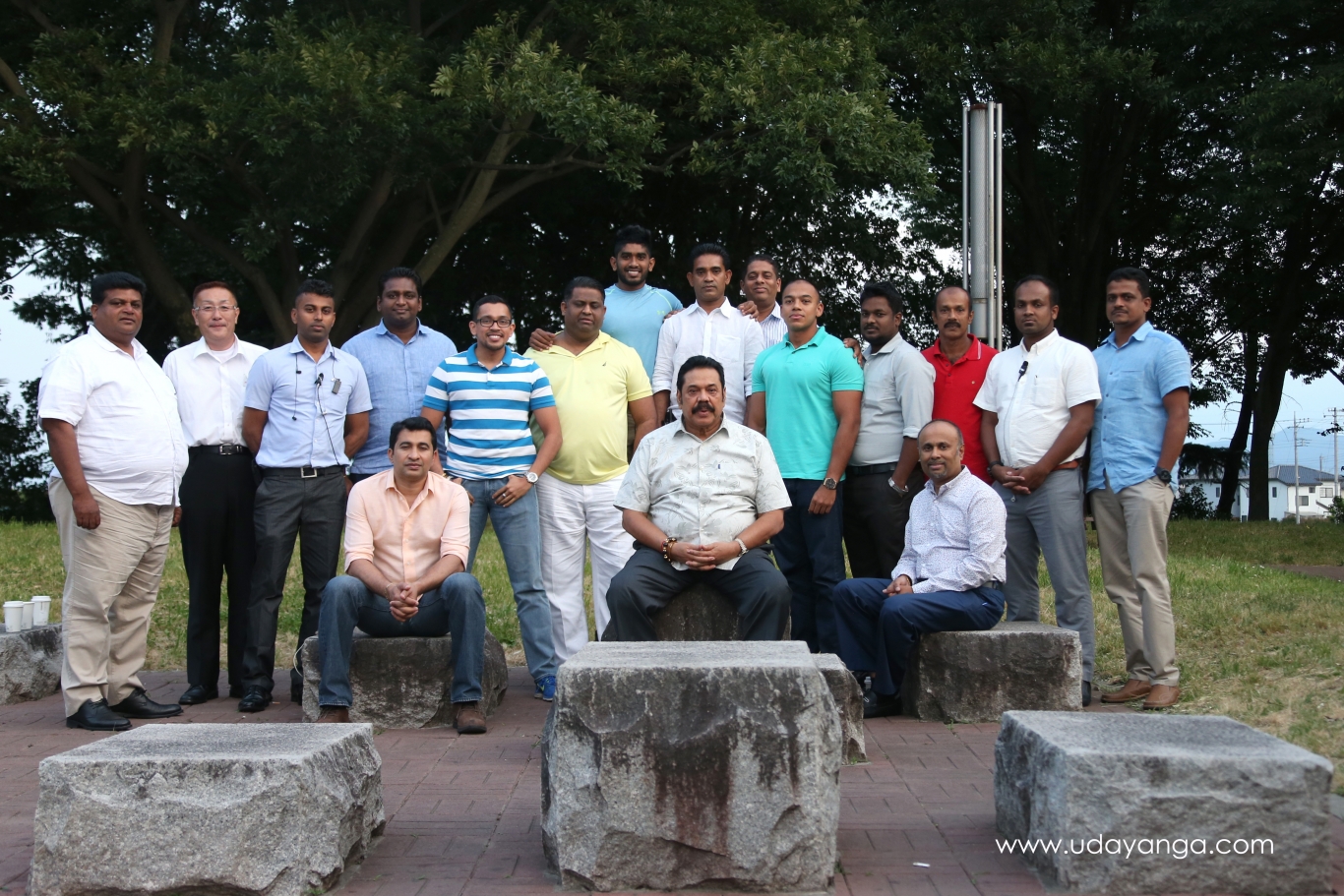
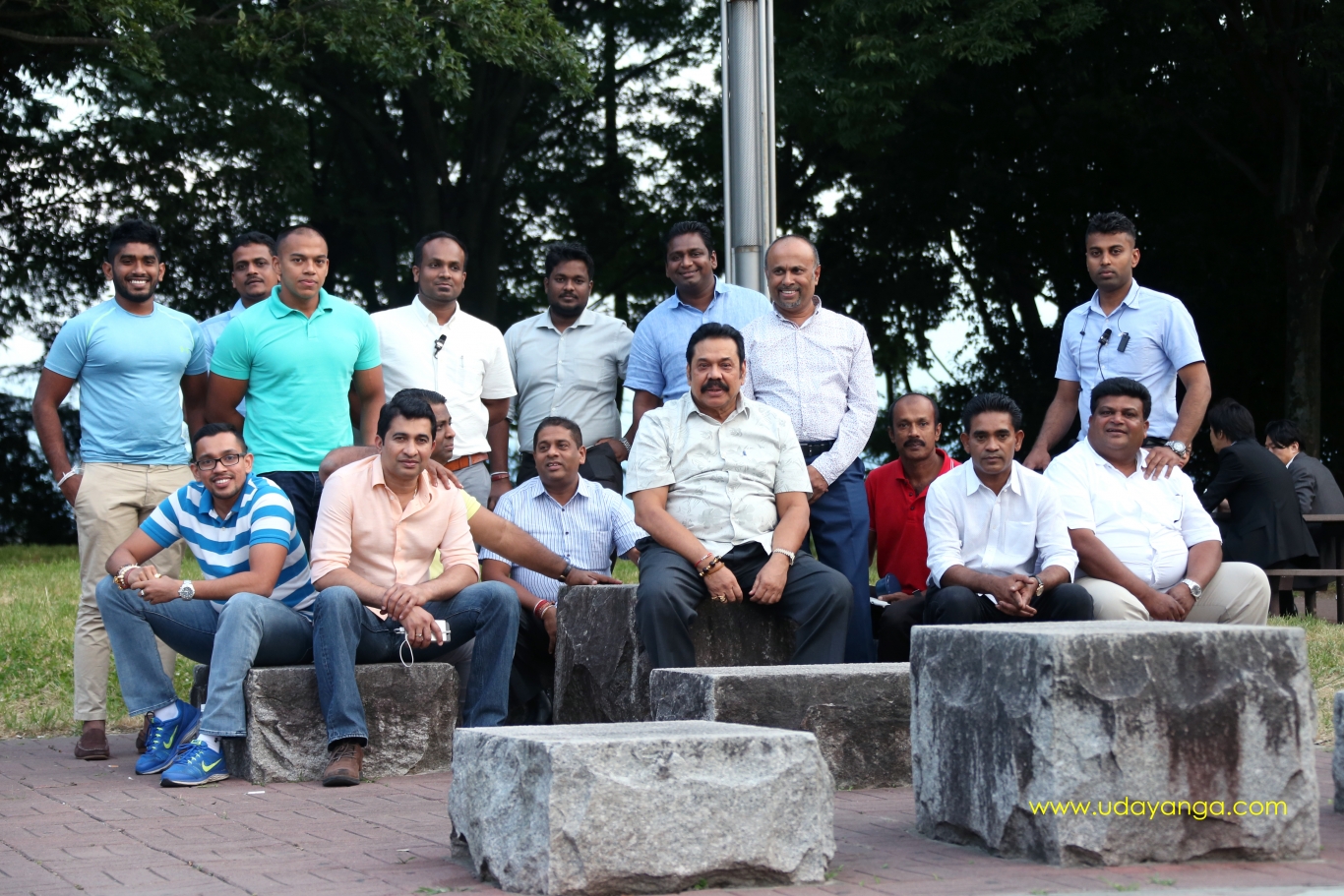
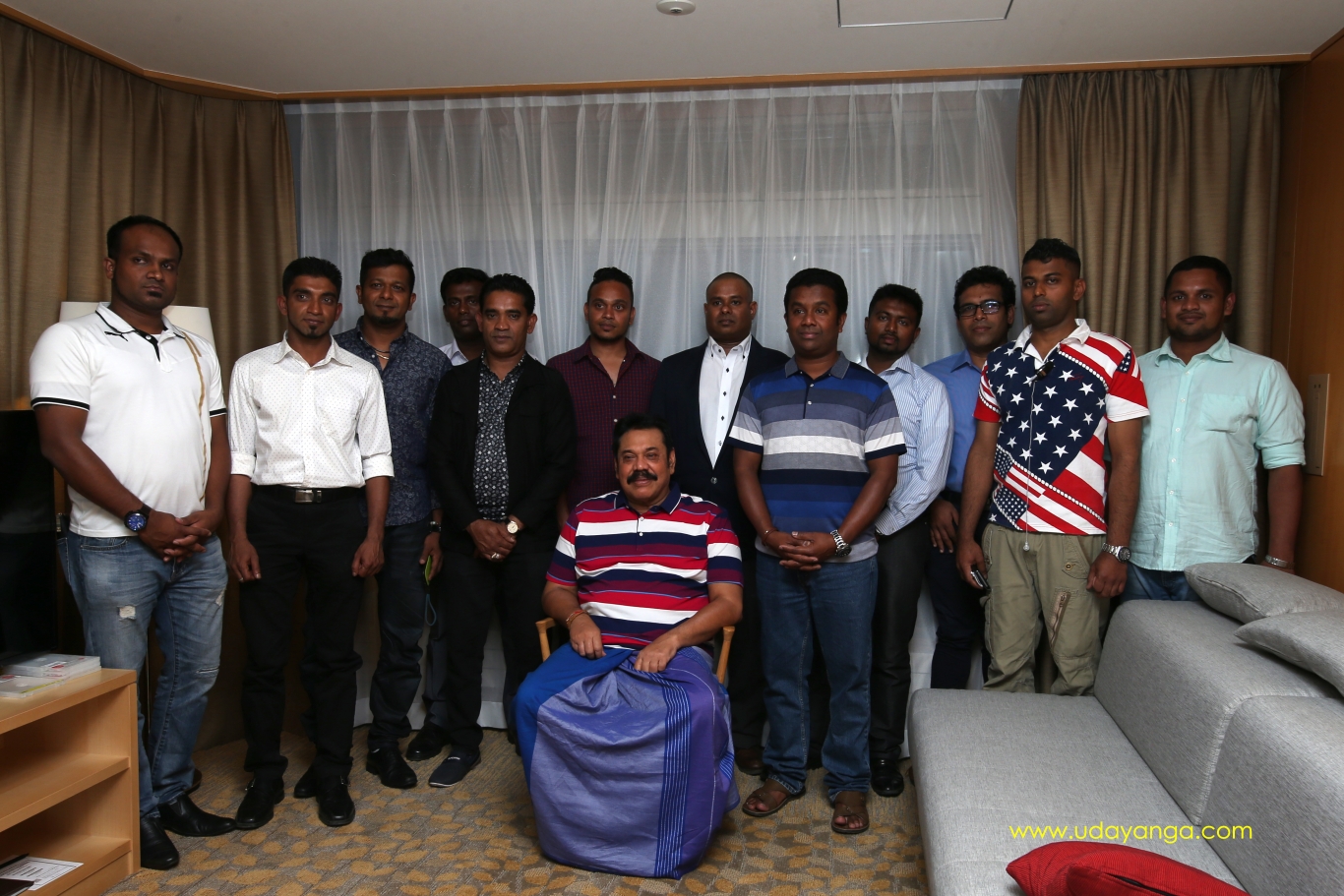
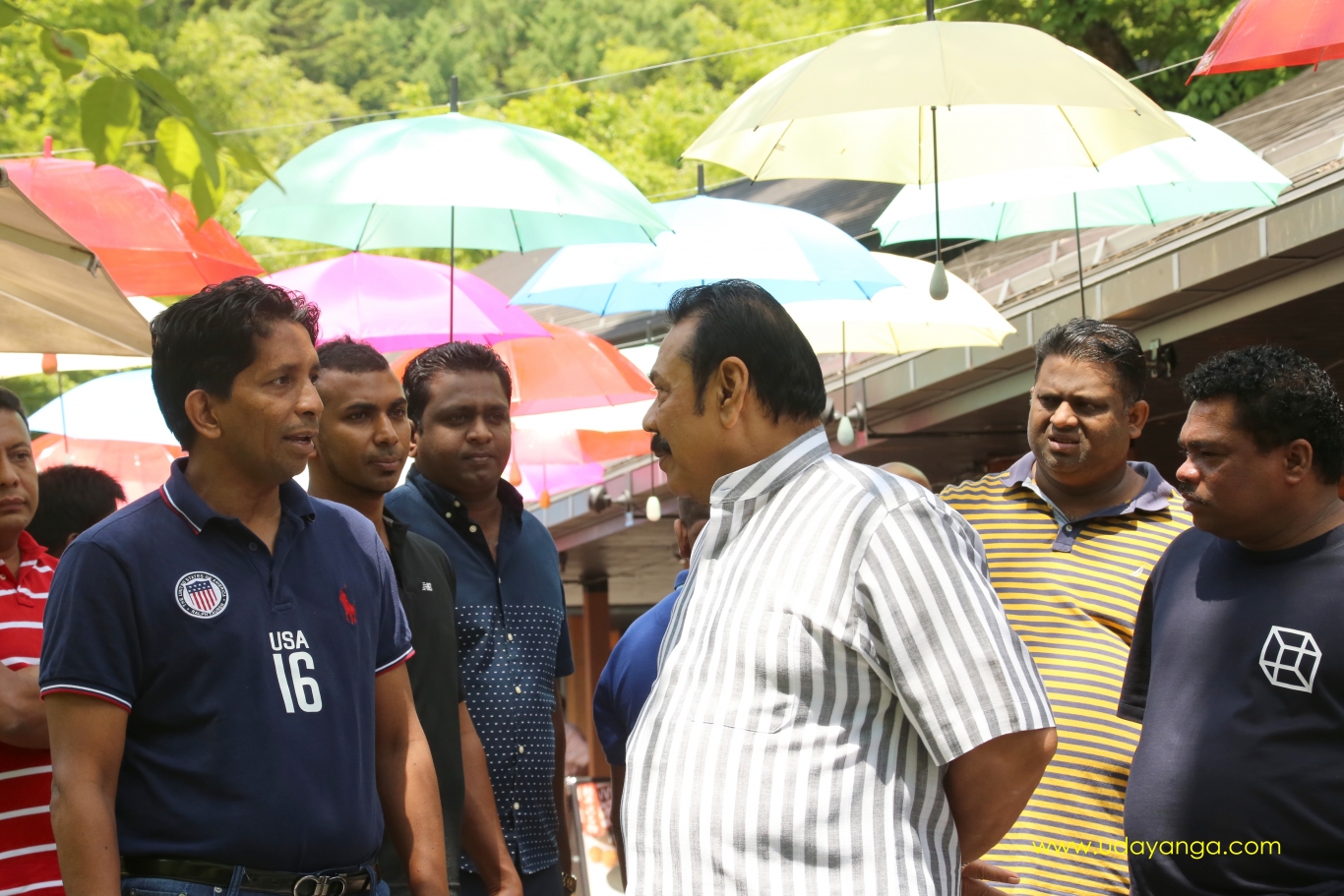
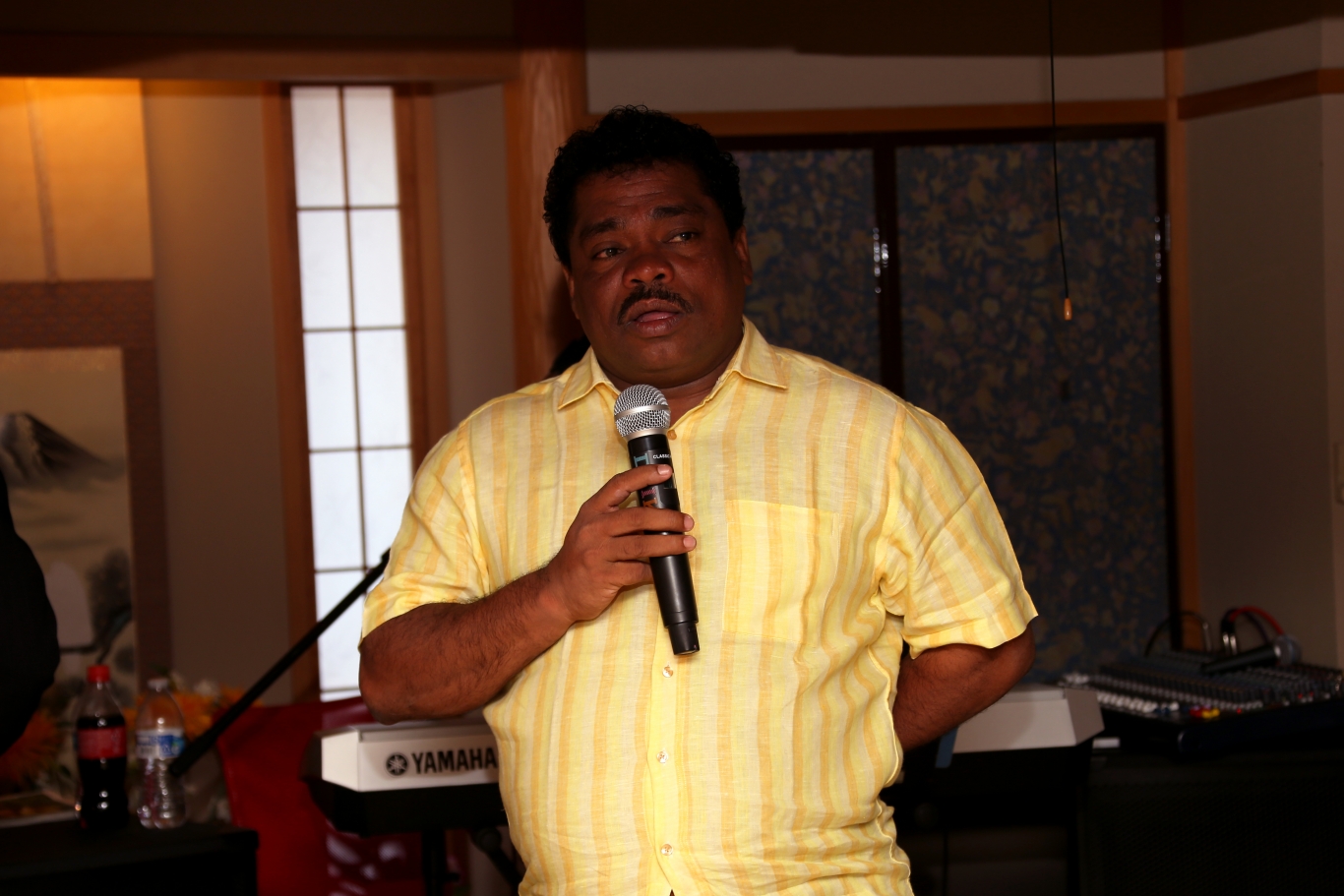
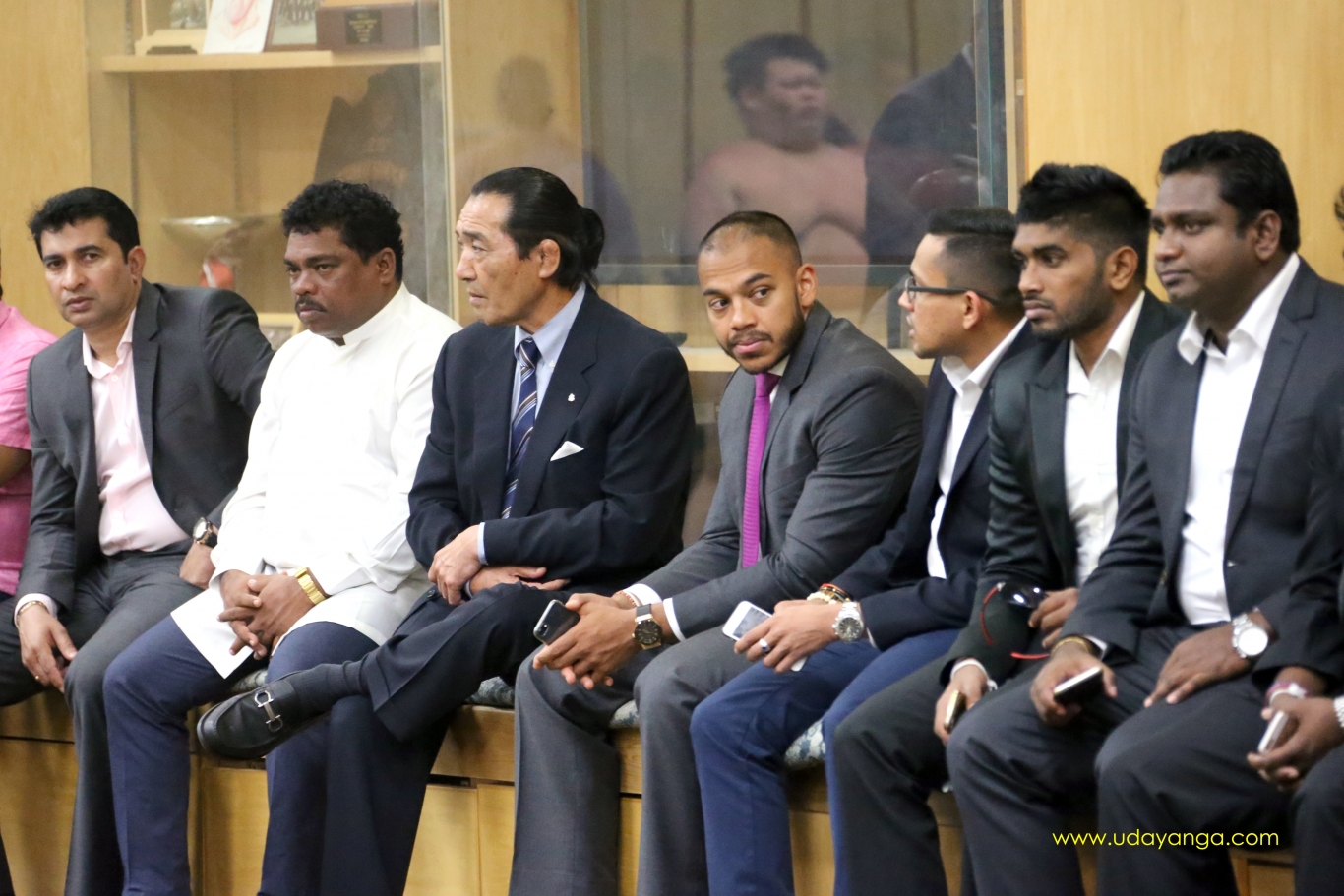
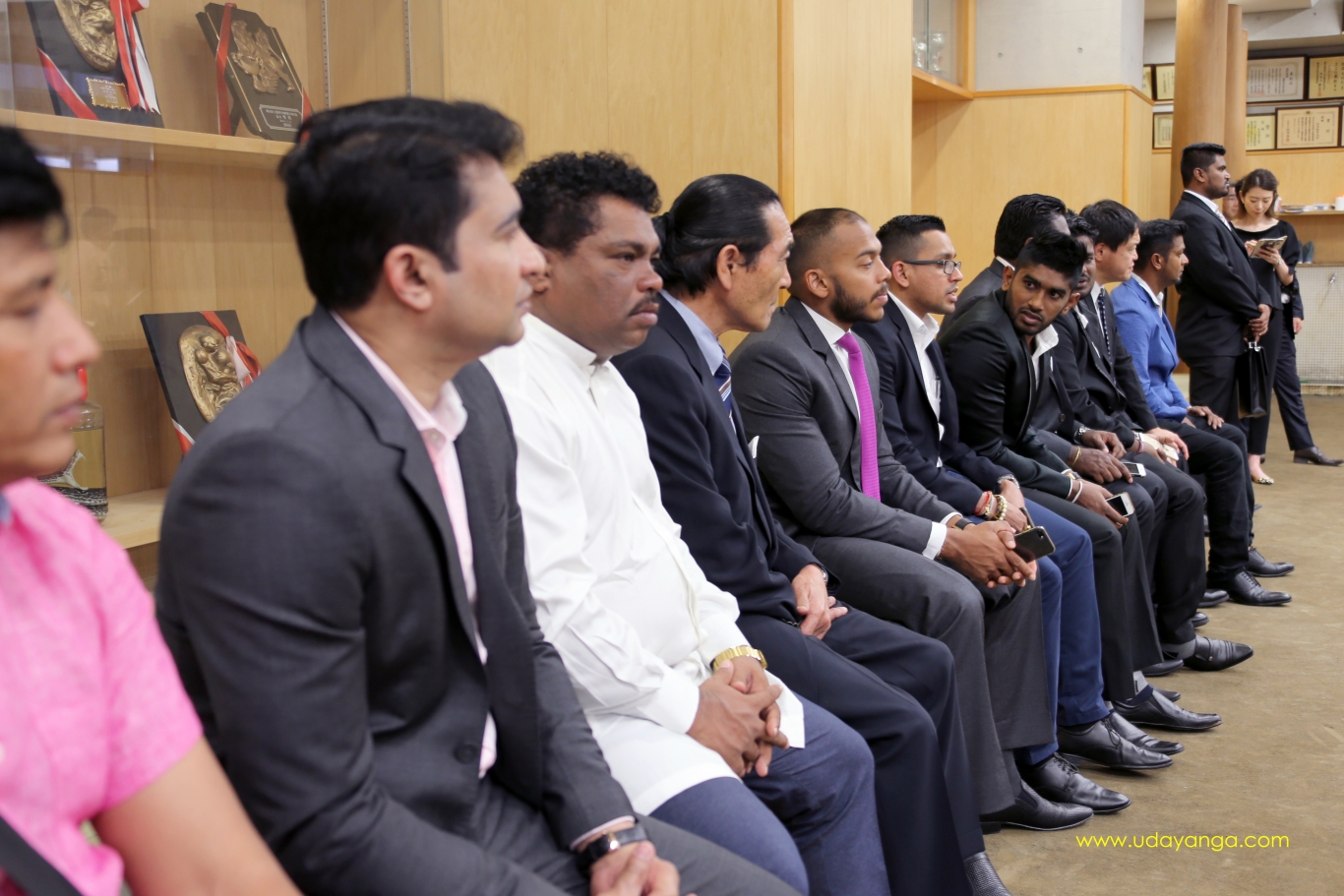
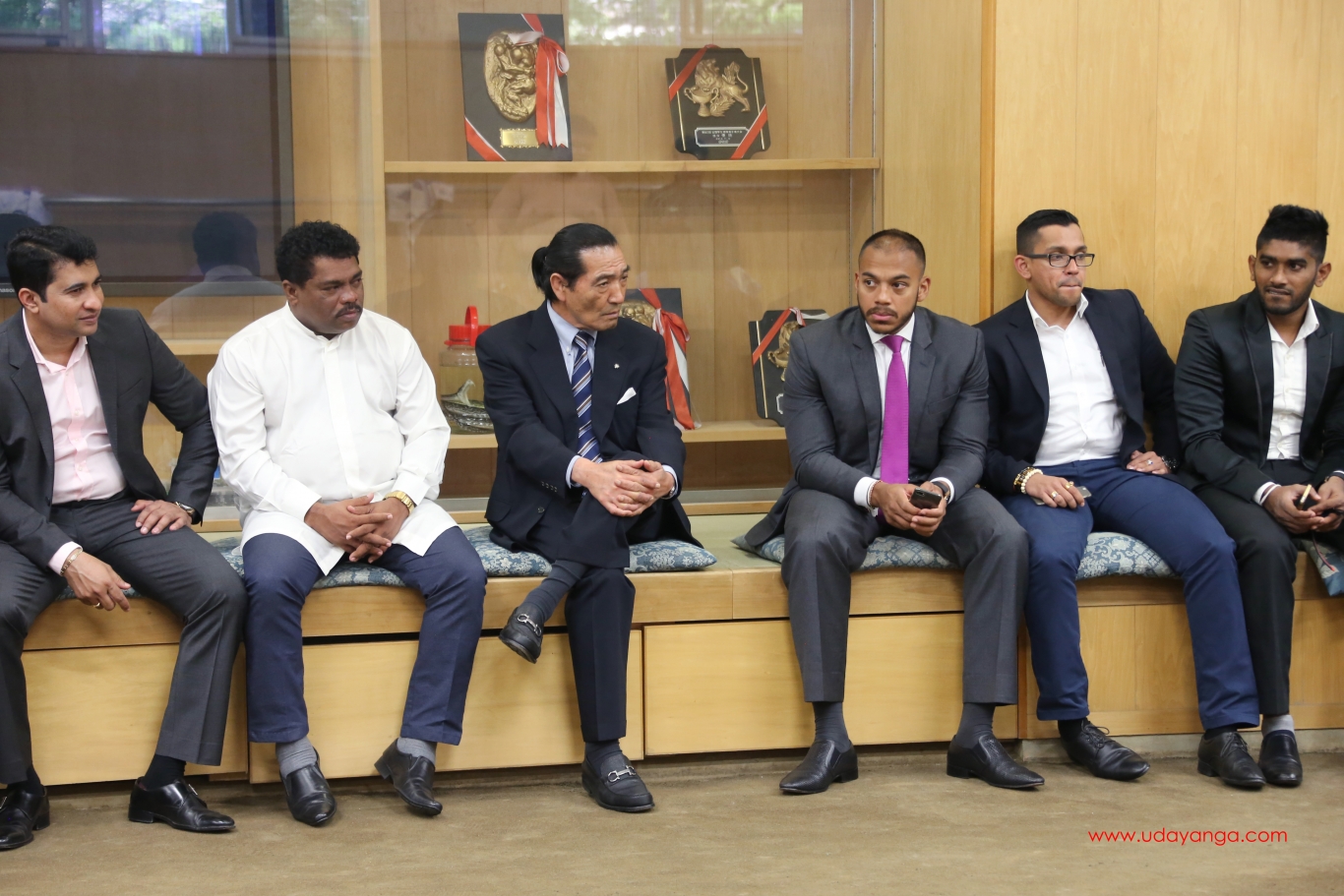
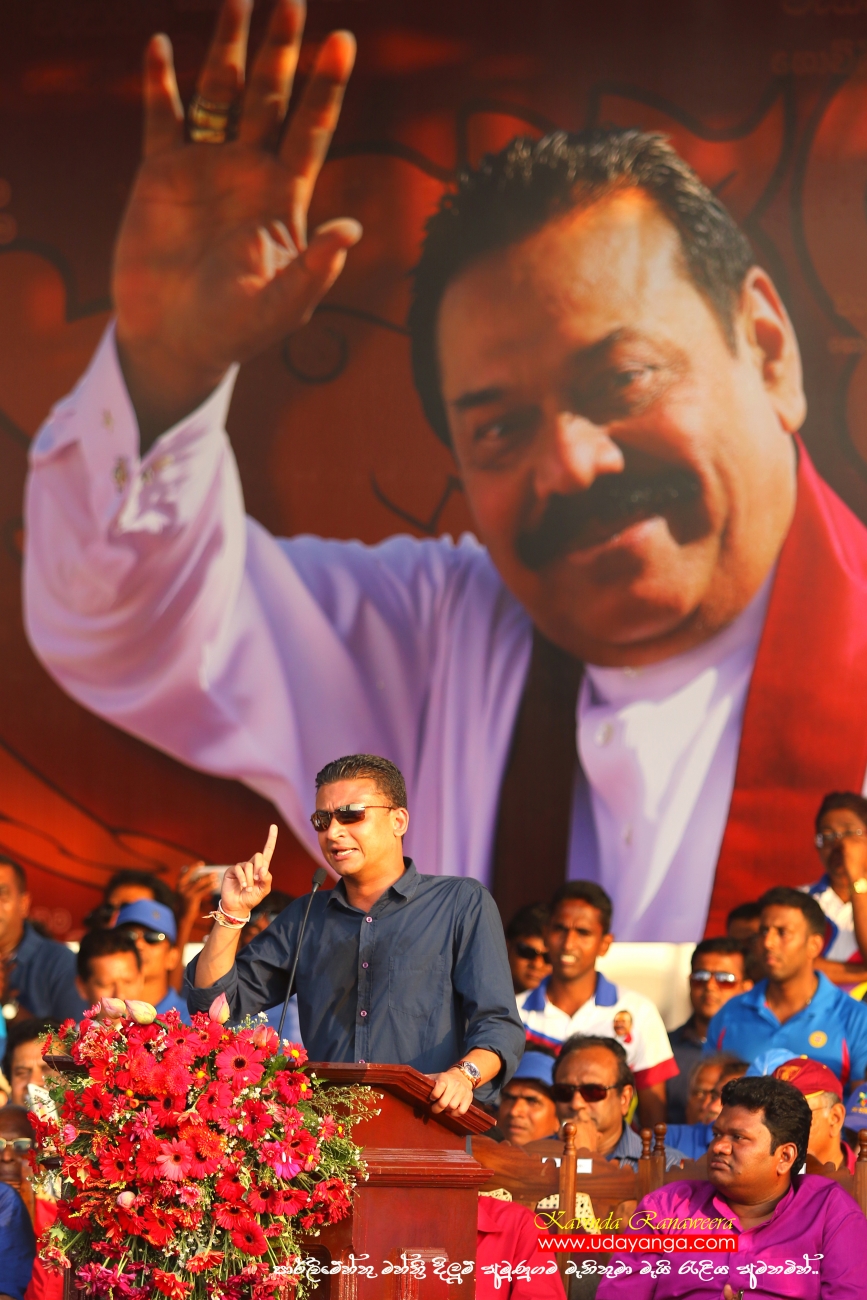
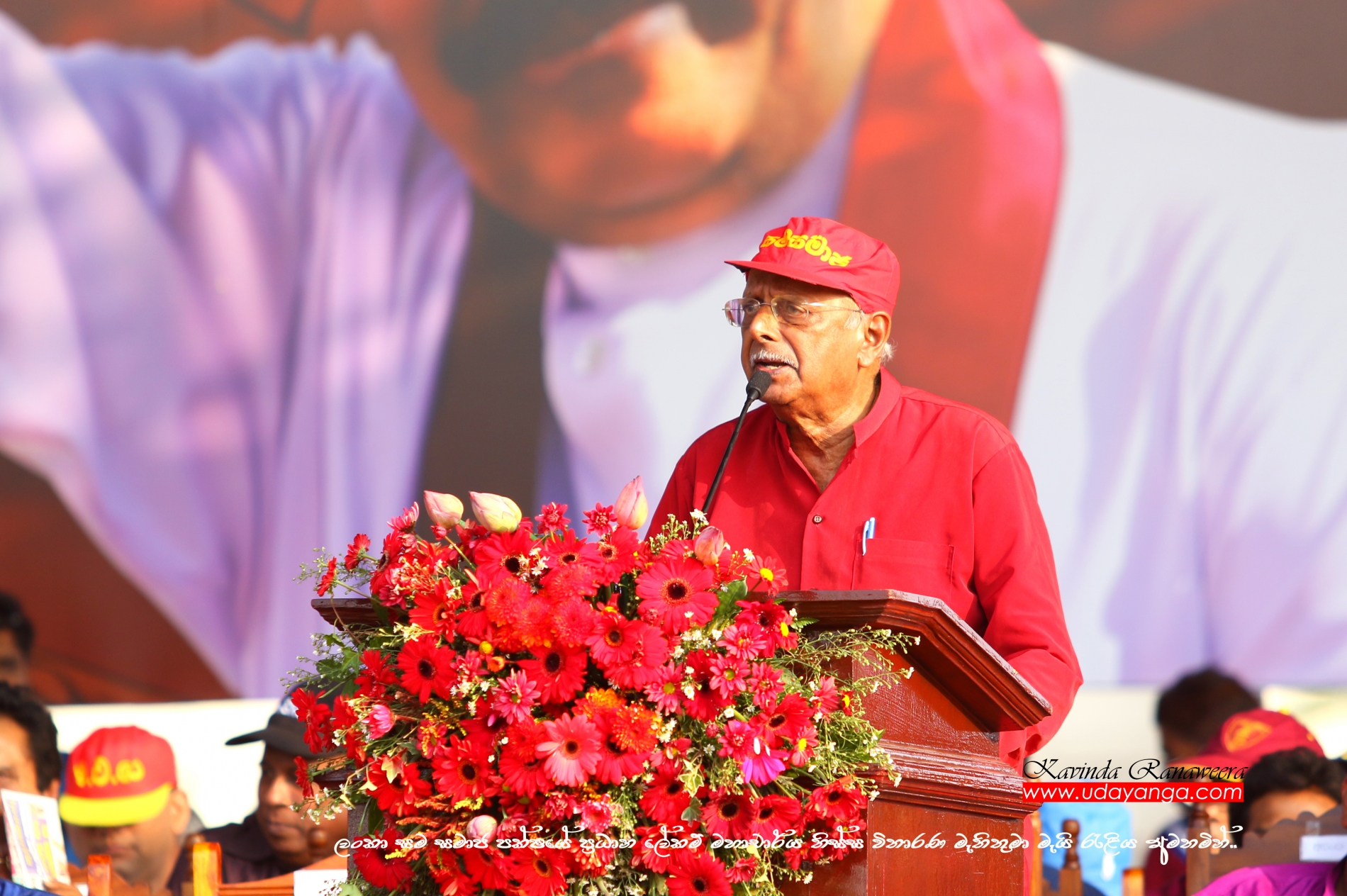
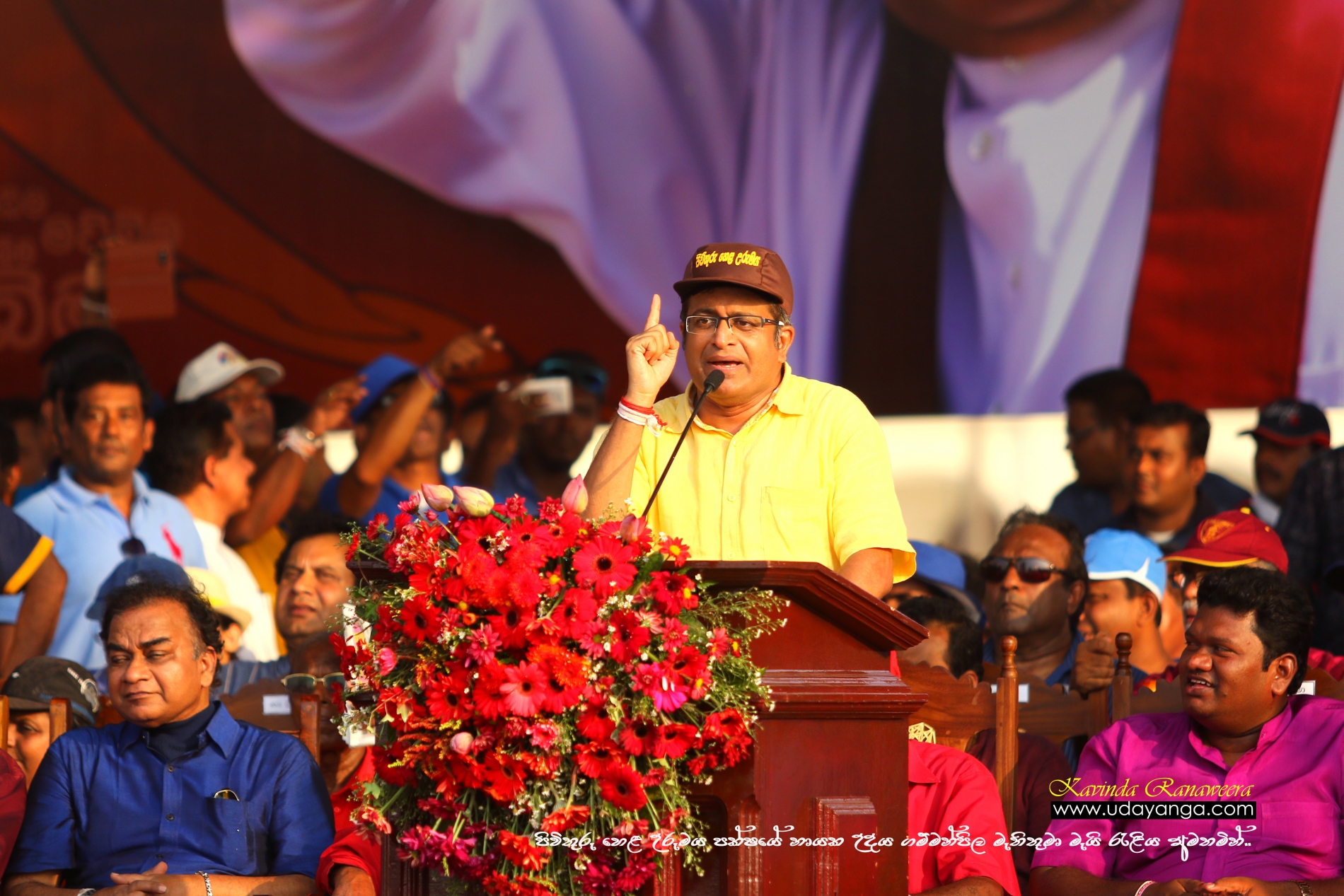
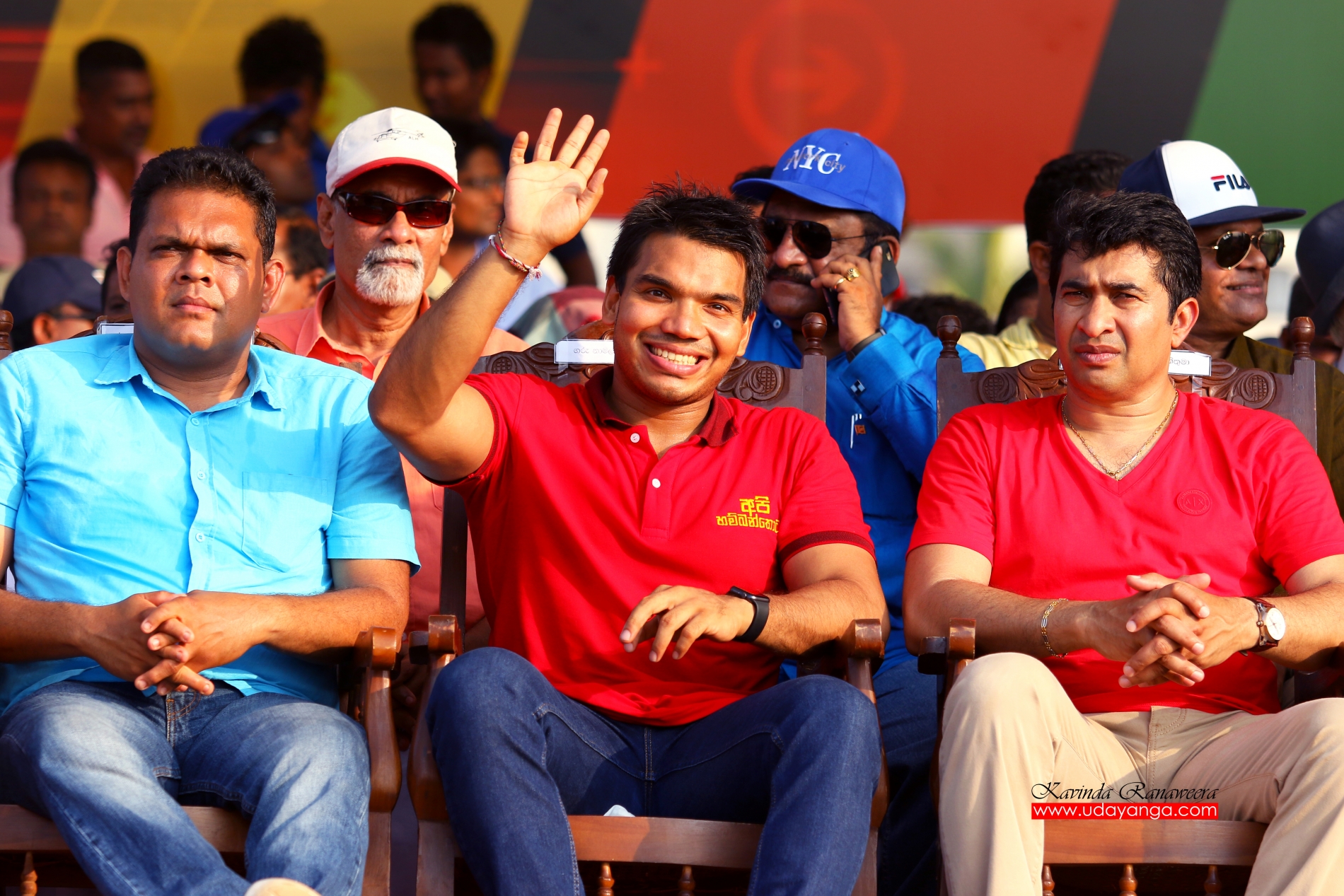
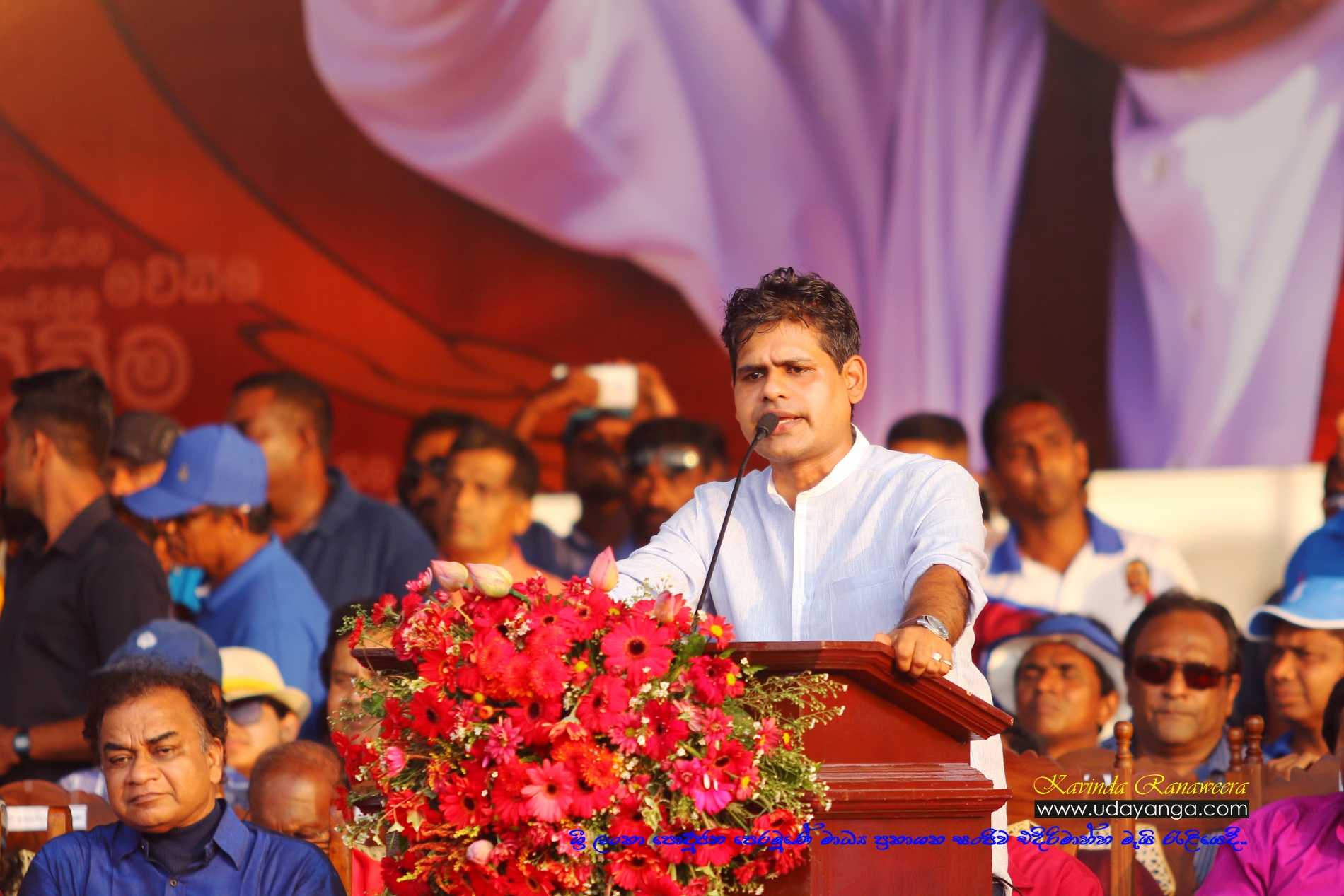
Заседание комитетов комитетов организации «Mahinda Samoodi» в Японии ….
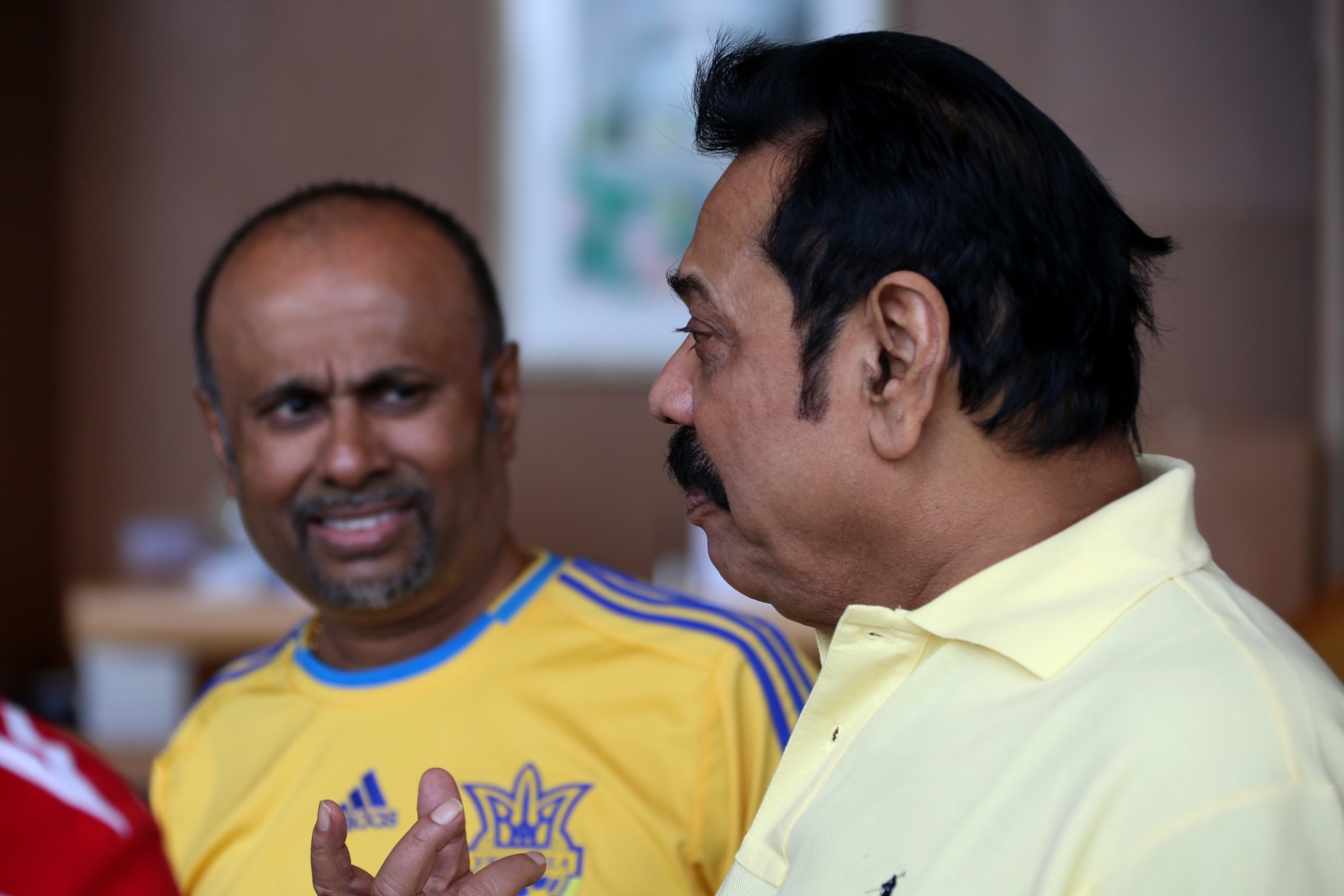
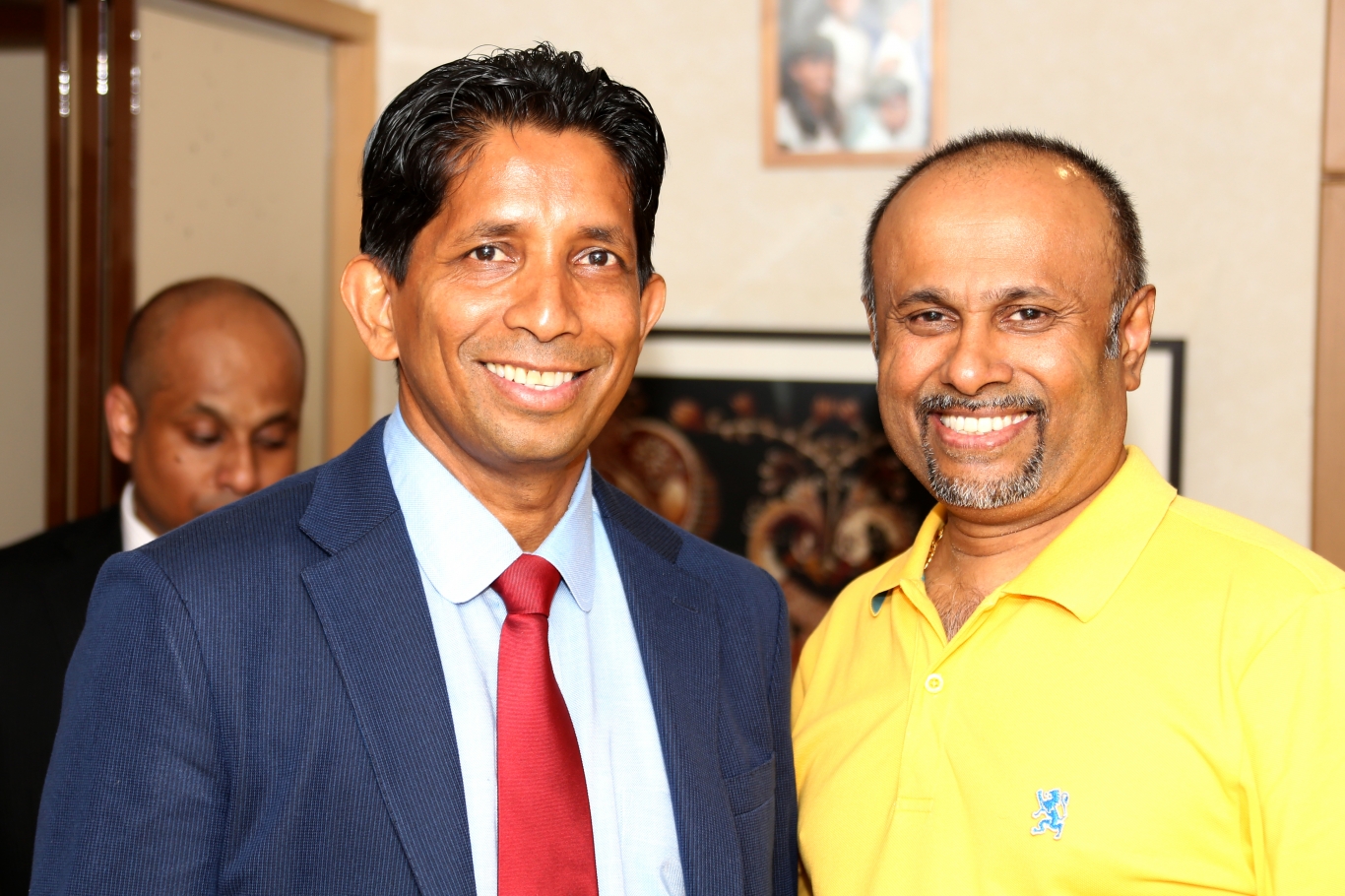
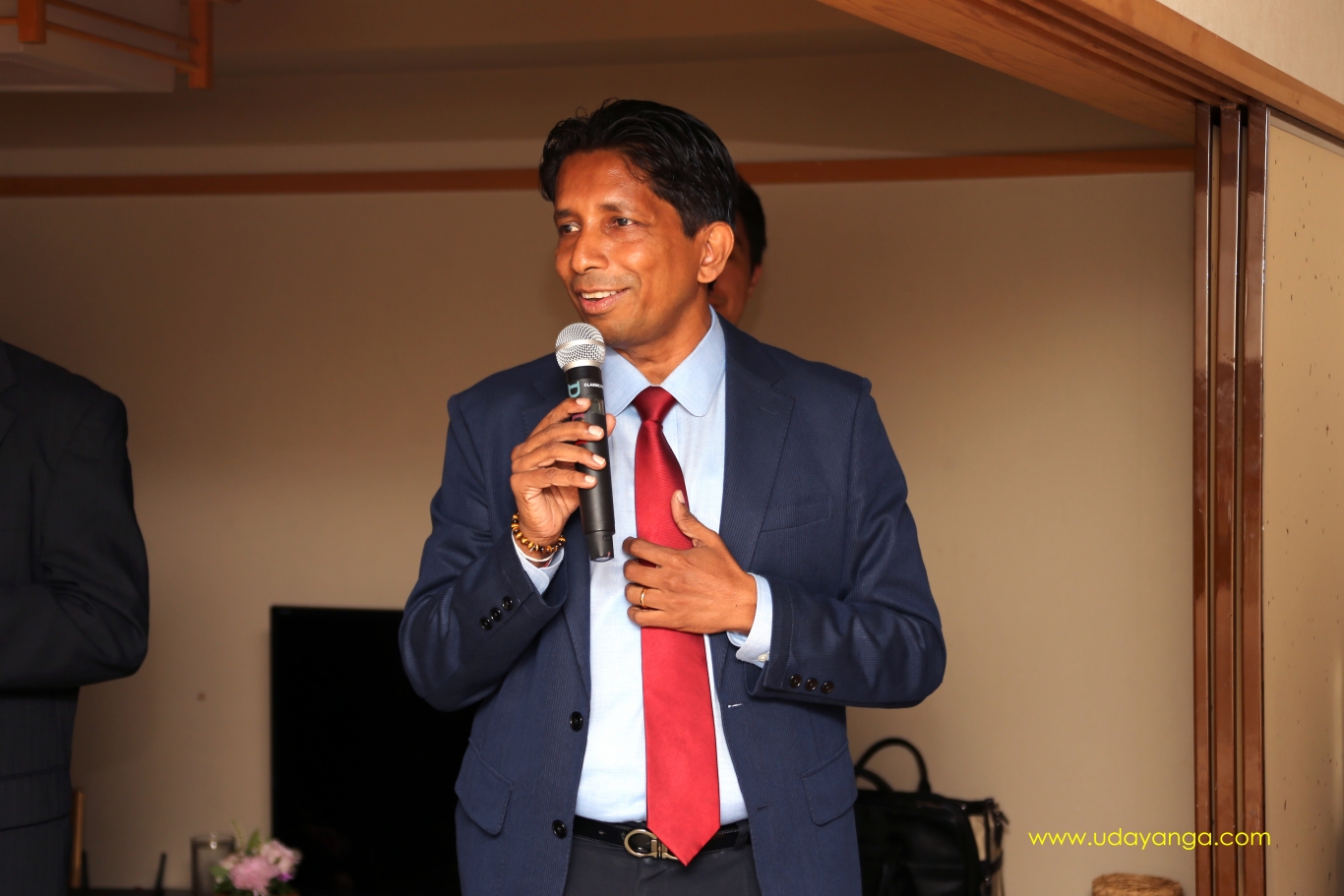
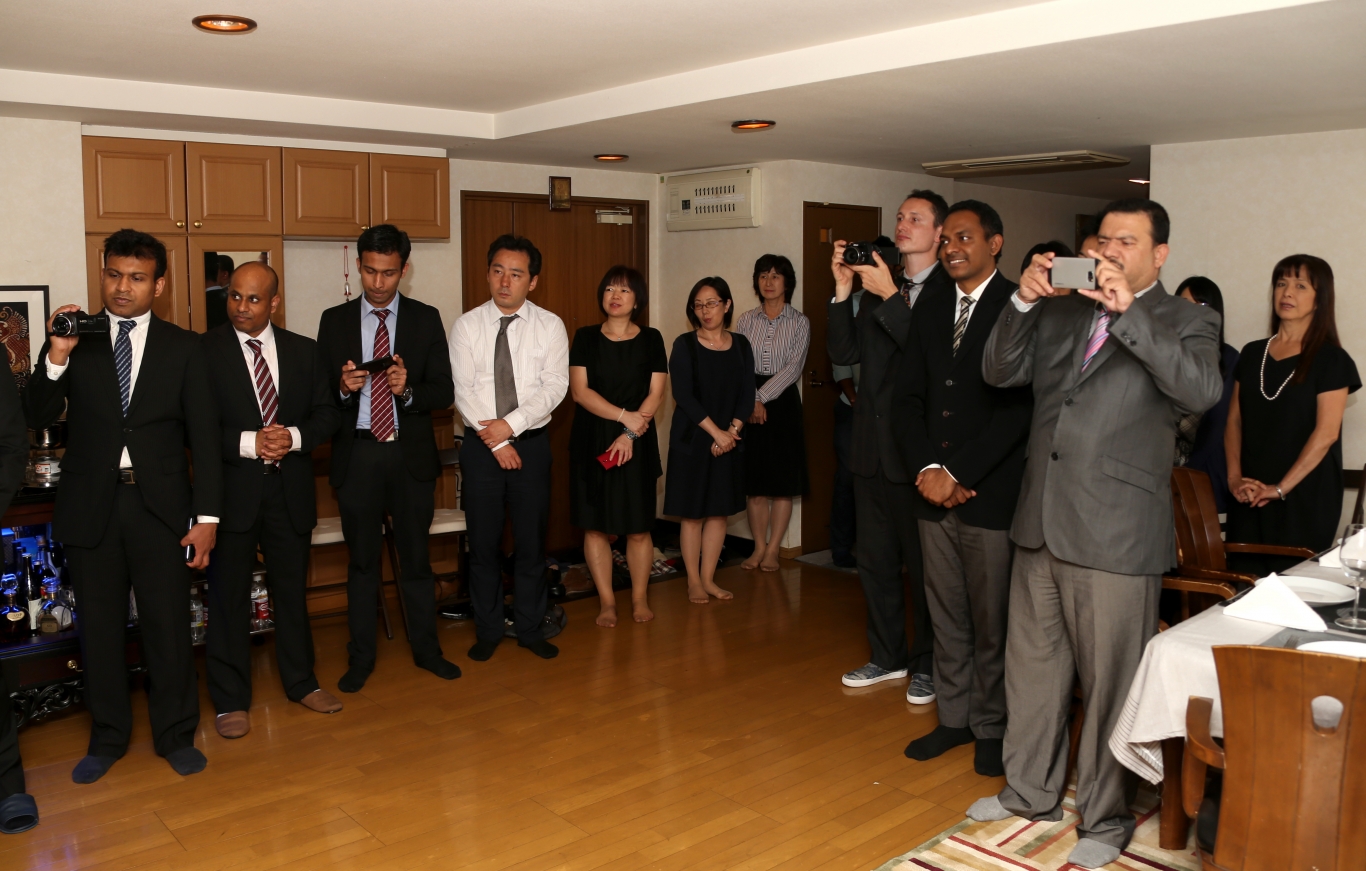
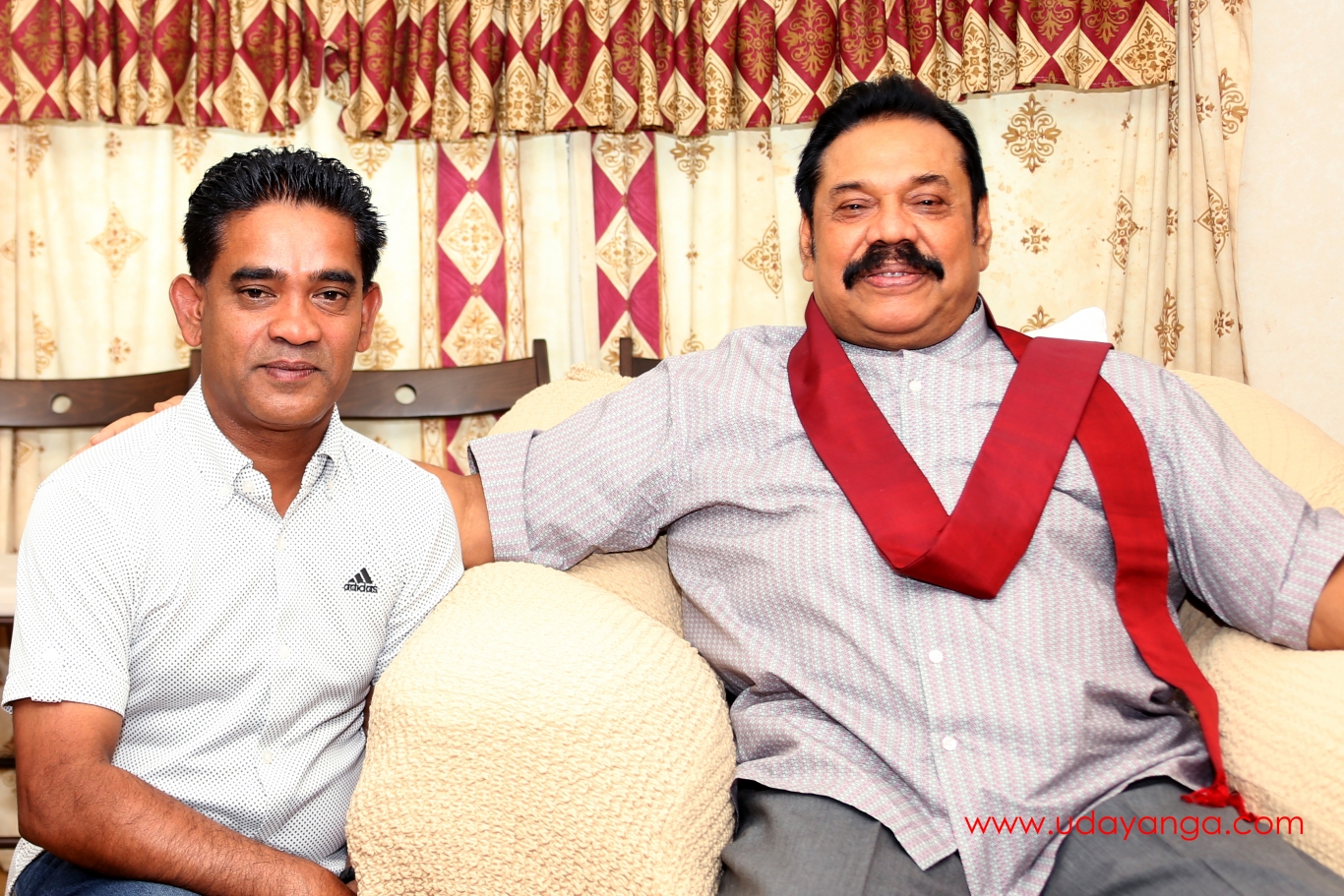
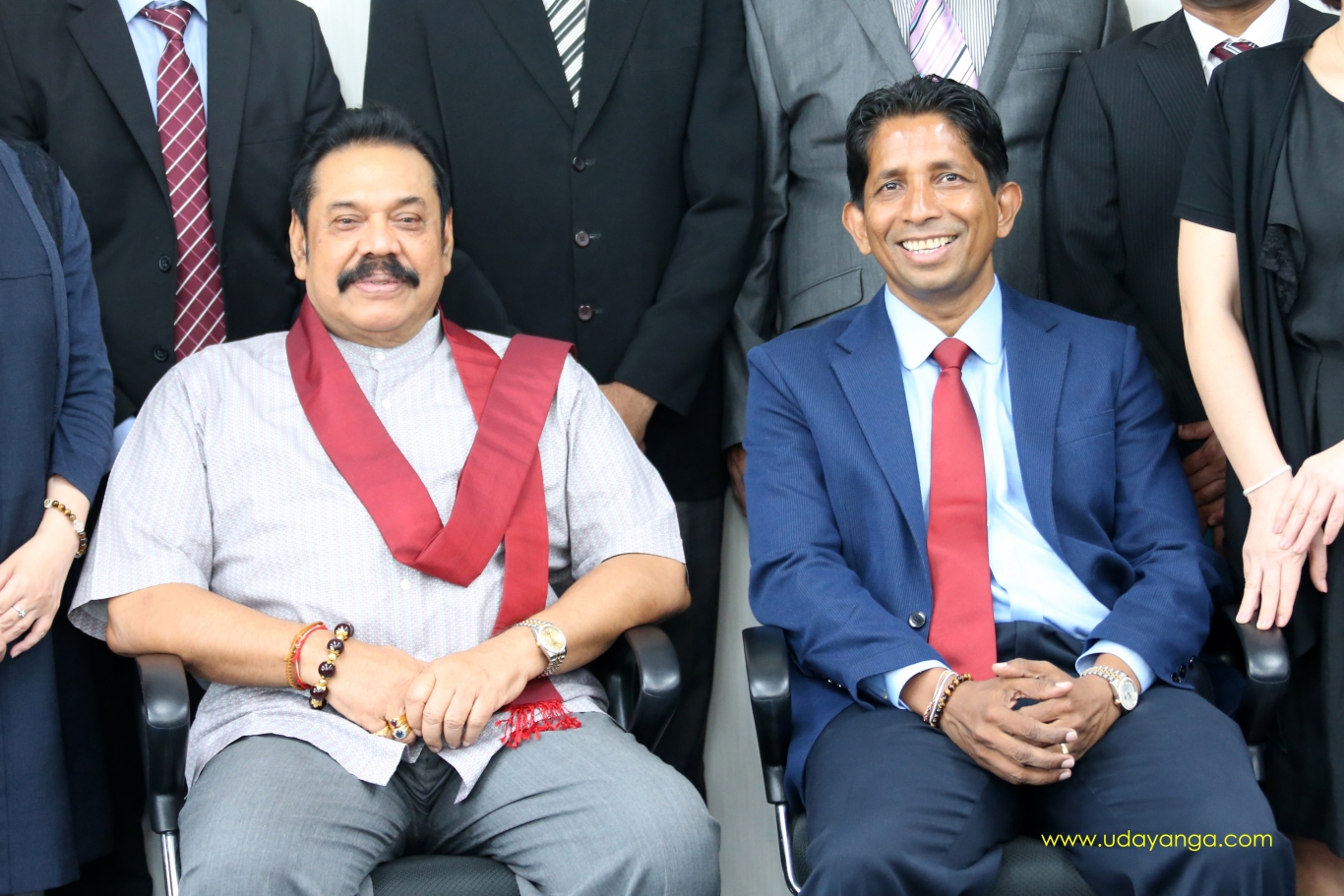
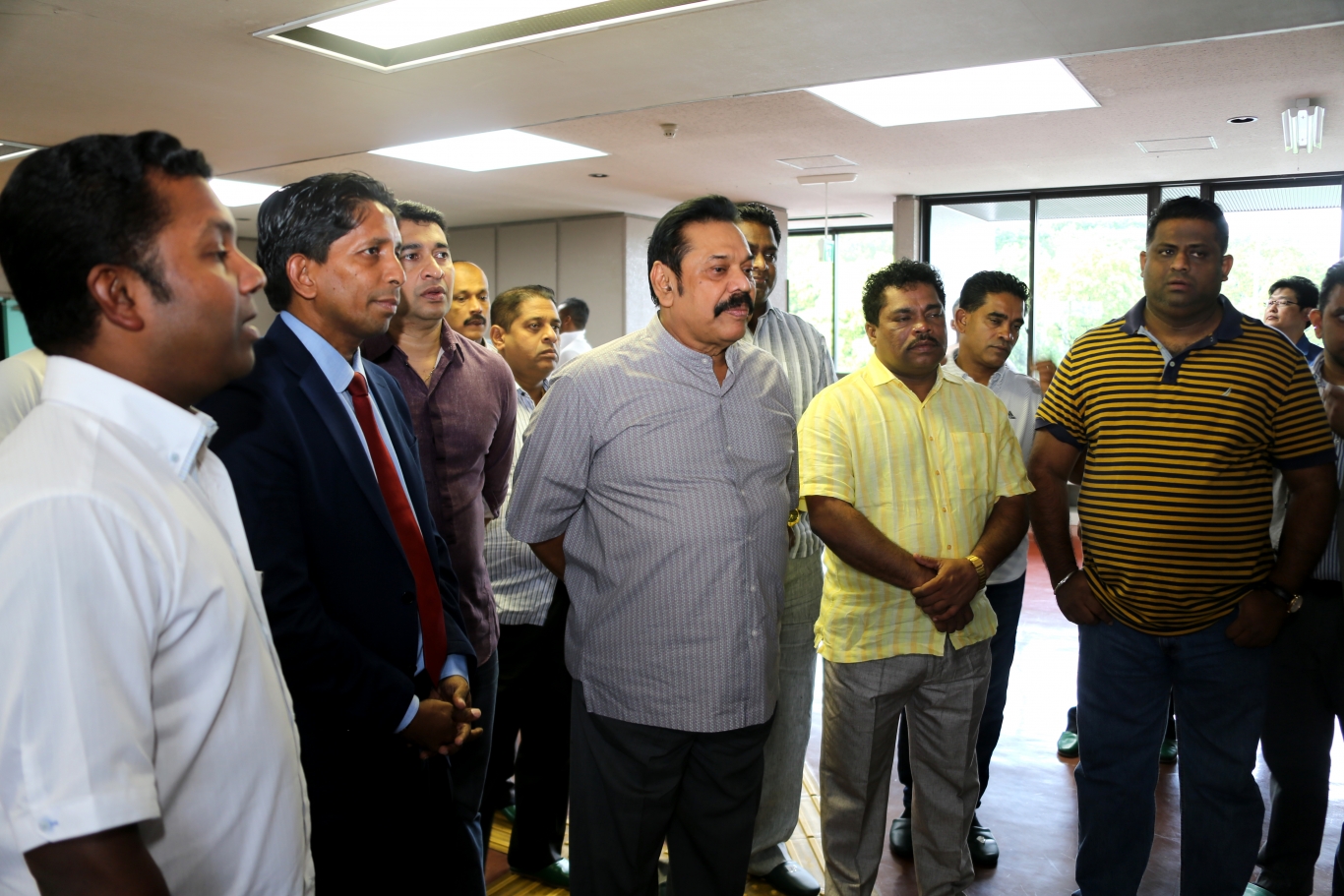
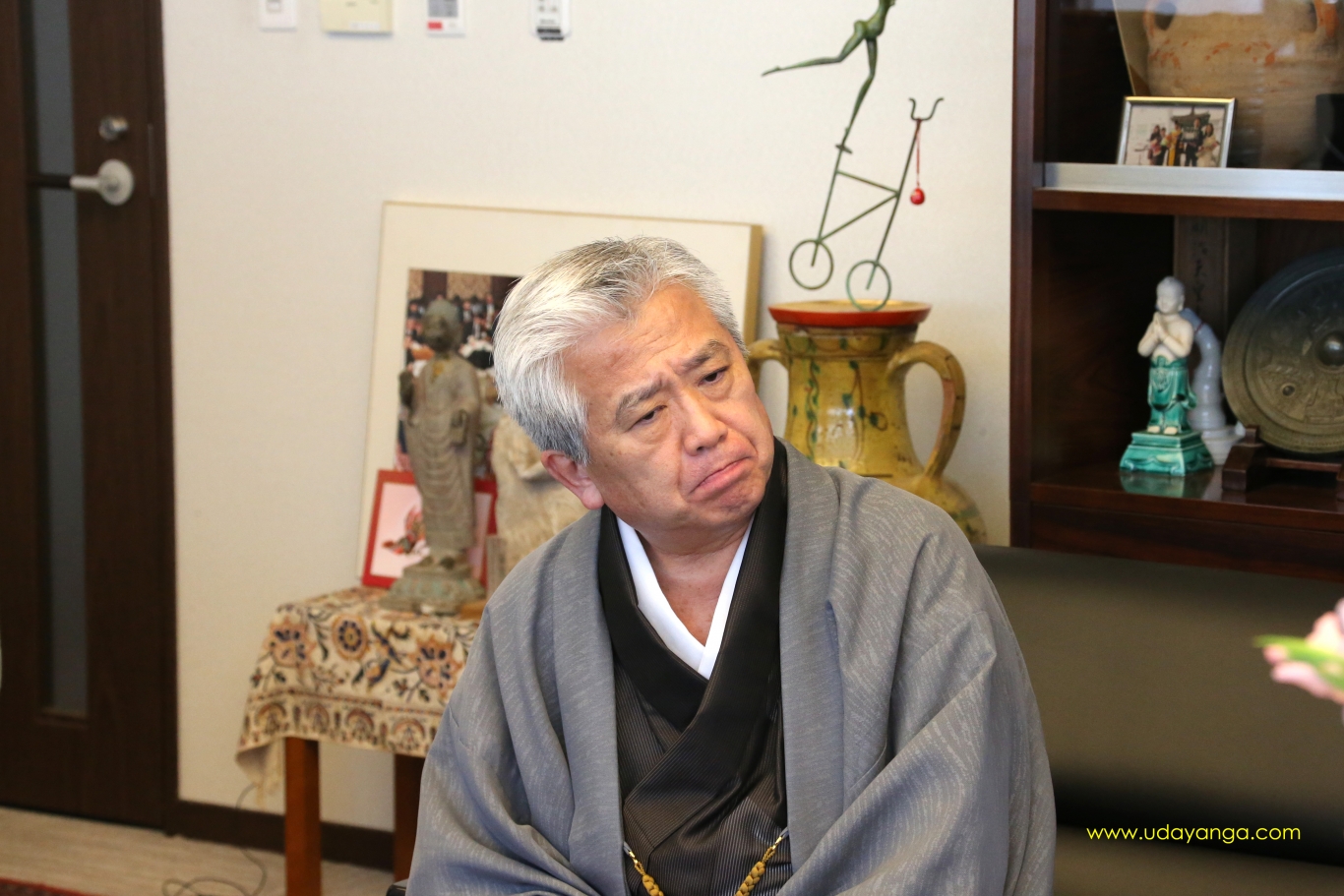
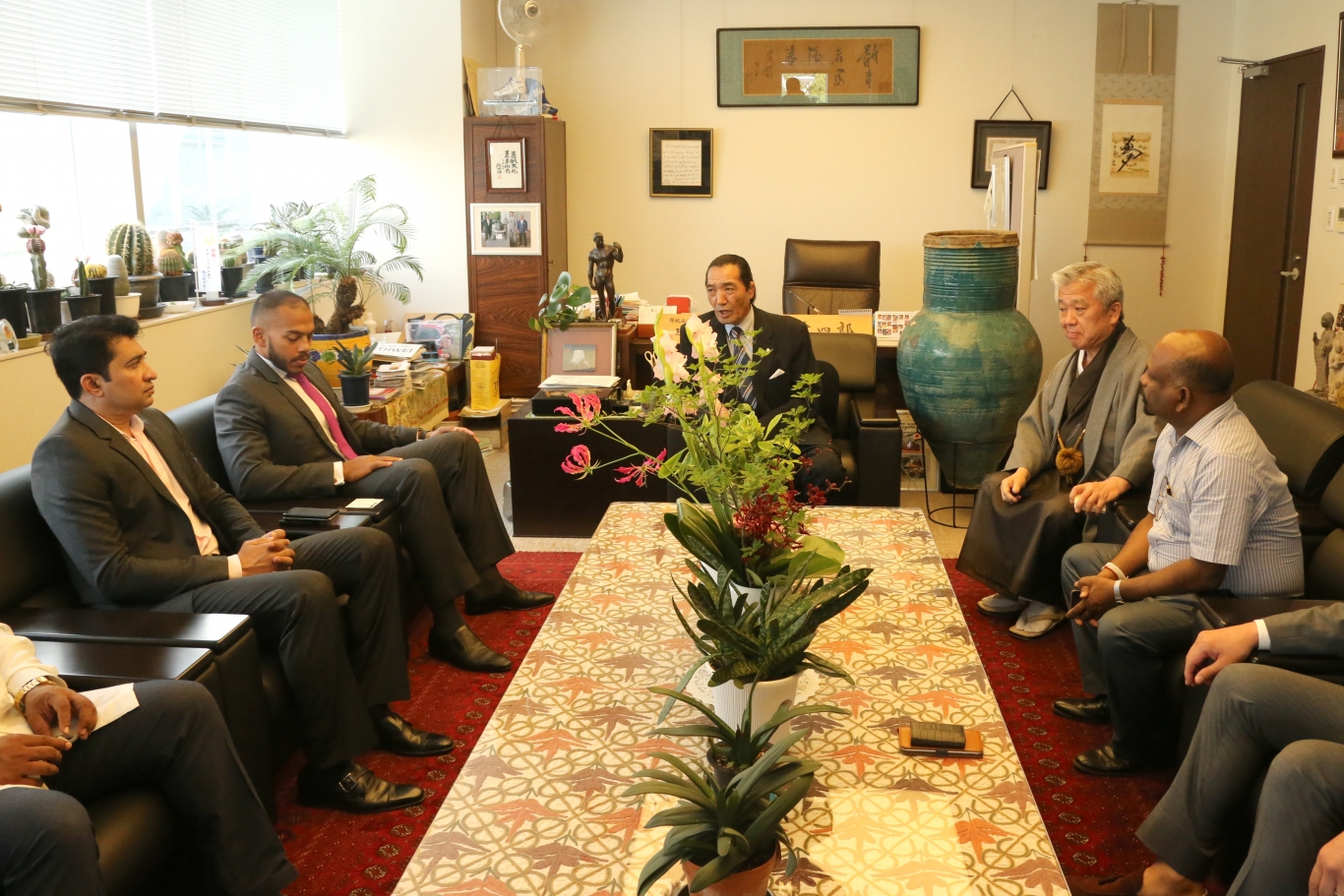
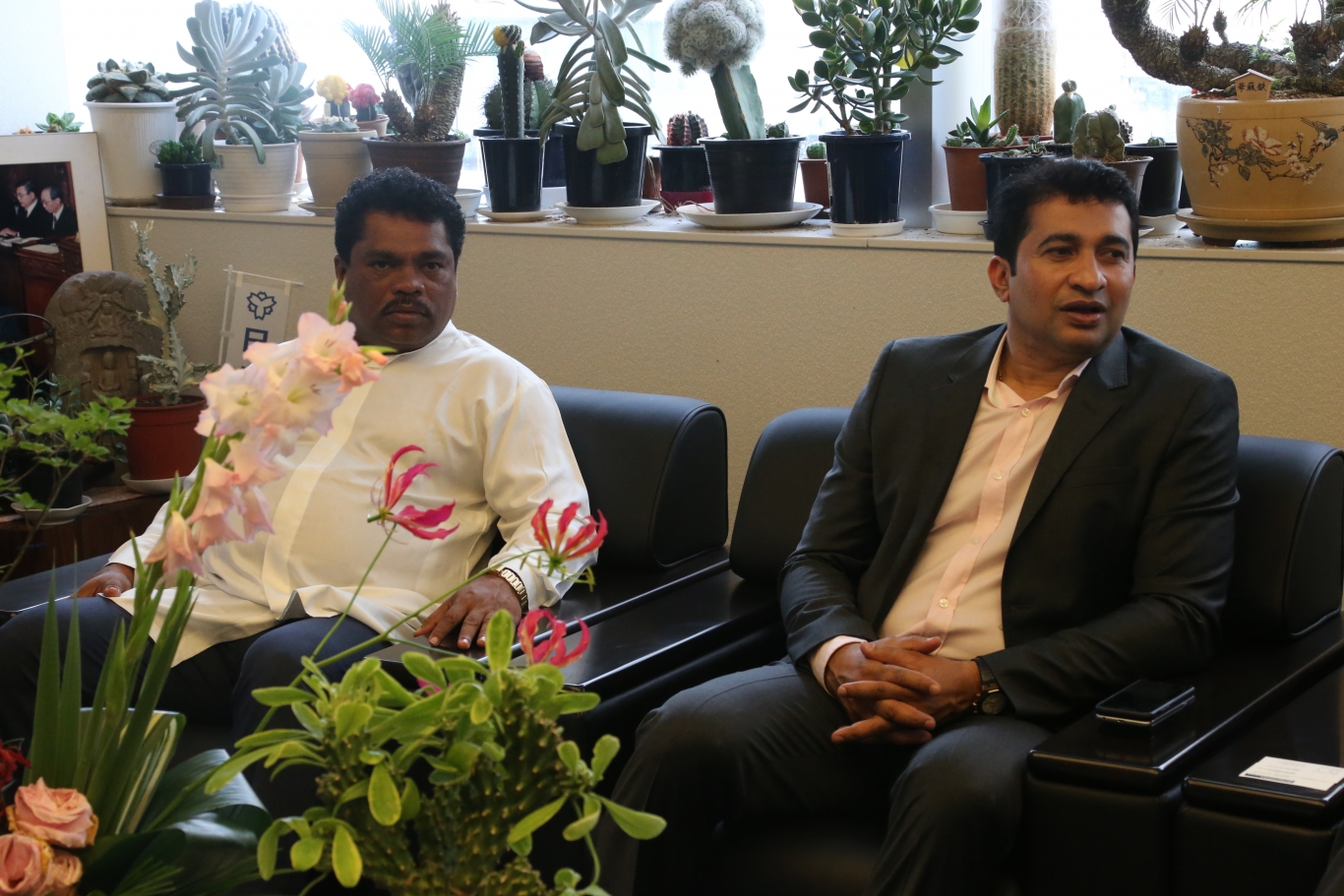
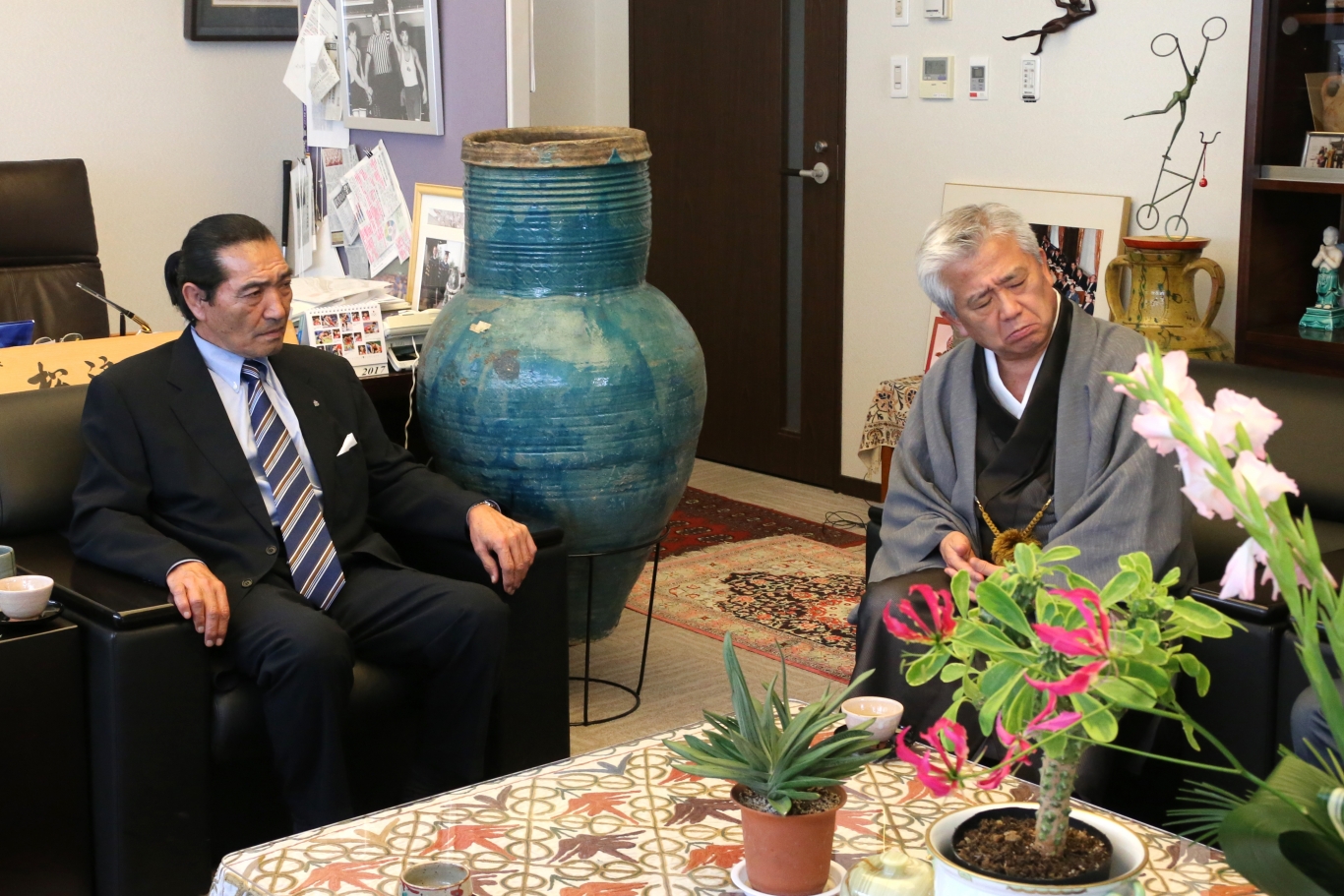
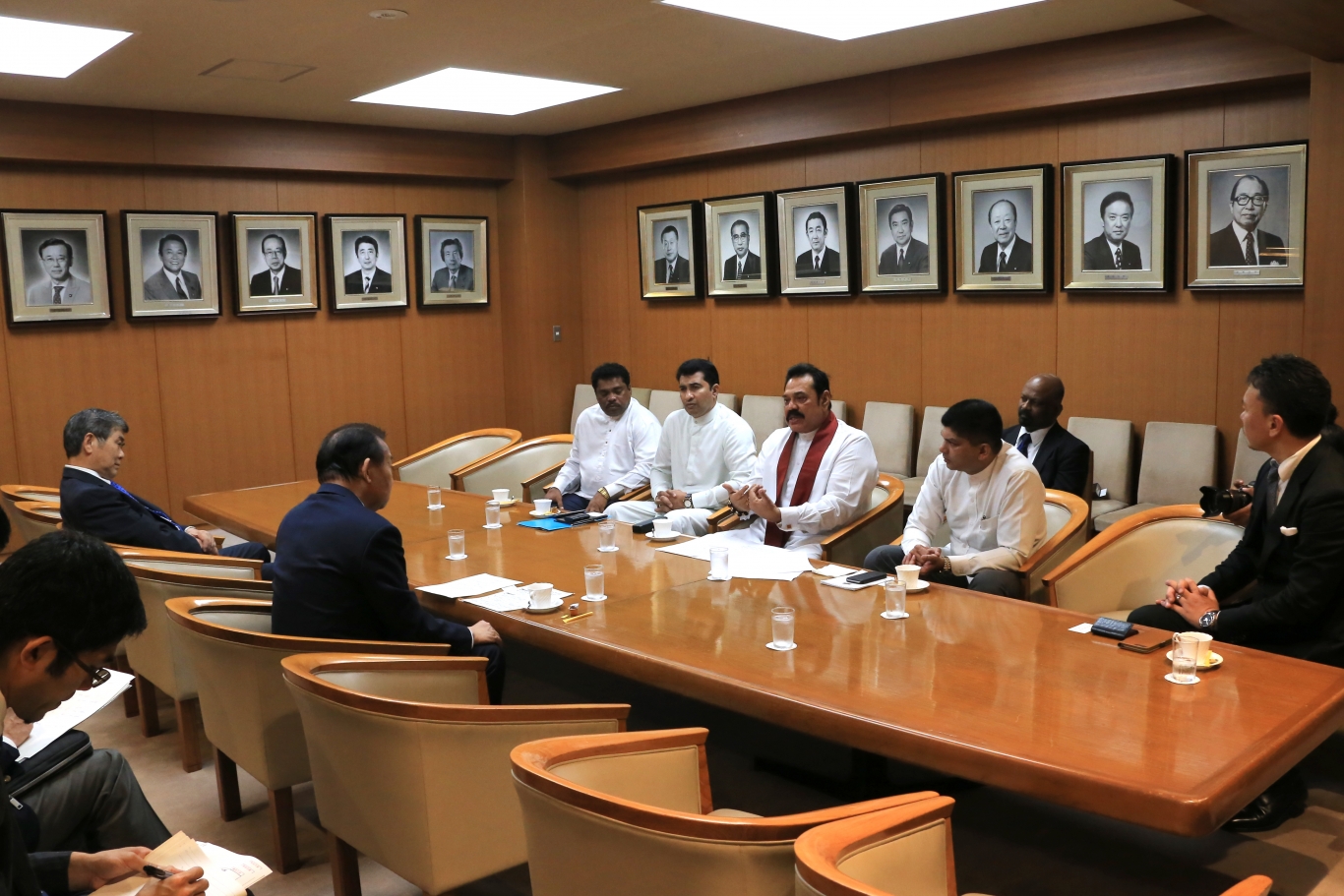
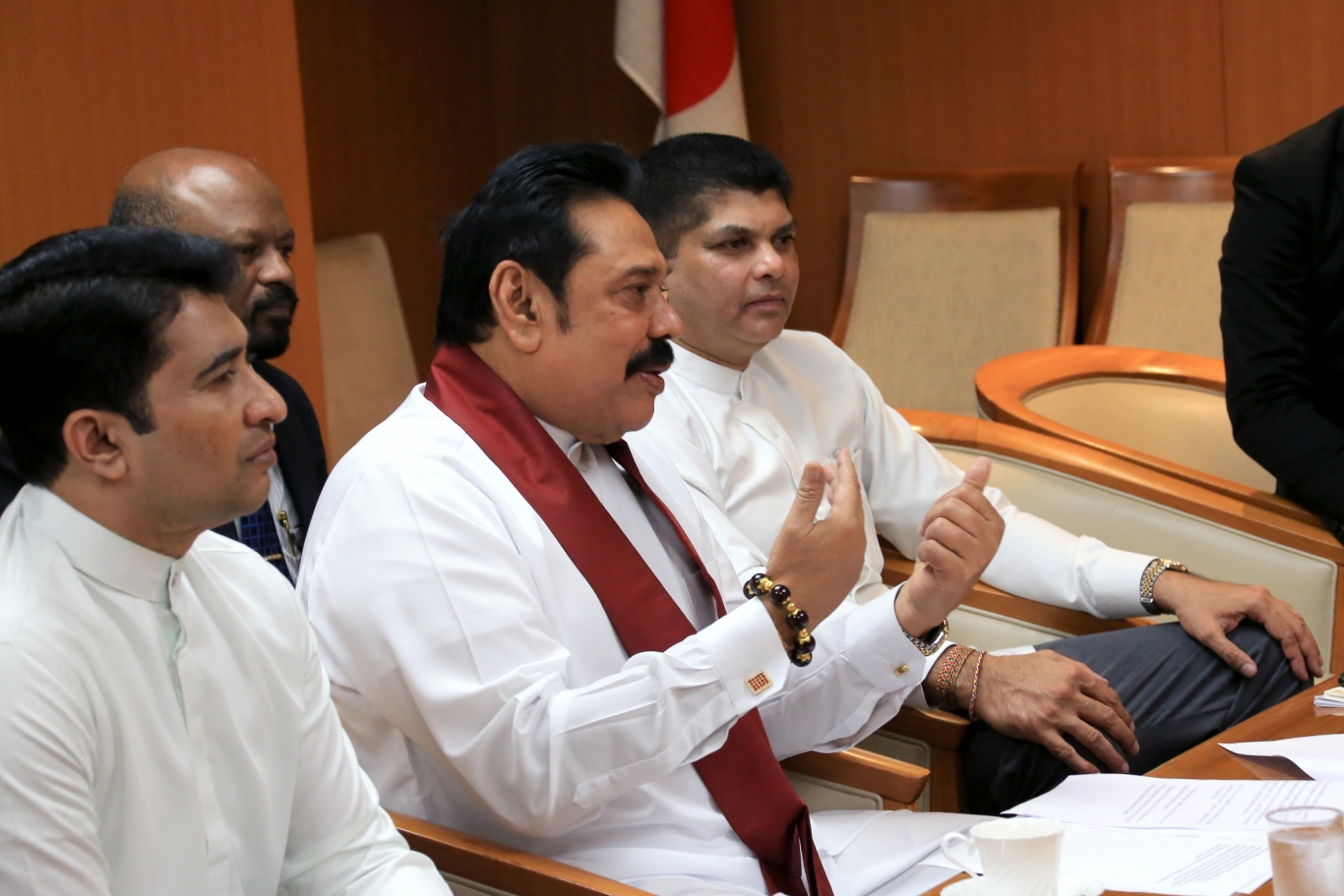
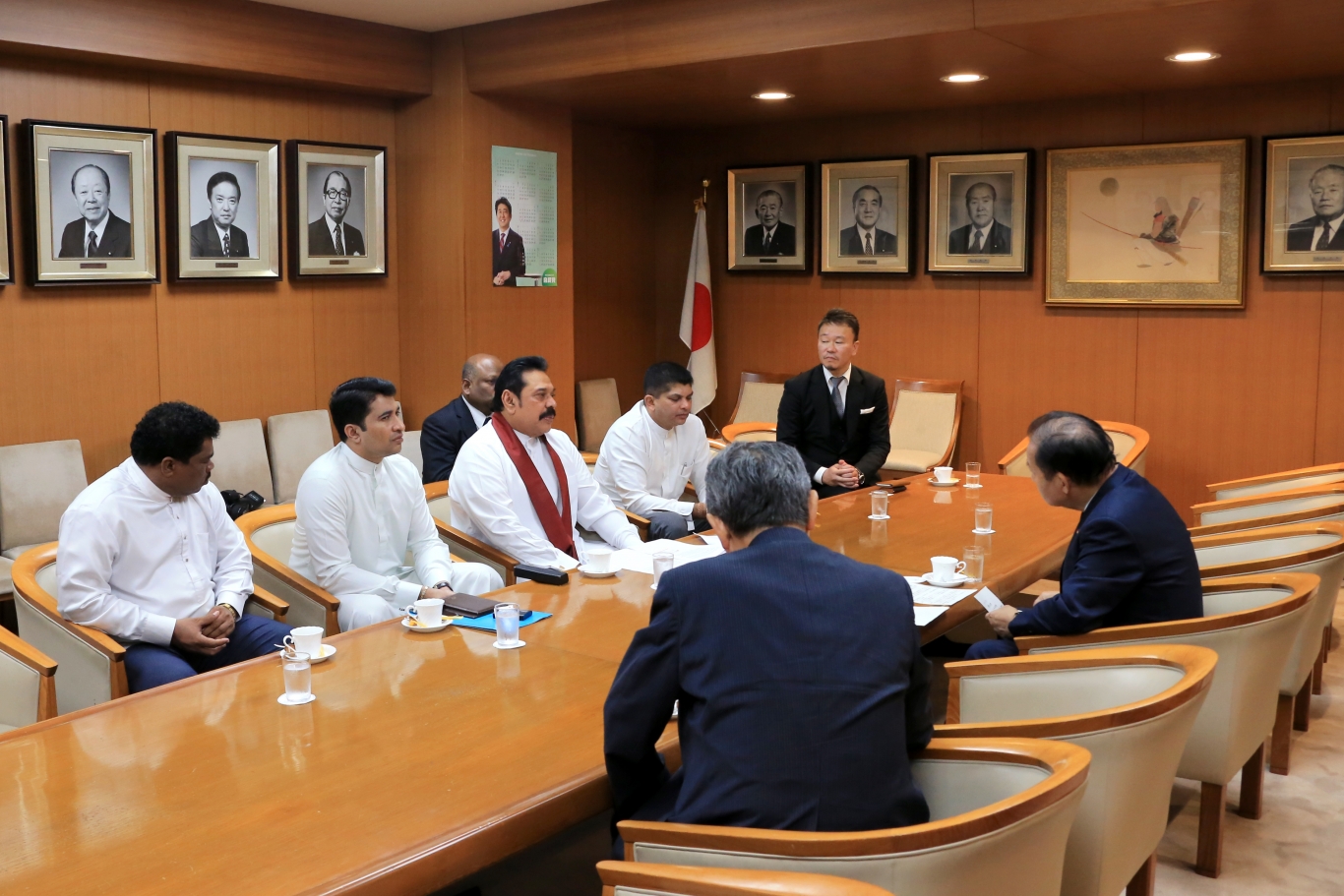
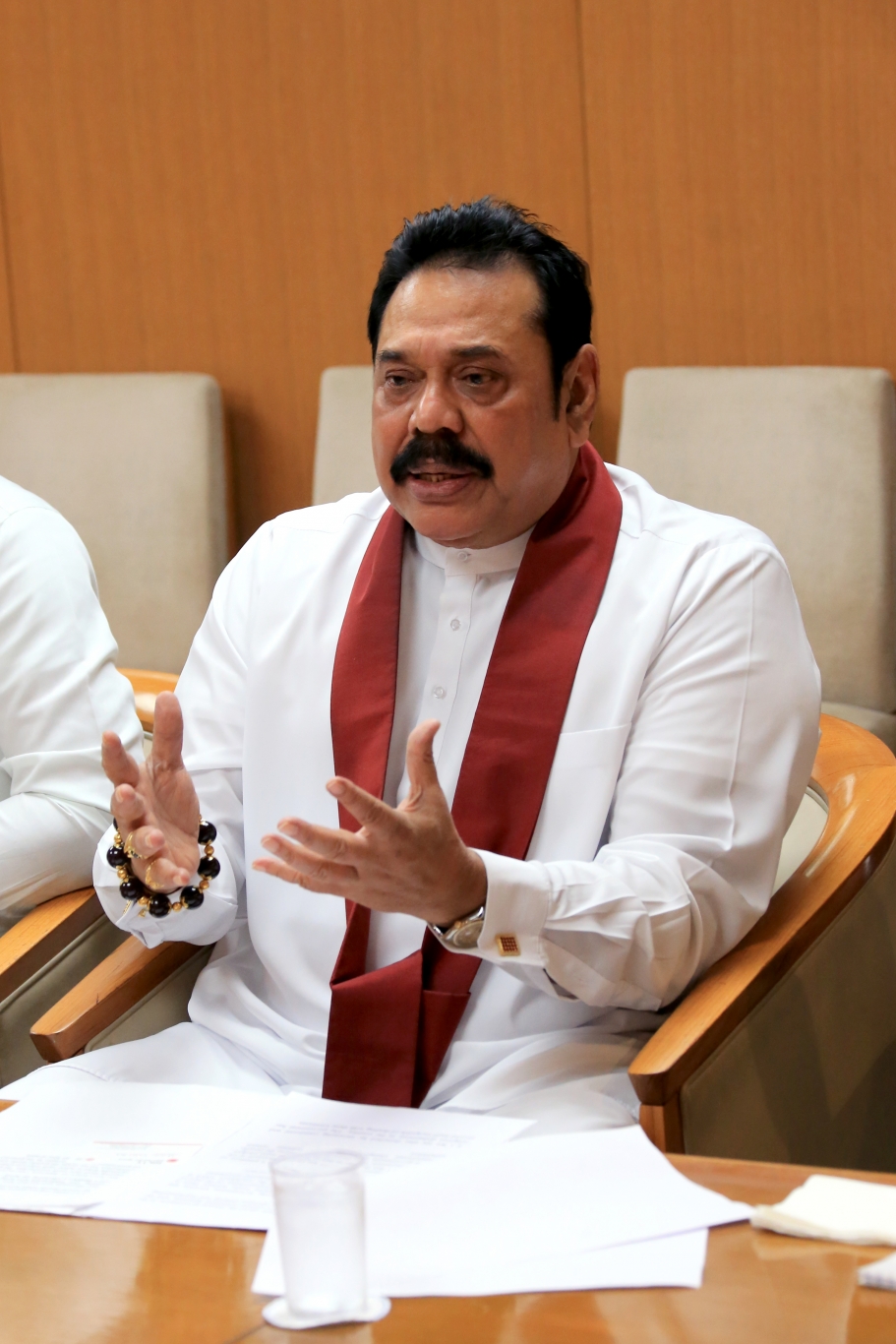
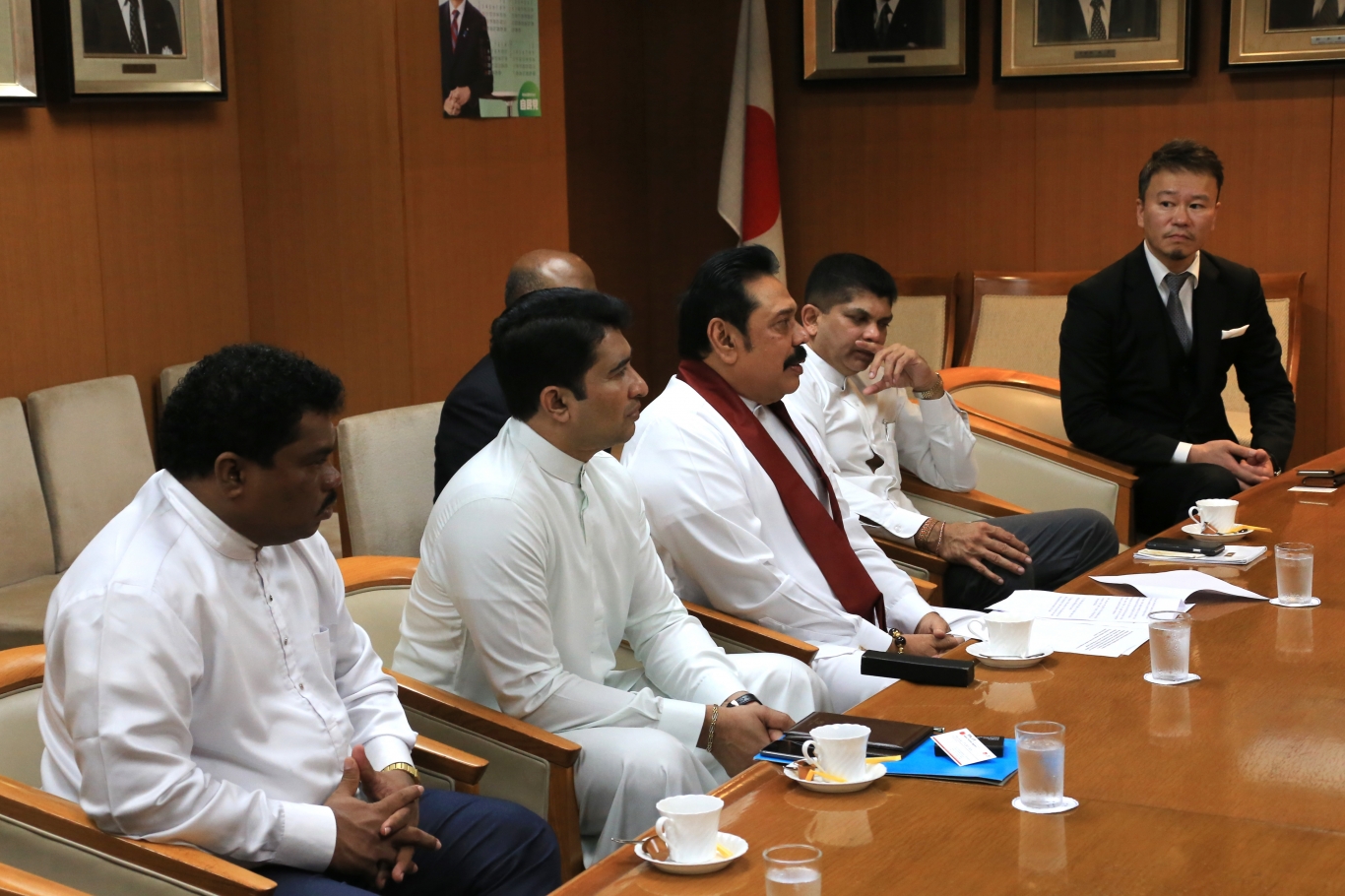
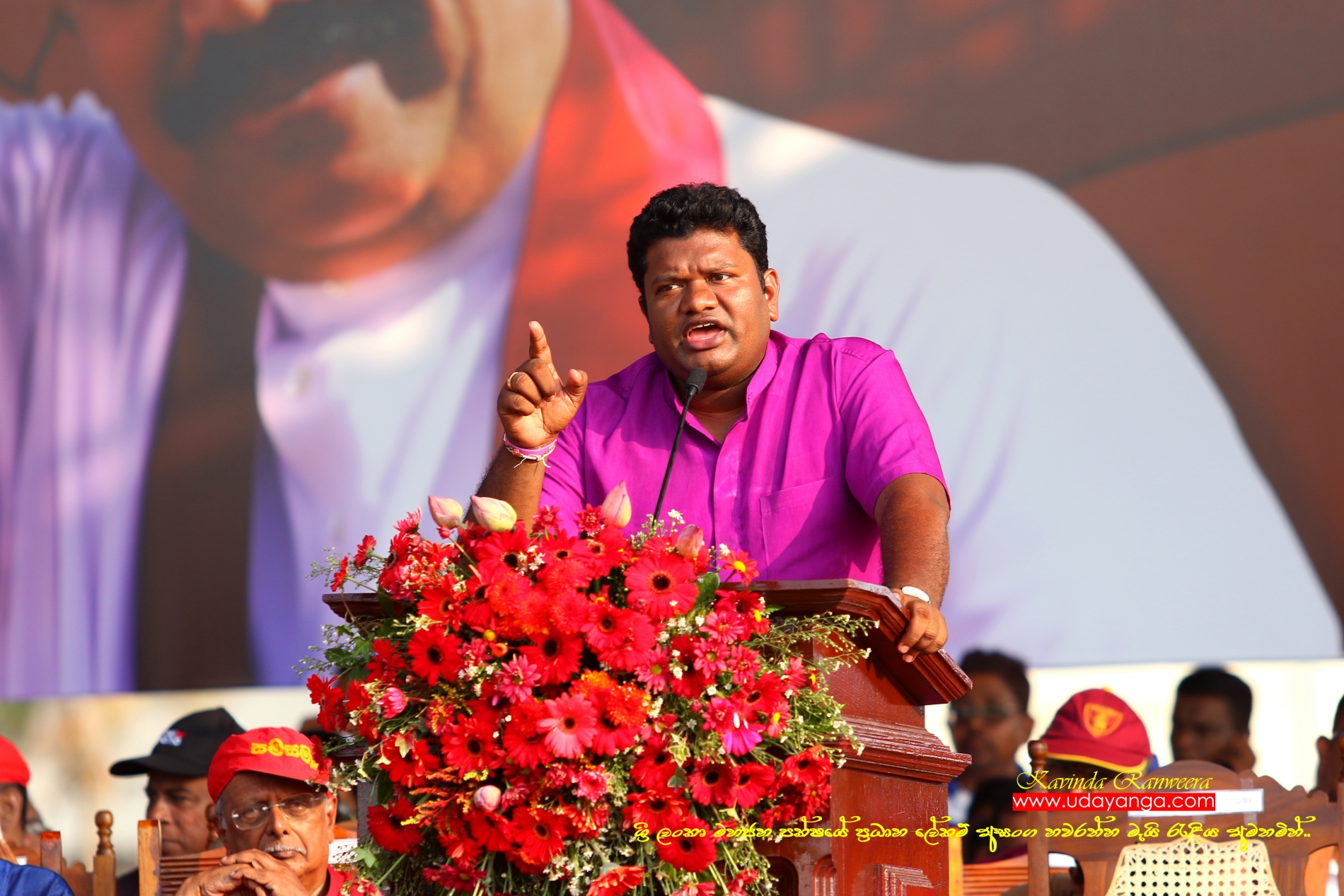
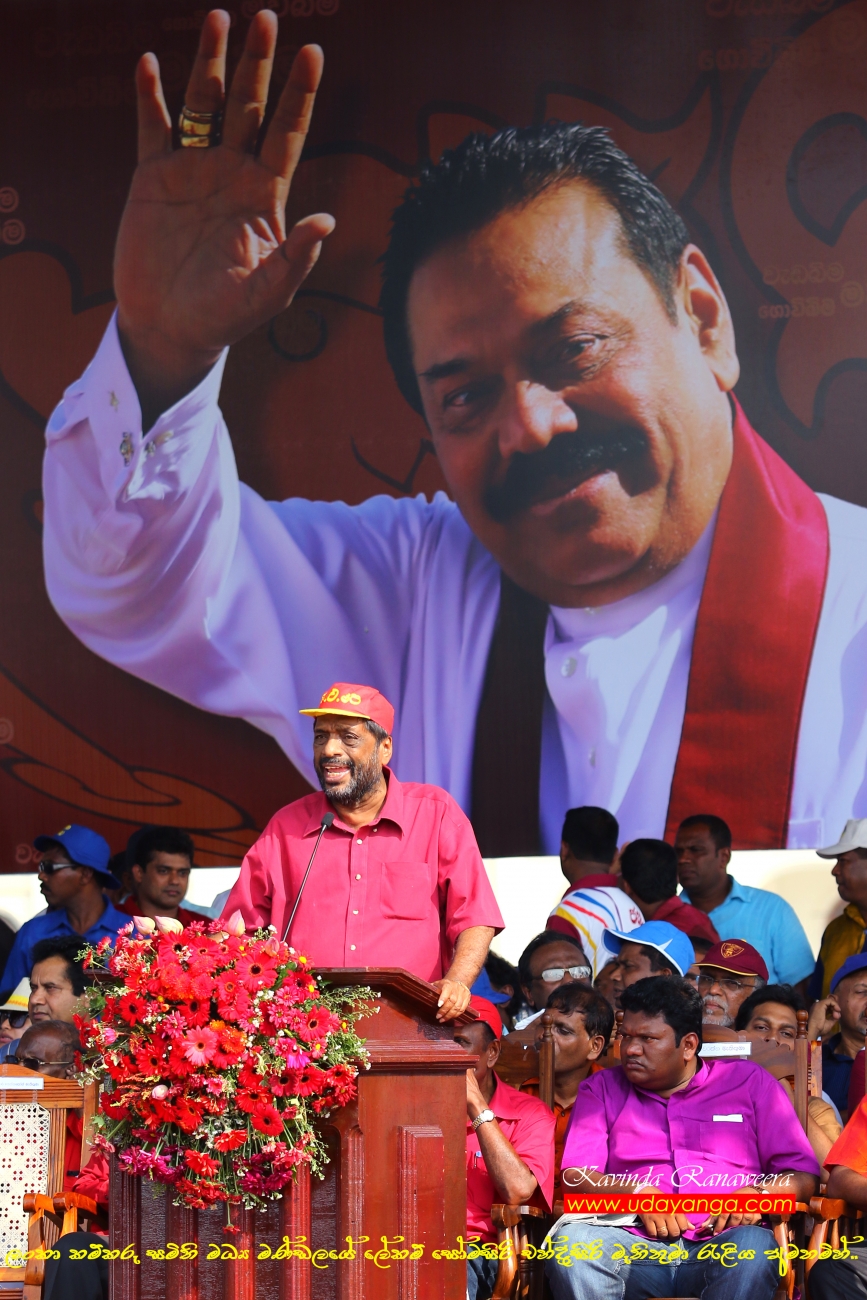
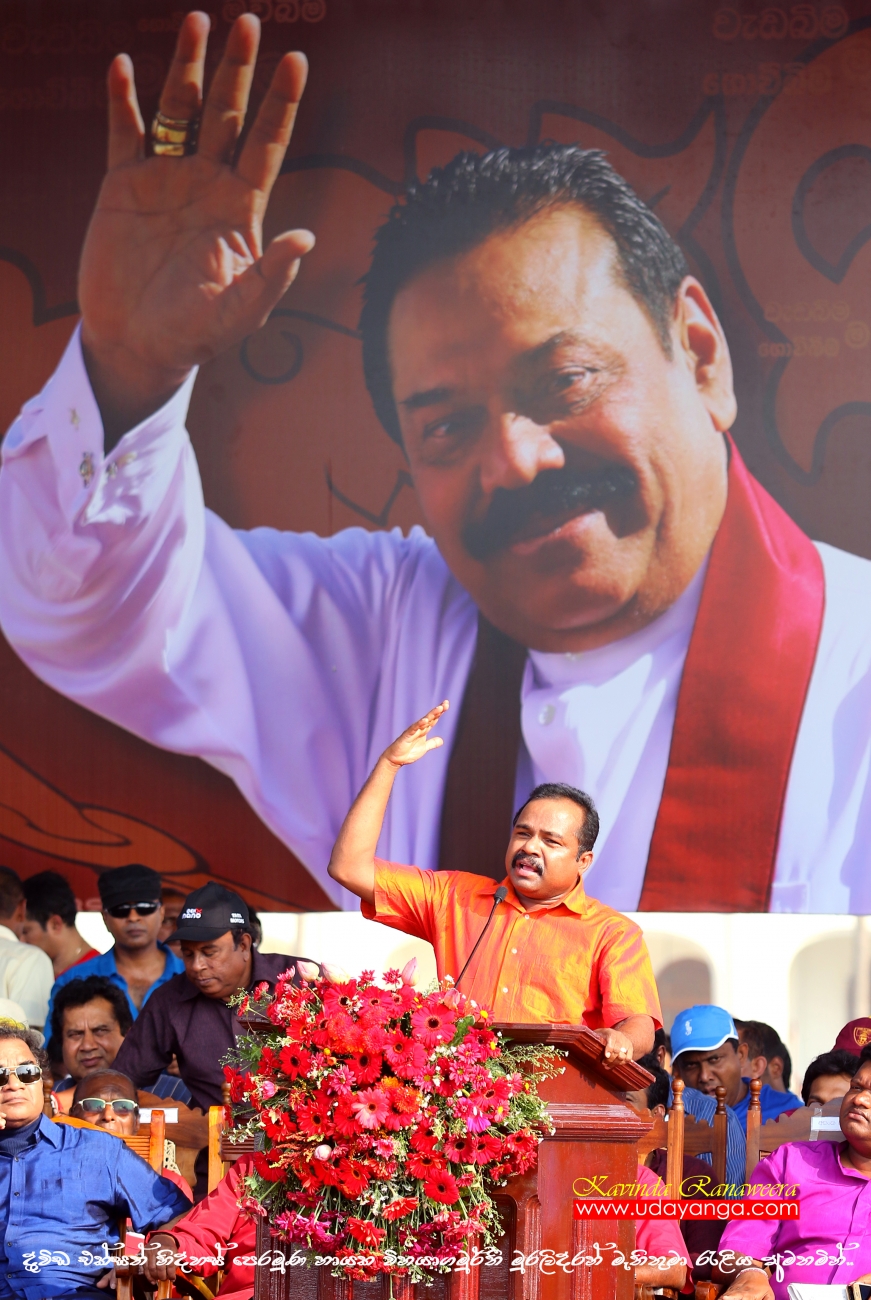
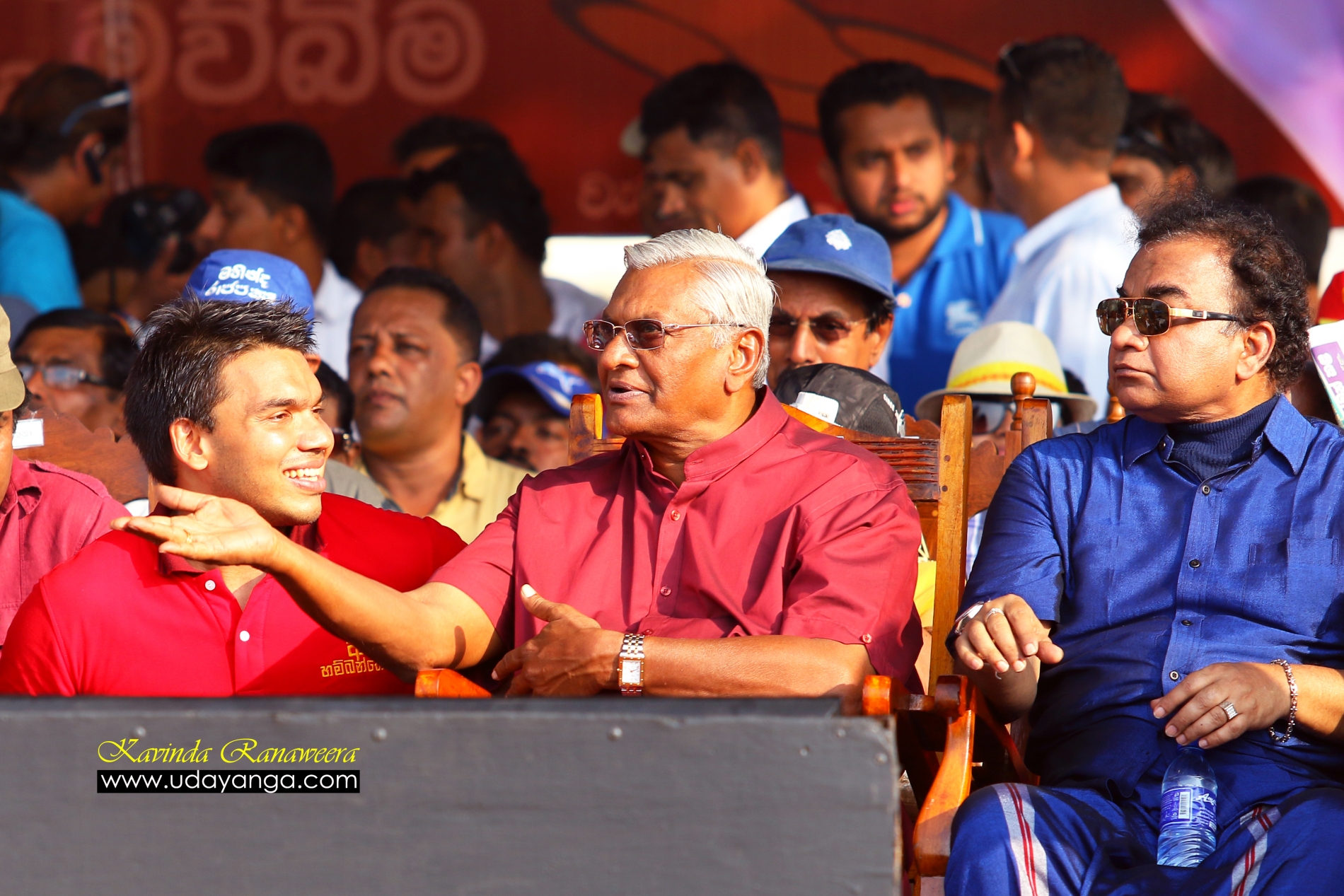
7 июня в Каруасава, Япония, состоялась встреча бывшего президента Махинды Раджапакса в комитетах действий организации «Махинда самбанд» в Японии. В прошлом году Джаянта Хеттиарачи рассказала об услуге «Махинда Самуди». Махинда Раджапакса не был забыт о будущих планах Махинды Раджапакса о будущей политической работе Махинды Раджапакса. Отмечая сегодня политическую и экономическую ситуацию в Шри-Ланке, президент Раджапакса настаивал на том, чтобы он помог всем Шри-Ланкам работать вместе и работать вместе. Он также сказал, что он очень доволен деятельностью организации «Махинда Самуди» и что он был благодарен всем своим членам.

Махинда — противник умершего, который заложил страну и получил контроль над властью, потому что все любят Махинду больше, чем кто-либо другой. Именно из-за этой любви люди сплотились вокруг Махинды без власти. Нет противников людям, которые сплотились вокруг истинного лидера.

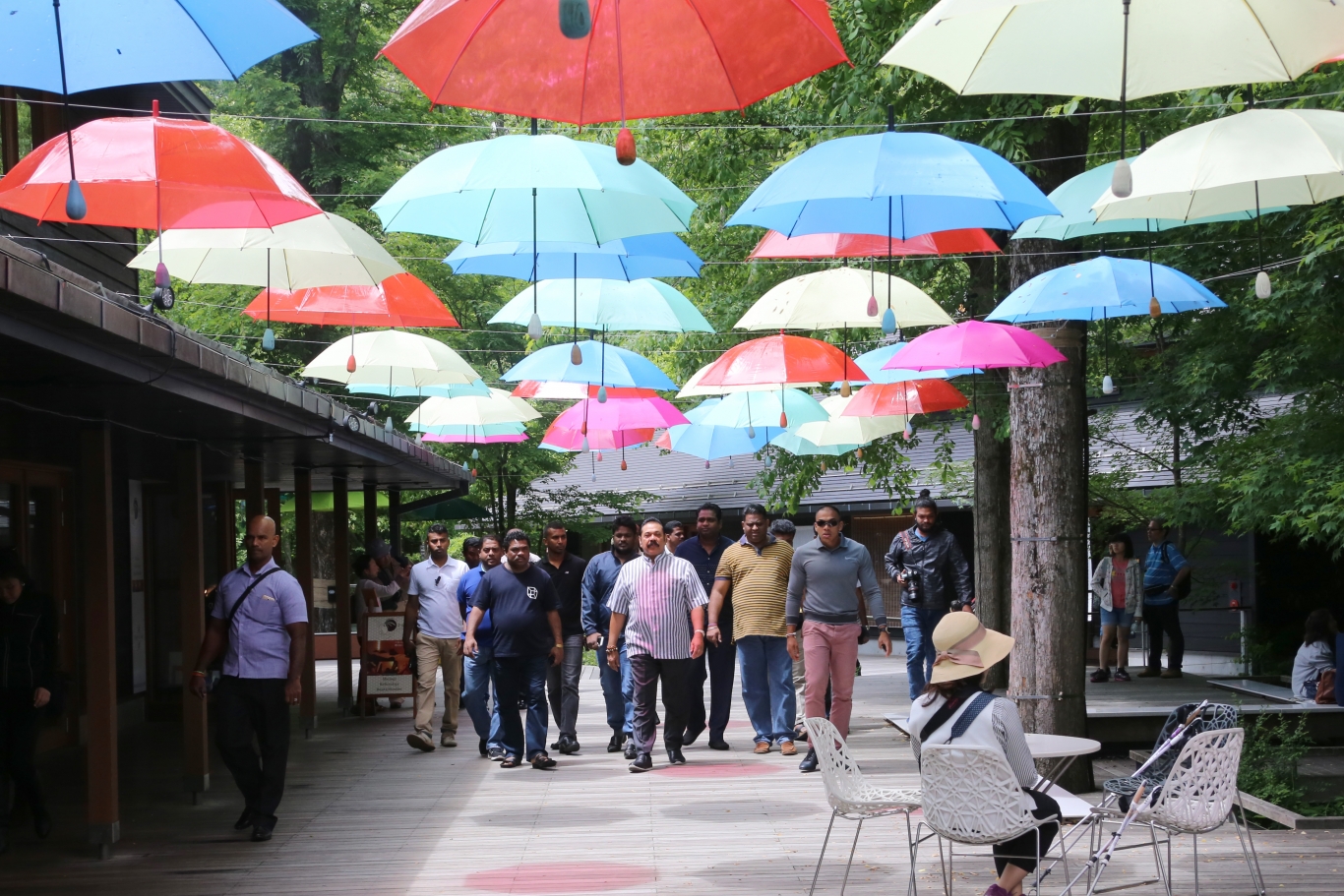
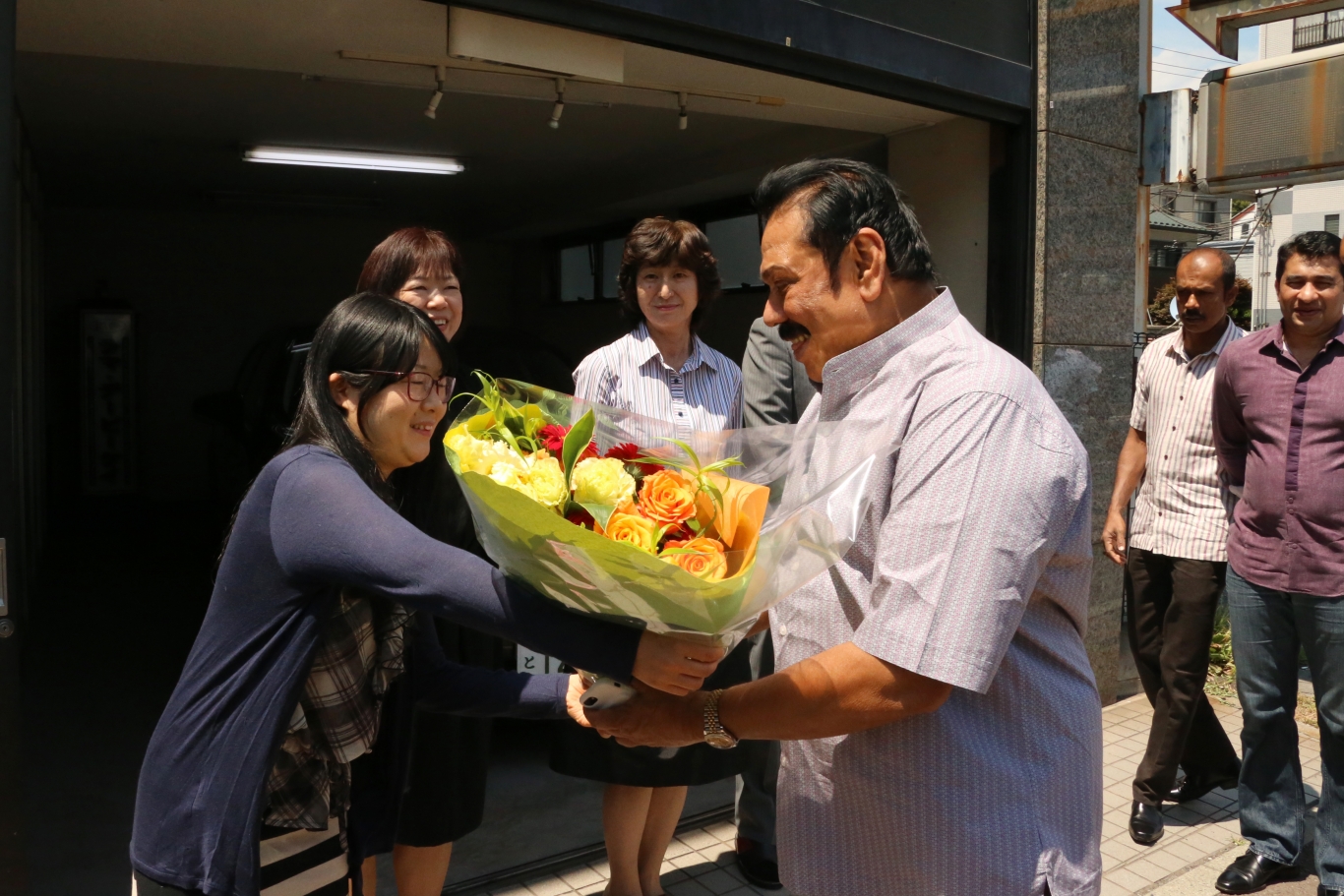
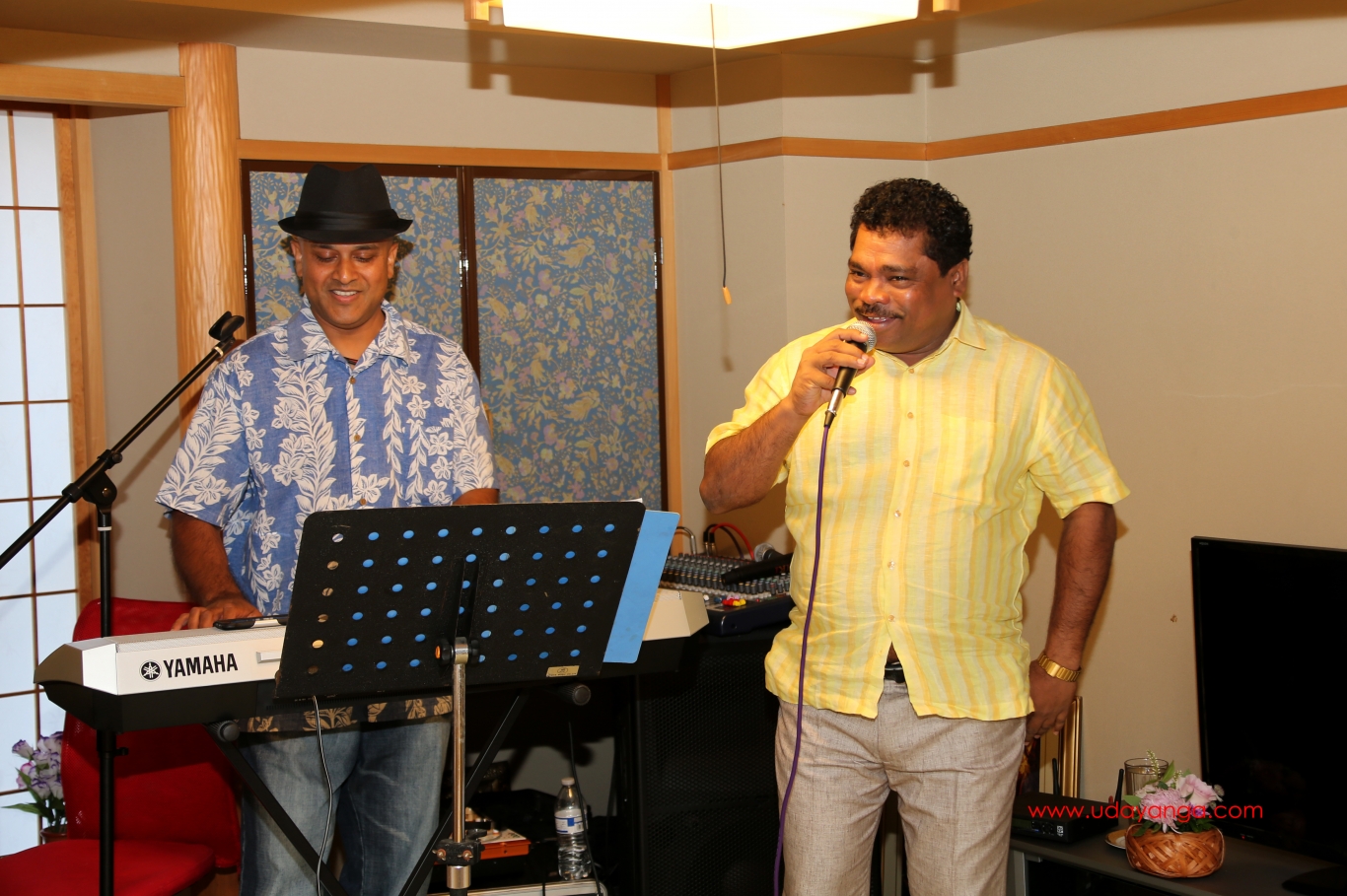
Эта любимая танцовщица, которую мы видели сегодня в Куруйсаве, Япония … ..
Related Images:

Визит Президента в Японии 3

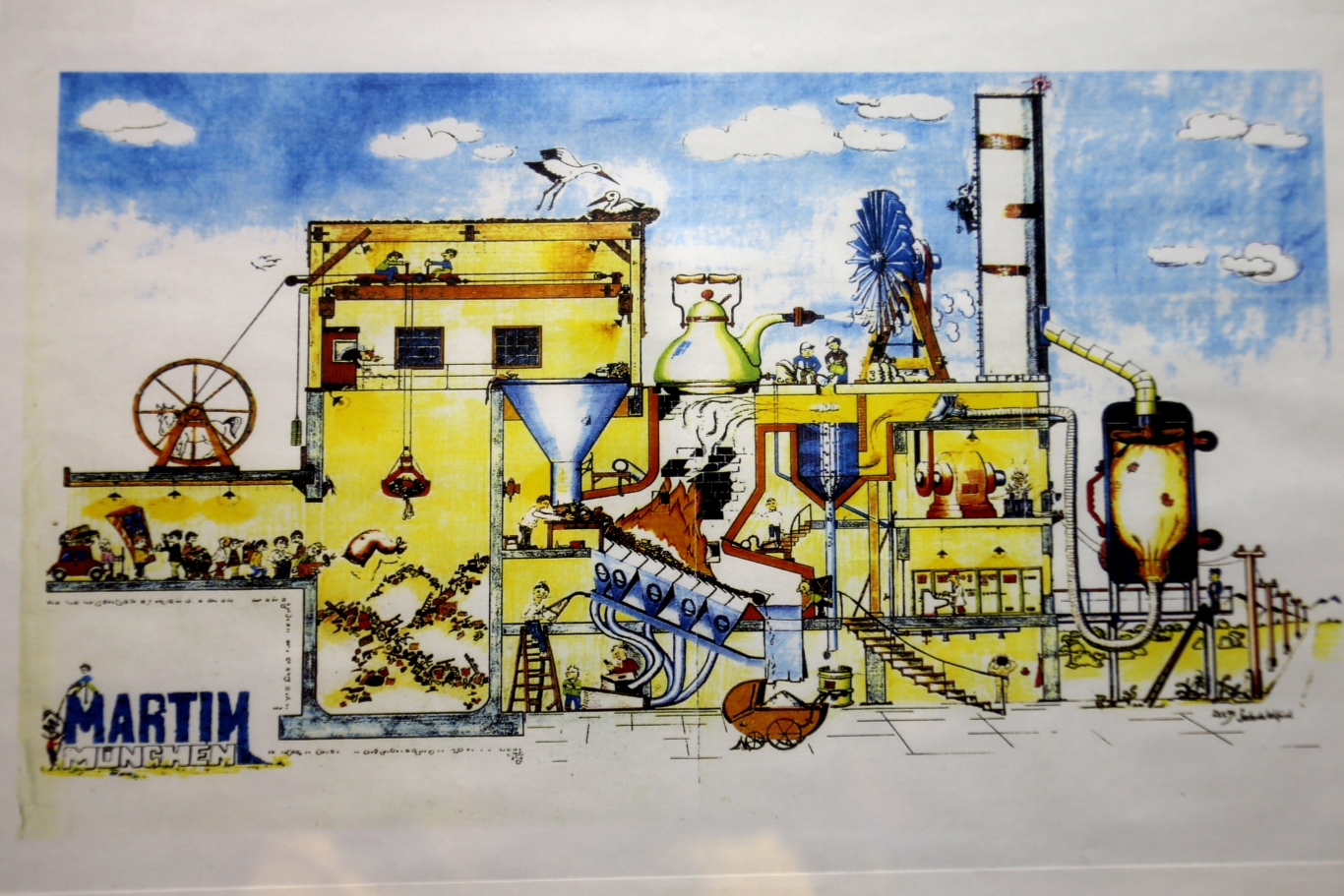
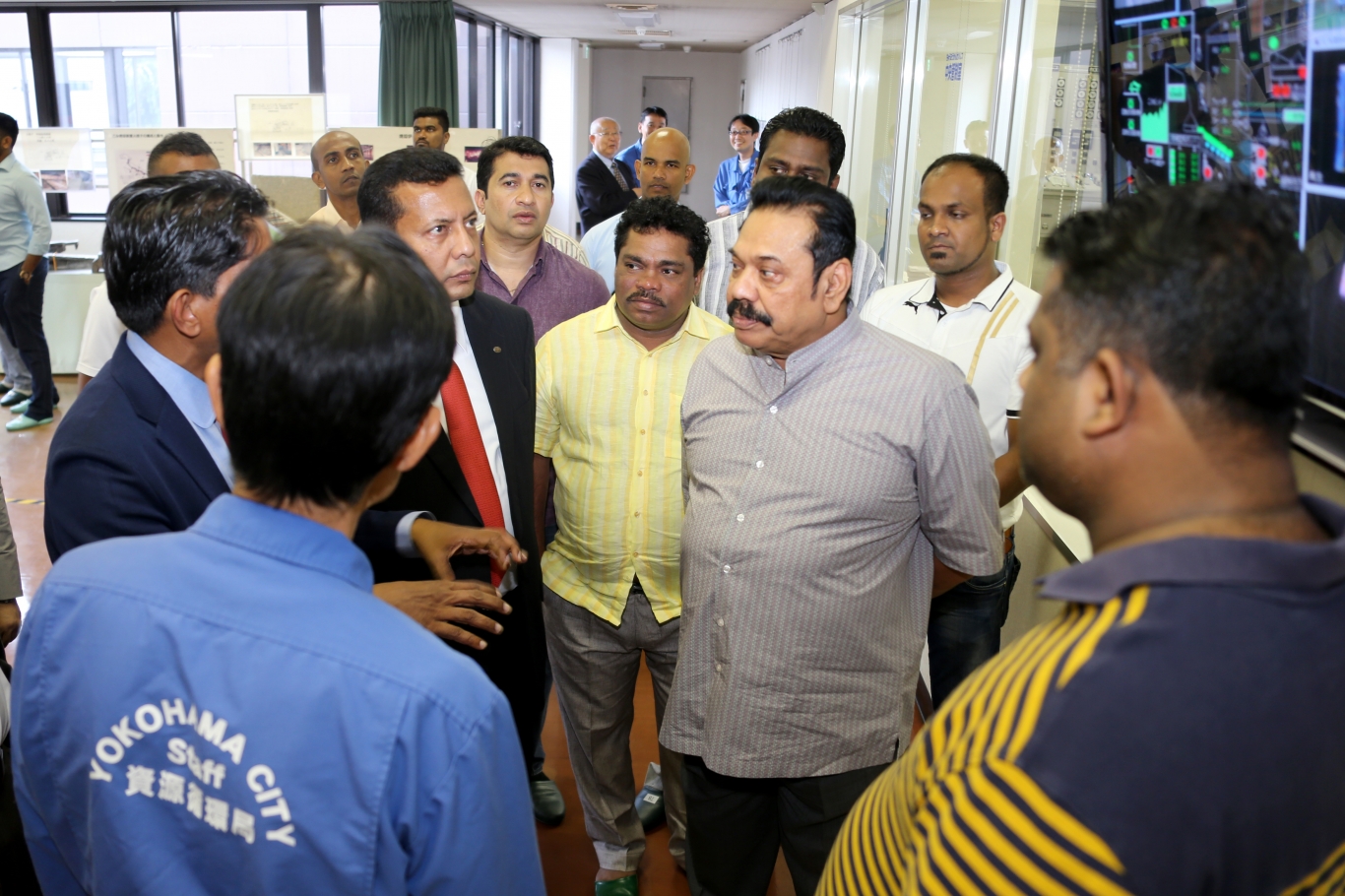
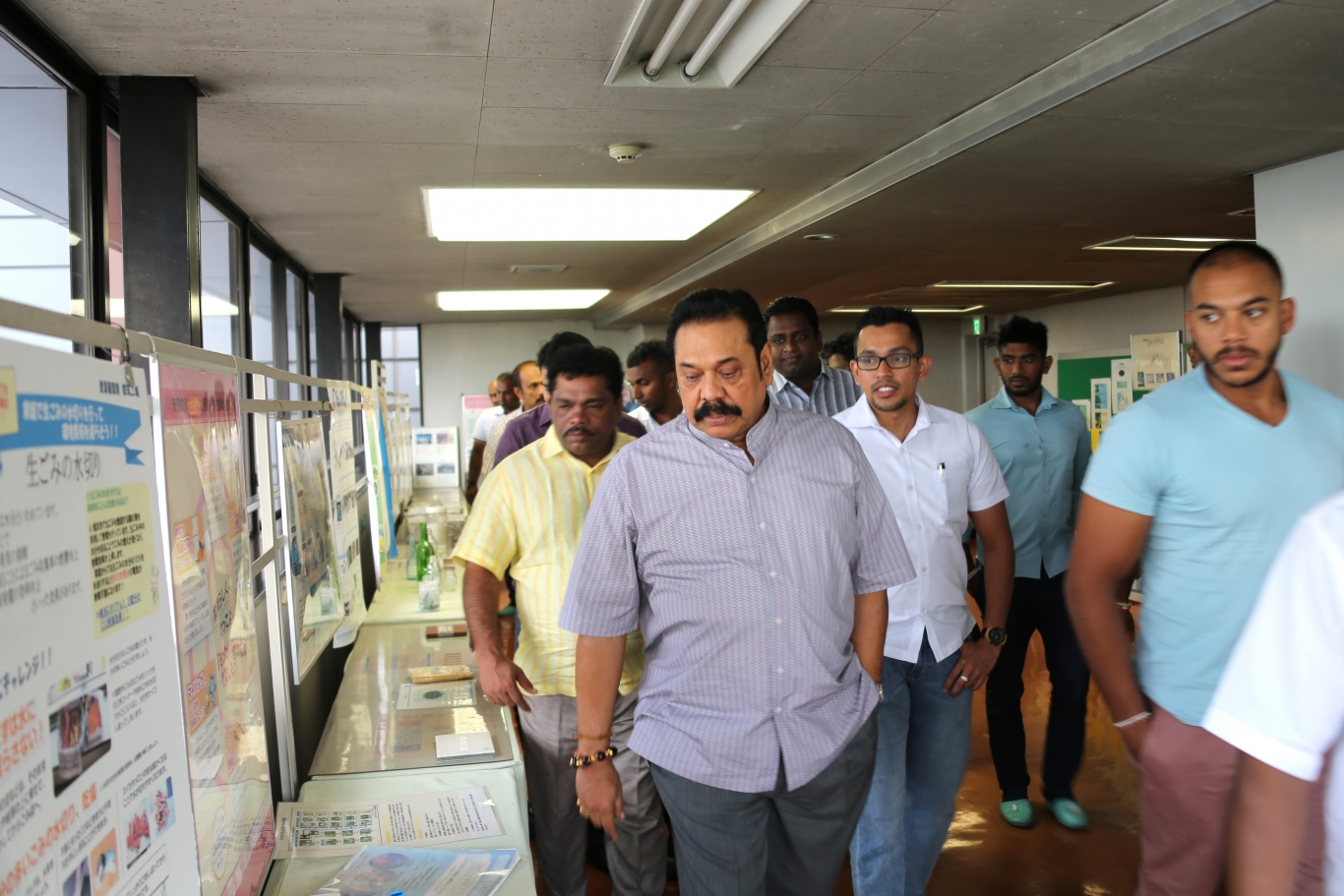
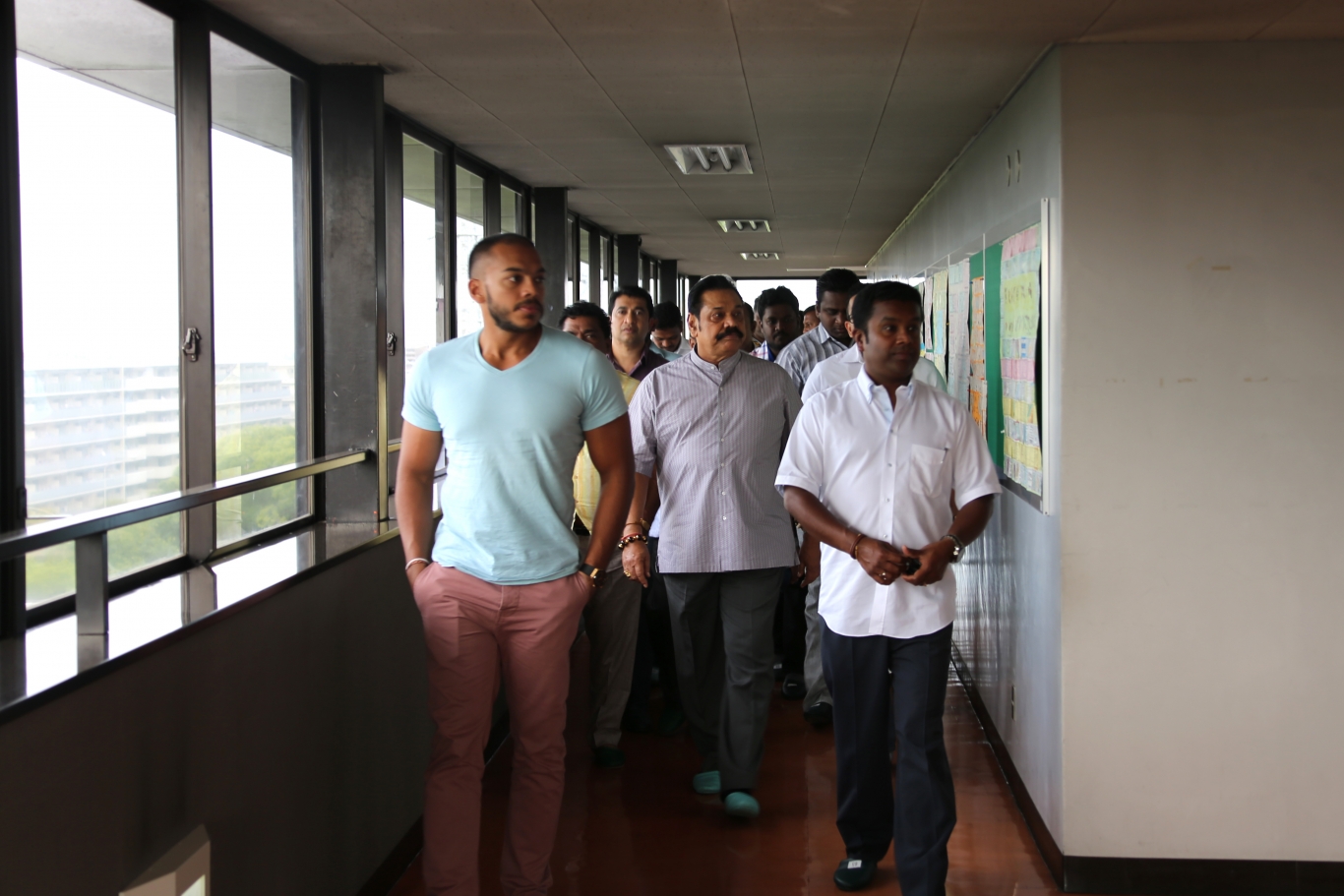
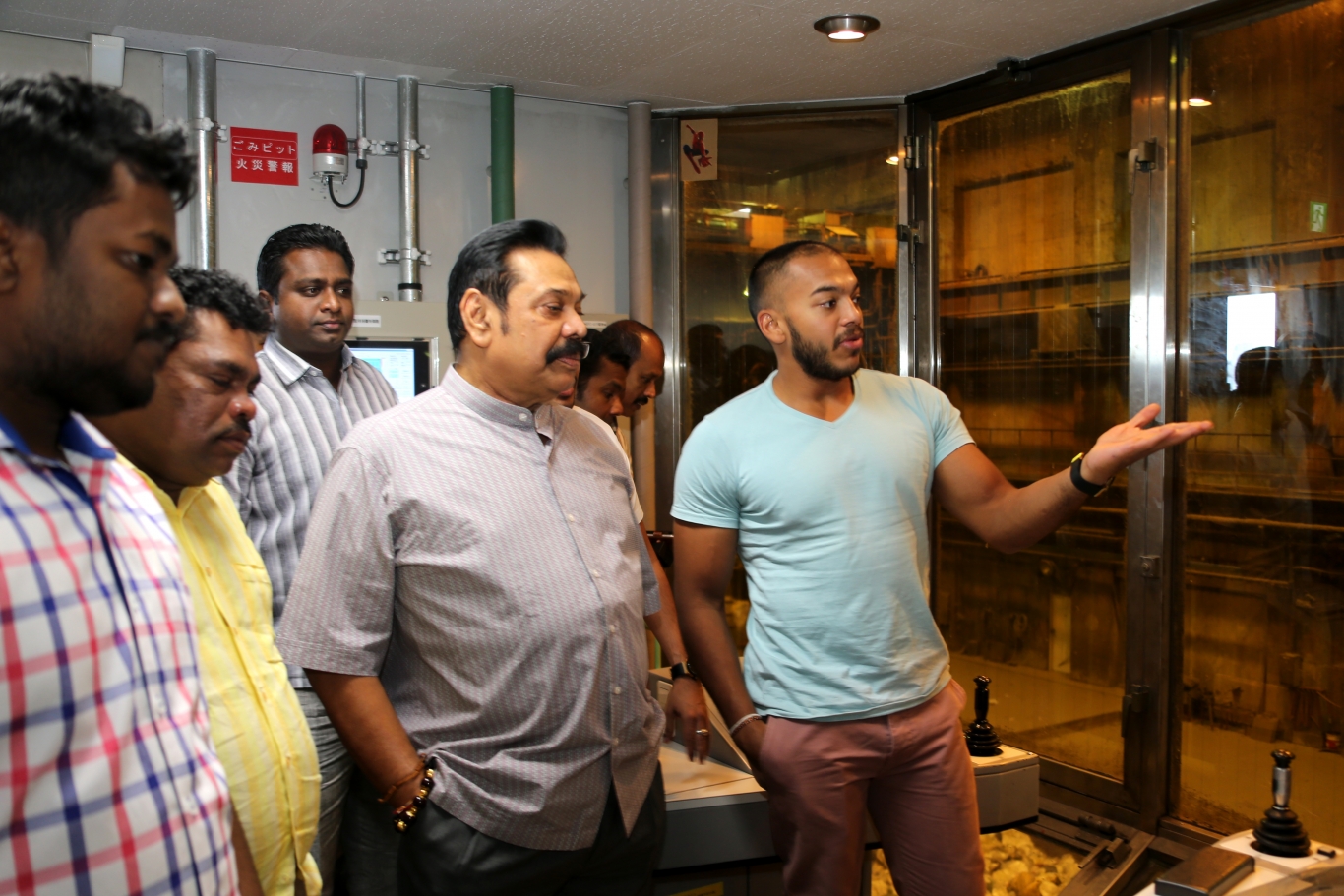
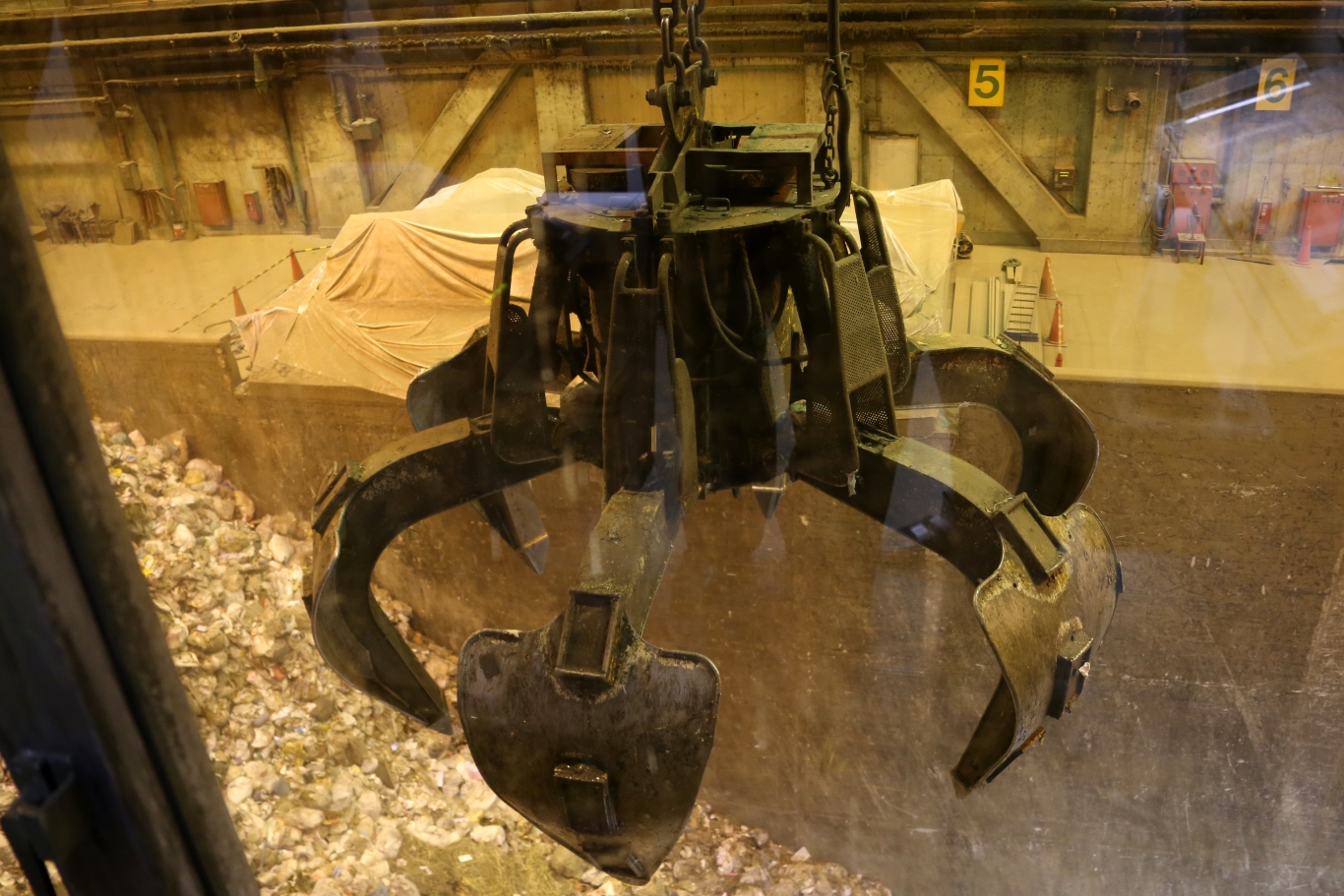
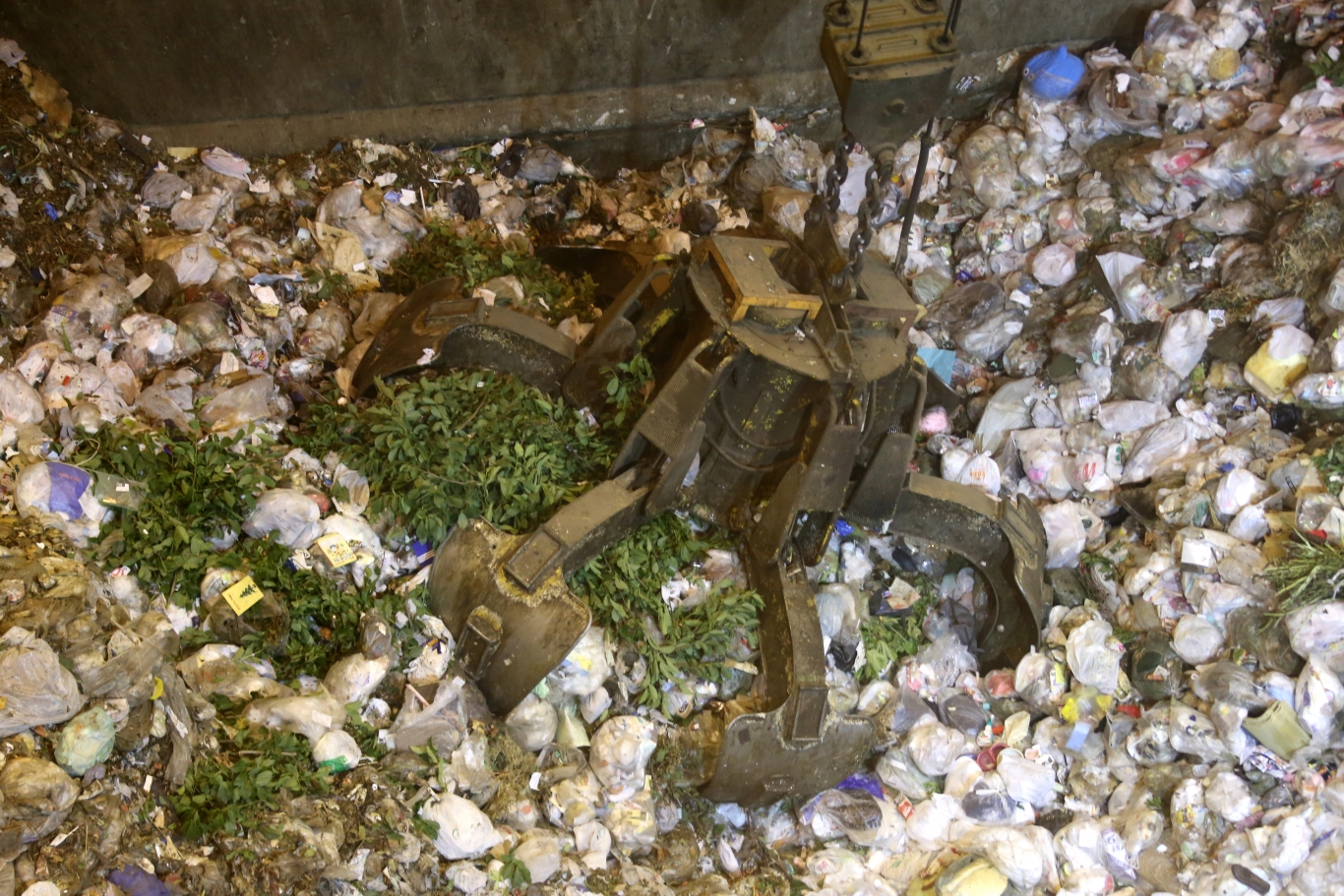
На перерабатывающем заводе Yakoomasa Tsuki …
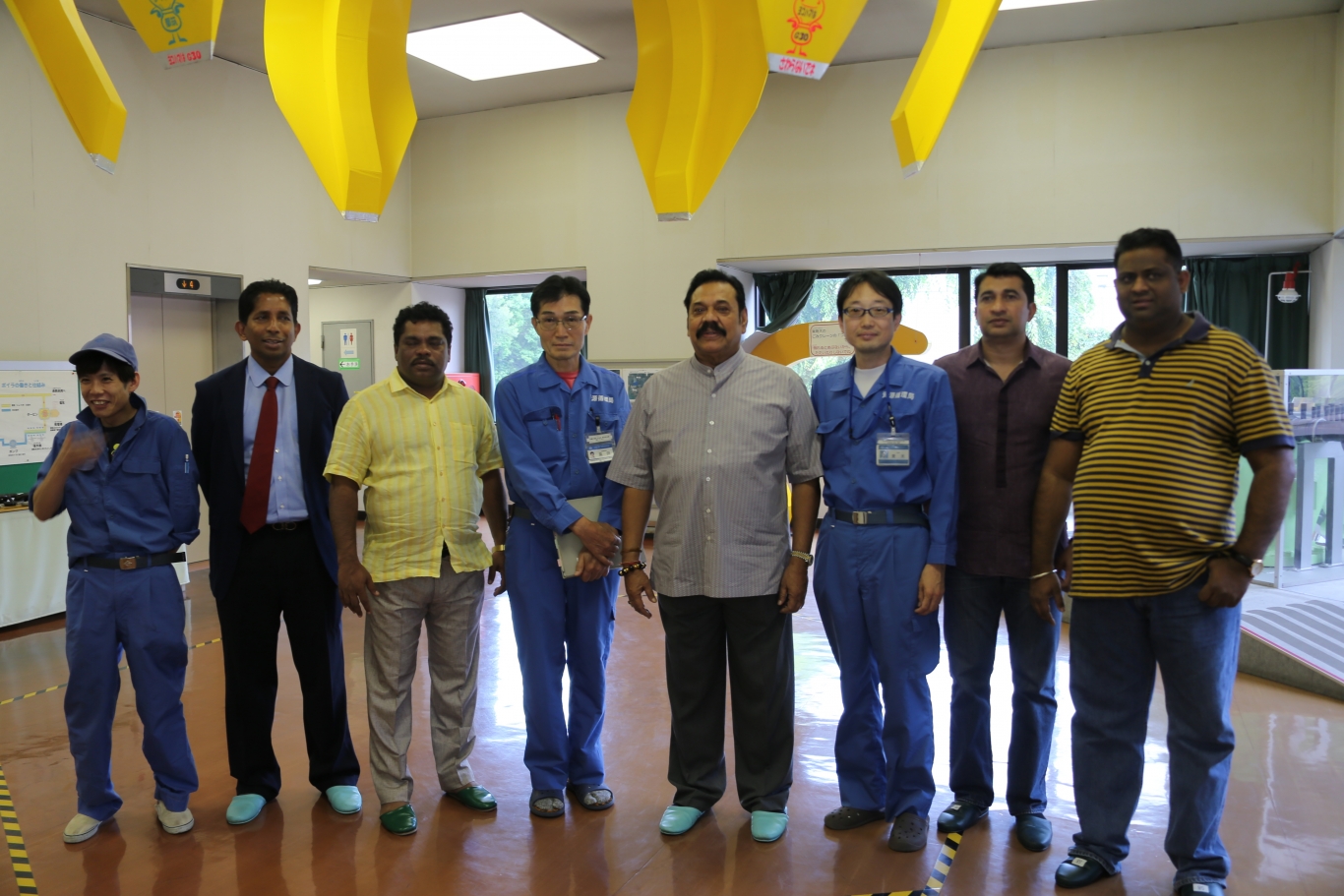
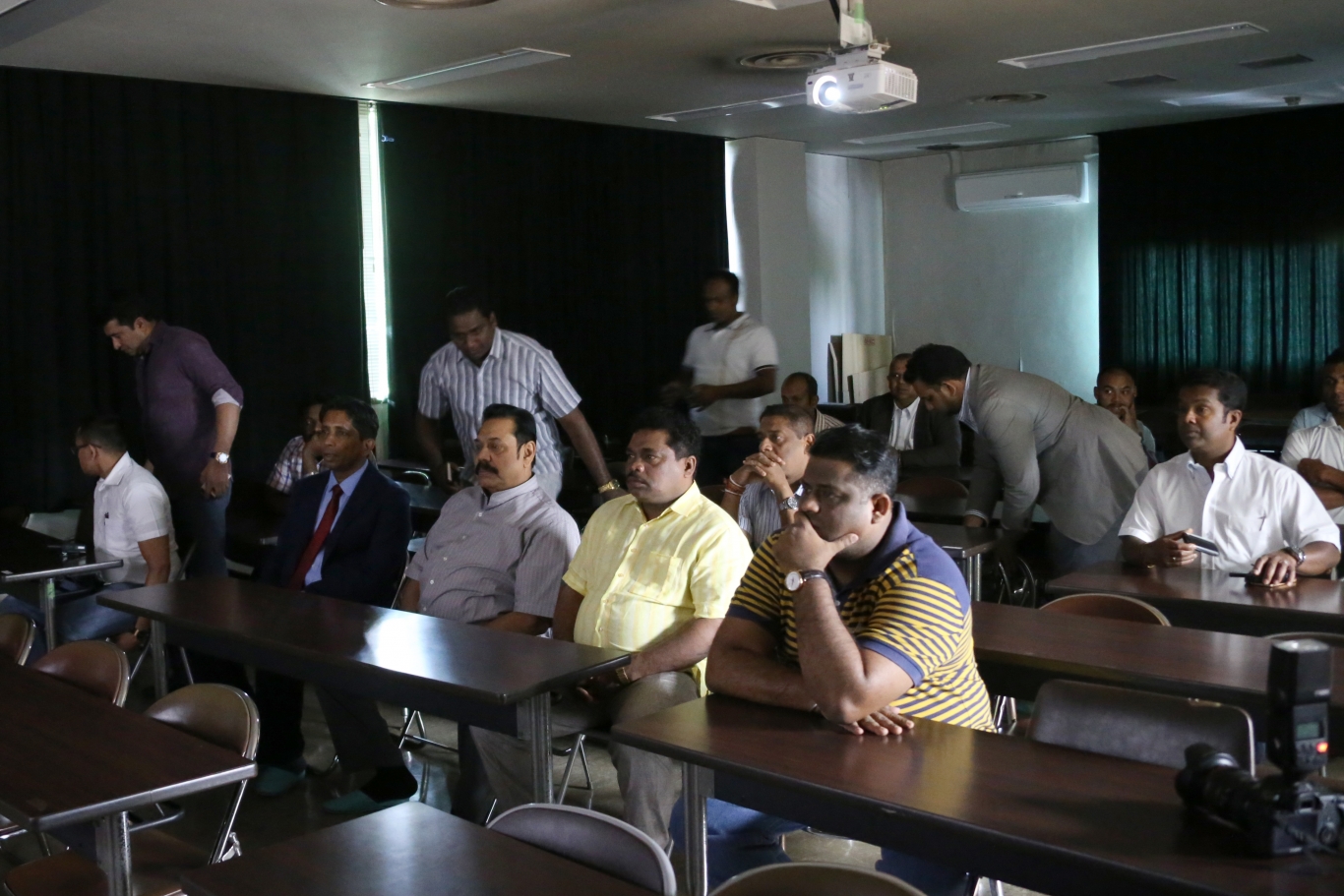
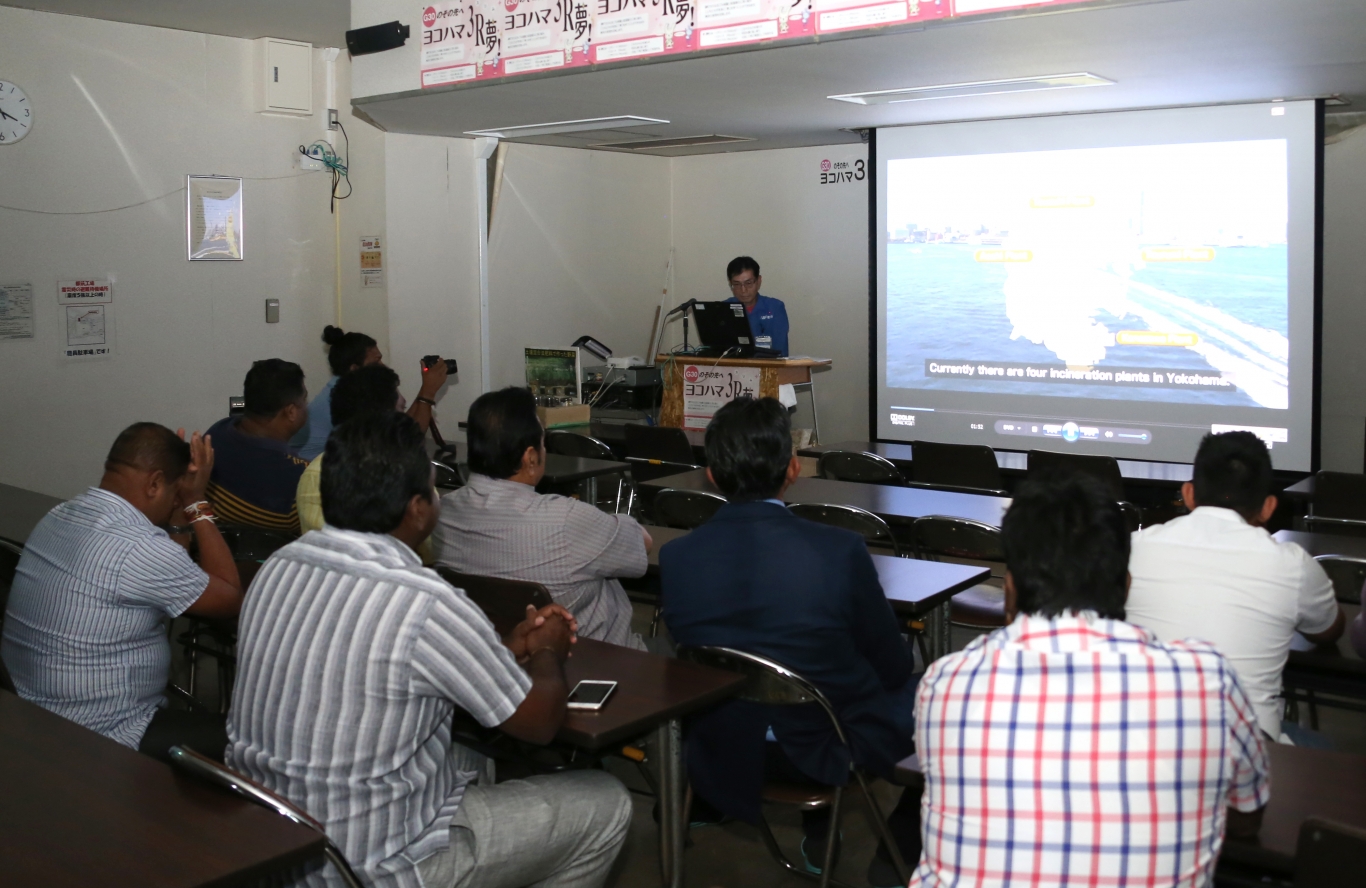
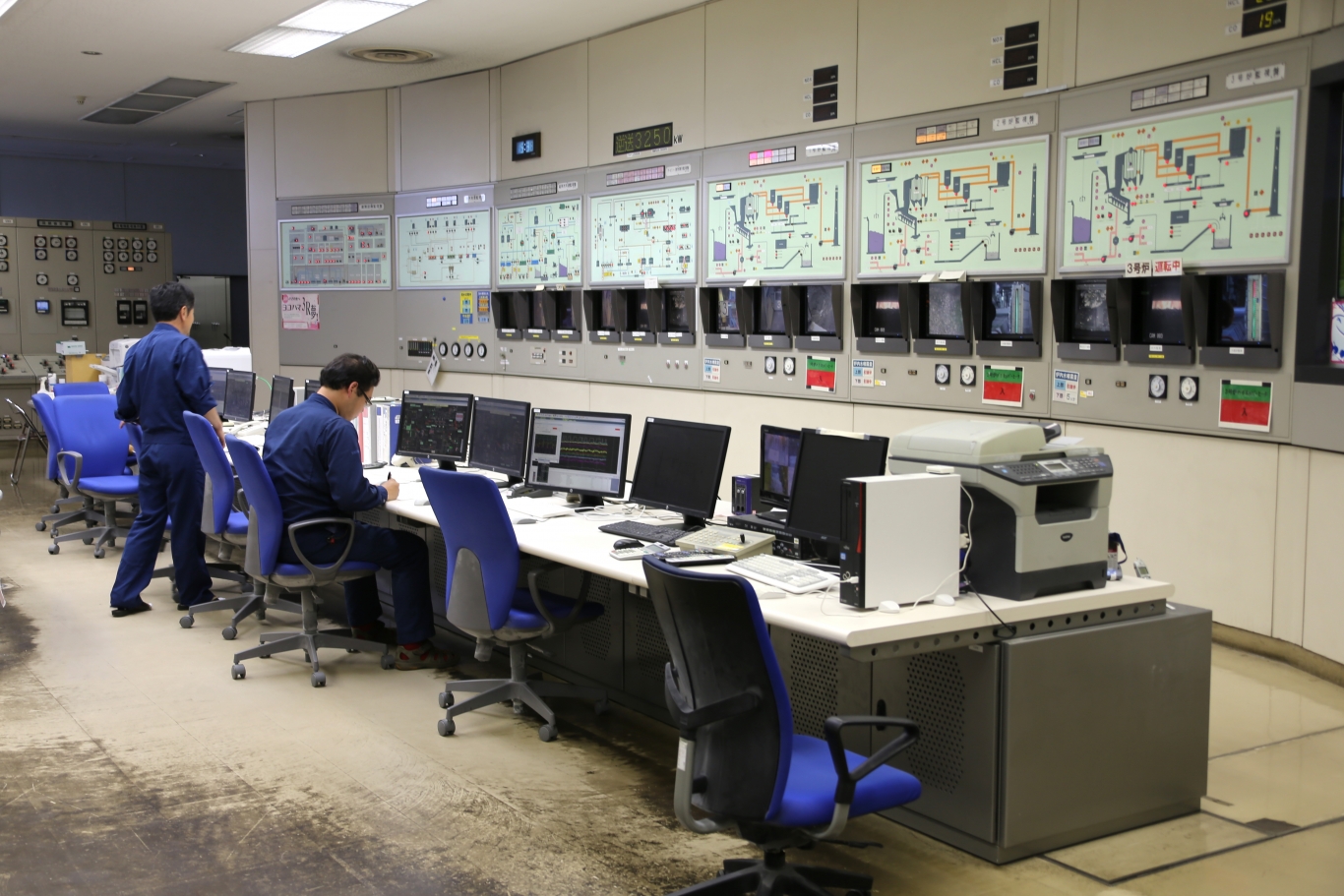
Президент Махинда Раджапакса вмешалась, чтобы найти решение проблемы мусора в Шри-Ланке во время его поездки по Японии для изучения проекта по переработке наркотиков в Йокогаме, Турция.

Приезжайте в Японский институт транспортных средств Раби Диби … ..
Бывший президент Махинда Раджапакша прибыл в Иокогаму, Япония, 5 июня по приглашению председателя Института Рамы Дибей Джагата Камалакмана. Раманаяка представил своих сотрудников, предоставив своим сотрудникам разъяснение своей прошлой и нынешней истории. Он сказал, что будет работать со всеми во всех аспектах своей приверженности Японии без какой-либо дискриминации. Он и его сотрудники очень довольны визитом президента Раджапакса в это место сегодня и поблагодарили президента за предоставленную нам возможность. Парламент Калутарского района Прияр Нишанта поздравил Президента от имени бывшего президента. Все посетители проявили энтузиазм по поводу переливаний президента, а в Японии они обедали.
Related Images:

Визит вывший президент в Японии 2

В Токийском спортивном и научном университете Ниппона …
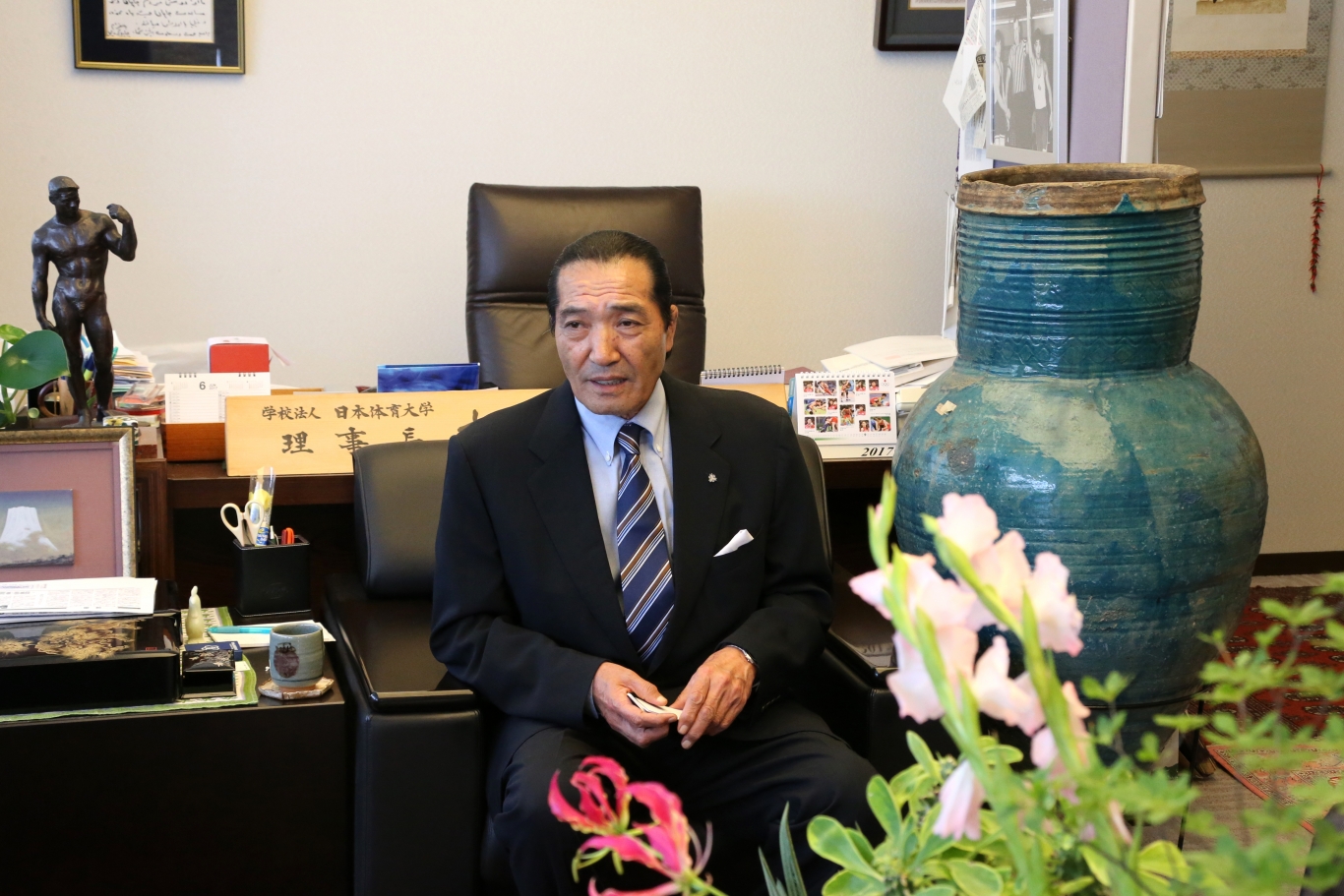
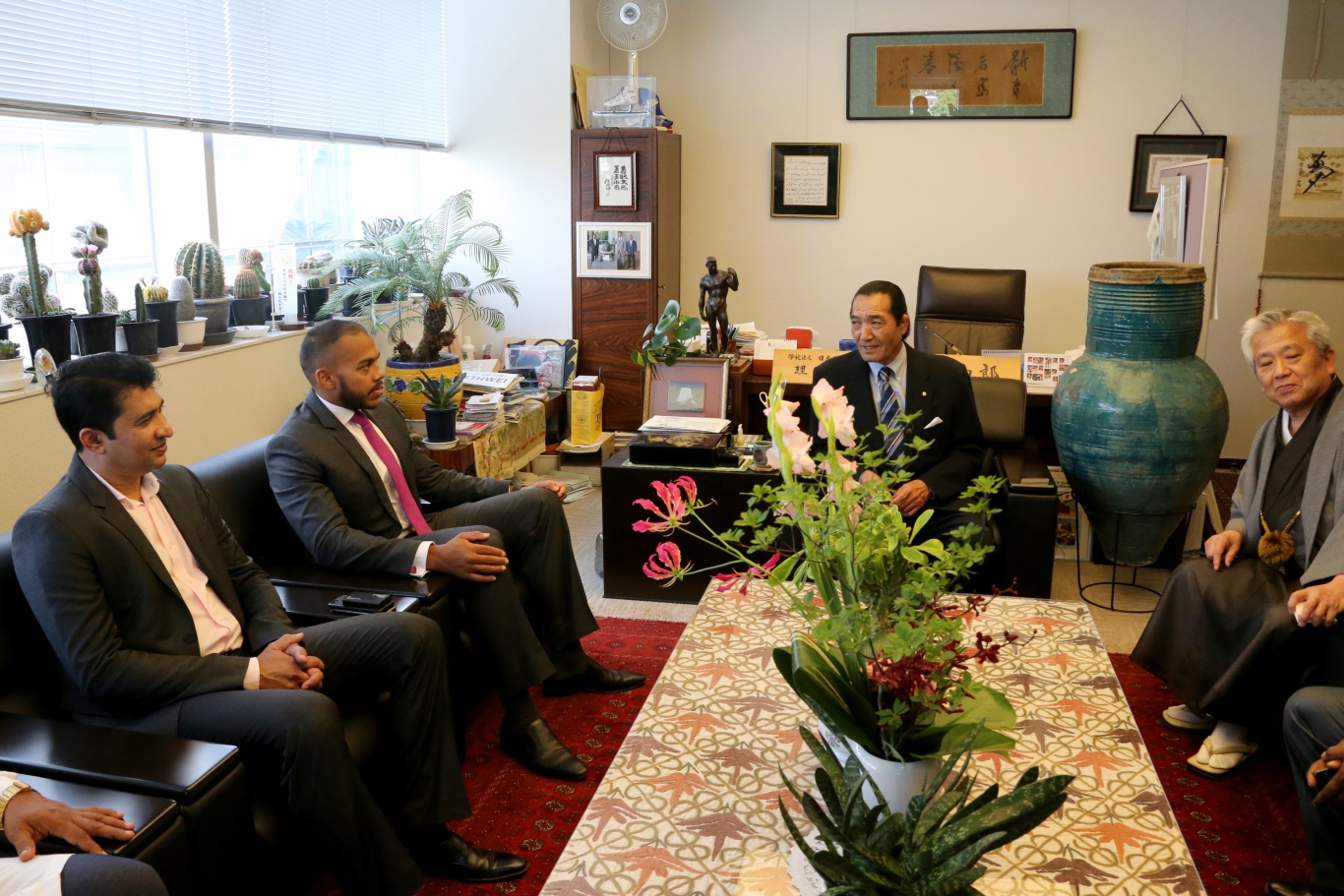
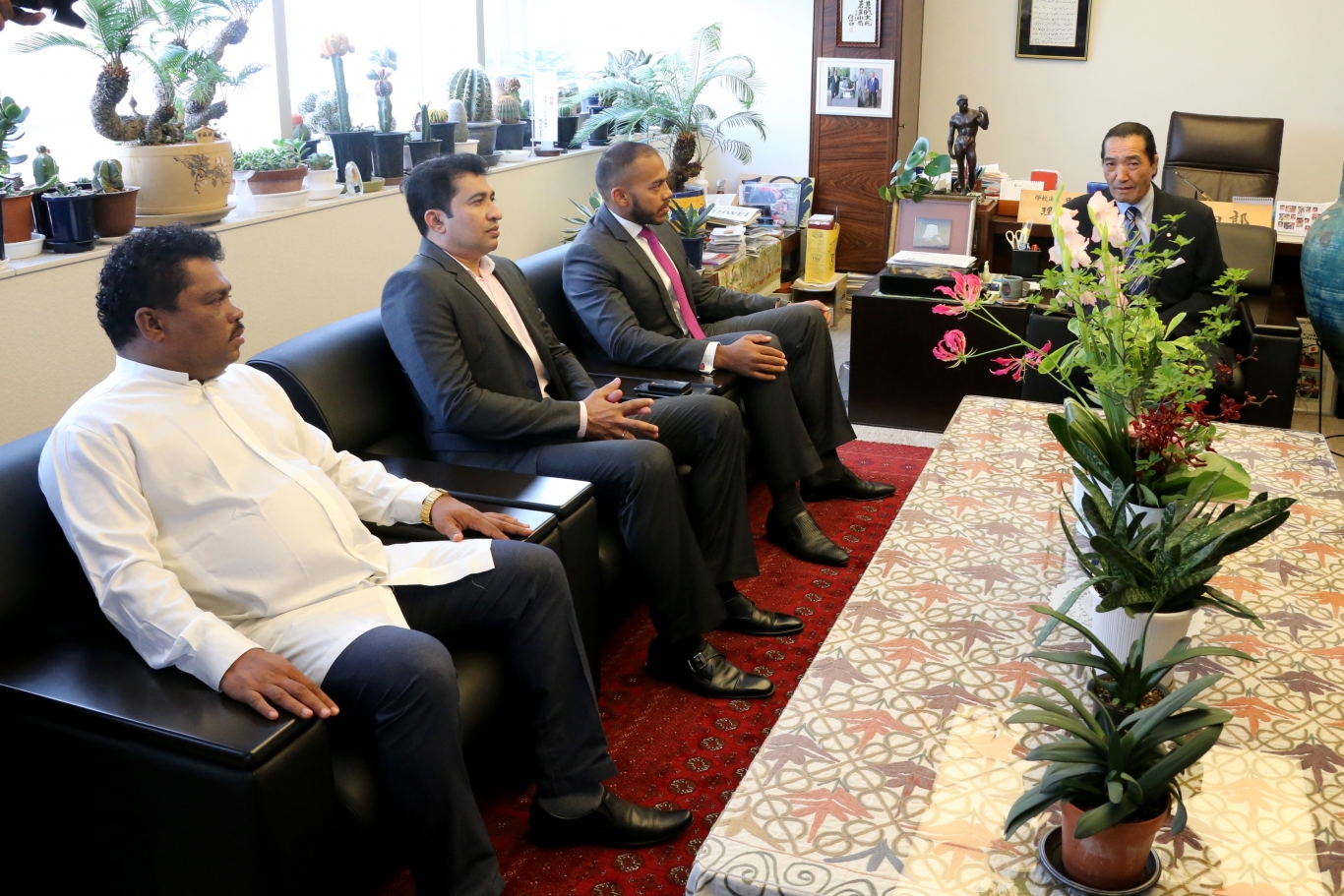
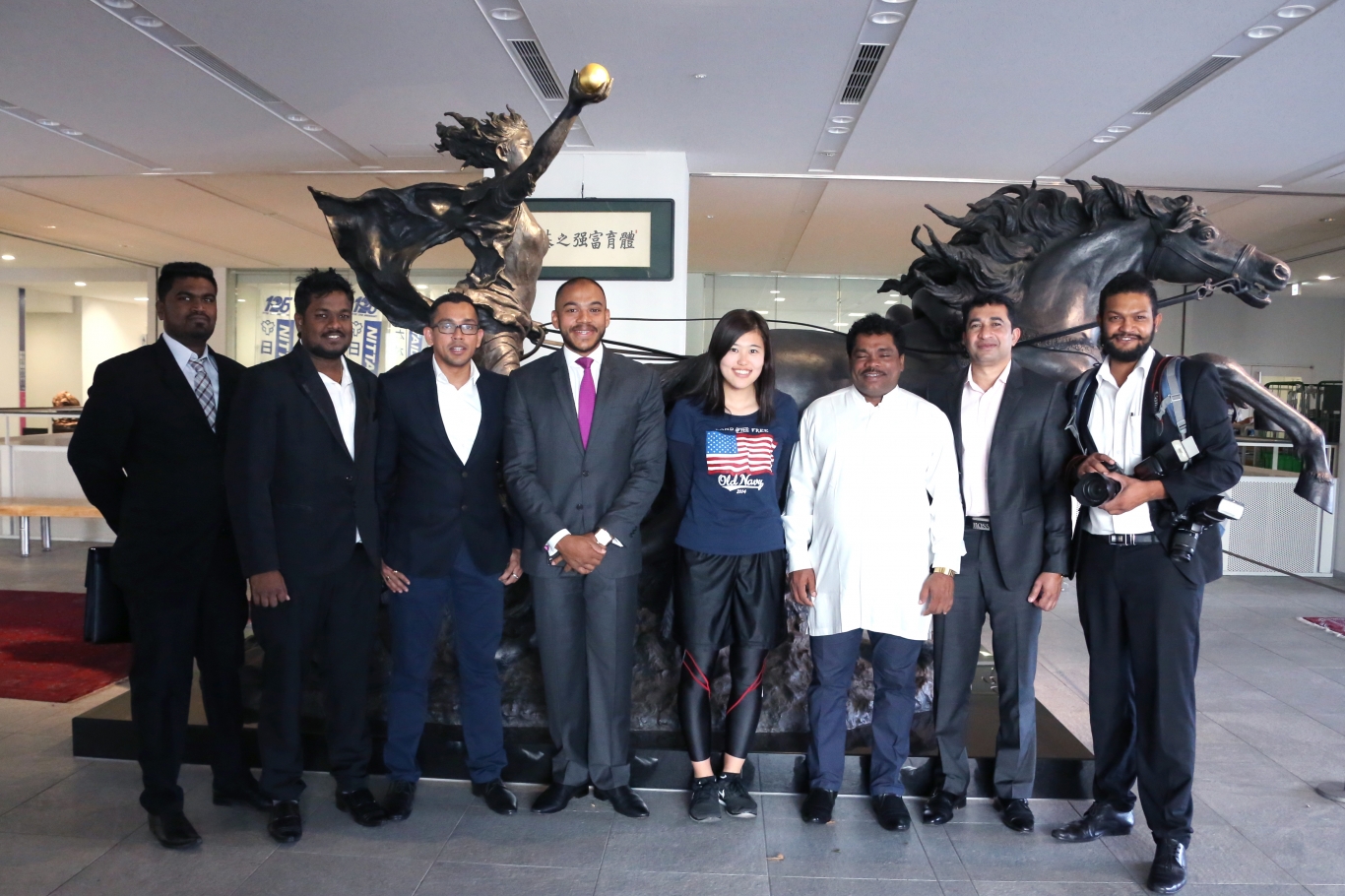
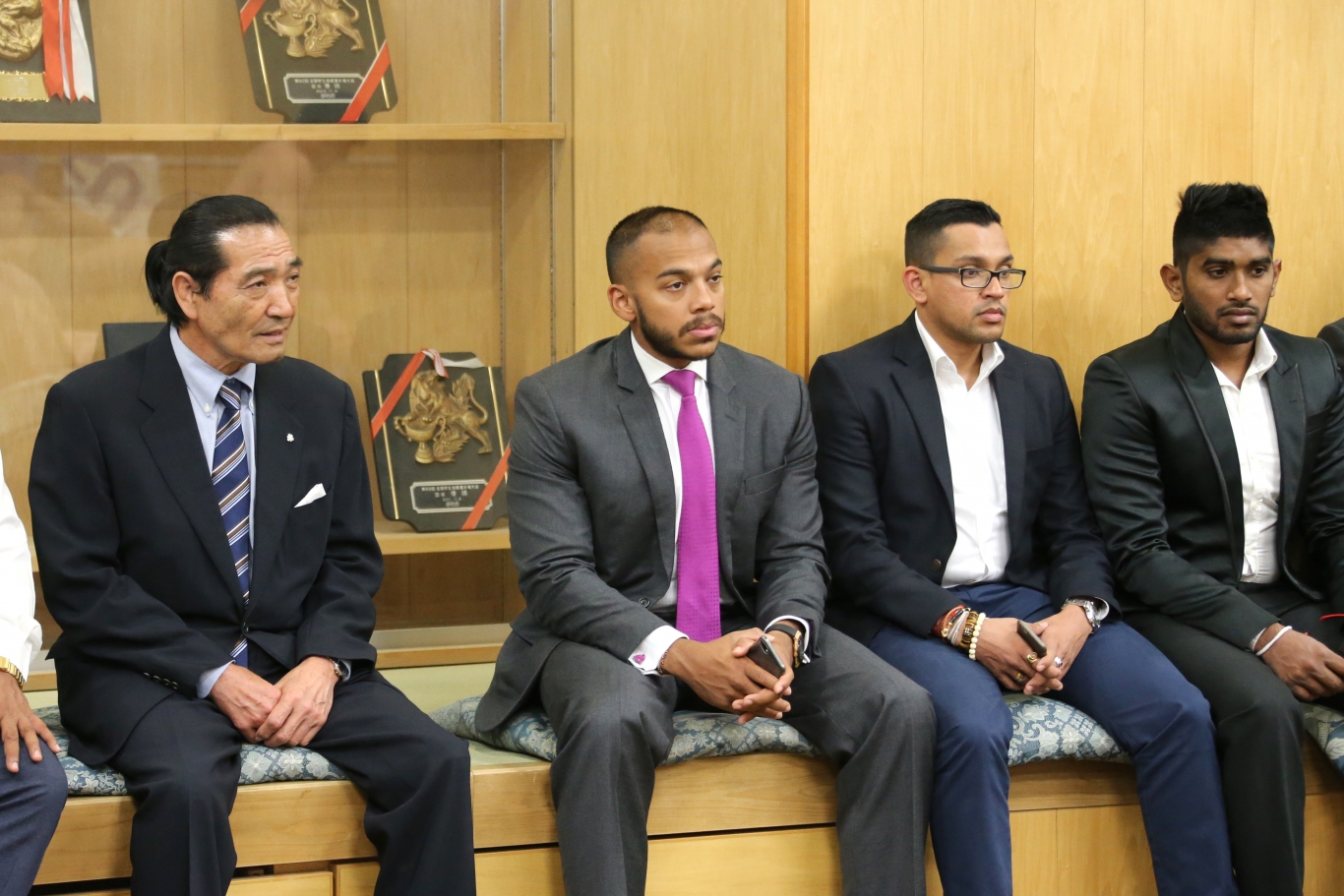
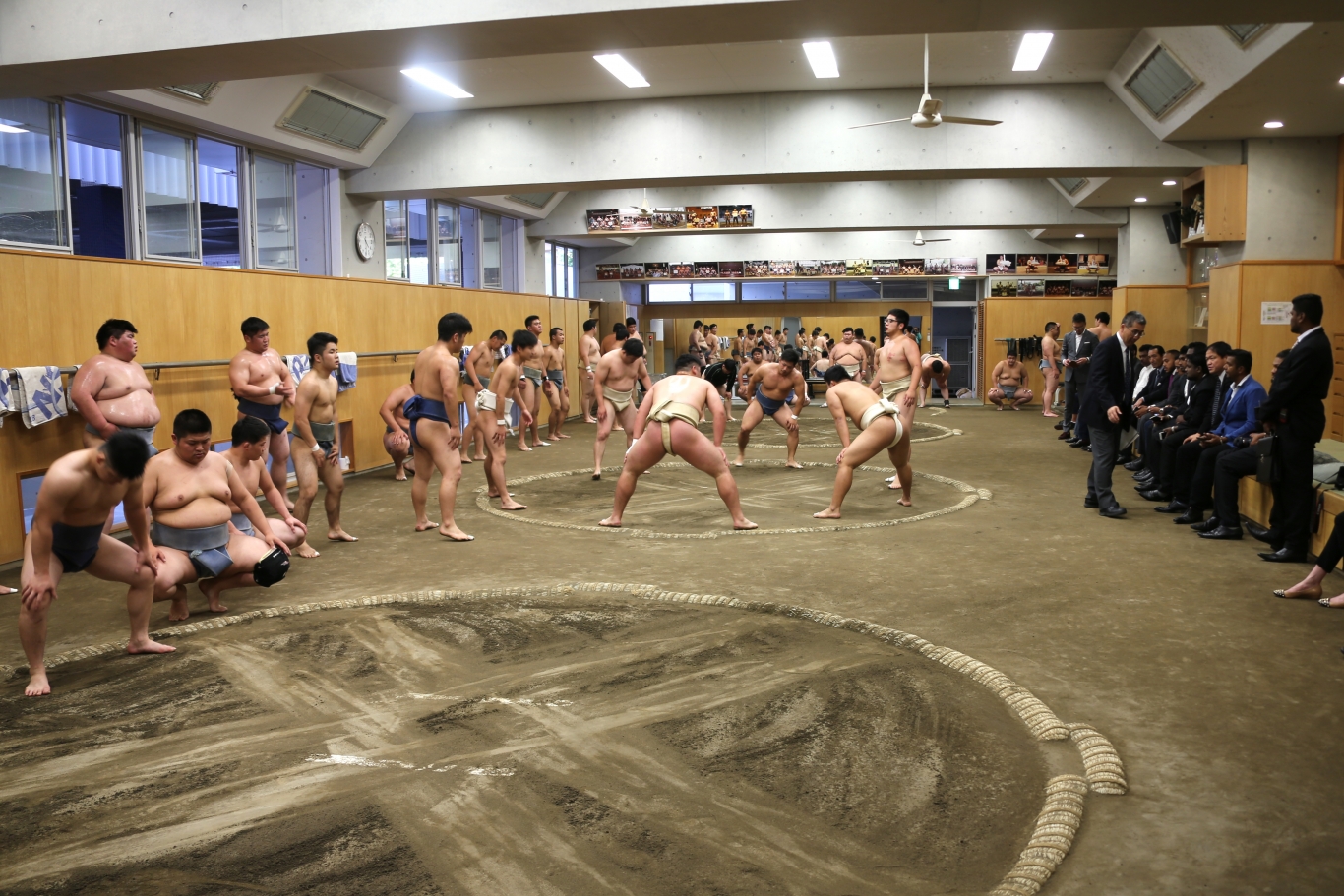
По приглашению Ниппанского спортивного научного университета, который выиграл 128 олимпийских медалей для Олимпийских игр, депутат парламента Рошан Ранасингхе, член парламента Пиял Нишанта и Йошита Раджапаксе посетили спортивный комплекс 2 июня. прибыли.
Кэнсиро Мацунами, председатель этого университета, также провел специальное обсуждение. Канцлер добавил, что он готов оказать поддержку Японскому университету в развитии спорта в Шри-Ланке.

Их даже поощряли ланкийцы, которые приехали в японский ресторан «Ceylon In».
Именно из реальной привычки Махинды он всегда ценил большую сумку Шри-Ланки. Президент Махинда Раджапакша прибыл в кафетерий Цейлона, который предлагает вкусные блюда Шри-Ланки в Японии. Все члены семьи в восторге от прибытия Махинды на место и поблагодарили президента за предоставленную ему возможность для нас. Все они были получены ненадолго в «Mahinda Sathyagraha» для Jayantha Hettiarachchi. Даже японцы даже питались шри-ланкийской системой, пока они были изображены президентом с президентом. Затем на добровольной основе президент Раджапакса поздравил их со стенами, похвалив их по приглашению ресторана «Цейлон-ин» в качестве брошюры.

Related Images:

Визит вывший президент в Японии1

Бывший президент аэропорта Токио …
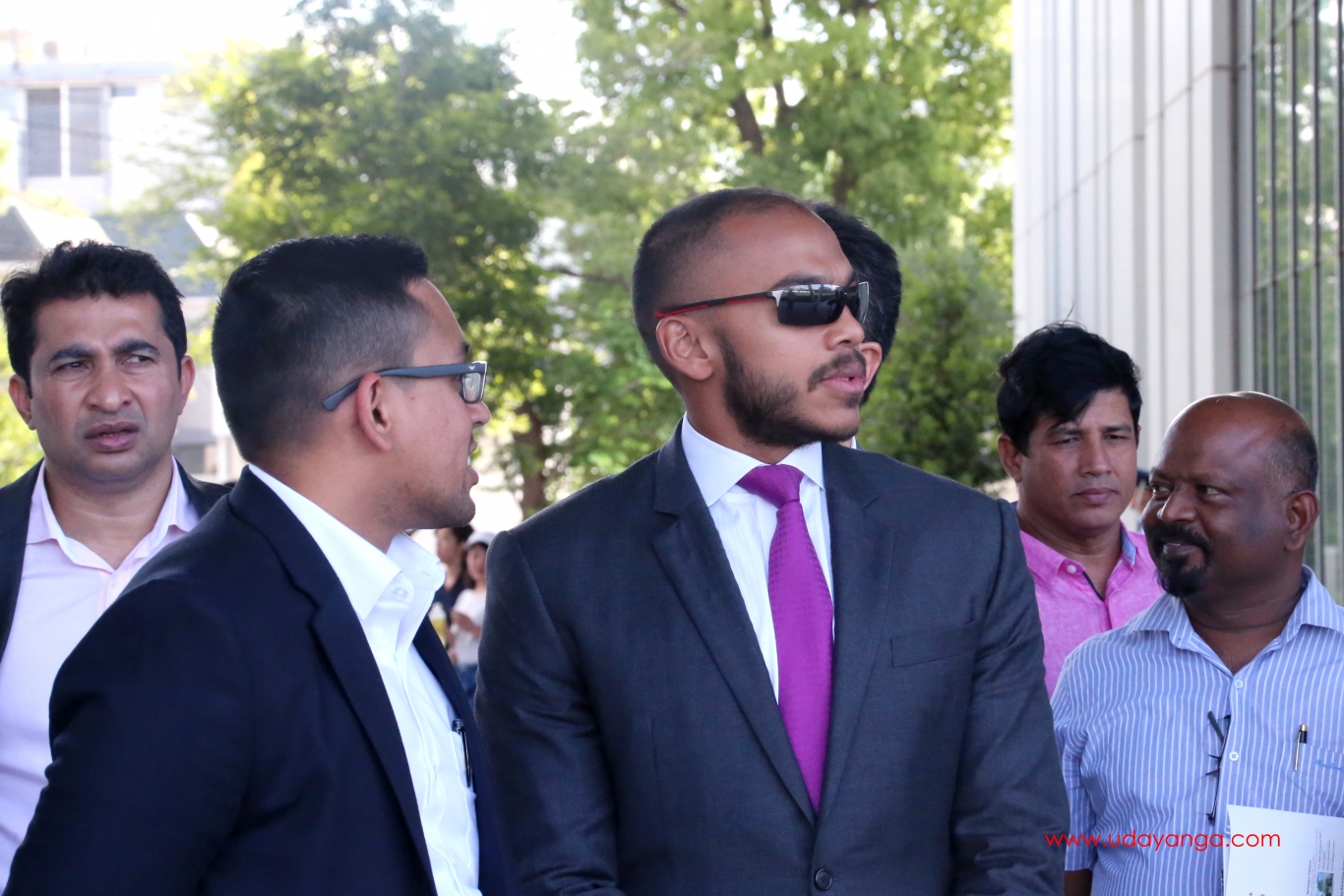
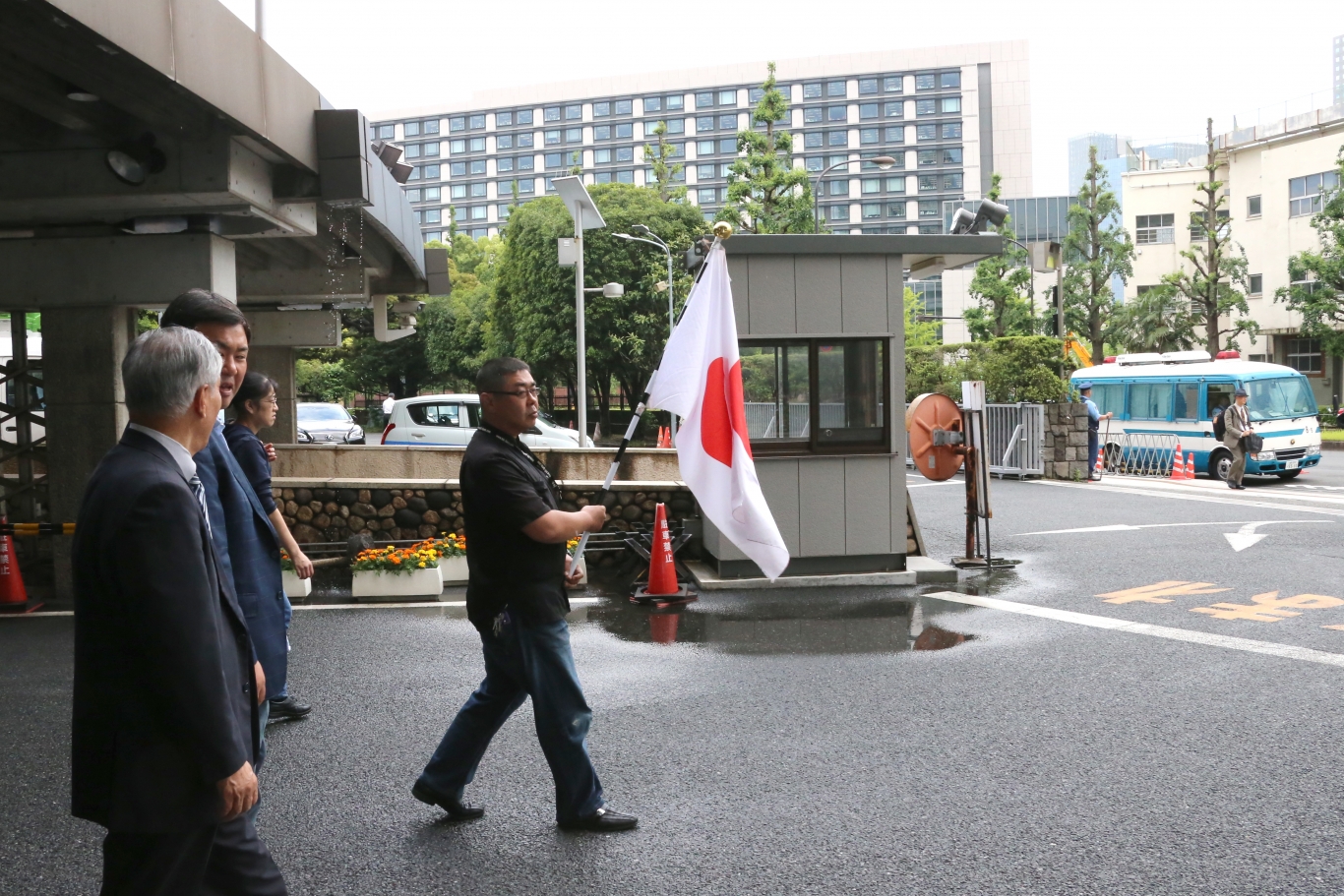
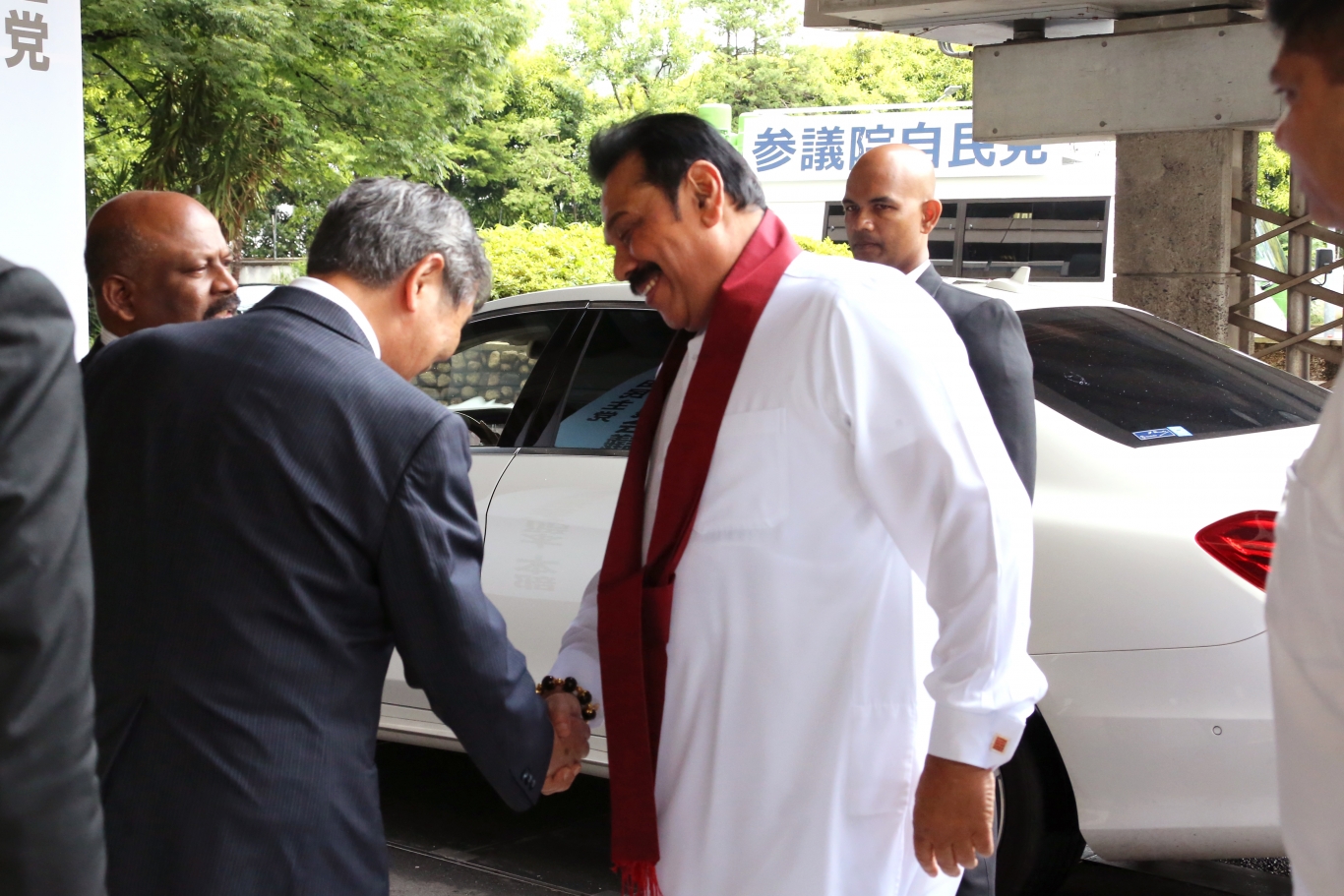
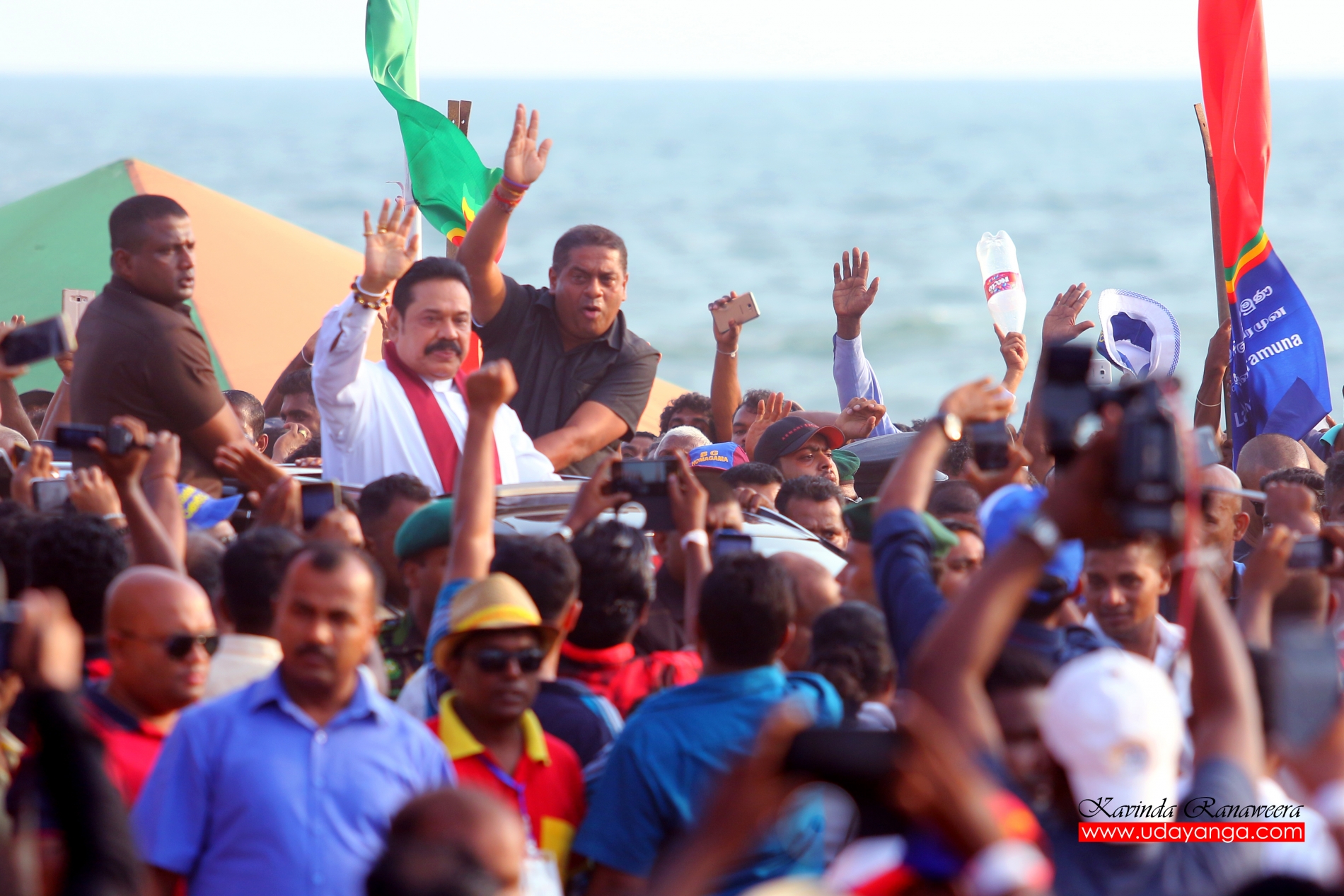
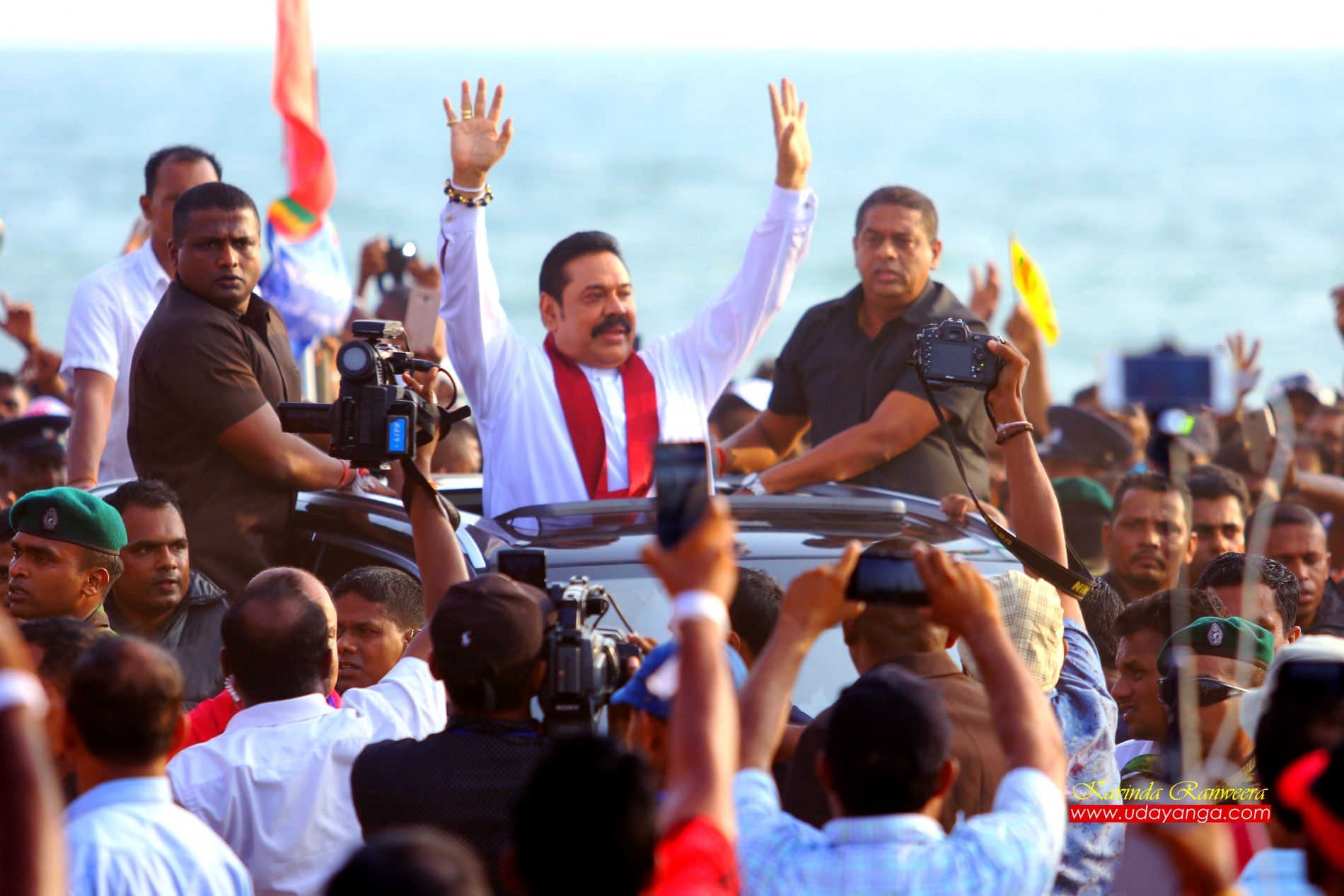
1 апреля 2017 года президент Шри-Ланки и президент Шри-Ланки президент Индии Махинда Раджапакса прибыл в международный аэропорт Нарита с лайнерским лайнером A330. Президент Махинда Раджапакса и делегация Шри-Ланки приветствовали сообщество Шри-Ланки в Японии во главе с должностными лицами Министерства иностранных дел и торговли и Министерства финансов Японии. Затем ангел отправился в отель Tokyo Imperial.
Японцы приглашают японскую и Шри-ланкийскую дружбу отпраздновать 66-летние дипломатические отношения со священной Джайей Шри Бодхишватом из Вихара Шри Маха Бодхи в районе Якки вечером 3 июня.

Сегодня мы приветствуем вас как образцового лидера, а не бывшего президента — Тосирохиро Никая
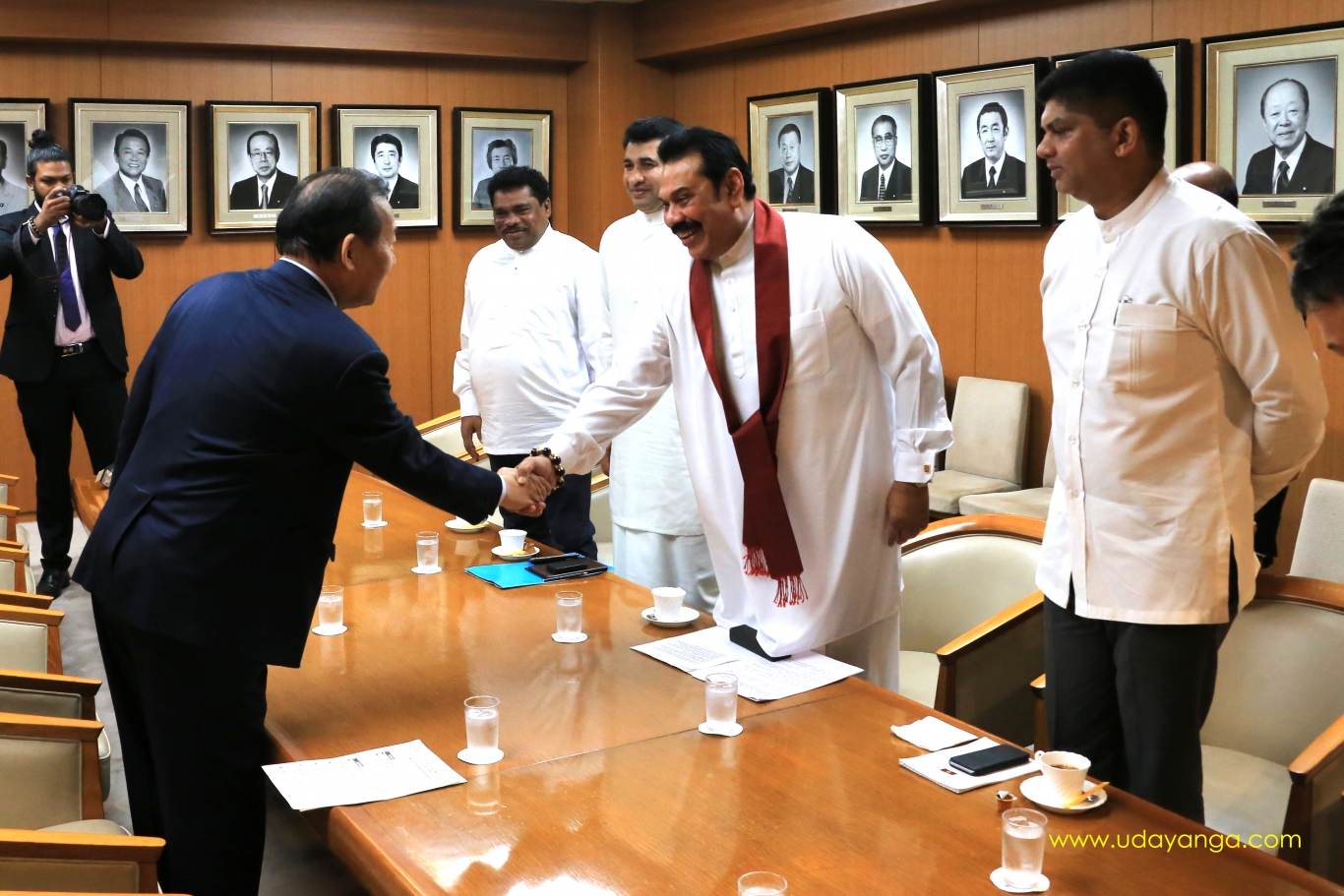
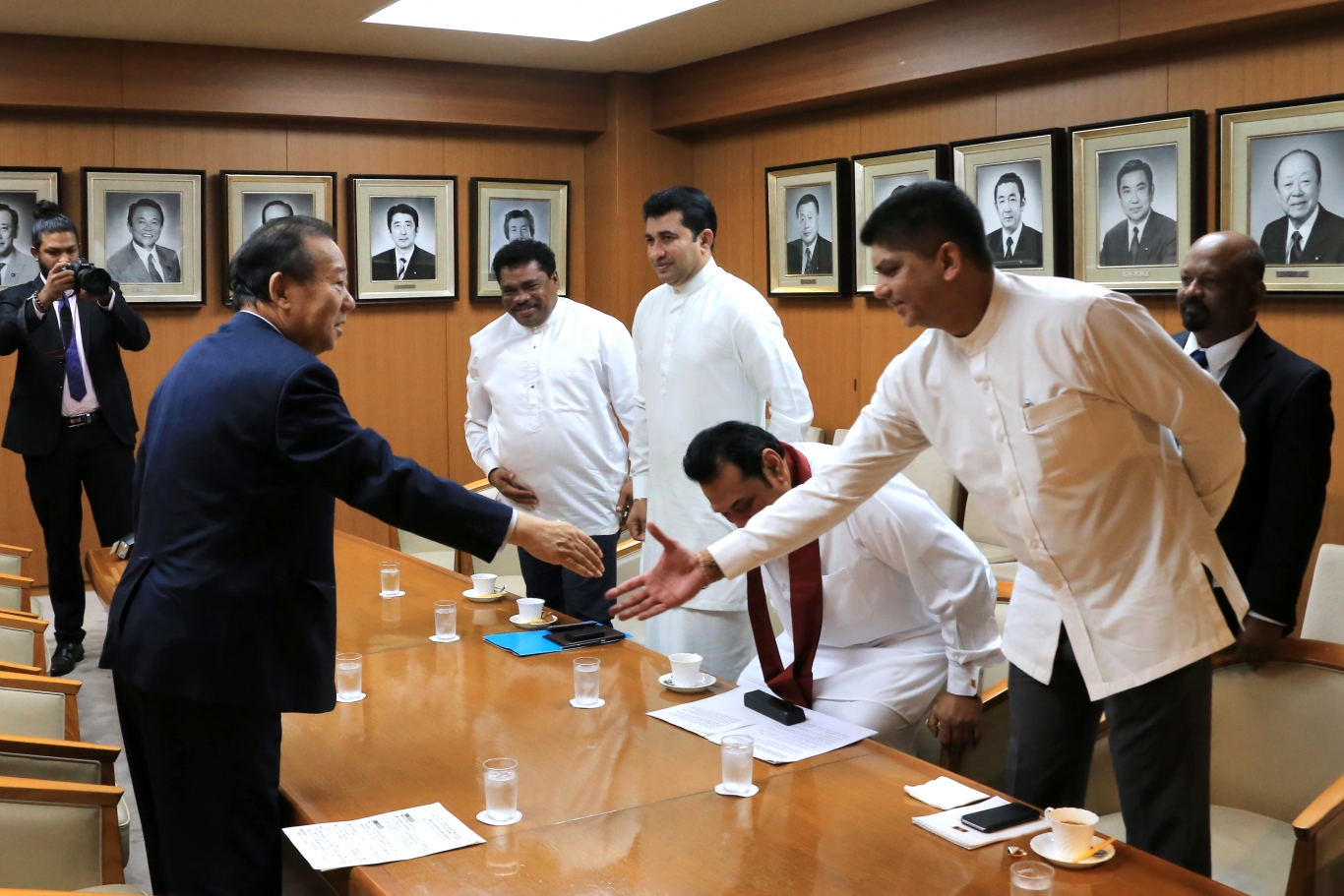
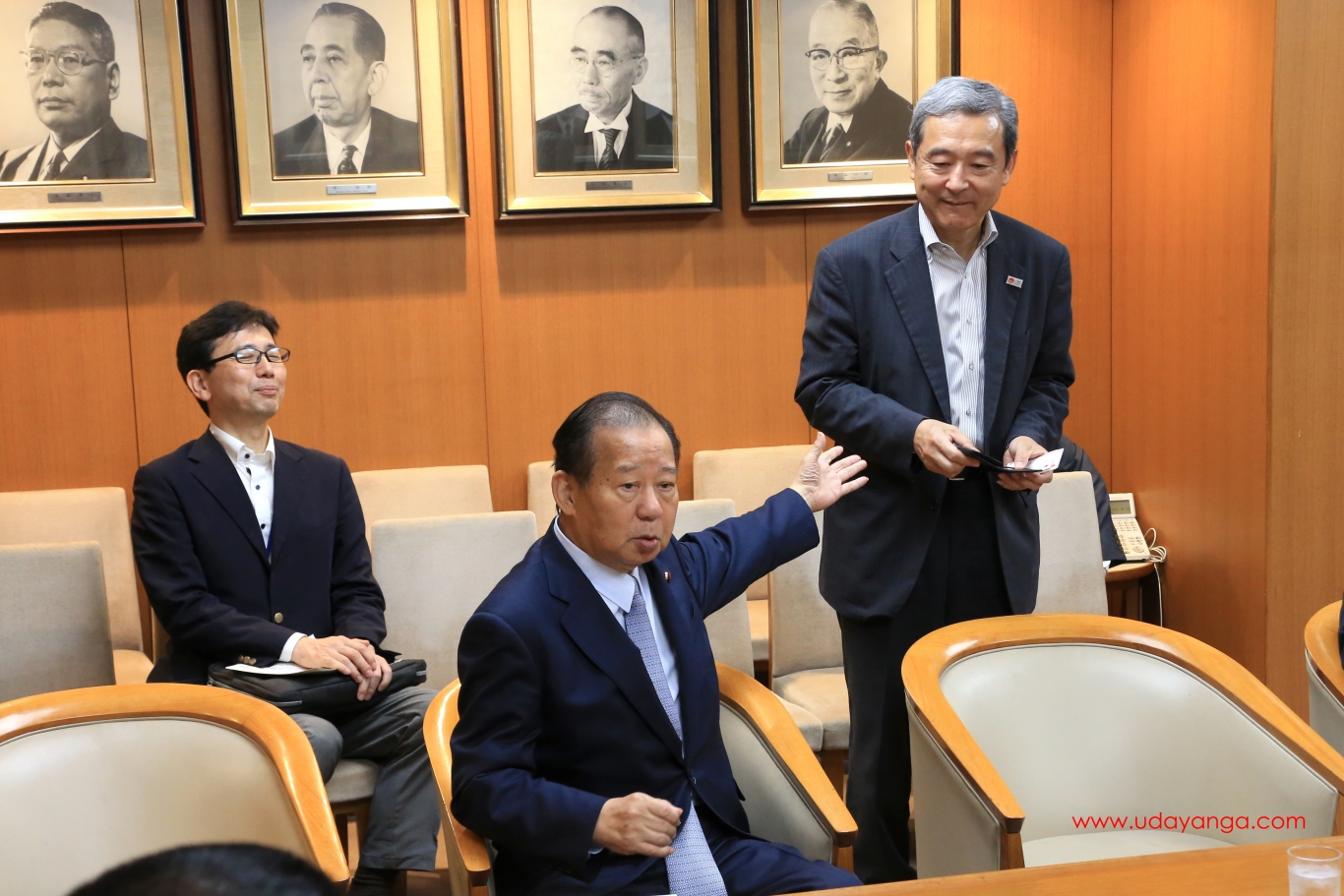
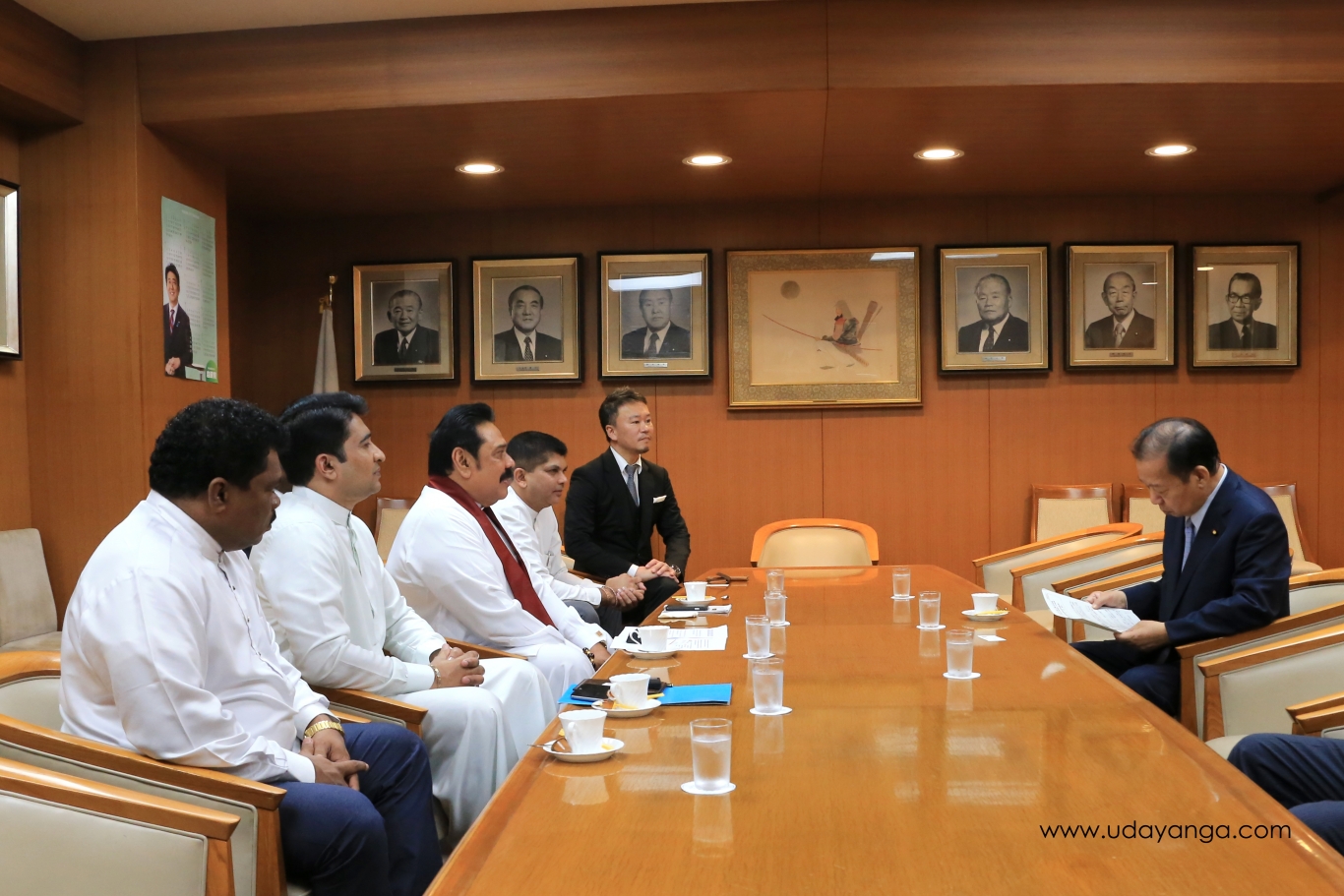
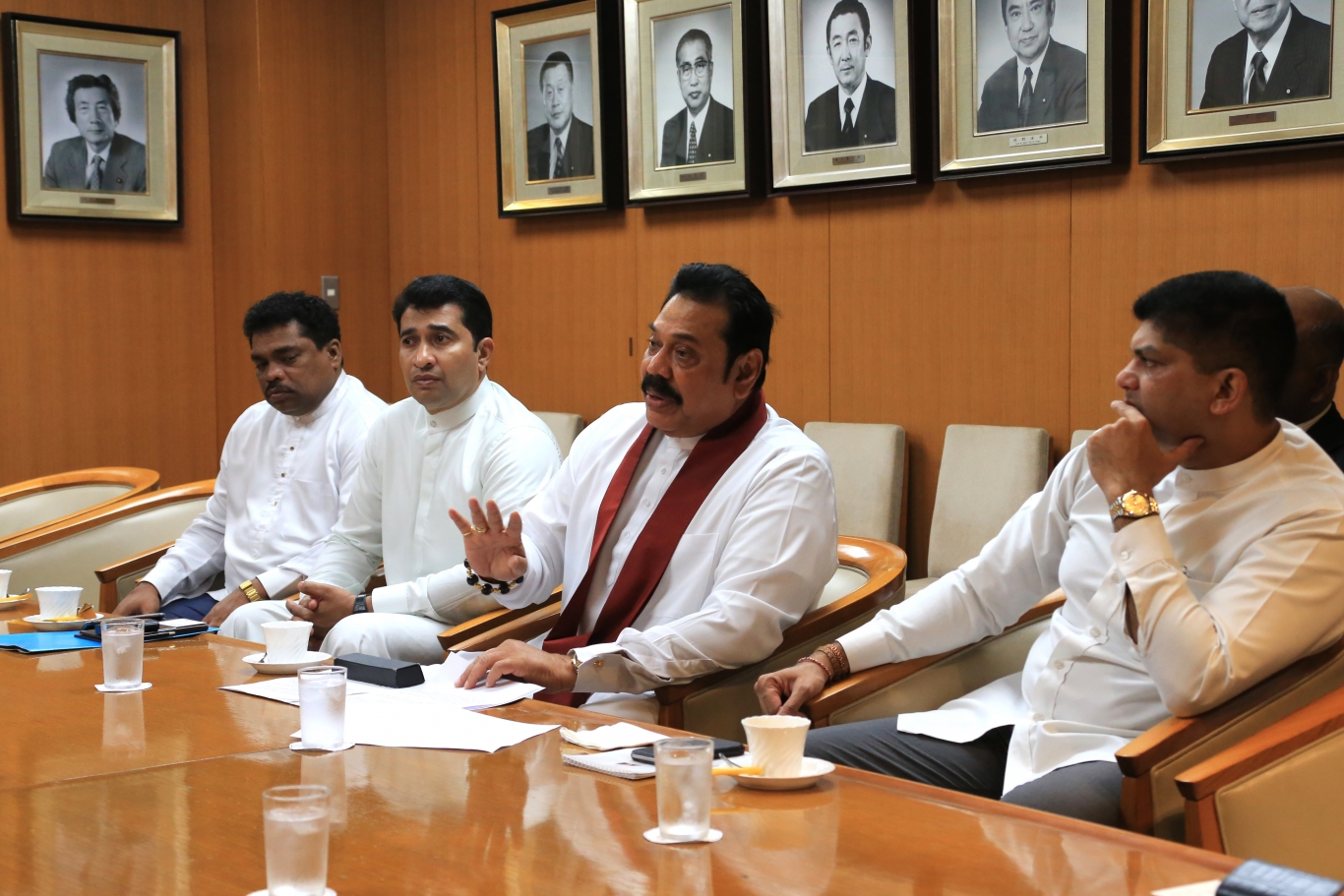
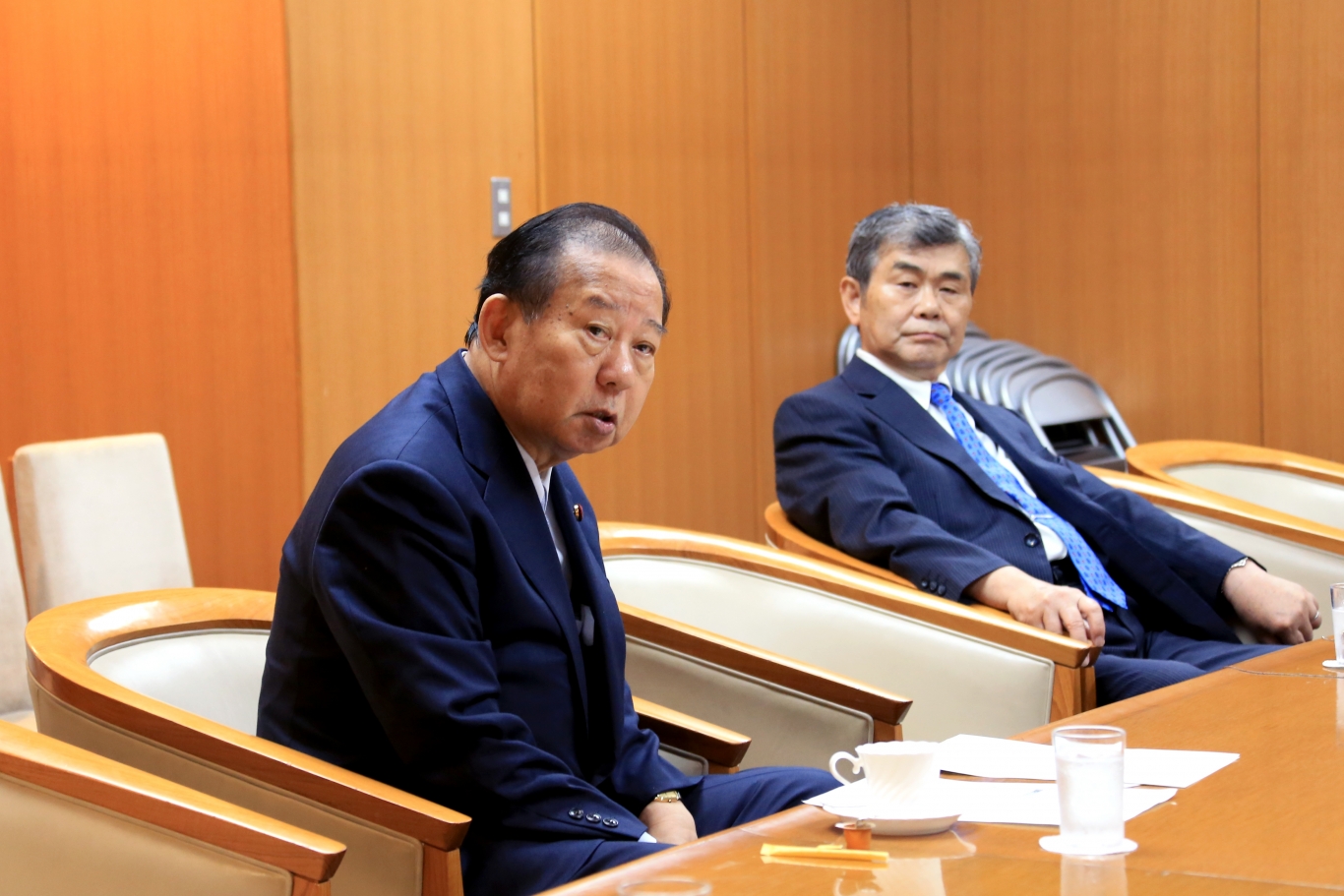
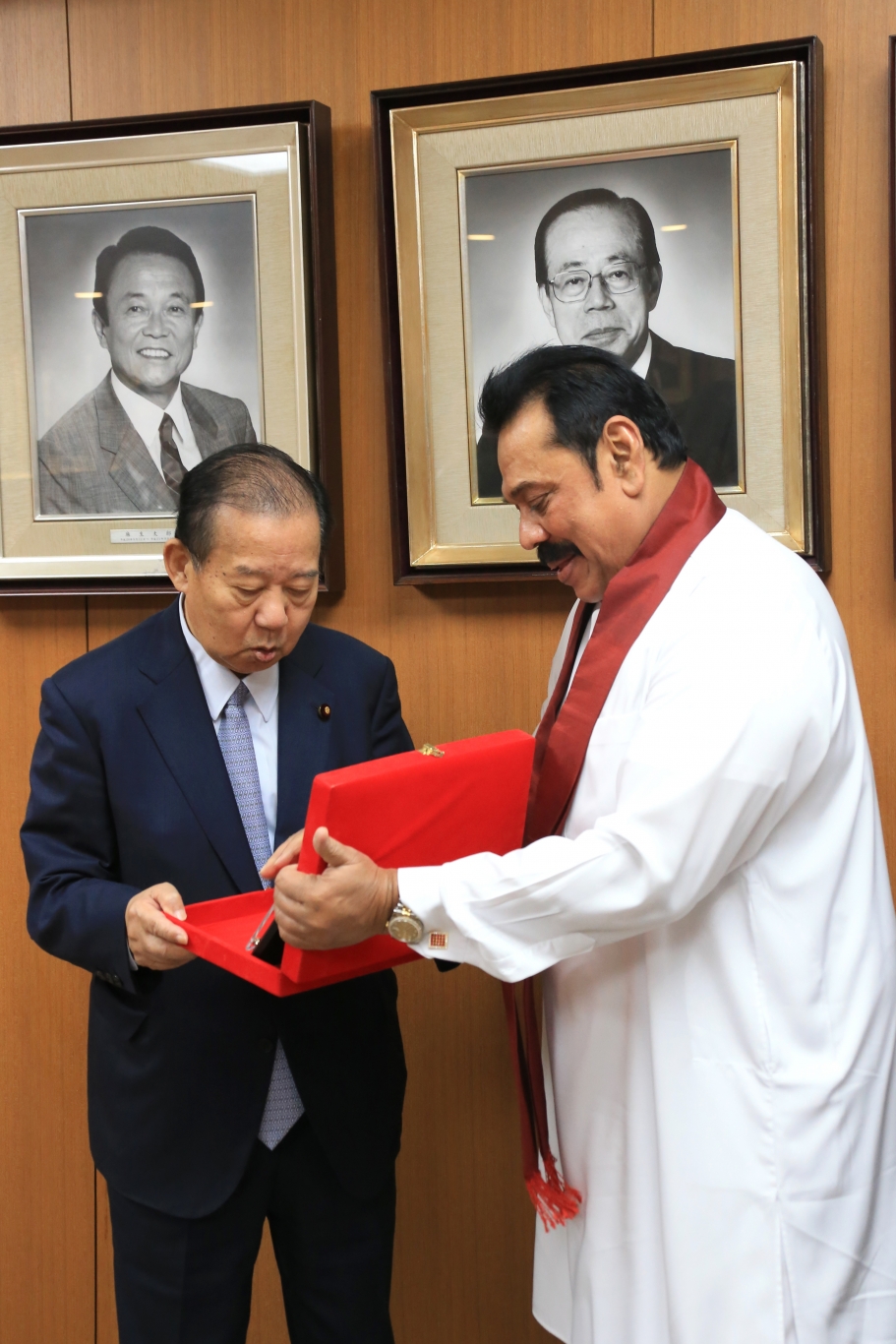
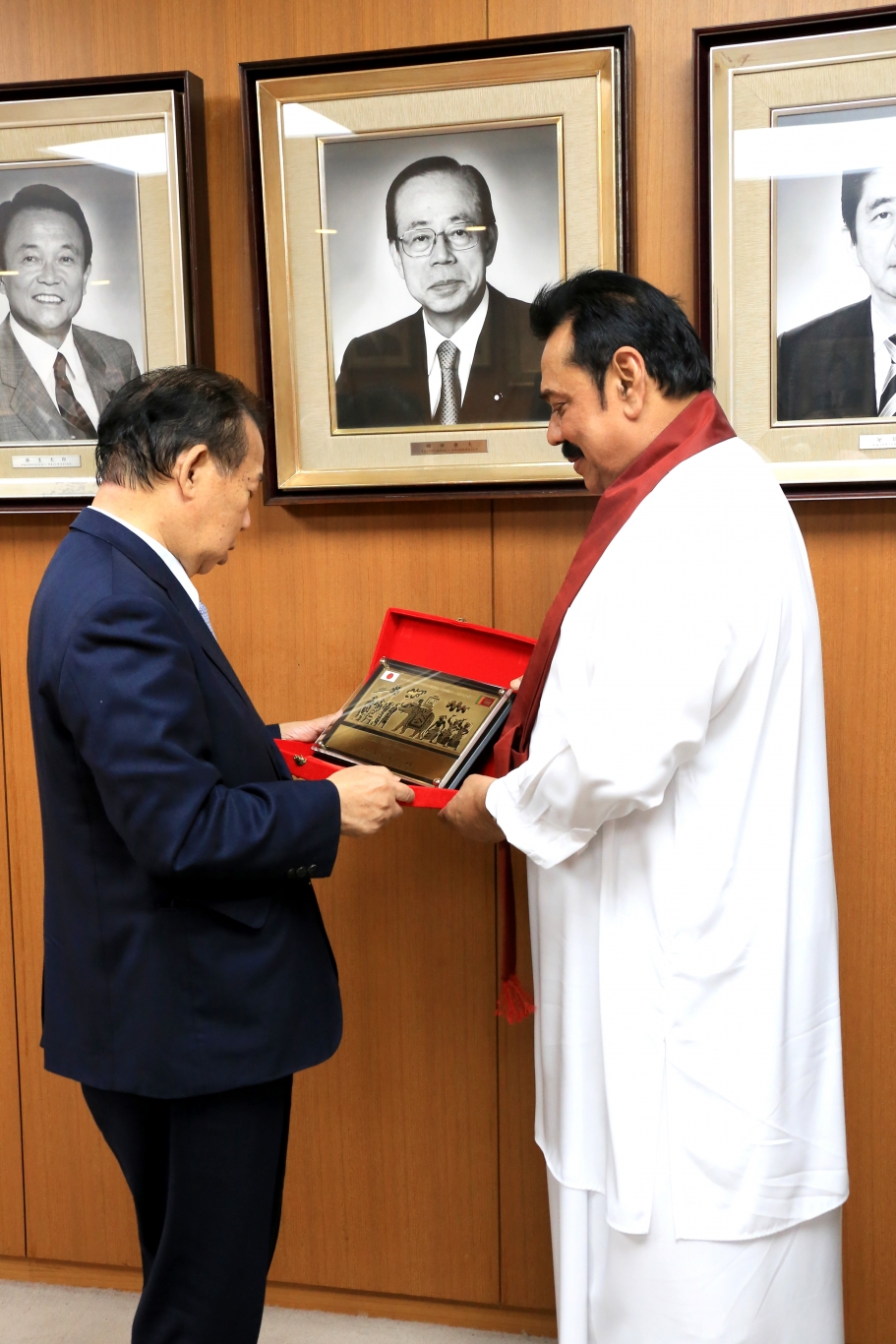
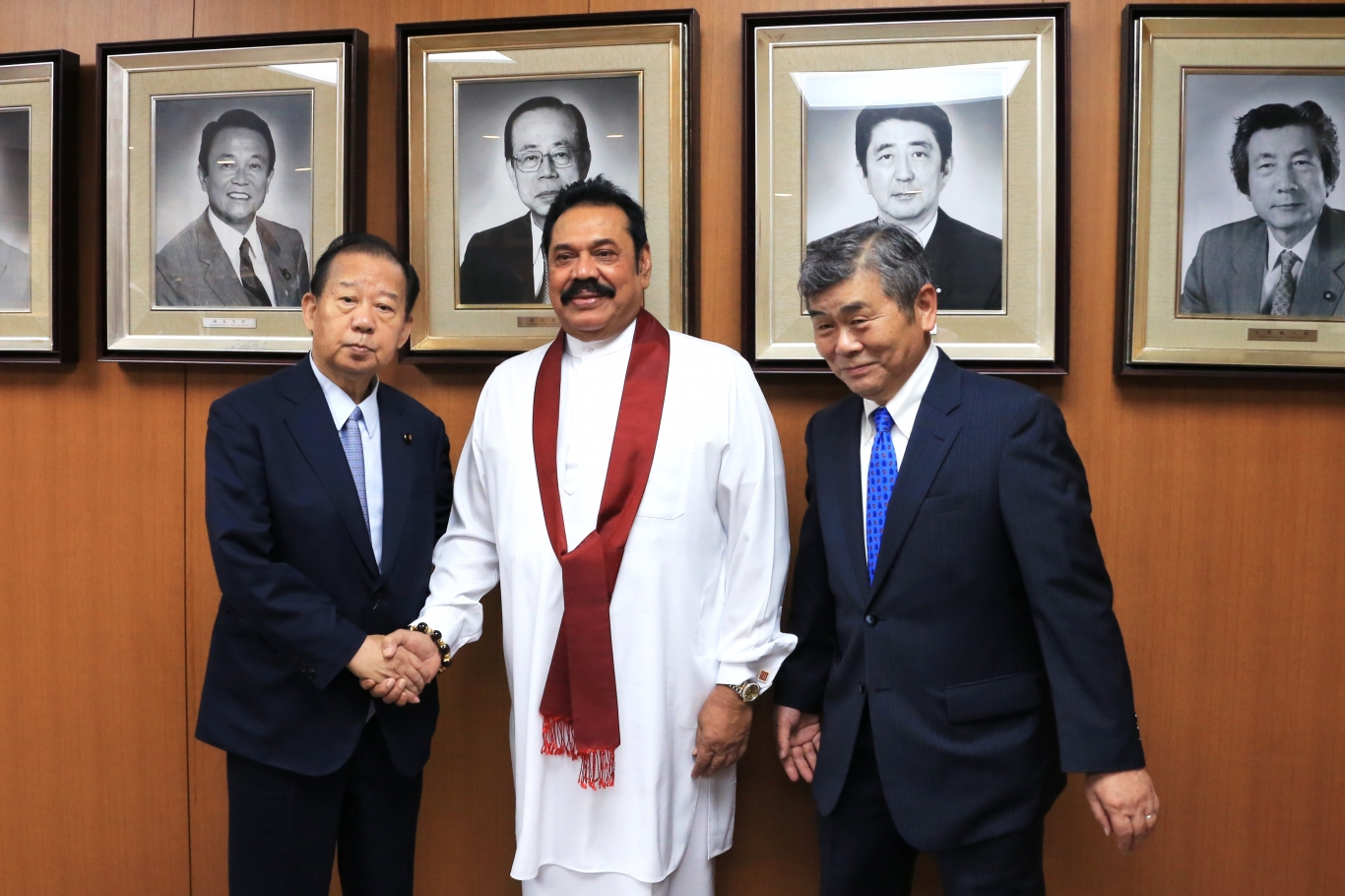
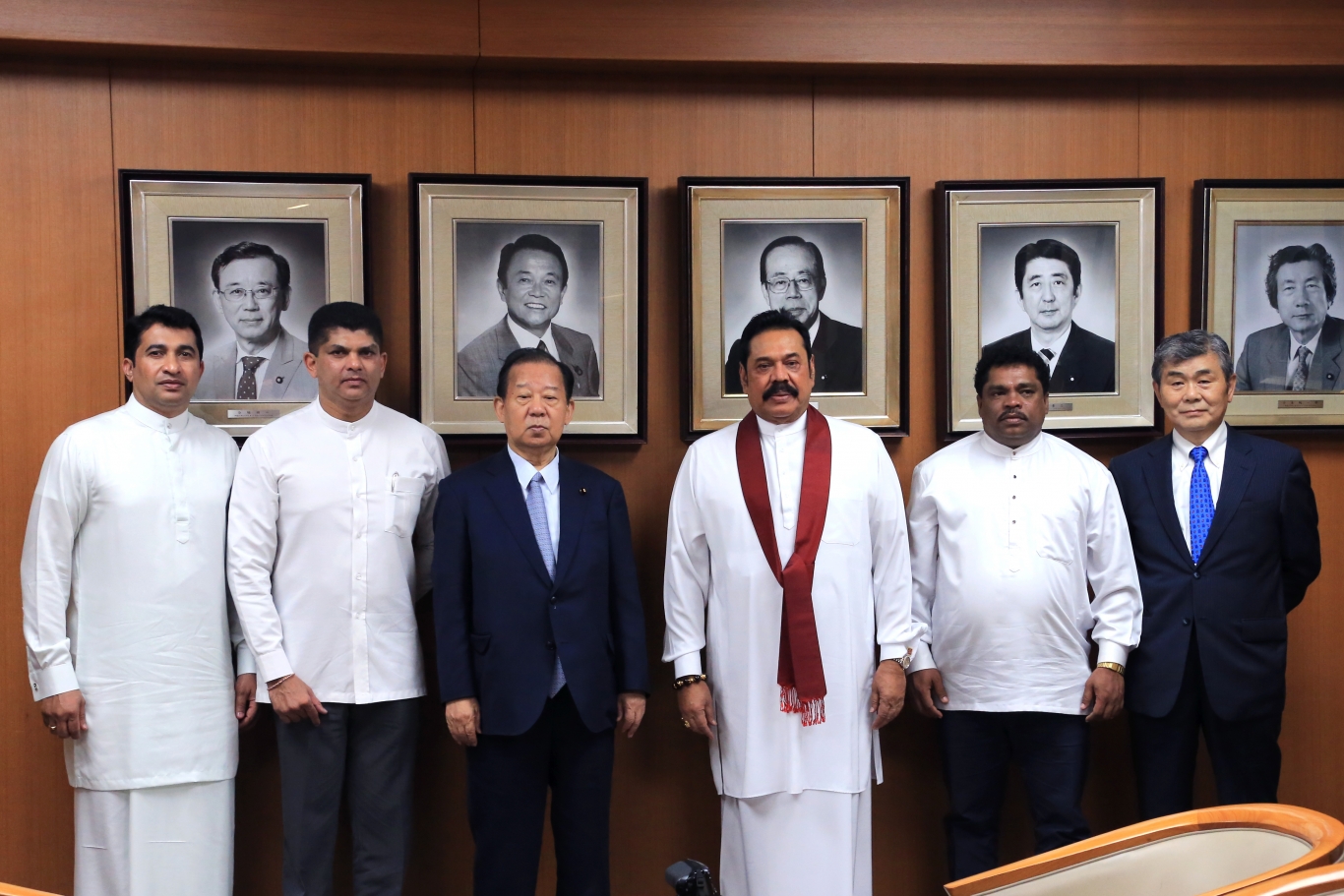
Дружеская встреча между правящей Либерально-демократической партией Японии и членом японской палаты представителей, министра торговли и экономики Никай Тосихиро и сердечной трапезой в главном офисе Токийской либеральной партии 1 июня. Выразив удовлетворение по поводу мира и развития, которые произошли в Шри-Ланке, министр Раджапакса сказал, что под руководством президента Раджапакса развитие Шри-Ланки было огромным. Здесь он высоко оценил развитие, достигнутое в Шри-Ланке после окончания конфликта.
Он также поблагодарил президента за предоставление двух слонов-младенцев в прошлом, и это было правильное решение увеличить связь между народом Шри-Ланки и народом Шри-Ланки, сказал Тошихиро. Президент Раджапакса поблагодарил Японию за поддержку развития Шри-Ланки и поддержку нынешней поддержки и сказал, что мировые лидеры и люди должны приехать в Шри-Ланку, чтобы засвидетельствовать прогресс, достигнутый во всех аспектах правления Шри-Ланки в течение последнего периода. Корпорация Шри-Ланка «Рупавахини» пожертвовала дар правительства Японии правительству Шри-Ланки. Корпорация Шри-Ланка Рупавахини также высоко ценит огромные инвестиции правительства Шри-Ланки в инфраструктурные объекты Перадения, Джаяварденапура и медицинских исследовательских центров. Кроме того, японское правительство оказало помощь в разработке Проекта энергетических ресурсов Верхнего Котмале, проекта расширения портов Коломбо, в рамках проекта развития Махавели, проектов Саманалавева и Кукулеганга, проектов развития аэропорта Катуная и проектов телекоммуникаций и железных дорог и проектов развития дорог Раньше его нужно было забыть сказал Nādhipati.
Он сказал, что недавнее наводнение в Шри-Ланке затронуло большое количество людей. Тосихиро, поблагодарив президента Раджапакса за его поддержку землетрясения и цунами в 2011 году, поблагодарил президента Раджапакса за то, что он продолжал удерживать своих послов в стране, несмотря на вывод своих послов из Японии, а Япония Он добавил, что Шри-Ланка не останавливается с полетом. Г-н Тошироиро сказал, что «ваша поддержка народа Японии была велика». Тошихиро сказал, что понимает трудности Шри-Ланки в настоящее время и что он продолжит прокладывать путь для того, чтобы привести Шри-Ланки в Шри-Ланку к достижению замечательных результатов. Сегодня мы не принимали вас как бывшего президента, но как великого лидера, который завершил 30-летнюю войну, подчеркнул г-н Тоширохи.
E.sa.ni.ja. Также присутствовали депутат парламента Канди Лохан Ратватте, депутат парламента Калутара Пиял Нишанта, депутат парламента Полоннарува Рошан Ранасингхе и Удита Локубандара.
Хотя многие страны отозвали своих послов из Японии после землетрясения и цунами в Японии в 2011 году, президент Раджапакса напомнил, что послы Шри-Ланки постоянно находятся в стране и не прекращают рейсы в Шри-Ланку с Японией. Г-н Тошироиро сказал, что «ваша поддержка народа Японии была велика». Тошихиро сказал, что понимает трудности Шри-Ланки в настоящее время и что он продолжит прокладывать путь для того, чтобы привести Шри-Ланки в Шри-Ланку к достижению замечательных результатов. Сегодня мы не принимали вас как бывшего президента, но как великого лидера, который завершил 30-летнюю войну, подчеркнул г-н Тоширохи.

Related Images:

Cпорная сделка МиГ-27 — Часть III

Money from Panama and Latvia in Udayanga’s accounts

Rajapaksa govt.’s controversial MiG deal – Part III

article_image

Today, anything that the public sees in the media about the MiG deal, would invariably centre around Udayanga Weeratunga. In the past months and weeks, the media has reported that Weeratunga had 16 bank accounts in Sri Lanka (which have since been frozen) with total deposits equivalent to about USD 1.5 million. According to a recent media report the FCID has claimed that money was credited to these accounts at various times from Panama and Latvia. In addition to involvement in the MiG deal, the yahapalana authorities have accused Udayanga of killing a subordinate and even stealing furniture from the residence of the Sri Lankan Ambassador in Russia. Weeratunga, for his part, has charged that a witch hunt is being carried out against him and publicly refused to make things easier for the hunters by presenting himself in Sri Lanka to be victimised.

Today, with an international arrest warrant hanging over him, Weeratunga is a fugitive from the FCID and it is through him that the MiG matter is being kept alive in the media. Weeratunga was, in fact, involved in the MiG deal as a facilitator. As Sri Lanka’s Honorary Consul in Ukraine at the time and later as the Ambassador to Russia, it was inevitable that he would play some role in facilitating a government to government deal between Sri Lanka and Ukraine. On 26 March 2015, the FCID first stuck to the parameters of the original newspaper reports about the MiG deal of 2006 and was all about the difference in the price between the MiG-27s bought in 2000 and in 2006, and the payment thereof being made to Bellimissa Holdings instead of direct to UKRINMASH.

However from laster things took a different turn. The FCID said that the 2006 contract for the supply of four MiG-27s and the overhaul of four other MiG aircraft had been signed in two different places with UKRINMASH and Bellimissa Holdings signing the contract at the official residence of Udayanga Weeratunga, the Sri Lankan Ambassador to Russia, with the contracts being thereafter brought to Colombo by Weeratunga to be signed by the Air Force Commander. From this point, the entire focus of the FCID investigation shifted to Udayanga Weeratunga. As the previous parts of this article would indicate, the facts do not allow for the allegations about the price difference or the payment of the purchase price to a party other than UKRINMASH to be sustained.

Weeratunga on the other hand would appear to provide much better grist for the mill. Even Weeratunga’s posture and body language during these ‘sightings’ received wide publicity. It was claimed in October 2016 that Weeratunga had brought the 2006 MiG contract in quadruplicate to be signed by the Air Force Commander after it had been signed by the representatives of UKRINMASH and Bellimissa Holdings in Russia.

Upon the Air Force Commander placing his signature on it, he had left one copy with the Air Force and had taken away the other three copies saying that they had to be given to UKRINMASH and Bellimissa Holdings.

How the contract became a forgery

Most importantly, the FCID said it had contacted the Ukrainian Justice Ministry through the Sri Lankan Justice Ministry and that the Ukrainian Attorney General’s Department had informed Sri Lanka by letter dated 24 June 2016 that no contract had been signed between the Sri Lankan Air Force and UKRIMNASH and that UKRINMASH had not signed any contract with Bellimissa Holdings either. Based on this letter, the FCID said the 2006 contract bearing No: SLAF/2006/07/AIR for the supply of four MiG-27 aircraft and the overhaul of four other MiG aircraft was a forged one, which Weeratunga had presented to the Air Force Commander and obtained his signature on it through misrepresentation.

To bolster the forgery charge, the FCID claimed that when examining the previous correspondence pertaining to this transaction the signature of UKRINMASH Director D. A. Peregudov in the contract appears different to his signature in other correspondence with the Air Force. The embassy official in Russia who had witnessed the signatures on the 2006 MiG contract had also told the FCID that he did not know the persons who had signed on behalf of UKRINMASH and Bellimissa Holdings and that there appeared to be a difference between the signature of D.A.Peregudov as it appears in the contract and his earlier correspondence with the government of Sri Lanka. On this basis, the FCID claimed that Weeratunga had committed the offence of forgery under Sections 454 and 457 of the Penal code.

Furthermore, the FCID said the money paid for the MiG aircraft had not been sent to the UKRINMASH account by the Sri Lankan government but to the account of Bellimissa Holdings Ltd and further that Bellimissa Holdings had not sent the money to UKRINMASH and, therefore, Weeratunga was complicit in preparing a forged document and defrauding money from the state which amounts to the offences of ‘cheating’ and the use of forged documents coming under Sections 400 and 459 of the Penal Code. The FCID is also investigating Weeratunga under Section 5 of the Offences Against Public Property Act No: 12 of 1982 which is about the dishonest misappropriation of public property through the falsification of documents.

The FCID claimed that the original contract No: SLAF/2006/07/AIR for the supply of four MiG-27 aircraft and the overhaul of four other MiG aircraft had been in the possession of the Air Force until 4 June 2009 when it was taken into the custody of now retired Air Vice Marshall Jayanath Kumarasiri to be produced as evidence and that it had been in the possession of this officer until 12 September 2014 when he retired but that there is no evidence to show that it had been handed over to the clerks in his department when he retired and that the original copy is now missing.

Thus, the investigation into the MiG deal has strayed very far from the original issues raised by a section of the press about the difference in the prices of the aircraft and the payment of the money to a party other than UKRINMASH.

It’s being said that there was no contract between UKRINMASH and the Air Force when four fully overhauled MiG-27s were delivered to Sri Lanka and four other MiG aircraft already in the possession of the Air Force were taken from Sri Lanka all the way to Ukraine for overhaul and brought back and all eight planes are still in the possession of the Air Force.

Other than the contract itself, there are many other letters exchanged between UKRINMASH and the Sri Lanka Air Force pertaining to this transaction. It was after perusing this documentation that the FCID claimed that the signature of UKRINMASH Director D. A. Peregudov on the contract and in other correspondence do not match. With regard to the alleged mismatch between Peregudov’s signatures, Weeratunga has said the contract for the purchase of four MiG-27s and the overhaul of four other MiG aircraft of 26 July 2006 had been signed by Gennadii Studenikin the then Deputy Director of UKRINMASH, who was authorised to sign on behalf of D. A.Peregudov, Director of UKRINMASH.

This Studenikin had come to Sri Lanka to negotiate the contract with the Air Force and it had been he who had taken Air Commodore E.G.I.P De Silva the head of aeronautical engineering of the Air Force and Air Vice Marshall W. D. R. M. J. Goonetillke at different times to inspect the UKRINMASH facilities and it was he who had also signed the final acceptance certificates for all eight aircraft along with E. G. I. P De Silva of the Air Force.

The Ukrainian AG’s department may have written back saying that they have no evidence of a contract between UKRINMASH and the SLAF but it has to be remembered that after the MiG transaction of 2006, Ukraine experienced a violent and disruptive political coup with an elected President being forcibly deposed and the country itself being dismembered.

The present holders of power in Ukraine are the mortal enemies of the previous powers that were. Control over UKRINMASH, a state owned enterprise has also obviously changed. This background has to be taken into account when evaluating the veracity of the letter received from the Ukrainian AG’s Department. The fact that the present authorities in Ukraine cannot find any contract between the SLAF and UKRINMASH does not mean that it did not exist. The FCID’s own reports indicate that the copy of the original contract is a genuine copy of the original. In any event, there are many other documents that prove that a contract existed between UKRINMASH and the SL Air Force.

Kickbacks and the Panama connection

For example, there is the ‘letter of guarantee’ dated 9 June 2006 written by Air Force Commander Donald Perera to UKRINMASH Director D.A.Peregudov guaranteeing that the contract for the supply of four MiG-27s and the overhaul of four other MiG aircraft will be signed before 30 June 2006. This letter guaranteed payment terms in the UKRINMASH letter of 26 April 2006 and requested them to begin the overhaul of the planes without waiting for the contract to be signed in view of the possibility of the resumption of war in Sri Lanka. This was sent off by the Air Force Commander without any intervention from Weeratunga. UKRINMASH had in fact started overhauling the aircraft on the strength of this letter and a team from the SL Air Force had been stationed at the plant in Ukraine to observe the overhaul process every step of the way.

Getting a government to government agreement signed by the foreign party at the Sri Lankan Ambassador’s premises in the presence of the Ambassador is also an accepted practice and is one of the purposes for which countries maintain embassies in foreign countries.

The FCID’s report stating that there was more than USD 1.5 million in Weeratunga’s Sri Lankan accounts was published in the media in a manner suggesting that this could be the kickbacks from the MiG deal. However, Weeratunga has said that this money represents his savings which he has remitted to Sri Lanka from time to time over the past two decades. His NRFC accounts in the Commercial Bank and HSBC had been started in 1990 and 1999 respectively. The factors that would give Weeratunga the benefit of the doubt in this regard is that he had been a businessman in Ukraine for many years and from the early 1990s, he had taken it upon himself to entertain visiting Sri Lankan ministers – an exercise that people of restricted means would not undertake. His appointment as Sri Lanka’s Honorary Consul in Ukraine after a personal interview with Lakshman Kadirgarmar in 1999 also indicates that he was deemed to have the means to hold such a position.

Recent media reports said that the FCID had found that money had been credited to Weeratunga’s Sri Lankan accounts from Panama and Latvia. The name ‘Panama’ automatically conjures up images of black money and kick backs. However, offshore companies and bank accounts in places like Panama are perfectly legal and those who provide banking services to these front companies are top European banks such as Credit Suisse, HSBC and Societe Generale. These mechanisms are used mostly by legitimate businesses with crooks also using them to stash away ill-gotten gains. Weeratunga has said that the money that has come into his accounts from places like Panama are the proceeds of his tea export business. In Ukraine and that he has been remitting money to Sri Lanka through the same channels as other Sri Lankan exporters of tea to Russia and Ukraine.
That our export trade receives payments through the offshore accounts of their buyers overseas is well known. If an exporter has money remitted to his account from Panama, that by itself is no indication that it has been illegitimately earned. Merely stating that Weeratunga had money remitted to his account from Panama is not going to get anyone anywhere unless it is specifically proved that the said money was the kickback received from the MiG deal. It is very unlikely that anyone trying to hide his money would get it openly remitted to his Sri Lankan accounts from an account in Panama. In any event all such remittances to Sri Lanka are scrutinized by the Financial Intelligence Unit of the Central bank and if there had been anything suspicious about these remittances, it would have come to the notice of the FIU long ago.
Concluded

The Island MIG 27 18.05.2017

https://www.island.lk/index.php?page_cat=article-details&page=article-details&code_title=165297

Related Images:

Cпорная сделка МиГ-27 — Часть II

Purchase money paid to shadowy offshore company

Rajapaksa govt.’s controversial MiG deal – Part II

article_image

The other key question in relation to the purchase and overhaul of MiG aircraft in 2006 was that the payment had not been made to the supplier – the Ukrainian state owned company UKRINMASH, but to a front company by the name of Bellimisa Holdings Ltd. In 2000 when the Chandrika Kumaratunga government bought six MiG-27s and one MiG-23UB trainer, the supplier was DS Alliance of Singapore. However DS Alliance was a middleman and all the MiG aircraft purchased in 2000 were actually supplied by UKRINMASH the manufacturers of MiG planes in Ukraine. The policy of the Rajapaksa government was to eliminate the middleman so they directly approached UKRINMASH. In the ‘letter of offer’ handed over by UKRINMASH to the Ministry of Defence on 6 February 2006, it was specifically stated that this offer for the supply and overhaul of aircraft was being made in conjunction with a financier providing financing to the manufacturer and that the payment should be made to the financier.

The UNP government of 2001-2004 had also made overtures to UKRINMASH for the supply of four MiG- 27 aircraft and in the letter of offer they had sent to the then Defence Minister Tilak Marapone on 22 April 2003, UKRINMASH had specified that the payment should be made to a finance company and that they will inform Sri Lanka of the name of this company within three days of signing the contract. The method of payment laid out in the offer made to the then Defence Minister in 2003 is word for word the same as the offer made to the Rajapaksa government in 2006. D.A.Peregudov a Director of UKRINMASH wrote to the Defence Ministry explaining that UKRINMASH is a fully state owned enterprise and that according to Ukrainian law, they cannot trade on credit terms and they cannot provide credit facilities for two years as requested by Sri Lanka. Hence a financier by the name of Bellimissa Holdings Ltd would provide financing for the transaction.

The contract of 26 July 2006 for the supply of four MiG-27 aircraft and the overhaul of four other MiG aircraft, had three signatories – the Commander of the Sri Lanka Air Force as the buyer, UKRINMASH as the seller and Bellimissa Holdings Ltd as the designated party which was to receive the payment. This is a legally binding contract under Ukrainian, Sri Lankan and international law between two government agencies in Sri Lanka and Ukraine. The reason why a financier was not necessary when seven MiG aircraft were bought in 2000 was because the middleman DS Alliance of Singapore functioned as the financier. Section 23.1 of the contract signed on 26 July 2006 specified that the buyer and the seller are aware that Bellimissa Holdings Ltd shall be involved to provide financing to facilitate the transaction and that all payments under this contract including freight charges shall be paid to Bellimissa Holdings Ltd.

When the Invoice for the purchase and overhaul of the MiG aircraft was sent by UKRINMASH to the Commander of the Air Force on 31 July 2006, it was once again specified that the Bank of Ceylon should open letters of credit in favour of Bellimissa Holdings Ltd. When a state owned enterprise in a foreign country enters into a legally binding contract for the supply of aircraft, the buyer has to make the payment as the seller specifies. There was nothing secret about the payment being made to Bellimissa Holdings Ltd, because they too were a signatory to the legal contract. These MiG aircraft were purchased directly from the manufacturers in Ukraine, the payment was made, the aircraft were delivered, they were used in the war and those aircraft are still in the possession of the Air Force. Of the MiG aircraft bought or overhauled in 2006, not a single was lost due to terrorist attacks or flying accidents.

Govt. procurement procedure

The 2006 newspaper articles about irregularities in this deal appeared to suggest that this was a shady deal furtively carried out between Gotabhaya Rajapaksa and the Ukrainian Company with Udayanga Weeratunga acting as the go-between. However, from the beginning to the end, all the proper procedures were adhered to in this transaction. Many state officials were involved and it was a proper government procurement. There was the special three member Cabinet Appointed Tender Board (CATB) to evaluate whole the transaction. As is the usual practice, the CATB in the MiG transaction was headed by the Secretary of a different ministry – M.S.Jayasinghe, Secretary to the Ministry of the Nation Building and Economic Development. Gotabhaya Rajapaksa Secretary to the Ministry of Defence and S.B.Divaratne Deputy Secretary to the Ministry of Finance were the other members of the CATB.

Then there was the Technical and Financial Evaluation Committee (TEC) appointed by the National Procurement Agency which was headed by Air Vice Marshall W.D.R.M.J. Goonetillke, and made up of Air Commodore E.G.I.P De Silva – Director Aeronautical Engineering of the Sri Lanka Air Force, H.D.Weerasiri – Accountant Ministry of Defence, Dr D.P.T.Nanayakkara – Senior Lecturer University of Moratuwa, J.V.Premaratne – Deputy Director (Airworthiness) Civil Aviation Authority and Mrs K.D.R. Olga – Accountant Department of National Budget, Ministry of Finance. When the Cabinet Appointed Tender Board met on 5 May 2006, it was observed that UKRINMASH had further to a request made by the Air Force agreed to give the government of SL a discount of USD 40,000 on the cost of the whole transaction.

However the CATB was not satisfied with this discount and recommended to Cabinet that a negotiating committee be appointed to obtain a further discount. Accordingly, the Cabinet appointed a negotiating committee headed by P.A.Prematilleke – Director General Department of State Accounts of the General Treasury. On 16 May 2006, Prematilleke wrote to UKRINMASH drawing attention to the fact that this was a government to government transaction and that UKRINMASH had a long term relationship with the SLAF (on account of the MiG-27s bought previously). He pointed out that the discount offered by them amounted to only 0.27% of the total price and asked for a discount equal to 0.84% of the total price. Furthermore Prematilleke requested UKRINMASH to reduce the interest rate on the deferred payment terms from 1.5% to 0.75%.

On 20 May 2006, UKRINMASH wrote back to the head of the Cabinet Appointed Negotiating Committee stating that the finance package was worked out jointly with their financier (Bellimissa Holdings) and that this included pre-payments that had to be made to suppliers to prevent price inflation and therefore they were unable to make any further reductions in the price. The four MiG-27s that were going to be purchased from UKRINMASH in 2006 needed an ‘end user certificate’ so that the international community knows who will be using these weapons. The four MiG aircraft that were already in the possession of the air Force and were to be overhauled had been issued with their end user certificates at the time they were bought in 2000 and therefore did not need fresh end user certificates.

The End User Certificate No: SLAF/J-45001106 issued by T.M.P.D. Tennakoon the Chief Purchasing Officer of the Air Force on 15 July 2006 states clearly that the Sri Lanka Air Force authorises M/s Bellimissa Holdings Ltd to purchase from Ukraine four MiG-27 aircraft after overhaul and that the Sri Lanka Air Force confirms that the aircraft purchased from Ukraine are intended solely for use by Sri Lanka and will not be re-exported, sold, leased or transferred to any third party without the permission of the export control authorities in Ukraine. Thus the End User Certificate also makes clear the role of Bellimissa Holdings in this transaction.

According to the reports that appeared in the print media about the MiG deal back in 2006, Udayanga Weeratunga the former Sri Lankan Ambassador in Russia and a close kinsman of the Rajapaksas had been involved in this transaction as an intermediary. It was said that in February 2006, Weeratunga had met the Chairman of DS Alliance, T.S. Lee in Singapore and had requested that Lee introduce him to UKRINMASH to discuss the acquisition of four additional MiG-27s and the overhaul of four other MiG aircraft for the SL Air Force. Thereafter, Weeratunga had allegedly been involved in the MiG deal every step of the way and he had been present on 6 February 2006, at a meeting between Defence Secretary Gotabaya Rajapaksa, and UKRINMASH Director D.A. Peregudov where the latter had personally presented the UKRINMASH ‘offer letter’ to the Sri Lankan side. It was even said that Weeratunga had been in and out of Air Force Headquarters on no less than 25 occasions to facilitate the MiG deal.

Udayanga Weeratunga’s role

The assertion that Udayanga Weeratunga had approached the owner of DS Alliance to obtain an introduction to UKRINMASH sounds odd because Weeratunga had lived the better part of his life in Ukraine and knew the language, so why would he need to be introduced to UKRINMASH by a Singaporean? UKRINMASH is not an underground arms dealer but a legitimate State owned entity in Ukraine. Besides, Udayanga Weeratunga had been a businessman and a prominent member of the small Sri Lankan community in Ukraine and he maintained close contact with the successive Sri Lankan Ambassadors in Russia who were accredited to Ukraine. UKRINMASH had been selling weapons to Sri Lanka since the early 1990s, and Weeratunga knew UKRINMASH well and did not need any introduction from the owner of DS Alliance.

Sri Lanka never had close relations with Ukraine, so few politicians visited that country. In 1991 A.R.Mansoor the Minister of Trade in the Premadasa government had visited Ukraine and met the Ukrainian Minister of Trade. At that time, as a member of the Sri Lankan community living in Ukraine, Weeratunga had helped Minister Mansoor’s delegation and given them a dinner at his house. In 1999, the then Foreign Minister Lakshman Kadirgarmar had issued letters to the Sri Lankan embassy in Russia appointing Weeratunga as Sri Lanka’s Honorary Consul in Ukraine. (Though he had been appointed Honorary Consul by the Sri Lankan side, he needed to obtain Ukrainian citizenship to be acknowledged as the Honorary Consul for Sri Lanka, by the Ukrainian side. Since he never applied for Ukrainian citizenship, his appointment as Honorary Consul remained without diplomatic formalisation, but he played the role on behalf of the Sri Lankan government.)

Weeratunga was no stranger to the Air Force. As a member of the Sri Lankan community living in Ukraine, he had been meeting Air Force officers who had been visiting Ukraine from the time the first AN-32 aircraft had been bought from that country in 1992, and most if not all such visitors to Ukraine had been either to his home or his restaurant to have Sri Lankan meals. One important incident that had taken place when Weeratunga was the Honorary Consul in Ukraine in 2004 was the detaining of two AN-32 planes that had been repaired at the Kiev Aviation repair Plant 410 and was returning to Sri Lanka via Russia at the Rostov airport because no permission had been granted to the government of Sri Lanka to transport ‘weapons’ across Russian territory. Around 30 Sri Lankan Air Force personnel had been on board the detained aircraft.

At the time of the incident President Chandrika Kumaratunga had not been in SL and neither had the Russian Ambassador in Colombo. Prime Minister Mahinda Rajapaksa had immediately summoned the Acting Russian Ambassador in Colombo and explained matters to him and put Weeratunga in contact with the Russian authorities to sort the matter out. The Russians had reversed the process by preparing paperwork to convey the impression that no such examination or detention of SL aircraft had taken place, and the AN-32s had been sent back to Kiev.

In 2002, the then Minister of Plantation Industries Lakshman Kiriella had turned up in Ukraine with a delegation from the tea trade. One of the purposes of his visit had been to get the Ukrainian special customs levy on tea packages of less than three kilos removed. Kiriella had failed in the attempt but later in 2004 when Mahinda Rajapaksa had been Prime Minister, the Deputy Minister of trade in Ukraine had visited Sri Lanka and at a request made by MR on Weeratunga’s intervention, the levy had been abolished. In 2003, the Interior Minister in the UNP government John Amaratunga had visited Ukraine and had been taken to UKRINMASH by Udayanga Weeratunga. At this meeting the then Director of UKRINMASH had suggested to Minister Amaratunga that Sri Lanka should have a satellite based maritime surveillance system covering Sri Lanka’s territorial waters so as to be able to cut off the LTTE’s arms supplies.

On Kiriella’s and Amaratunga’s visits, Weeratunga had assembled other members of the Sri Lankan community living in Ukraine and accorded the delegations a dinner at his restaurant in Kiev. Back in 2006 when reports first started appearing about the MiG deal, Uadaynga Weeratunga was only a peripheral character in the controversy. At that time, the entire focus was on the issue of the price difference in the MiG-27s bought in 2000 and 2006 and the question of the money having been paid to Bellimissia Holdings instead of direct to UKRINMASH. Today however the main issues that were highlighted in the original newspaper reports back in 2006 have been pushed into the background and Udayanga Weeratunga and his involvement in the MiG deal has become the main focus of the ongoing FCID investigation.

Tomorrow: Why the FCID now focuses on Udayanga Weeratunga

The Island MIG 27 17.05.2017

https://www.island.lk/index.php?page_cat=article-details&page=article-details&code_title=165258

Related Images:

Cпорная сделка МиГ-27 — Часть I

MiG-27s bought at inflated prices

Rajapaksa govt.’s controversial MiG deal – Part I


article_image

In 2006, reports appeared in the print media about alleged irregularities in the purchase of four MiG-27s from Ukraine and the overhaul of four other MiG aircraft which were already in the possession of the Air Force. Since the change of government in January 2015, the new government has shown an interest in investigating the so-called ‘MiG deal’ and we have seen occasional reports in the media about the progress of the investigation. Back in 2006, the two most important allegations about this transaction centred around the difference in the price of the MiG-27s bought in 2000 and 2006, and the manner in which the payment was made. In 2000, the first four MiG-27 aircraft along with the accompanying ground equipment and spares had been bought at a total price of USD 8 million (or two million USD per package).

After some months, another two MiG-27s were bought at USD 1.6 million each. One MiG 23 UB trainer was also bought in 2000 for USD 900,000 and the cost of transporting all seven aircraft plus equipment to Sri Lanka had been USD 845,000. (The cost of the spares etc of the latter three aircraft were indicated separately in the second contract.) In 2006, when another four MiG- 27 aircraft were purchased, the cost of each aircraft was USD 2,462,000 and the cost of transporting the four planes to SL was USD 460,000. One specific allegation made back in 2006 was that the MiG-23 UB trainer that was bought in 2000 for USD 900,000 had been overhauled in 2006 at a cost of USD 1.1 million with the cost of the overhaul exceeding the original purchase price of the plane. Furthermore, it was stated that the payment for the purchase of four additional MiG-27s and the overhaul of the Air Force’s four existing MiG planes in 2006 was not paid directly to UKRINMASH the state owned Ukrainian company supplying the aircraft but to a third party called Bellimissa Holdings Limited which was discovered to be just a front company.

The allegation was that the money may have been paid to an offshore company to skim off a part of it as commissions. Before MiG-27s came into use by the Sri Lanka Air Force from 2000 onwards, the Air Force used Israeli built Kfir fighter jets. However, the MiG-27s turned out to be far superior to the Kfirs in that the MiG-27s could carry a payload well over twice that of the Kfirs and they could be used in night time operations. The MiG-27 could fly low even at night with the use of electronic equipment. Furthermore, the MiG 27 was available ex-stock for immediate purchase, whereas Kfirs were not, and MiG-27s cost much less than Kfirs. All these factors made the MiG-27 the preferred aircraft of the Air Force after the year 2000. The Chandrika Kumaratunga government, which bought the first MiG-27s for the Air Force was voted out and a UNP-led government came into power in December 2001.

Air Force’s repeated requests

In the meantime, one of the MiG-27s bought in 2000 had been destroyed on 24 July 2001 in the LTTE attack on the Katunayake Air Force base and another had been destroyed on 18 August 2001 due to a flying accident. By 2003, the remaining MiG-27s had been grounded as their service life had expired and they needed to be overhauled. In this situation, the then SL Air Force Commander wrote to the then Secretary of Defence on 12 March 2003 recommending that four more MiG-27s be purchased. Quotations for the supply of four MiG-27s were called, but before the transaction could be proceeded with, the UNP government that had been formed in December 2001 was voted out at the 2004 April Parliamentary election. Thereupon, on 19 May 2004, the then Air Force Commander Donald Perera wrote to the Secretary of Defence of the new Chandrika Kumaratunga-led government recommending that four more MiG-27s be purchased.

He had also recommended to the new government that the offer made on 22 April 2003 by UKRINMASH (to the previous government) to supply four MiG-27s be accepted. However, the planes were not purchased by the Kumaratunga government, which was in power between April 2004 and November 2005 either.

In November 2005, Mahinda Rajapaksa was elected President. The Air Force Commander wrote to the new Defence Secretary Gotabhaya Rajapaksa on 25 January 2006 once again making the request that four more MiG-27s be purchased. By that time, another MiG-27 had been destroyed in a flying accident on 9 July 2004 and the Air Force was left with three MiG-27s and one MiG-23 UB trainer, none of which were airworthy. Thus, the 2006 purchase of four additional MiG-27 aircraft fulfilled a need that had persisted through three changes of government.

However, when the four additional MiG-27s were purchased in 2006, they cost USD 2,462,000 each, which was significantly higher than the prices paid in 2000. A perusal of the documents pertaining to the purchase of MiG-27s in 2000 and 2006 reveal the reason for the price difference. The MiG-27s bought for the Sri Lankan Air Force in 2000 as well as in 2006 were second hand aircraft. There was no such thing as a new MiG-27, because this model had long since been superseded by the MiG-29 and MiG- 31. What was available on the market were second hand MiG-27s with varying service lives. The longer the service life, the higher the cost. Jayanath Kumarasinghe the Director Aeronautical Engineering of the Air Force giving evidence before the Mt Lavinia District Courts in the defamation case filed by Gotabhaya Rajapaksa against The Sunday Leader said that when six MiG aircraft were purchased in 2000, they had been bought ‘as it is’ in the condition they happened to be, without being overhauled.

Two contracts were signed in the year 2000 for the purchase of six MiG-27 aircraft. The first contract which was signed on 25 May 2000 guaranteed a service life of ‘not less than one year’ or 750 hours and the engines were guaranteed a service life in excess of 500 hours and the aircraft along with the accompanying ground equipment and spares cost USD two million each. The other contract signed on 24 October 2000 was for the purchase of two MiG-27 aircraft and one MiG-23 UB trainer and the service lives of the air frame as well as the engines of the latter three aircraft were guaranteed for two years till 2002. The latter MiG-27s cost USD 1.6 million with the MiG-23 UB trainer costing USD 900,000. The life span of an aircraft is determined by the Time Before Overhaul (TBO) of the air frame and the engines. The optimum TBO for MiG-27 aircraft is 850 hours/8 years for the air frame and 550 hours /7 years for the engines. While the Time Before Overhaul in terms of flying hours is important, the decay caused by the passing of calendar time is equally important in the TBO formula, which is why the TBO of a plane is expressed in flying hours as well as calendar years.

Even if the plane does not fly at all after overhaul, it will have to be overhauled again once the number of calendar years are up. After an overhaul, the aircraft will have the same TBO as a new aircraft. It may be the case that an aircraft is overhauled and then put into cold storage without being flown until the TBO in terms of calendar years has lapsed. In such cases, the company would recheck the plane and do what is necessary to bring it back to the level of an overhauled plane. In such instances, what is important is the service life or TBO of the plane guaranteed by the seller in the contract. In 2000, the seller guaranteed a maximum TBO life of two years and the price of those aircraft were fixed on that basis. However, the contract entered into on 26 July 2006 between the Air Force and UKRINMASH for the supply of four MiG-27s and the overhaul of three MiG-27s and one MiG-23 UB trainer clearly states that the air frames of all the aircraft will have a service life or TBO of 850 hours/8 years and the engines 550 hours/ 7 years, with the MiG-23 UB trainer having an engine service life of 400 hours. Such a service life is equal to a new plane – hence the price tag of over USD 2,462,000 each.

Quotations from Singapore,

India and Ukraine

The reason for the price difference becomes clearer when comparing the quotations the Air Force received for the overhaul of the three MiG-27s and one MiG-23 UB trainer that had been bought 2000. In 2004, DS Alliance of Singapore, the company that had originally sold these aircraft to Sri Lanka had given a quotation for the overhaul of the four aircraft as follows. (The cost of the overhaul differed from one aircraft to another.)

USD 1,299,045

USD 1,333,445

USD 1,333,445

USD 983,445

(The prices quoted by DS Alliance were taken from a letter written by the Air Force Commander to the Secretary to the President and the transport cost was not indicated in it. However, since DS Alliance is a middleman for UKRINMASH, one may assume that their transport cost for the overhaul and return of these four aircraft would be at least the same as that quoted by UKRINMASH.)

In 2006, Indo-Russia Aviation Ltd a subsidiary of Hindustan Aeronautics Ltd had given a quotation to the Air Force for the overhaul of these three MiG-27s and one MiG-23 UB trainer as follows.

USD 1,951,352

USD 1,626,127

USD 1,626,127

USD 1,375,054

(Plus transport costs of USD 650,216)

The quotation given by UKRINMASH in 2006 for the overhaul of these four MiG aircraft were as follows.

USD 1,160,000

USD 1,200,000

USD 1,240,000

USD 920,000

(The transport cost for the overhaul and return of the four aircraft was fixed at a fairly low USD 240,000 by UKRINMASH because the transportation of these planes to and from Sri Lanka were to be combined with the transportation of the four additional MiG-27s that were to be bought by the SLAF.)

Thus, the UKRINMASH quotation for the overhaul of the Air Force’s four existing MiG aircraft was, in fact, the lowest bid received. Even the Indian bid for the overhaul was much higher than the UKRINMASH quotation. One of the specific allegations made about this transaction was that the MiG-23 UB trainer bought for USD 900,000 in 2000 had been overhauled in 2006 at a cost of USD 1.1 million, with the cost of the overhaul exceeding the original purchase price of the plane. However, it can be seen from the foregoing that the quotation received for the overhaul of this MiG-23 UB trainer from DS Alliance Singapore, was USD 1,299,045 and from India it was USD 1,951,352 which makes the UKRINMASH quotation the lowest at USD 1,160,000.

A comparison of the prices quoted for the overhaul of the four MiG aircraft would explain the price difference between the MiG planes bought in 2000 with a two year TBO and those bought in 2006 with a full eight year TBO. The prices quoted for an overhaul represents the cost to get each plane back into an almost new condition. According to the Contract No: SLAF/2006/7/AIR between UKRINMASH and the Air Force for the supply of the four MiG-27s and the overhaul of three MiG-27s and one MiG-23 UB trainer, all planes supplied or overhauled were guaranteed a TBO of 850 hours/8 years for the airframe and 550 hours/7 years for the engines.

Sujeewa Hendavitarana, a qualified aeronautical engineer, who was one of the first SLAF pilots trained in India to fly MiG-27s in 2006, giving evidence before the Mt Lavinia District Court, said that the MiG-27s that he had flown in India during his training had been in very poor condition and could not fly straight and were leaking oil. He had been the first to fly the MiG 27s that had been bought in 2006 and he told the court that figuratively speaking, the comparison between the MiG-27s that he had flown in India, and the MiG-27s acquired by Sri Lanka in 2006 was similar to that of bullock carts to Mercedes Benz cars.

The Island MIG 27 16.05.2017

Tomorrow: Involvement of a ‘front company’ in the MiG transaction

Rajapaksa govt.’s controversial MiG deal – Part I

Related Images:

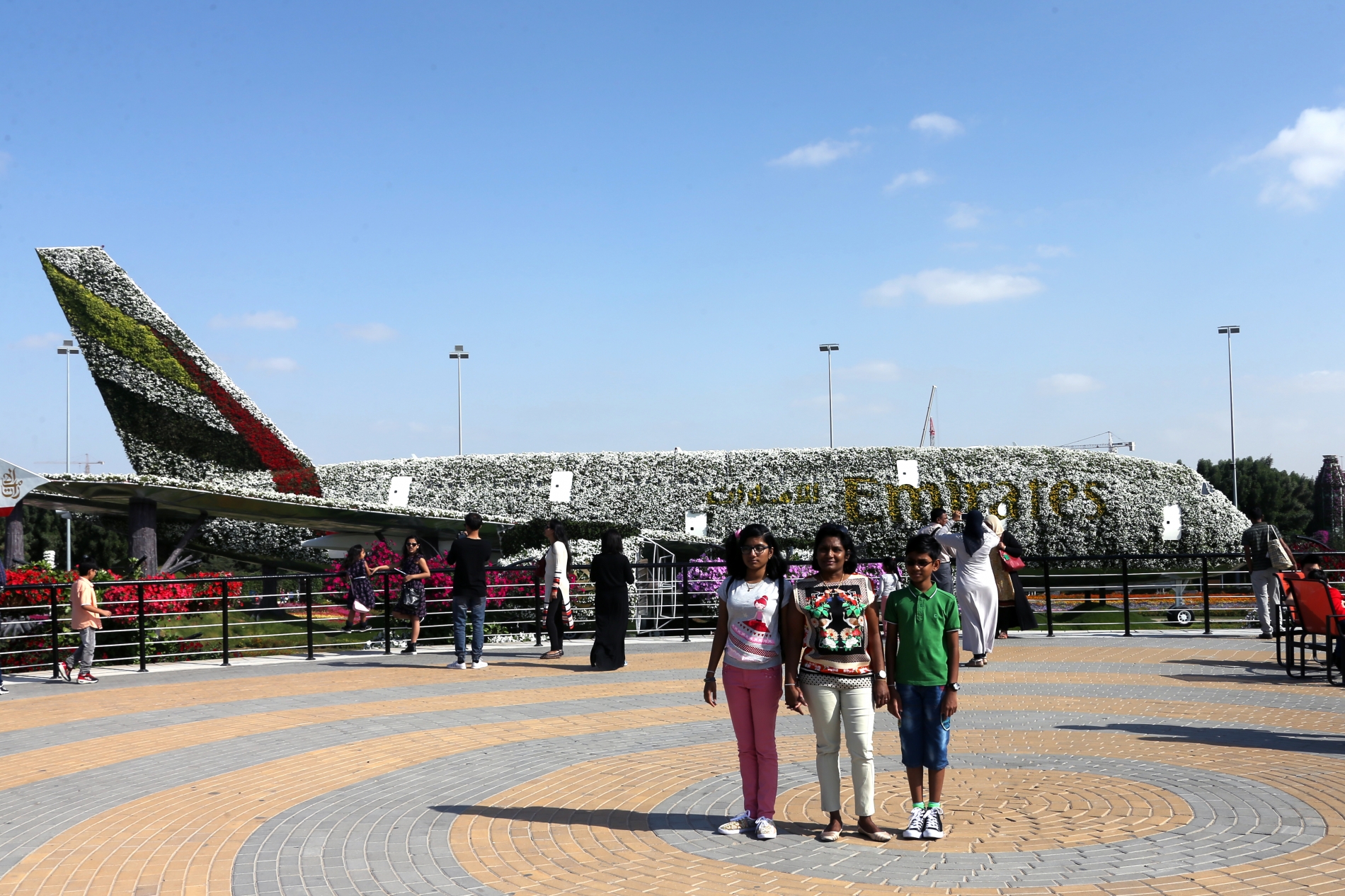
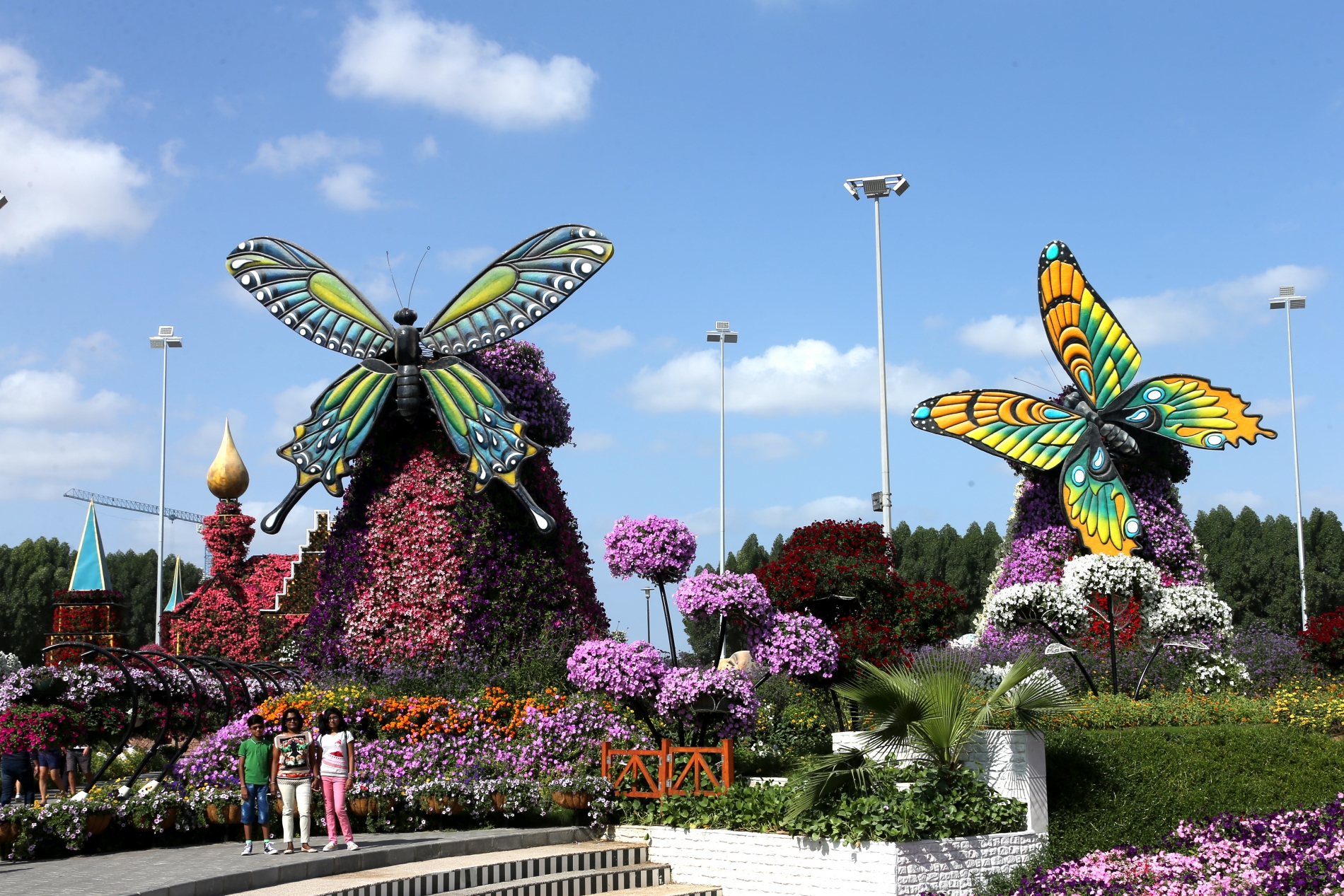
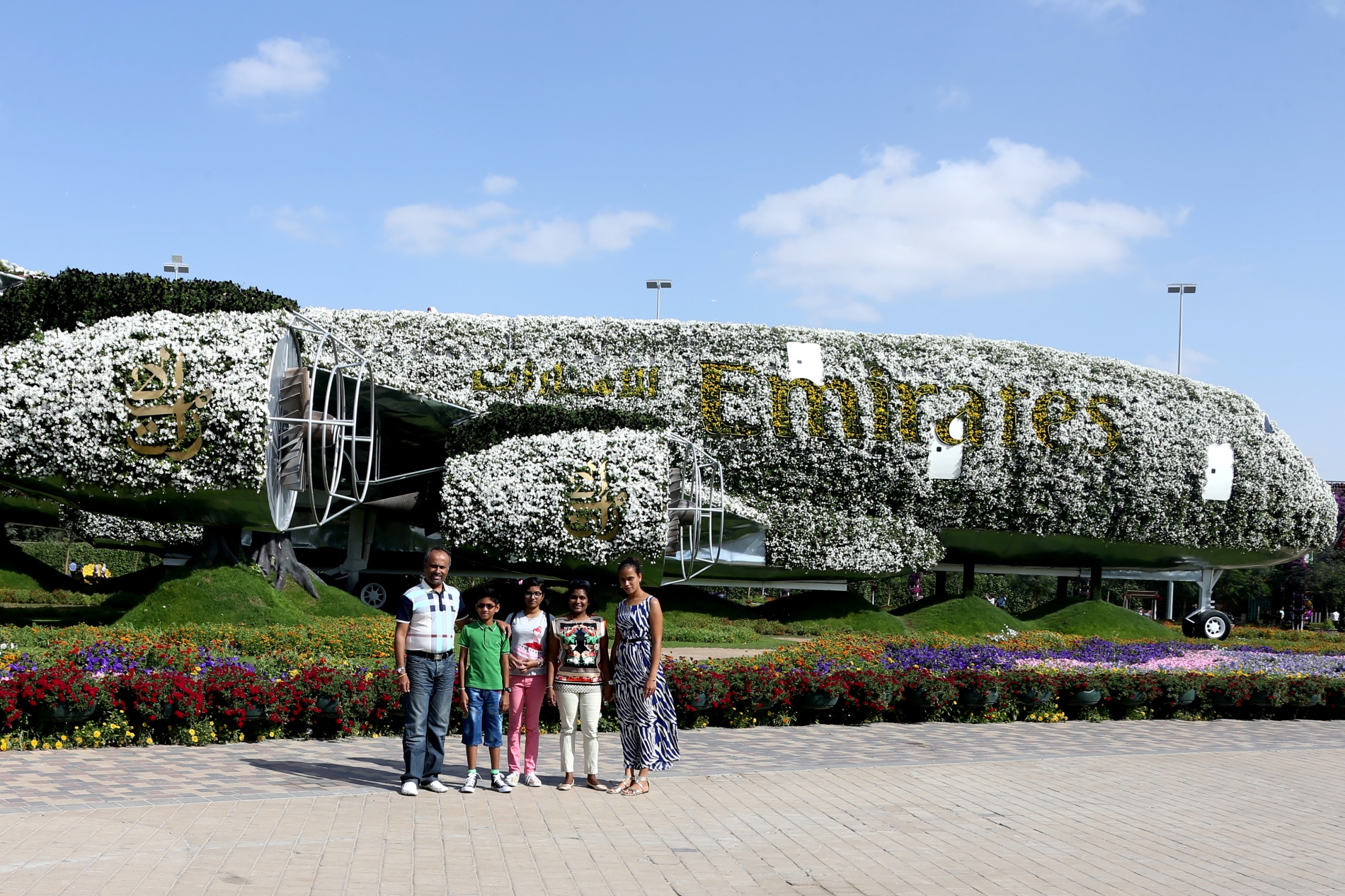
Дубайский чудо-сад

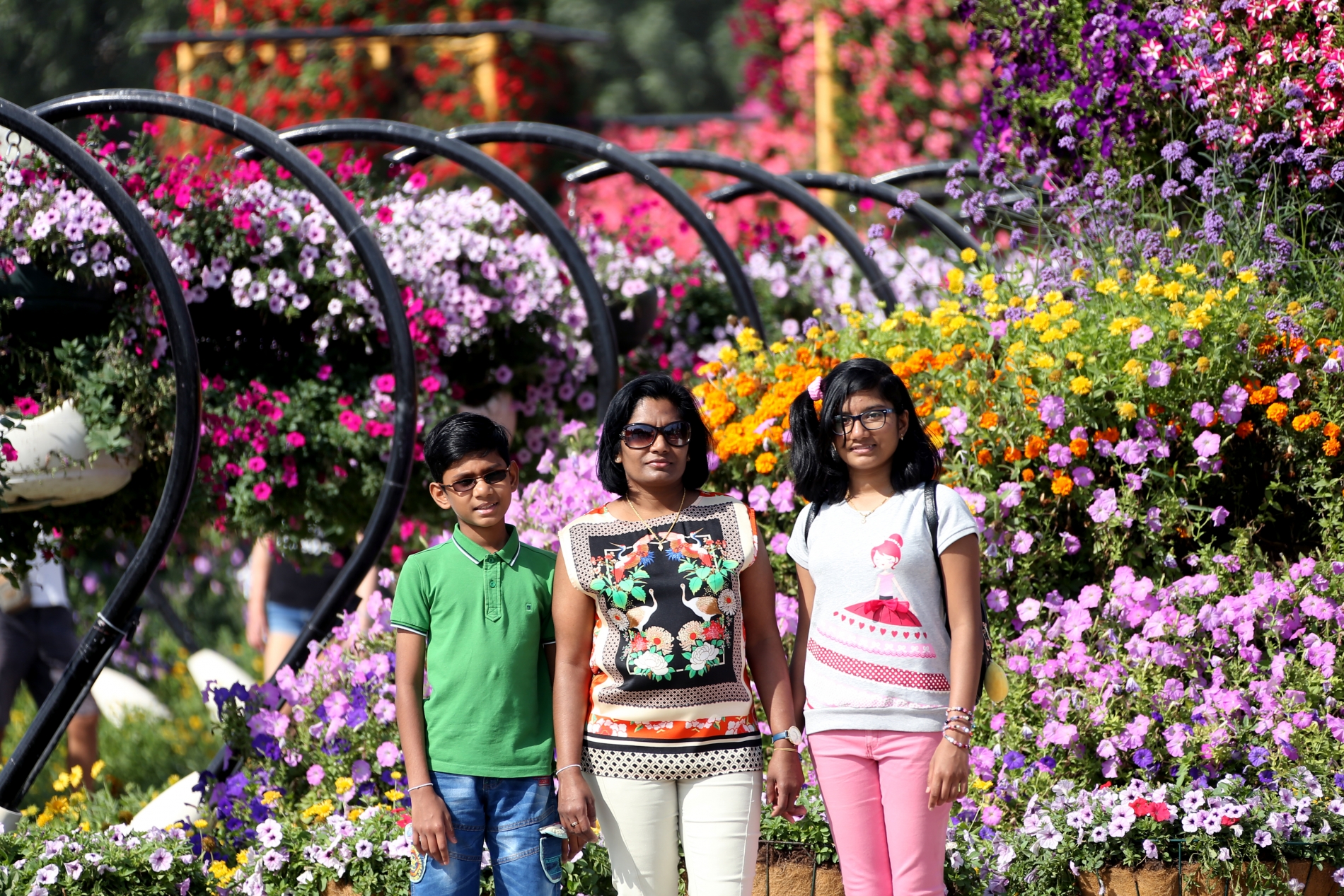
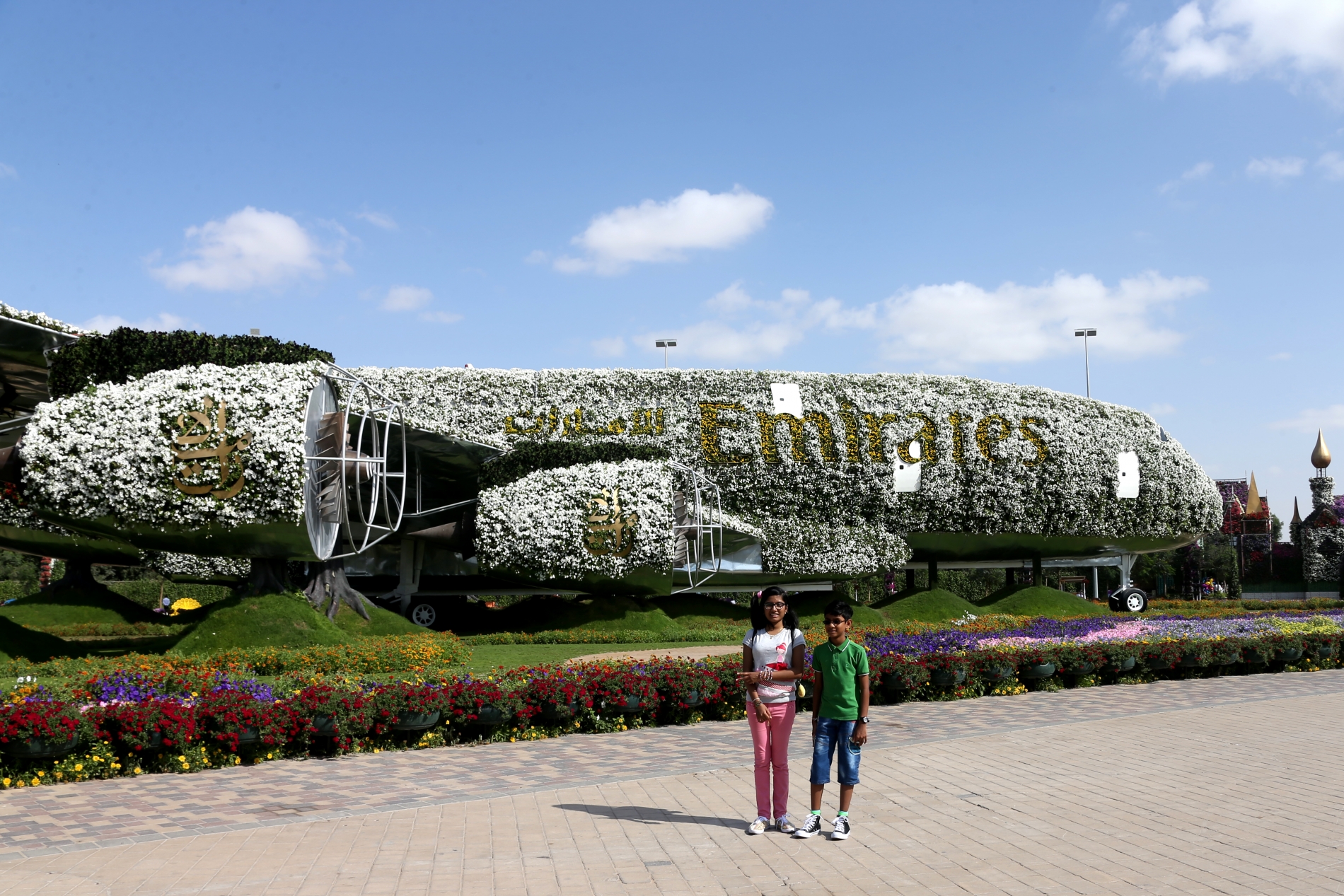
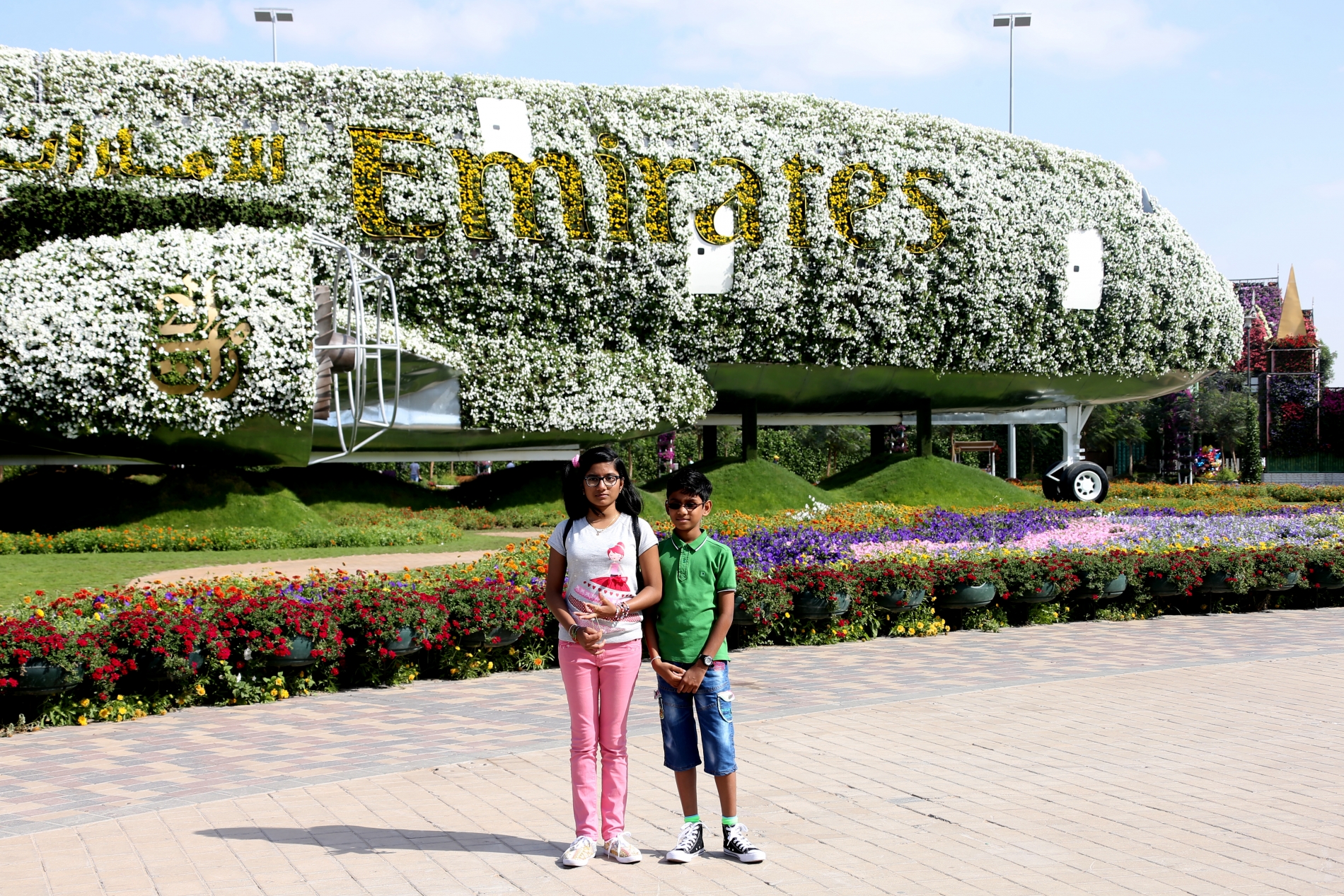
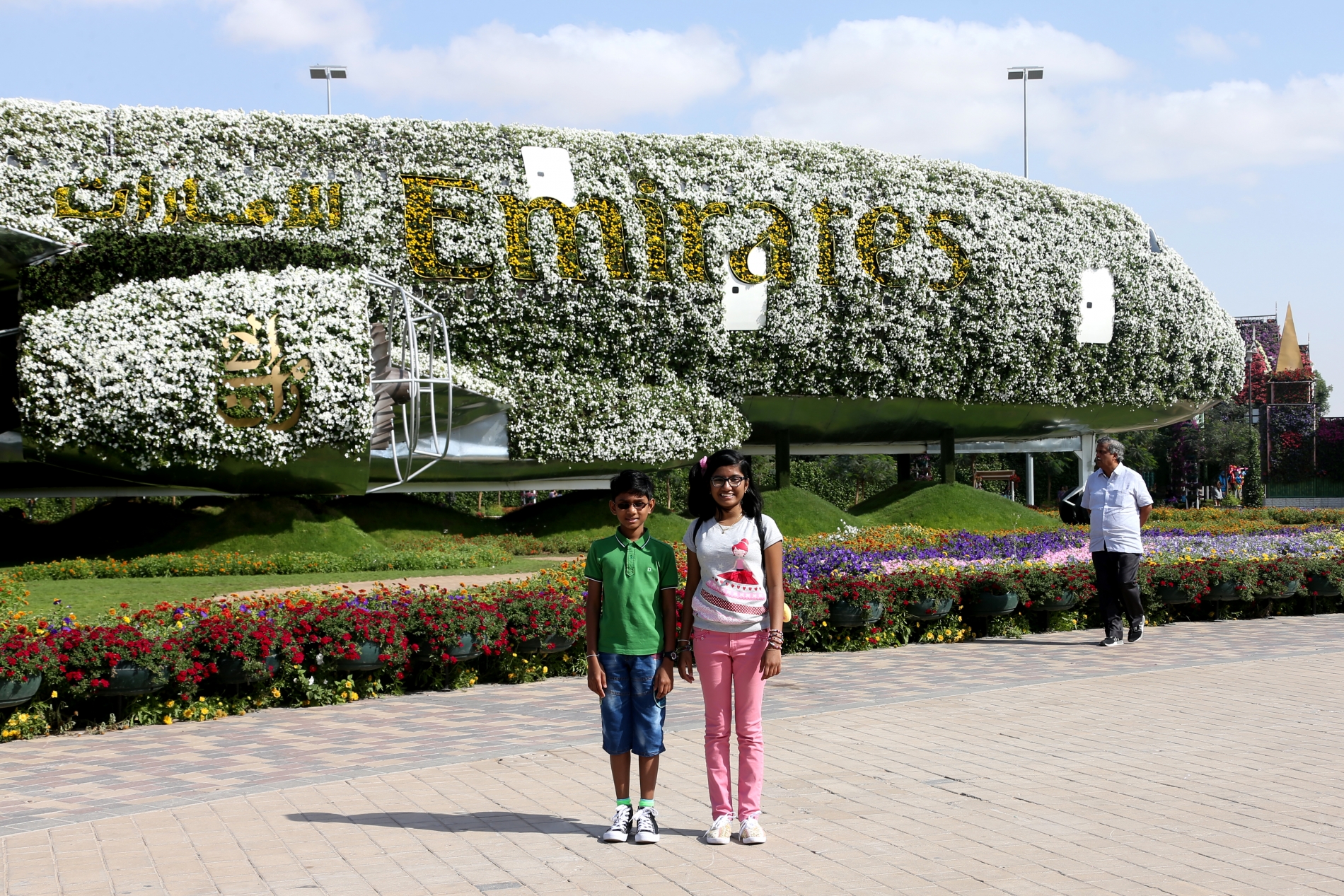
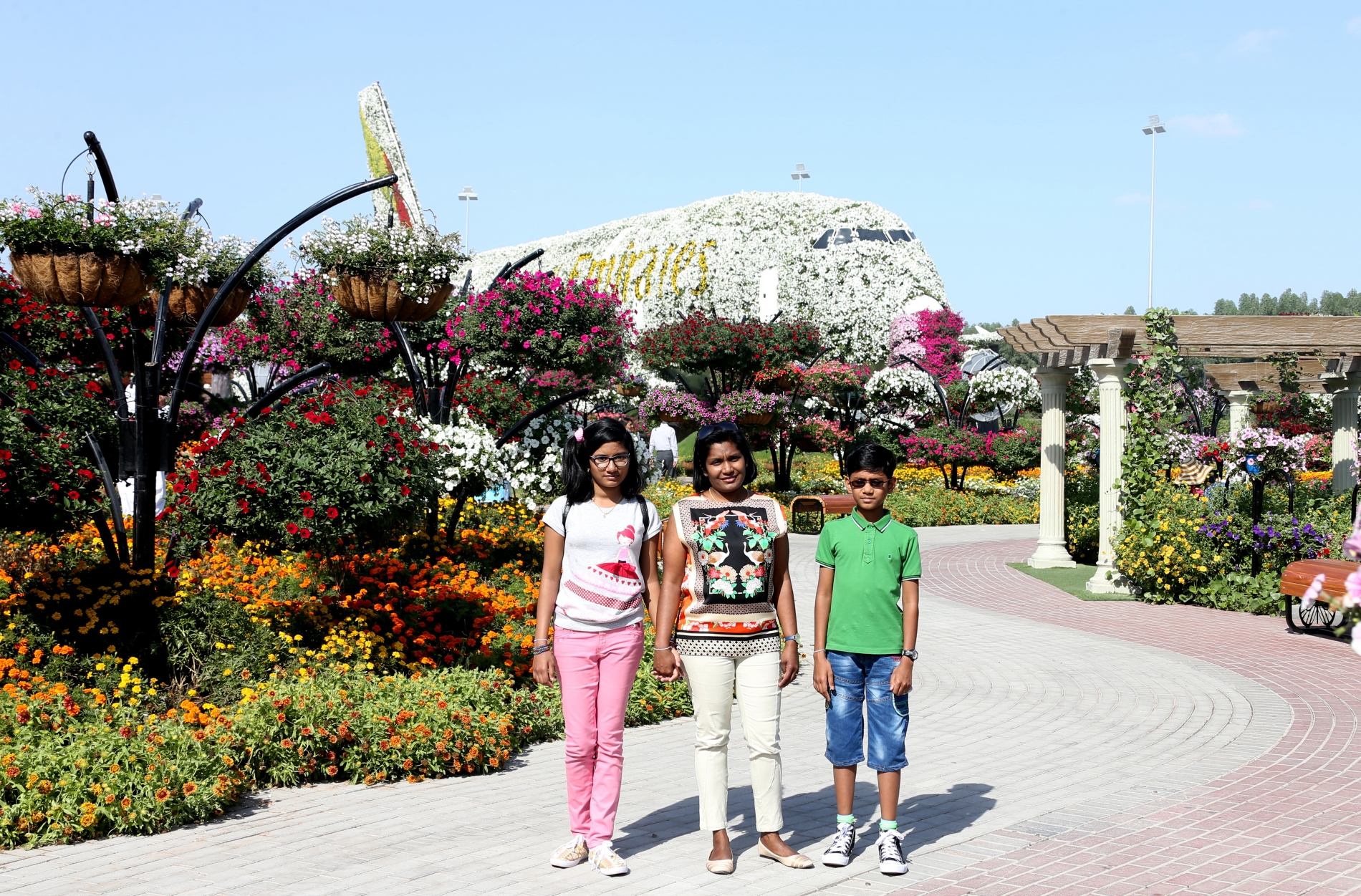
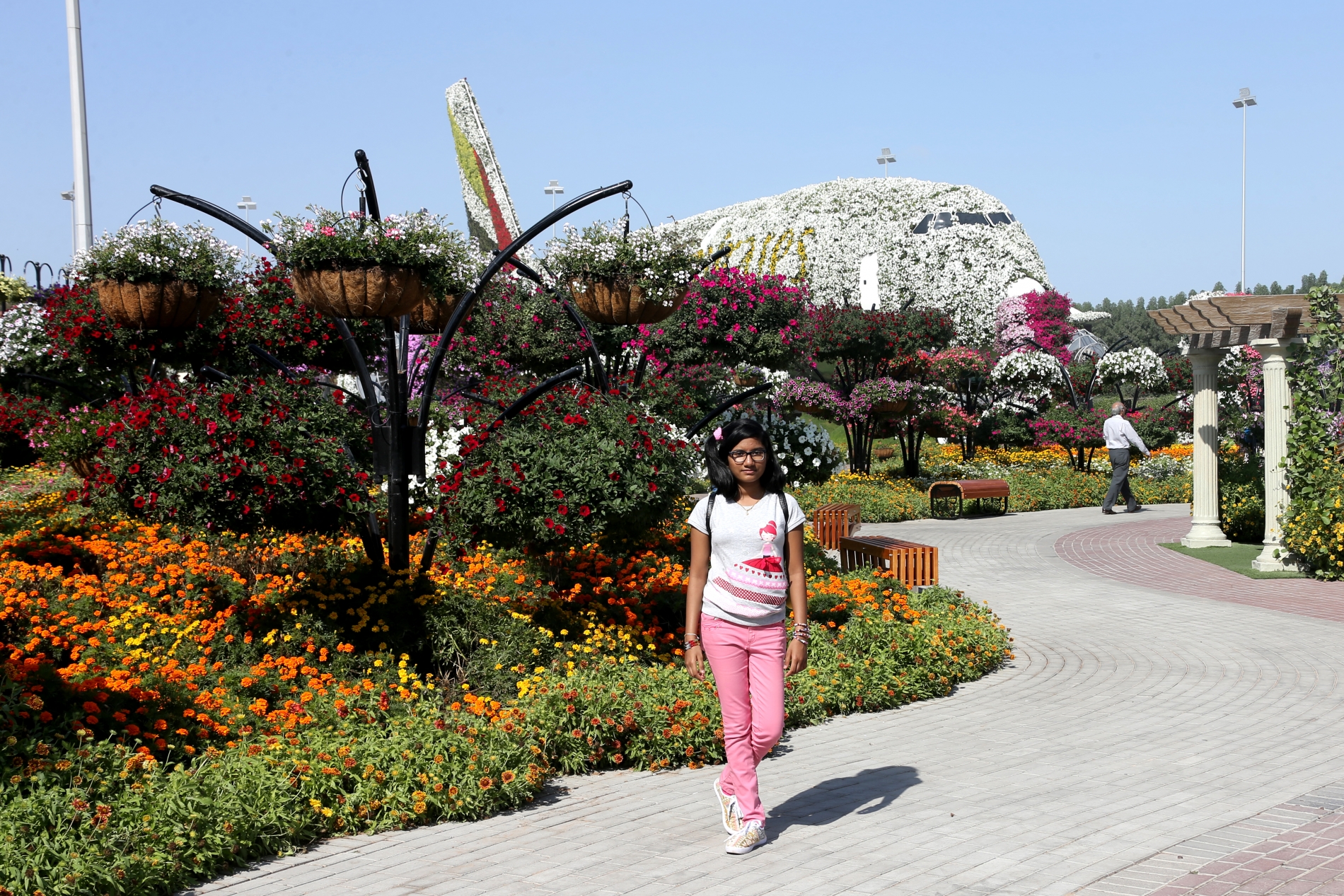
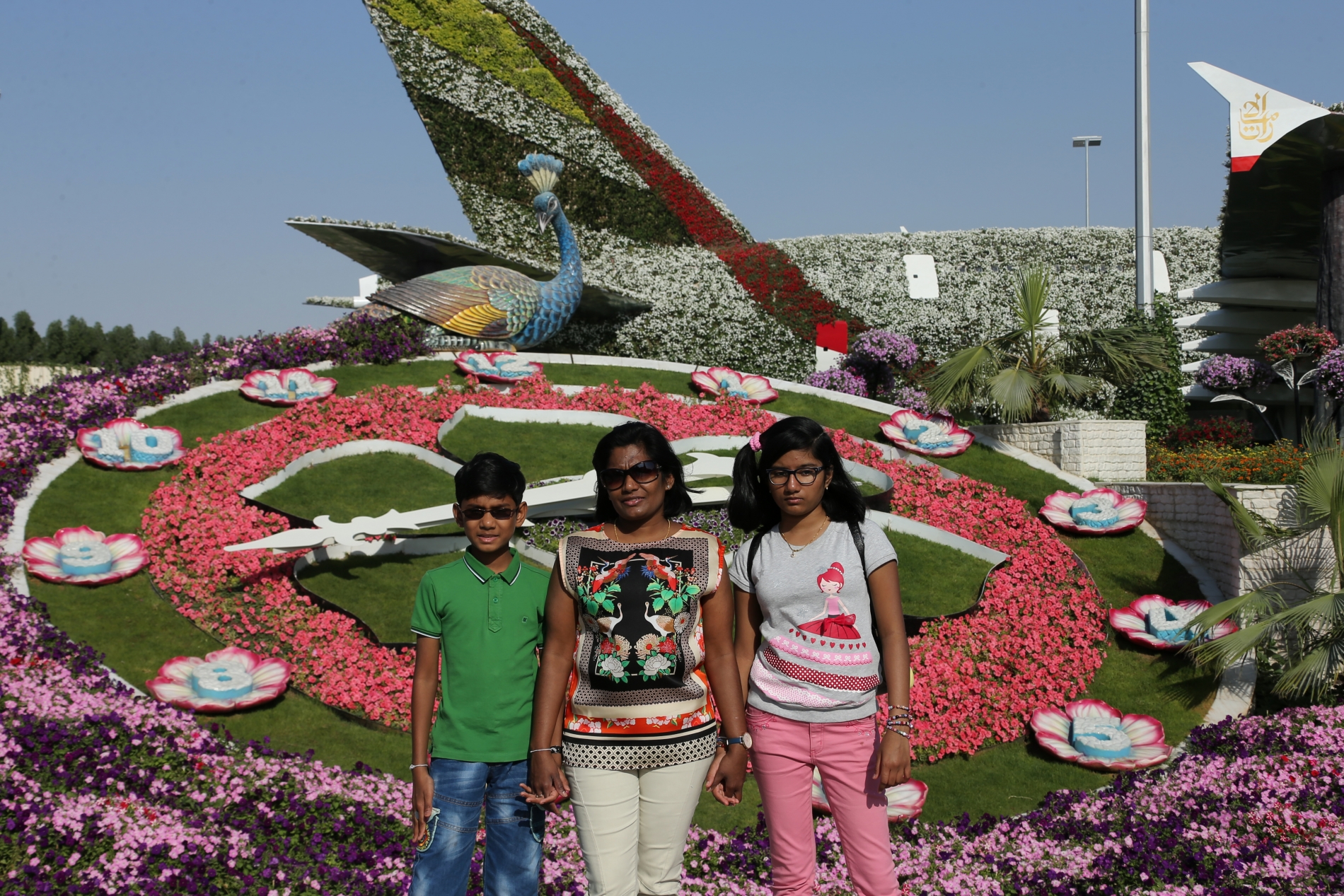
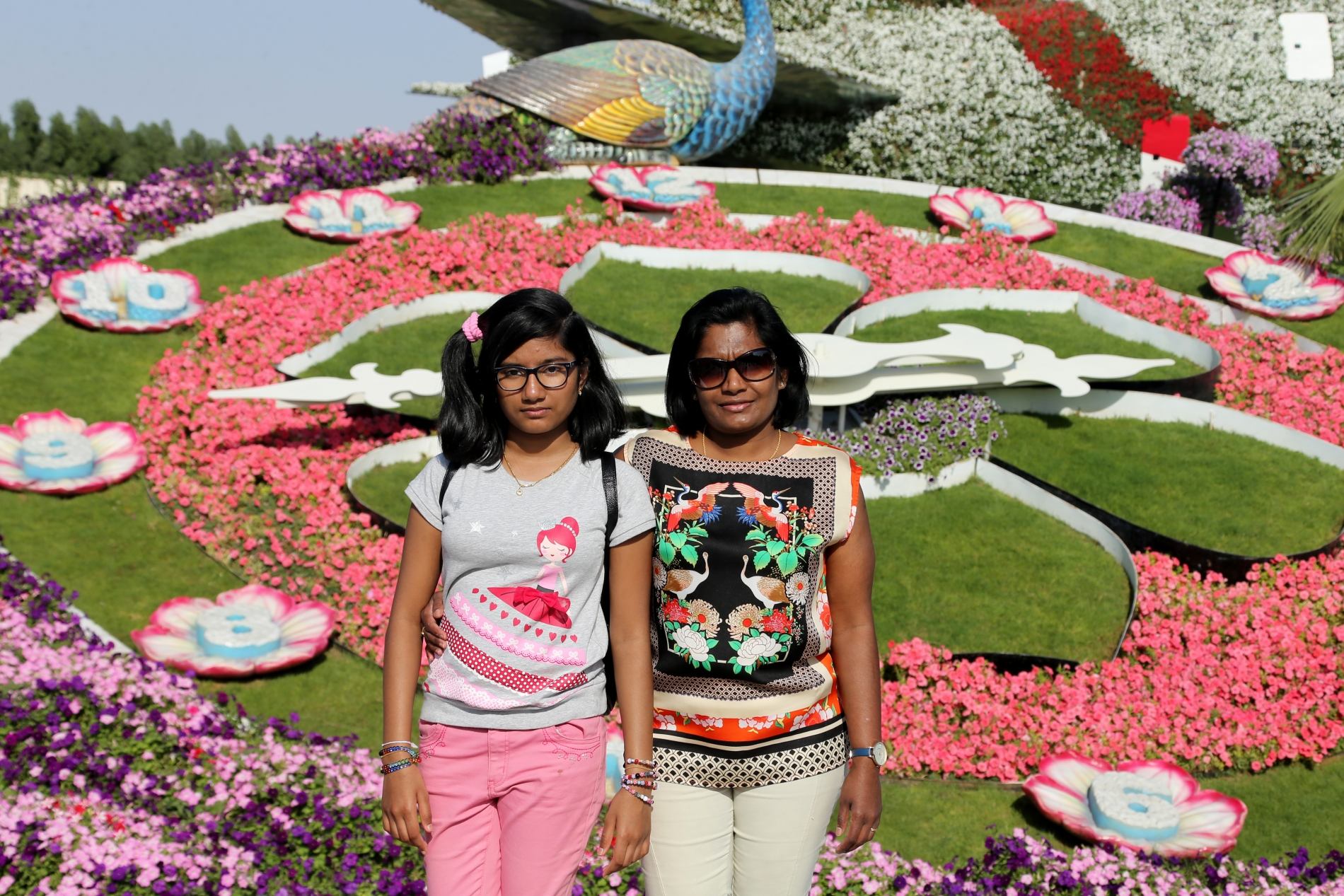
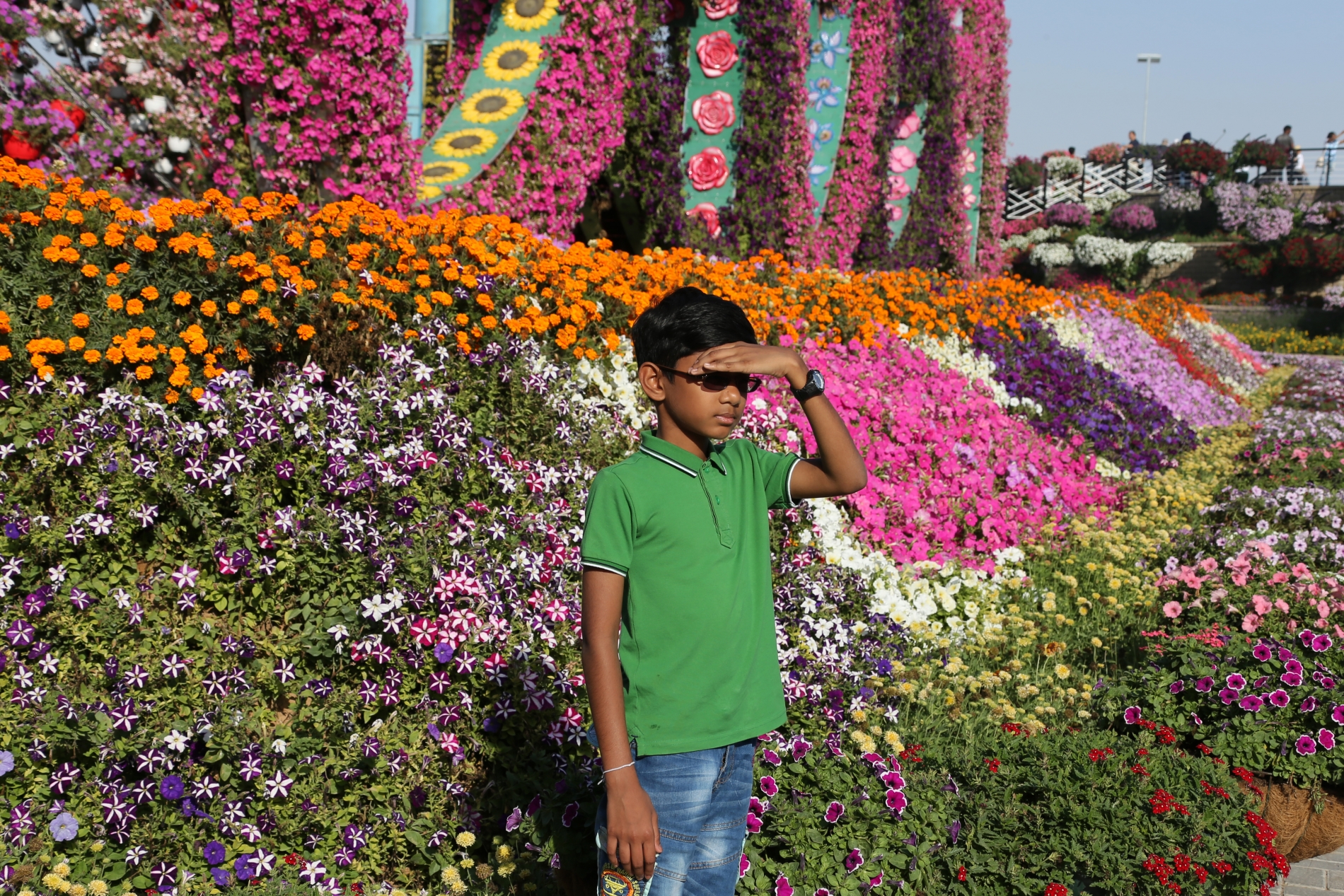
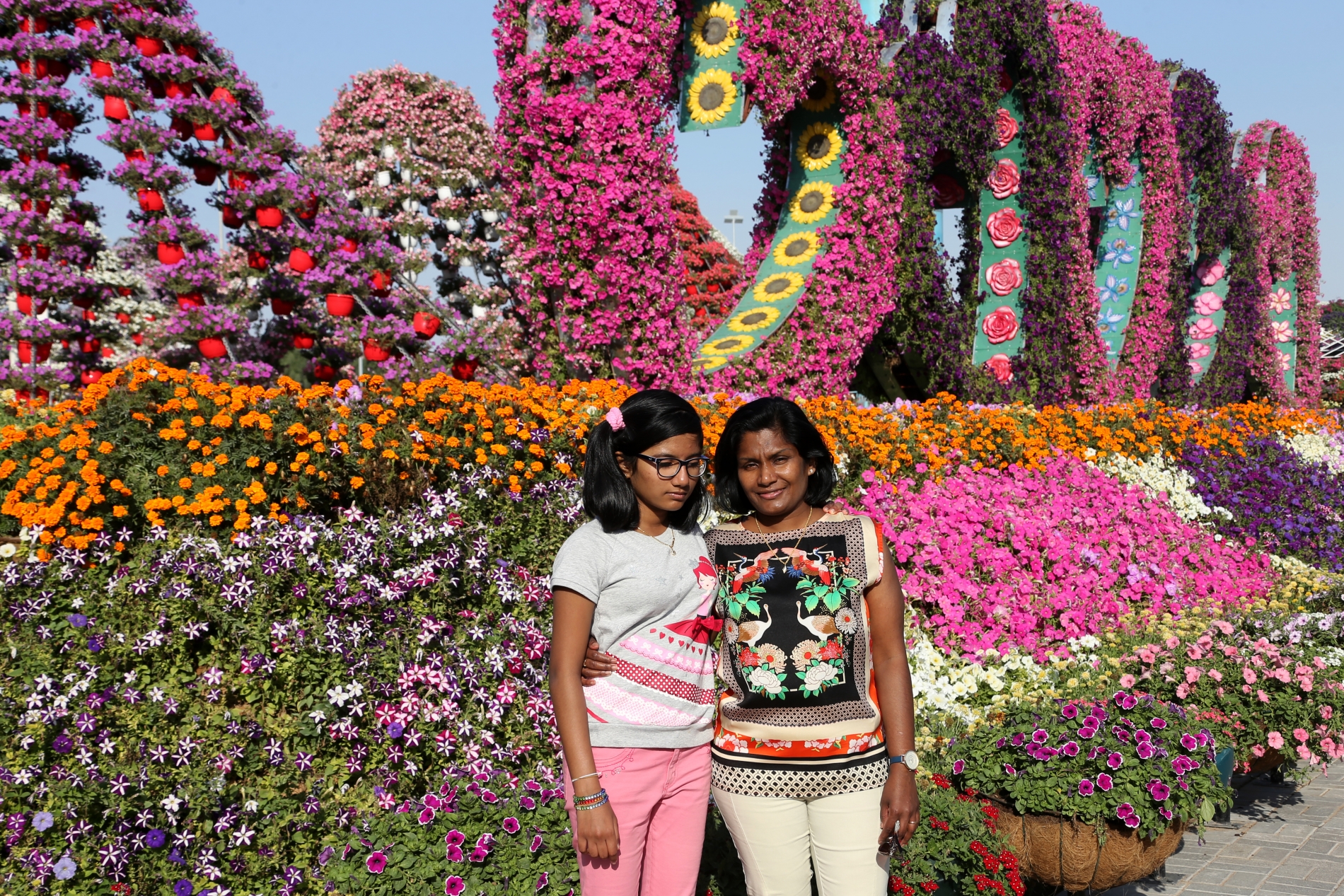
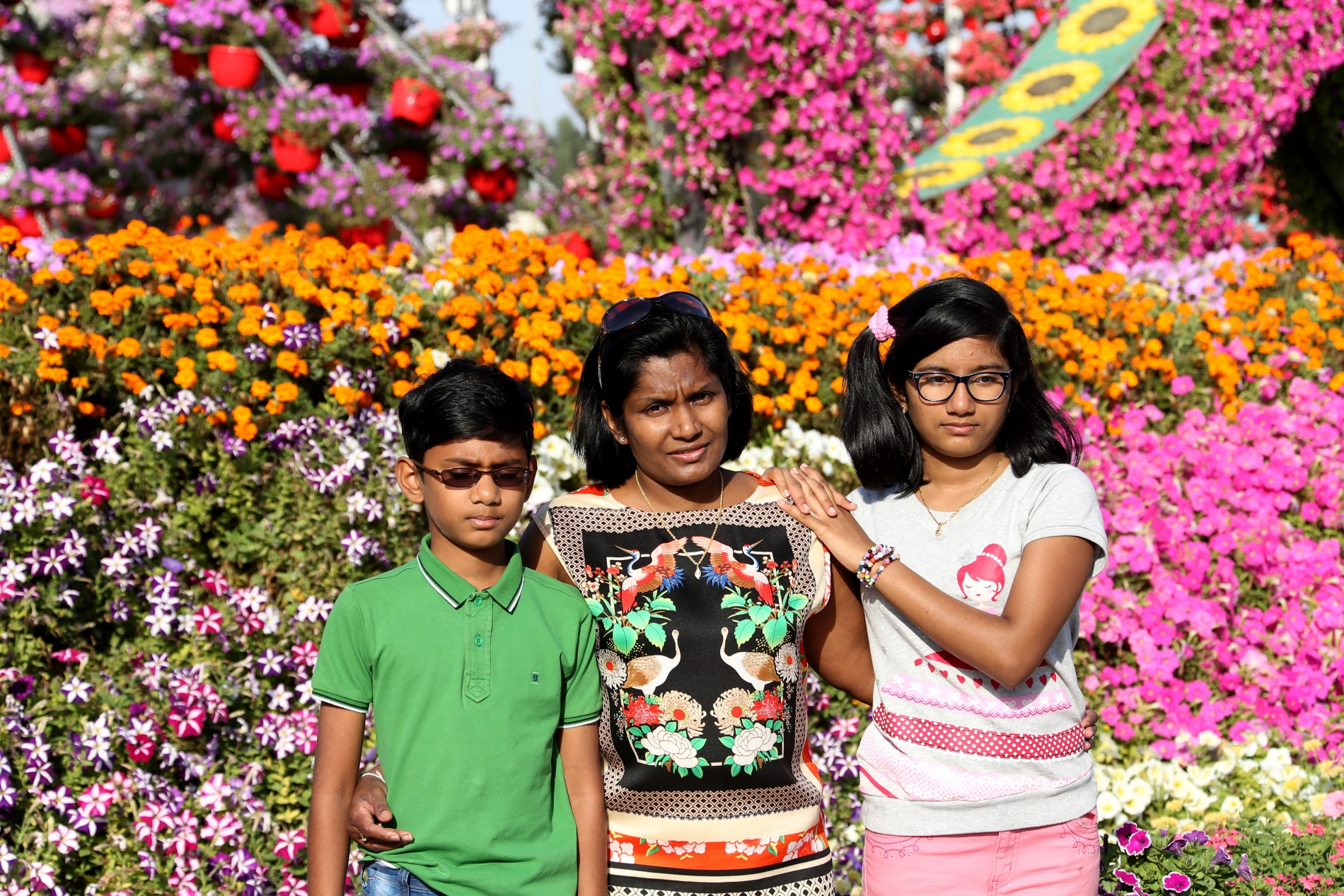
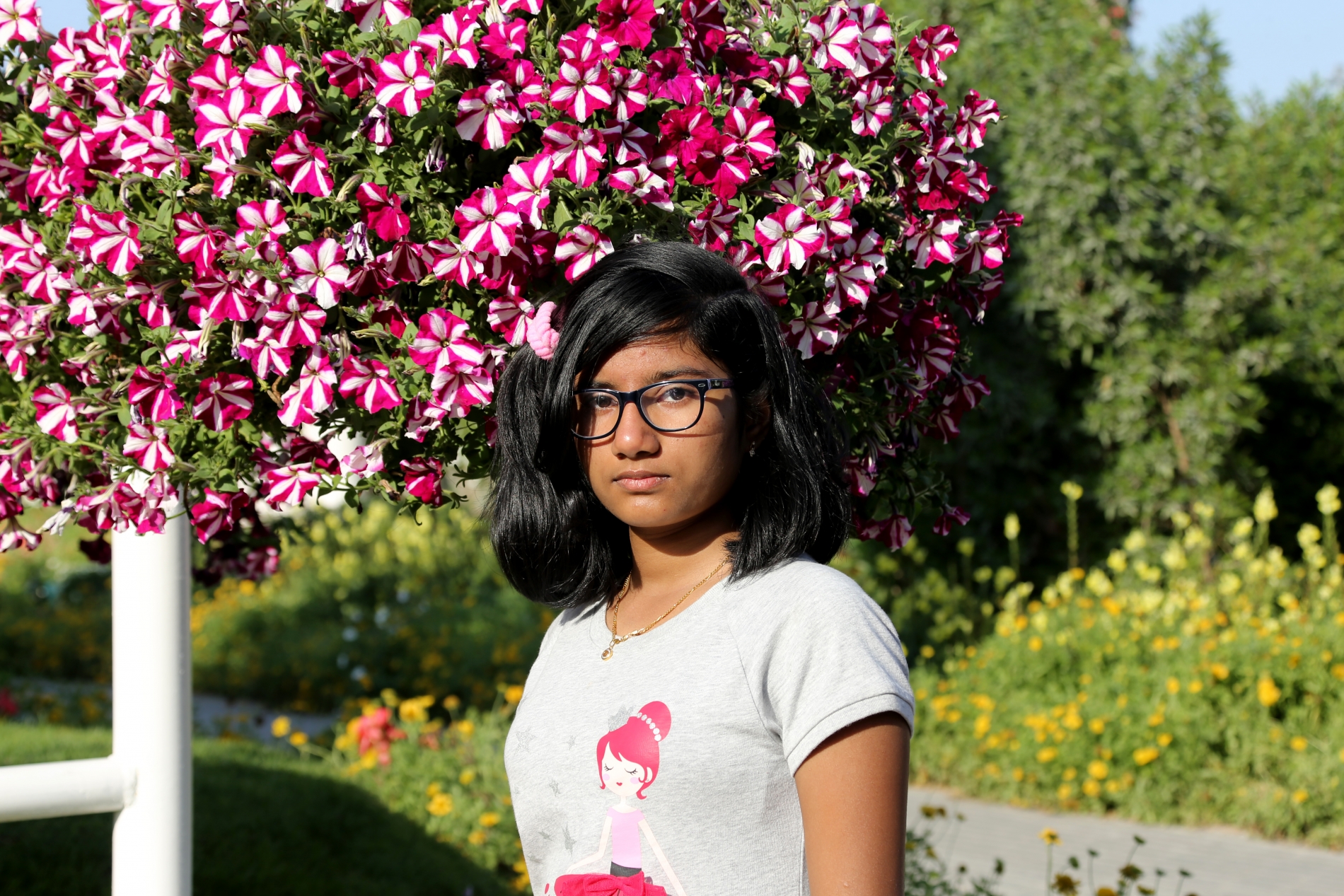
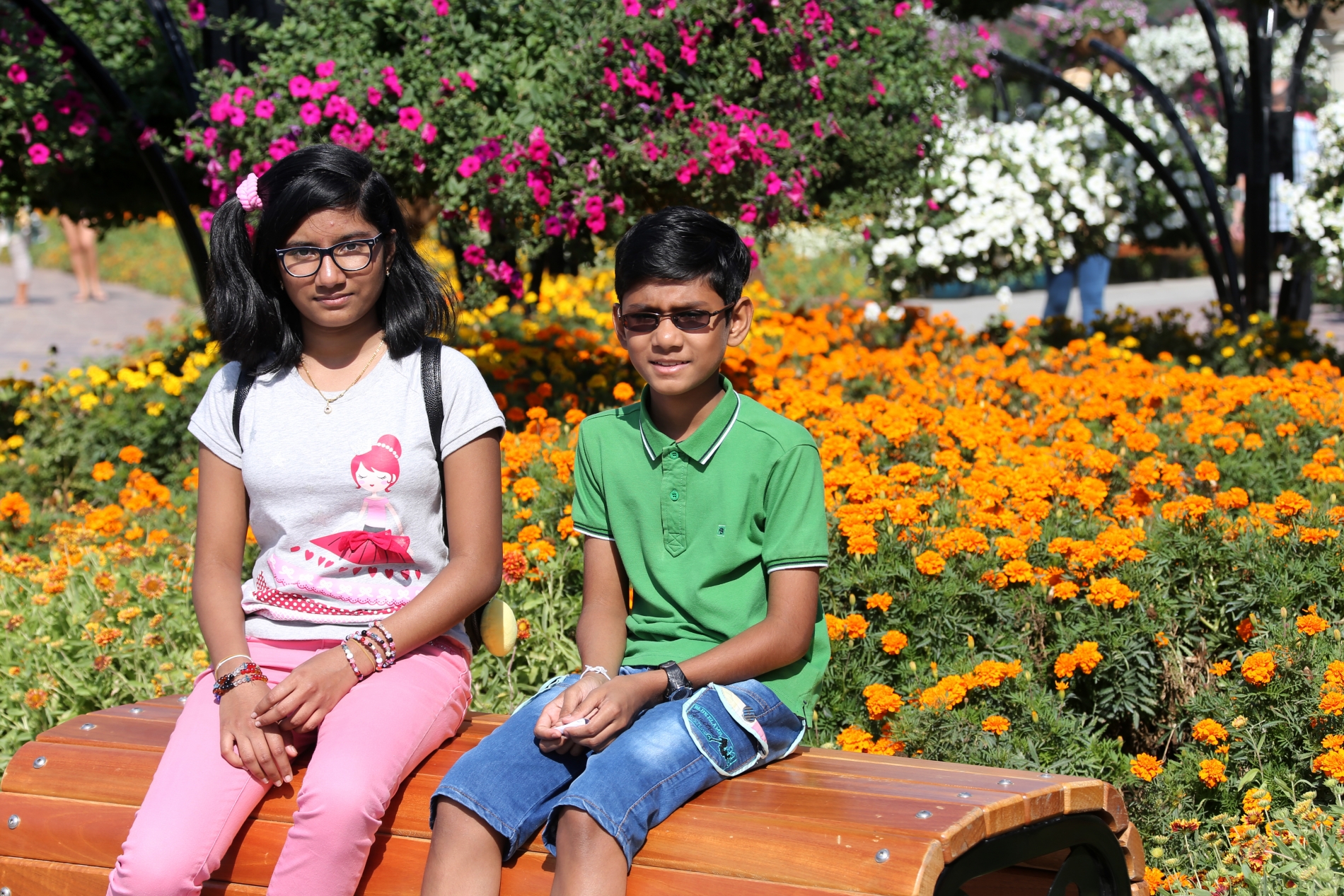
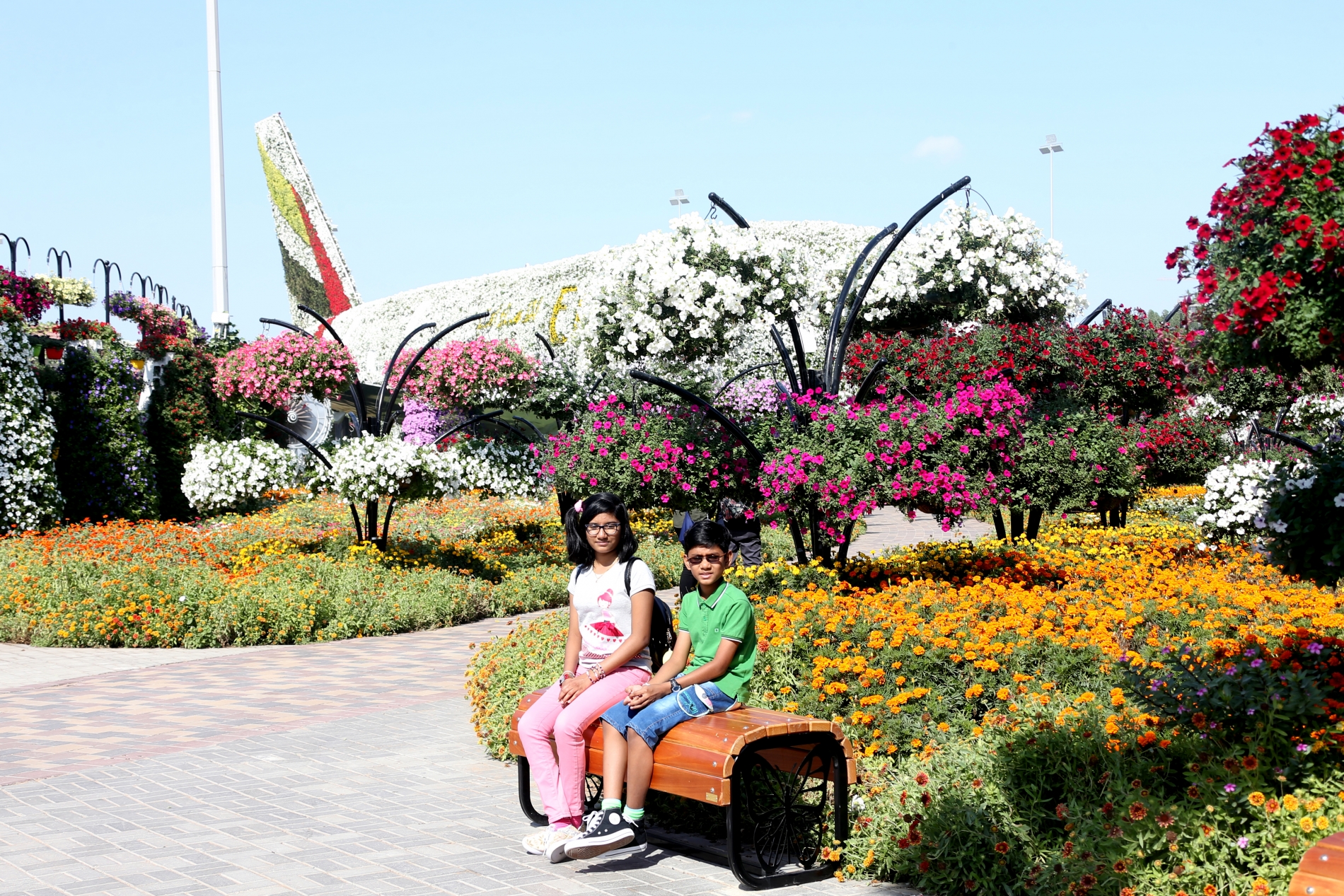
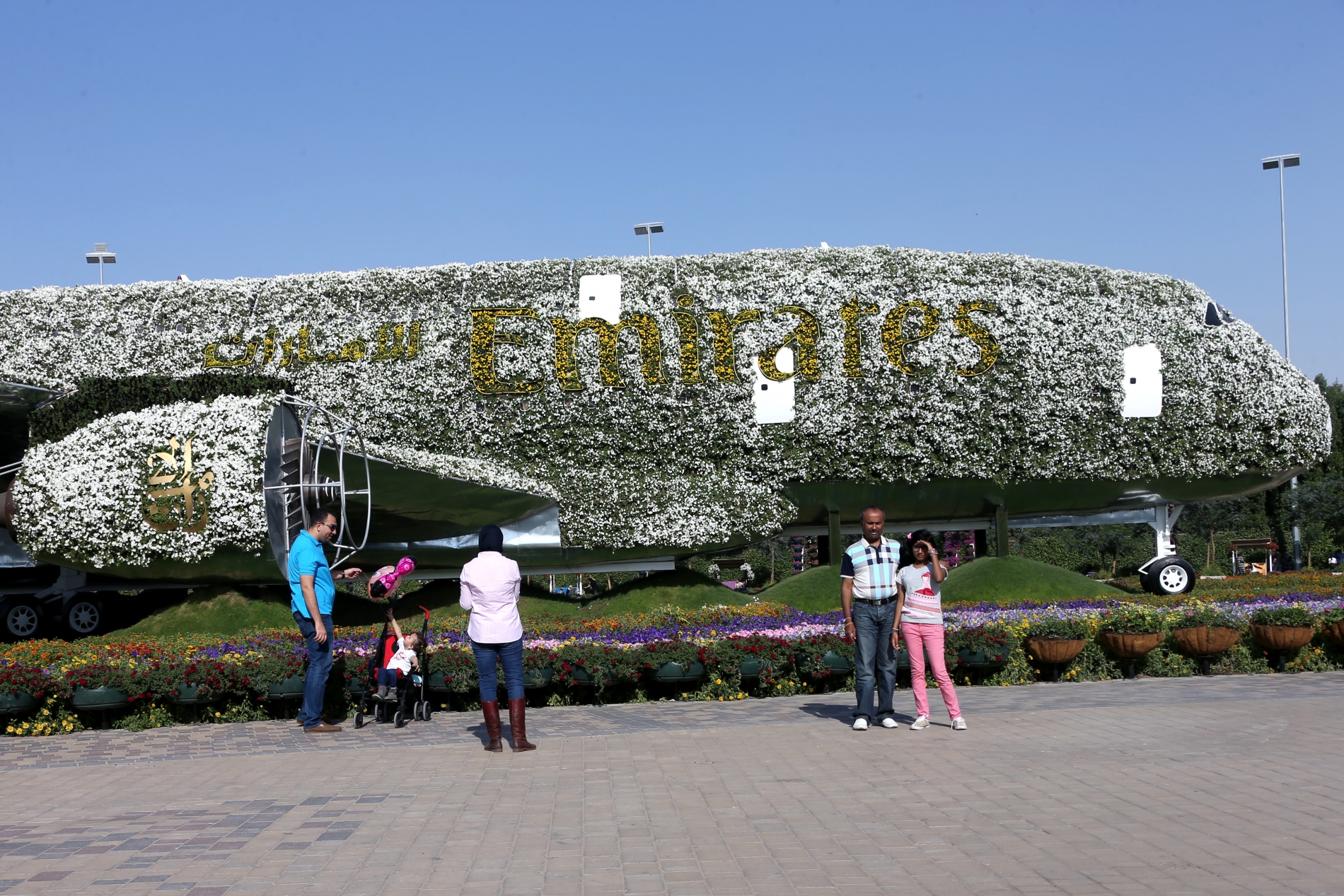
Traditionally, the Dubai Miracle Garden opening dates are as follows: from the middle of November till the middle of May when the temperature is not really hot and comfortable for both flowers and plants. The garden is closed during the summer and the half of the autumn due to extremely hot weather in these months. During that period the flowers and plants in compositions can’t grow normally. The official website of the garden can be used in order to find the working hours of the Miracle Garden in Dubai on the given day of the given year and the given season.

In 2017 the Miracle Garden closed dates for the summer renovation starting from the middle of May. The official maintenance period is from May 15th till December 1th. Nevertheless, the Miracle Garden is usually opened in the middle of November. That’s why there’s a chance that in 2017 the visitors will be able to enter the park earlier than on the 1st day of December. Park always works in January, Fabruary, March and April. These are the best months to join its expositions.

In a few days before the opening ceremony and at any time after it the visitors can use the official website to buy tickets to the park. By doing so they will be able to avoid long queues, especially during the first days of operation. These days there will be a huge number of people willing to enter the Miracle Garden. The official website says that the price of the entrance ticket for adults and children of 3 years old and more is 50 AED when purchased right in Garden. or 40 AED if purchase on the official website in advance. The children of less than 3 years old, as well as disable people are able to visit the Miracle Garden free of charge.

Park working hours: from 9am till 9pm during the week and from 10am till 12am during the weekend.

Related Images:

30 лет киевской дружбы

10 УНИКАЛЬНЫХ МЕСТ УКРАИНЫ, КОТОРЫЕ ДОЛЖЕН УВИДЕТЬ КАЖДЫЙ

Украинские земли богаты на различные природные и архитектурные чудеса. Иногда они находятся совсем рядом, однако из-за плохо развитой туристической отрасли никто о них не знает. К тому же, часто препятствием становится плохо развитая инфраструктура и полное отсутствие дорог. Однако такие удивительные места, не становятся из-за этого менее интересными. Они сохраняют свои легенды и предания подальше от человеческих глаз и благ цивилизации.

ТСН.Туризм подготовил список из 10 уникальных мест, которые стоит увидеть хоть раз в жизни.

Святыни и капища затопленных Гусинцов
Старинный поселок Гусинцы располагался на левом берегу Днепра, напротив Ржищева. Во время затопления местности Каневским водохранилищем от него осталась только Спасо-Преображенская церковь с колокольней 1822 года строительства. Ее принято называть Спас на воде, так как она находится на одном из образовавшихся островков и служит напоминанием о былом поселении.

Храм долгое время стоял заброшенный. Однако в 2008 году церковь и колокольню было обследовано с целью сохранения. А в 2012 году сооружения были полностью отреставрированы, а фундамент укреплен.

Неподалеку, ближе к руслу Днепра и города Ржищев находится Ведьмин остров. Это бывшая Лысая гора, которая служила для шабашей ведьм, а в древности здесь находились языческие капища. Считается через энергетику на горе практически нет растительности. Возможно и сейчас, спрятанная в плавнях Днепра, гора служит нечистой силе.

Сейчас эта местность объединена в Ландшафтный заказник местного значения «Бориспольские острова». Однако под водами водохранилища остаються скрытыми многочисленные улицы, остатки домов и богатое историческое прошлое.


Гибель старинного поселка Чучин
Местность расположена на окраине села Балыко-Щучинка, Кагарлицкого района. В наши дни, небольшой и живописный поселок, когда-то был мощным оборонительным городищем. Об этом свидетельствуют многочисленные археологические находки, а также остатки городских валов, которые датируются XI веком.

Древний город упоминается в летописи под 1110 годом, как оборонительный пункт против половцев. Считается, что город был уничтожен в первой половине XIII века во время нашествия монголов, или Батыевой орды.

Местность находится на западе Балыко-Щучинки на холме. Отсюда открывается фантастический вид на Каневское водохранилище. Панорама которая открывается зрению просто поражает.

Несмотря на живописность, трагические события также происходили здесь во время Второй мировой войны. Здесь установлен мемориал «Букринский плацдарм». Именно он ассоциируется с этой возвышенностью в первую очередь. Отсюда советское командование планировало начать освобождение Киева. Однако из-за неумелого командования и плохой подготовки к битве — две наступательные операции провалились. Это привело к колоссальным жертвам. По официальной информации при взятии плацдарма погибло 250 000 советских воинов. В память о героической гибели солдат здесь был установлен мемориальный комплекс впечатляющих размеров. В его пределах находятся братские могилы с тысячами погибших.

Ландшафтный парк Буки
Парк расположен в селе Буки, Сквирского района, Киевской области. Уникален он тем, что был заложен Сквирским предпринимателем в 1996 году. В отличие, от популярных парков Украины, которые нам остались от предков и пережили века.

Парк был построен вокруг реки Роставица. В пределах села, она имеет скалистые берега, пороги и окружена камнями. Кроме естественных каскадных водопадов есть большой искусственный. Через реку перекинут несколько обзорных мостов, а на берегах установлены беседки. Во время развития парка, старая мельница была переоборудована в мини-ГЭС.

В парке установлено много скульптур, барельефов и интересный фонтан. Одна из его жемчужин — святой камень, который привезли из Израиля. По преданию он взят из той местности, где Иисус превратил воду в вино.

На другом берегу реки расположена Церковь святого великомученика Евгения с колокольней и часовнями. Храм был построен в 2010 году. Его архитектура, как и ландшафт парка — уникальные и были разработаны специально для Буков. Неподалеку находится зоопарк, «Сказочная поляна» и усадьба мецената, что профинансировал строительство.

Вход на территорию парка бесплатный. Стоимость входа в зоопарк, поляну и само имение — символическая. Парк в отличном состоянии, все новое и ухоженное, поэтому здесь стоит побывать.

Город вдохновения и пейзажей
Именно такого названия стоит городок Седнев, расположенный на Черниговщине. О нем мало кто слышал, однако своими легендами, архитектурой и пейзажами Седнев может посоревноваться даже с Черниговом. А первое упоминание о нем датируется 1068 годом, как о городе-крепости.

Седнев расположился на берегу извилистой как змея, реки Снов. В его окрестностях есть немало болот, плавней и маленьких притоков живописной реки. И несмотря на то, что местность на Черниговщине равнинная возле Седнева есть несколько гор. На одной из них построена беседка Леонида Глебова. С нее открывается фантастический вид. Беседка названа так не случайно, считается, именно здесь поэт искал вдохновение и написал свою «Печаль».

В городе находится Дом союза художников. И это не случайно, Седнев неоднократно изображался на полотнах художников самых разных времен. Здесь очень удачно контрастируют живописные пейзажи и древние храмы.

Читайте также: 10 интересных скал и каньонов Украины, о которых вы не знали

Одна из древнейших святынь — Церковь Григория Победоносца. Она построена к 1745 году в урочище Коронный замок, который был частью древнего городища Сновск. Именно в этой церкви снимался фильм «Вий» — 1967 года. Важным фактом является то, что церковь построена без единого гвоздя.

Еще одна святыня — Воскресенская церковь с колокольней, построенная в 1880-м году. Она заложена как усыпальница местных меценатов Лизогубов. Здесь было 44 захоронения, большинство из которых в советские времена были расконсервированы и вывезены.

В Седневе сохранено самое старое каменное жилое здание Левобережья — камяница Лизогубов. Она датируется XVII веком. Усыпальница и камяница находятся в усадьбе Лизогубов. Основные здания которой тоже неплохо сохранились. Однако внутреннее убранство нуждается в реставрации. Стоит вспомнить, что в имении неоднократно гостил Т.Г. Шевченко — здесь даже установлен ему памятник.

Царство водопадов и камней
На юго-западе села Злынка, Кировоградской области есть скалистое урочище «Каскады». Оно расположено на берегах живописной реки Буки. Урочище образовали одни из самых древних тектонических плит, которые выходят здесь на поверхность. Эти горные породы сформировались около 2 миллиардов лет назад.

Таких природных чудес в центральной Украине практически нет. Ведь здесь преобладает степ. Глыбы и валуны, что выступают из воды, очень величественные и даже имеют собственные названия. Некоторые скалы образуют естественные водопады, что добавляет месту красоты и уникальности.

Под глыбой воды есть пещеры. При исследованиях обнаружили, что там остались древние символы и надписи. Считается, что когда-то здесь находилось скифское святилище. Многие приезжают в урочище зарядиться положительной энергией и восстановить моральные силы. Также, под одним из водопадов, в граните выдолблен колодец. Глубина его более 20 метров.

В урочище растет много редких растений, занесенных в Красную книгу. Фауна тоже очень разнообразна. 58 видов животных, проживающих вокруг — охраняются Бернской конвенцией.

Лучшими охранниками местности служат плохие дороги и отсутствие вблизи крупных городов. Поэтому, здесь все можно увидеть в практически нетронутом виде. Однако нужно не забывать о чистоте окружающей среды и убрать за собой при посещении уникальной геологической достопримечательности.

Каньон киммерийской царевны
Каньон расположен на реке Каменка, недалеко от поселка Токовское, Апостольского района, Днепропетровской области. Скалы что здесь выступают — обрамляют реку и образуют каскадные водопады общей высотой до 6 метров.

Существует интересная легенда о возникновении каньона. В ней рассказывается, что однажды киммерийскую принцессу Тамирис хотели поймать скифы. И когда она убегала от преследователей, то на пути наткнулась на небольшую реку. Поток согласился помочь девушке в обмен на ее ожерелье. Царевна бросила украшение в реку, а когда к воде пришли скифы, то она загремела, с земли выросли глыбы камней и накрыли преследователей.

Скалы образующие каньон, это останцы древних гор. Порода камня — красные граниты, которые считаются качественным материалом для облицовки. Эти граниты прекрасно поддаются обработке. Поэтому вокруг живописного каньона есть несколько карьеров. Чтобы к нему добраться нужно будет покружиться извилистыми дорогами.

Местность вокруг реки действительно очень живописная и романтическая. Здесь можно хорошо отдохнуть на выходных, а грохот речных спадов слышно издалека.

Город на каменистых берегах
Город Каменское (до 2016 — Днепродзержинск) известен как промышленный центр, однако он имеет богатую историю. Здесь есть немало архитектурных памятников прошлого. Постройки советских времен и промышленные помещения резко контрастируют с старинной застройкой и неповторимыми пейзажами Днепра.

Поселения на территории города были еще в эпоху палеолита. А во времена Киевской Руси здесь проходил важный торговый путь — «из варяг в греки».

Первое поселение, возникшее на месте Каменского называлось Романково. Оно, как и окружающие слободы, было заложено запорожскими казаками в 1-й половине XVII века. Название Каменское получило потому, что к затоплению водохранилищем берега Днепра были здесь очень крутые и скалистые.

Одна из достопримечательностей из прошлого — Костел Святого Николая, построенный в 1895 году. Он один из немногих римо-католических храмов, сохранившихся на востоке Украины.

Еще один храм — Свято-Михайловский собор, был заложен по приказу Российского императора Николая II в 1894 году. Приказ о строительстве был дан после неудачного покушения на императора в Японии. Позже было достроено колокольню и сделано несколько перестроек.

Из интересных зданий города стоит выделить Музей истории города, Музыкально-драматический театр им. Леси Украинки и Центральную городскую библиотеку.

В пределах города на Днепре есть несколько островов. С суши к ним можно добраться мостиками из которых открываются великолепные панорамы. На островах есть уютные пляжи.


Related Images: