



[:en]Several extinct volcanoes of a specifically violent type called the ‘explosion craters’ are found within western Uganda. these Explosion craters are called so because during the long ago days these eruptions were extremely violent and instead of piling debris just about their vents similar to a number of other volcanoes, they discharged ash in addition to rock over a far as well as wide area. in the present day, they are majorly extinct craters although a few still release sulphurous smells. Basically There are 3 major concentrations; Katwe Explosion Craters found in Queen Elizabeth National Park, the close by Bunyaraguru Crater Field on the impressive Kichwamba escarpment as well as the beautiful Ndali-Kasenda Crater Field close to Kibale National Park. Among the Katwe Explosion Craters the enormous Kyemengo Crater is absolutely the most alluring.
lake katwe
The explosion craters are purely beautiful views, offer splendid hiking in areas near within Queen Elizabeth National Park in Western Uganda. The crater lakes were actually formed somewhat recently in the light of long ago volcanic activity within Uganda which is about only 8 000 to 10 000 years back although they appear as peaceful, beautiful lakes at present. When these exploded they actually caused great damage at that time wrapping an area bigger than that Mount Vesuvius covered at Pompeii. The Explosion Craters in Ugandan reduced Lake Edward to a poisonous mess. Just as recent as 2000 – BC (when the Egyptian Pyramids in were being constructed), Fire as well as brimstone continued to erupted from the explosion craters
Unlike Volcanoes, Explosion Craters actually do not pile cones they merely blow ash as well as rock to distances far away. In the present day these crater are filled with water to form very breath taking lakes a number of which today have certain smells of sulphur in their waters. A number of them are actually having great spots for swimming, nature trails which can be enjoyed with frequent sights of monkeys, resident birds, as well as magnificent sights, and exceptional viewpoints.
As you stare below into any of the crater lakes in Uganda, which are bordered with grasslands, verdant forests as well as farms you will actually fail to notice that these lakes which will awe you because of their very picturesque sight were areas formed through very powerful explosions on the earth’s crust.
Katwe Crater Lakes found in Queen Elizabeth Park:
These are situated just north of the impressive Mweya Peninsula and actually are the highest elevation in this national park. Enjoy the spectacular Crater Drive that runs on 27 km which present distant sights of the stunning crater lakes while on your way. There is plenty of wildlife to see along the drive, although commonest are sights of Buffaloes plus Elephants. Watch out for Lake Kitagata a lake fed by salty hot-springs with no wildlife around but just more than beautiful can describe. Along this drive you will be rewarded with sights of the great Western Rift Valley plus its escarpments, Lake George, the Rwenzori Mountains of the Moon, the Kazinga Channel plus Lake Edward. You will also have the chance to visit the gorgeous Lake Katwe plus its long ago salt works.
[ngg_images source=”galleries” container_ids=”27″ display_type=”photocrati-nextgen_basic_thumbnails” override_thumbnail_settings=”0″ thumbnail_width=”240″ thumbnail_height=”160″ thumbnail_crop=”1″ images_per_page=”30″ number_of_columns=”3″ ajax_pagination=”0″ show_all_in_lightbox=”0″ use_imagebrowser_effect=”0″ show_slideshow_link=”1″ slideshow_link_text=”[Show slideshow]” template=”default” order_by=”sortorder” order_direction=”ASC” returns=”included” maximum_entity_count=”500″][:ru]Королевы Елизаветы (Queen Elizabeth)
СлоныКРАТКАЯ ИСТОРИЯ
В книге, изданной в 1914 году и посвященной освоению Конго, так описывается территория, которая позже обретет всемирную известность как Национальный парк Королевы Елизаветы: «В этой замечательной стране есть и долины с крутыми склонами и лощинами, есть и широкие открытые равнины. Земля покрыта разбросанными повсюду колючими кустарниками и кустами вперемешку с зелеными лужайками… и повсюду великое множество животных.»
История национального парка Королевы Елизаветы берет свое начало в 1925 году, когда английской колониальной администрацией был создан департамент по контролю за слонами с целью остановить нанесение ущерба деревням и земледелию – основной целью было держать их в определенных границах, защищая таким образом как людей, так и самих слонов. В результате, по прошествии лет, был создан ряд заповедников, заказников и национальных парков. Через границу с Конго в 1925 году бельгийскими колониальными властями был создан Национальный парк Вирунга (Parc National des Virunga), и стремление защитить экосистему Уганды стало основанием для организации заповедников на озерах Джордж и Эдвард в конце двадцатых — начале тридцатых годов двадцатого века. Затем последовали изменения в географии и географических названиях, пока, наконец, в 1952 году на карте не появился Национальный парк Королевы Елизаветы, охватывающий 1 978 квадратных километров.
ГЕОГРАФИЯ
С момента основания охраняемая территория парка значительно увеличилась. Расположенная в Западно-Африканской зоне разломов, к настоящему моменту она занимает 2500 квадратных километров, включая Национальный парк Королевы Елизаветы, заказник Кайамбура и заказник Кигези.Охраняемая территория простирается от предгорья гор Рувензори на севере и до границ парка Ишаша на юге и охватывает 5 административных округов: Кабароле, Касесе, Бушеньи, Рукунгири и Канунгу.
Охраняемая территория Парка Королевы Елизаветы охватывает разнообразные зоны естественной среды обитания от саванны и заболоченных земель до берегов реки и пойменных лесов. Это удивительно разнообразная экосистема с преобладанием воды и 250 километрами озерных берегов. Озеро Эдвард, канал Казинга, озеро Джордж, река Ишаша и ряд вулканических озер обеспечивают естественную среду обитания для млекопитающих и птиц, предлагая замечательную возможность для посетителей наблюдать за ними.
[ngg_images source=”galleries” container_ids=”27″ display_type=”photocrati-nextgen_basic_thumbnails” override_thumbnail_settings=”0″ thumbnail_width=”240″ thumbnail_height=”160″ thumbnail_crop=”1″ images_per_page=”30″ number_of_columns=”3″ ajax_pagination=”0″ show_all_in_lightbox=”0″ use_imagebrowser_effect=”0″ show_slideshow_link=”1″ slideshow_link_text=”[Show slideshow]” template=”default” order_by=”sortorder” order_direction=”ASC” returns=”included” maximum_entity_count=”500″][:SI]
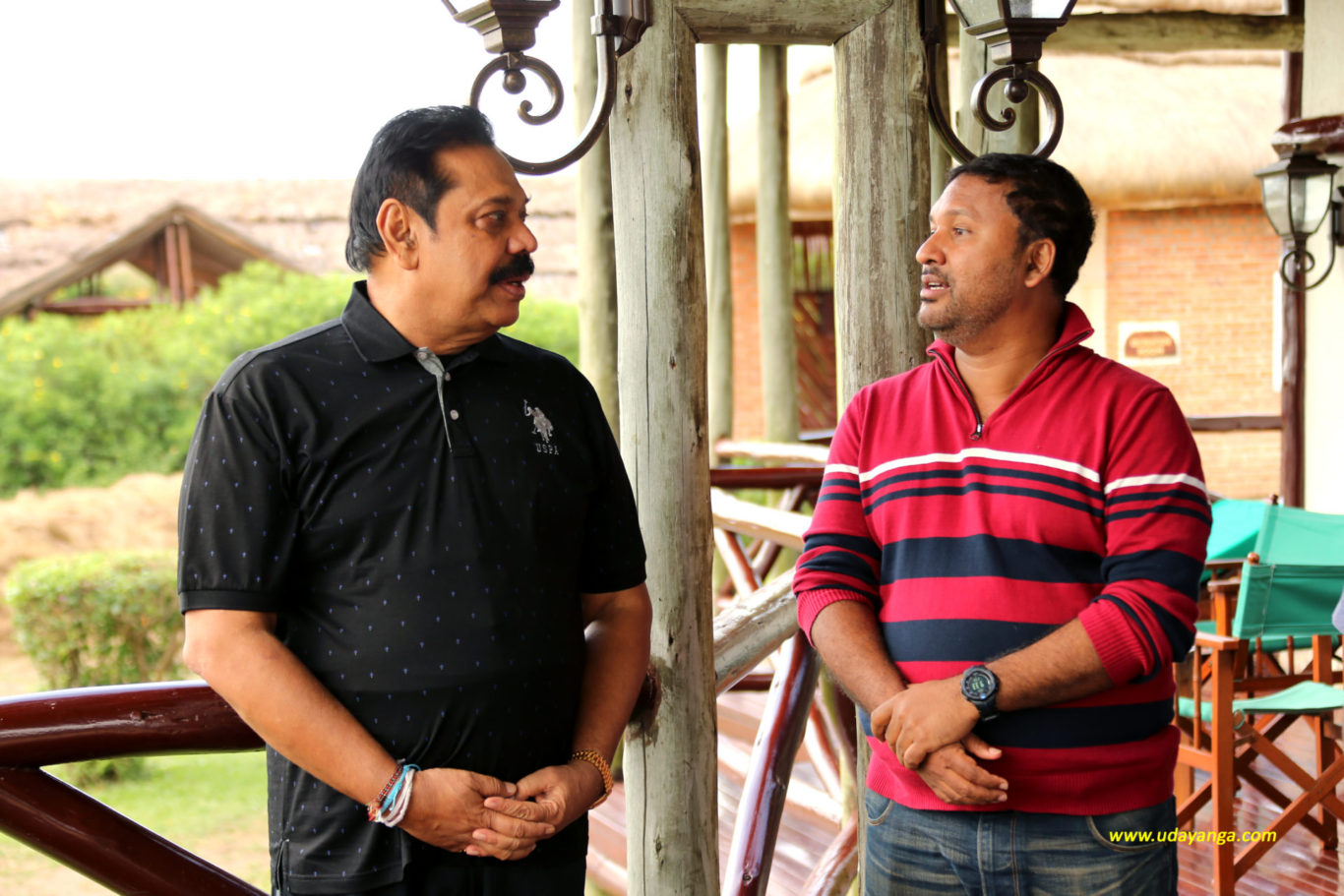
උගන්ඩාවේ ජල විදුලි බලාගාර සංවර්ධනය කිරීමේ යෝජනා ක්රම සාර්ථකව වසර 9 කට ආසන්නව කාලයක් නිරතුරුව සිටින VS Hydro ආයතනයේ අධිපති ප්රබෝධ සුමනසේකර මහතාගේ ආරාධනාව පිළිගත් අප ජනාධිපති මහින්ද රාජපක්ෂ මැතිතුමා මැයි 14 දින උදේ ආහාරය පැමිණියේය. එම ආයතනයේ ලාංකිකයන් 70 පමණ උගන්ඩාව තුලත් ලාංකිකයන් 50 පමණ කෙන්යාව තුලත් රැකියාවෙ නිරතවීමට ගැන අපට ලොකු ආඩම්බරයකි. ලාංකික ක්රමයට පිළියෙළ කර තිබුණු කිරිබත්, ඉදිඅප්ප, පොල් සම්බෝලයක් සමගින් ඉතා සතුටින් ආහාරය ගෙන ලාංකිකයන් සමගින් පිළිසඳරක යෙදීමට අප්පච්චි අමතක නොකළහ.
එහි පැමිණි සියලු ලාංකිකයන් චෝදනා කරන ලද්දේය, මෙම රජය විසින් ශ්රී ලංකා තානාපති කාර්යාලය වසා දැමීම ගැනත්, වැඩ අවසන්ව ඇති මසුලිටා ශ්රී ලංකා වෘත්තීය පුහුණු මධ්යස්ථානයේ විවෘත නොකිරීම ගැනත්ය.
ජනාධිපති මහින්ද රාජපක්ෂ මැතිතුමාගේ අවසන් නිල සංචාරය සිදුවූයේ 2013 මැයි මස 11 වැනිදාය. එහිදී දශක තුනකට ආසන්න කාලයක් තිස්සේ දෙරට අතර පැවැති මිතුදම් වඩාත් ශක්තිමත් කර ගැනීමට සමත් විය. උගන්ඩා ජනාධිපති යෝවෙරි මුසවේනි මහතා සමඟ ජනාධිපතිවරයා ද්විපාර්ශ්වික සාකච්ඡා පැවැත්වූ අතර කෘෂිකර්මය, බලශක්ති සහ වෙළෙඳ ක්ෂේත්රයන් පිළිබඳ රාජ්ය නායකයන්ගේ අවධානය යොමු කෙරිණ. පොදු රාජ්ය මණ්ඩලීය රාජ්ය නායක සමුළුවට සහභාගී වූ අතර පොදු රාජ්ය මණ්ඩලයීය සංගමයේ පළාත් පාලන සම්මන්ත්රණයේ සමාරම්භක අවස්ථාවට මෙන්ම ඊට සමගාමීව පැවැති වෙළෙඳ ප්රදර්ශනයේ ආරම්භක අවස්ථාවටත් ජනාධිපතිවරයා සහභාගී විය. කම්පාලා අගනුවර ශ්රී ලංකා තානාපති කාර්යාලය විවෘත කිරීමේ අවස්ථාවට සහ මසුලිටා වෘත්තීය පුහුණු මධ්යස්ථානයේ සහ උගන්ඩා සීනි කර්මාන්තශාලාවේ නිරීක්ෂණ චාරිකාවකද ජනාධිපතිවරයා නිරත වූවේය.
[:]